
If you’re tired of cat litter ruining the look and feel of your home, I get it—I’ve dealt with the same struggle. The good news is you don’t have to sacrifice style for practicality. In this guide, I’ll walk you through 20 smart, modern cat litter storage ideas that help you hide the mess, control odor, and keep your space looking clean and organized without stressing your cat.
You probably already know the frustration of having a bag of cat litter sitting in the corner. I’ve been there—it sticks out, clashes with your décor, and slowly starts affecting the smell of the entire room.
For many of us, the goal is simple: a home that feels clean, fresh, and put together. But poorly stored litter can quickly undo all that effort and make even a tidy room feel messy.
The good news is you really don’t have to choose between a stylish home and a happy cat. With the right setup, you can hide litter storage so well that most people won’t even notice it’s there.
In this guide, I’m sharing practical and modern cat litter storage ideas that actually work in real homes. These are simple, effective ways to reduce clutter and keep everything organized.
How Do You Hide Cat Litter Storage Without Affecting Your Home Décor?
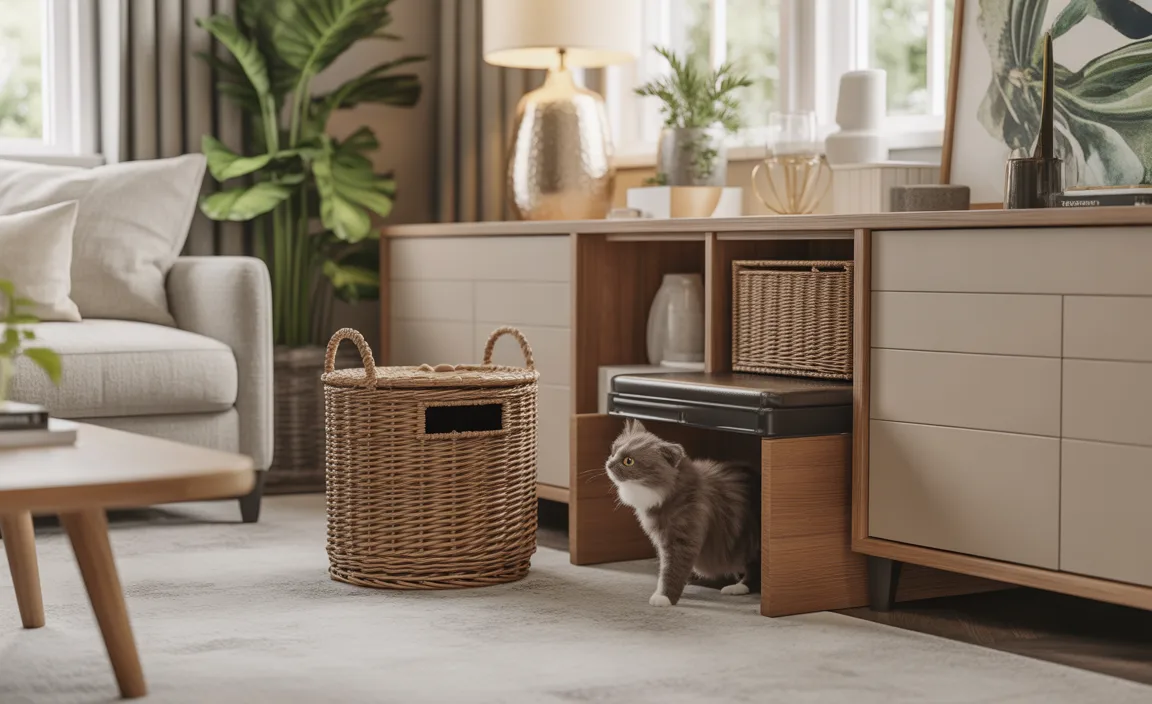
Even if your space is spotless, visible litter bags can ruin the overall look. I’ve noticed that guests tend to spot them immediately because they don’t match anything else in the room.
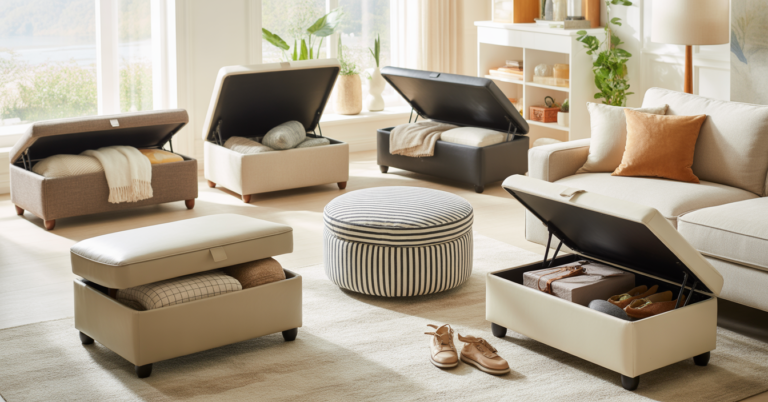
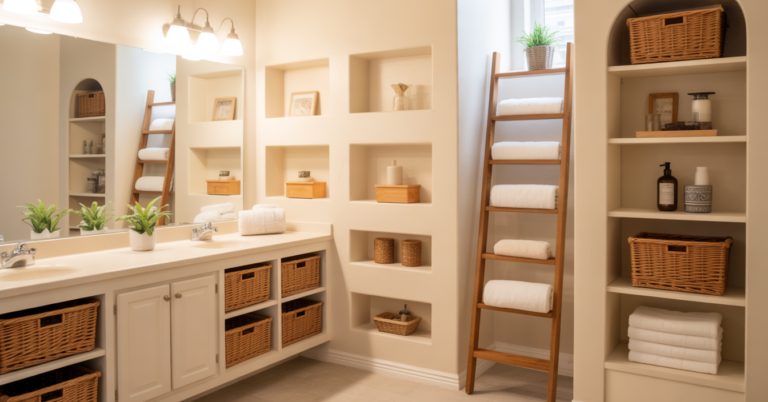
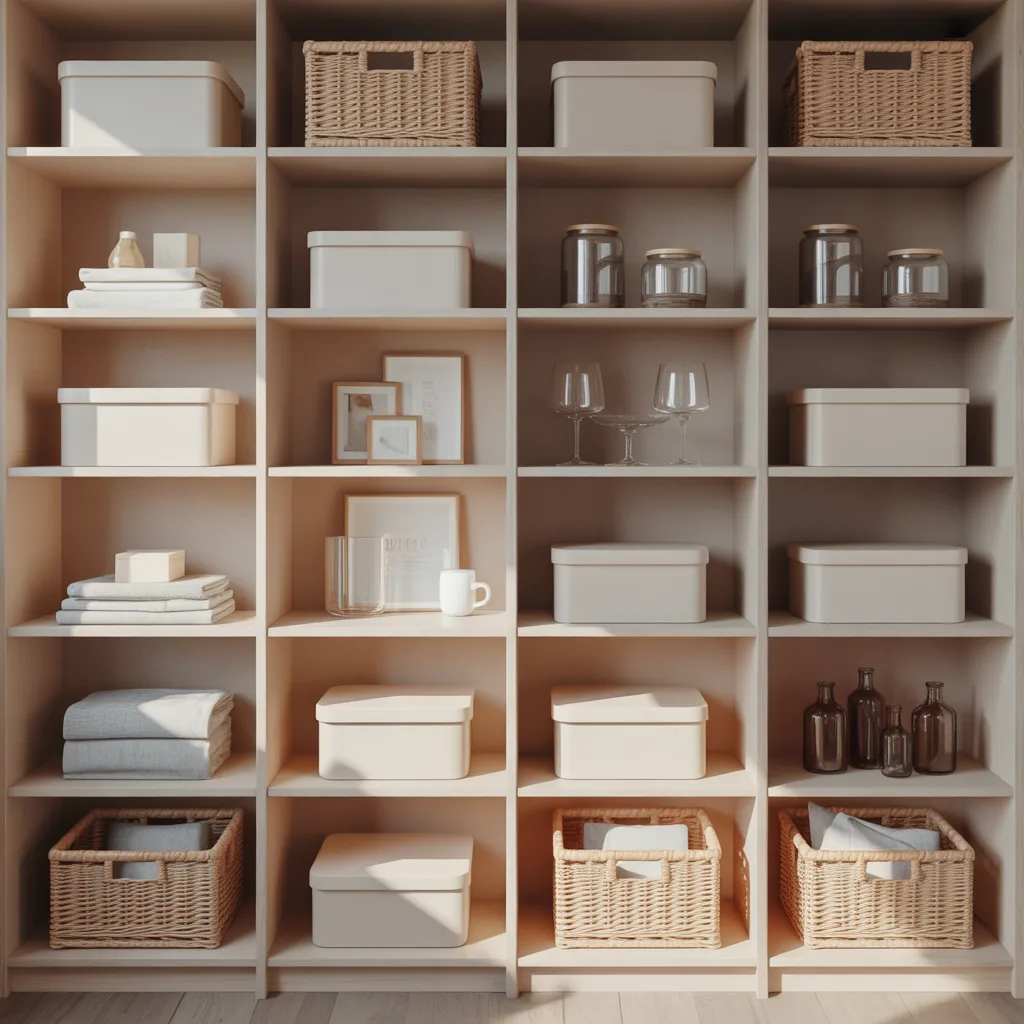
What works best for me is using storage that blends in naturally. Think baskets, benches, or cabinets that match your furniture. Once the container fits your décor, it stops looking like pet storage and starts feeling intentional.
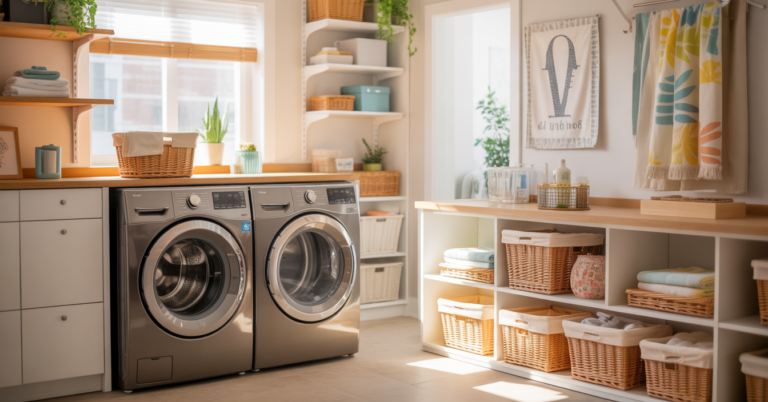
You can also tuck litter into closets, laundry cabinets, or decorative bins. This keeps everything accessible while maintaining a clean, uncluttered appearance.
Covered Litter
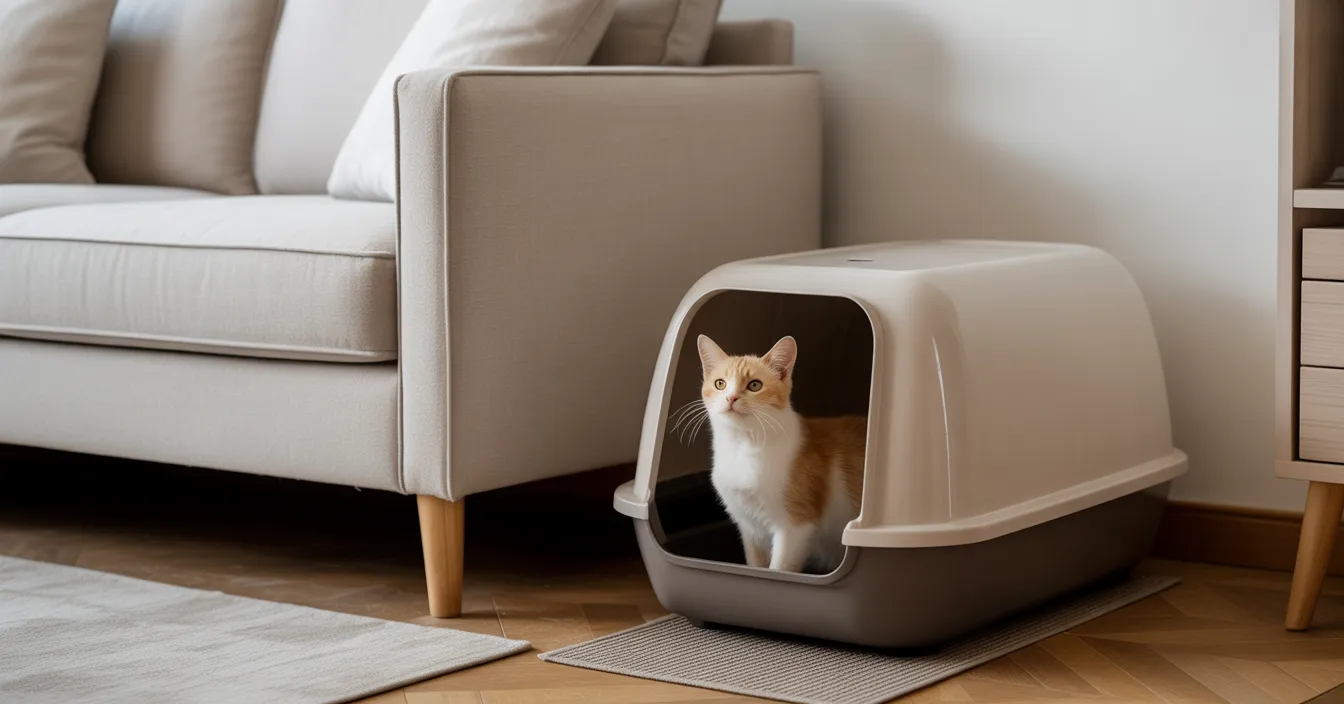
I’ve found that open litter boxes tend to spread odor and dust faster than expected. Covered designs help contain both, making the area feel instantly cleaner.
The enclosed shape keeps litter inside, which means less mess around the box. It also makes the setup less noticeable, especially in shared spaces like living rooms.
Cleaning is straightforward since you can lift the top, scoop, and close it quickly. Adding a mat underneath helps catch stray litter and keeps things looking neat.
Open Design
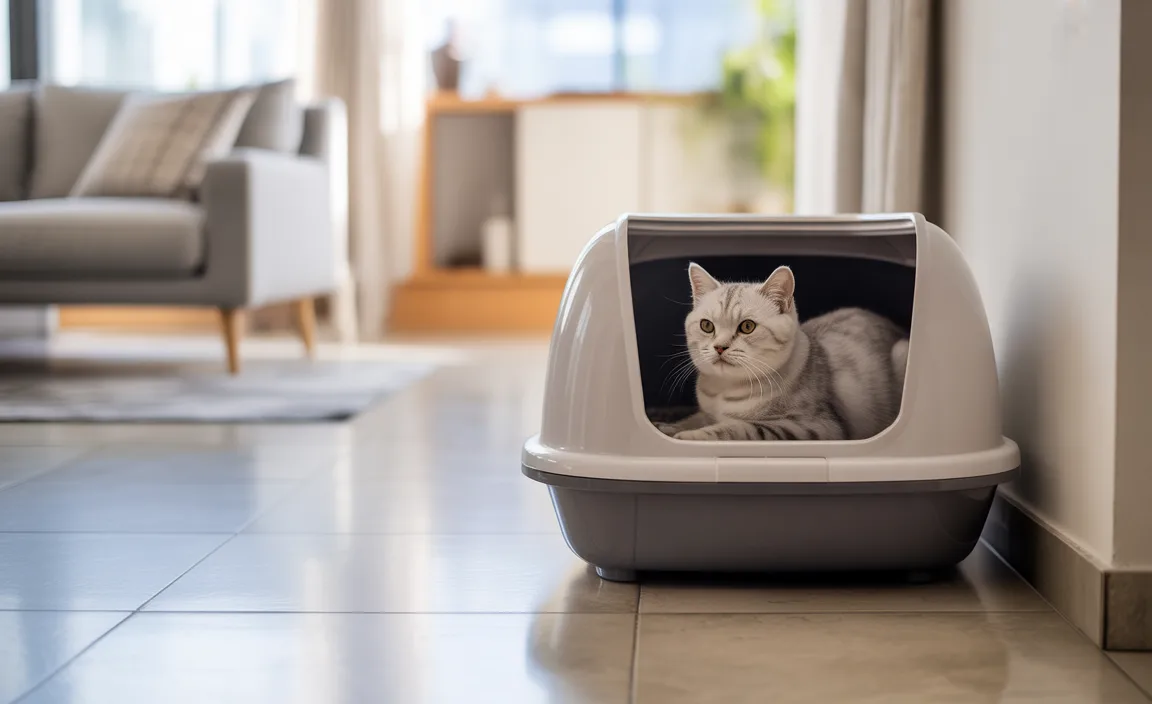
Some cats simply prefer open spaces, and I’ve seen how open litter boxes make them more comfortable. They also make cleaning quicker and more convenient.
These work best on easy-to-clean flooring like tile or wood. Placing them against a wall or beside furniture helps them blend into the room.
If you have an older or larger cat, a low-entry design can make a big difference. Pairing it with odor-control litter can also help maintain freshness.
Cabinet Hideout
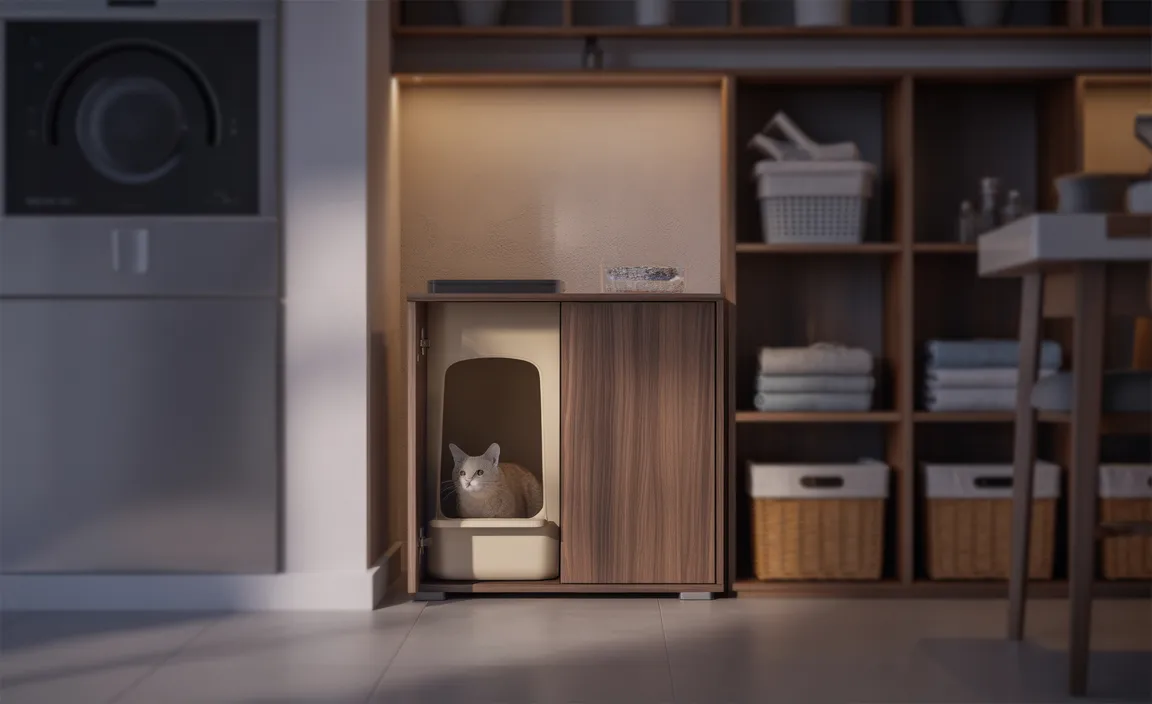
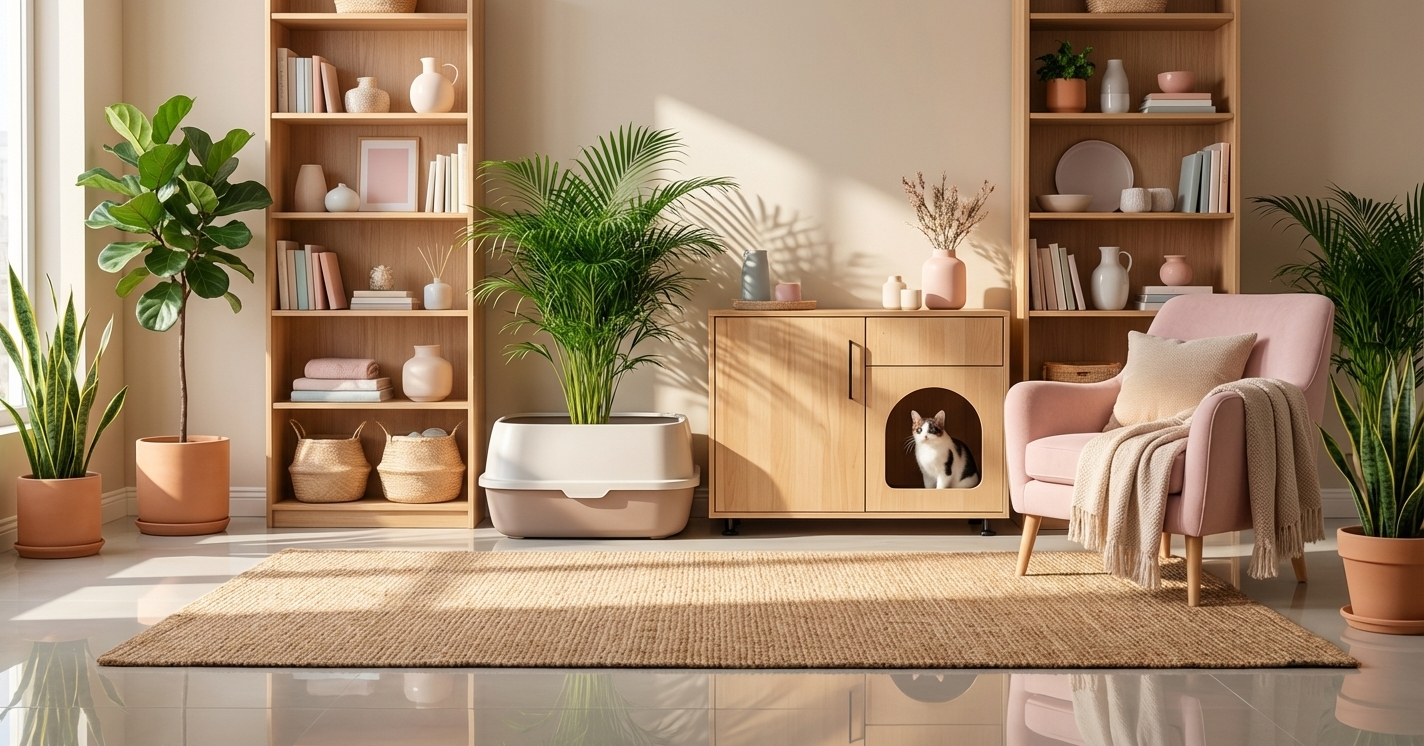
One of my favorite solutions is using cabinets to hide litter boxes completely. It instantly reduces visual clutter and keeps everything out of sight.
By placing the box inside a lower cabinet, you create a discreet entry point for your cat. It works especially well in hallways or laundry areas.
I recommend leaving a small opening for easy access and ensuring proper ventilation. Regular cleaning is key to preventing odor buildup inside enclosed spaces.
Corner Station
Unused corners are perfect for turning into hidden litter stations. I’ve used this trick to make awkward spaces actually useful.
A simple corner cabinet can hold one or two boxes while the top surface can be used for décor. It keeps everything compact and organized.
If you have multiple cats, dividing the space helps avoid conflicts. Adding hooks inside for tools like scoops keeps everything in one place.
Low Profile
Bulky litter boxes can draw attention immediately. I prefer low-profile designs because they blend seamlessly with modern interiors.
Their clean lines and neutral tones make them look more like furniture than pet supplies. Placing them near walls or low furniture works best.
They also give cats more open space without feeling confined. Built-in storage for tools is a bonus that keeps things tidy.
Top Entry
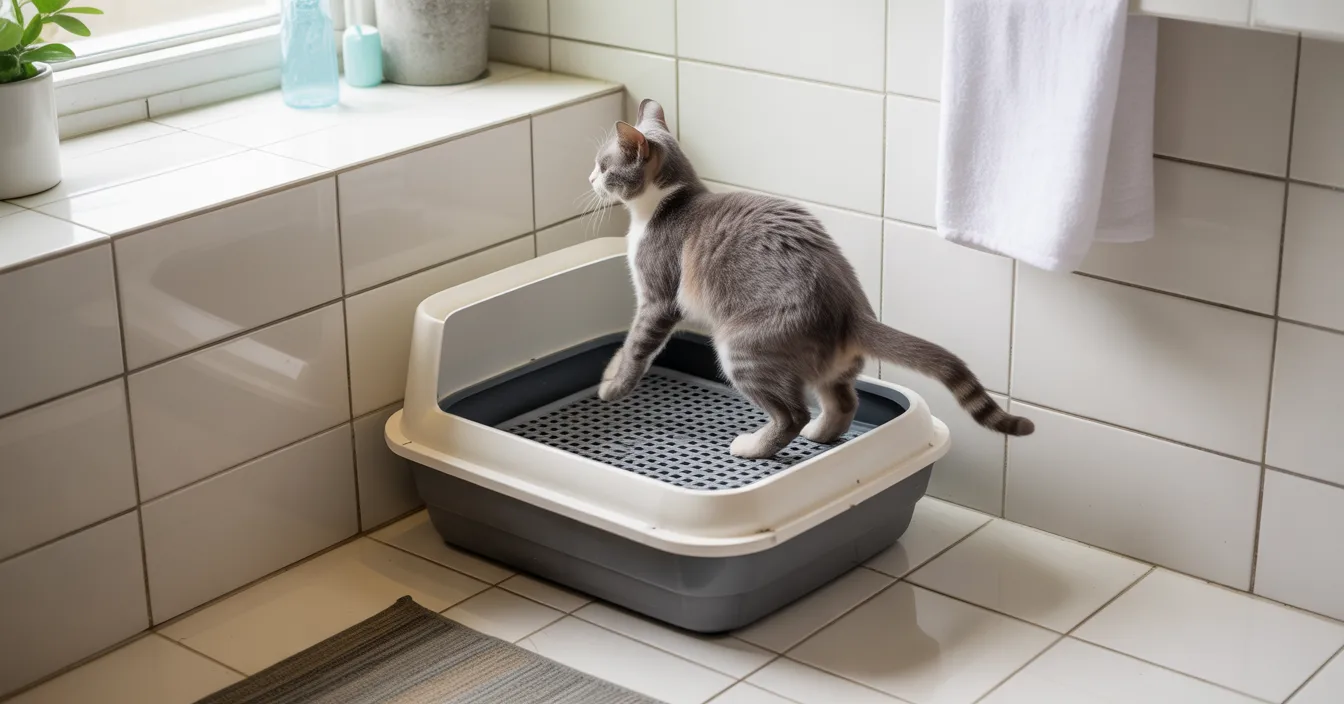
Top-entry litter boxes are great if you’re dealing with scattered litter around the house. I’ve seen a noticeable difference after switching to one.
Since cats exit from the top, loose litter tends to fall back inside. This helps keep floors cleaner throughout the day.
They’re especially useful in smaller spaces like bathrooms or laundry rooms. Adding a mat underneath enhances the effect even more.
Mat Zone
If litter tracking is your biggest issue, creating a dedicated mat zone can help a lot. I always recommend this as a simple fix.
Textured mats trap litter from your cat’s paws before it spreads. It keeps the mess contained to one area.
This setup works well in compact spaces where you can define a specific litter zone. It’s an easy upgrade with immediate results.
Decor Blend
I like the idea of turning the litter area into part of your décor instead of hiding it completely. It changes how the space feels.
Using neutral tones and stylish finishes helps the box blend in. Surrounding it with plants or furniture softens the look.
Adding a rug underneath defines the space while catching stray litter. Storage baskets nearby keep supplies organized without looking messy.
Dual Setup
Not all cats like the same type of litter box, and I’ve learned this the hard way. Offering options can prevent accidents.
A dual setup with both open and covered boxes gives cats flexibility. It’s especially helpful in multi-cat households.
Keeping both boxes in one area maintains organization. It also makes cleaning routines more efficient.
High Walls
If your cat tends to dig aggressively, high-wall litter boxes are a lifesaver. They help keep litter contained.
The taller sides prevent grains from spilling out during use. This is ideal for active cats or messy diggers.
Despite the height, a lower entry point keeps it accessible. It’s a practical balance between control and comfort.
Box Hack
Sometimes, a quick DIY solution is all you need. I’ve used sturdy cardboard boxes as temporary litter setups.
Cutting an entry hole and lining the inside makes it functional. It’s especially useful during moves or travel.
While not permanent, it’s affordable and easy to set up. Pairing it with a mat helps manage mess effectively.
Smart Cleaner
Automatic litter boxes can save a lot of time, especially in busy homes. I’ve seen how much effort they reduce daily.
They clean themselves after each use, storing waste in a sealed compartment. This helps with both hygiene and odor control.
They do require power and proper placement. But once set up, they make maintenance much easier.
Drawer Design
Pull-out drawer designs make cleaning much more convenient. I personally find them easier than lifting trays.
You can quickly slide the drawer out, clean it, and push it back in. It saves time and effort.
These designs often look like furniture, which helps them blend into living spaces. Extra storage compartments are a plus.
Bin System
Large bins are perfect for storing bulk litter in one place. I like using them to reduce clutter.
They hold more litter, so you don’t need to refill as often. This makes them practical for busy households.
Keeping everything in a single station improves organization. Adding a sealed trash bin nearby completes the setup.
Nook Spot
Small, unused spaces can be surprisingly effective for litter placement. I often recommend checking corners or gaps.
These spots keep the litter box out of the main walking areas. It makes the home feel less cluttered.
Tall-sided boxes work well here to prevent spills. Keeping cleaning tools nearby adds convenience.
Multi Station
In homes with multiple cats, one litter box usually isn’t enough. I’ve found that separate stations work much better.
Placing them along a wall keeps the setup organized. It also reduces territorial behavior between cats.
Having all cleaning supplies nearby makes maintenance easier. Matching designs can improve the overall look.
Plant Disguise
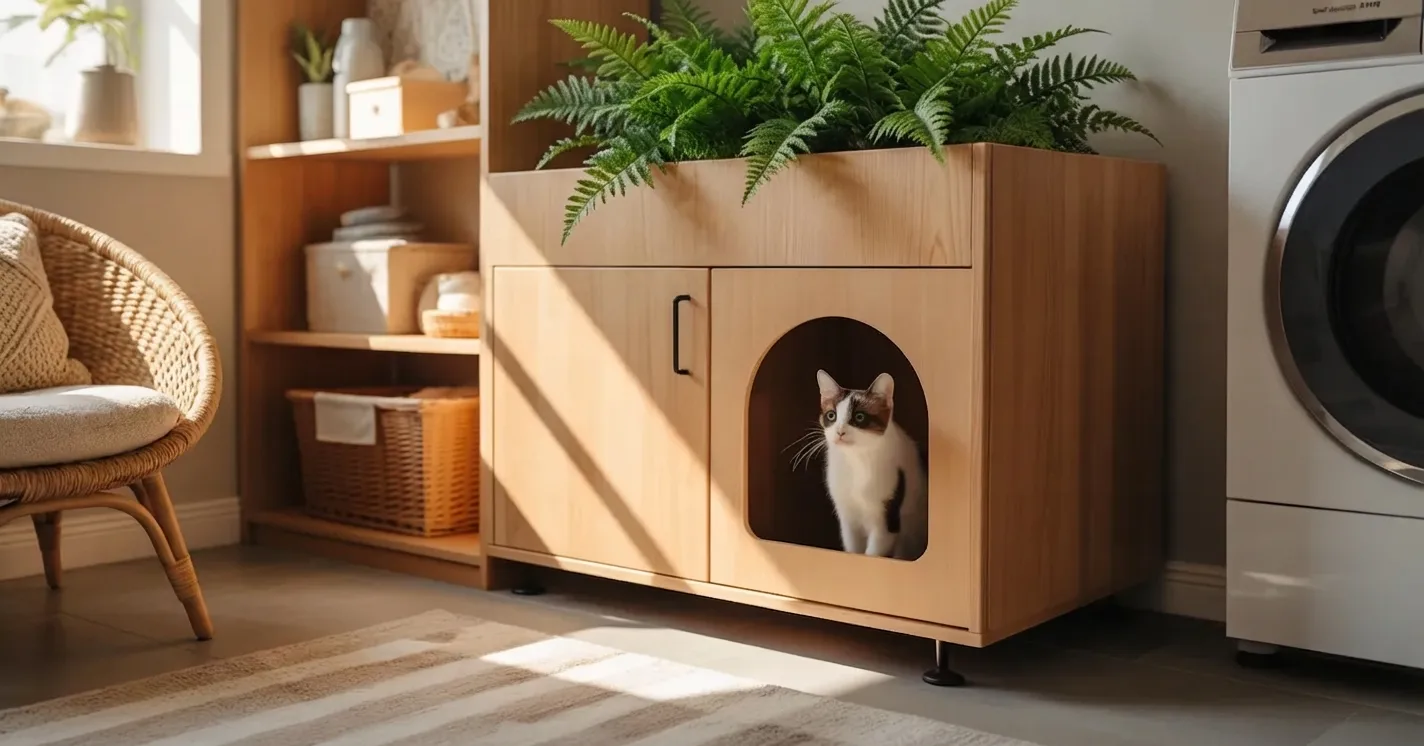
One of the most creative ideas I’ve seen is using planter-style litter boxes. They look like decorative plants at first glance.
The litter box is hidden inside, with an entry point for the cat. It blends perfectly into living room décor.
Using artificial plants works best to avoid moisture issues. It’s both functional and visually appealing.
Cabinet Box
Furniture-style litter boxes are great for hiding everything in plain sight. I like how they double as storage units.
They can hold the litter box along with cleaning tools. From the outside, they look like regular cabinets.
Ventilation is important to keep odors under control. With a small modification, you can easily create one yourself.
Color Match
Matching your litter box to your room’s color scheme makes a big difference. I’ve seen how it helps everything blend together.
Soft or neutral tones work best for a subtle look. It turns the box into part of the décor.
You can either buy a matching design or customize one yourself. Even small changes can improve the overall appearance.
Twin Boxes
If you have more than one cat, having two boxes in one spot can simplify things. It keeps everything organized.
Placing them side by side creates a dedicated litter area. It’s easier to clean and maintain daily.
Using a large mat underneath helps control mess. This setup balances convenience with cleanliness.
Key Takeaways
Keeping cat litter out of sight instantly improves how your home looks and feels
Matching storage solutions with your décor helps everything blend naturally
Odor control comes down to smart placement, airflow, and daily cleaning habits
Multi-cat homes benefit from having more than one litter setup
Simple additions like mats, cabinets, and bins can make a big difference
FAQs
1. Where is the best place to hide a cat litter box in a small home?
I usually recommend quiet, low-traffic areas like laundry corners, hallway ends, or beside furniture. The key is accessibility for your cat without placing it in busy or noisy spots.
You should also avoid areas near food bowls or loud appliances. If possible, use furniture-style enclosures or cabinets to help the litter box blend into your space.
2. How can you control odor when the litter box is inside a living space?
From my experience, daily scooping is non-negotiable if you want to control odor. Depending on the litter type, a full change every one to two weeks also helps.
Using covered boxes, odor-absorbing materials like baking soda, and proper ventilation can make a big difference. Placing the box near airflow, like a window, helps keep the space fresh.
Conclusion
At the end of the day, I’ve realized that cat litter storage doesn’t have to ruin the look of your home. With a bit of planning and the right setup, you can keep everything neat, odor-free, and visually appealing without making your cat uncomfortable.
What really works is choosing solutions that match your space and lifestyle. Whether it’s a hidden cabinet, a stylish planter box, or a simple mat setup, small changes can make a noticeable difference in both cleanliness and convenience.
I always recommend starting with one or two ideas that fit your home best and building from there. Once you find what works, maintaining a clean and organized litter area becomes much easier and less stressful.
A well-designed litter setup not only improves your home’s appearance but also creates a more comfortable environment for your cat. And honestly, that balance is what every pet owner is aiming for.