
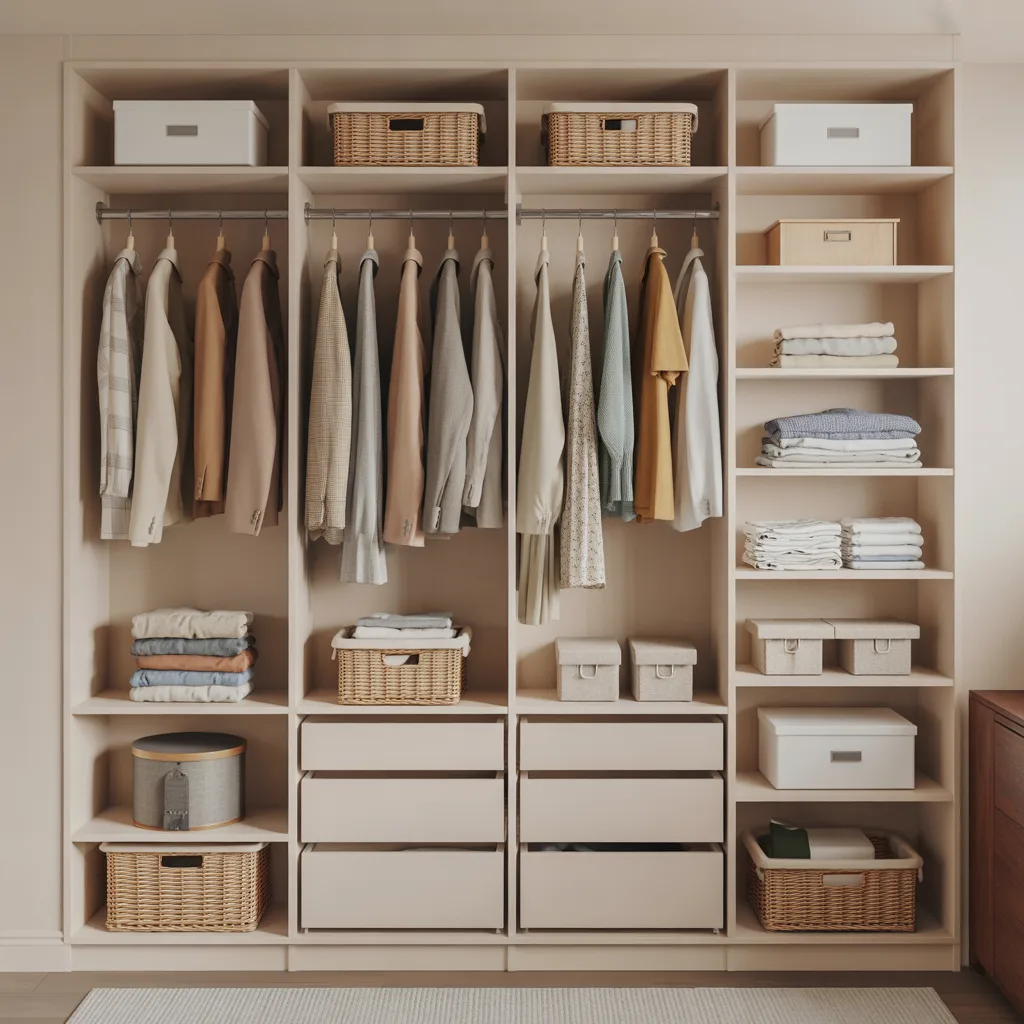

Living in a rental often means dealing with limited space, strict rules, and no permission to make permanent changes. This article is written for renters who want smarter storage solutions without drilling, damaging walls, or risking their security deposit. I’ll walk you through practical, real-world ideas that actually work in small apartments and rented homes. Each idea is simple and flexible for everyday use.
Key Takeaways
Renters can maximize space without permanent installations by using smart, movable storage solutions that are easy to set up. Vertical space, doors, corners, and hidden zones are often underutilized in most homes but offer huge storage potential. Freestanding and adhesive-based organizers are ideal because they don’t damage walls and can move with you when needed. Small modular systems help control clutter effectively without taking up valuable floor space in compact apartments.
With the right setup strategy, even very small homes can feel open, organized, and highly functional.
How Can Renters Add More Storage Without Making Permanent Changes?
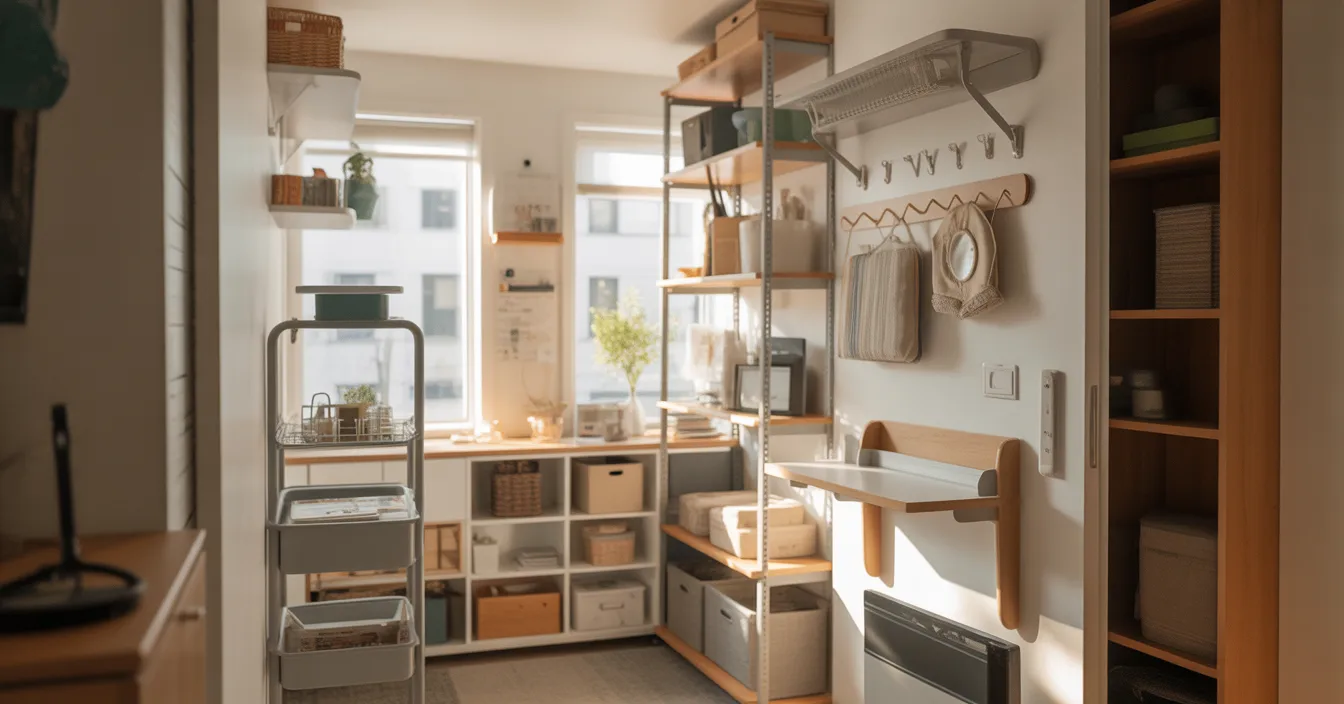
Living in a rental often feels limiting when clutter builds up and you’re not allowed to modify walls or install permanent fixtures. I’ve personally dealt with this challenge, and I realized early that storage doesn’t have to be fixed or built-in to be effective. Once you shift your mindset, you can create a highly functional home using completely removable solutions.
What really helped me was rethinking unused and overlooked spaces inside the home.
Vertical walls, behind-door gaps, corners, and even under-furniture areas often hold far more storage potential than expected. Once you start noticing these hidden zones, you instantly gain more organization opportunities.
Freestanding shelves, rolling carts, and adhesive organizers make rental living much easier and more flexible. They don’t damage surfaces, and you can take them with you whenever you move.
This approach helps you stay organized without violating any lease rules.
Pro Tip: Start by fixing one problem zone first, like your entryway or kitchen, instead of trying to organize everything at once.
21 Renter Friendly Storage Ideas for 2026
Wall Rack
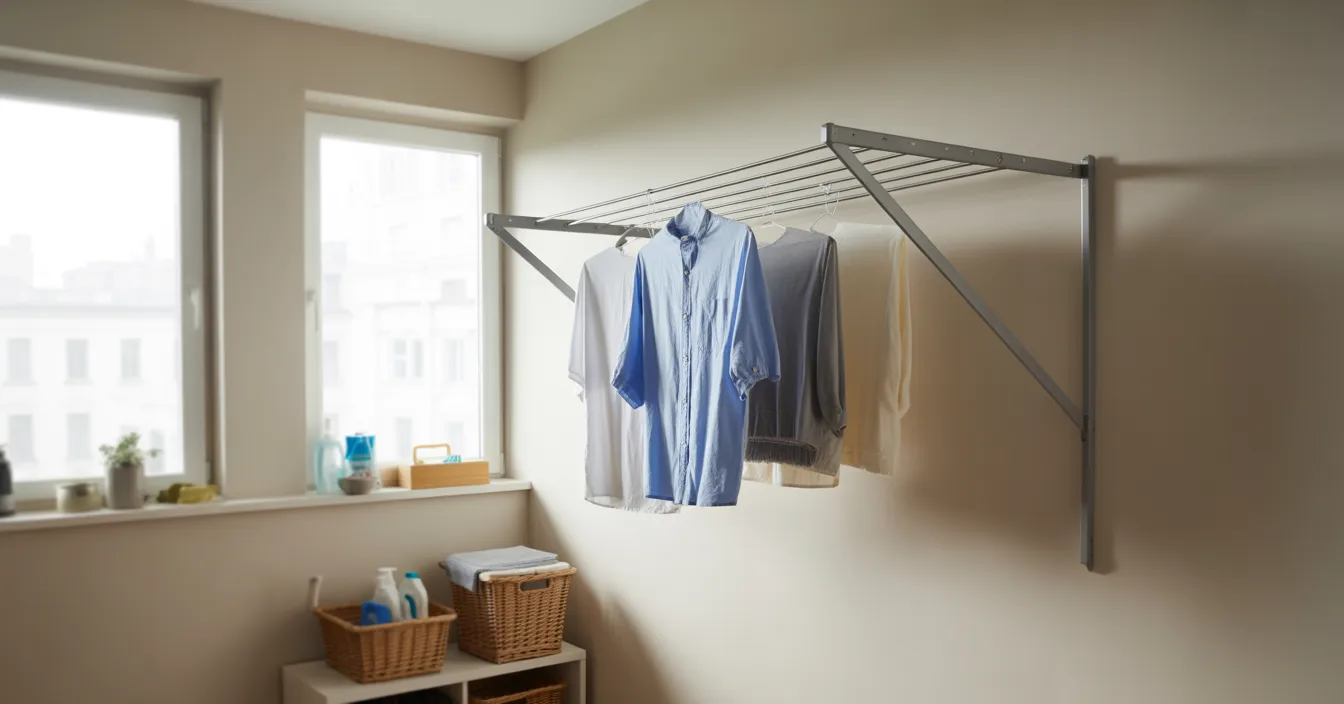
A foldable wall rack is extremely useful when laundry starts taking over limited living space in a rental home. It gives you a dedicated drying zone without occupying valuable floor area or blocking movement paths. It’s one of the simplest upgrades for small apartments that need extra functionality.
When not in use, it folds flat against the wall and keeps the space looking clean and open.
Pairing it with nearby shelves for detergents and cleaning supplies creates a compact laundry station. It helps keep everything organized in one practical corner.
Pro Tip: Install it near airflow or a window to speed up drying time naturally.
Pull-Out Pantry
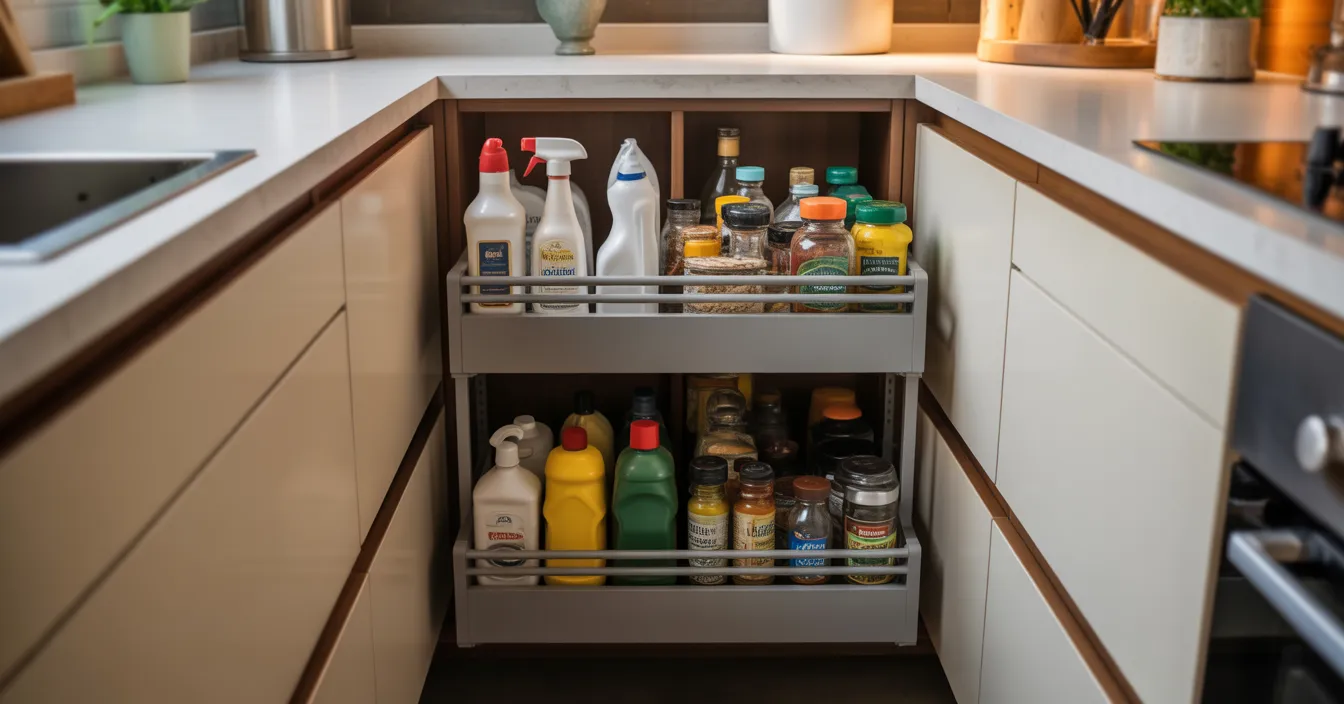
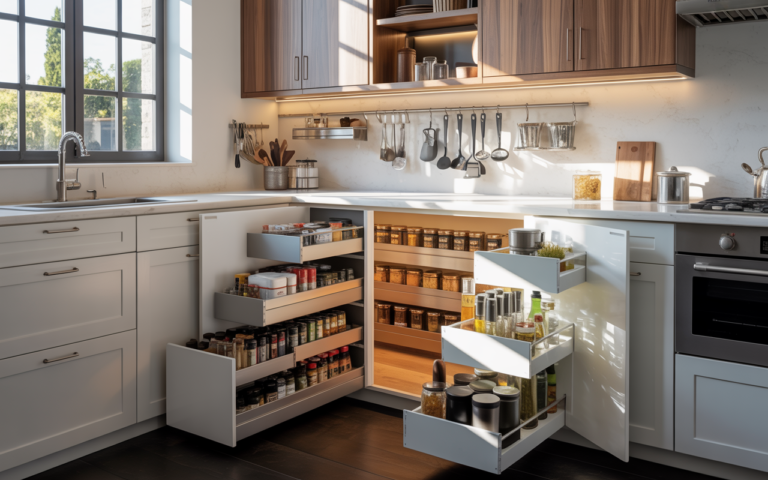
Slim gaps between cabinets often go unused, even though they can be extremely valuable for storage. A pull-out pantry transforms that wasted space into a hidden, sliding storage solution.
It works especially well in small kitchens where every inch matters.
Inside, you can organize cleaning sprays, cloths, and small kitchen supplies in a structured way.
Adding small baskets prevents items from falling or getting lost in the back. It makes storage both hidden and highly efficient.
Pro Tip: Measure your available gap precisely before choosing a unit to ensure smooth sliding.
Shoe Tower
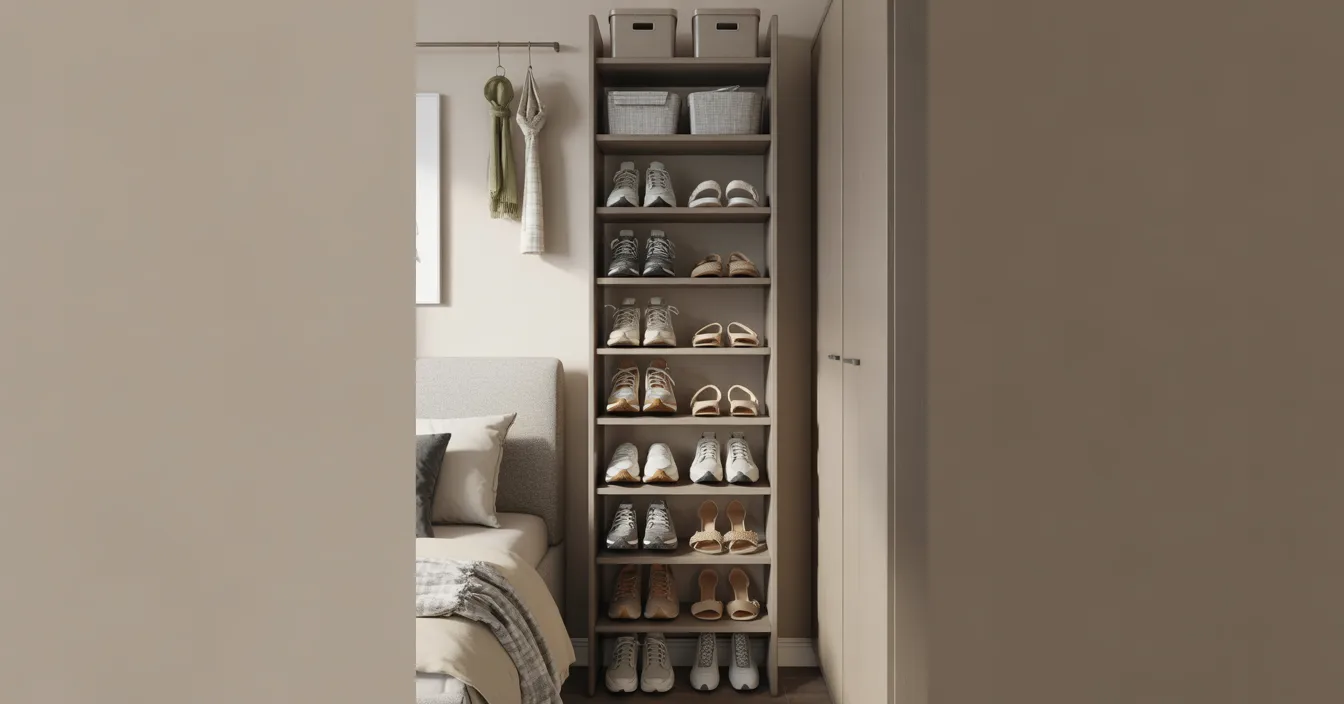
Shoes often end up scattered near entrances, especially in small apartments with limited storage.
A vertical shoe tower solves this by stacking footwear upward instead of spreading it across the floor. It immediately creates a cleaner and more organized entry space.
You can organize shoes by category, such as daily wear, formal shoes, or seasonal pairs.
Extra space on top can be used for accessories like belts or small storage boxes. It turns chaos into a structured system.
Pro Tip: Keep your most-used shoes at eye level for quick daily access.
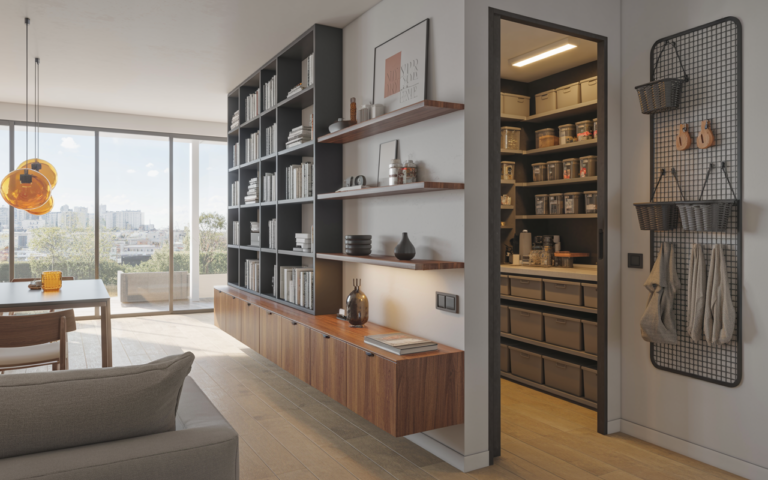
Wall Library
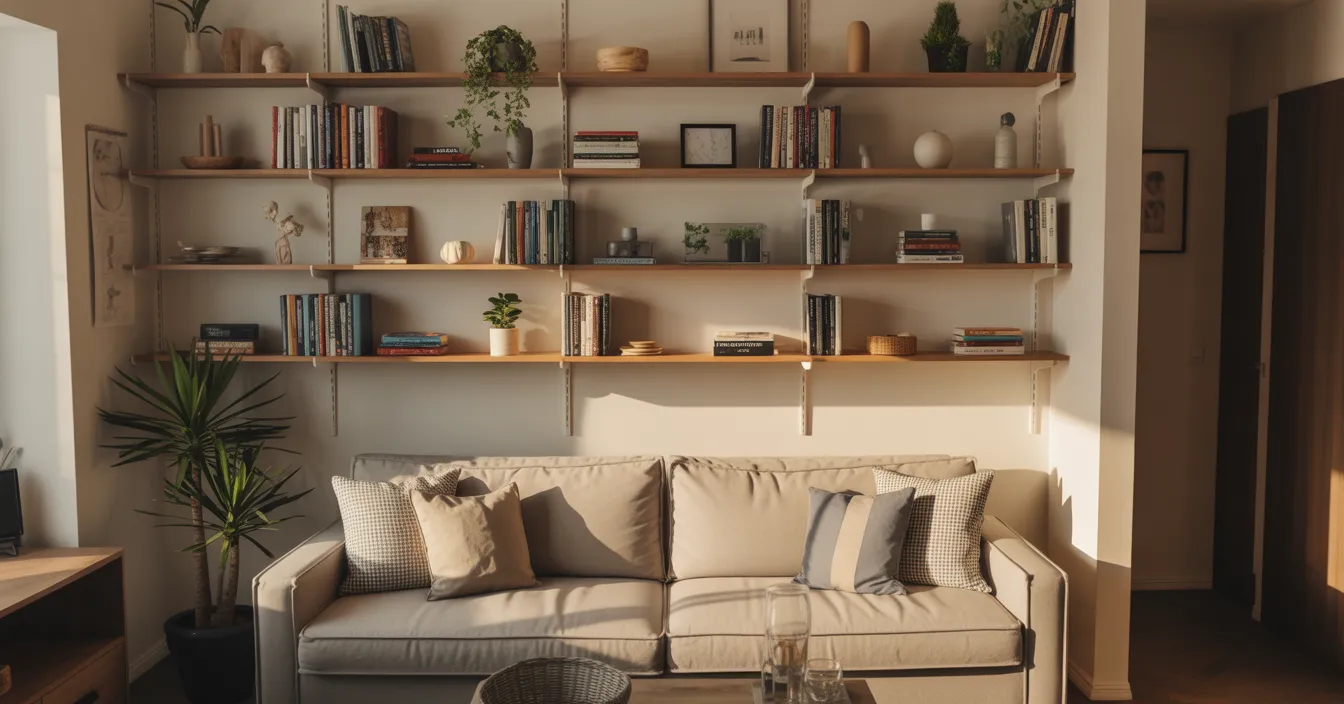
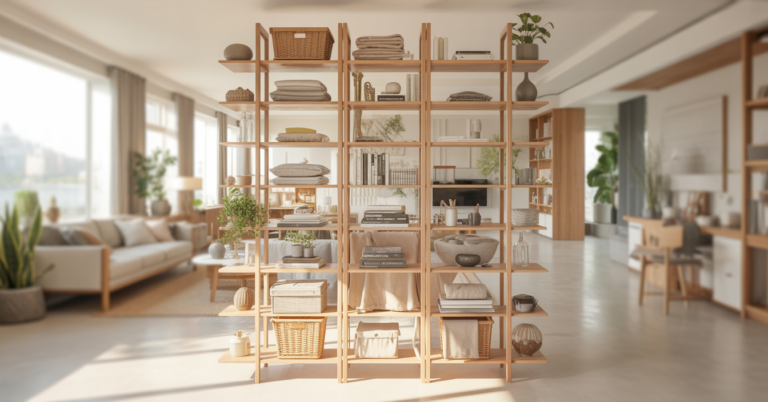
Unused wall space above furniture is perfect for creating a compact home library.
Installing shelves allows you to store books without adding bulky furniture to the room. It also enhances the visual appeal of your living space.
Heavier books should be placed on lower shelves for safety and balance.
Lighter decor items, plants, or frames can be placed higher for visual softness. This creates both function and design harmony.
Pro Tip: Mix books with decor elements to avoid a heavy, overcrowded look.
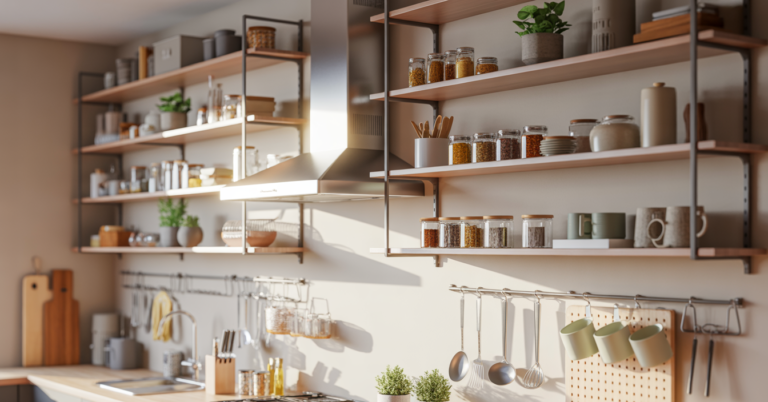
Hidden Cabinet
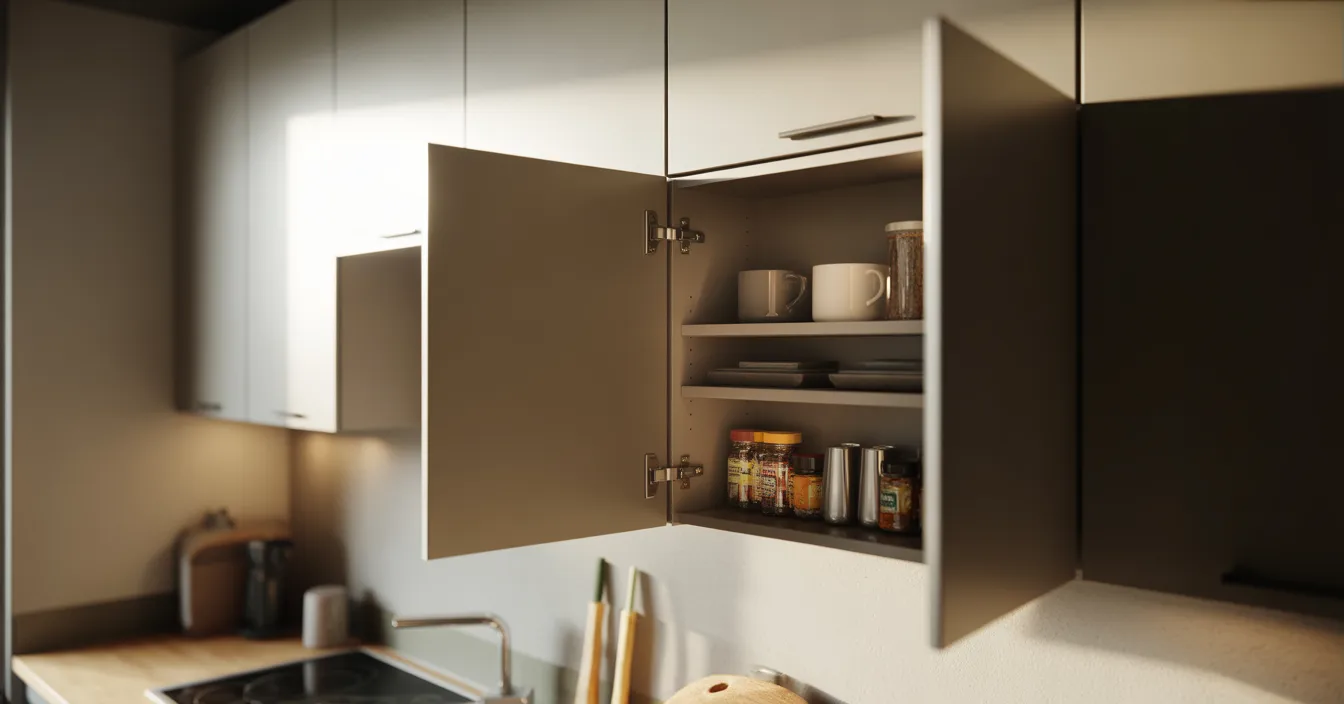
Small kitchens often suffer from cluttered countertops due to lack of storage space.
A compact wall-mounted cabinet helps hide everyday essentials while keeping them within reach. It creates a cleaner and more organized cooking environment.
Inside, you can store spices, cups, and small kitchen items in a structured layout.
Placing it near your coffee station or prep area improves daily convenience. It keeps essential items accessible but out of sight.
Pro Tip: Use transparent containers inside so you can quickly see what needs restocking.
Kitchen Station
A kitchen station helps centralize appliances, groceries, and cooking essentials in one organized area. It frees up counter space and improves overall kitchen workflow. It’s especially useful in small apartments with limited storage.
The top shelves can hold appliances while lower sections store dry goods in bins or baskets.
Rolling drawers add flexibility for utensils and smaller items. It creates a compact, highly functional cooking hub.
Pro Tip: Group items based on how often you use them to improve efficiency.
Pegboard Wall
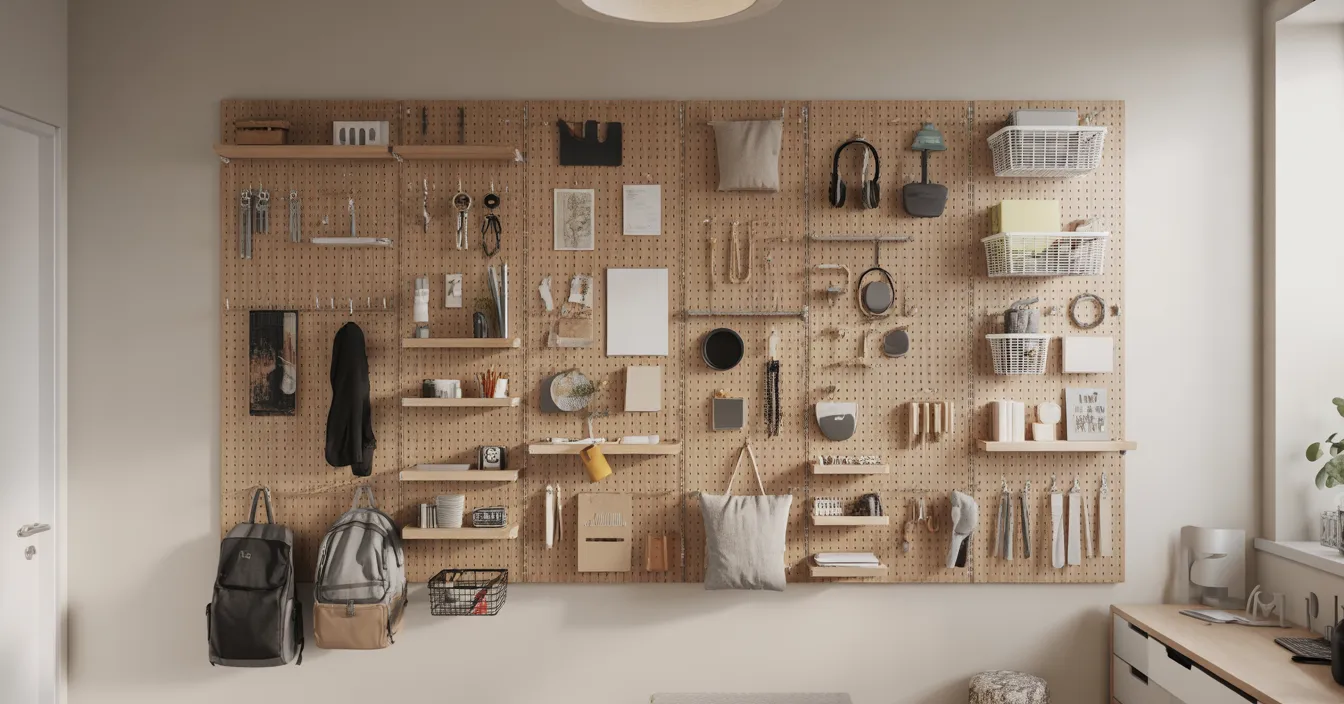
A pegboard turns a plain wall into a flexible and customizable storage system. You can easily rearrange hooks and shelves depending on your changing needs. It’s one of the most adaptable storage solutions for renters.
It works well for hanging keys, bags, tools, and small accessories in entryways or offices.
You can constantly adjust the layout without any damage or effort. It evolves with your lifestyle.
Pro Tip: Keep heavier items on lower sections to maintain stability.
Entry Rack
Entryways quickly become cluttered with jackets, bags, and shoes if not properly organized.
A simple wall-mounted rack helps control this everyday mess effectively. It creates a structured drop zone for daily essentials.
Hooks can hold bags and jackets while a small shoe rack organizes footwear below.
This combination keeps everything off the floor and neatly arranged. It improves first impressions of your home instantly.
Pro Tip: Assign individual hooks to each person to maintain order long term.
Cube Shelves
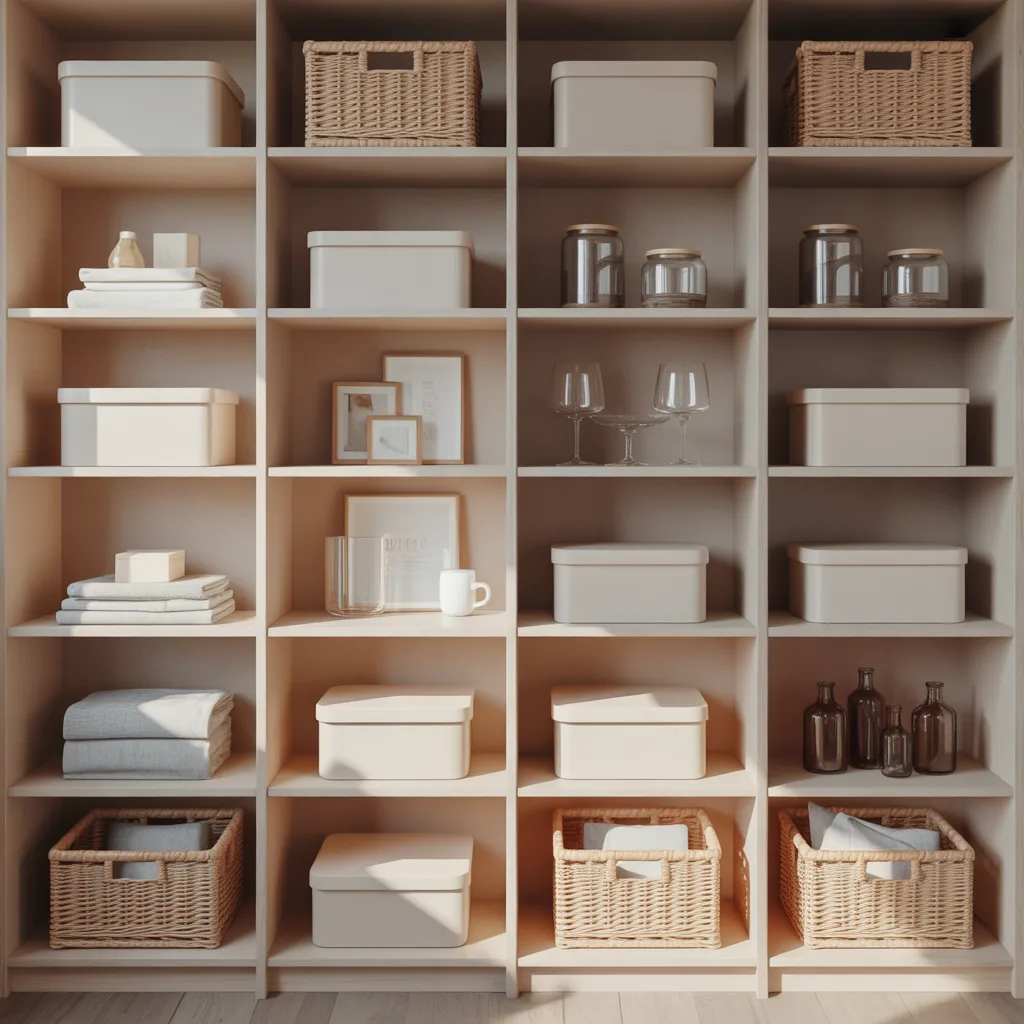
Cube shelving provides structured storage by dividing space into equal compartments.
Each cube acts as a dedicated zone for books, decor, or storage bins. It keeps everything visually organized and easy to access.
You can mix open and closed cubes depending on your storage needs.
Bins help hide clutter while open sections display decor items. It balances functionality and aesthetics.
Pro Tip: Stick to matching storage bins for a clean, unified appearance.
Sink Organizers
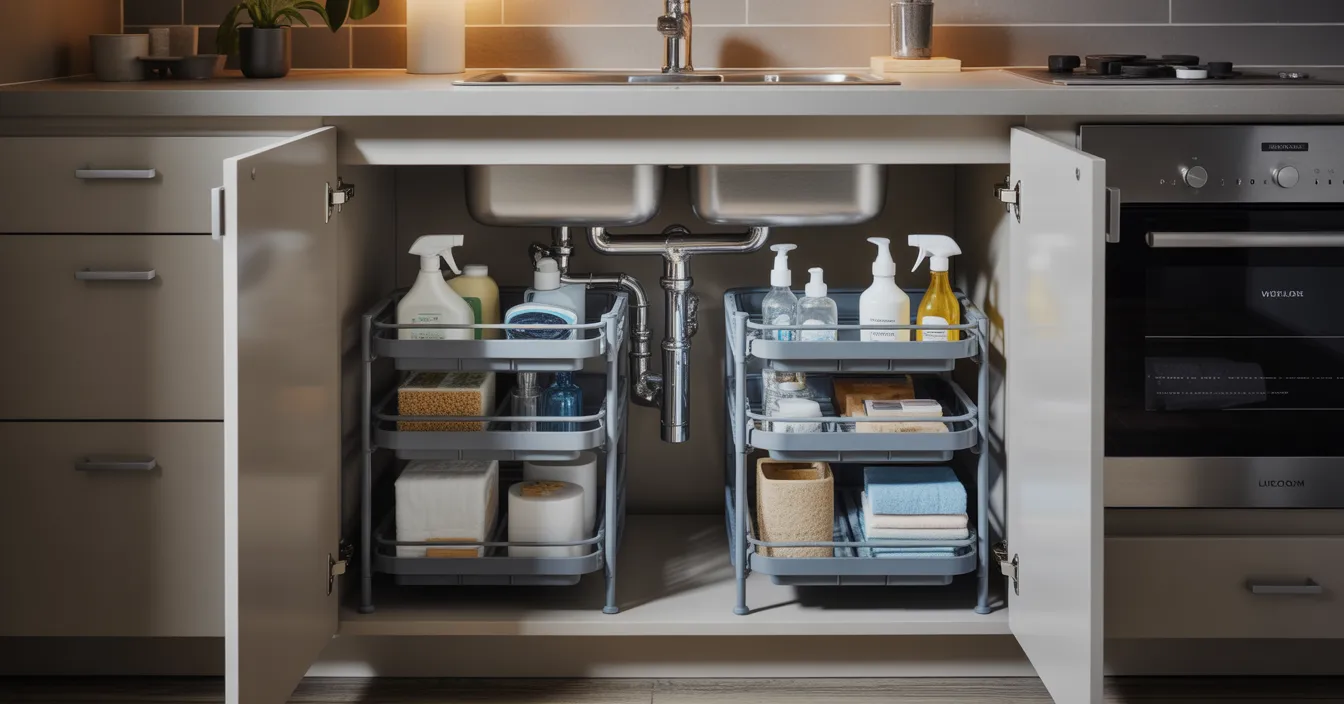
Under-sink cabinets often become messy storage zones filled with scattered items.
Sliding organizers solve this by making everything easy to access and visible. They significantly improve cabinet functionality in small kitchens and bathrooms.
These systems fit around plumbing and maximize awkward cabinet spaces efficiently.
You can separate cleaning supplies into different levels for better organization. It eliminates unnecessary digging and clutter.
Pro Tip: Use stackable trays to double your storage capacity efficiently.
Utility Board
A utility board keeps small daily items visible, organized, and easy to reach.
It reduces clutter inside drawers while improving overall accessibility. It’s especially useful in compact living spaces.
Hooks and baskets can hold tools, accessories, or small household items. The layout can be adjusted anytime depending on your needs. It keeps essentials within quick reach.
Pro Tip: Place frequently used items at eye level for faster access.
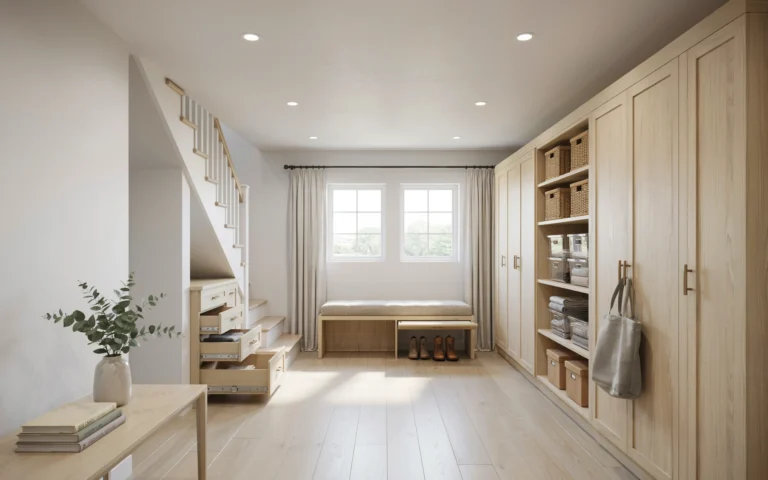
Stair Storage
Unused space under stairs can be transformed into highly functional storage.
Adding shelves turns this awkward area into a structured storage zone. It’s one of the most efficient ways to use hidden space.
You can store linens, cleaning supplies, or seasonal items in labeled bins.
Open shelving keeps everything visible and easy to organize. It eliminates wasted space completely.
Pro Tip: Use uniform bins to keep the space visually clean and organized.
Mug Cabinet
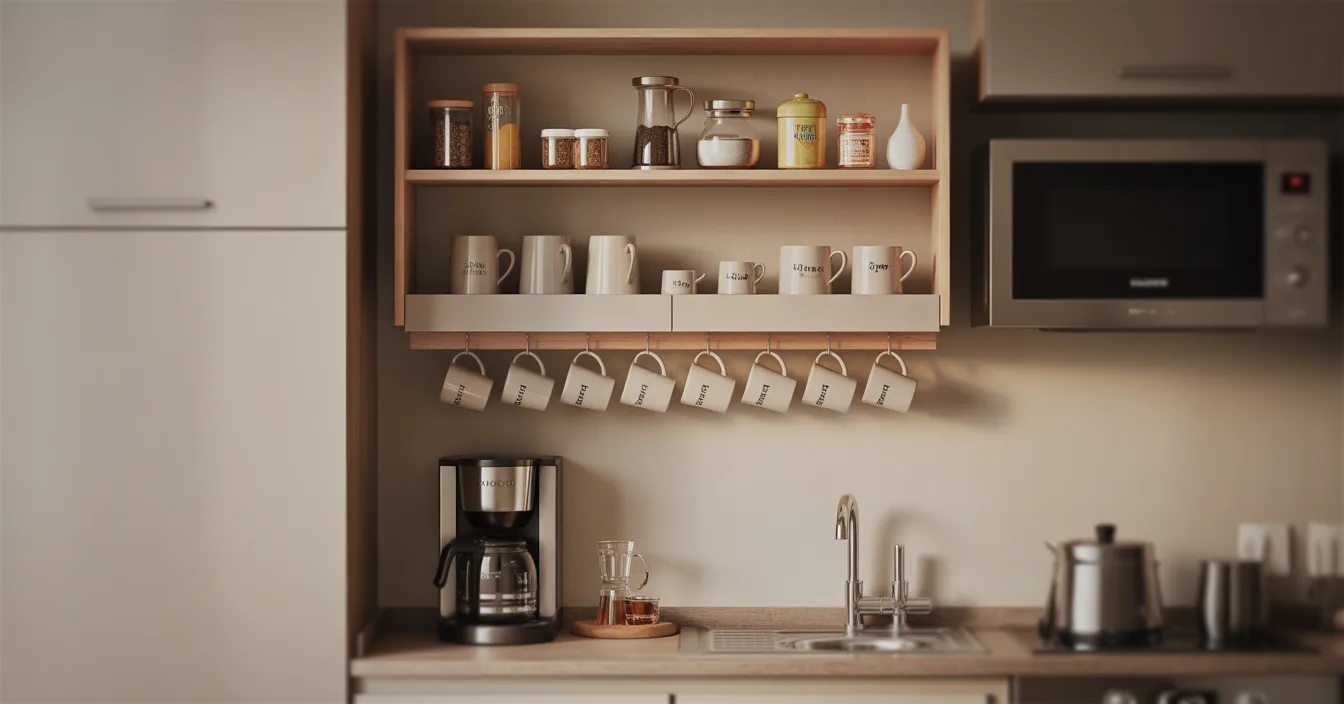
A slim wall cabinet with hooks creates a compact and efficient coffee station.
It organizes mugs, tea, and small supplies while saving counter space. It’s ideal for small kitchen setups.
Mugs hang below while ingredients and supplies stay stored above. This creates a neat and functional beverage station. It also adds charm to your kitchen wall.
Pro Tip: Match mug designs for a visually cohesive setup.
Open Wardrobe
An open wardrobe transforms an empty wall into a full clothing storage system.
It’s perfect for renters who lack built-in closets. It provides both hanging and shelving options in one unit.
Shelves and rods separate folded and hanging clothes efficiently.
Baskets help store smaller items like socks or accessories. It maximizes bedroom space effectively.
Pro Tip: Rotate clothes seasonally to avoid overcrowding.
Tool Station
Cleaning tools often get scattered, making them hard to find when needed.
A vertical tool station keeps everything upright and organized. It improves efficiency in daily cleaning routines.
Hooks and shelves hold mops, brooms, and cleaning supplies neatly. Everything stays in one dedicated space for easy access. It reduces clutter in utility areas.
Pro Tip: Store heavier tools at the bottom for safety and balance.
Storage Grid
A storage grid organizes items into structured compartments within a single system.
It helps eliminate clutter by assigning every item a clear space. It works well in multifunctional rooms.
You can use bins, folders, or open cubes depending on your needs.
Each section can serve a different storage purpose. It improves organization significantly.
Pro Tip: Label each compartment for long-term consistency.
Door Pantry
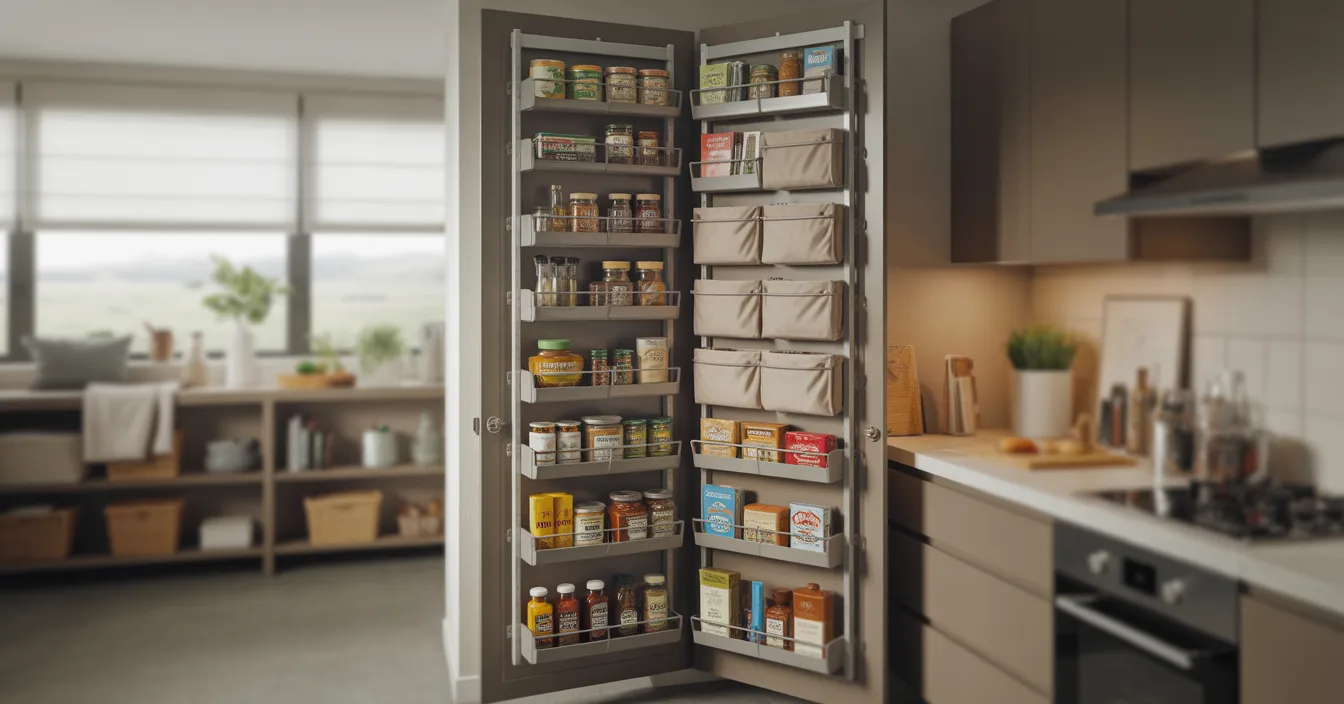
The back of a door is often wasted space in small kitchens. A door pantry uses this vertical area for additional storage. It doesn’t require any floor space at all.
You can store spices, snacks, and lightweight items in vertical compartments. Heavier items should be placed lower for balance. It increases storage instantly.
Pro Tip: Use clear pockets for quick visibility.
Mudroom Rack
A mudroom rack creates a dedicated landing zone for everyday items.
It helps manage clutter right at the entry point of your home. It improves organization in high-traffic areas.
Shoes go on lower shelves while hooks hold jackets and bags above. Everything stays in one structured space for convenience. It keeps your home cleaner overall.
Pro Tip: Limit this area to daily essentials only.
Corner Tower
Corners are often overlooked but can be powerful storage zones.
A corner tower uses vertical space efficiently without blocking movement. It’s ideal for compact rooms.
You can store blankets, towels, or clothing in stacked sections. Soft bins help keep smaller items neatly contained. It improves unused space dramatically.
Pro Tip: Use fabric bins to protect delicate materials.
Supply Pantry
A supply pantry organizes household essentials into labeled storage bins. It turns chaotic storage areas into structured systems. It improves accessibility and efficiency.
Shelves separate paper goods, toiletries, and cleaning items clearly. Labels ensure everything stays in its designated place. It simplifies restocking routines.
Pro Tip: Keep frequently used supplies at eye level.
Shower Shelves
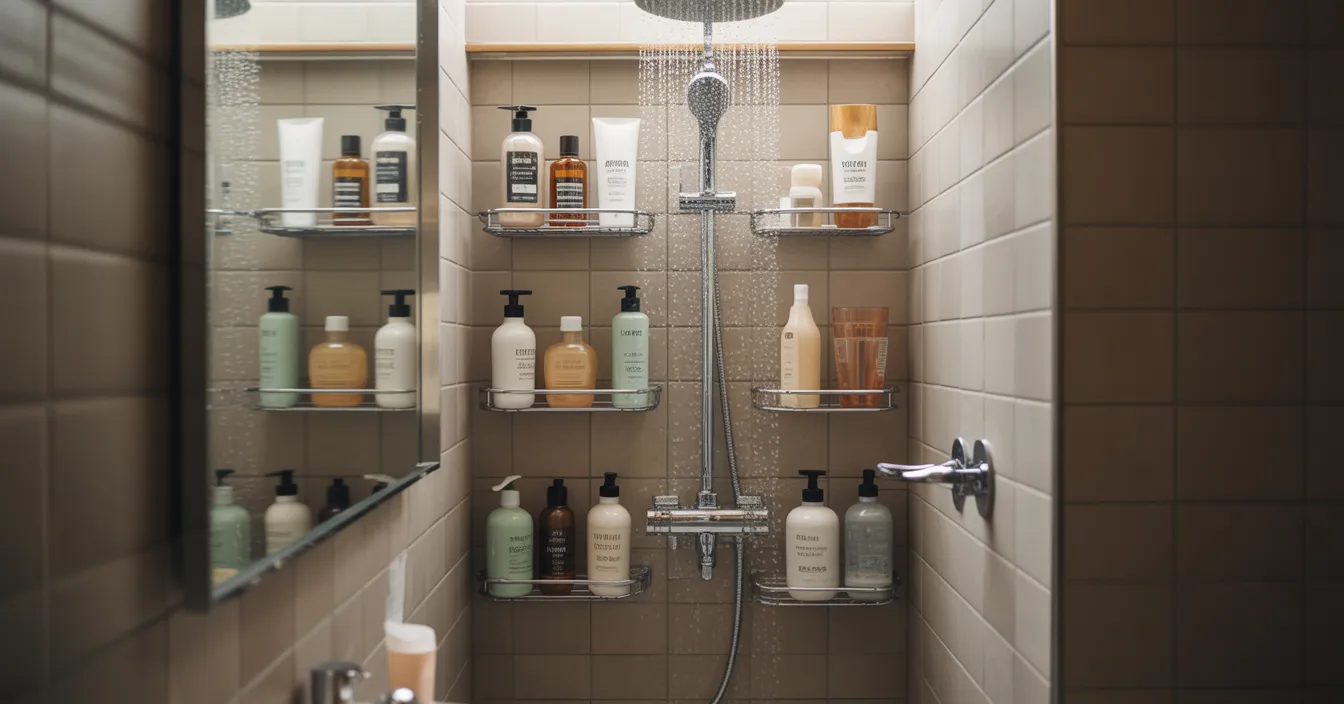
Shower shelves prevent bottles from piling up on bathroom ledges. They help create vertical storage inside the shower area. It keeps everything clean and organized.
Adhesive or tension-mounted shelves are perfect for renters. You can separate products based on size and usage. It improves bathroom functionality instantly.
Pro Tip: Place heavier bottles on lower shelves for stability.
FAQs
1. Can renters add storage without drilling into walls?
Yes, renters can absolutely add storage without drilling or making permanent changes.
Options like adhesive hooks, tension rods, over-the-door racks, and freestanding shelves work very well.
These solutions are removable and safe for rental agreements.
2. What is the easiest way to add storage in a small apartment?
The easiest method is to focus on unused vertical and hidden spaces. Walls, corners, doors, and under-furniture areas offer huge storage potential.
Using stackable bins and compact organizers helps maximize space efficiently.
Conclusion
Creating storage in a rental doesn’t require permanent construction or expensive renovations.
With smart planning, vertical solutions, and flexible organizers, even the smallest apartments can feel spacious and highly functional.
The key is to think creatively about unused areas and turn them into practical storage zones.
What really makes the difference is consistency in how you organize each space.
When every item has a designated place, clutter naturally reduces over time and becomes easier to manage. These renter-friendly ideas are not just temporary fixes but long-term systems that improve everyday living.
If you start small and gradually upgrade your storage setup, your home will feel more open and stress-free. Even in limited rental spaces, smart organization can completely change how comfortable and efficient your lifestyle feels.