


18 Pillow Storage Ideas for 2026
I put this guide together for anyone who feels like extra pillows are slowly taking over their space at home. Whether it’s the bed, couch, or guest room, pillows tend to end up everywhere with no real storage system. In this article, I’m sharing practical, real-life pillow storage ideas that actually work in everyday homes.
The goal here is to help you stay organized without losing comfort, style, or easy access to your pillows.
Key Takeaways
Extra pillows don’t need to create clutter if you assign them proper storage zones in your home.
Using furniture like benches, baskets, and beds with hidden storage instantly frees up visible space.
Vertical storage and under-bed solutions are especially helpful in small rooms with limited floor space.
Breathable materials and simple organization systems help keep pillows fresh, clean, and easy to manage.
How Can You Store Extra Pillows Without Taking Up Too Much Space?
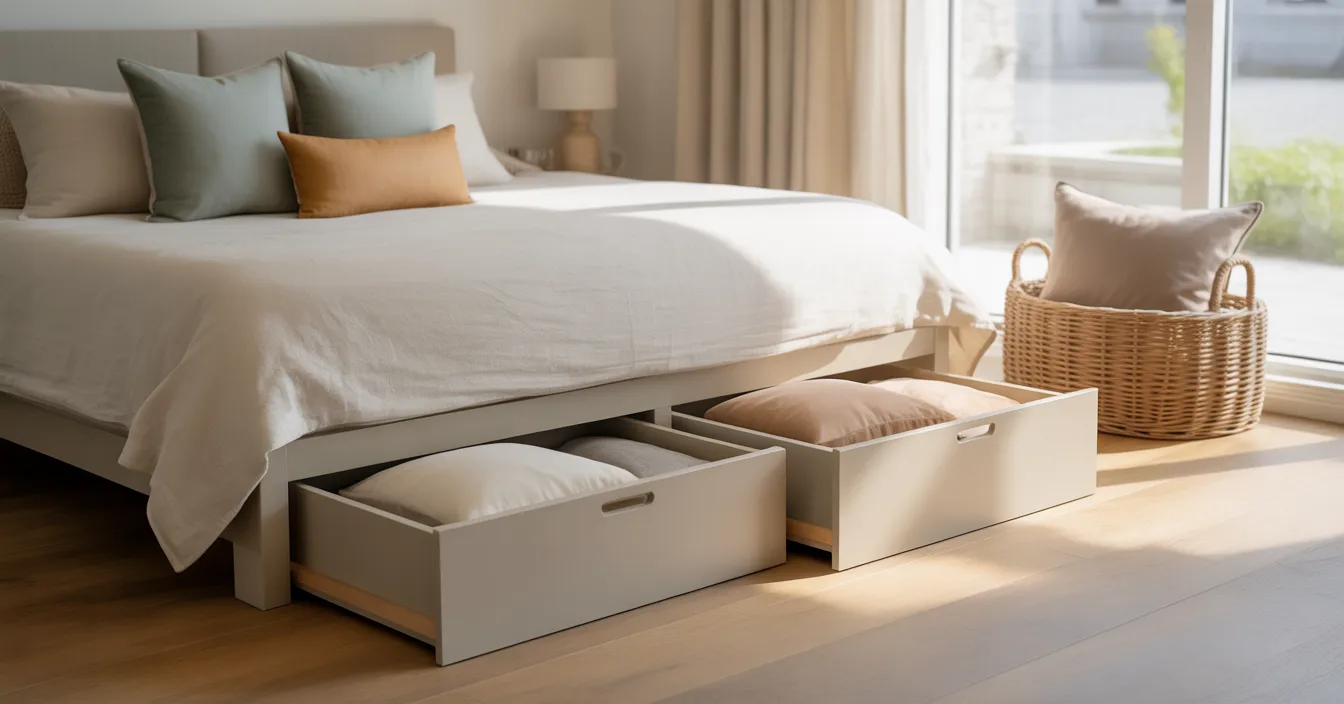
When I don’t have a proper system, pillows always end up scattered on chairs, beds, or even the floor. The easiest fix I’ve found is using hidden or unused areas instead of adding more bulky storage furniture. Spaces like under the bed, closet tops, or storage benches can hold more pillows than most people expect.
The key is to create a system where everything has a place instead of constantly moving things around.
Pro Tip: Always separate daily-use pillows from seasonal or decorative ones so your storage stays functional and clutter-free.
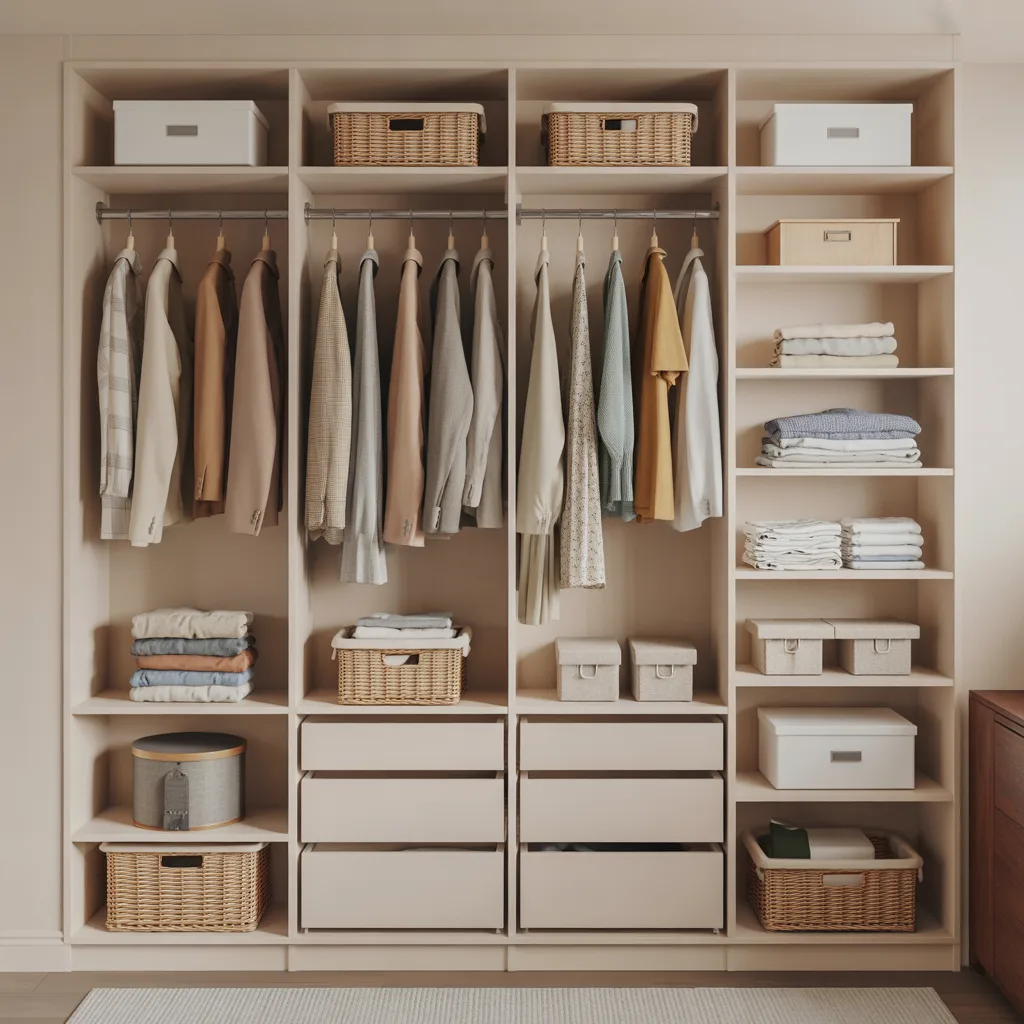
Closet Shelves
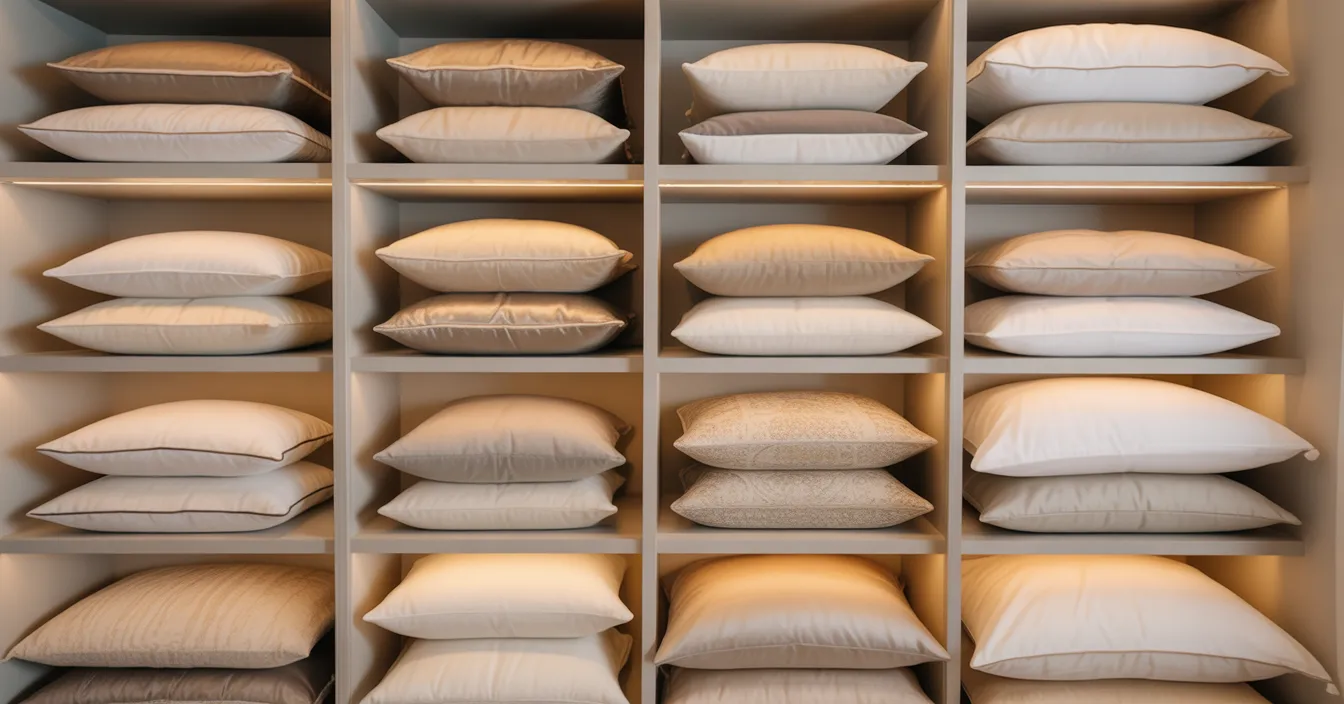
Closet shelves have always been one of the simplest and most effective ways I store extra pillows at home. I like using open shelving because it lets me stack pillows loosely without flattening their shape or texture. Keeping everyday pillows separate from decorative ones makes it much easier to grab what I need quickly.
Good spacing between stacks also helps prevent overcrowding and keeps the closet looking organized.
Pro Tip: Always place heavier pillows on lower shelves so your stack stays stable and doesn’t collapse over time.
Wall Display

Wall storage is something I use when I want pillows to double as part of my room décor.
Instead of hiding them away, I place them on mounted shelves where they become a visual feature. Spacing each pillow properly helps the setup look intentional instead of cluttered or random.
This works especially well for decorative or seasonal pillows that I rotate throughout the year.
Pro Tip: Store frequently used pillows on lower shelves so they stay accessible without disturbing your display.
Vertical Rack
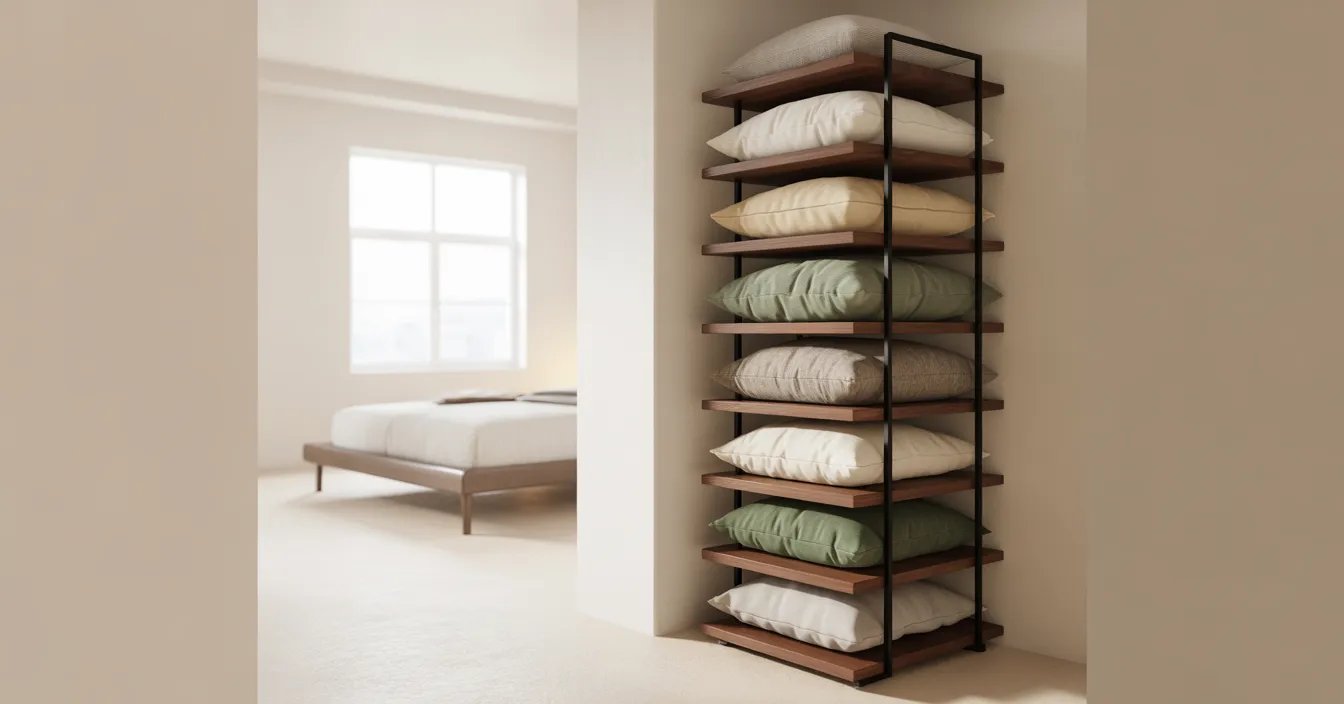
When floor space is tight, I always prefer going vertical instead of spreading storage across the room. A tall rack allows me to store multiple pillows in one place without taking up valuable walking space. It also keeps everything visible, so I don’t forget what I already have stored.
I usually use lighter pillows here so the structure stays balanced and easy to manage.
Pro Tip: Place vertical racks in unused corners to turn wasted space into useful storage instantly.
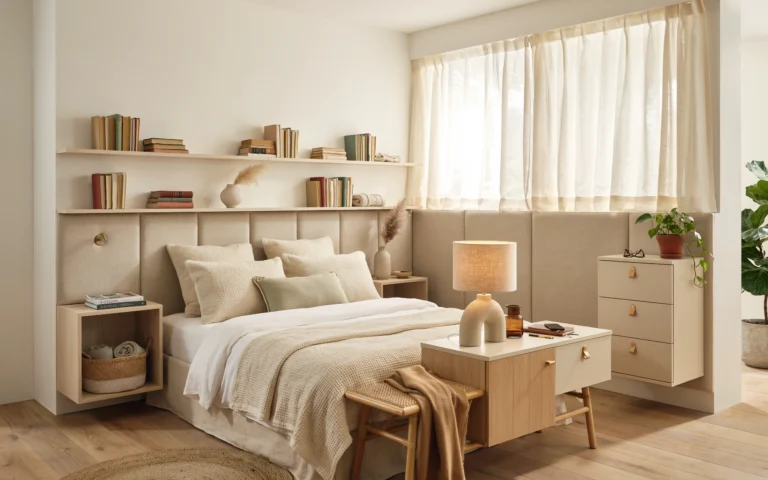
Bed Bench
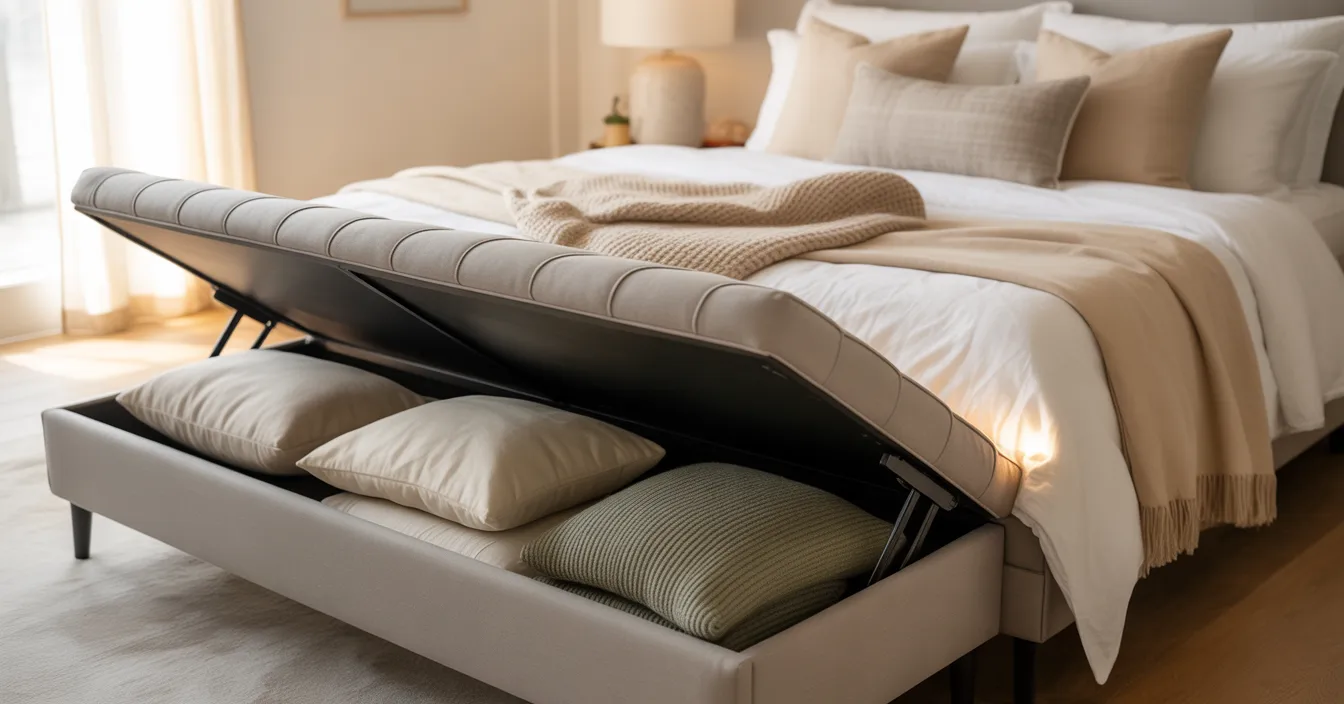
A storage bench at the end of the bed has made my daily routine much more convenient and organized. I can quickly drop pillows inside without thinking, which keeps my bedroom looking clean and tidy. It also works as extra seating, making it both functional and space-efficient at the same time.
I always choose deeper benches so pillows don’t get squeezed or lose their shape.
Pro Tip: Choose a cushioned bench so it blends naturally into your bedroom while hiding clutter inside.
Labeled Bins
Once I started using labeled bins, organizing pillows and inserts became much less confusing for me. Each bin has a specific purpose, so I never mix pillow covers, inserts, or extra bedding by mistake. This system also saves time when I need to prepare guest rooms or switch seasonal pillows.
Breathable baskets or fabric bins help keep everything fresh instead of sealed in tightly.
Pro Tip: Keep frequently used bins at eye level so you don’t waste time bending or searching repeatedly.
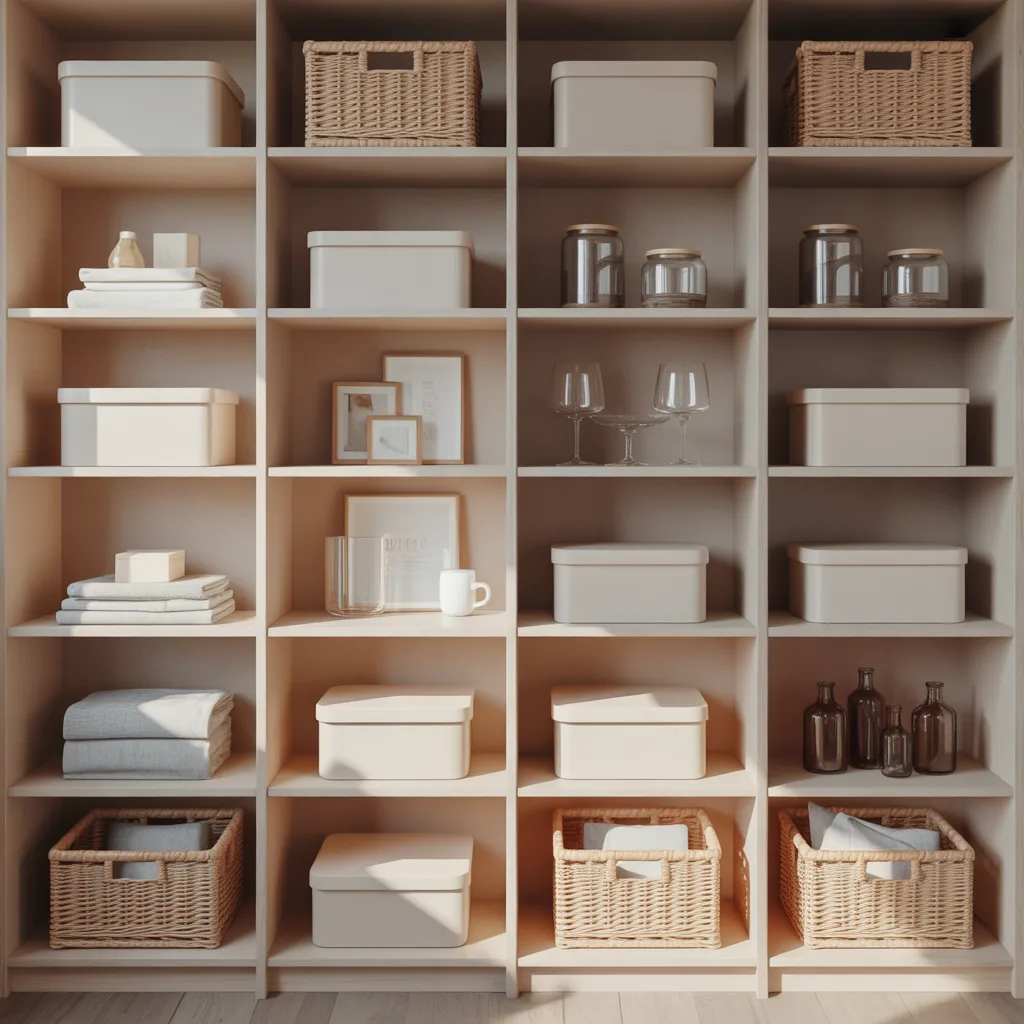
Cube Organizer
Cube organizers have helped me keep pillows structured instead of stacked in unstable piles. Each cube acts like a personal space for a pillow, preventing flattening or disorganization. I like this setup because I can see all my pillow options at once without digging through stacks.
It works especially well for decorative pillows that I rotate depending on seasons or moods.
Pro Tip: Store similar-sized pillows together in each cube to maintain balance and a clean visual layout.
Carry Basket
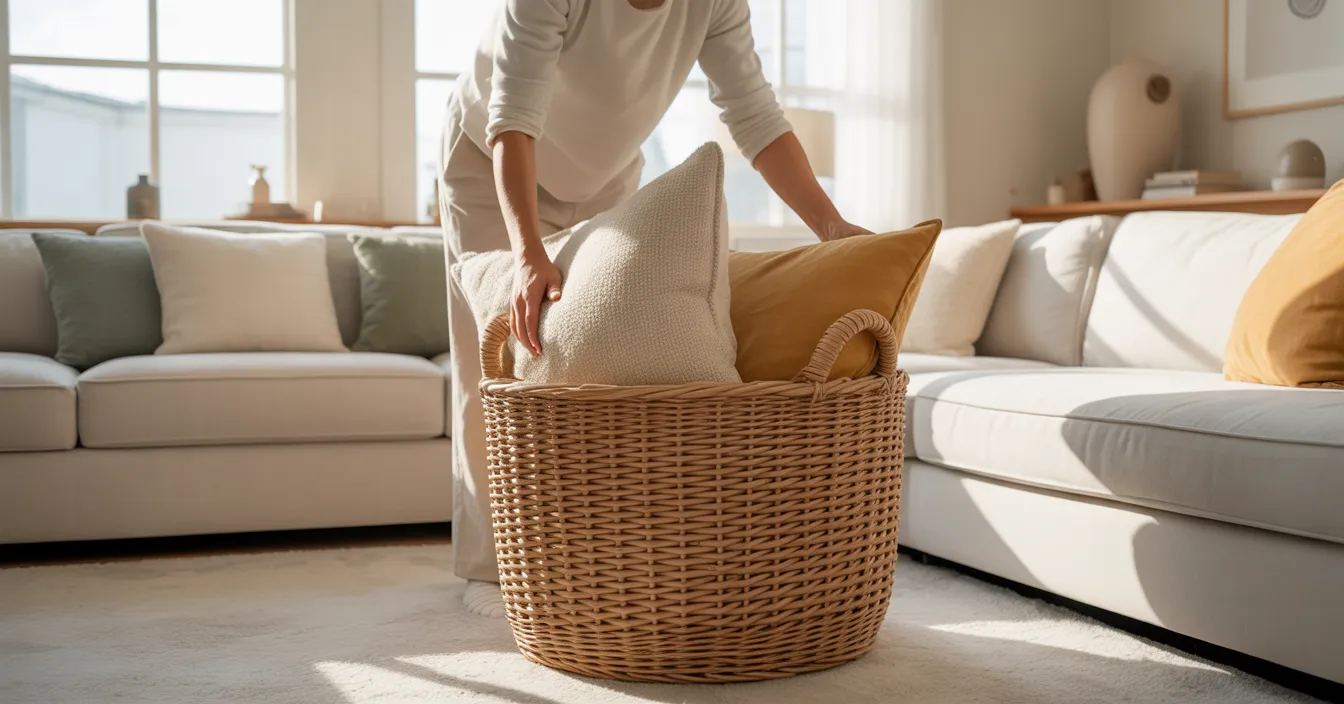
A large basket with handles has become my go-to solution for quick pillow cleanup around the house. I can collect pillows from different rooms and move them all at once without multiple trips. It’s especially useful in open spaces where pillows tend to move between rooms frequently.
Choosing an oversized basket helps prevent squishing and keeps pillows fluffy and in shape.
Pro Tip: Place a basket in high-traffic areas so cleanup becomes part of your natural daily routine.
Fabric Bags
Fabric storage bags are something I rely on when I need to store pillows for longer periods.
They protect pillows from dust while still allowing airflow so they don’t develop odors or moisture. Handles make them easy to move around without restacking everything inside a closet.
I mainly use them for seasonal pillows or extras that aren’t needed every day.
Pro Tip: Choose cotton or linen bags to ensure breathability and long-term pillow freshness.
Floating Shelf
Floating shelves have helped me use wall space that would otherwise go completely unused in bedrooms. They keep pillows off the floor while still allowing easy access whenever I need them.
I prefer light stacking here so the setup remains stable and visually clean. This works especially well in small bedrooms or compact guest rooms.
Pro Tip: Always check shelf depth before use so pillows don’t slip or hang over the edge.
Underbed Storage
Under-bed storage has become one of the most practical solutions I use for extra pillow organization. Sliding bins make it easy to store pillows out of sight without affecting room layout at all. Clear containers are especially helpful because I can instantly see what’s inside without opening them.
This method works best for pillows that are not used on a daily basis.
Pro Tip: Use low-profile bins to maximize under-bed space while keeping everything easy to access.
Rolling Drawer
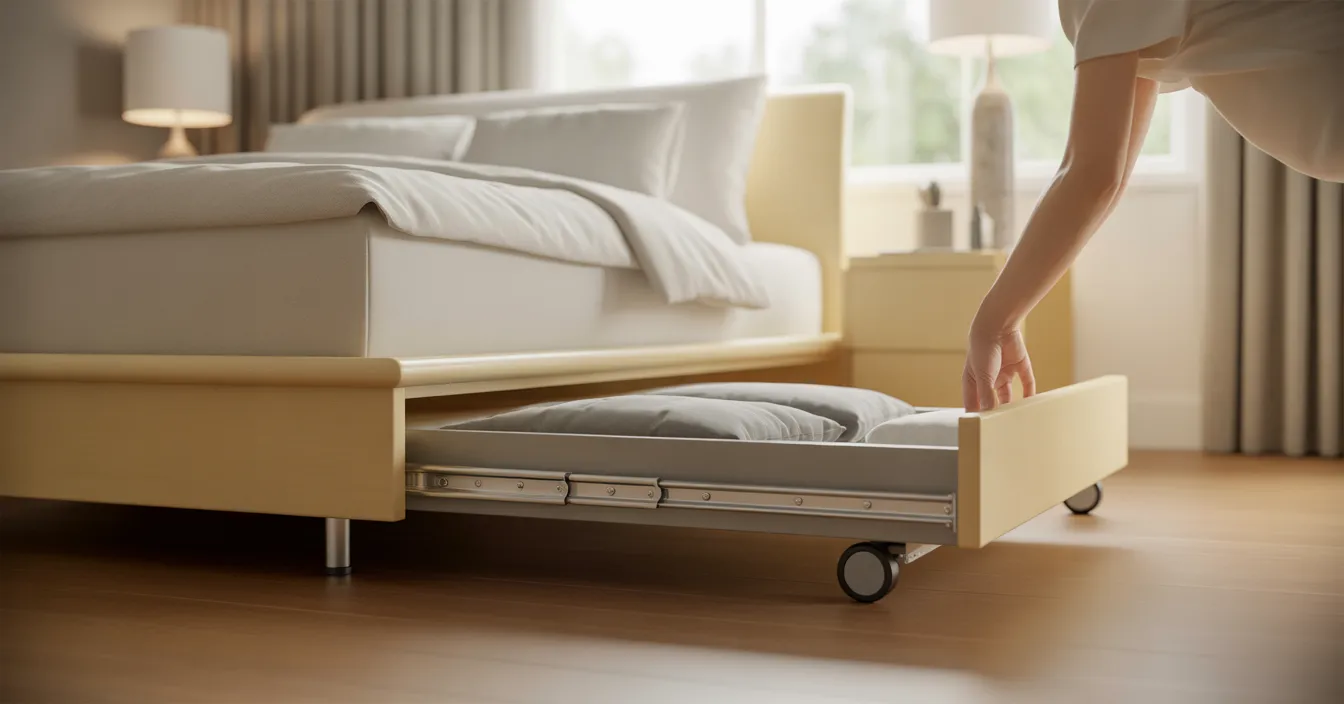
A rolling drawer under the bed makes pillow storage feel smooth and effortless in my daily routine. Instead of lifting or digging through piles, I can simply pull the drawer out in seconds.
It also helps keep pillows flat so they don’t lose their natural shape over time. This setup works best in bedrooms where space efficiency is a priority.
Pro Tip: Choose high-quality wheels to ensure smooth movement and prevent floor damage over time.
Vacuum Bags
Vacuum bags are something I use when I need to save a large amount of storage space quickly.
They compress pillows significantly, making them easy to store in tight closets or storage rooms. This method is best suited for backup pillows or seasonal use items that are rarely needed.
However, I always make sure pillows are completely dry before sealing them.
Pro Tip: Avoid using vacuum storage for memory foam or delicate materials that may lose shape permanently.
Stool Stack
A simple stool can actually work as a surprisingly effective pillow storage surface in small spaces.
I often stack pillows on top when I need a quick and flexible storage option nearby. It works best when the stack is balanced and not overloaded with too many items. Corners of bedrooms or unused spaces are perfect for this kind of setup.
Pro Tip: Mix different pillow sizes to create better stability and prevent the stack from falling over.
Open Shelves
Open shelves are one of my favorite ways to keep pillows visible and easy to access. Instead of tightly stacking them, I lay them loosely so they maintain their softness and shape. This setup also makes it easier to grab what I need without disturbing other pillows.
It works well in both closets and decorative storage areas.
Pro Tip: Group similar textures together to keep the overall storage look clean and coordinated.
Closet Stack
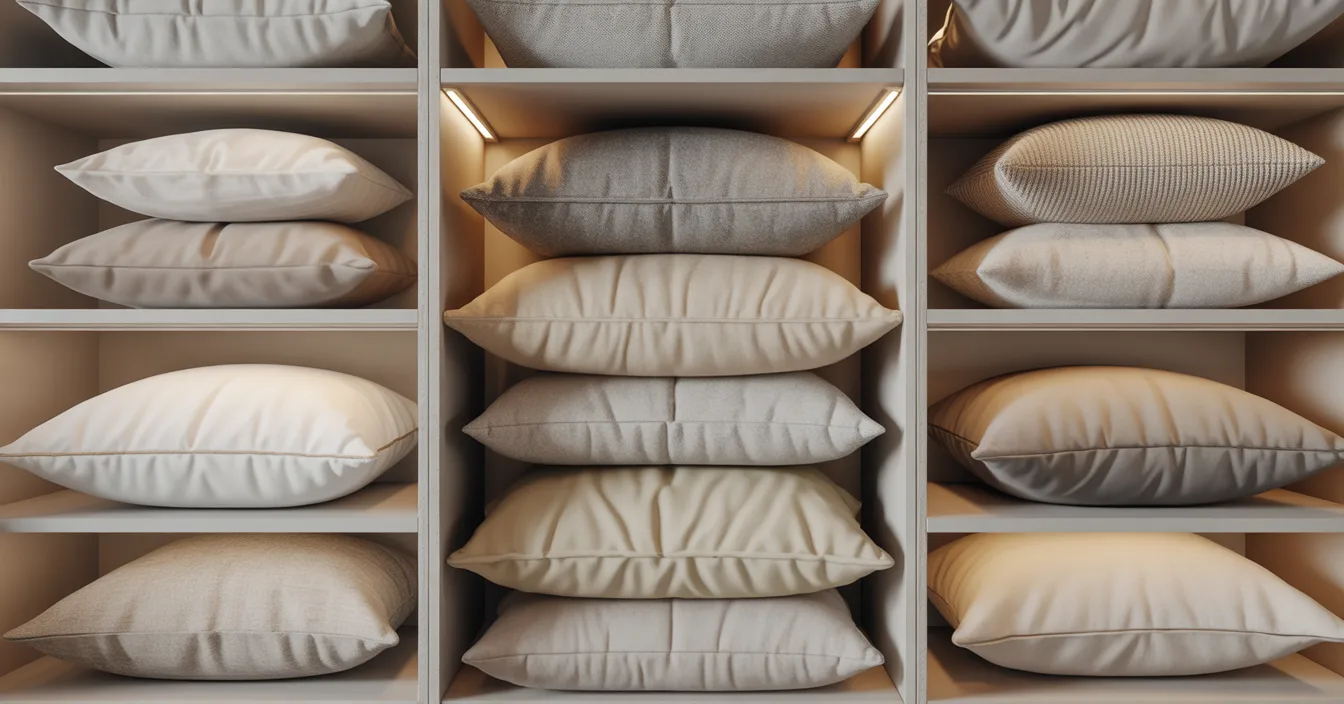
When closet space is limited, I always rely on vertical stacking to maximize available height. Heavier pillows go at the bottom while lighter ones stay on top for better balance and safety.
This helps me use even the smallest closet corners effectively without wasting space. It’s a practical solution for pillows that are not used daily.
Pro Tip: Rotate stacked pillows occasionally to avoid long-term compression and shape loss.
Cabinet Stack
Closed cabinets are great for keeping pillows protected from dust and daily exposure. I like stacking similar-sized pillows together so the arrangement stays neat and stable. This method also keeps pillows separate from other household items inside storage units. It works especially well in bedrooms or hallway cabinets where space is limited.
Pro Tip: Leave a little breathing space inside cabinets to prevent pillows from becoming flattened.
Display Cabinet
A display cabinet allows pillows to become part of the room’s overall design and aesthetic.
Instead of hiding them, I arrange them loosely so the setup feels intentional and stylish. Adding blankets or fabric pieces creates a more balanced and visually appealing arrangement. This works best in living rooms or guest spaces where design matters.
Pro Tip: Avoid overcrowding the cabinet so the display looks curated rather than cluttered.
Lift Storage
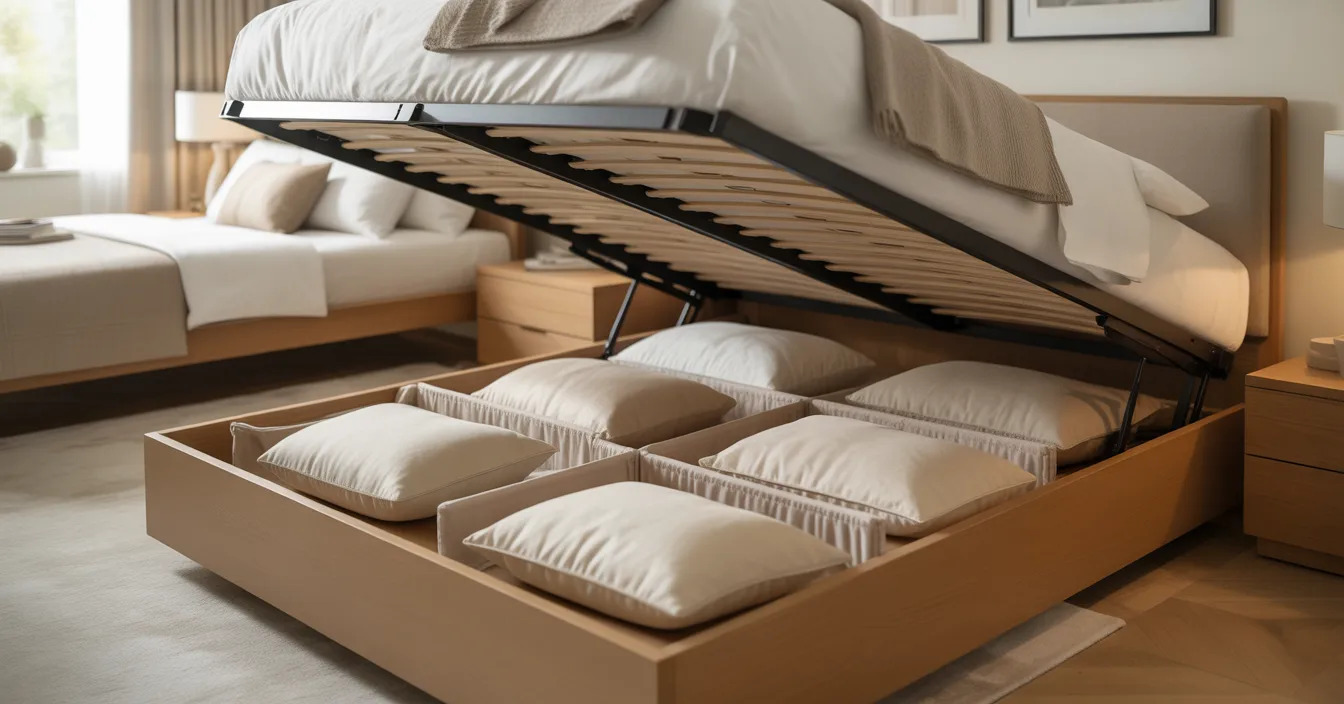
Lift-up beds provide one of the largest hidden storage spaces I’ve personally used at home. They allow me to store multiple pillows without affecting the appearance of the room. I always arrange pillows loosely so they maintain their natural shape over time. This setup is ideal for seasonal or guest-use pillows that are not needed daily.
Pro Tip: Use storage bins or dividers inside lift beds to keep everything organized and easy to find.
FAQs
1. Where should I store pillows when not in use?
I usually store everyday pillows close to where I use them, such as beds, benches, or baskets. This makes it easy to access them quickly without disrupting my daily routine or comfort. For extra or seasonal pillows, I prefer using closets or under-bed storage solutions instead. Keeping airflow in mind also helps maintain freshness and prevents unwanted odors.
2. What is the best way to store pillows long-term?
From my experience, breathable storage options always work better than tight compression methods. Fabric bags, shelves, or cabinets help maintain the shape and softness of pillows over time. Vacuum bags are only suitable for short-term storage and soft fiber-filled pillows.
I avoid compressing memory foam or delicate materials for long periods.
Conclusion
Managing pillow storage becomes much easier once every type of pillow has a defined place.
I’ve found that mixing hidden storage with visible organization creates the most balanced system overall. Simple tools like baskets, benches, and shelves can completely transform how a room feels. With the right approach, it’s easy to keep both comfort and cleanliness in perfect harmony.