


Field day has always been one of my favorite ways to bring people together. I’ve seen how a simple outdoor setup can turn into a day full of laughter, teamwork, and real connection.
In this guide, I’m sharing 26 field day games that I personally find engaging, easy to organize, and suitable for different age groups. These ideas are practical, fun, and based on what actually works in real events.
Right after reading this, you’ll have a complete plan to organize a field day that keeps everyone involved, active, and excited from start to finish.
From my experience, a successful field day needs a mix of high-energy races, teamwork games, and a few slower activities to balance things out. This list covers everything including relay challenges, water games, strategy-based setups, and classic races.
I’ve included games that improve coordination, build teamwork, and keep engagement high. Studies show that group-based outdoor games can improve participation rates by up to 40% compared to unstructured play, which is why structured activities matter.
Whether you’re planning for kids, adults, or mixed groups, these ideas will help you create a well-rounded event that feels organized but still fun.
Key Takeaways
- I always mix fast-paced and slow games to avoid burnout
- Team-based activities increase participation and bonding
- Simple setups work better than complicated ones
- Water games boost engagement, especially in warm weather
- Rotating stations keeps everyone active and reduces waiting time
Team Relay Challenges

From what I’ve seen, relay games instantly bring energy into any field day. They push people to work together while adding just enough competition to keep things exciting.
I like relay challenges because they are flexible. I can easily adjust them for kids or adults without changing much. Even simple races like sack runs or spoon-and-egg relays can get everyone involved quickly.
Pro tip: Keep teams small (4–6 players). It increases participation and reduces idle time.
Field Day Games
Parachute Pop
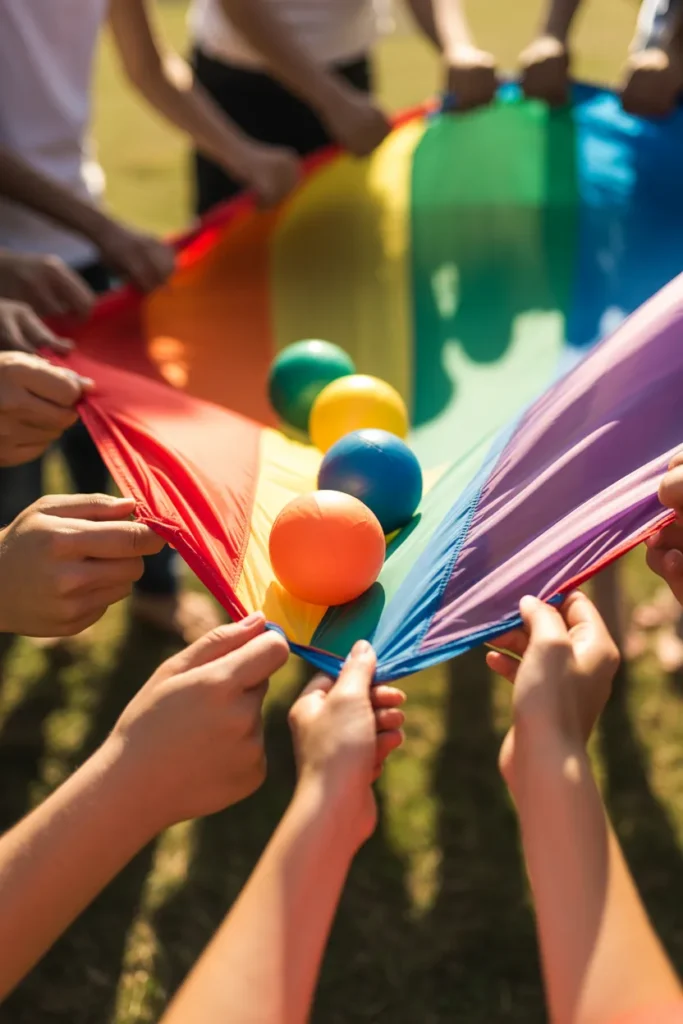
I’ve used parachute games many times, and they never fail. Everyone holds the edges and works together to create waves or launch soft balls.
It’s a great way to build teamwork because timing matters. When players move in sync, the game becomes more fun and engaging.
Scoop Relay

This game looks simple but requires real focus. I’ve noticed players get competitive while trying not to drop the ball.
It’s a good mix of balance and speed, and it works well for both kids and adults.
Three-Legged Dash
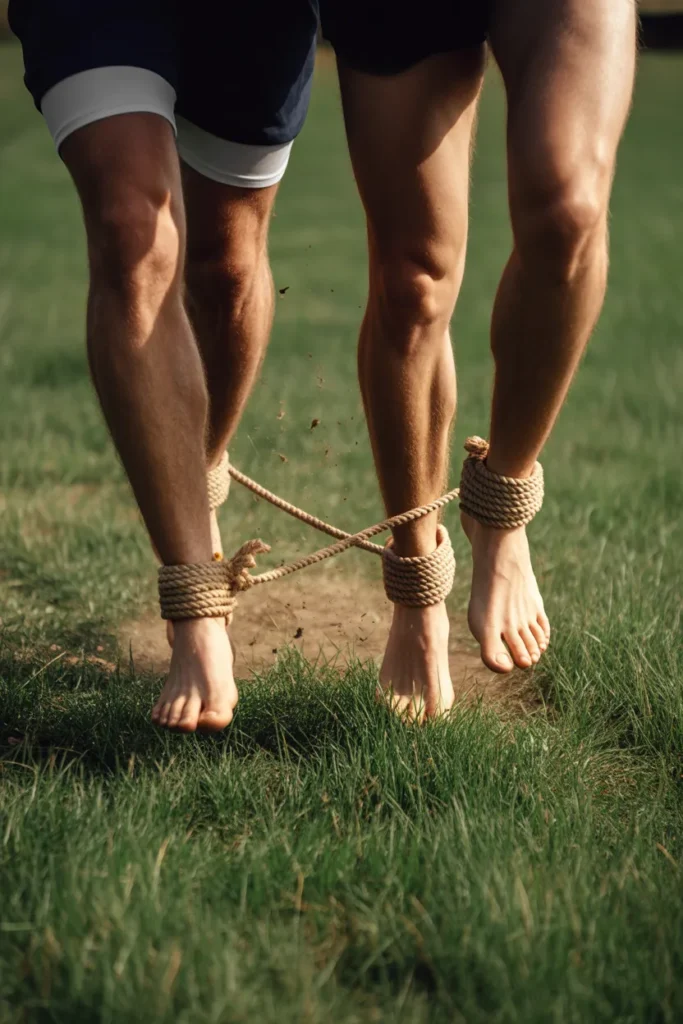
Every time I include this race, it turns into a highlight. Two players tied together always leads to laughter and chaos.
From my experience, it’s less about winning and more about coordination and teamwork.
Giant Connect Four
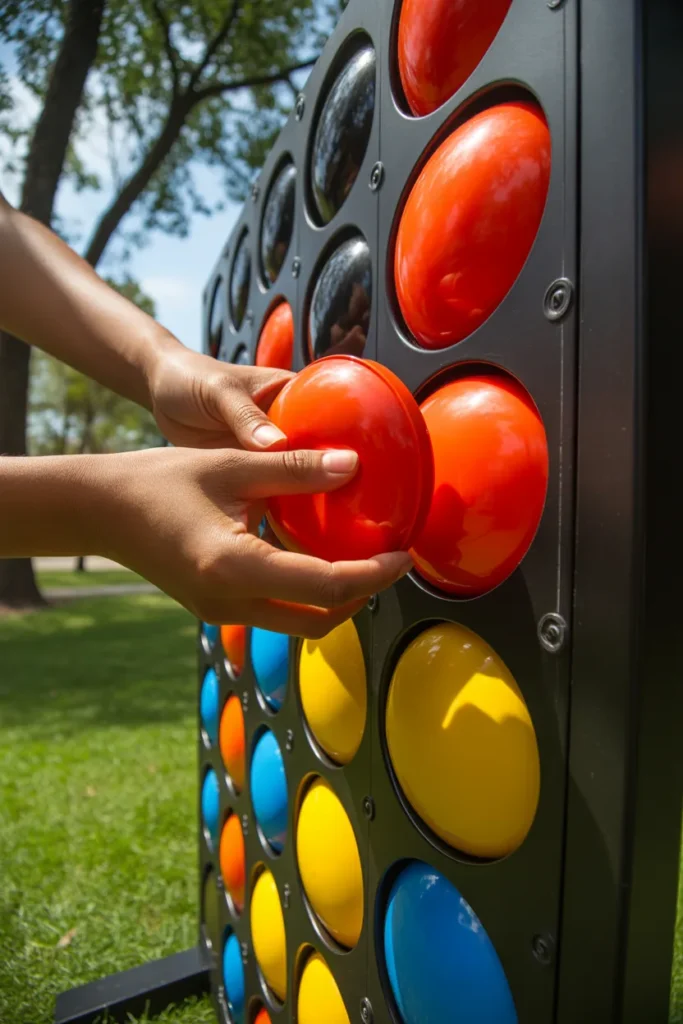
I like adding strategy games to balance physical activities. This one slows things down while still keeping players engaged.
It also helps kids develop decision-making skills in a fun way.
Obstacle Dash
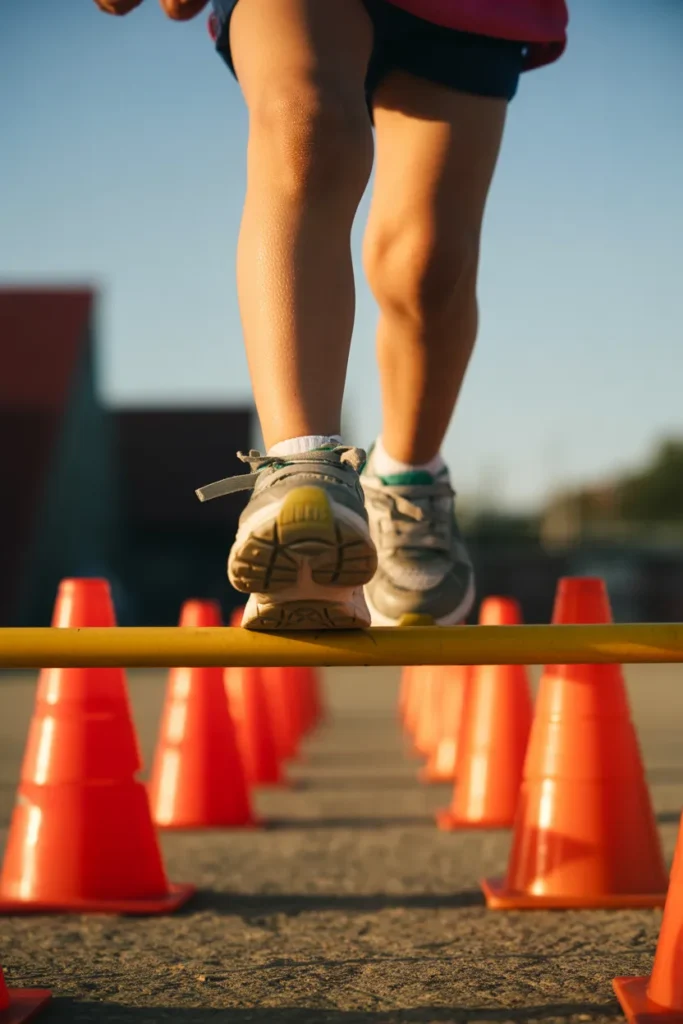
Obstacle courses are always a hit. I usually mix running, balancing, and zigzag paths to keep things interesting.
It challenges both physical and mental focus, which makes it more rewarding.
Water Run
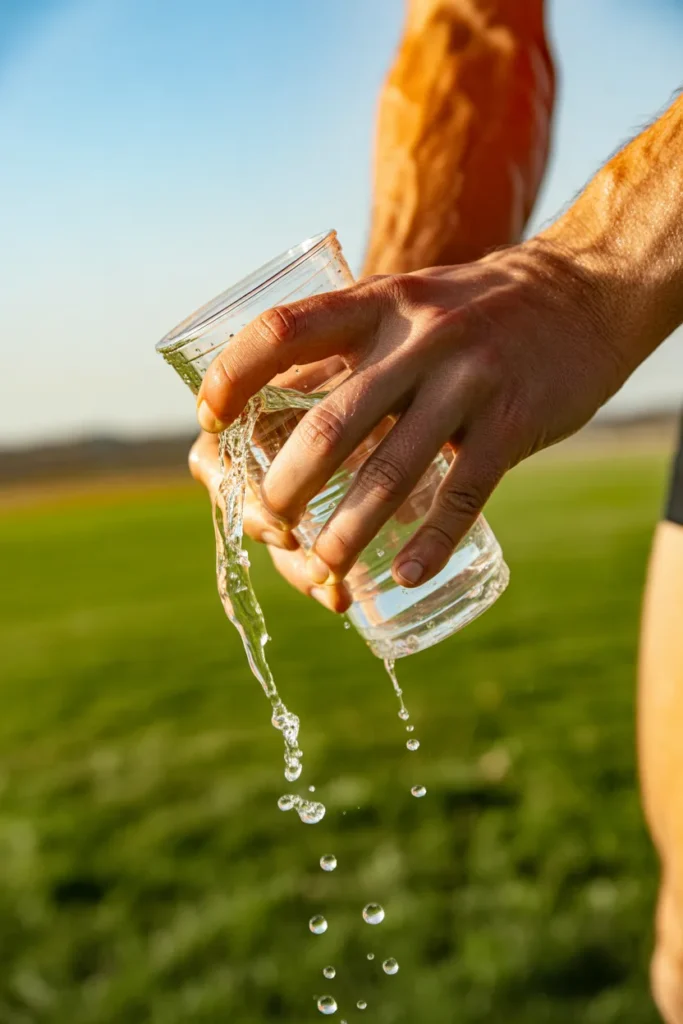
This is one of the best games for hot days. Players carry water without spilling, which sounds easy but isn’t.
I’ve seen this game instantly boost energy and excitement.
Tug of War
This is a classic for a reason. It builds team spirit and gets everyone cheering.
I always recommend equal team sizes to keep it fair and competitive.
Egg Balance
This game tests patience more than speed. Players need steady hands to win.
It’s simple to set up and works great for all age groups.
Ring Walk
I like this game for younger kids. It improves coordination without too much pressure.
It’s slower-paced but still keeps everyone engaged.
Balloon Toss
This is perfect for building excitement. The longer players go without popping the balloon, the more intense it gets.
It’s simple but very effective.
Wheelbarrow Race
This one requires teamwork and strength. I’ve noticed it works best with energetic participants.
It always brings laughter, especially when players lose balance.
Jump Rope
Jump rope is great for stamina and rhythm. I usually add challenges like highest jumps or longest streak.
It’s easy to organize and doesn’t need much equipment.
Soccer Duel
This is a fast-paced game that keeps players active. I prefer small teams or one-on-one matches.
It improves reflexes and teamwork at the same time.
Sprint Race
Simple but powerful. Sprint races bring out natural competition.
I always include this because everyone understands it instantly.
Target Toss
Accuracy games like this are important. Not everyone wants high-energy activities.
It gives players a chance to compete in a calmer way.
Balloon Squeeze
This game is fun and slightly chaotic. Players have to move together without dropping the balloon.
It builds coordination and teamwork quickly.
Team Tug
A variation of tug of war but more organized. I like using a team leader to guide strategy.
It improves communication within teams.
Hurdle Hop
This adds a track-style element to the event. Players enjoy the challenge of jumping obstacles.
It’s great for agility and movement.
Bucket Points
I use this when I want a low-energy station. Players aim for points instead of speed.
It’s simple but still competitive.
Mini Connect
Another strategy-based game that balances physical activities.
It works well as a break between intense games.
Tunnel Crawl
Perfect for younger kids. Crawling through tunnels adds a fun challenge.
It also helps improve motor skills.
Cup Cascade
This is one of my favorite water games. Teams pass water along a chain.
It builds coordination and keeps everyone engaged.
Noodle Tunnel
Players guide a ball through a path. It requires teamwork and focus.
I’ve seen teams get very competitive with this one.
Marble Run
This game is all about coordination. Players must work together to keep the marble moving.
It teaches patience and teamwork.
Giant Soccer
Using a large ball makes everything more fun. It slows the game slightly but adds excitement.
It’s great for group participation.
Tennis Rally
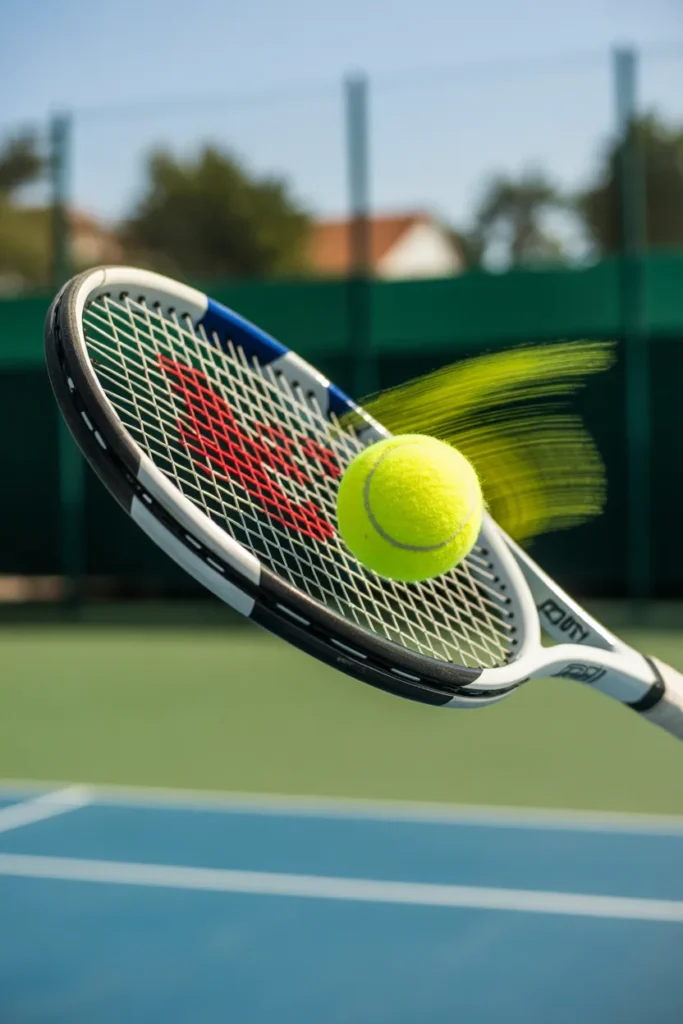
I like adding skill-based stations like this. It gives players a chance to focus and improve technique.
It’s a good balance to high-energy games.
Final Thoughts
From my experience, a successful field day is not about having the most games. It’s about choosing the right mix.
When I plan events, I focus on variety, simplicity, and engagement. That’s what keeps people involved and excited throughout the day.
If you use even half of these ideas, you’ll be able to create a field day that people will remember and talk about long after it ends.