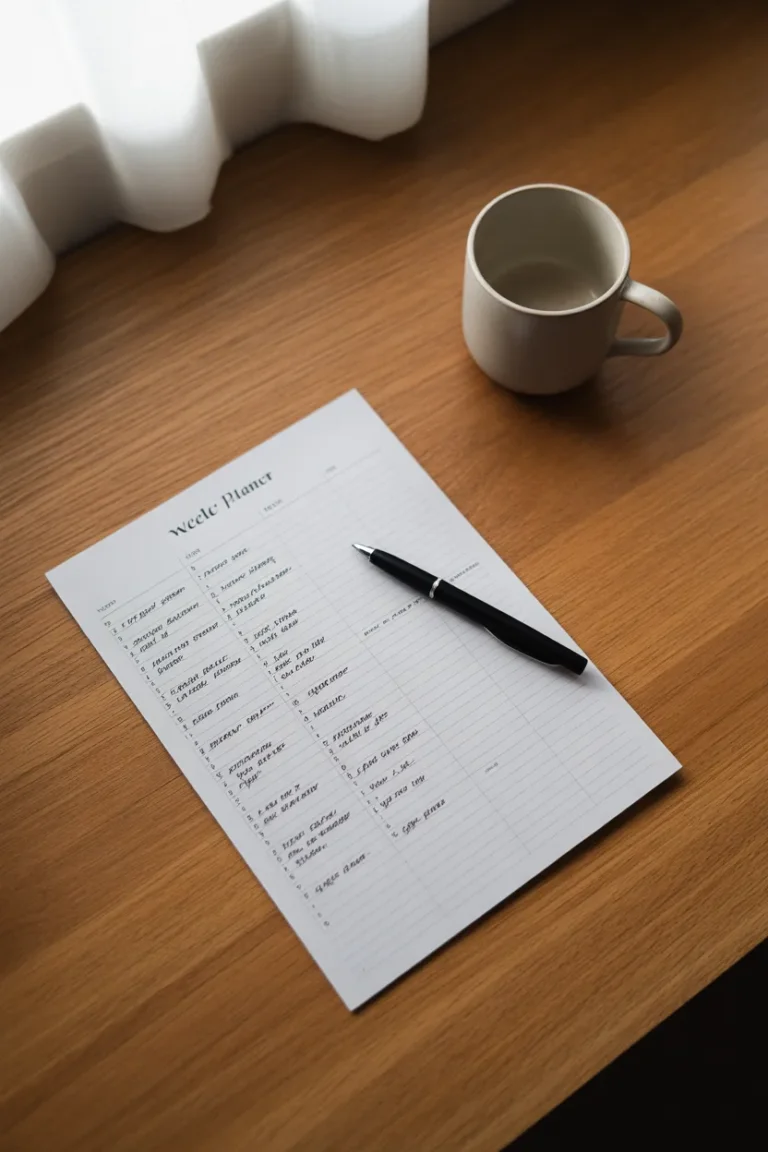






Keeping track of money can feel overwhelming at first, but it becomes much easier when everything is written down in one place. An expense tracker printable is one of the simplest tools for managing daily spending, monthly budgets, and savings goals without needing apps or complicated systems.
In my experience, once you start noting even small expenses, you quickly notice spending patterns you didn’t pay attention to before. That awareness alone can change how you handle money.
Below, you’ll find different types of printable expense trackers that suit various needs—whether you prefer simple layouts or detailed monthly budgeting sheets.
Key Takeaways
- Expense trackers help you understand where your money goes
- They make budgeting and saving easier and more realistic
- Different templates suit different lifestyles (simple, detailed, monthly focus)
- Writing expenses manually often improves financial awareness
- You don’t need apps—printables can be just as effective
This article shares a variety of expense tracker printable styles designed for 2026. Some are very simple for daily use, while others offer detailed monthly budgeting sections. Each template helps you organize spending, separate fixed and variable costs, and improve financial planning. At the end, you’ll also learn why using an expense tracker can make managing money less stressful and more controlled.
10 Expense Tracker Printable
Using printable trackers is a practical way to stay consistent with budgeting. You can print them weekly or monthly and keep them in a planner, binder, or even on your desk for quick updates.
1: Clean and Modern Expense Tracker Sheet

This layout is designed for simplicity. It keeps things minimal so you can focus only on what matters—your spending.
It usually includes basic columns like date, description, and amount, along with a space for totals and notes.
This type is great if you don’t want anything complicated and prefer quick daily entries. It works especially well for beginners who are just starting to track expenses.
2: My Money Tracker
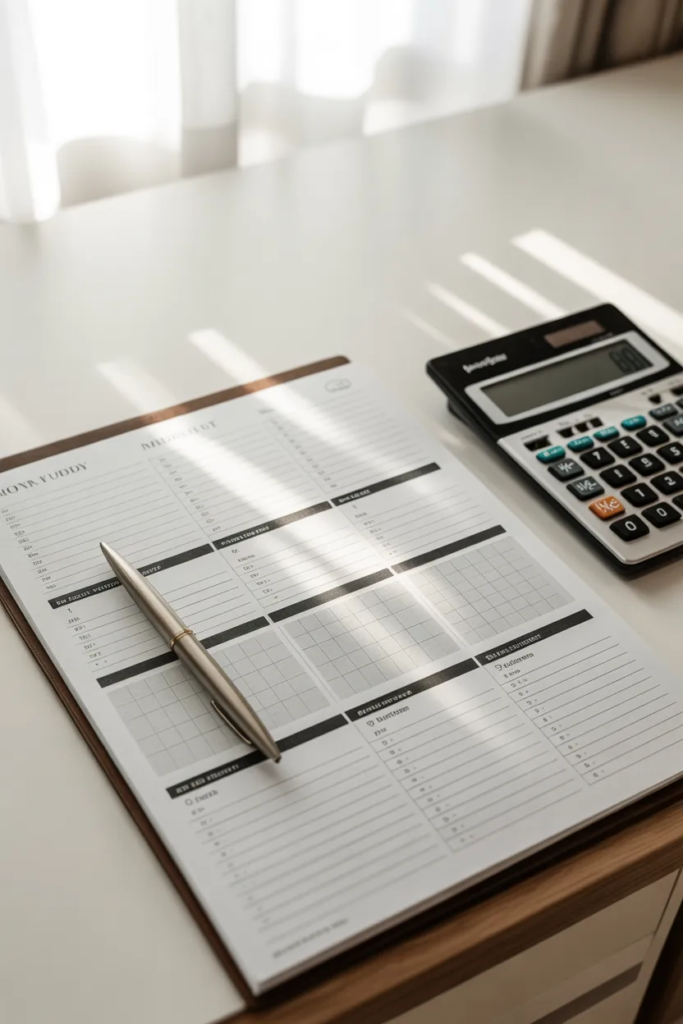
This version takes a more structured approach and is focused on monthly budgeting.
It often includes sections for income, fixed expenses, and variable spending. Common categories like food, transport, shopping, and entertainment help organize your budget clearly.
From a practical standpoint, this layout is useful for people who want a full monthly snapshot of their financial situation without missing details.
3: Spending Tracker
This tracker is designed for daily monitoring. It not only records the amount spent but often includes payment method details such as cash or card.
That small addition makes a big difference when reviewing habits later. You can easily see if you rely more on cards or cash, which helps with better control.
It’s ideal for anyone trying to reduce unnecessary daily spending.
4: Expense Tracker with Fixed Expenses
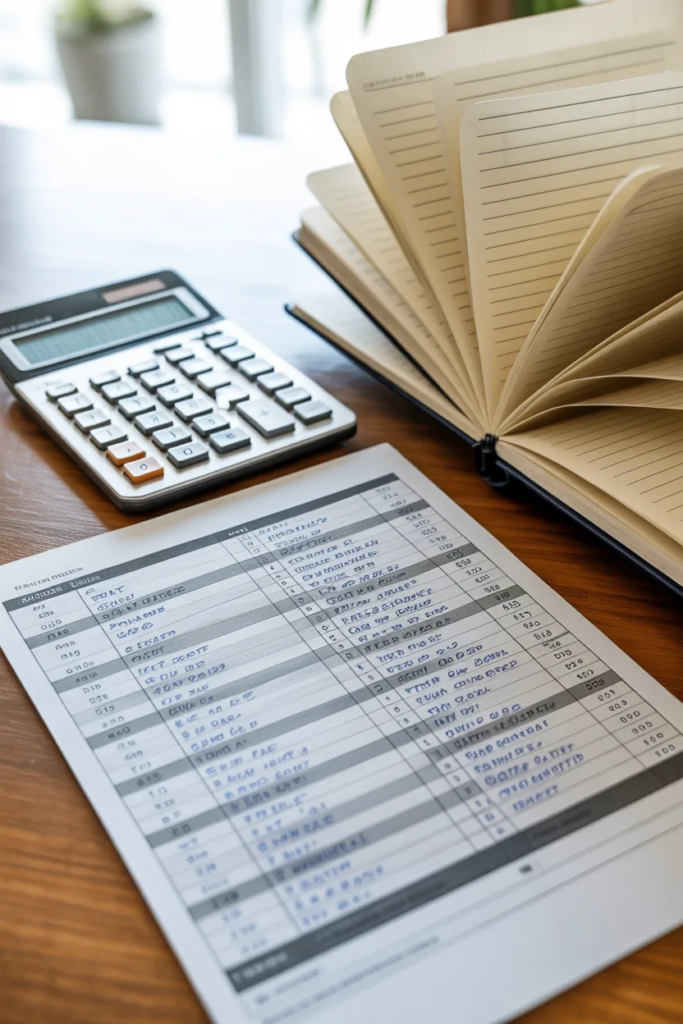
This format separates fixed costs from flexible ones.
Fixed expenses usually include rent, bills, and subscriptions, while other sections may cover healthcare, fitness, education, or personal spending.
This structure is especially helpful when you want to make sure your essentials are always covered before spending on non-essentials.
Many people find this format useful for long-term financial planning and stability.
5: Monthly Expense Tracker
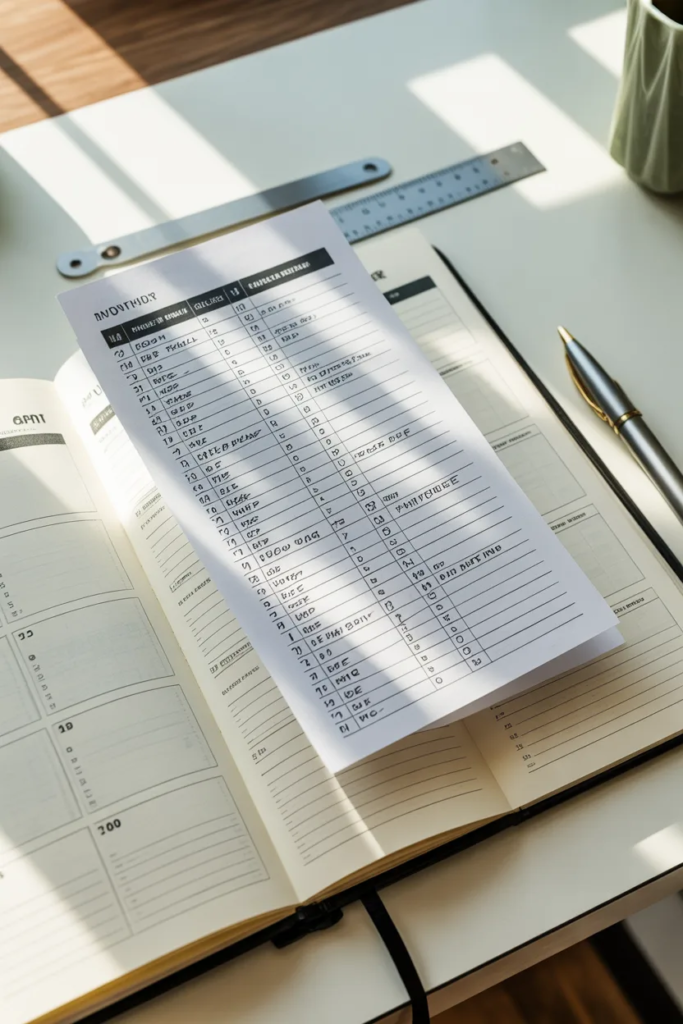
This is one of the most commonly used formats because it gives a complete monthly overview.
It typically includes fields like date, category, description, amount, and notes.
The notes section is useful for remembering why certain expenses were made, especially unusual or one-time purchases.
It works well for people who prefer reviewing their finances at the end of each month.
What are the Benefits of an Expense Tracker?
An expense tracker helps you clearly understand where your money goes each day. Once you start using it regularly, patterns become easier to spot.
You may notice spending leaks—small purchases that add up over time. Identifying these is the first step toward better savings.
It also helps with budgeting. When you know your spending habits, you can plan ahead more realistically instead of guessing.
Another major benefit is reduced financial stress. Instead of worrying about money at the end of the month, you already know what’s happening throughout the month.
Overall, an expense tracker gives you better control, more awareness, and stronger financial discipline.
Final Thoughts
Expense tracker printables are simple, but they can have a big impact on how you manage money. Whether you prefer a basic sheet or a detailed monthly layout, the key is consistency.
Even tracking expenses for a few weeks can give you useful insights that help improve your financial habits long term.