
Calendars might seem basic, but I’ve found they make a big difference when life gets busy. Whether it’s tracking deadlines, planning family events, or just remembering important dates, a simple blank calendar can keep everything in one place.
What I like most about printable calendars is the flexibility. You’re not stuck with pre-filled dates or layouts—you can shape them around your own routine. In this guide, I’ll walk through different calendar styles and why blank printables are still one of the easiest ways to stay organized in 2025.
Key Takeaways
- Blank calendars give you full control over how you plan your time
- They work for personal, work, and family use
- Printable formats are easy to access and reuse
- Simple designs often improve focus and clarity
If you’re looking for a practical way to organize your schedule, blank calendar printables are a solid option. They come in different styles—from minimal to decorative—so you can choose what fits your personality. More importantly, they help you stay on top of tasks without relying on apps or complicated tools.
Top 6 Blank Calendar
1. Minimalist Elegance Calendar
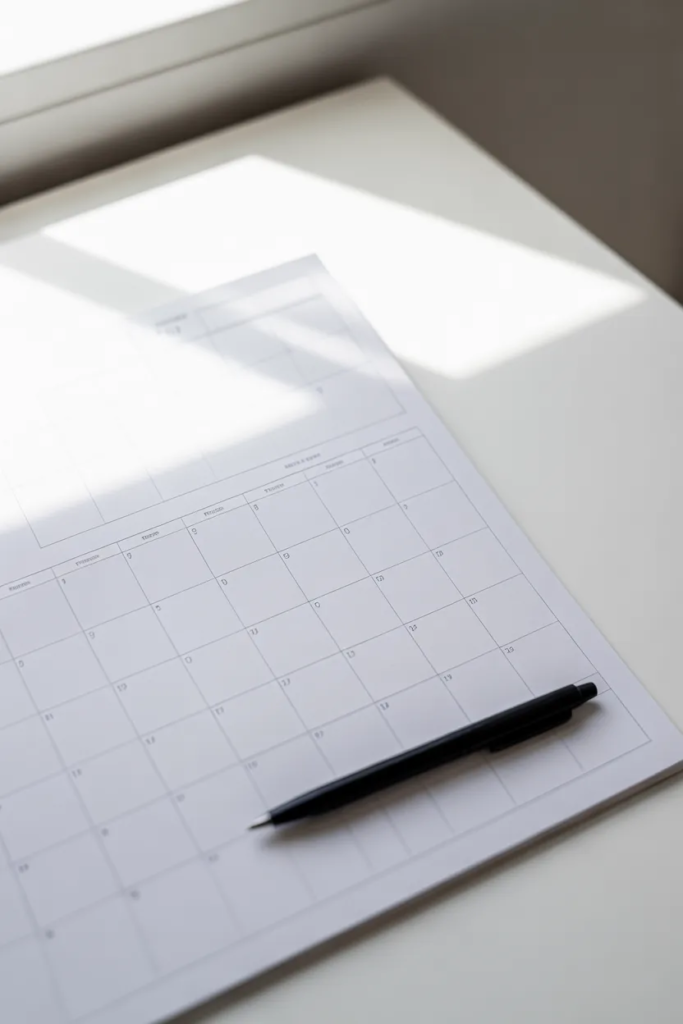
This style keeps things clean and distraction-free. There’s plenty of open space, which makes it easy to write notes without feeling crowded.
I’ve noticed this type works especially well for work planning or study schedules. If you prefer clarity over decoration, this is a reliable choice.
2. Floral Delight Calendar
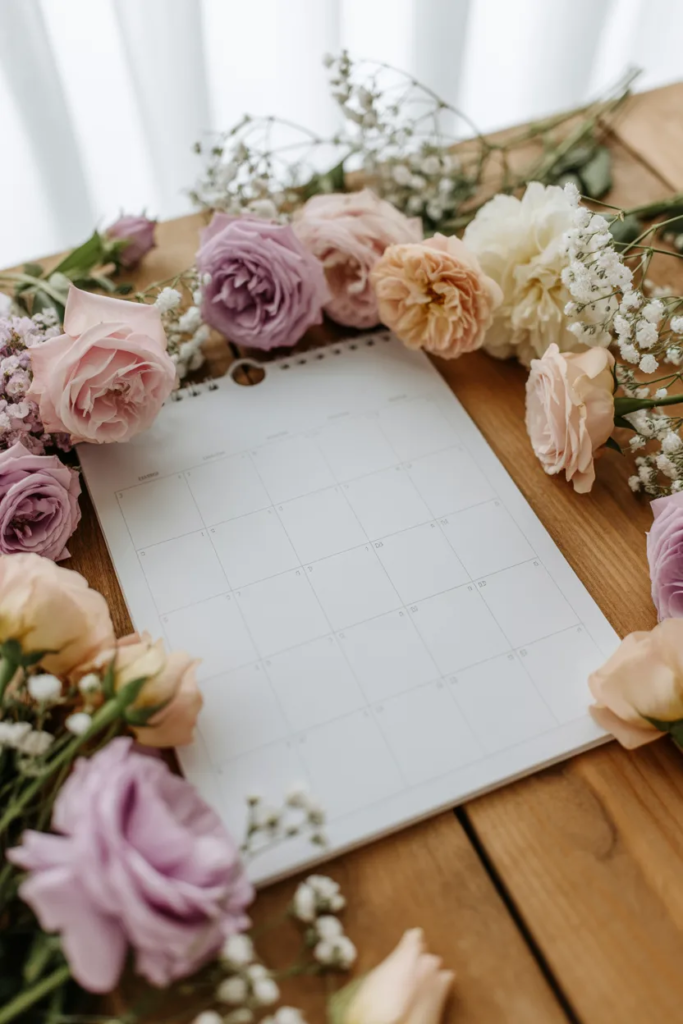
A floral-themed calendar adds a softer, more pleasant look to your planning routine. It’s not just about appearance—it can actually make daily planning feel less like a chore.
This one is popular among people who enjoy a bit of creativity while staying organized.
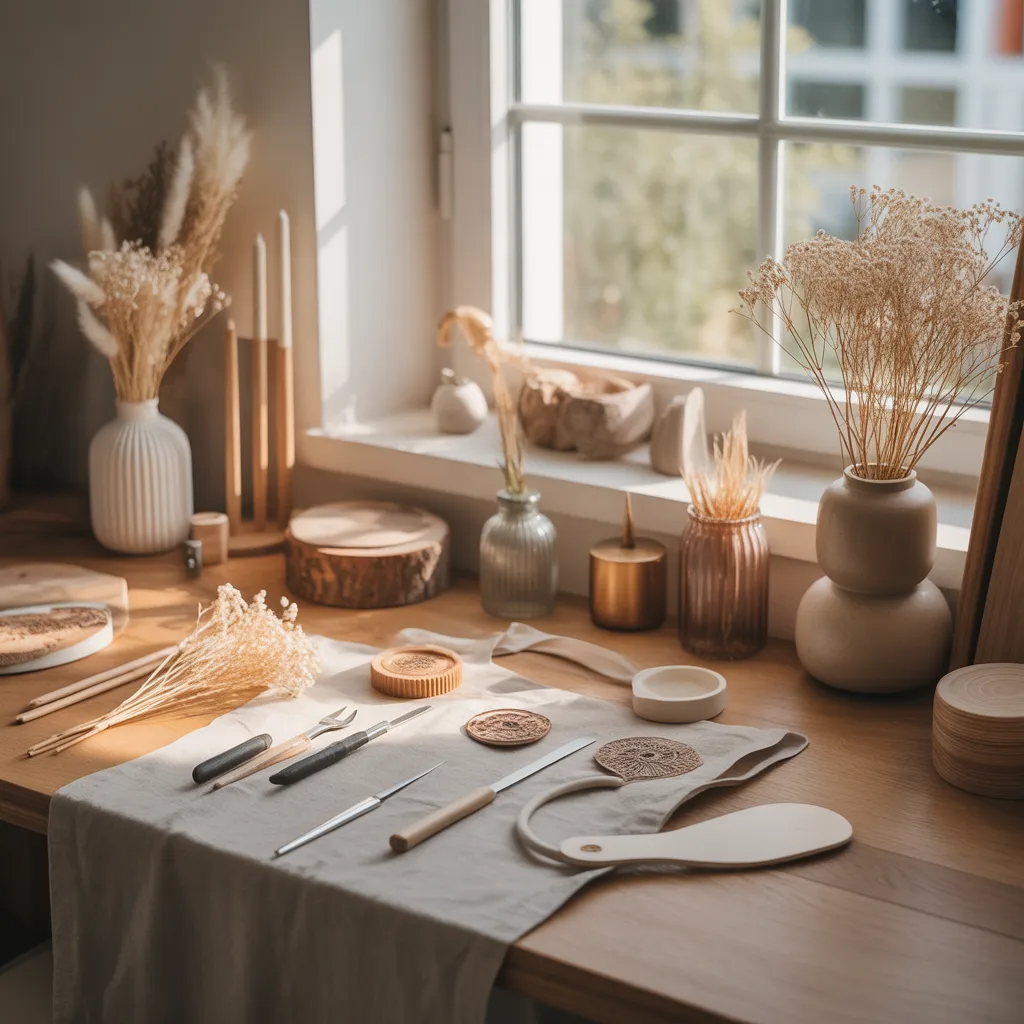
3. Rustic Charm Calendar

Rustic designs usually feature warm tones and a cozy feel. If you like a more relaxed, home-style aesthetic, this layout fits well.
It’s a nice option for household planning, meal schedules, or even small business tracking from home.
4. Modern Geometric Calendar
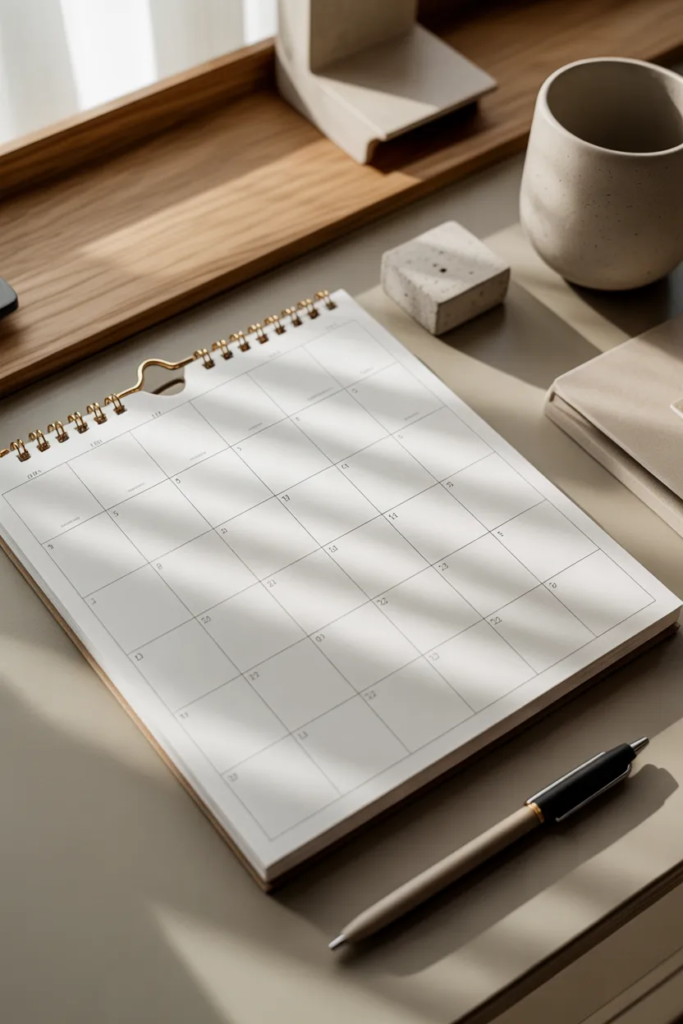
This design stands out with sharp lines and structured patterns. It feels more contemporary and slightly more professional.
Students and office workers often prefer this type because it balances style with functionality.
5. Color Splash Calendar

Bright colors and playful layouts make this calendar more engaging. It’s especially useful in busy households where multiple schedules overlap.
From my experience, using color can help quickly identify different types of tasks—work, school, or personal.
6. Vintage Classic Calendar
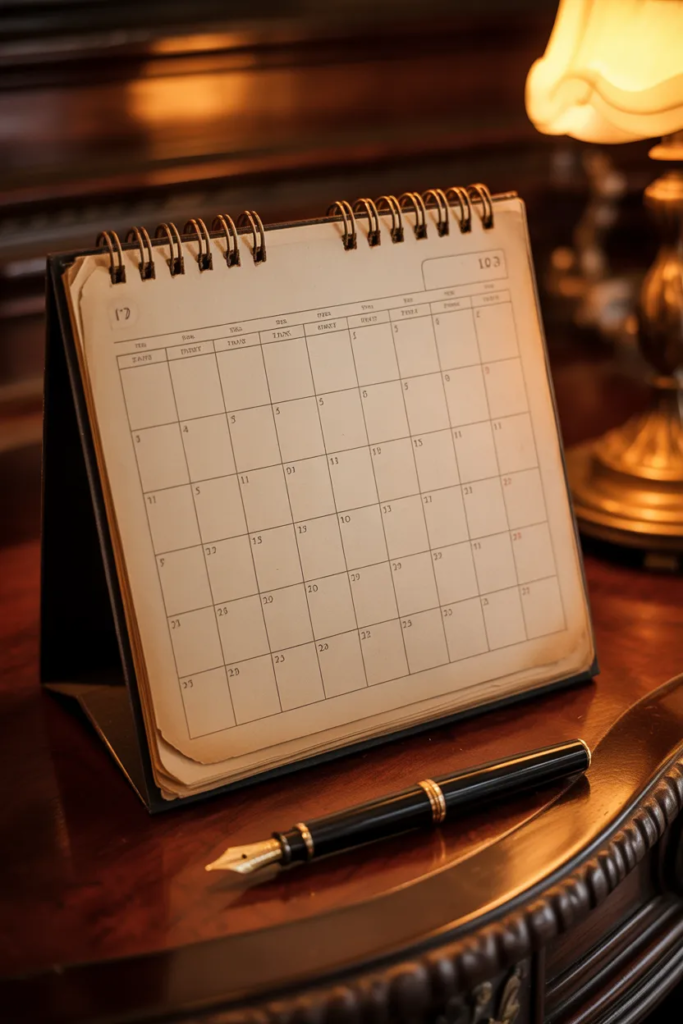
This one brings an old-school feel with classic fonts and subtle detailing. It’s simple but has a timeless appeal.
If you enjoy traditional designs or want something less modern, this style adds a bit of character to your planning.
What are the Benefits of a Blank Calendar?
1. Customization

One of the biggest advantages is the ability to design your schedule your way. You can add reminders, highlight important dates, or even use symbols that make sense to you.
This level of control makes planning more personal and often more effective.
2. Versatility

Blank calendars aren’t limited to just tracking dates. You can use them for:
- Work deadlines
- Study plans
- Fitness tracking
- Meal planning
- Family activities
This flexibility is why many people still prefer them over digital tools.
3. Accessibility
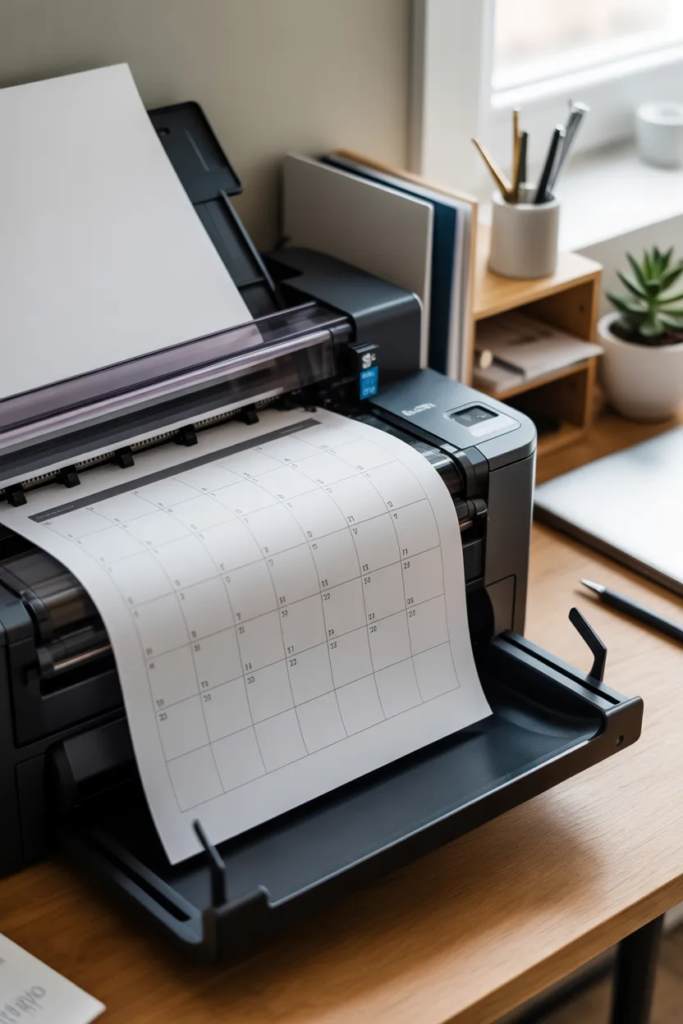
Printable calendars are easy to get and use. You can print them at home, at work, or at a local shop in whatever size suits you.
There’s no need for apps, logins, or internet access once you have a copy in hand.
4. Simplicity

Sometimes, simple works best. A blank calendar removes distractions and focuses only on what matters—your schedule.
I’ve seen people switch back to paper planning just because it helps them stay more focused and less overwhelmed.
Final Thoughts
Blank calendar printables remain a practical tool in 2025. They’re flexible, easy to use, and adaptable to almost any lifestyle.
Whether you prefer a clean layout or something more decorative, the right calendar can make daily planning smoother and more manageable. It’s not about having the fanciest system—it’s about using something you’ll actually stick with.