

Learning the alphabet doesn’t have to feel like a chore—for kids or adults. Over time, I’ve noticed that simple tools like printable alphabet letters can turn everyday learning into something hands-on and enjoyable. Whether you’re a parent teaching at home or a teacher managing a classroom, these printables offer a flexible and low-cost way to build early literacy skills.
In this guide, I’ll walk you through how printable alphabet letters actually help children learn, along with practical activities you can start using right away.
Key Takeaways
- Printable alphabet letters support early reading and writing skills
- They improve letter recognition, handwriting, and sound awareness
- Easy to use for crafts, games, and decorations
- Great for both home learning and classroom activities
- Can be adapted for different age groups and skill levels
Printable alphabet letters are a simple but powerful learning resource. They help children recognize letters, practice writing, and connect sounds to words. Beyond worksheets, they can also be used in fun activities like bingo, scavenger hunts, and sensory play. With a bit of creativity, these printables can turn learning into something interactive and engaging.
What are the Benefits of Printable Alphabet Letters?
1. Recognize letters
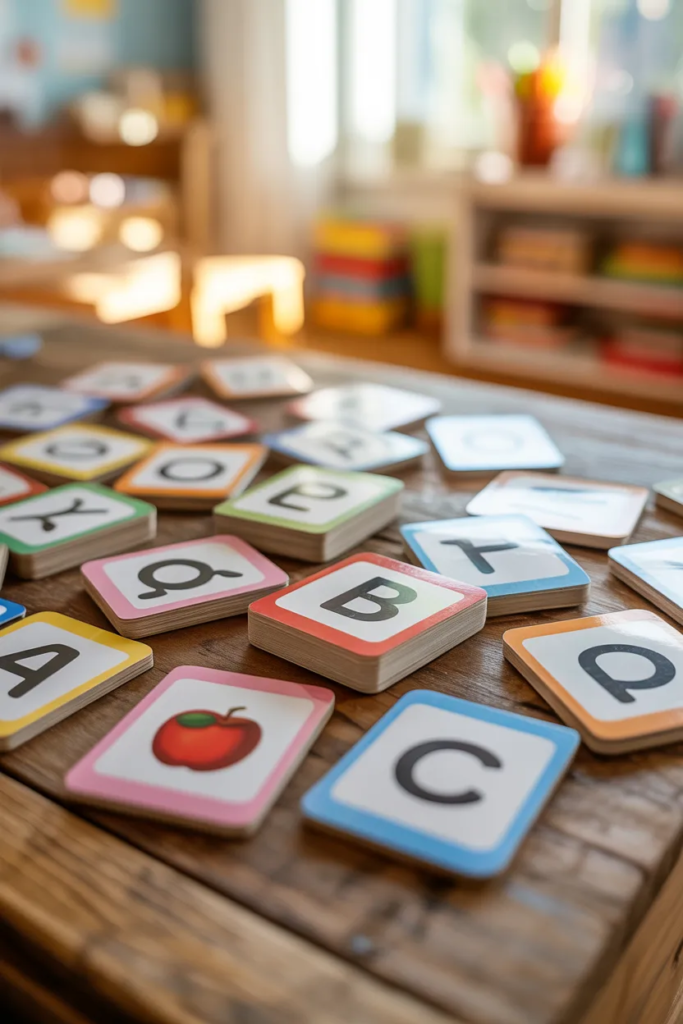
One of the first steps in reading is recognizing letters, and visual repetition plays a big role here. Printable alphabet sheets often include both the letter and a matching image, which helps kids make quick associations.
For example, seeing “A” with an apple repeatedly makes it easier for children to remember both the shape and the sound. This kind of visual learning tends to stick better than verbal instruction alone.
Tip: Keep printed letters visible—on walls, desks, or boards—so kids are exposed to them daily.
2. Improve handwriting
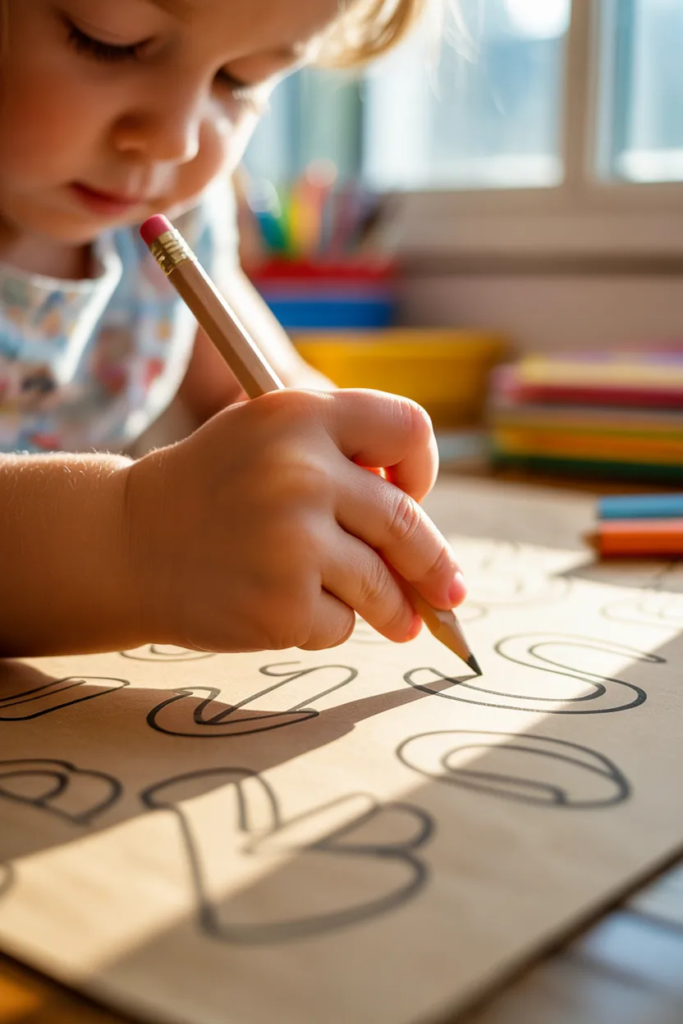
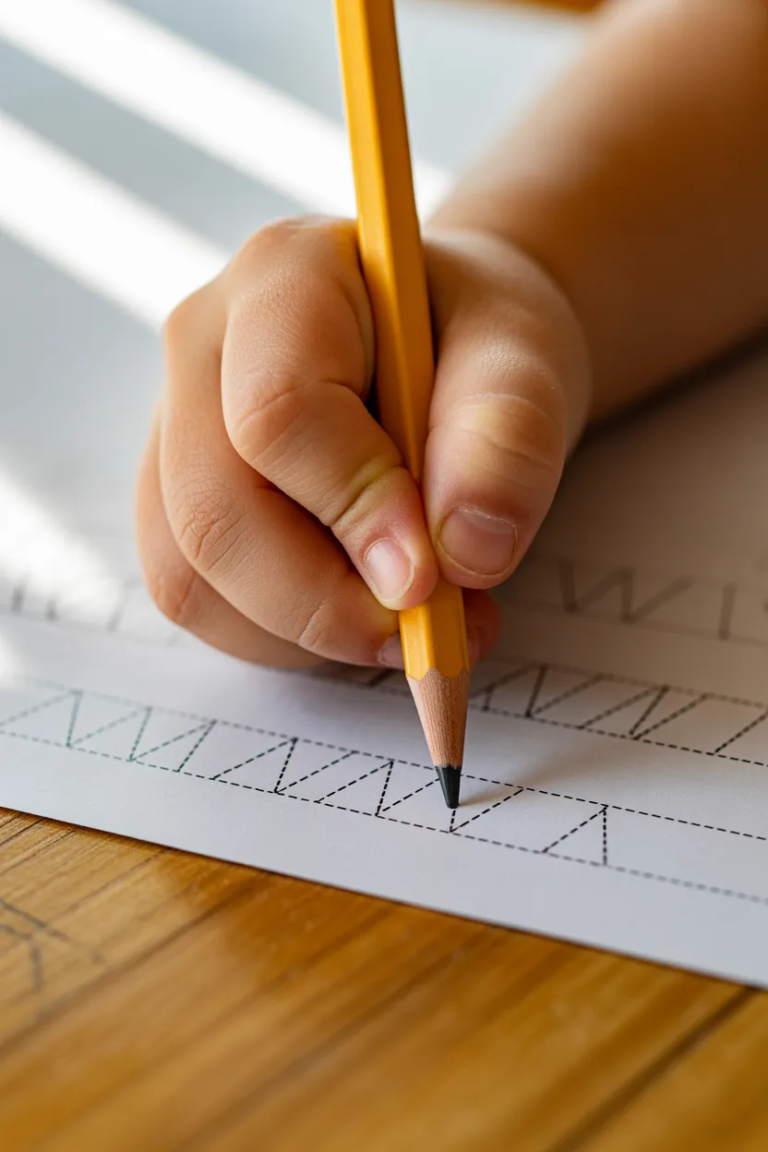
Tracing letters is one of the most effective ways to build writing skills. It helps children understand how each letter is formed while also improving hand control.
Over time, this repeated motion builds muscle memory, which makes independent writing much easier.
Practical idea: Start with large letters for younger kids, then gradually move to smaller ones as their control improves.
3. Develop phonemic awareness
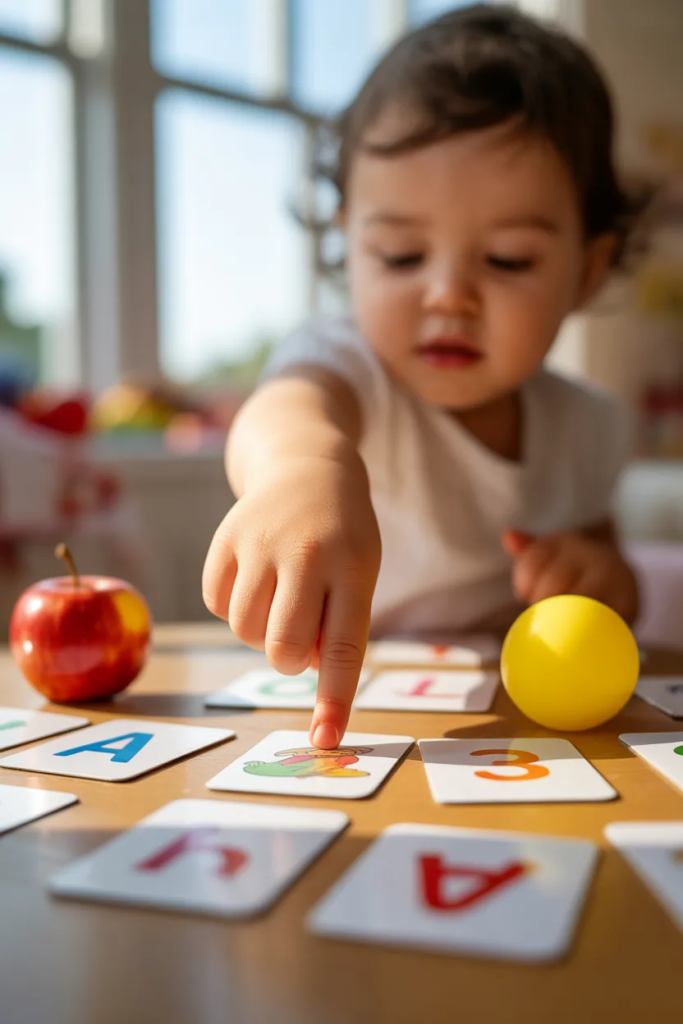
Understanding letter sounds is just as important as recognizing shapes. Printable alphabet letters can be used in activities that connect letters to sounds, helping children grasp how words are formed.
This is especially helpful when kids begin learning to read, as they start blending sounds together.
Example: Say the letter out loud and ask the child to name words that begin with it.
4. Crafts
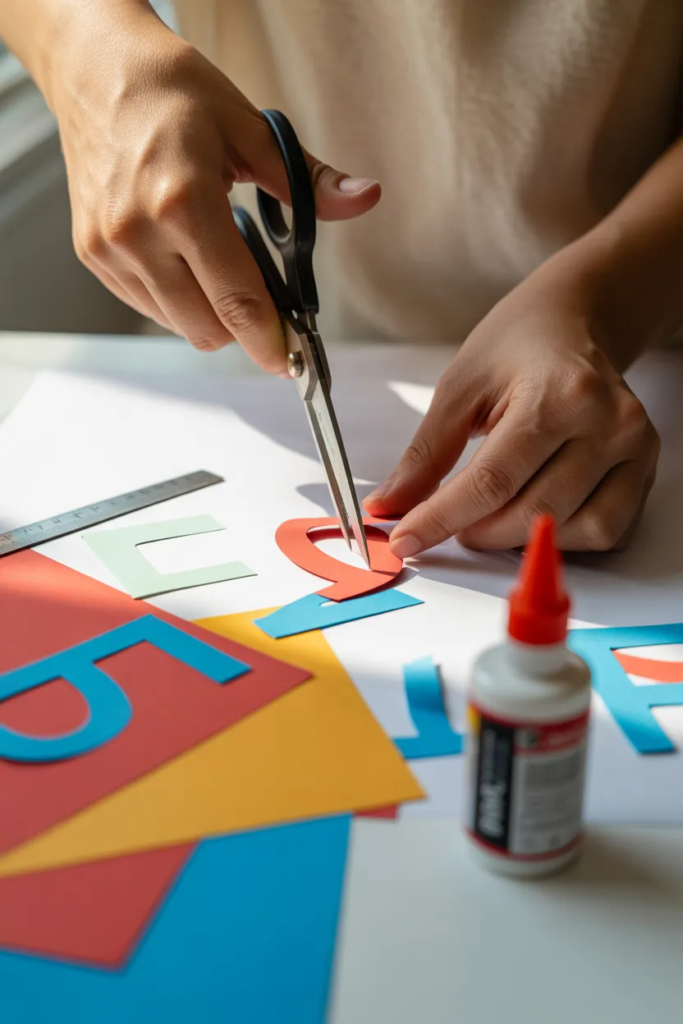
Alphabet-based crafts are a great way to mix creativity with learning. Cutting, coloring, and assembling letters not only reinforces recognition but also improves fine motor skills.
Some simple craft ideas include:
- Decorating each letter with themed materials
- Creating letter collages
- Building 3D letters using paper or cardboard
These activities work well for kids who learn better through hands-on tasks.
5. Decorations

Printable letters aren’t just for worksheets—they can also be used to decorate learning spaces. Creating banners, labels, or wall displays makes the environment more engaging.
A colorful alphabet display can quietly reinforce learning throughout the day without feeling like formal instruction.
Tip: Personalize decorations using a child’s name to make it more meaningful.
Fun Activities Using Printable Alphabet Letters
1. Alphabet Bingo
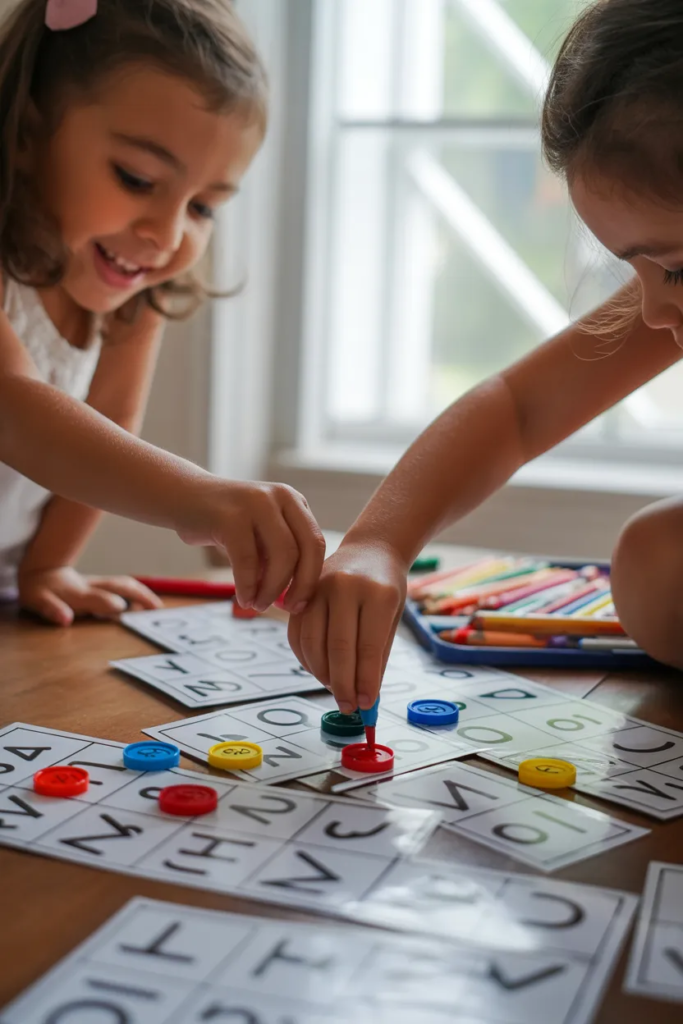
This is a favorite in both classrooms and homes because it feels like a game rather than a lesson.
Create or print bingo cards with different letters in each box. As you call out letters, children mark them on their cards. The first to complete a row wins.
It’s simple, but very effective for improving letter recognition quickly.
2. Alphabet Mazes
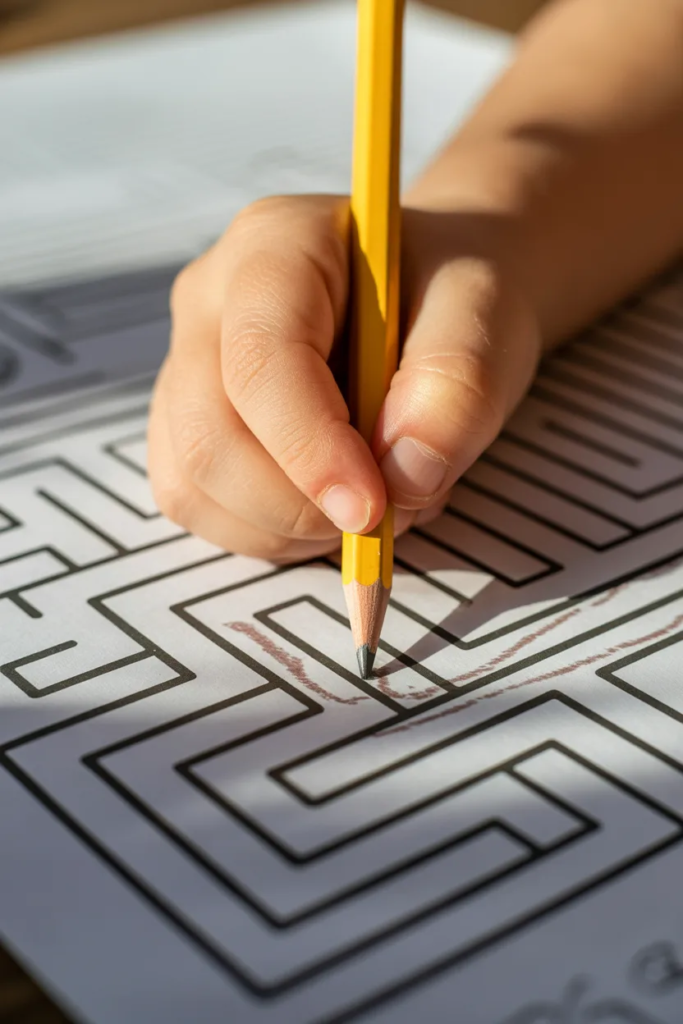
Alphabet mazes challenge children to follow a path in the correct letter order—from A to Z.
This activity does more than teach the alphabet—it also builds problem-solving skills and focus.
Tip: Start with simpler mazes for beginners, then increase difficulty over time.
3. Alphabet Scavenger Hunt
This activity gets kids moving, which can make learning more memorable.
Hide printed letters around a room. When a child finds one, they must match it with an object that starts with that letter.
For example, finding “B” and pointing to a book.
It’s a great mix of physical activity and learning.
4. Sensory Bins
Sensory play works especially well for younger children.
Fill a container with materials like rice, beans, or sand, then hide alphabet letters inside. Kids dig through the bin to find letters and identify them.
This method adds a tactile element to learning, which can help with memory and engagement.
5. Alphabet Books
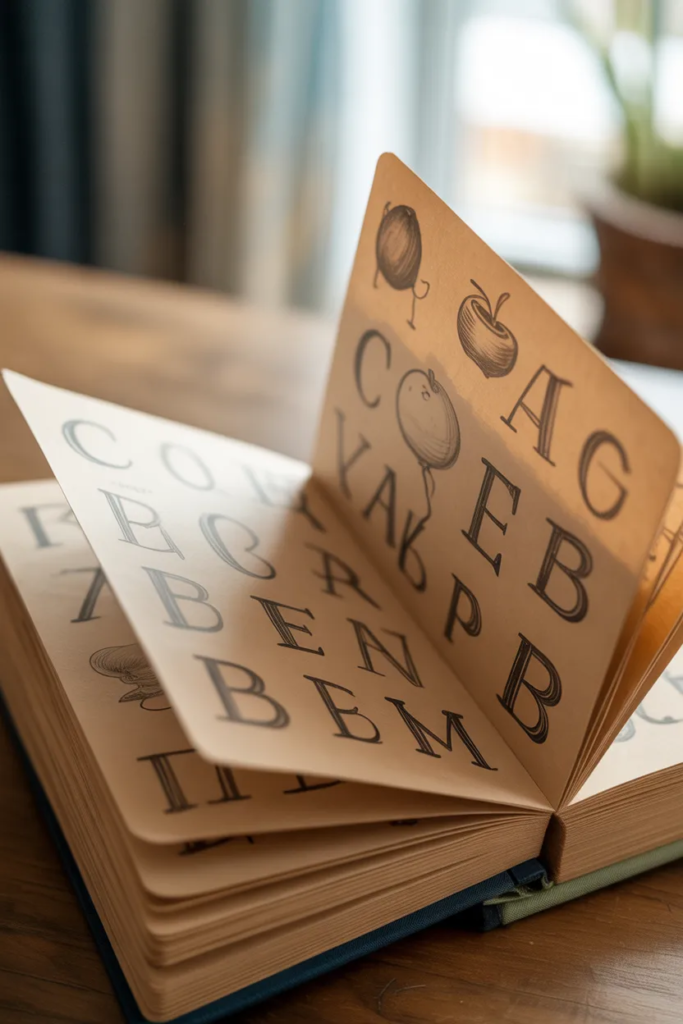
Creating a personal alphabet book is one of the most rewarding activities.
Each page focuses on a single letter. Children can trace it, write it, and draw something related to it.
Once completed, the pages can be stapled or tied together into a book.
This gives children a sense of ownership over their learning, which often increases motivation.
Final Thoughts
Printable alphabet letters may seem simple, but they’re incredibly flexible. From structured practice to creative play, they can fit into almost any learning style.
What works best, in my experience, is mixing different approaches—some writing, some play, and some visual learning. That balance keeps kids interested while helping them build strong foundational skills.
If you haven’t tried using alphabet printables before, this is a good place to start. Keep it simple, stay consistent, and focus on making learning feel natural rather than forced.