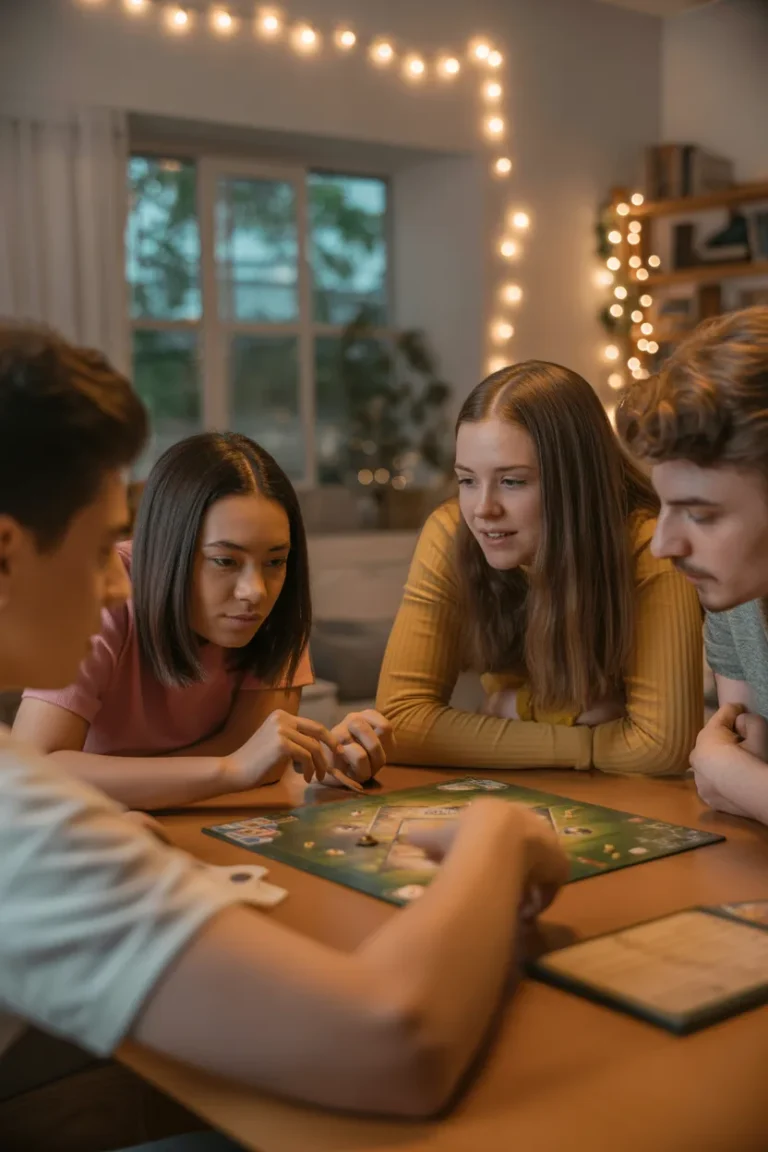

I’ve found that making a DIY Jeopardy game is one of the most effective ways to turn any gathering into an interactive and educational experience. I usually build it using simple materials like cardboard or PowerPoint, depending on the situation. The game works well for family nights, classrooms, and even small events because it keeps everyone engaged through competition and teamwork.
From my experience, the key to success is organizing clear categories, balanced questions, and simple scoring. I also noticed that when players are allowed to strategize on higher-value questions, engagement increases noticeably. Adding a Final Jeopardy round and small prizes makes the game feel more complete and exciting.
Key Takeaways
- I can easily build a Jeopardy game using basic household materials or PowerPoint
- Clear categories and structured scoring improve gameplay flow
- Adding Final Jeopardy increases excitement and competition
- The game works well for learning, parties, and group bonding
- Small prizes make participation more engaging
Jeopardy Game DIY
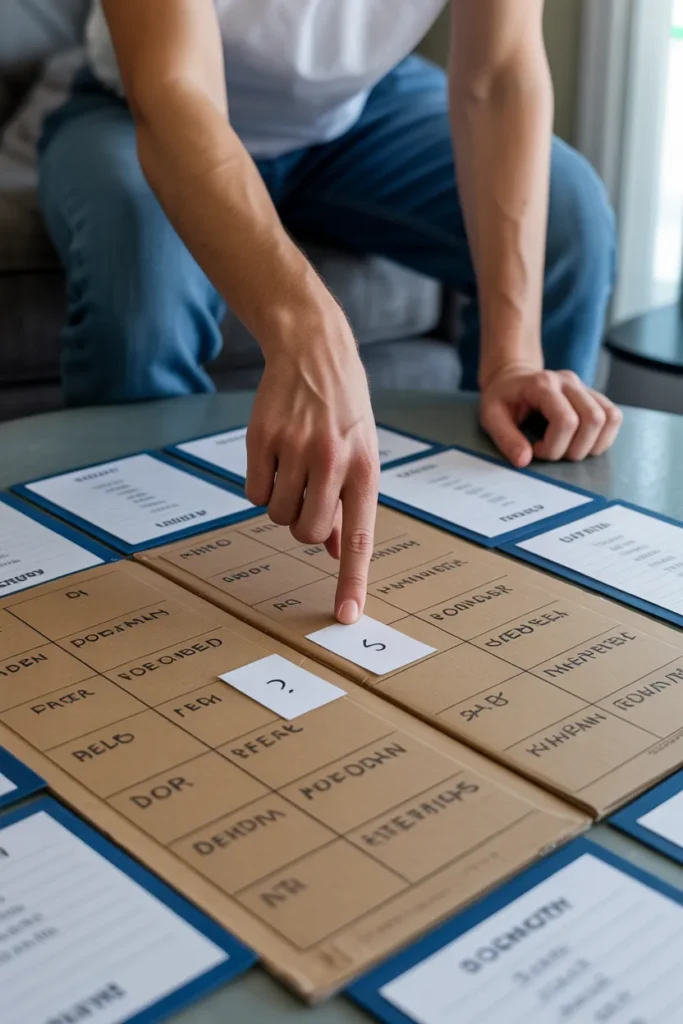
I enjoy creating a Jeopardy-style game because it turns a simple activity into something interactive and competitive. I’ve used it for both casual gatherings and learning sessions, and it consistently keeps people involved. The structure is simple, but it encourages thinking and teamwork.
What materials are needed to make the game?
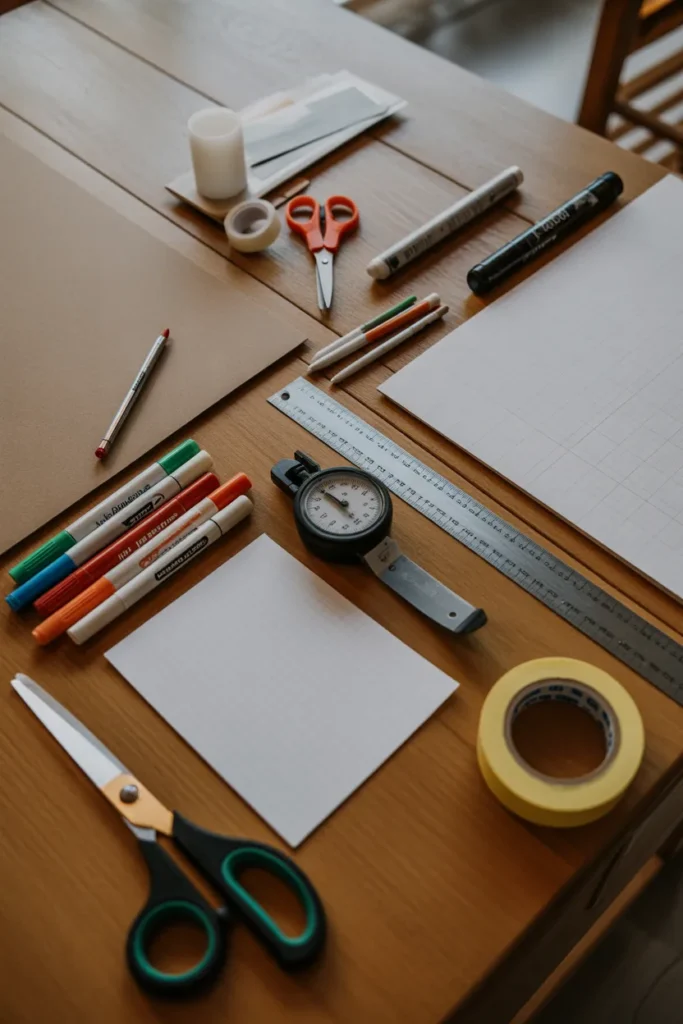
When I build the game manually, I usually keep materials very simple. I prefer using everyday items so it stays budget-friendly and easy to set up. The goal is functionality, not complexity.
- Poster board or cardboard for the main board
- Markers or pens for labeling
- Ruler for clean grid lines
- Index cards or paper for questions
- Tape or glue to attach cards
- Timer or stopwatch for fair turns
- Optional small prizes for motivation
Pro Tip: I always use simple household items like cardboard, paper, and markers to keep the setup low-cost, quick, and focused on smooth gameplay instead of complicated materials.
1. Prepare the Game Board
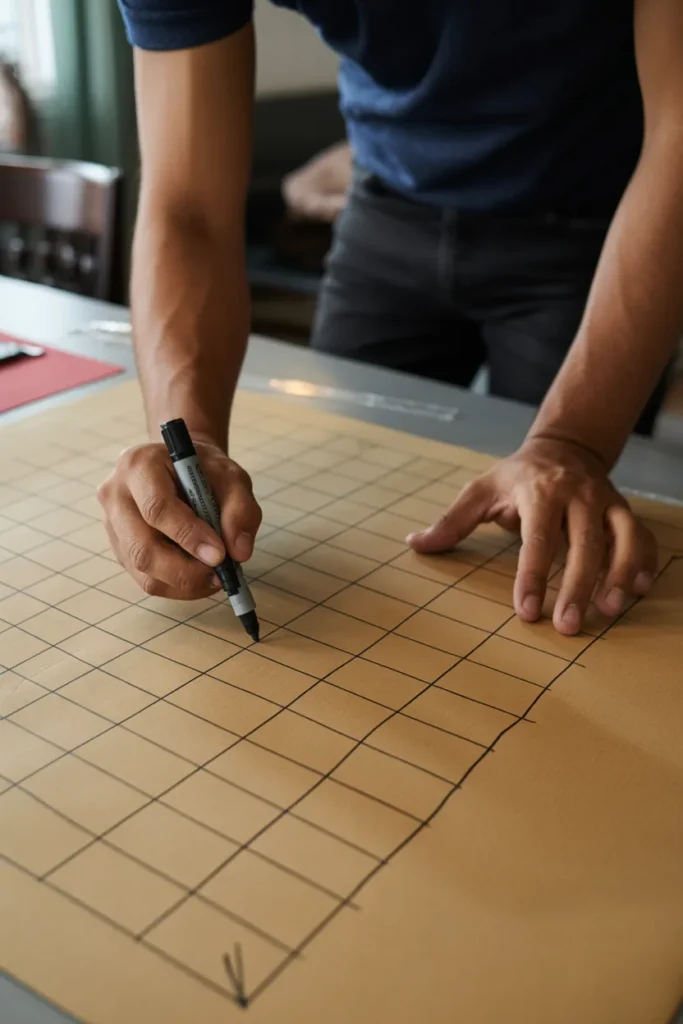
I start by drawing a clean grid with five columns and five rows. Each column represents a category, and each row shows increasing point values from 100 to 500. I make sure the layout is neat because clarity improves gameplay flow.
I also label categories at the top and keep spacing even so everything is easy to read. In my experience, a well-structured board reduces confusion during the game.
2. Create the Question Cards
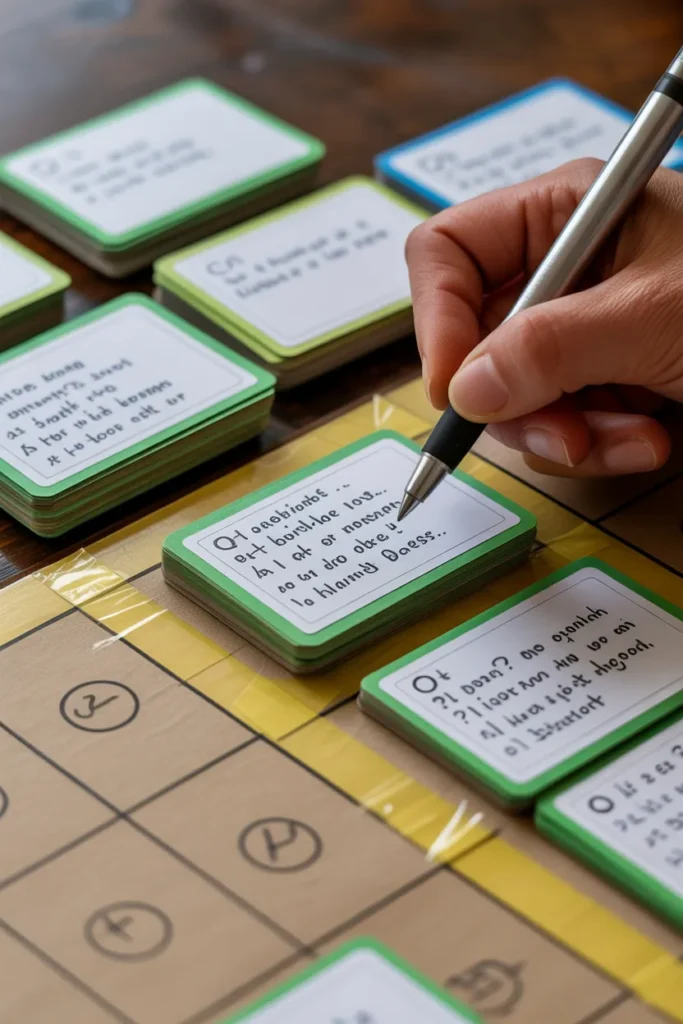
For every box on the board, I prepare one question and one answer. I write the question on the front and the answer on the back of index cards.
Then I attach them to the correct grid spots while keeping answers hidden. This step is important because it keeps the challenge intact and prevents accidental reveals.
3. Set Up the Game Area
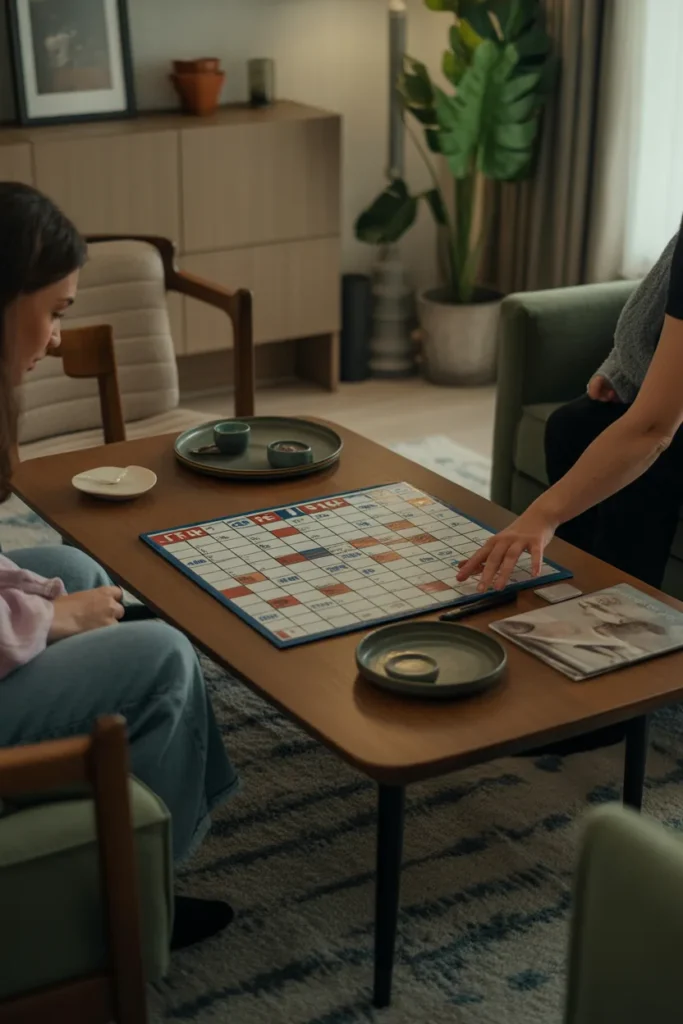
I always choose a space where everyone can clearly see the board. Seating arrangement matters because visibility affects engagement.
I also keep a timer nearby to manage response time. From what I’ve seen, adding time limits makes players think faster and keeps the game moving smoothly.
4. Explain the Rules

Before starting, I clearly explain how the game works. Players choose a category and point value, then answer in the form of a question.
If the answer is correct, they earn points. If not, I allow others to respond, which keeps everyone involved even when it’s not their turn.
5. Play the Game
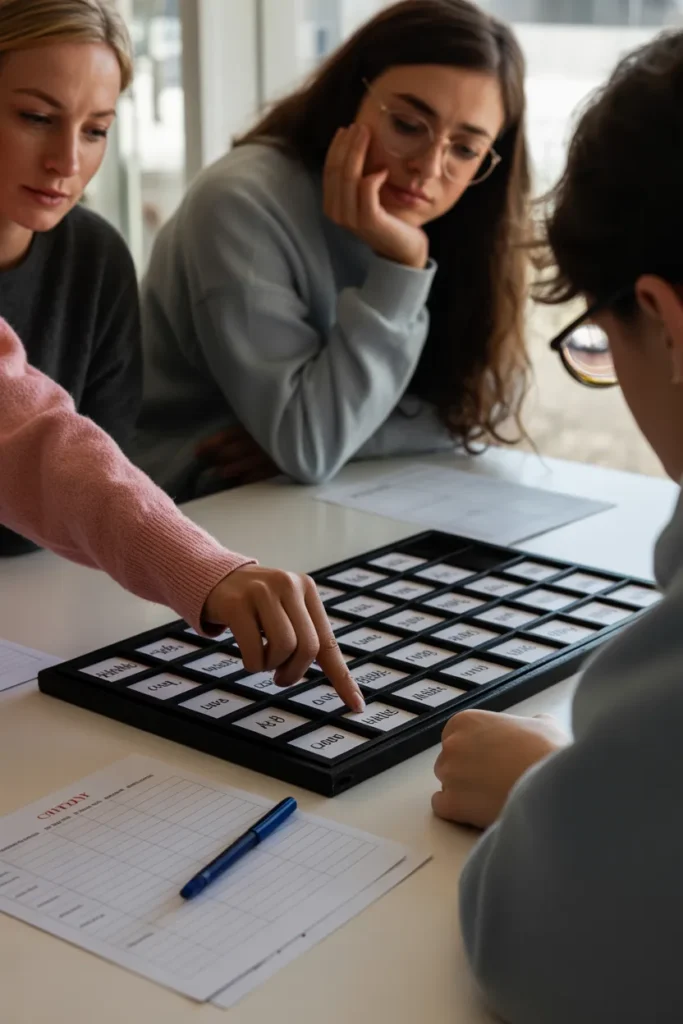
Once the game starts, I let players take turns choosing questions. I keep track of scores manually on paper.
I’ve noticed that higher-value questions often lead to more discussion and teamwork. This part makes the game more strategic rather than just question-and-answer based.
Pro Tip: I always track scores on paper and encourage higher-value questions early, as they naturally spark more discussion, teamwork, and strategic thinking among players.
6. Final Jeopardy

I always include a Final Jeopardy round because it changes the game outcome in a fun way. Players wager part of their points on one final question.
They write down answers privately, and I reveal everything at the end. This round usually creates the most suspense and excitement.
7. Prizes
I like adding small prizes even if they’re simple. It could be anything like snacks or small gifts.
From my experience, prizes increase participation and make even casual players more invested in the game outcome.
How to Make a DIY Jeopardy Game in PowerPoint?
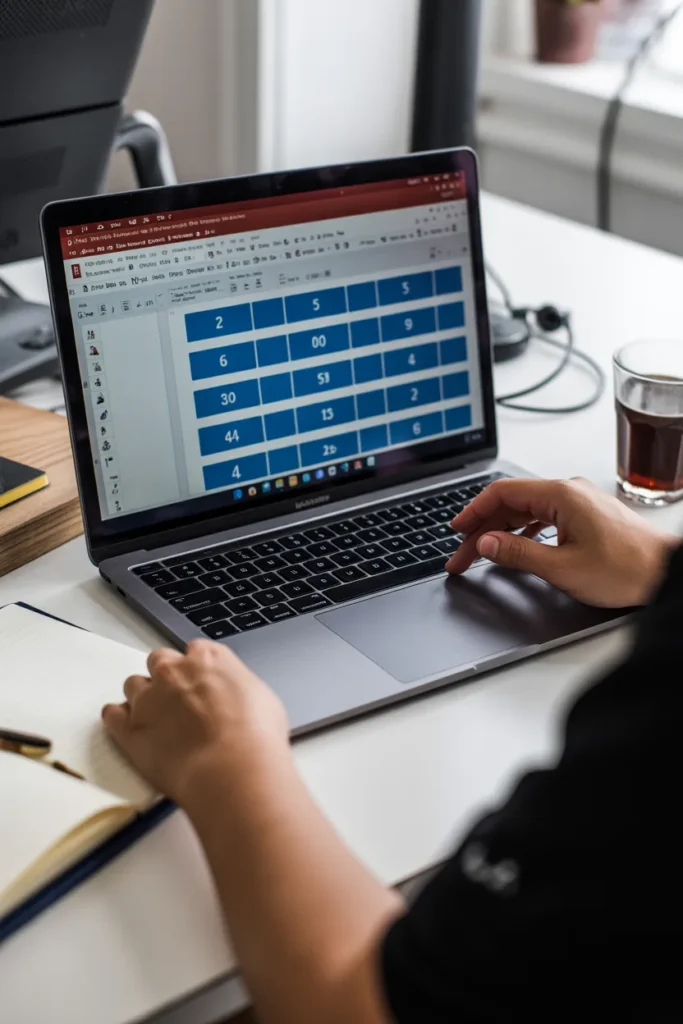
I also use PowerPoint when I want a digital version of the game. It’s more polished and easy to share.
First, I create an intro slide with a start button. Then I build a table with categories and point values using the Insert tab.
Next, I design separate slides for each question and answer. I link each point value to its slide using hyperlinks, which makes navigation smooth.
After that, I test everything in slideshow mode to ensure all links work properly. Once confirmed, I can easily share it with others through email or online platforms.