
Introduction
When I started improving my outdoor space, I realized stairs are more than just a pathway. They actually define how a home feels from the outside. A well-designed staircase can boost curb appeal by nearly 15–20%, which makes it worth paying attention to.
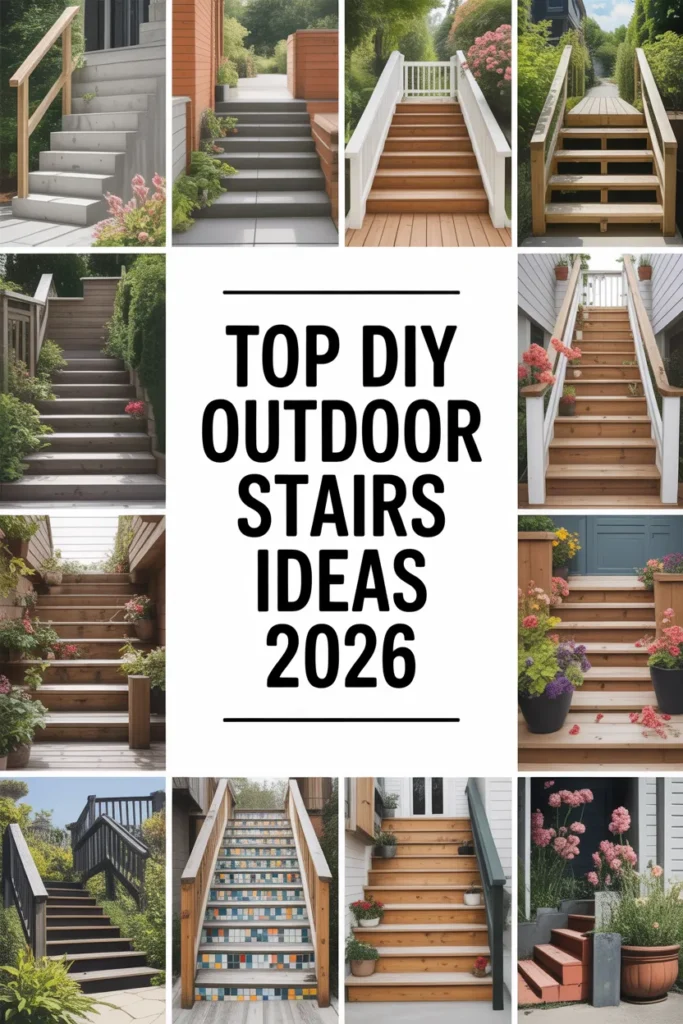
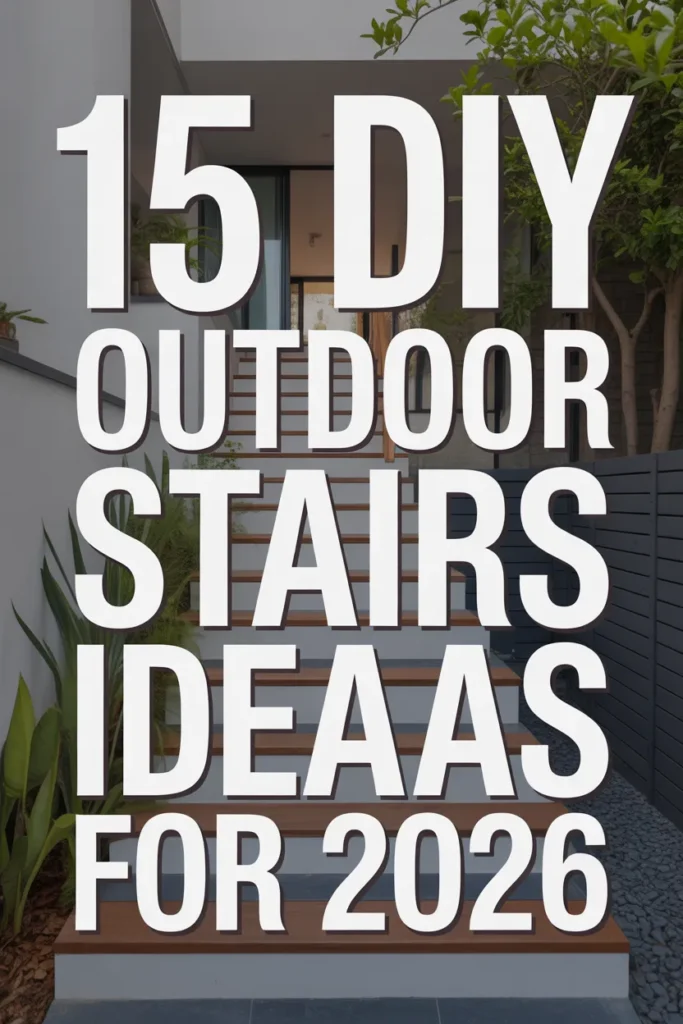
In this guide, I’m sharing practical and stylish DIY outdoor stair ideas that I personally find useful. These ideas focus on real usability, durability, and design so you can build something that lasts and looks good.
Above the Fold Summary
In this article, I’ve covered 15 outdoor stair ideas that mix design and function. From modern floating steps to rustic wooden styles, you’ll find options for every type of home. I’ve also included planning tips and material suggestions so you can avoid common mistakes and save money while building your stairs.
Key Takeaways
Outdoor stairs improve both safety and home value
Material choice directly affects durability and maintenance
Simple upgrades like lighting and plants make a big difference
Balanced designs like symmetry create a clean look
DIY stairs can reduce costs by up to 50%
Planning The DIY Stair Project
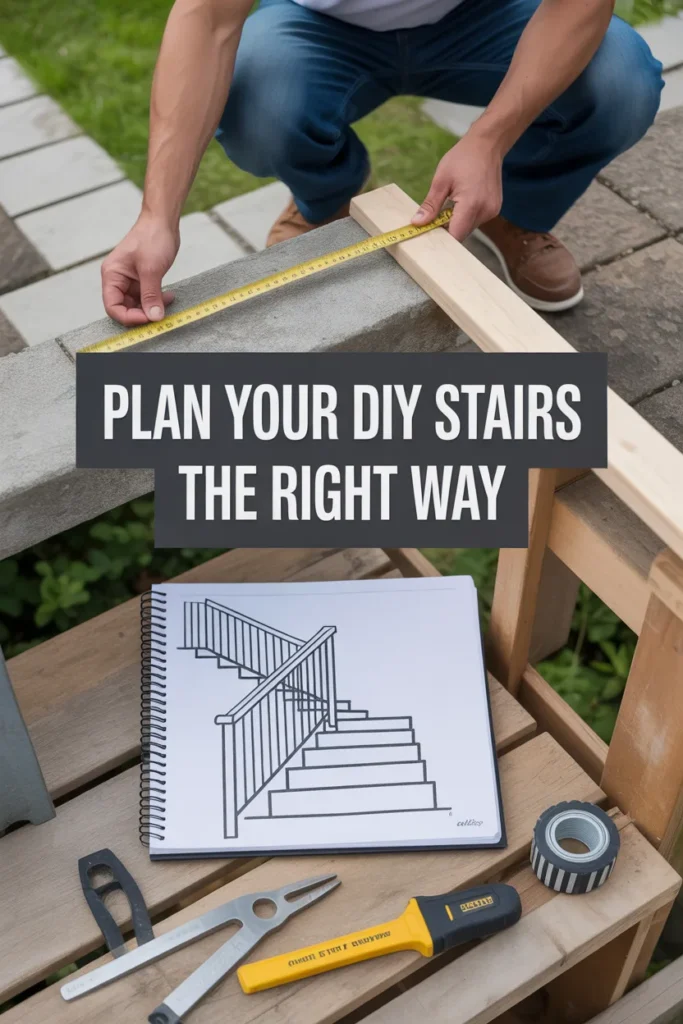
When I plan a DIY staircase, I always start with measurements. Getting the height and width right is important for both comfort and safety. Even a small mistake can create problems later.
I usually sketch my design to see how it will match the house. Choosing the right material is also important. From my experience, wood works well for budget projects, while concrete lasts longer and needs less maintenance.
A small tip that helps a lot is keeping each step around 6 to 7 inches high, which feels natural when walking.
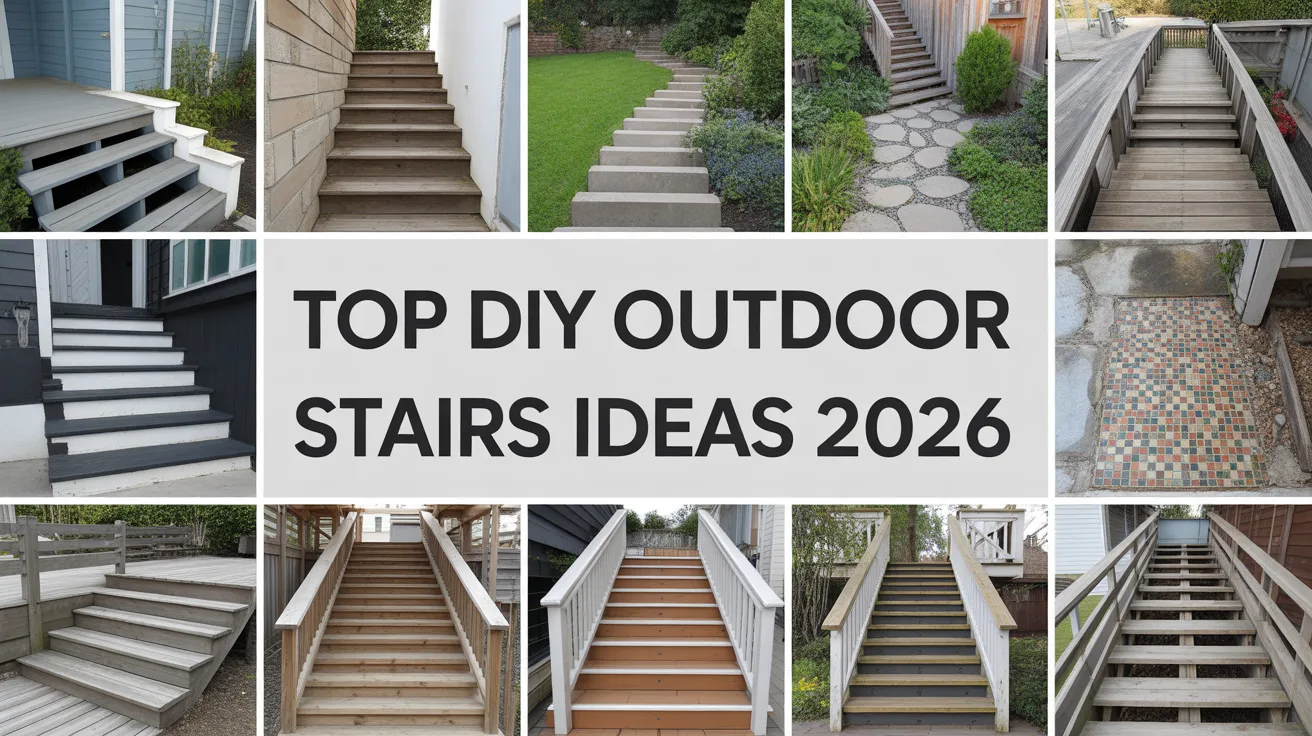
DIY Stairs Outdoor Ideas
1. Mediterranean Entry
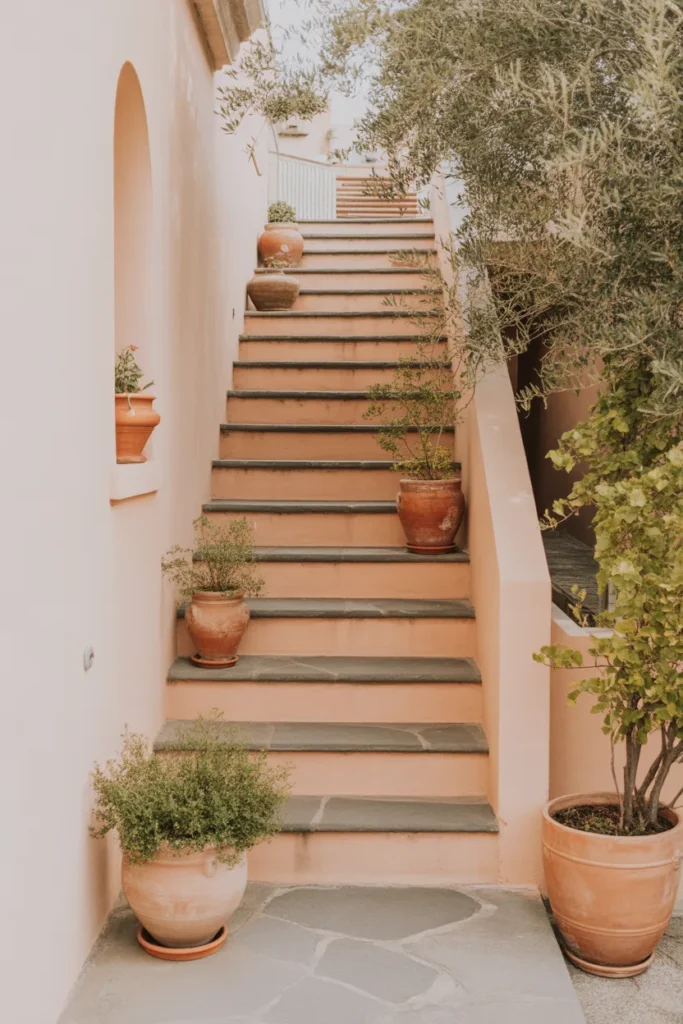
I like this style because it feels warm and relaxed. Stone steps combined with terracotta pots create a natural look.
Adding plants or vines around the stairs makes the entrance more welcoming. Keeping both sides balanced improves the overall appearance.
2. Classic White Rail
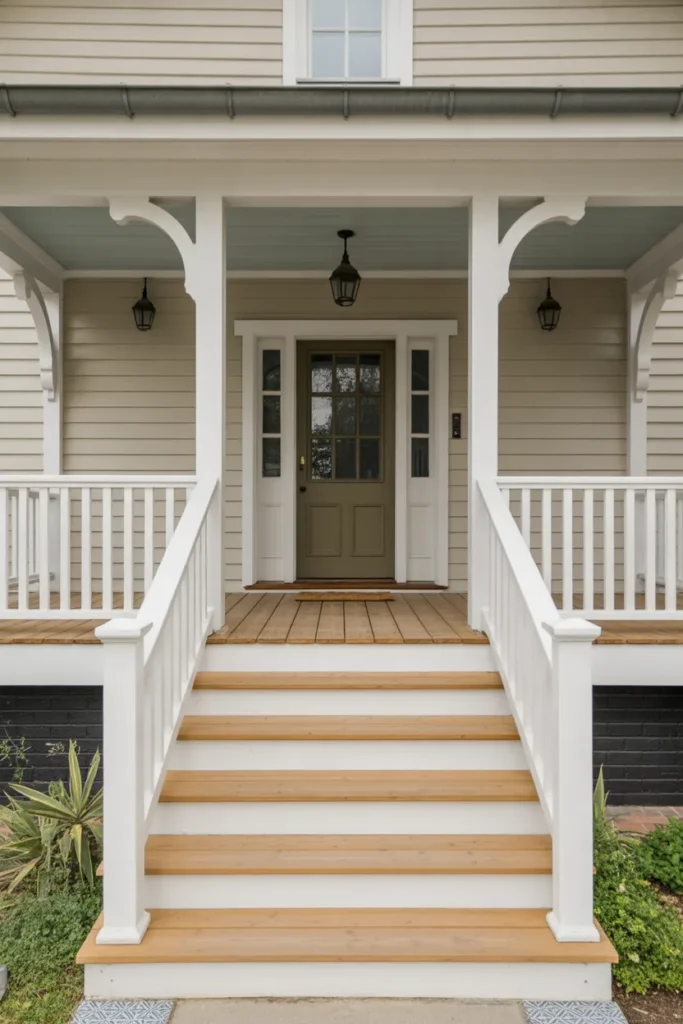
This is one of the easiest designs I’ve tried. Wooden steps with white railings always look clean and simple.
It works great for front porches because it reflects light and makes the space look bigger. It also doesn’t go out of style.
3. Urban Garden Steps
For a modern touch, I prefer dark-colored steps with greenery around them. The contrast makes the design stand out.
This idea works well in small spaces where you want both style and plants without overcrowding.
4. Southern Charm Stairs
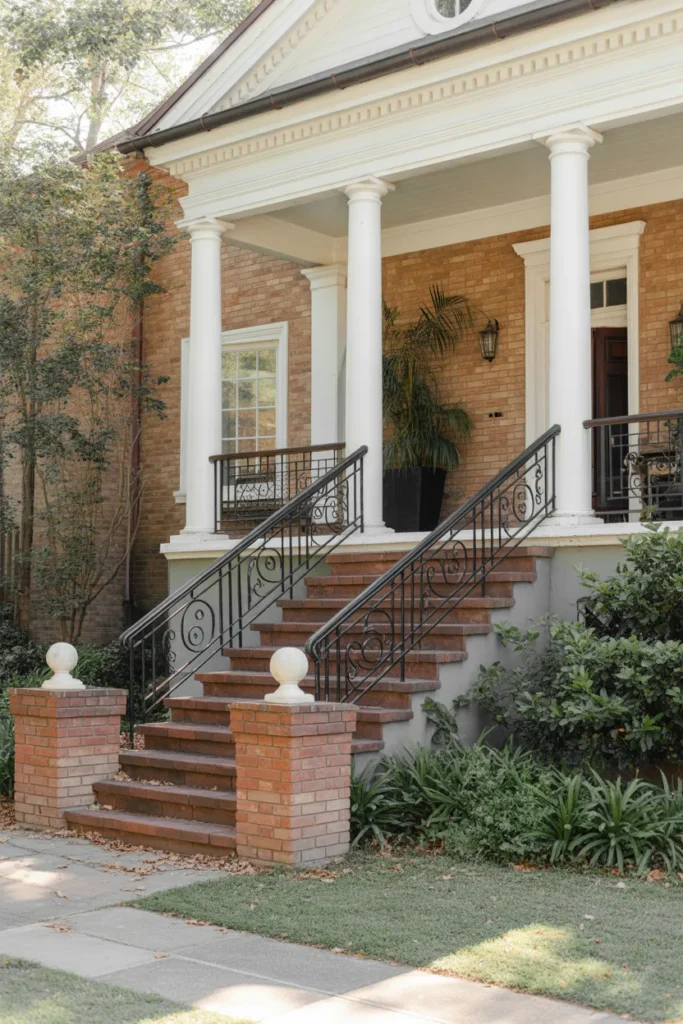
Brick stairs are very reliable. I’ve seen them last for years without major maintenance.
When paired with simple landscaping, they create a welcoming and traditional look that suits many homes.
5. Mosaic Pop
If you want something eye-catching, mosaic tiles are a great option. They make each step look unique.
I recommend using weather-resistant tiles so the design stays strong over time.
6. Bold Contrast
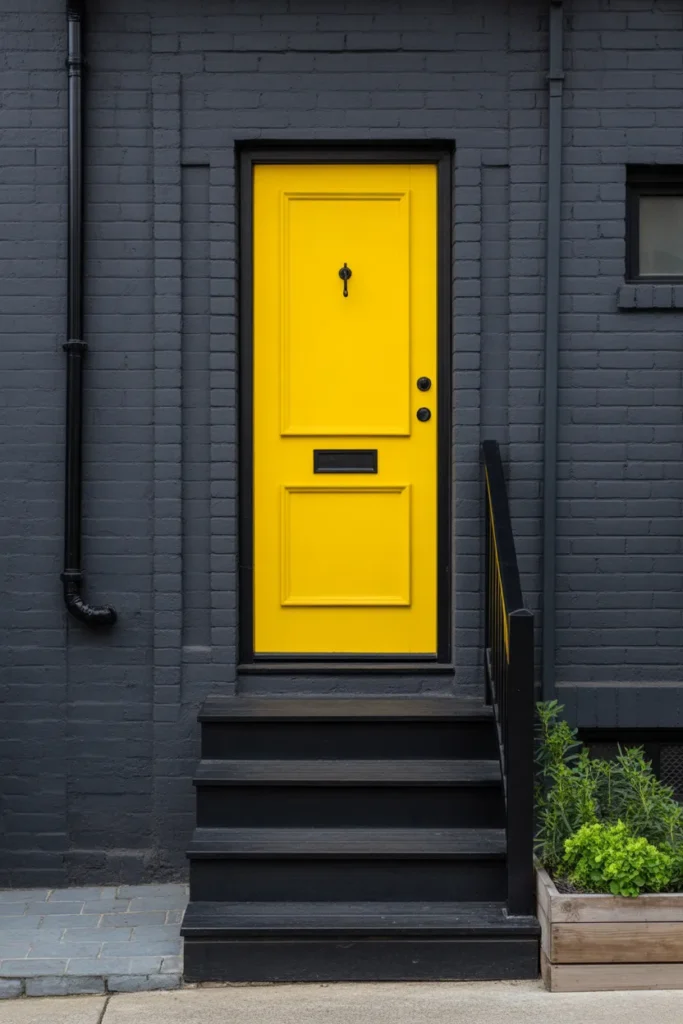
Sometimes I keep things simple by using dark stairs and a bright door. The contrast alone creates a strong effect.
This is a low-cost way to upgrade your entrance without heavy work.
7. Rustic Porch Charm
Wooden stairs with natural finishes give a cozy feel. I like combining wood with brick for extra texture.
Adding warm lights or lanterns makes the area more inviting in the evening.
8. Garden Framed Steps
I enjoy this design because it brings nature closer to the entrance. Plants on both sides create a soft and calm pathway.
It’s also known that greenery can improve mood, which makes this a good choice for relaxing spaces.
9. Lit Minimalism
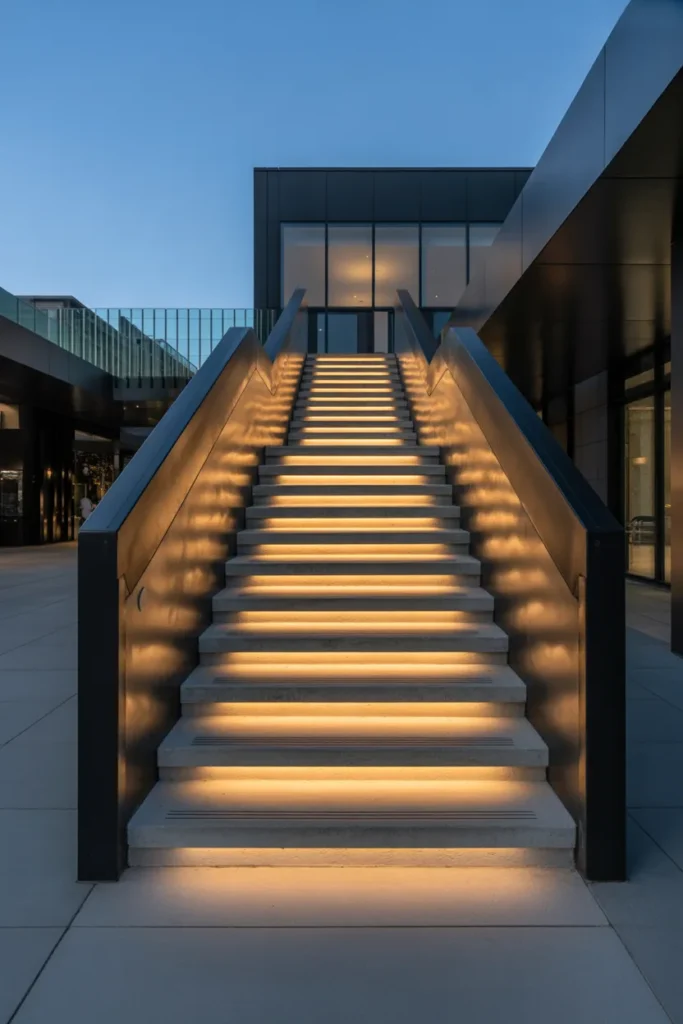
Lighting is something I always recommend. LED lights under steps improve visibility at night.
They also give a modern look while reducing the chance of accidents by around 30%.
10. Floating Steps
Floating steps create a clean and modern appearance. I like using stone slabs to achieve this effect.
They work best for contemporary homes where simplicity is the main goal.
11. Cottage Curve
Curved stairs add a unique look. I’ve noticed they make entrances feel more elegant compared to straight designs.
They take more effort to build, but the result stands out.
12. Compact Chic
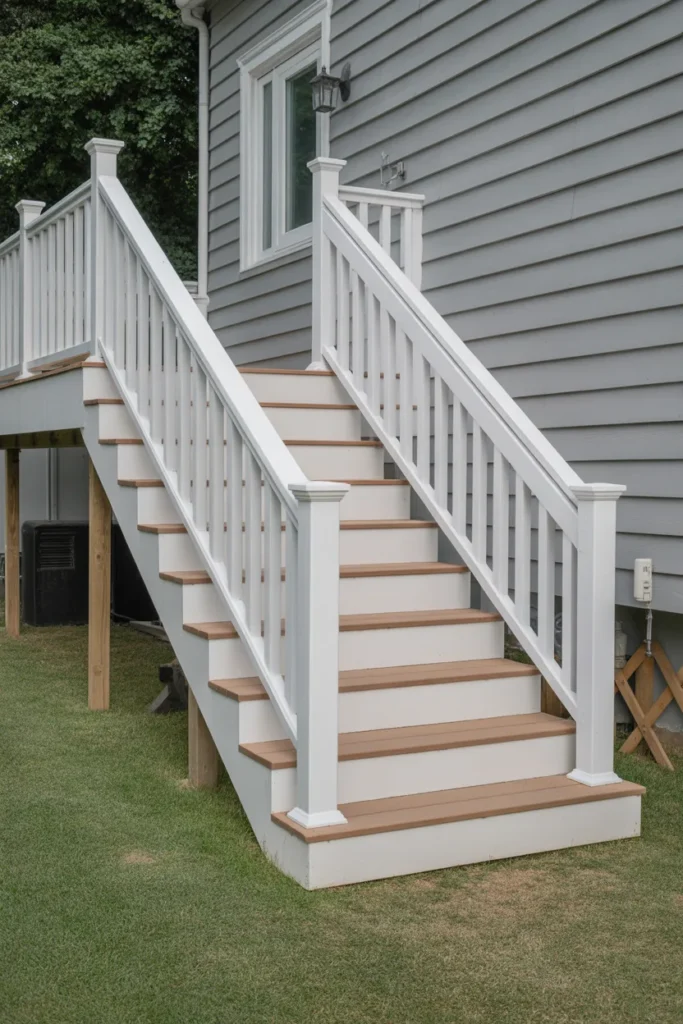
For smaller areas, I suggest using composite decking. It’s durable and easy to maintain.
This design is perfect for tight spaces where you still want something stylish.
13. Refined Symmetry
Symmetrical stairs always look neat. I prefer keeping both sides equal for a balanced design.
Adding simple decor like planters enhances the look without making it busy.
14. Classic Cottage
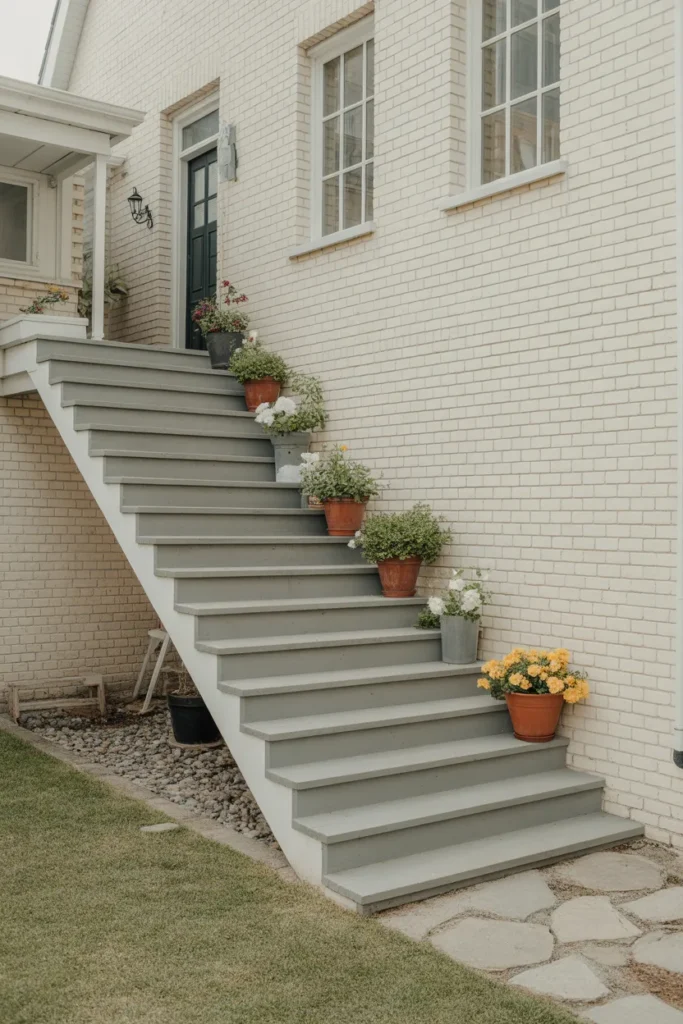
This style feels simple and welcoming. Light stone steps with basic railings create a soft look.
Adding flowers can improve the overall feel without too much effort.
15. Sculpted Concrete
Concrete stairs are strong and long-lasting. I like smooth and curved designs for a modern touch.
They can easily last more than 20 years, which makes them a smart investment.
Conclusion
From my experience, DIY outdoor stairs are one of the best upgrades you can make. They improve both design and functionality without requiring a huge budget.
If you plan carefully and choose the right materials, you can build stairs that last for years and make your home look better.
FAQs
What is the best material for outdoor DIY stairs?
From my experience, concrete and pressure-treated wood work best. Concrete lasts longer with almost no maintenance, while wood is budget-friendly and easier to install. If you want a balance, composite decking is also a strong option.
How much does it cost to build DIY outdoor stairs?
The cost usually depends on materials and size. On average, I’ve seen DIY stairs cost between $200 to $1500, which is much cheaper than hiring professionals that can charge double or more.
What is the standard height for outdoor stair steps?
A comfortable step height is around 6 to 7 inches, with a depth of about 10 to 12 inches. I always follow this because it feels natural and reduces the risk of tripping.
Do I need permission to build outdoor stairs?
In many areas, small DIY stairs don’t need approval, but larger structures might require permits. I always recommend checking local building codes before starting to avoid issues later.
How can I make outdoor stairs safer?
I focus on adding non-slip surfaces, proper lighting, and sturdy railings. LED lights and textured materials can reduce accidents significantly, especially during rain or nighttime.
What is the easiest DIY outdoor stair design?
In my opinion, simple wooden box steps are the easiest to build. They require basic tools and can be completed in a short time, even for beginners.
How long do DIY outdoor stairs last?
It depends on the material. Wooden stairs can last 10–15 years with maintenance, while concrete stairs can easily last 20+ years without major issues.
Can I build outdoor stairs without professional help?
Yes, I’ve seen many people successfully build stairs themselves. If you follow proper measurements and safety guidelines, it’s completely doable as a DIY project.
What type of wood is best for outdoor stairs?
Pressure-treated lumber, cedar, and redwood are the best choices. They resist moisture and insects, which helps extend the lifespan of the stairs.
How do I maintain outdoor stairs?
I usually clean them regularly, seal wooden surfaces, and check for damage every few months. Simple maintenance can extend the life of your stairs by several years.