
Introduction
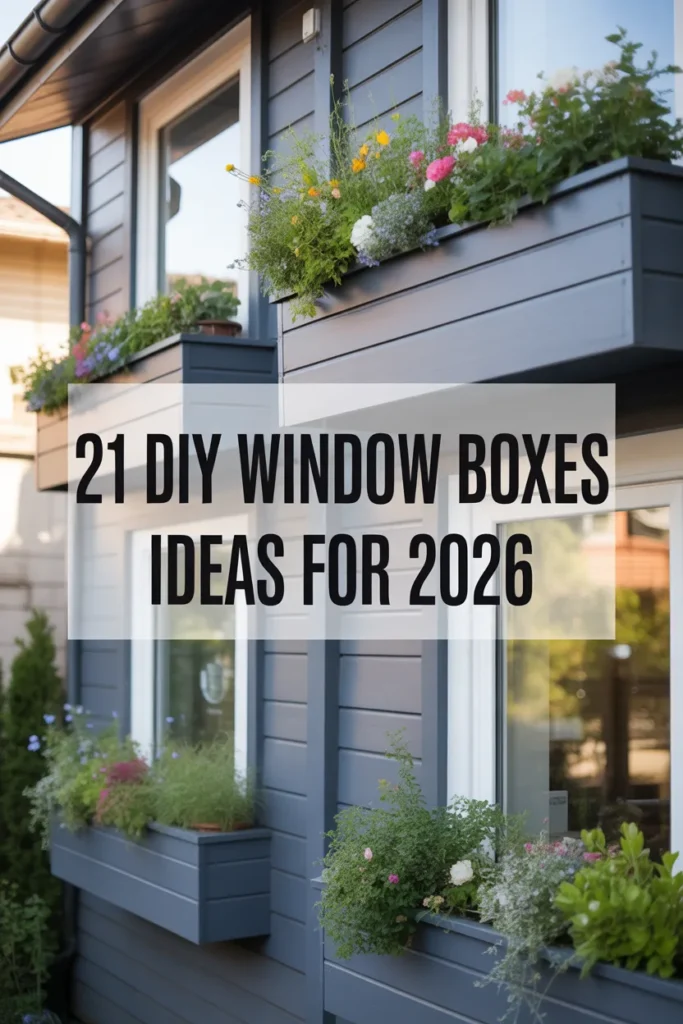
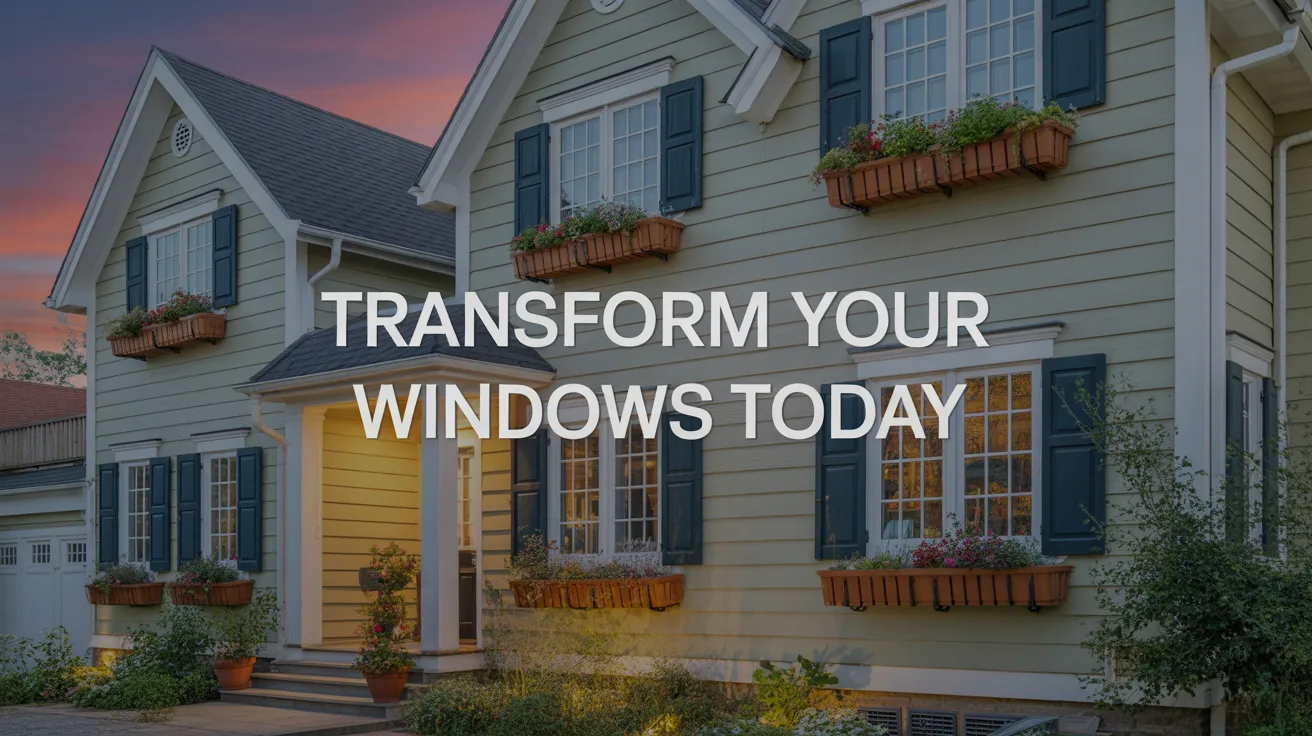
I’ve always felt that windows are one of the most underused design spots in a home. When I started exploring DIY window boxes ideas, I realized how much they can change the overall look without spending a lot.
In this guide, I’m sharing ideas I’ve personally tested and researched. From simple greenery to bold seasonal setups, these ideas work for beginners and DIY lovers alike.
Here’s what you’ll get from this article:
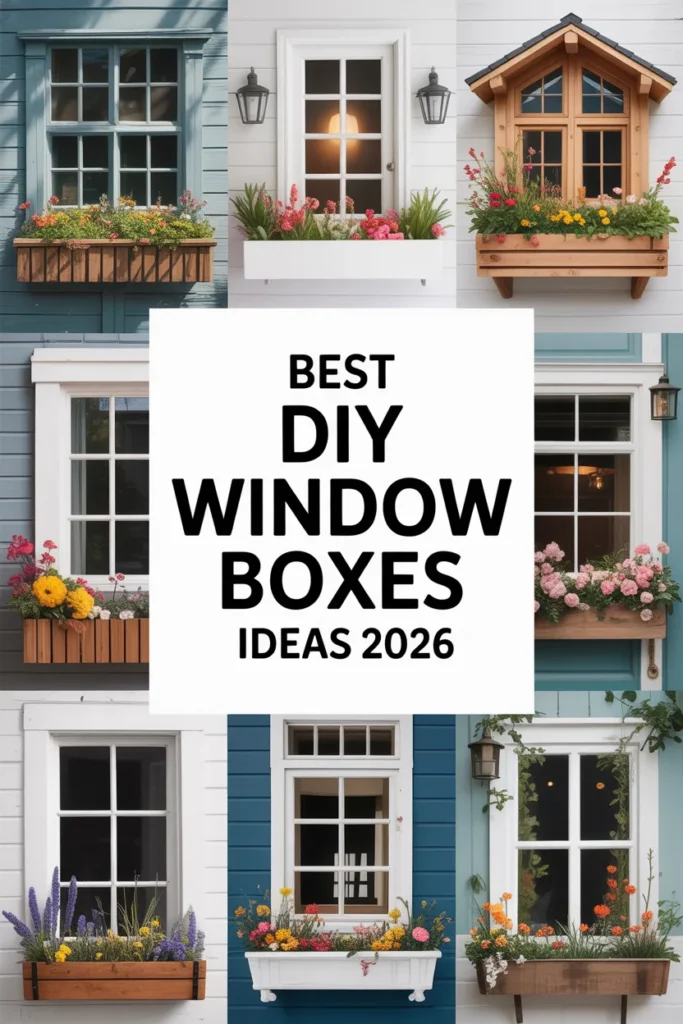
I explain how to pick the right plants based on sunlight, how to design balanced arrangements using a proven method, and 21 practical window box ideas you can actually try. I’ve also included seasonal and low-maintenance options to make things easier.
Key Takeaways
Window boxes can improve curb appeal by around 15–20% based on real estate insights
Choosing plants based on sunlight is the most important step
Using height, fullness, and trailing plants creates a balanced look
Seasonal setups keep your home fresh throughout the year
DIY window boxes are budget-friendly compared to landscaping
Window Box Planting Tips
From my experience, most people fail because they ignore sunlight. I always check how many hours of sun the window gets before choosing plants.
For sunny spots, I use petunias, geraniums, or marigolds. For shade, begonias and ferns work better.
I also follow a simple planting method:
Thrillers add height, fillers add volume, and spillers create that soft hanging effect.
Pro tip: Around 80% of container plants fail due to poor drainage, so always make sure excess water can escape.
DIY Window Boxes Ideas
1. Climbing Charm
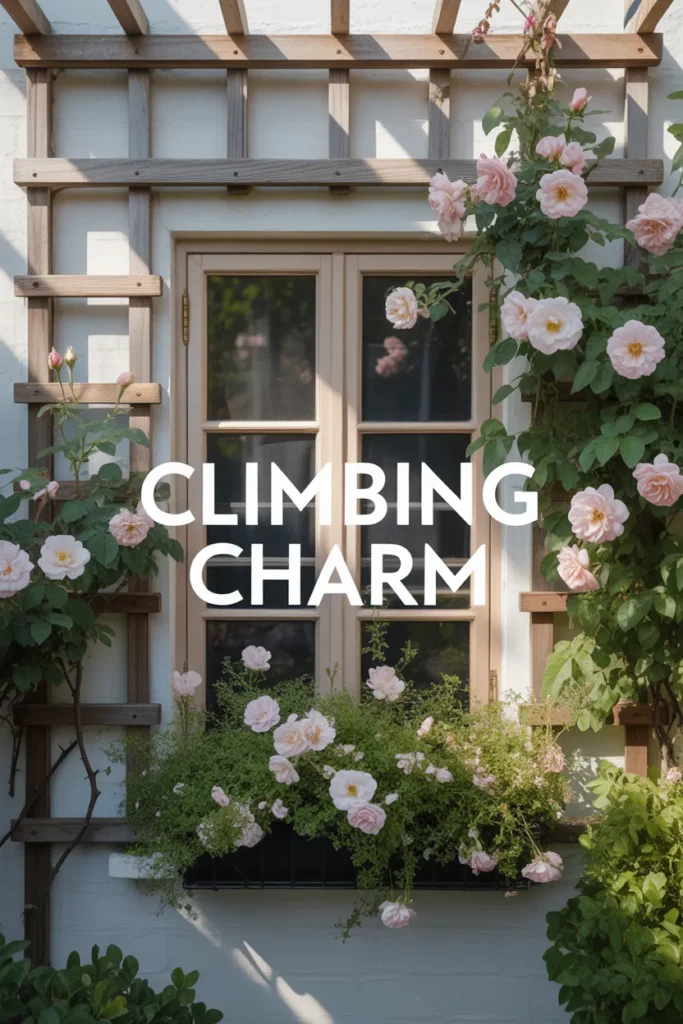
I like this style when I want a cozy cottage look. Adding a small trellis with climbing roses makes the window feel more alive and layered.
2. Framed Greenery
Sometimes I skip flowers and use greenery like eucalyptus. It looks clean and works especially well in winter.
3. Classic Contrast
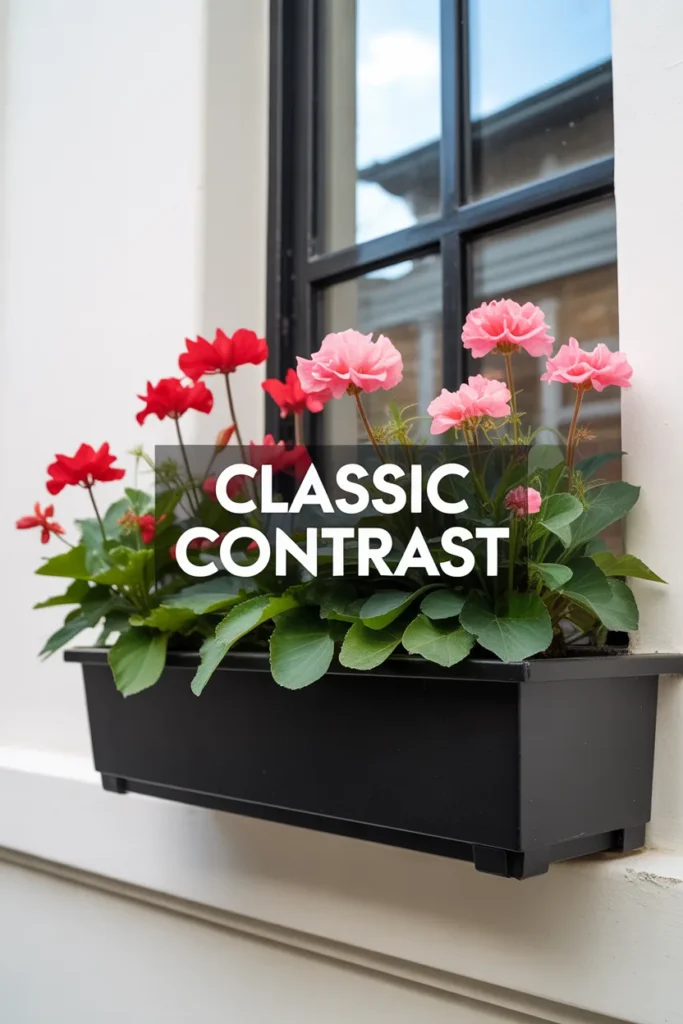
A black-and-white setup always looks elegant. Even simple flowers stand out more with strong contrast.
4. Scalloped Delight
Using a scalloped box adds character. Bright flowers like marigolds make the space feel more cheerful.
5. Soft Neutrals
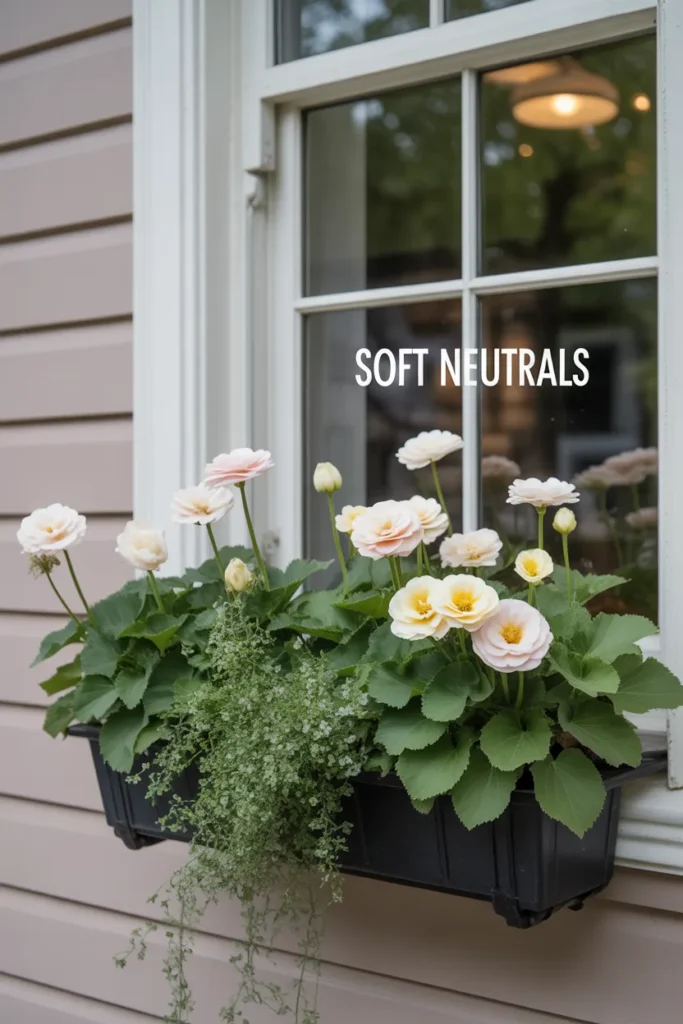
I prefer soft colors when I want a calm look. White and green combinations blend easily with most home styles.
6. Bold Abundance
Bright colors like red and magenta grab attention fast. This is perfect if you want your house to stand out.
7. Window Peek
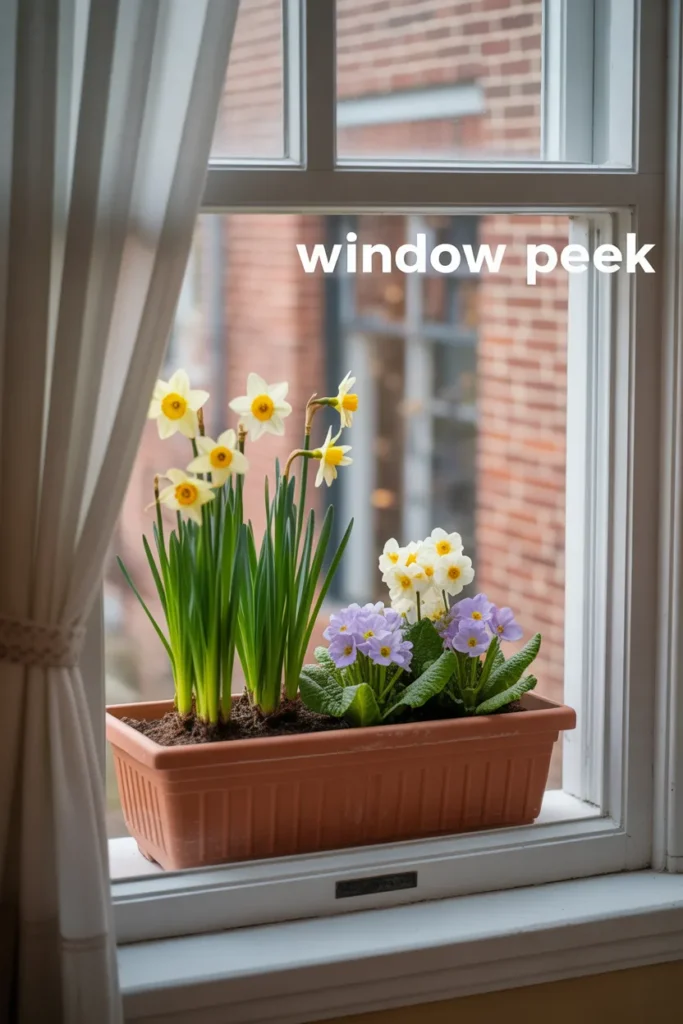
This idea looks great from inside as well. It feels like a natural frame for the outdoors.
8. Arched Garden
I’ve seen this work beautifully with stone walls. It gives a slightly vintage and natural feel.
9. Cool Tones
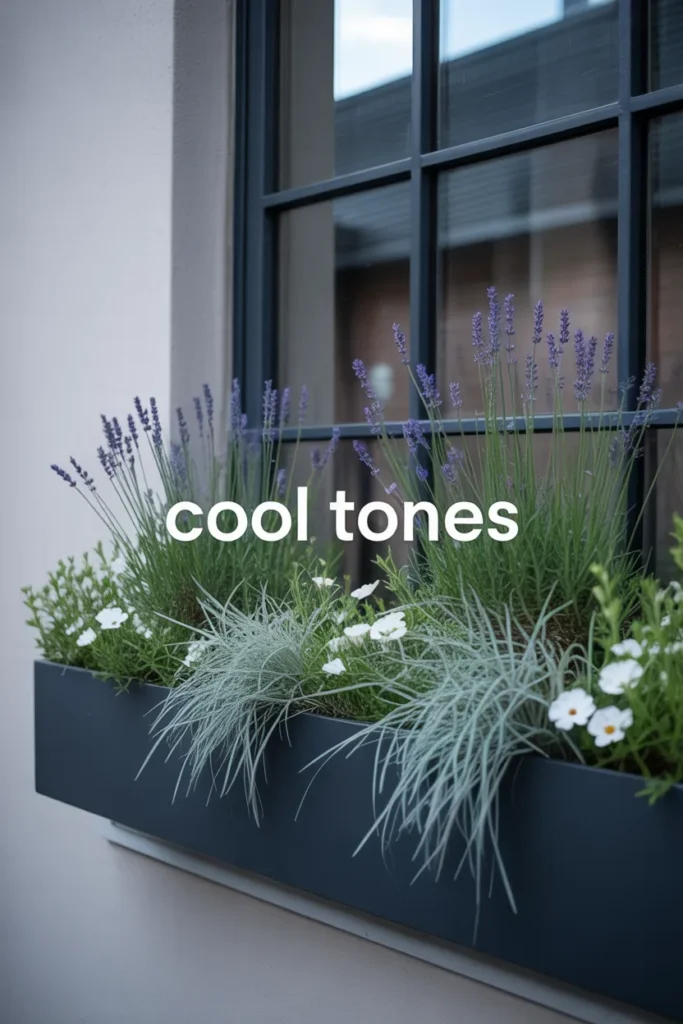
Lavender and silver plants create a peaceful vibe. Great for modern or minimal homes.
10. Yellow Pop
Yellow flowers instantly make a space feel welcoming. Bright colors can even improve mood.
11. Tropical Touch
For warmer areas, I go with bold foliage instead of flowers. It’s easier to maintain and still looks rich.
12. Rustic Charm
A wooden box with mixed plants is simple and budget-friendly. One of the easiest DIY options.
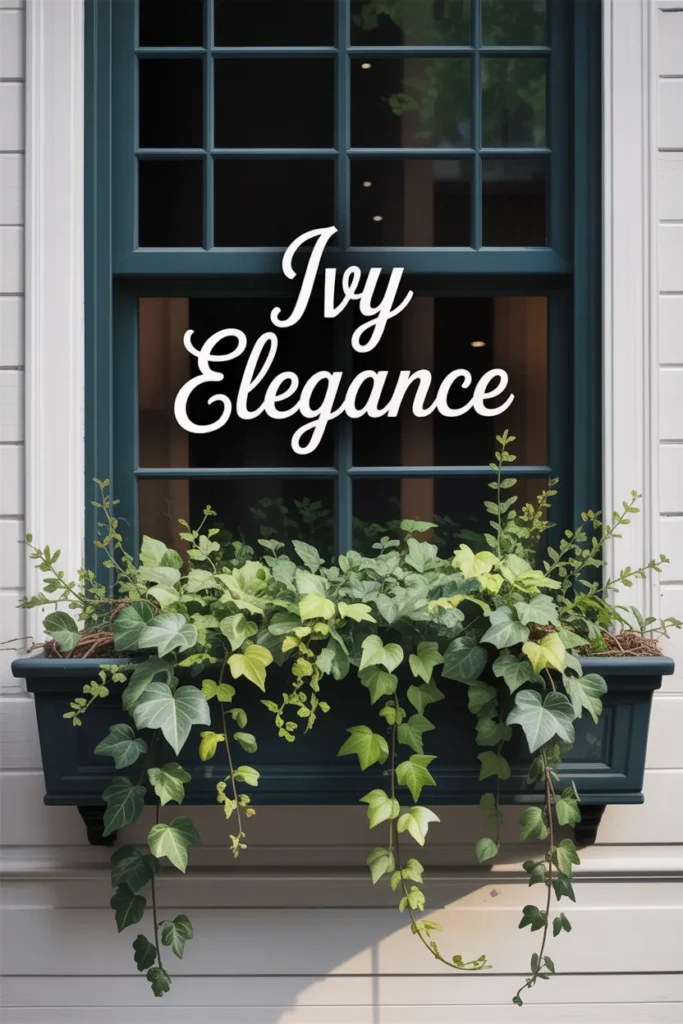
13. Ivy Elegance
If you want low maintenance, ivy is a great choice. It stays green and needs very little care.
14. Grand Drop
Long boxes with trailing plants create a dramatic look, especially for upper windows.
15. Soft Romance
Pastel flowers give a soft and relaxed vibe. I like this for lighter home colors.
16. Winter Wonderland
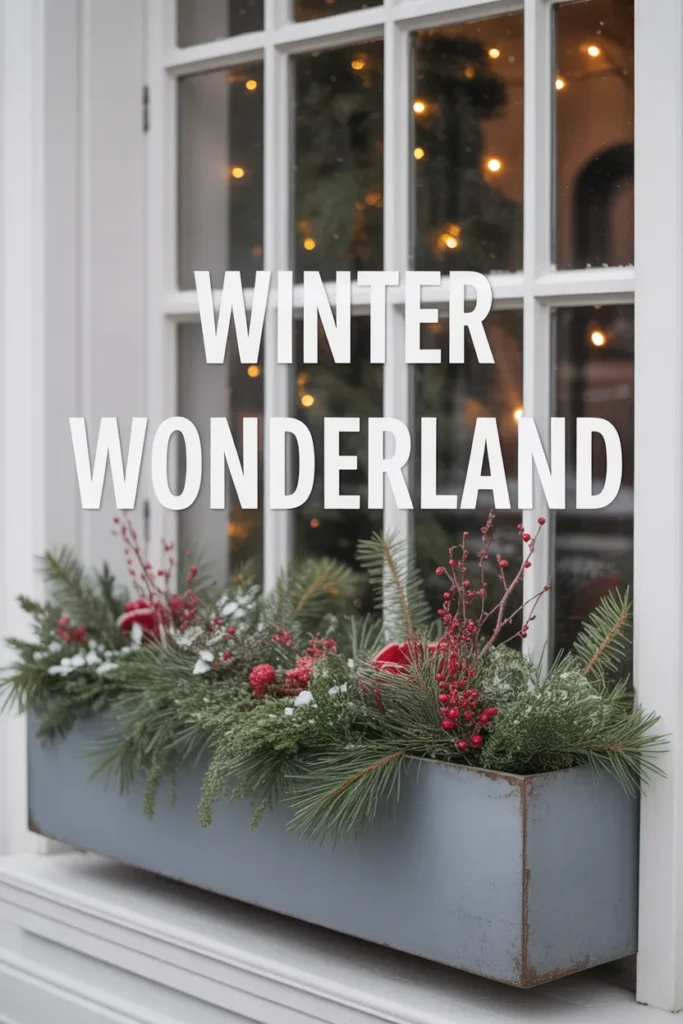
In winter, I switch to evergreens and berries. It keeps the space looking fresh even without flowers.
17. Twin Blooms
Matching window boxes create symmetry. It makes the home look more organized.
18. Rustic Yellow
Yellow flowers with wood textures give a farmhouse feel. Simple but very effective.
19. Silver Whisper
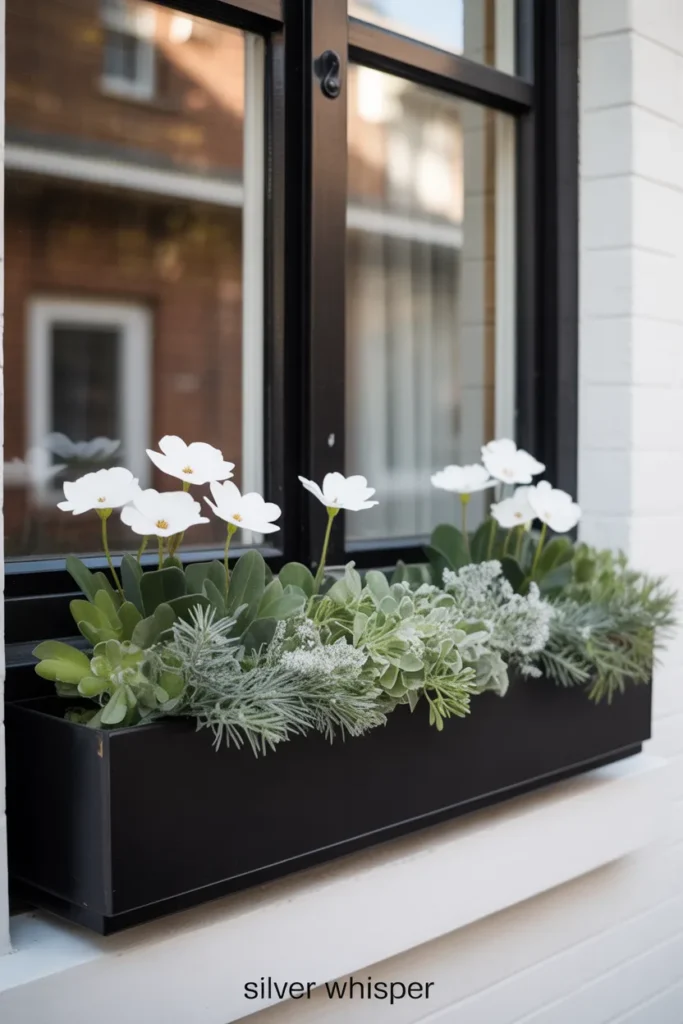
Neutral tones with soft textures work best for modern homes. Clean and minimal look.
20. Fall Festive
Seasonal decor like pumpkins adds personality. It’s an easy way to refresh your space.
21. Edible Elegance
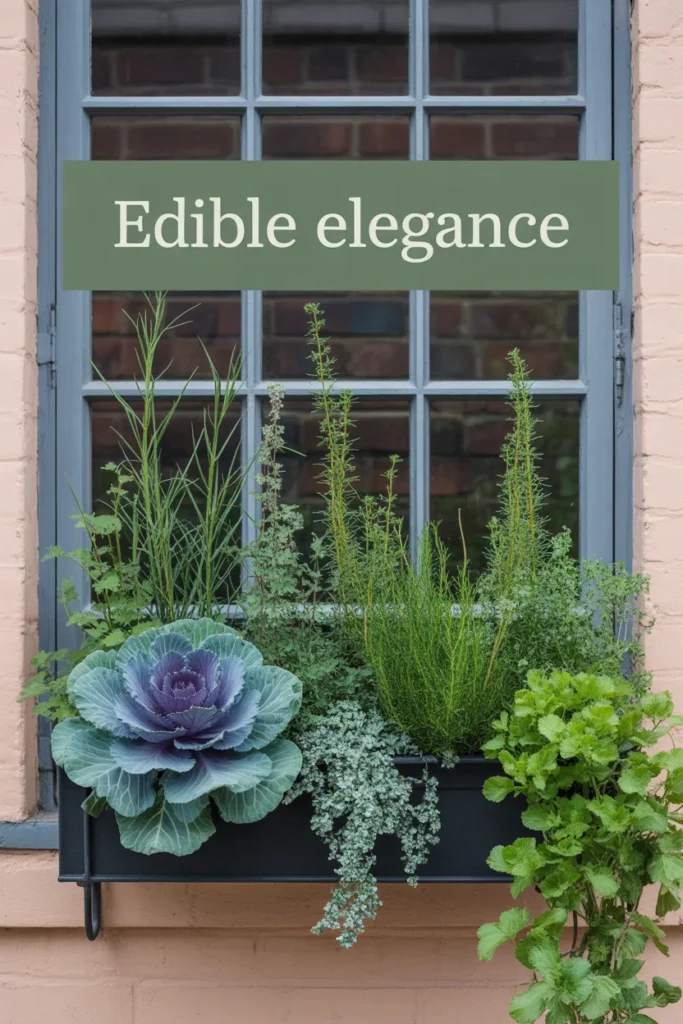
I really like this idea because it’s useful too. Herbs and small veggies can save up to 30% on grocery costs over time.
Final Thoughts
From what I’ve seen, window boxes are one of the easiest ways to upgrade your home’s look. You don’t need a big budget or expert skills to get started.
Start simple, choose the right plants, and try different styles. Over time, you’ll find what works best for your space.