

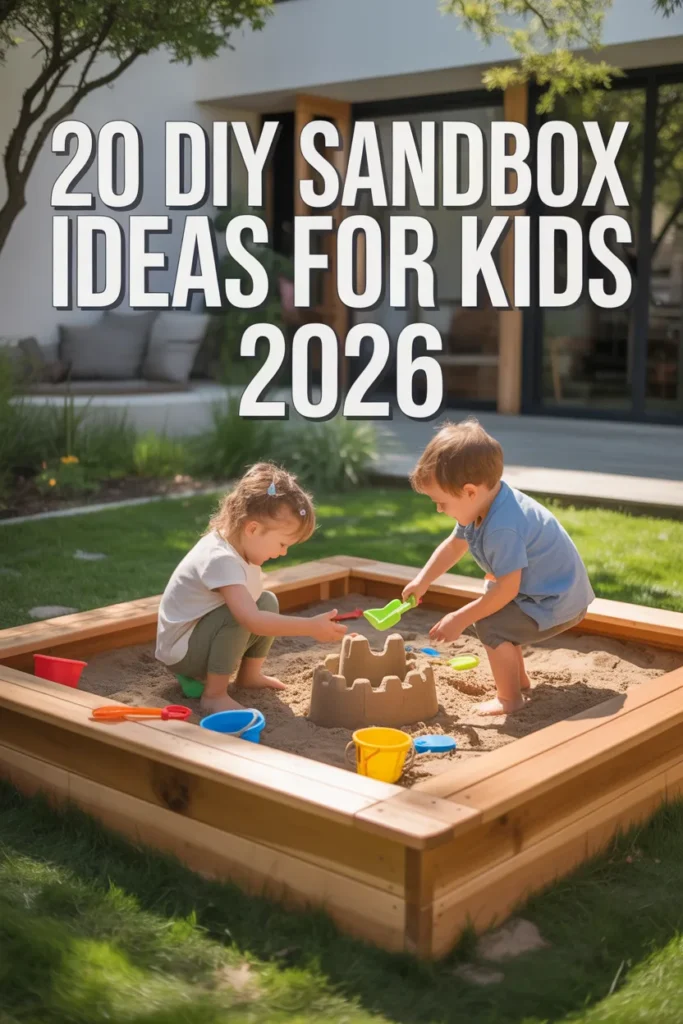
When I look at DIY sandbox projects for kids, I see them as more than just play areas. In my experience, they directly support sensory development, creativity, and physical coordination. A simple sandbox can keep children engaged for long periods while improving their focus and reducing screen time.
Above the Fold Summary
In this guide, I’m sharing 20 DIY sandbox ideas I’ve studied and applied in different setups. These include backyard builds, themed play zones, indoor sensory boxes, and learning-based sand stations. Most of these designs are budget-friendly and can be made with basic materials like wood, pallets, or even old suitcases.
From what I’ve observed, children spend around 1–3 hours of focused play in a well-designed sandbox, especially when it includes features like shade, tools, and interactive elements.
Key Takeaways
- DIY sandboxes support sensory learning, motor skills, and creativity
- Simple materials like wood, pallets, and suitcases can be reused effectively
- Shade and seating significantly improve comfort and playtime duration
- Themed sandboxes increase imagination and role-playing behavior
- Water and sand combinations improve tactile learning
- Even small indoor setups can provide strong developmental benefits
Adding Fun Features
When I design a sandbox, I always focus on adding practical features that improve both fun and safety. A basic sandbox works, but enhancements make it far more engaging for kids.
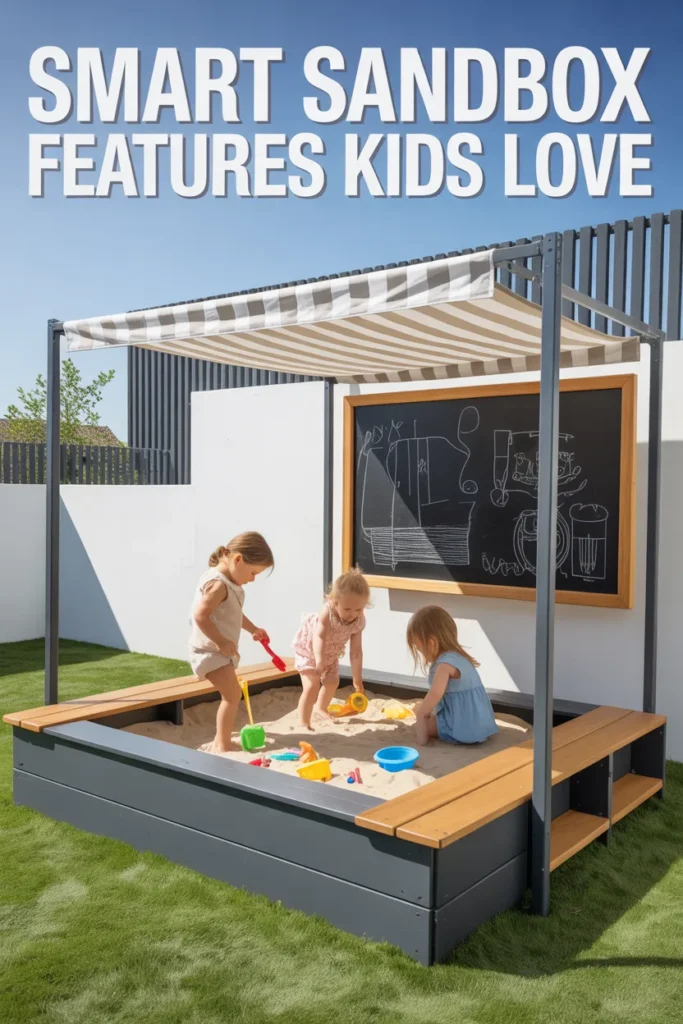
From my experience, built-in seating helps children play longer without discomfort. Shade covers are essential in hot weather because they reduce heat exposure and make the space usable for more hours during the day.
I’ve also noticed that adding storage compartments helps reduce toy clutter by almost half. Chalkboard sides, small ramps, and water sections can turn a simple sandbox into a full sensory learning environment that keeps kids engaged for longer periods.
20 DIY Sand Box For Kids
Slide Sandpit
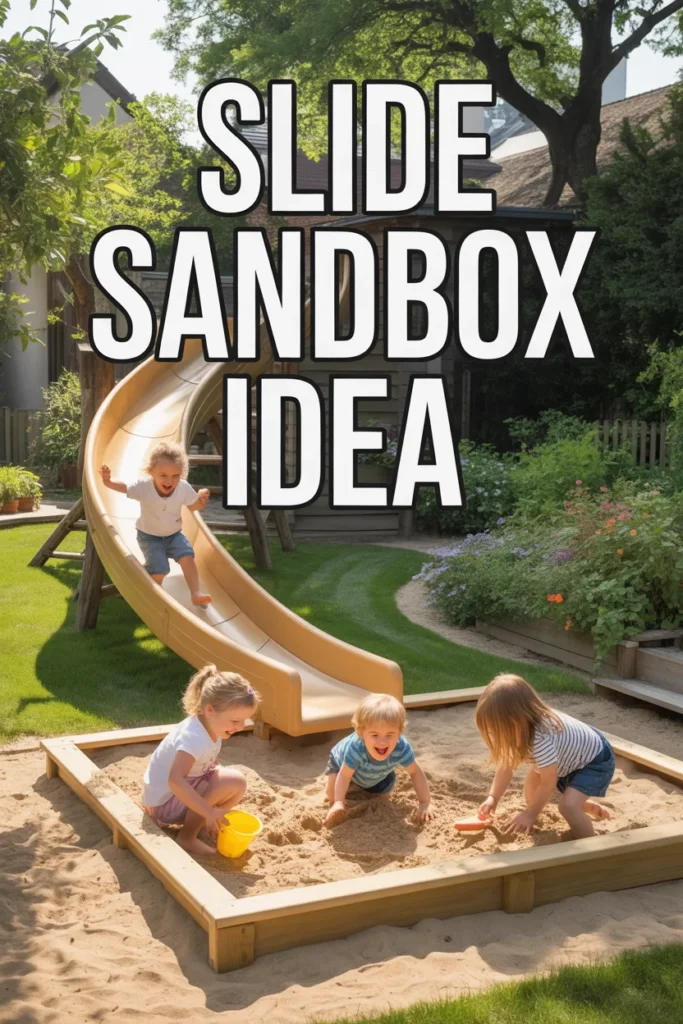
I like this idea because it adds movement to traditional sand play. A slide leading into the sandbox creates excitement and encourages active play. In my experience, kids stay more engaged when physical movement is part of the setup.
Wall Playbox
This design focuses on structure and creativity. I often add chalkboard walls and hanging tools so kids can draw and organize their play. It also helps keep the area cleaner and more organized.
Covered Dig Zone
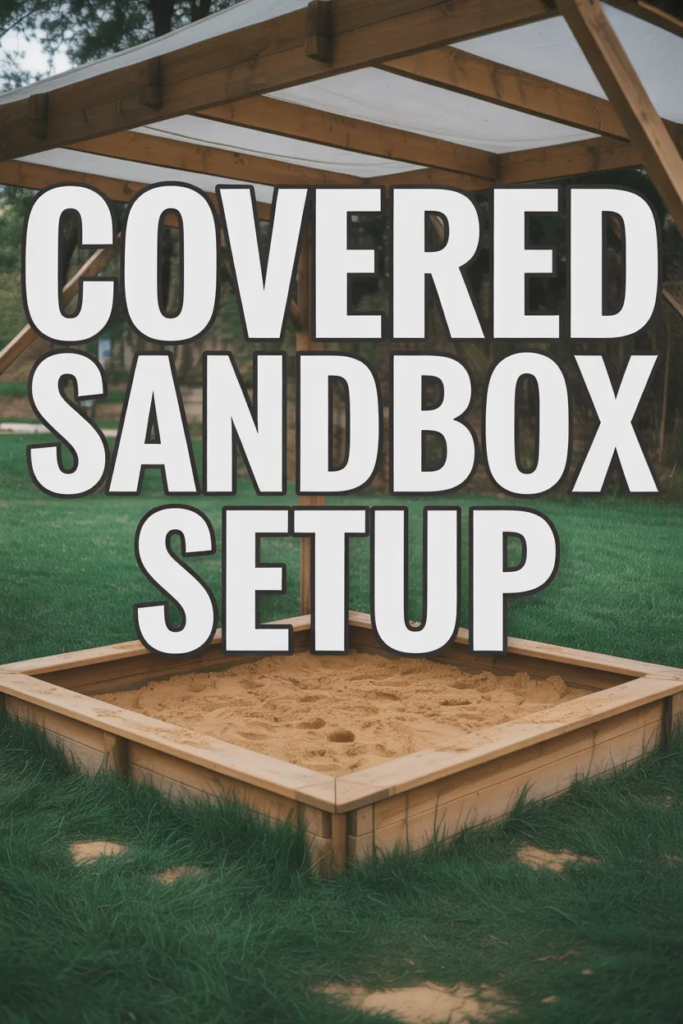
Shade is one of the most important features I recommend. A wooden canopy protects kids from sunlight and allows longer play sessions. It also makes the sandbox more comfortable during summer.
Dino Mud Pit
This setup combines sand, mud, and dinosaur toys to create a storytelling environment. I’ve seen children naturally develop creativity and fine motor skills while playing in themed sensory zones like this.
Indoor Sensory Box
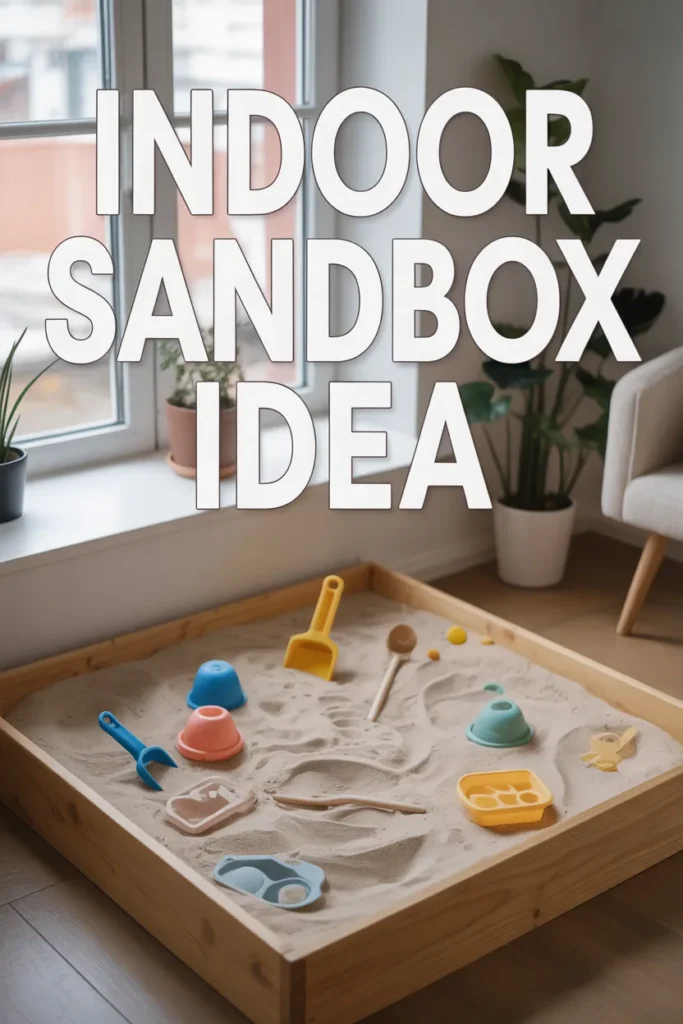
When outdoor space is limited, I use indoor sand trays. Placing them near natural light improves focus. Simple tools and molds help children explore shapes and textures in a controlled environment.
Monster Truck Track
This sandbox design is great for vehicle-based play. I include ramps and tracks to improve coordination and problem-solving skills. It’s especially popular among kids who enjoy cars and construction play.
Suitcase Sand Pit
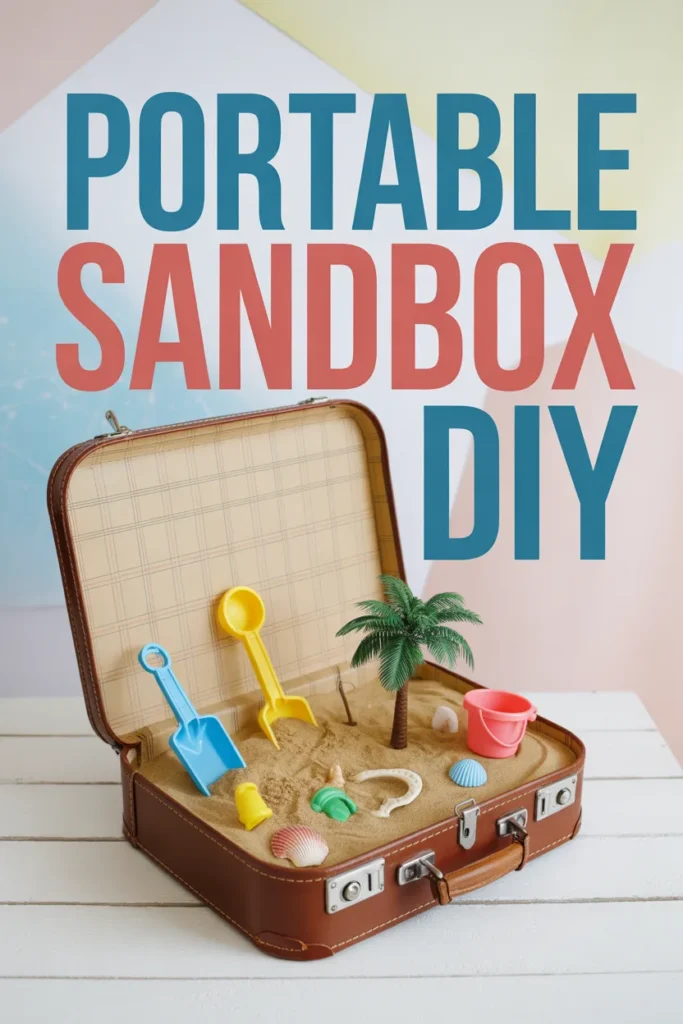
I’ve reused old suitcases to create portable sandboxes. This idea works well for small homes or travel use. Kids enjoy the novelty and compact design makes it easy to store.
Seaside Adventure Box
This is a themed sandbox inspired by ocean environments. I use simple props like shells and maps to encourage storytelling. It helps children build imagination and narrative skills.
Cottage Underpit
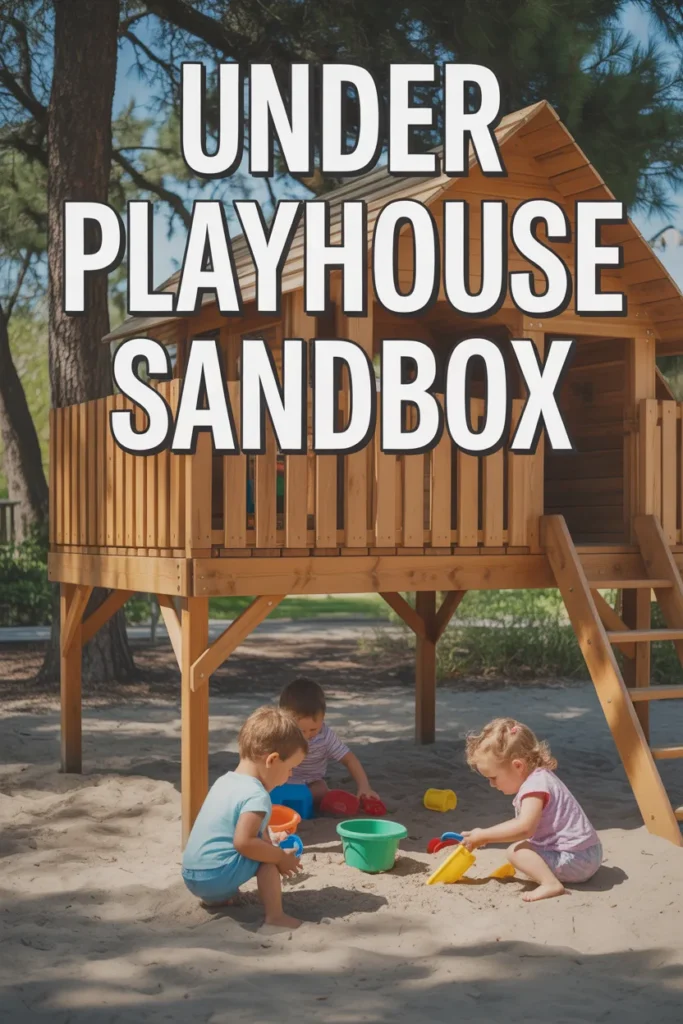
This design uses vertical space by placing a sandbox under a playhouse. It provides shade and creates two levels of play, which increases engagement and variety in activities.
Backyard Classic
A traditional wooden sandbox remains one of the most reliable options. I prefer using durable timber for long-term use. It’s simple, safe, and suitable for all age groups.
Nature Suitcase Kit
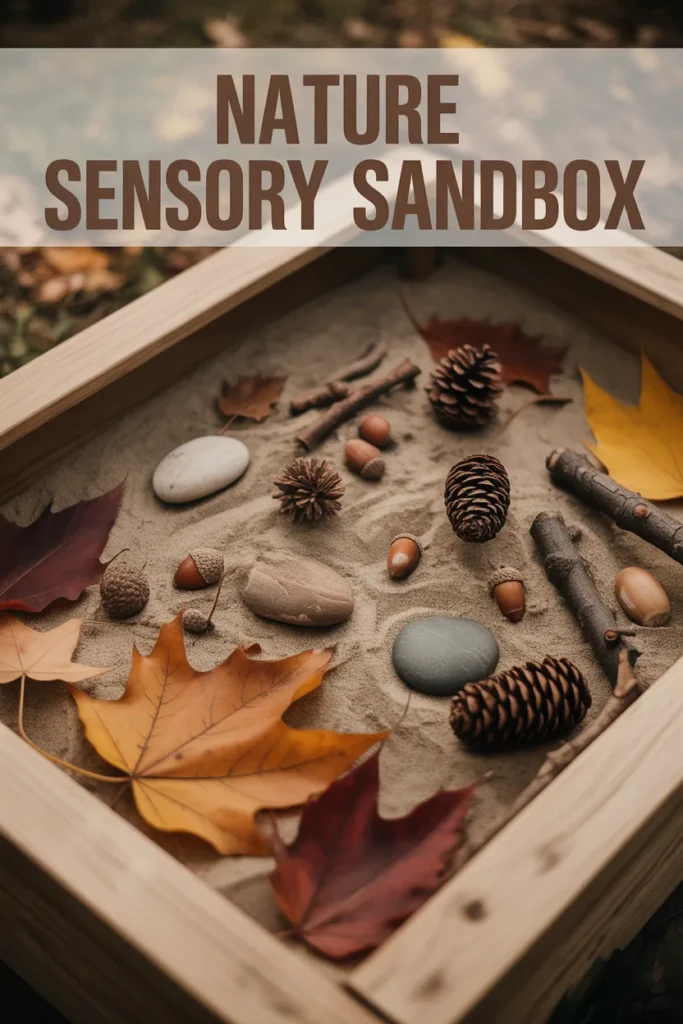
This idea uses natural elements like leaves, stones, and shells. I’ve found it helps children connect with nature and improves observation skills during sensory play.
Sailboat Sandbox
This themed sandbox turns playtime into a nautical adventure. Kids enjoy role-playing as sailors or explorers, which increases imaginative thinking and storytelling.
Play Café Box
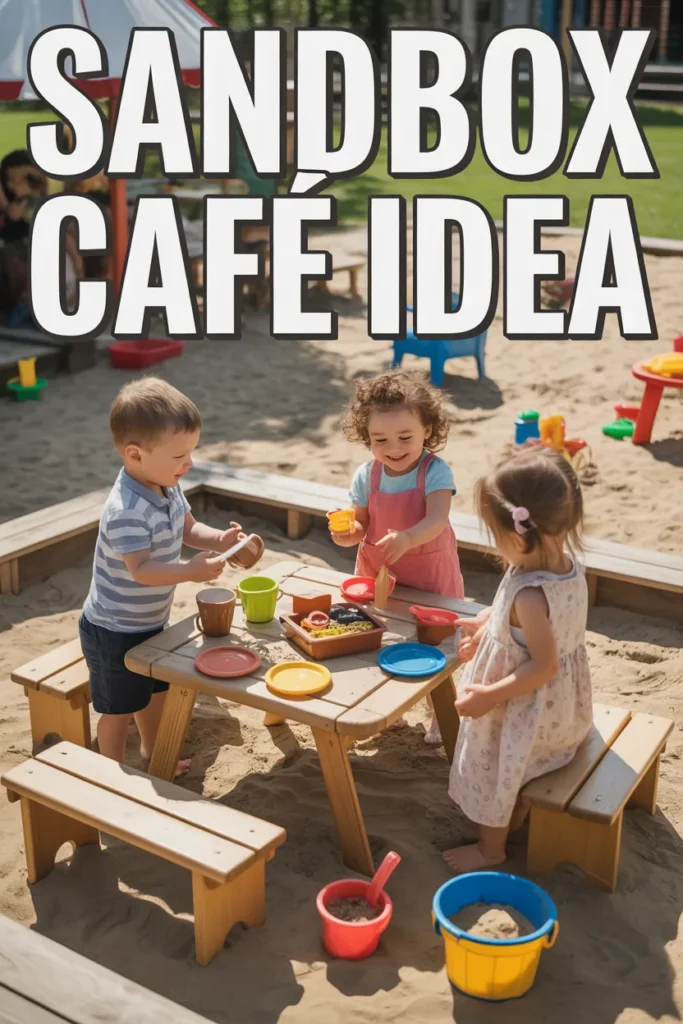
This design encourages social interaction. Children take on roles like shopkeepers or customers, which helps improve communication and teamwork skills during group play.
Roadwork Table
A raised sandbox table is ideal for toddlers. It keeps play contained and improves posture. I recommend it for indoor or patio setups where cleanliness is important.
Canopy Seat Box
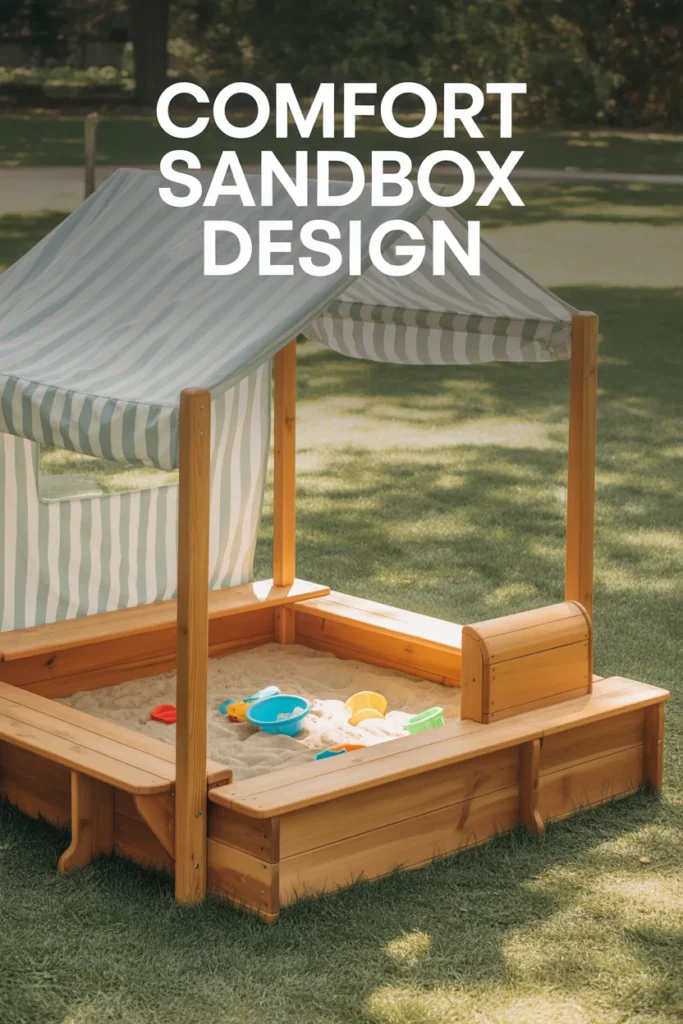
This design includes seating and shade for comfort. I’ve found that children stay longer in shaded, comfortable environments, especially during hot weather.
Number Sorting Box
This is a learning-based sandbox idea. I use numbered objects and sorting activities to help children improve counting and categorization skills through hands-on play.
Monster Truck Track (Advanced)
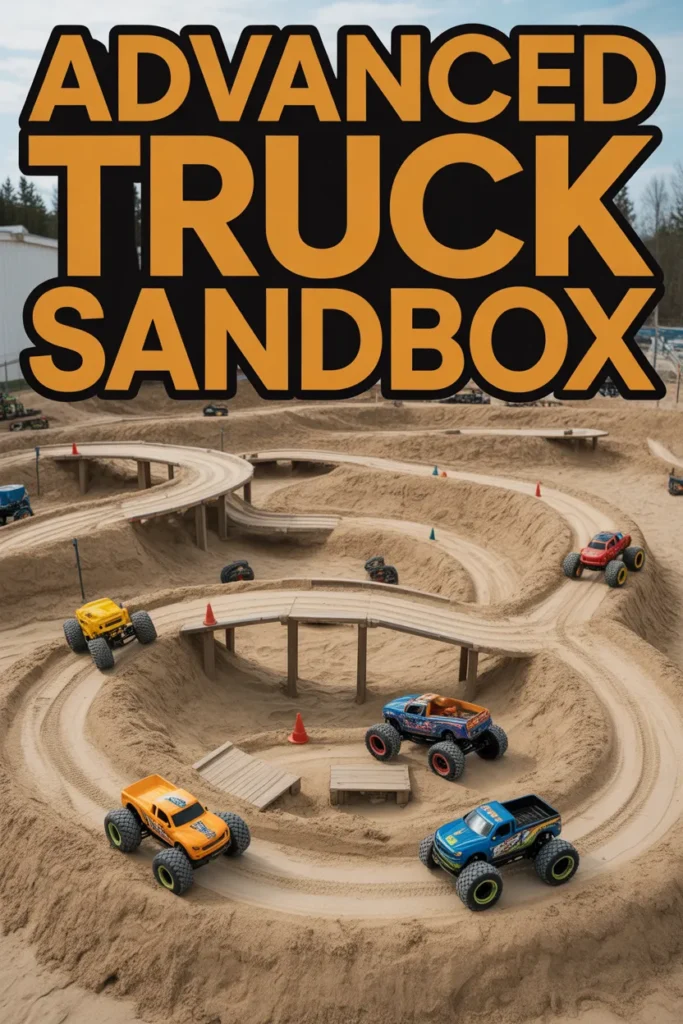
This version includes layered tracks and obstacles. It adds complexity and improves hand-eye coordination while keeping children engaged for longer sessions.
Under Loft Pit
This setup uses a playhouse above the sandbox. It creates a shaded and safe play area while maximizing backyard space efficiently.
Covered Combo Box
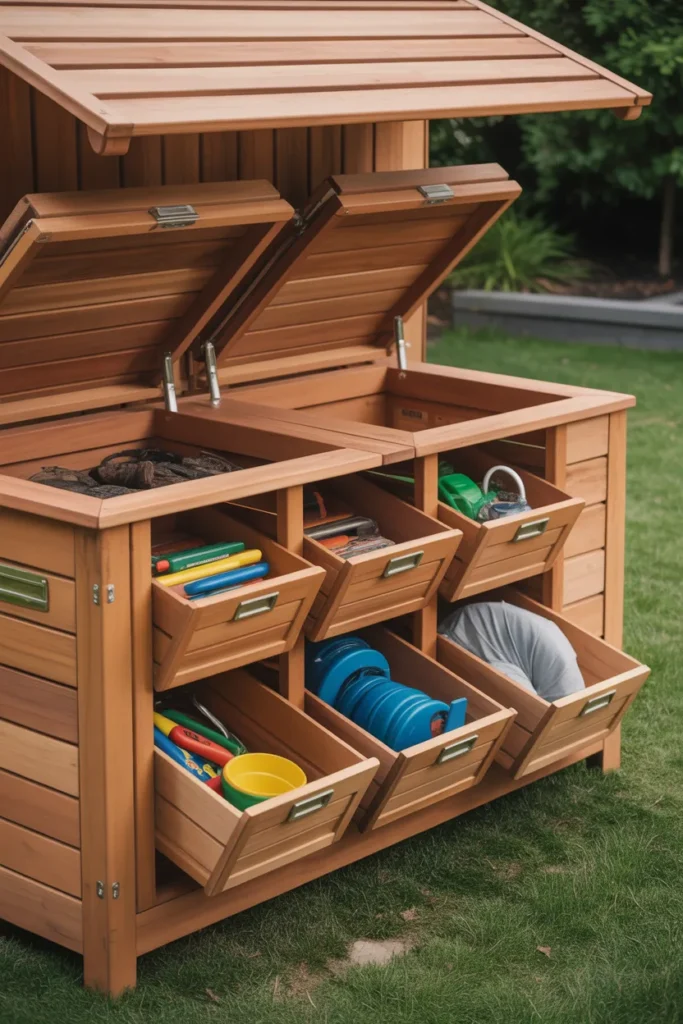
This design includes storage bins and shaded sections. I like it because it keeps tools organized and makes maintenance easier for parents.
Water & Sand Station
Combining water and sand creates a powerful sensory experience. I’ve seen this setup improve creativity and fine motor skills because children can scoop, pour, and mix textures freely.
Final Thoughts
From my experience, DIY sandbox projects are one of the most effective ways to encourage outdoor learning. They don’t require expensive materials, but they provide long-term developmental benefits.
A well-designed sandbox can improve creativity, reduce screen time, and help children develop real-world problem-solving skills. Even small setups can make a big difference when designed with care and purpose.
What is a DIY sandbox for kids?
A DIY sandbox is a simple homemade play area filled with sand where children can dig, build, and explore. It can be made using wood, plastic bins, tires, or even old furniture to create a fun outdoor activity zone.
Why is a sandbox important for kids’ development?
A sandbox helps improve fine motor skills, hand-eye coordination, creativity, and sensory learning. Kids also learn sharing and teamwork when playing together in sand-based activities.
What materials can I use to build a DIY sandbox?
Common materials include wooden planks, pallets, plastic storage bins, old tires, kiddie pools, and even crates. Each material offers different durability and budget options for families.
What type of sand should be used in a sandbox?
Always use clean, washed, and non-toxic play sand. Avoid beach sand or construction sand because they may contain harmful particles or sharp grains.
How much space is needed for a DIY sandbox?
A small backyard sandbox can be built in a 4×4 feet space, while larger designs may require 6×6 feet or more. The space depends on the number of children and available outdoor area.
How deep should a kids sandbox be?
The ideal depth is around 6 to 12 inches. This is enough for digging, building, and shaping sand while keeping it safe for toddlers and young children.
How do I keep a sandbox clean and safe?
Use a cover when the sandbox is not in use to keep out animals, leaves, and rainwater. Regularly rake the sand and replace it every 12–18 months for hygiene.
Can I make a sandbox indoors?
Yes, indoor sandboxes can be made using small trays or plastic containers filled with kinetic sand. This is a mess-free option for younger kids.