

Potty training is one of those stages that can feel unpredictable. Some days go smoothly, and other days test your patience. From what I’ve seen, the process becomes much easier when kids can actually see their progress.
That’s where a potty training chart comes in. It’s simple, visual, and surprisingly effective. Instead of constant reminders, it gives children a sense of control and achievement.
In this guide, I’ll explain how potty training charts work, why they help, and how you can use them in a practical way.
Key Takeaways
- Potty training charts help children track progress visually
- They build consistency and routine
- Stickers and small rewards increase motivation
- Themed charts make learning more engaging
- Easy to set up and use at home
A potty training chart is a simple visual tool that helps kids record successful potty use with stickers or marks. It builds routine, encourages positive behavior, and makes the process feel rewarding instead of stressful. With consistent use, it can make potty training smoother and more manageable.
What is a Potty Training Chart?
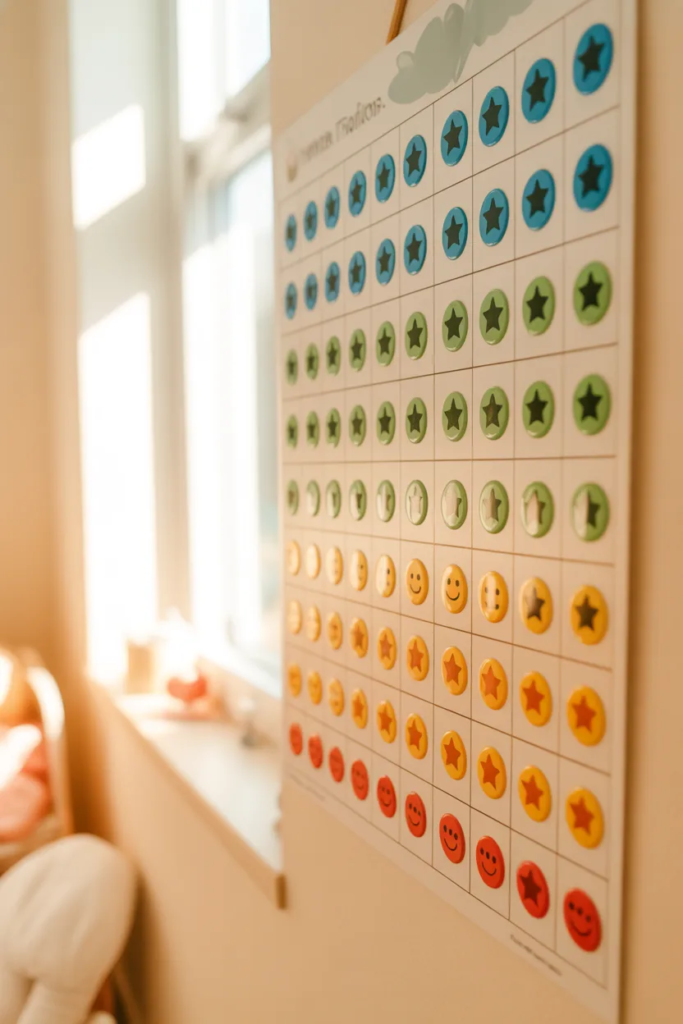
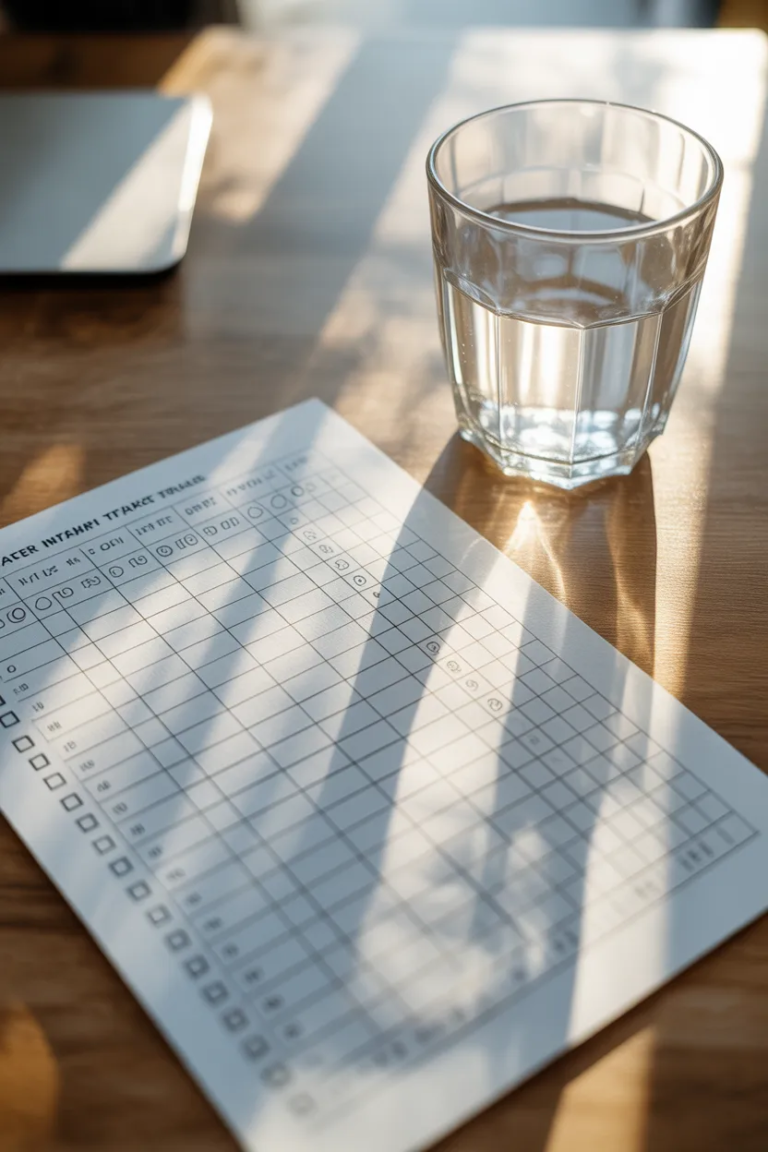
A potty training chart is a visual tracker that helps children keep track of their potty habits.
Most charts are divided into sections like morning, afternoon, and evening across several days. Each time a child uses the potty successfully, they add a sticker or mark.
In my experience, this small action makes a big difference. Kids enjoy placing stickers, and it gives them a clear sense of progress.
What are Benefits of Using a Potty Training Chart?
1. Motivation and Encouragement
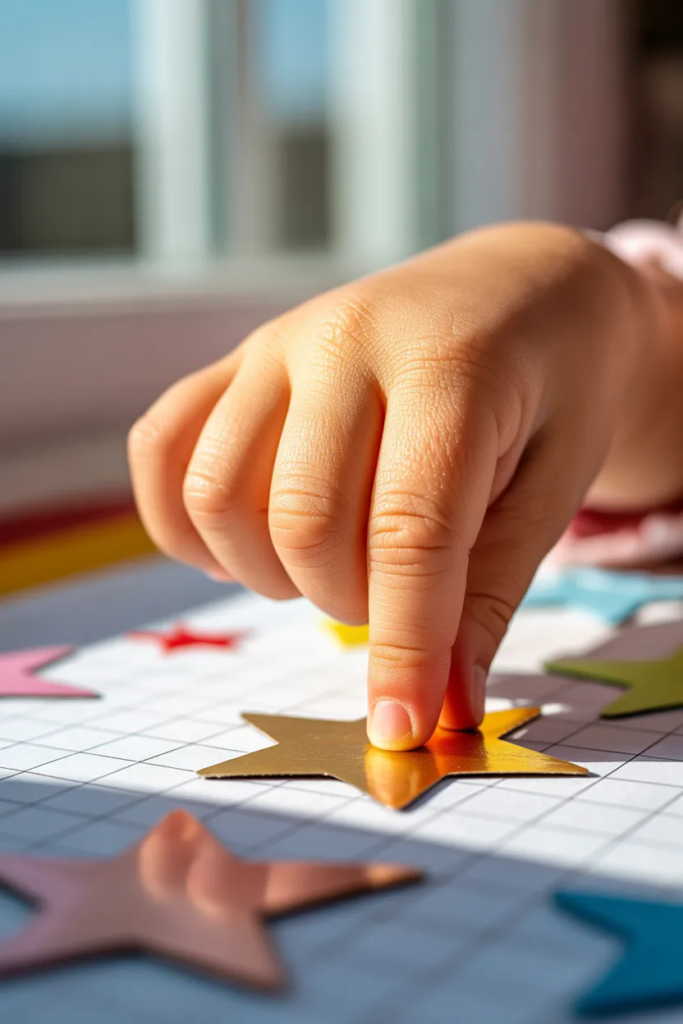
Children naturally respond to rewards.
Seeing stickers add up gives them a sense of achievement and encourages them to keep trying. Even small progress feels meaningful to them.
2. Consistency
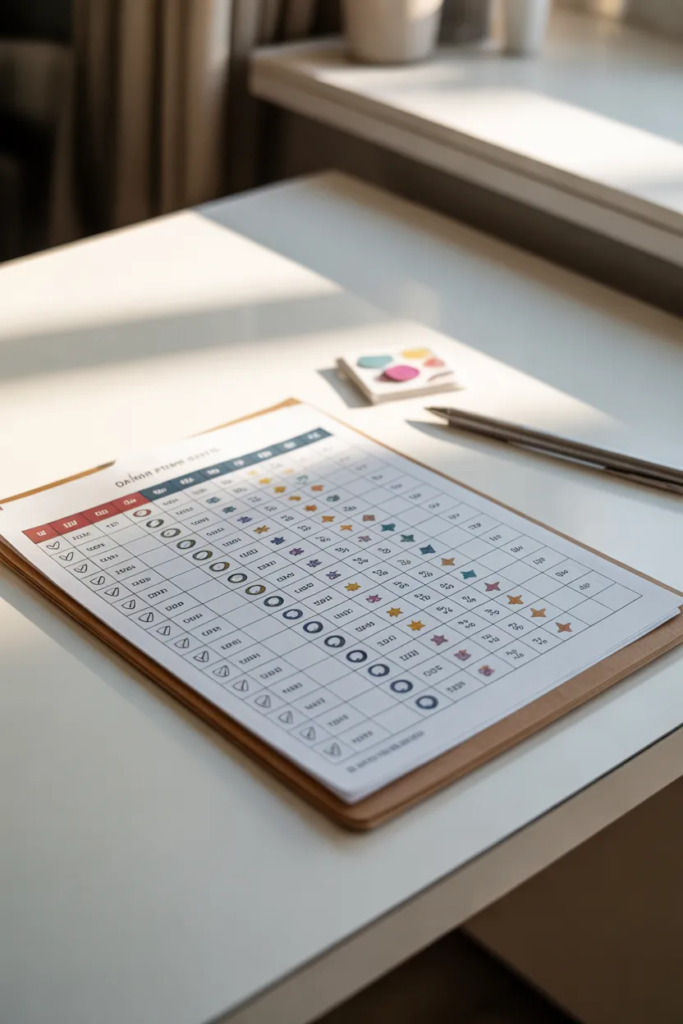
Consistency plays a big role in potty training.
A chart helps create a daily routine, making it easier for children to understand when they should use the potty. Over time, this builds a habit.
3. Positive Reinforcement
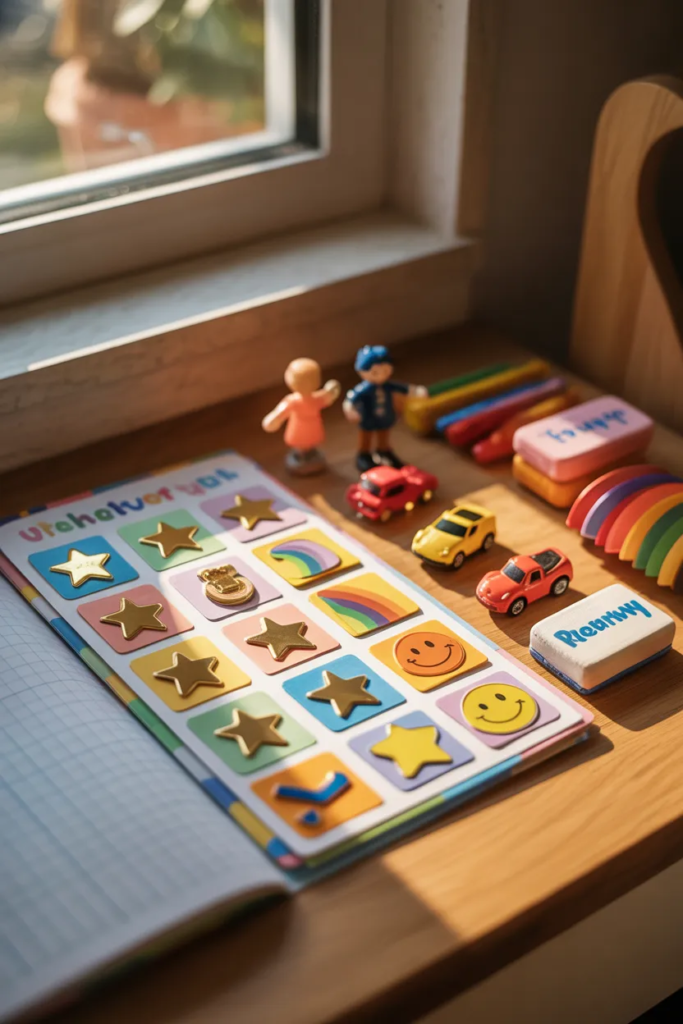
Instead of focusing on mistakes, charts highlight success.
This creates a more positive experience and reduces resistance. Children start associating potty time with something good.
4. Goal Setting

Simple goals like filling a row or completing a section can be very motivating.
It gives children something to work toward and helps them feel proud when they achieve it.
Potty Training Charts Themes
1. Classic Reward Chart
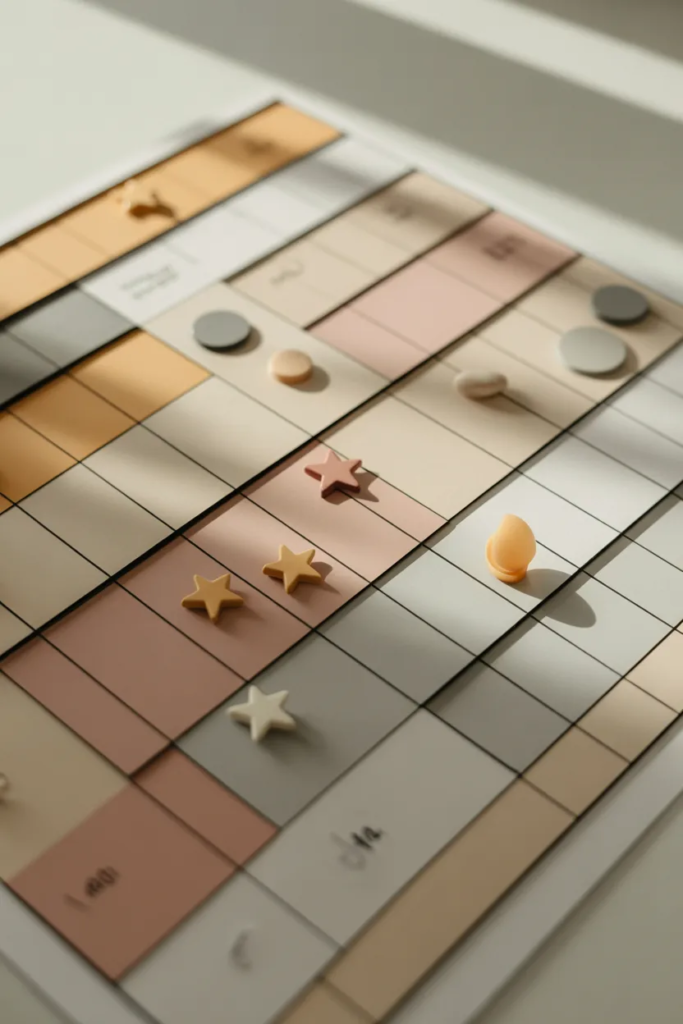
This is a simple and clean option.
It works well if you want something easy to follow without too many distractions. It’s practical and effective.
2. Bluey’s Potty Adventure
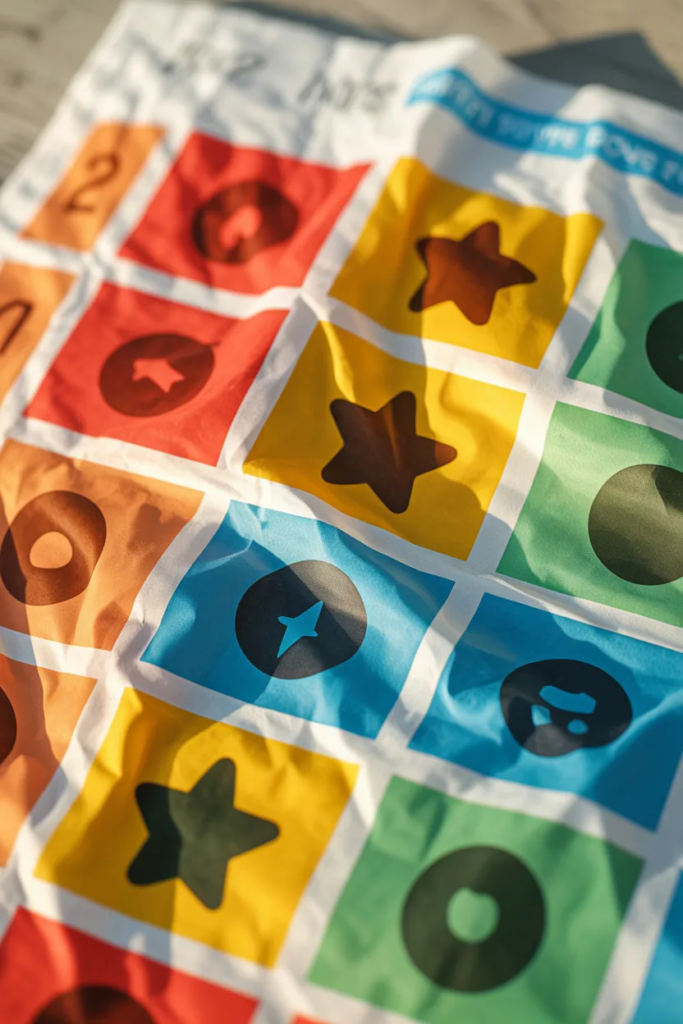
Adding familiar characters can make a big difference.
Kids often feel more excited when they recognize something they already like, which helps keep them engaged.
3. Potty Game Race
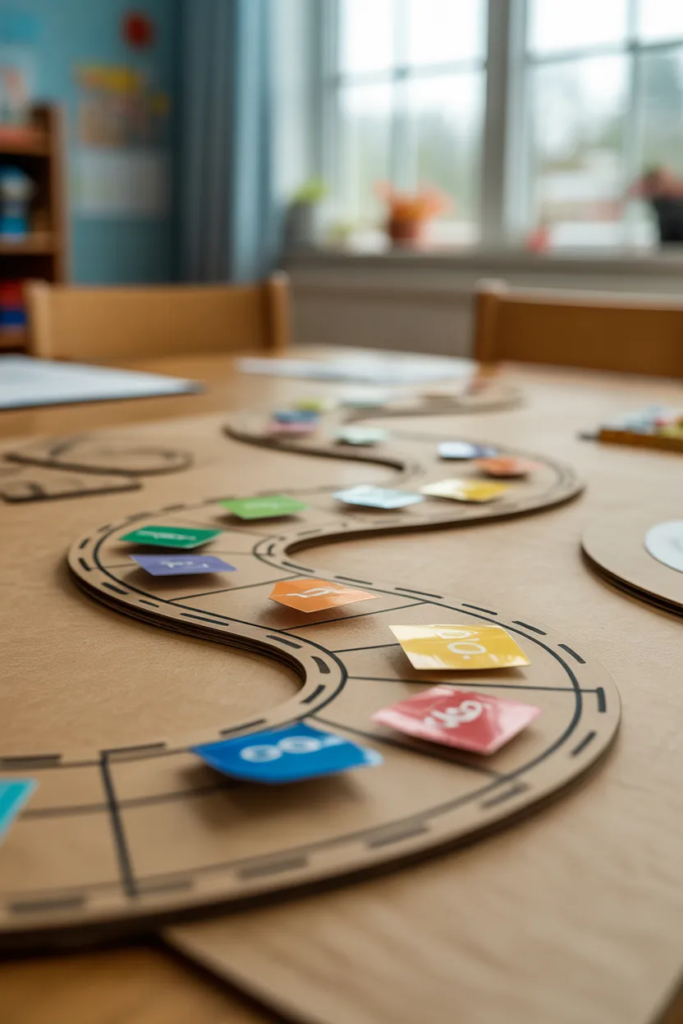
This style turns potty training into a fun activity.
Each success moves the child forward, making the process feel more like a game rather than a task.
How to Use a Potty Training Chart?
1. Set Up the Chart
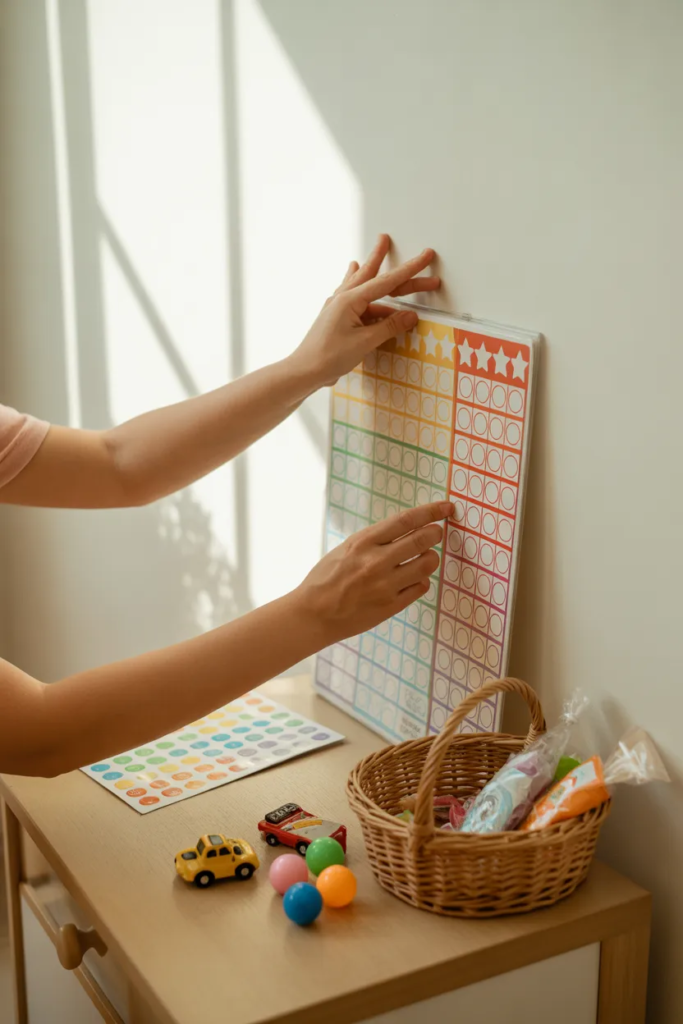
Choose a design your child likes.
You can personalize it and decide on small rewards for completing rows or sections. Keep rewards simple and achievable.
2. Daily Routine
Build a basic routine around the chart.
Morning, afternoon, and evening check-ins help children understand when to use the potty and make it part of their daily habit.
3. Encouragement and Support
Stay positive throughout the process.
Even small wins deserve encouragement. This helps build confidence and keeps your child motivated.
4. Rewarding Achievements
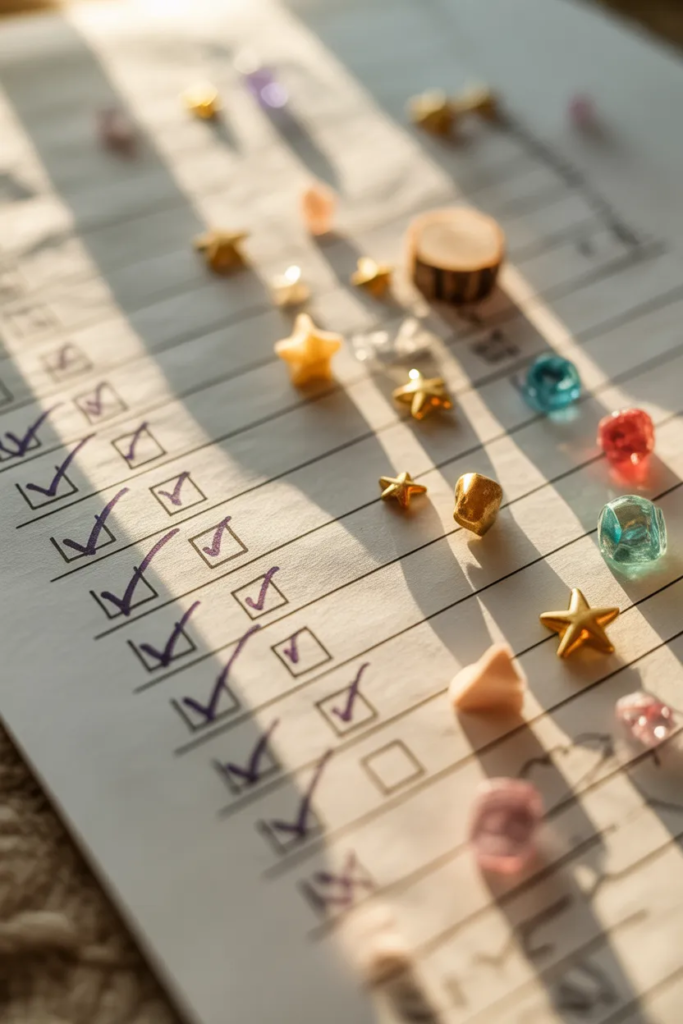
When your child reaches a goal, celebrate it right away.
Quick rewards reinforce the behavior and make the effort feel worthwhile.
Free Potty Training Chart
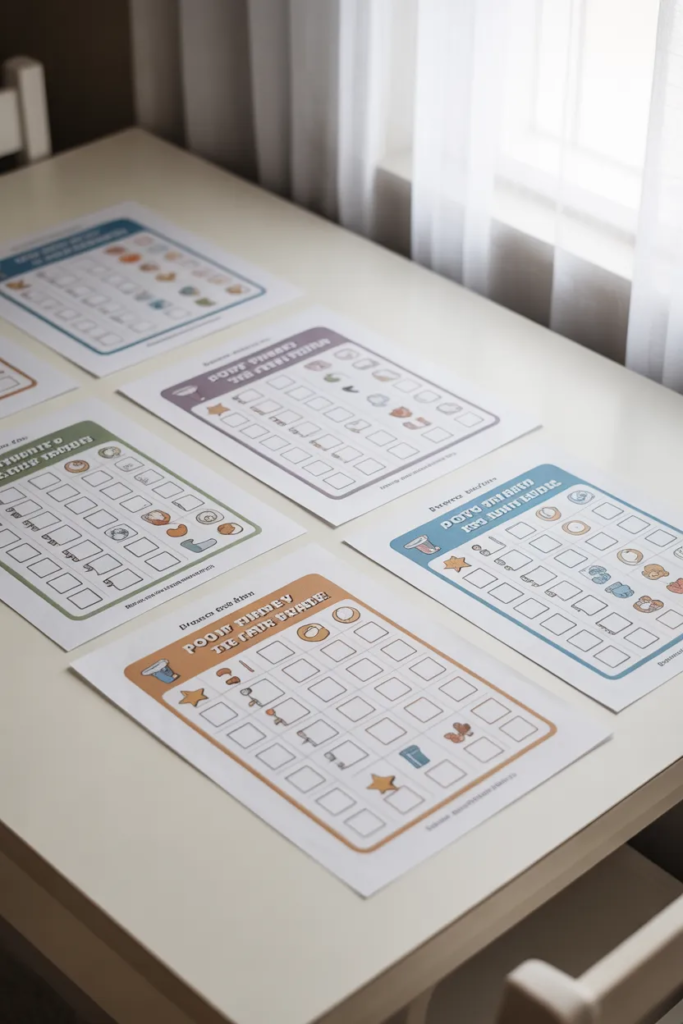
There are many free printable potty training charts available online in different styles.
If you’re just starting, it’s usually best to begin with a simple chart. Once your child gets comfortable, you can switch to more fun or themed versions to keep things interesting.
Final Thoughts
Potty training doesn’t have to feel overwhelming.
A simple chart can add structure, motivation, and a sense of progress. Over time, those small steps turn into lasting habits—and a lot more confidence for your child.