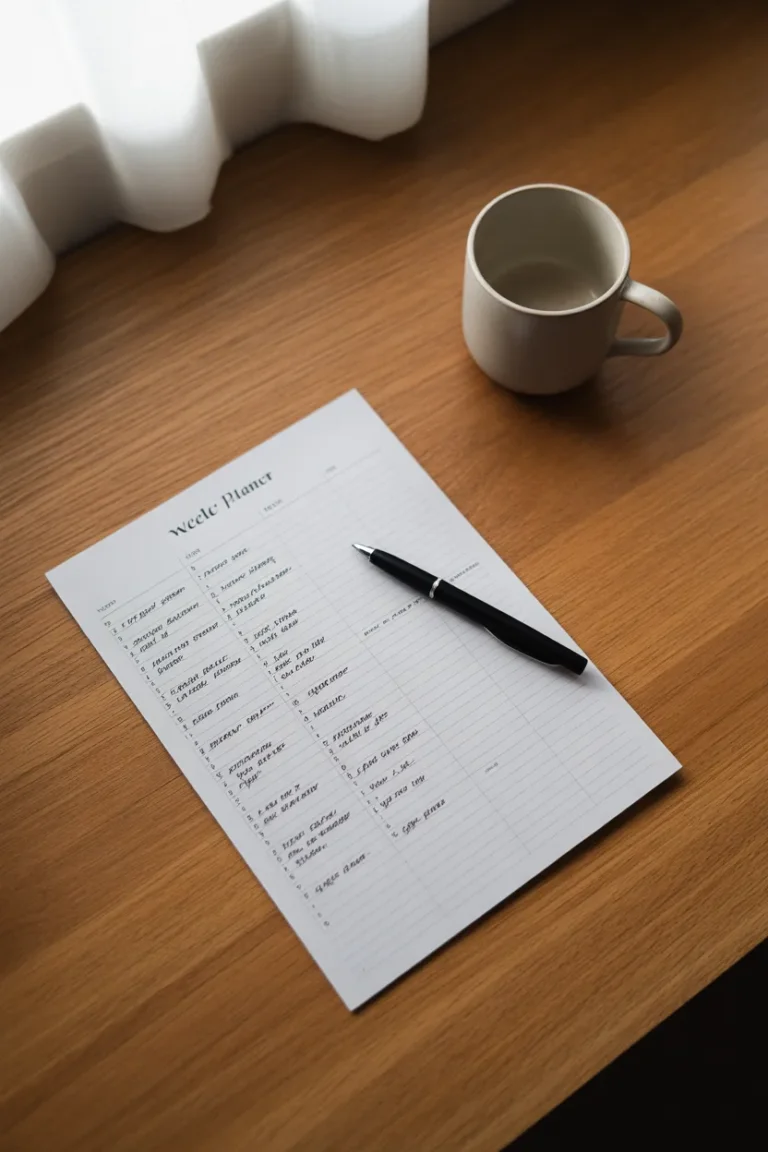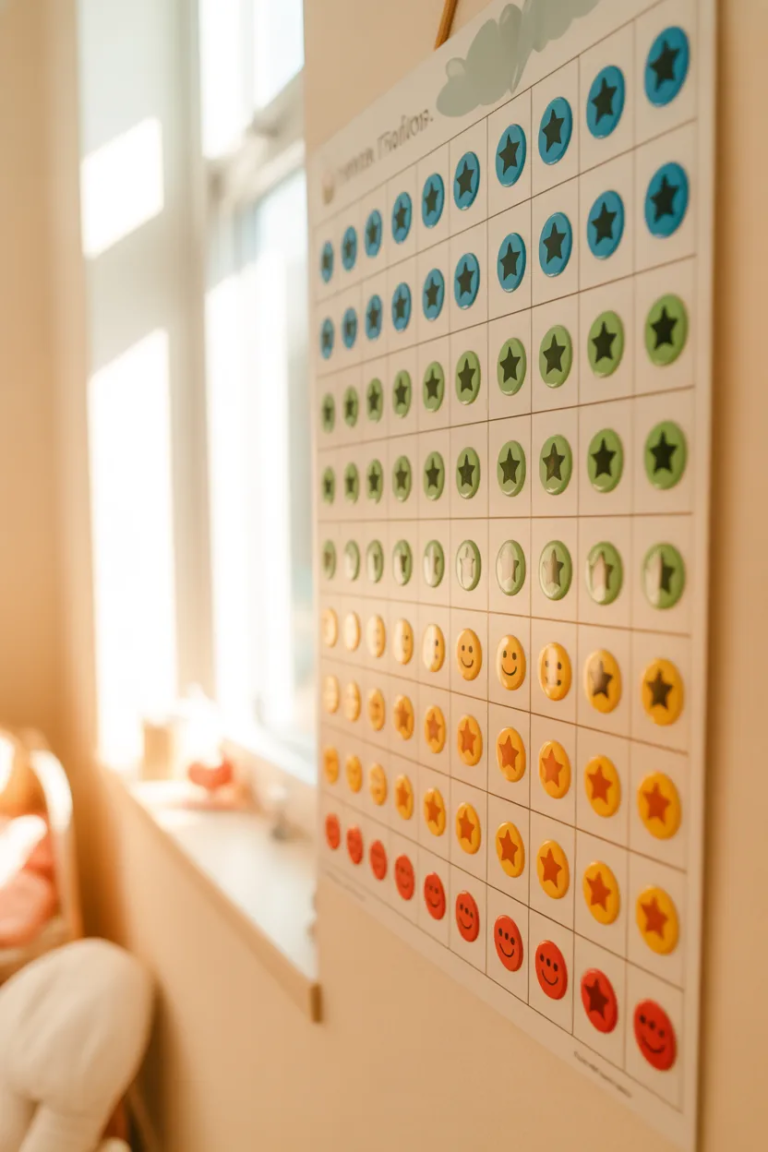






Staying consistent with daily habits sounds simple, but in real life it often slips through the cracks. One missed day turns into a week, and before you know it, the routine is gone.
That’s where a printable habit tracker becomes genuinely useful. It gives structure to your goals and makes progress visible in a very simple way. Whether someone is working on fitness, productivity, or self-care, tracking habits on paper often feels more motivating than using an app.
In this guide, I’m sharing different types of habit tracker printables for 2026 along with common habits worth tracking in everyday life.
Key Takeaways
- Habit trackers help build consistency by making progress visible
- Different layouts suit different needs (daily, weekly, monthly, wellness-focused)
- Tracking small habits like water intake or sleep can improve long-term health
- Printable trackers are simple, distraction-free, and easy to customize
- The best results come from tracking a few meaningful habits, not everything at once
This article explores 12 printable habit tracker styles designed for 2026, including monthly layouts, wellness-focused sheets, routine planners, and weekly trackers. It also highlights 10 important habits people commonly track such as hydration, exercise, sleep, reading, and budgeting. These tools are designed to improve consistency, support better routines, and make personal growth easier to manage day by day.
12 Habit Trackers Printable
Habit trackers work best when they match your lifestyle. Some people prefer detailed daily logs, while others need a simple weekly overview. Below are different printable styles that help you stay organized in a realistic way.
1. Ivory Colorful Bullet Journal
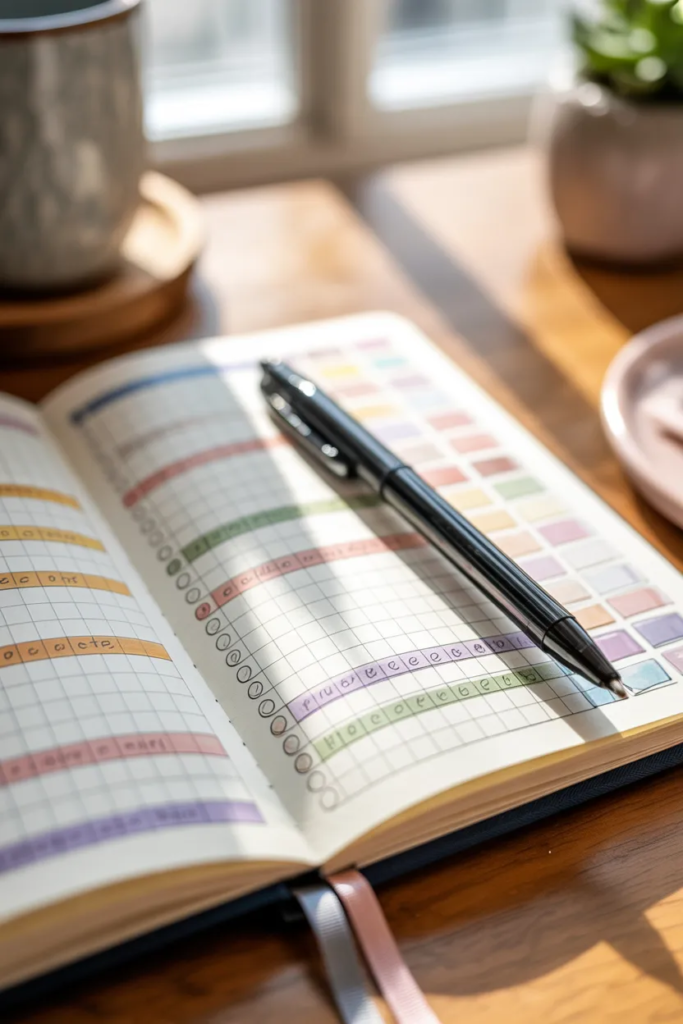
This tracker has a creative, visually appealing layout that fits well inside a bullet journal. The colorful structure makes habit tracking feel less like a chore and more like a creative routine.
It usually includes everyday goals like walking steps, drinking enough water, reading, and reducing processed food. It’s ideal for people who enjoy journaling with a bit of personality.
2. Monthly Habit Tracker

A monthly layout is perfect for those who like seeing long-term progress at a glance. It gives a clear overview of consistency over 30 days.
This style is especially useful for building discipline slowly. Many versions also include motivational reminders, which help when consistency drops mid-month.
3. Health and Wellness Tracker

This version focuses on physical and mental well-being. It usually includes sections for sleep, workouts, hydration, eating habits, and sometimes reading or journaling.
Breaking health into simple daily checkboxes makes it easier to stay balanced without overthinking routines.
4. Morning and Evening Routine Tracker

This tracker splits the day into two parts—morning and night. It helps create structure around how the day starts and ends.
Morning tasks might include exercise or planning, while evening routines often focus on winding down, skincare, or reflection. It’s helpful for people trying to fix inconsistent daily schedules.
5. Weekly Habit Tracker

A weekly tracker keeps things short and manageable. Instead of focusing on a whole month, you only track seven days at a time.
This format works well if you like quick resets and don’t want to feel overwhelmed. It’s also easier to adjust habits weekly based on performance.
6. Self-Care and Well-Being Tracker
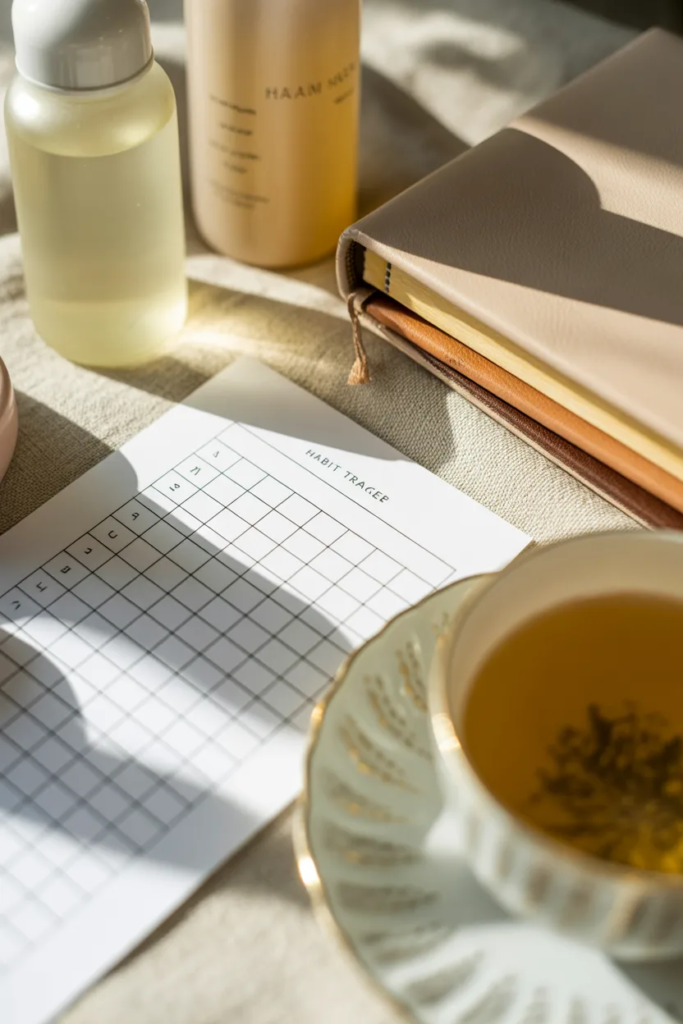
This tracker is designed around mental and emotional balance. It encourages habits like journaling, mindfulness, skincare, and relaxation time.
It’s a good reminder that productivity isn’t only about work—it also includes taking care of yourself in simple, consistent ways.
10 Common Habits You Should Track
Not every habit needs to be tracked, but a few key ones can significantly improve daily life. Here are some of the most useful ones people usually start with.
1. Drinking Water

Hydration is one of the simplest but most important habits. Tracking water intake helps ensure you’re not running on low energy throughout the day.
Even small improvements in hydration can support better focus, skin health, and energy levels.
2. Exercise

Movement doesn’t need to be intense—it just needs to be consistent. Tracking workouts or walks helps build a steady fitness routine over time.
It also provides motivation when you see progress visually on your tracker.
3. Sleep

Sleep affects almost everything—mood, productivity, and health. Tracking bedtime and wake time can reveal patterns you may not notice otherwise.
Even small adjustments in sleep timing can improve daily performance.
4. Healthy Eating
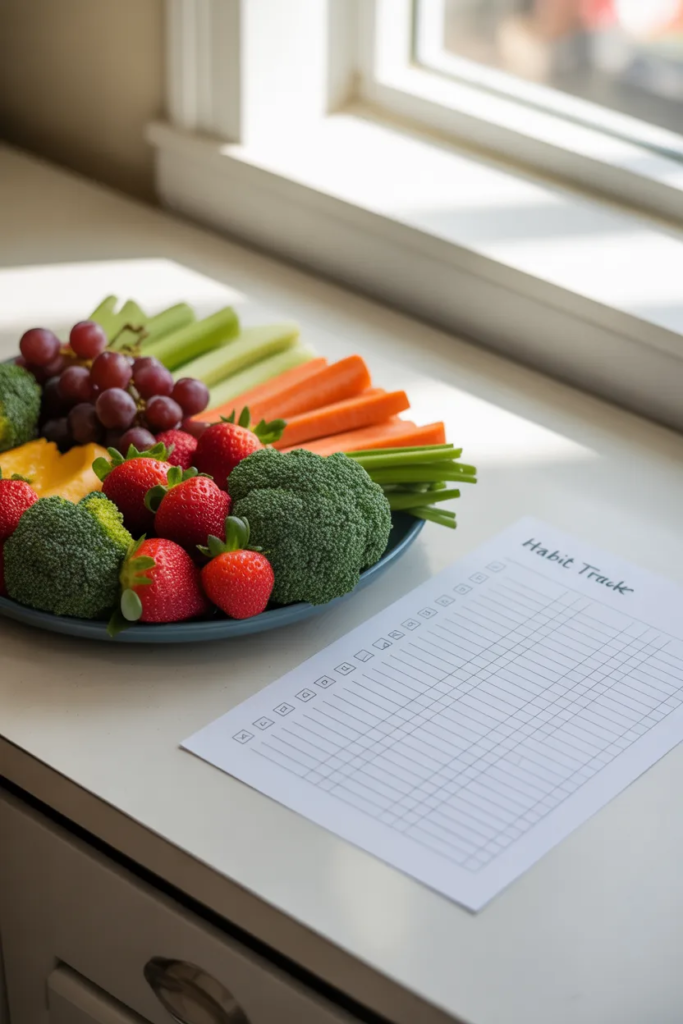
Food habits are easier to improve when they are visible. A tracker helps identify whether your diet is balanced or drifting toward unhealthy choices.
It encourages more mindful eating without strict dieting pressure.
5. Reading

Reading daily, even for a short time, builds knowledge and focus. Tracking it ensures it doesn’t get replaced by scrolling or distractions.
It’s also a relaxing habit that improves long-term thinking skills.
6. Meditation

Even a few minutes of mindfulness can reduce stress. Tracking meditation helps build consistency until it becomes a natural routine.
It’s less about perfection and more about showing up regularly.
7. Screen Time
Most people underestimate how much time goes into screens. Tracking usage helps create awareness and better balance.
Reducing unnecessary screen time often frees up space for healthier habits.
8. Budgeting
Money habits improve when spending becomes visible. A simple tracker can help identify where money is going each day.
Over time, it supports better control and less financial stress.
9. Journaling
Writing thoughts down helps organize emotions and ideas. Tracking journaling ensures it doesn’t get skipped during busy days.
Even short entries can make a big difference in clarity.
10. Learning New Skills

Learning something new—like a language or hobby—becomes easier when tracked regularly.
A habit tracker helps maintain motivation by showing gradual improvement over time.
Final Thoughts
Printable habit trackers are simple tools, but they can quietly transform routines. The real value isn’t in filling boxes—it’s in building awareness and consistency.
The key is to start small. Tracking too many habits at once can feel overwhelming, so focusing on a few meaningful ones usually works best.
Over time, these small daily checks add up to noticeable lifestyle changes.