





Helping a child learn to write can feel like a big task at first. I’ve noticed that simple tools often work best, and letter tracing printables are one of those quiet helpers that actually make a difference. They’re easy to use, require no setup, and keep kids focused without overwhelming them.
Whether you’re a parent at home, a teacher in a classroom, or someone supporting early learners, these worksheets can turn practice time into something enjoyable instead of frustrating.
In this guide, I’ll walk through why letter tracing works, the different types available, and how to use them effectively. You’ll also find a free printable at the end to get started right away.
Key Takeaways
- Letter tracing helps build hand control and early writing confidence
- It improves letter recognition through repetition and visual learning
- Different worksheet styles keep kids engaged and interested
- Short, daily practice works better than long sessions
- Guided and independent practice both play important roles
Letter tracing printables are beginner-friendly tools designed to help children learn how to form letters correctly. By following dotted lines, kids develop muscle memory, improve recognition of letters, and gradually move toward writing on their own.
These worksheets come in different formats—basic alphabet tracing, themed pages, and activity-based sheets—so you can match them to a child’s interest level. With regular use, even a few minutes a day, children tend to gain confidence and show steady improvement.
Why Use Letter Tracing Printables?
1. Improves Fine Motor Skills

Young children are still developing control over their hands and fingers. Tracing letters gives them a structured way to practice holding and moving a pencil.
Over time, this strengthens the small muscles in their hands. You’ll often notice improvements not just in writing, but also in everyday tasks like using scissors or holding small objects.
A simple tip: thicker crayons or pencils can make it easier for beginners to grip properly.
2. Enhances Letter Recognition

Repetition plays a big role in early learning. When children trace the same letter multiple times, they start recognizing its shape more quickly.
There’s also a natural mix of learning styles here. Kids see the letter, trace it, and often say it out loud. This combination helps the brain connect the shape with its sound.
For example, saying “B” while tracing it reinforces memory much more than just looking at it.
3. Prepares for Writing
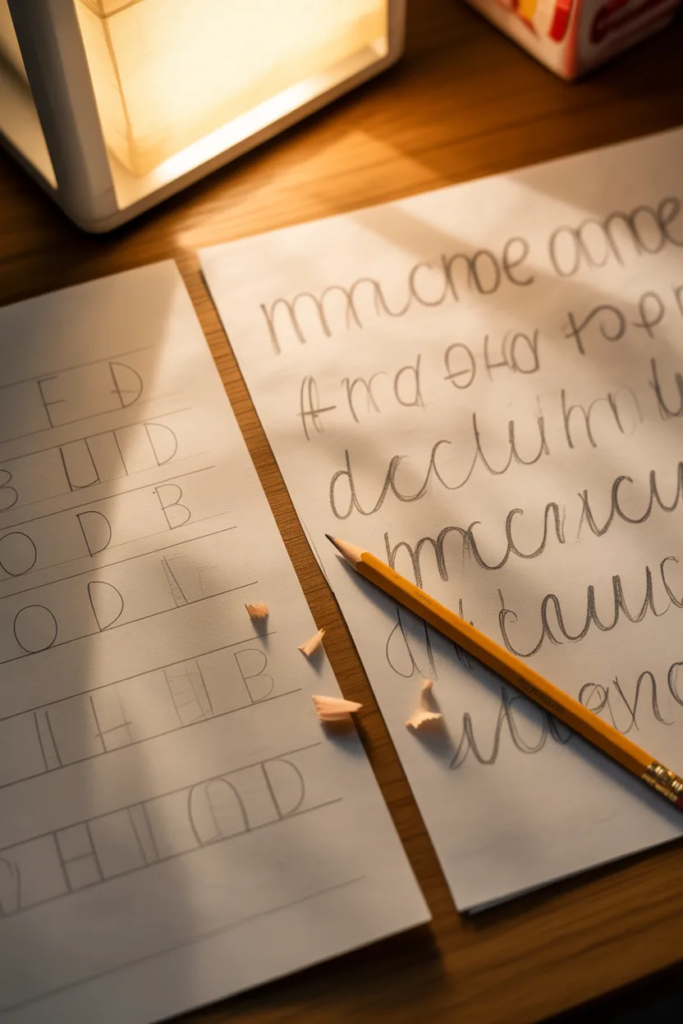
Jumping straight into freehand writing can be difficult for beginners. Tracing provides a guided starting point, which makes the process less intimidating.
By following lines, children learn how each letter is formed step by step. Once they get comfortable, they’re more likely to try writing on their own without hesitation.
This gradual shift—from tracing to independent writing—is where real progress happens.
What are the Types of Letter Tracing?
1. Alphabet Tracing Worksheets
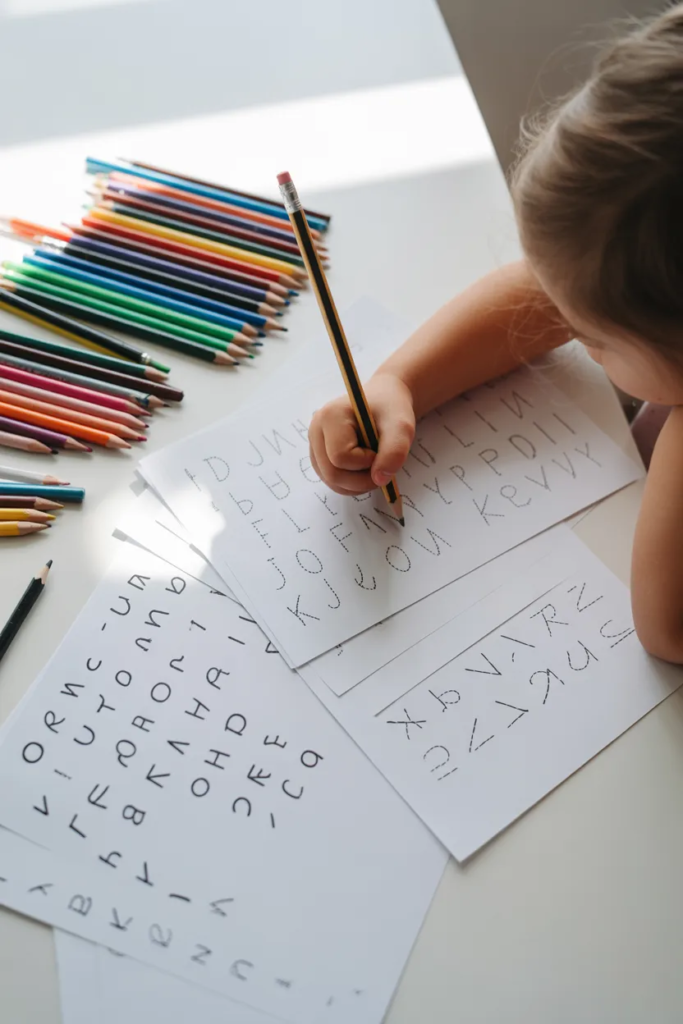
These are the most common and straightforward worksheets. They usually include both uppercase and lowercase letters with dotted lines to follow.
Some pages also include simple images that match the letter, which helps children connect letters to real-world objects. This small detail can make learning feel more meaningful.
2. Theme-Based Tracing Worksheets

Themed worksheets add a bit of fun to the process. Instead of plain letters, they’re built around topics like animals, fruits, or everyday objects.
This works especially well for kids who get bored easily. When the content feels interesting, they’re more likely to stay engaged and complete the activity.
3. Activity Sheets
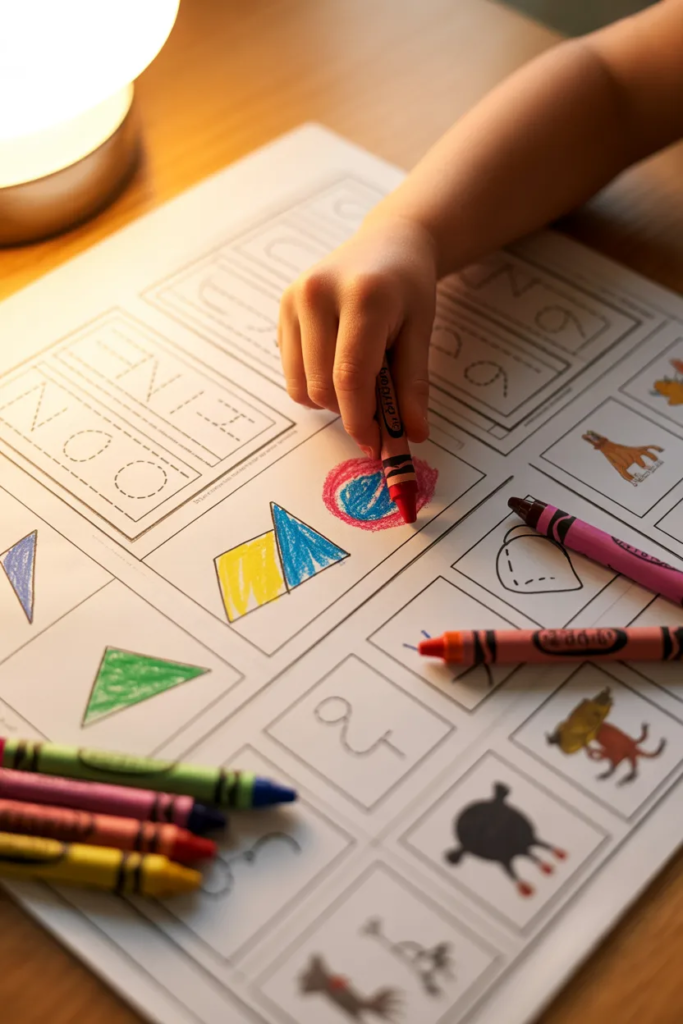
Some tracing printables go beyond just letters. They include extra elements like coloring sections, matching tasks, or simple puzzles.
These added activities break the routine and keep things fresh. At the same time, they support coordination and attention skills without feeling like extra work.
How to Use Letter Tracing Printables?
1. Print and Prepare
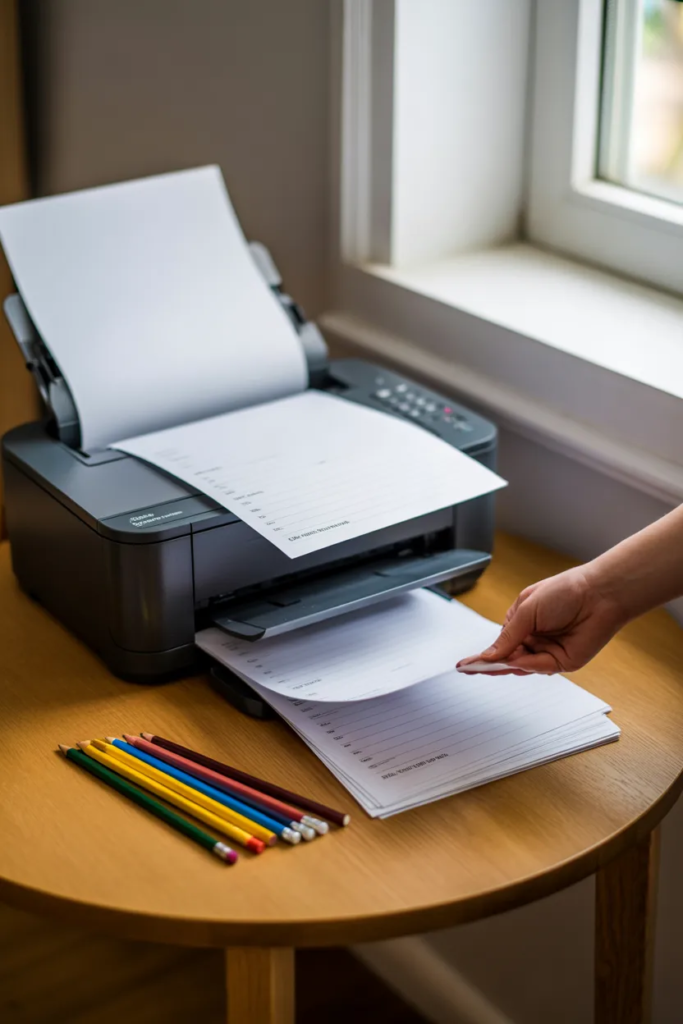
Start by downloading and printing the worksheets. If possible, use slightly thicker paper so it holds up better, especially for younger kids who tend to press harder.
You can also place the sheet in a plastic sleeve and use a marker for repeated practice.
2. Guided Practice

In the beginning, sit with the child and show them how to trace properly. Focus on simple things like holding the pencil correctly and following the direction of the lines.
It helps to go slow and encourage them to say the letter sound as they trace. This keeps them engaged and reinforces learning.
3. Independent Practice

Once they get the idea, let them try on their own. Many worksheets include blank lines where kids can practice writing without guides.
Don’t worry about perfection here. The goal is to build confidence and comfort with writing.
4. Incorporate into Daily Routine:

Consistency matters more than duration. Even 5–10 minutes a day can lead to noticeable improvement over time.
You can fit tracing into a morning routine, after-school activity, or quiet time before bed. Keeping it regular helps children develop a habit without feeling pressured.
Final Thoughts
Letter tracing printables may seem simple, but they play an important role in early learning. From building hand strength to boosting confidence, they cover the basics in a way that feels manageable for both kids and adults.
The key is to keep things relaxed and consistent. A little practice each day goes a long way, especially when it’s paired with encouragement and patience.