

Many people spend time cleaning, decluttering, and buying storage solutions, only to find their homes becoming messy again a few weeks later. The problem usually isn’t a lack of effort—it’s the system being used.
Traditional organizing methods often focus on finding places to store belongings. Japanese organization takes a different approach by reducing unnecessary items first and then creating simple systems that support everyday living.
The result is a home that feels calmer, functions better, and requires far less maintenance. These Japanese organization ideas show how thoughtful organization can make daily life easier while creating a more peaceful environment.
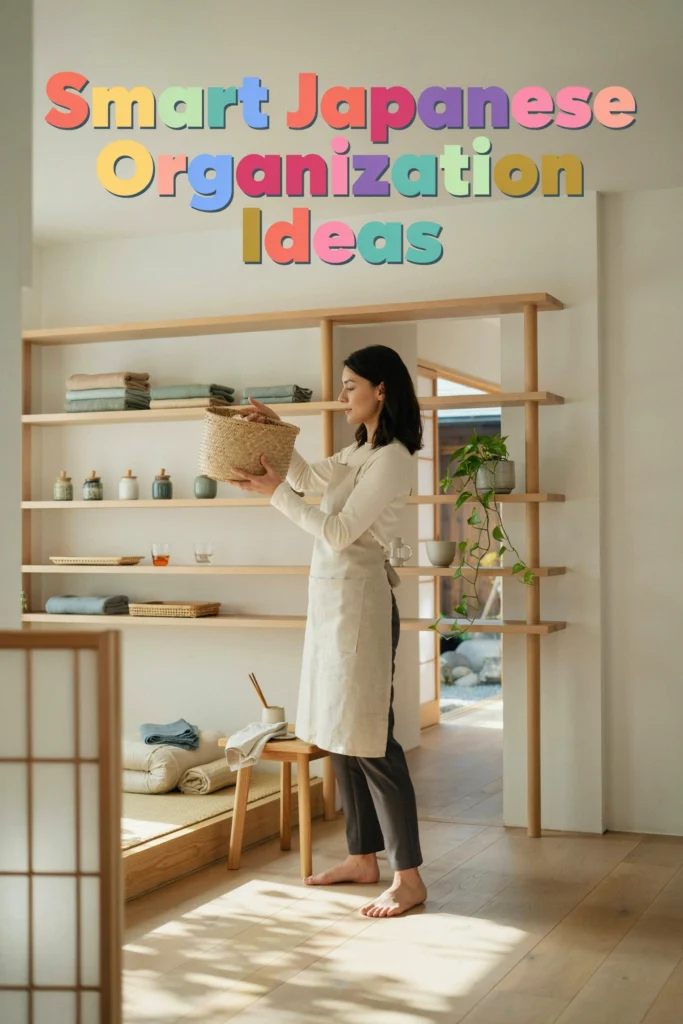
Key Takeaways
- Reduce excess items before adding storage.
- Give every item a specific purpose and place.
- Use closed storage to minimize visual clutter.
- Create zones based on daily activities.
- Keep surfaces as clear as possible.
- Store similar items together by function.
- Use simple, repeatable organization systems.
- Leave empty space to create visual balance.
How Is Japanese Organization Different From Western Organizing Methods?
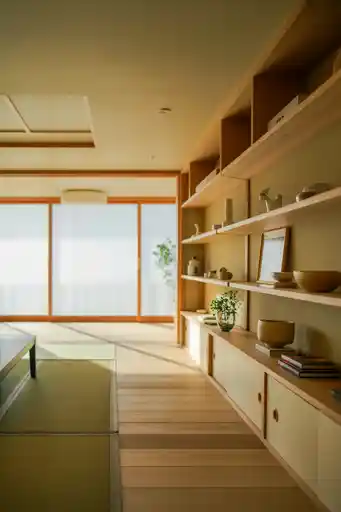
Japanese organization focuses on reducing what you own before deciding where to store it. Instead of adding more containers, shelves, or storage units, the goal is to keep only what serves a purpose. Once unnecessary items are removed, organizing becomes easier because every remaining item has a clear home and function within the space.
Pro Tip: Before buying storage products, remove items you no longer use and see how much space you actually need.
Low-Profile Living
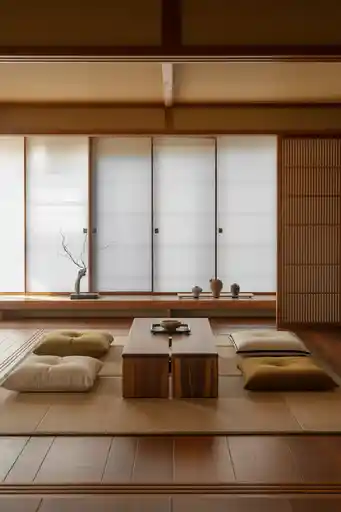
Furniture that sits lower to the ground helps create a more open and peaceful atmosphere. Lower seating, compact tables, and simple furnishings reduce visual distractions while making rooms feel larger and less crowded, even in smaller homes.
Pro Tip: Choose furniture with clean lines and minimal bulk to maintain an open look.
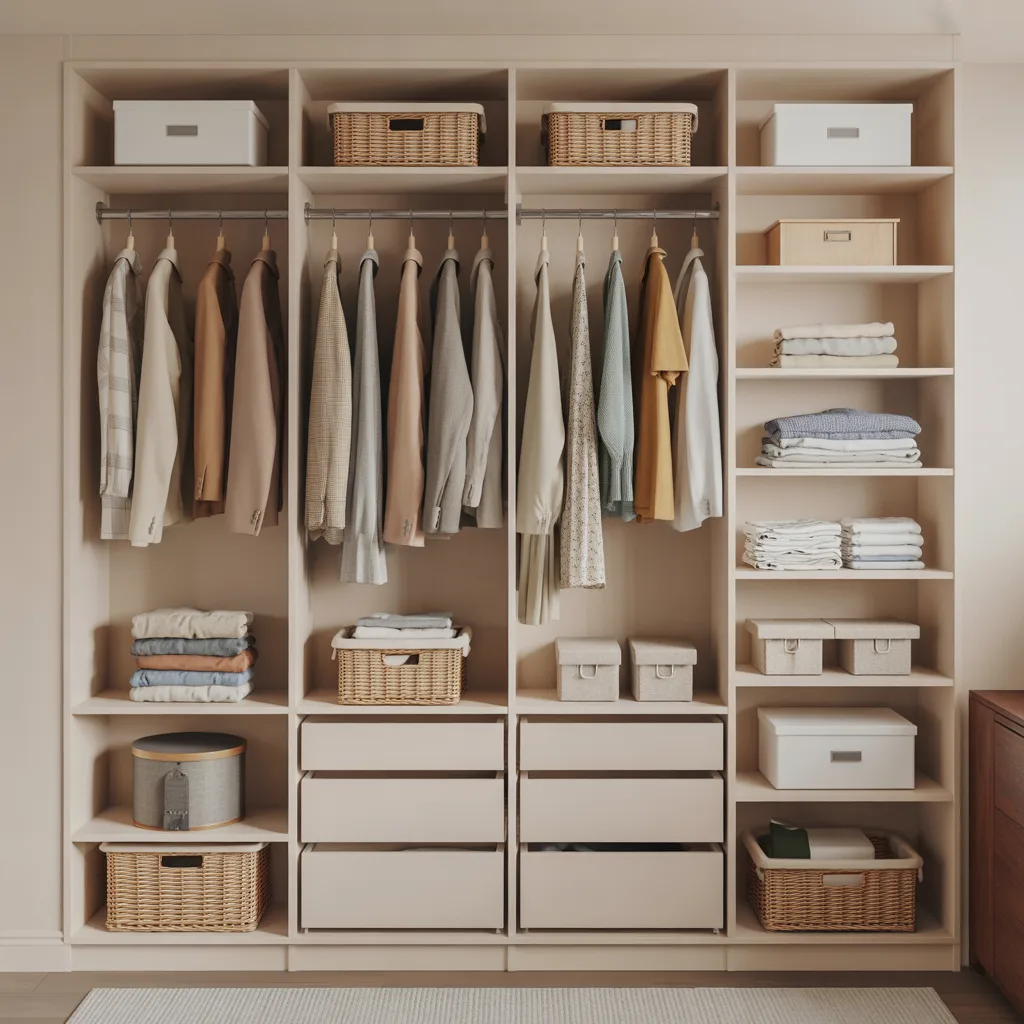
Closed Storage Calm

Hidden storage helps reduce visual clutter and creates a more relaxing environment. Cabinets, drawers, and enclosed storage units keep everyday items accessible while preventing rooms from feeling busy or overwhelming.
Pro Tip: Store frequently used items behind doors to maintain a cleaner visual appearance.
Contained Essentials
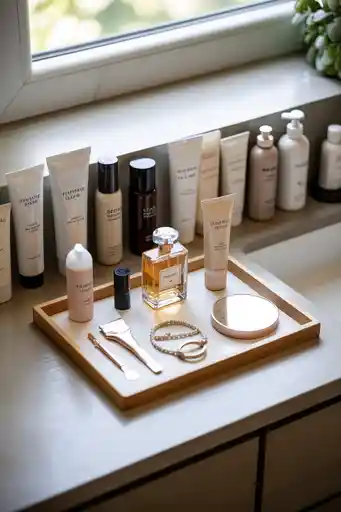
Keeping everyday necessities together in a dedicated container simplifies routines and reduces clutter. Grouping skincare products, office supplies, or daily-use items in one place makes them easy to find and return after use.
Pro Tip: Organize essentials based on how often you use them rather than by product category.
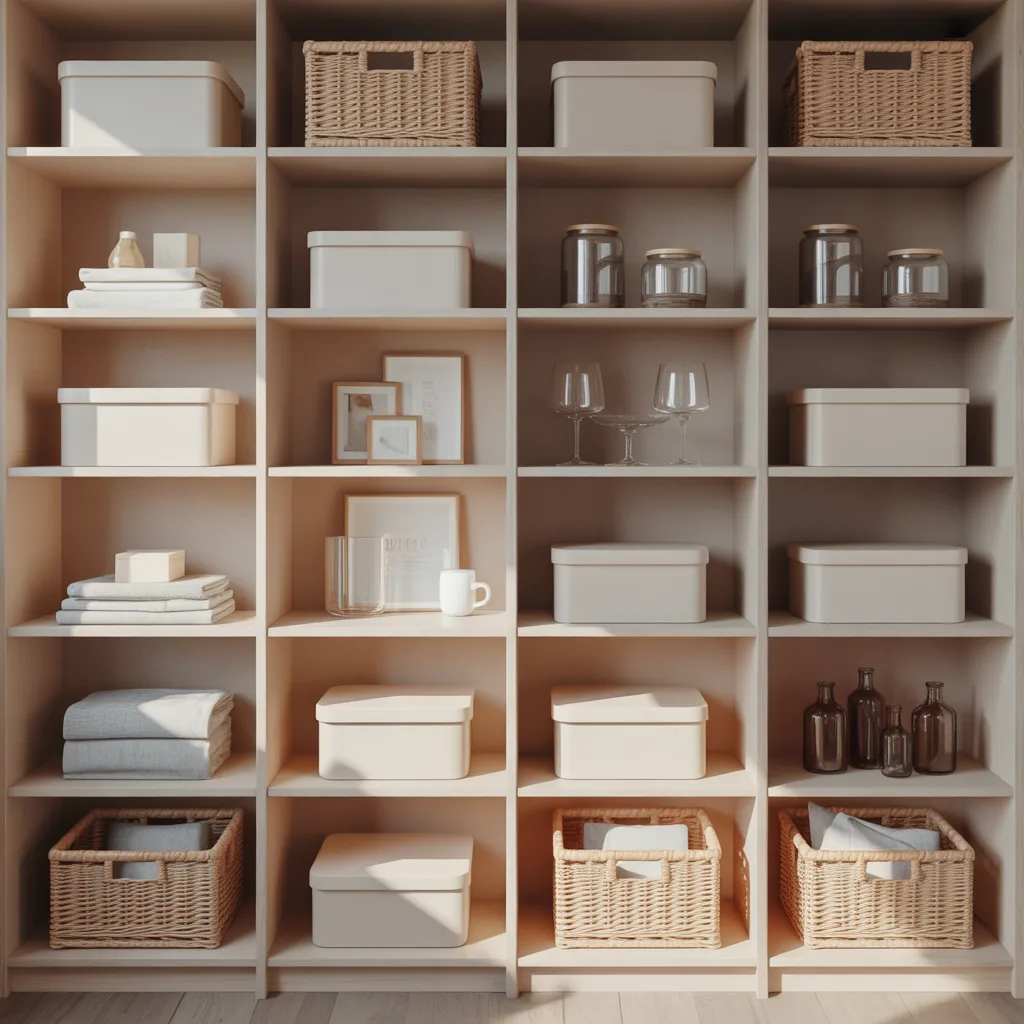
Shelf Zoning System
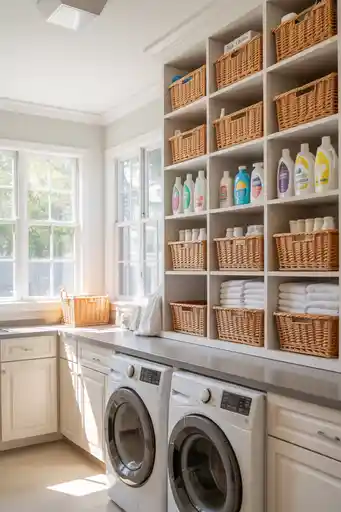
Assigning specific shelves to individual tasks creates a more efficient workflow. Whether in a laundry room, pantry, or workspace, separating supplies by purpose helps prevent clutter from spreading across multiple areas.
Pro Tip: Give each shelf a single function to make maintenance easier.
Curated Display Storage
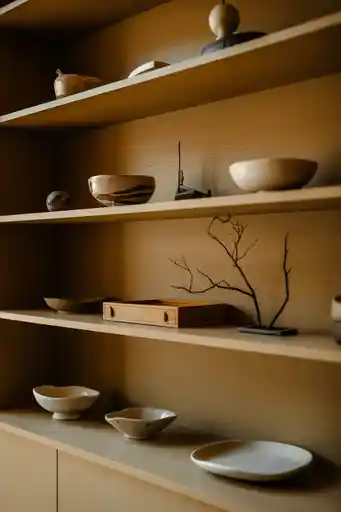
Storage can also contribute to a room’s design when carefully controlled. Display only a few meaningful or frequently used items while keeping the rest hidden to maintain balance between functionality and visual appeal.
Pro Tip: Limit open shelving displays to a small number of intentional pieces.
Vertical Fold Method
Vertical folding allows every clothing item to remain visible without creating unstable stacks. This method saves space, improves accessibility, and makes maintaining organized drawers much easier over time.
Pro Tip: Fold clothing into compact rectangles so each item can stand upright.
Category Shelf Order
Organizing by category instead of outfit combinations keeps storage areas more structured. Grouping shoes, bags, sweaters, and accessories separately makes items easier to find and return after use.
Pro Tip: Dedicate each shelf to a single category for long-term organization.
Clear Pantry Zones
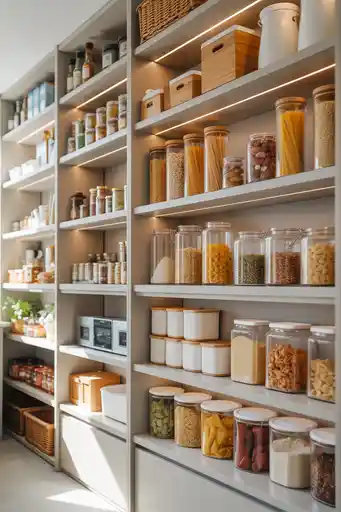
Creating designated pantry zones makes meal planning and grocery management simpler. Separating snacks, baking supplies, grains, and canned goods helps prevent overcrowding and keeps inventory visible.
Pro Tip: Use clear containers to quickly identify pantry contents.
Entryway Drop Zones
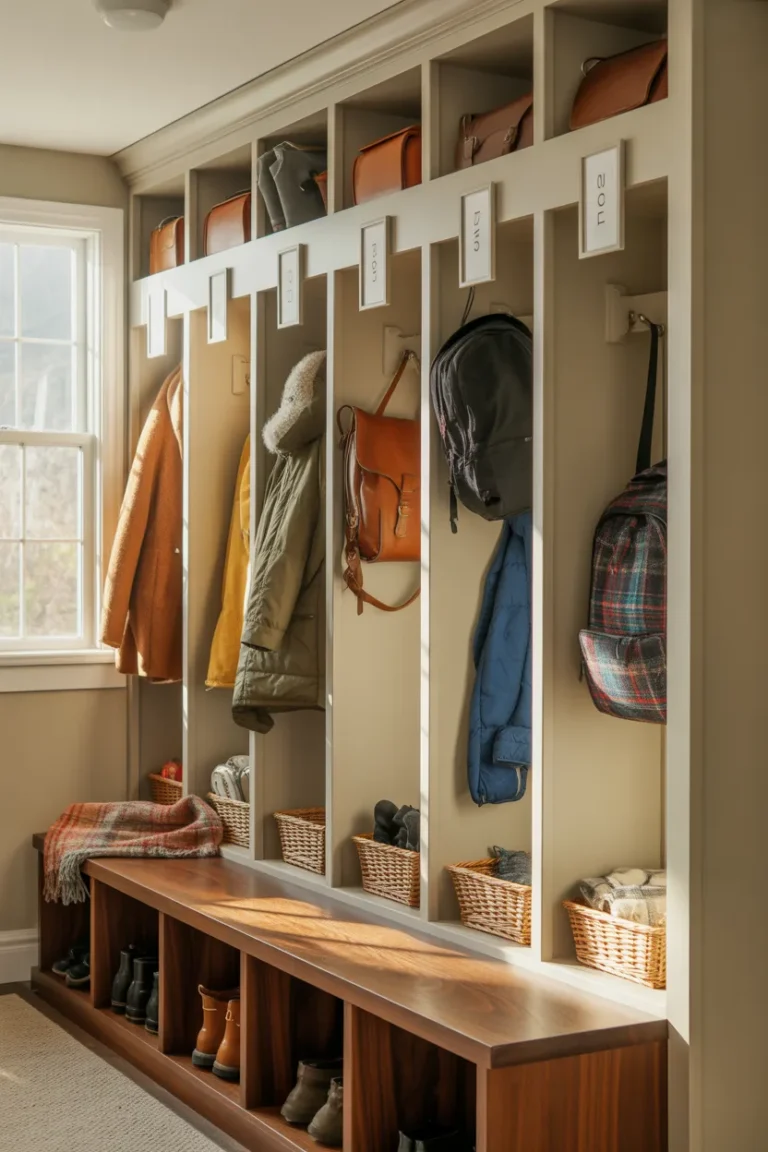
An organized entryway prevents clutter from spreading throughout the home. Designated spaces for shoes, bags, keys, and jackets ensure everything has a place the moment you walk through the door.
Pro Tip: Assign one storage spot per family member to simplify daily routines.
Wall Tool Layout
Visible storage systems make tools easier to access and return. Pegboards and wall-mounted organizers help maximize vertical space while keeping frequently used items within reach.
Pro Tip: Outline tool positions so every item returns to the same location.
Flat Supply Stacks
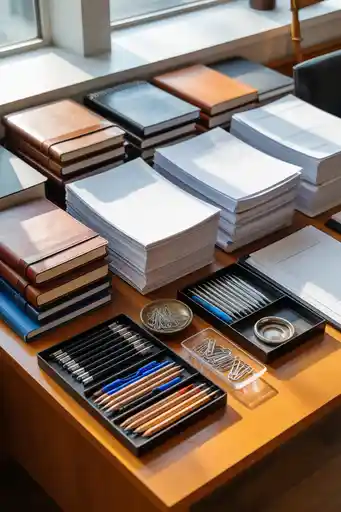
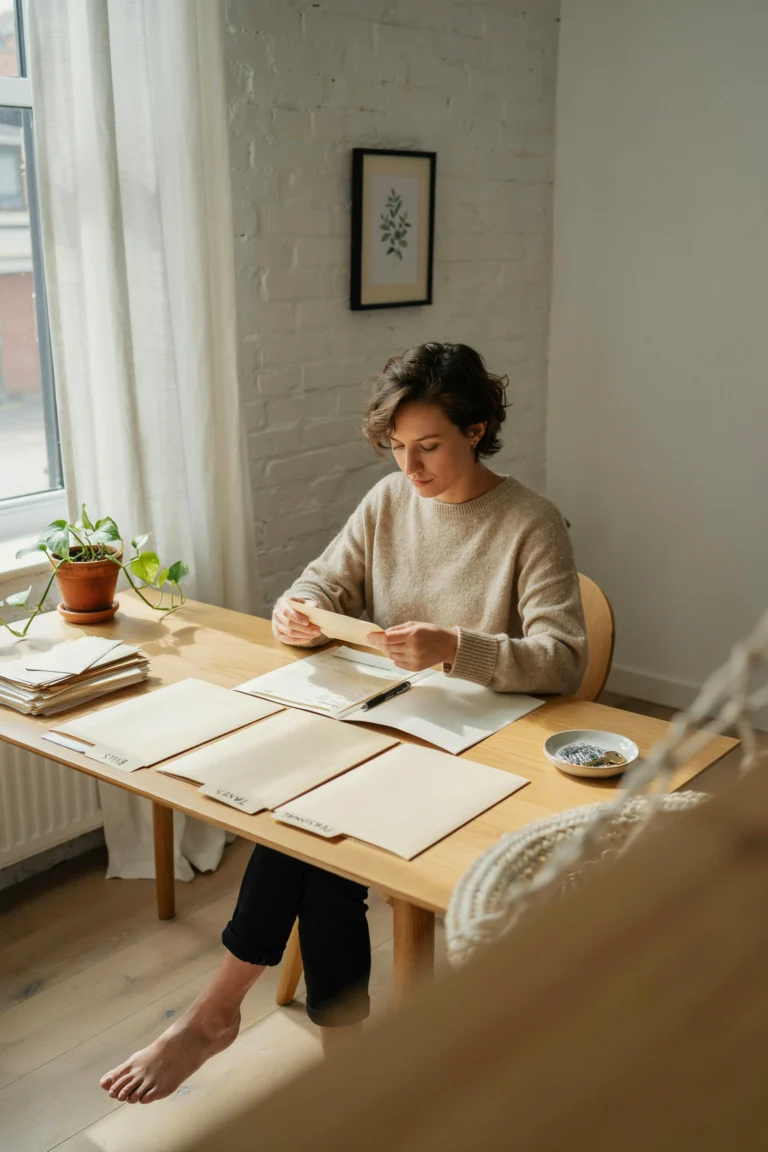
Paperwork, notebooks, and craft materials stay manageable when grouped into organized stacks. Limiting each stack to one category prevents materials from becoming overwhelming.
Pro Tip: Keep stacks low and clearly separated by purpose.
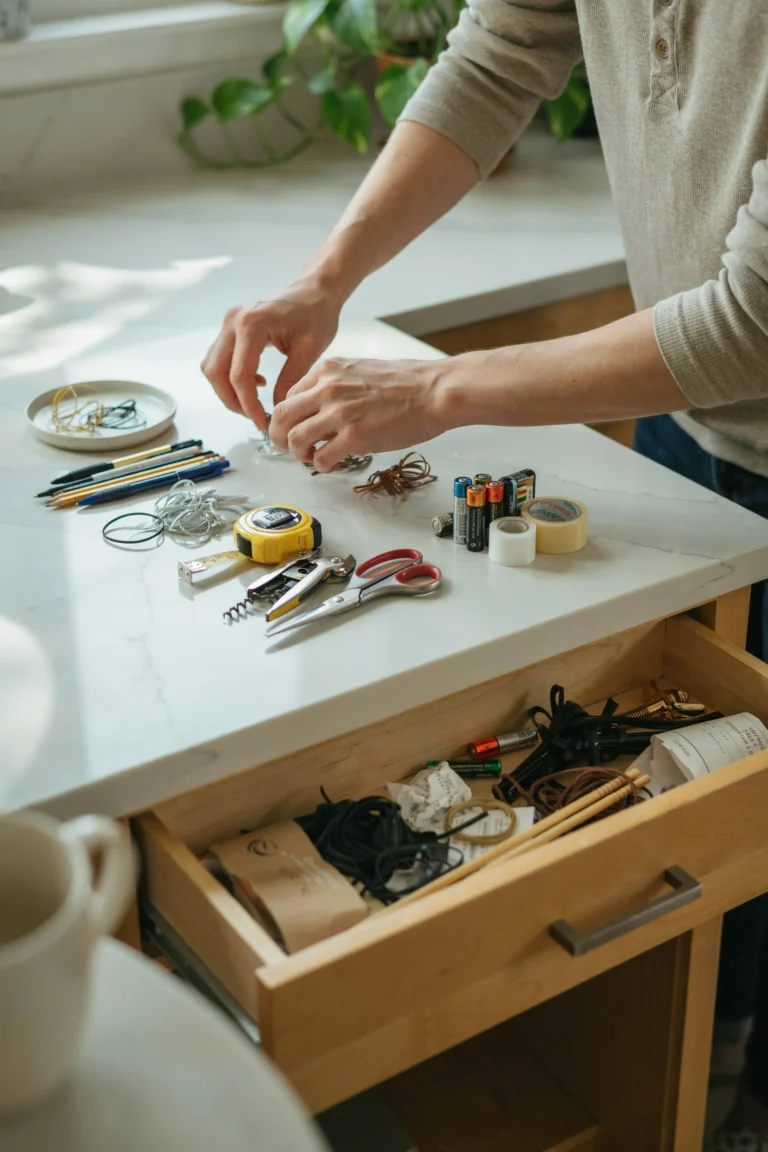
Drawer Micro Zones
Small drawer dividers transform cluttered storage into organized sections. Creating dedicated spaces for individual items prevents mixing and makes supplies easier to locate.
Pro Tip: Use shallow compartments to maintain visibility and order.
Open Utility Rack
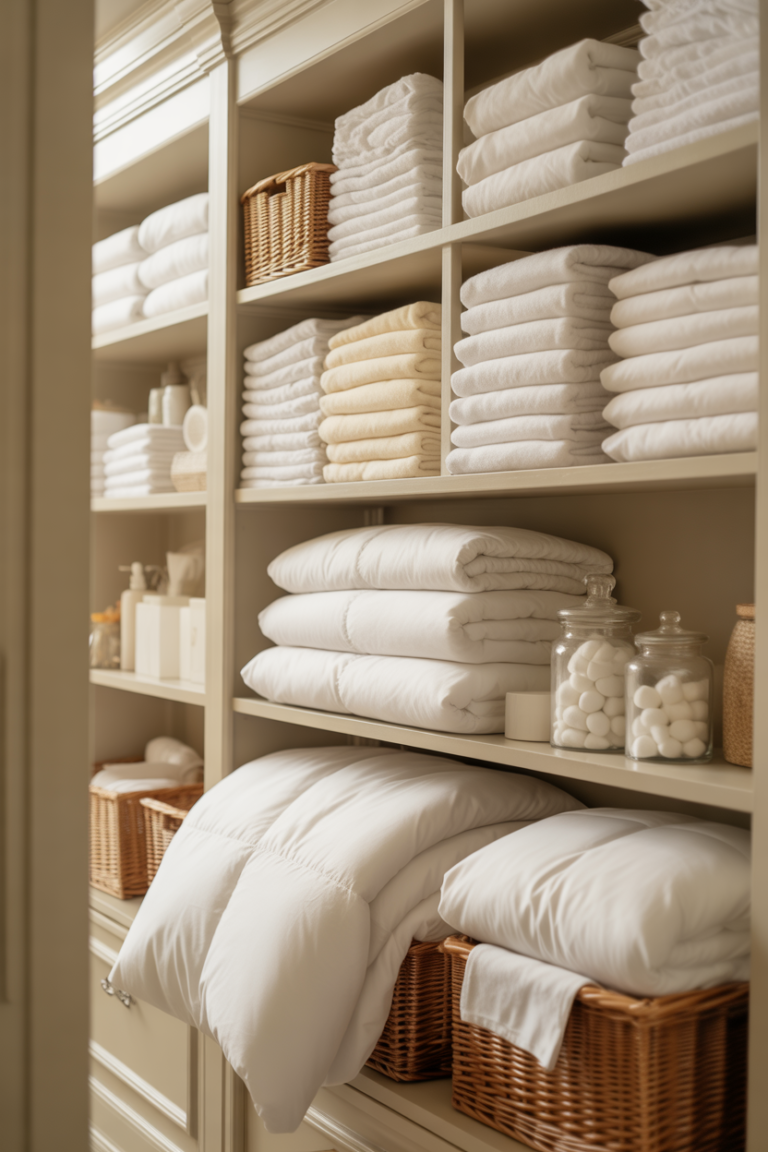
Open shelving can work effectively when carefully controlled. Towels, cleaning supplies, and bathroom essentials remain accessible while still maintaining a neat appearance.
Pro Tip: Place daily-use items at eye level and store backups below.
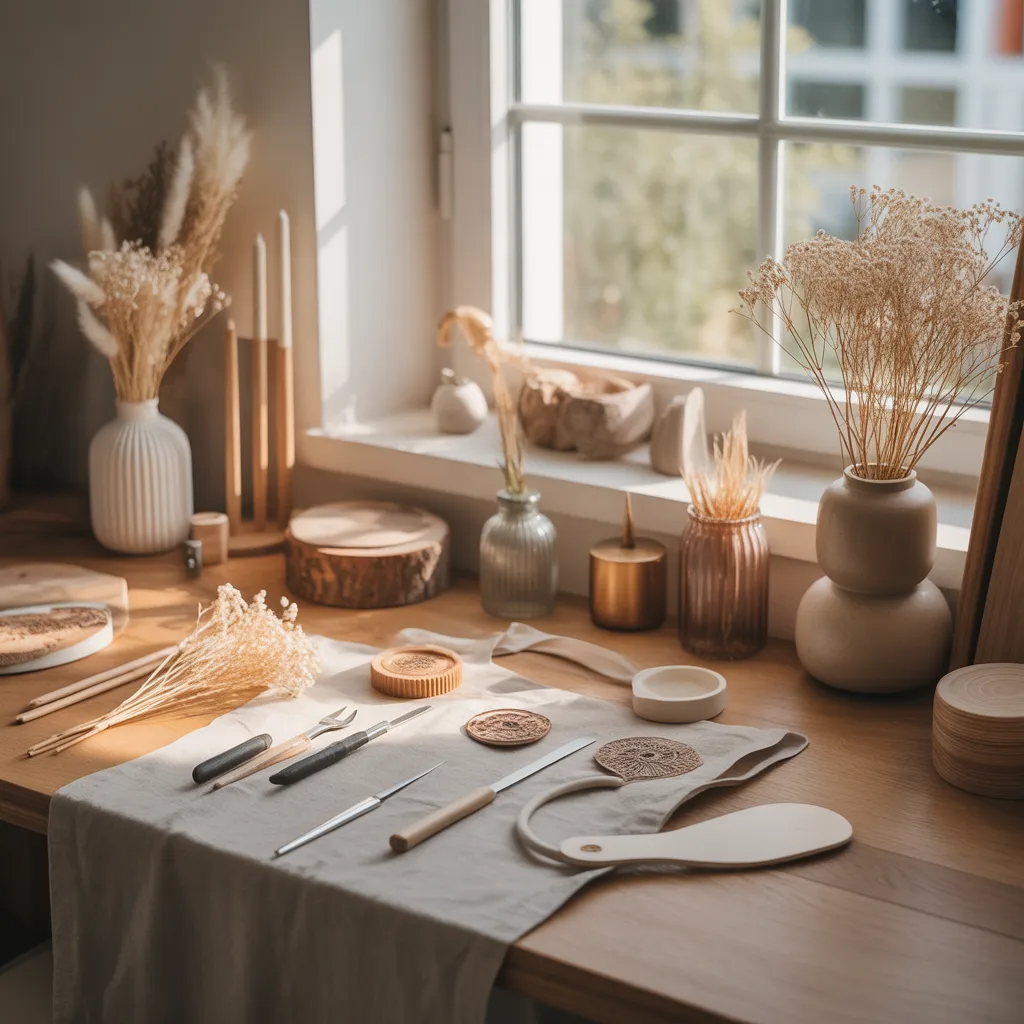
Ritual Tea Box
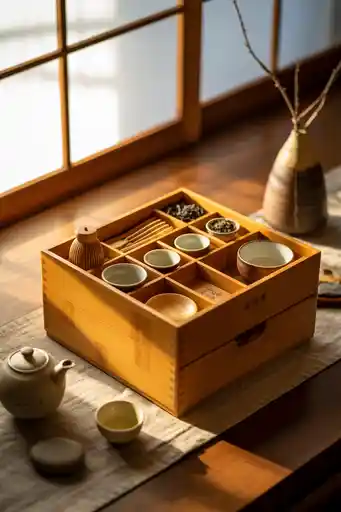
Daily routines become more enjoyable when everything needed is stored together. A dedicated box for tea, coffee, or hobby supplies creates a sense of order and intentionality.
Pro Tip: Leave extra space inside the box to avoid overcrowding.
Daily Outfit Rack
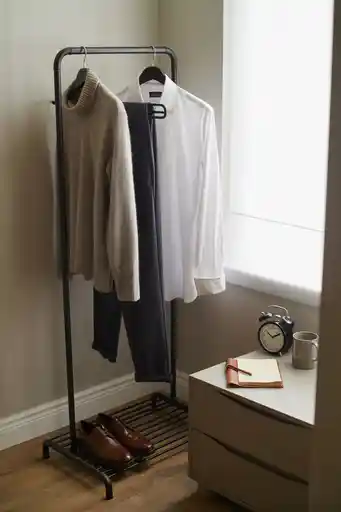
Preparing outfits in advance reduces morning decision-making. A small rack dedicated to the next day’s clothing keeps essentials ready while preventing bedroom clutter.
Pro Tip: Limit the rack to one complete outfit and accessories.
FAQs
How Can Japanese Organization Systems Stay Organized Longer?
Japanese organization methods focus on removing excess items before creating storage solutions. When every belonging has a clear purpose and designated place, daily tidying becomes much easier. Instead of spending hours reorganizing, you simply return items to their assigned spots after use.
Pro Tip: Spend five minutes each day resetting your space to prevent clutter from building up.
Which Japanese Organization Idea Works Best for Small Apartments?
Zoning is one of the most effective Japanese organization strategies for small apartments. Assign specific functions to different areas, such as sleeping, working, relaxing, or dining. Keeping only related items within each zone helps maximize space and prevents clutter from spreading throughout the home.
Pro Tip: Use closed storage within each zone to maintain a clean and spacious appearance.