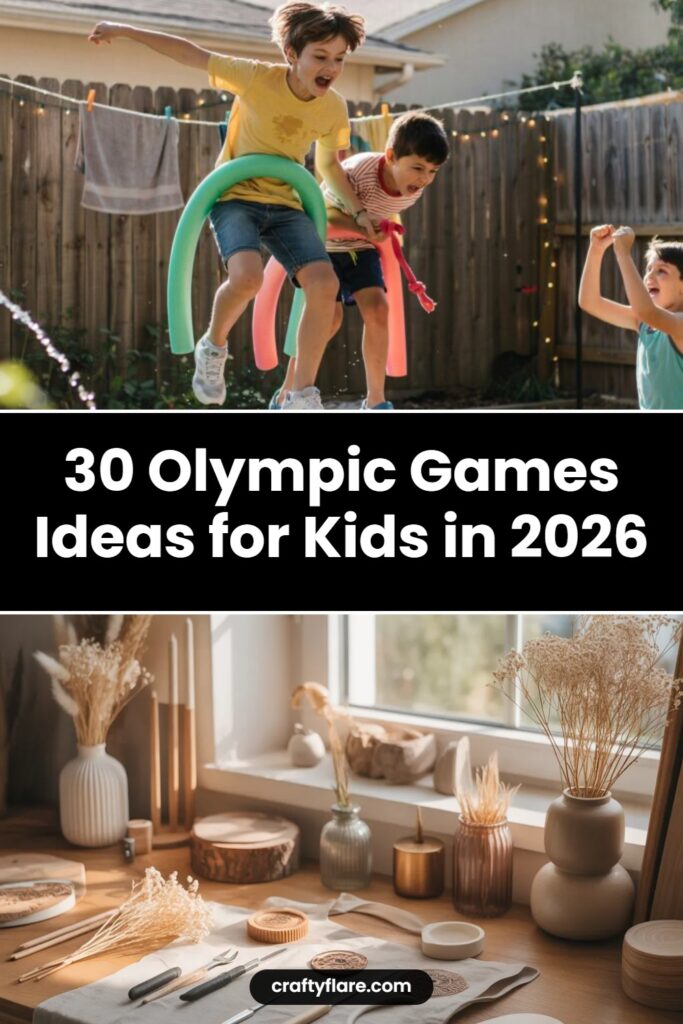
I share 30 Olympic-themed games for kids that I personally find fun, active, and educational. These include indoor crafts, outdoor sports, relay races, and creative challenges like teddy bear Olympics and obstacle courses.
Most activities use simple household items, so setup is easy at home, school, or parties. These games help kids improve coordination, teamwork, and creativity while staying physically active. The list is designed for different age groups so everyone can participate.
Key Takeaways
- 30 easy Olympic-style kids’ games using simple items
- Mix of indoor crafts and outdoor physical activities
- Builds teamwork, balance, coordination, and creativity
- Suitable for home, school, and party setups
- Learning through active play and competition
1. Teddy Bear Olympics
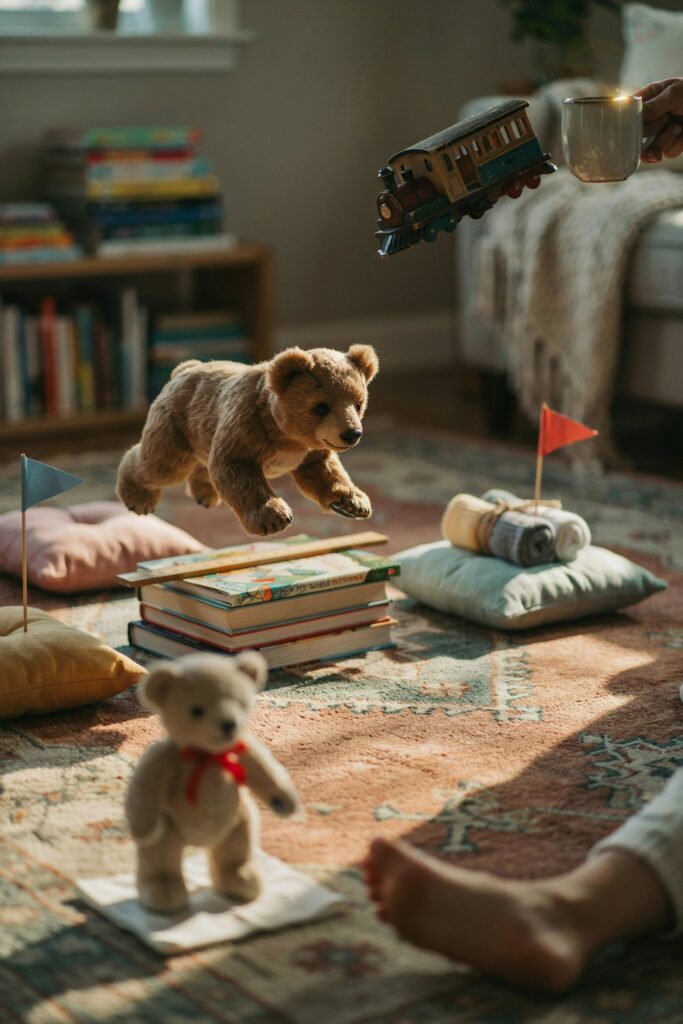
I like starting with this activity because it turns toys into active participants. Kids assign teddy bears different countries and create mini Olympic events like jumping or relay races. It encourages imagination while keeping things safe and playful. I usually use pillows or tape lines to build simple hurdles and tracks. This works especially well for younger kids who enjoy storytelling through play.
Pro Tip: Role-play games like this boost emotional development and creativity in early childhood.
2. World Flag Garland
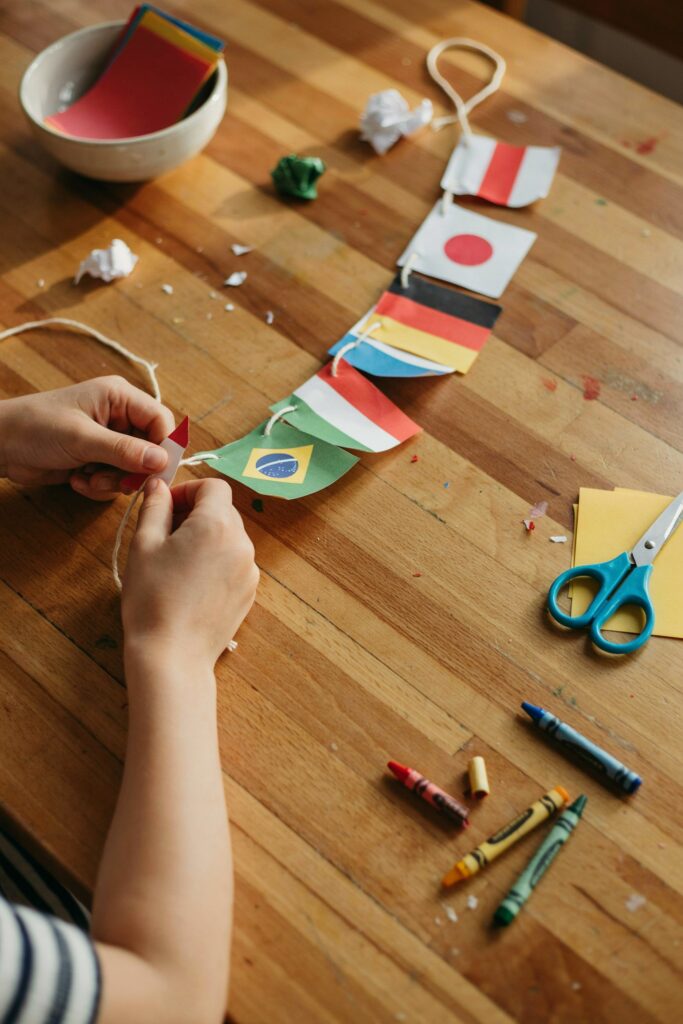
This is a creative craft where kids design flags of different countries using paper and colors. I connect them into a garland that decorates the play area. It helps children learn about geography and global cultures in a visual way. Kids also remember flags better when they create them themselves. I often use printed references to guide accuracy.
Insight: Visual crafting activities improve memory retention by up to 30–40% in kids.
3. Olympic Medal Chart
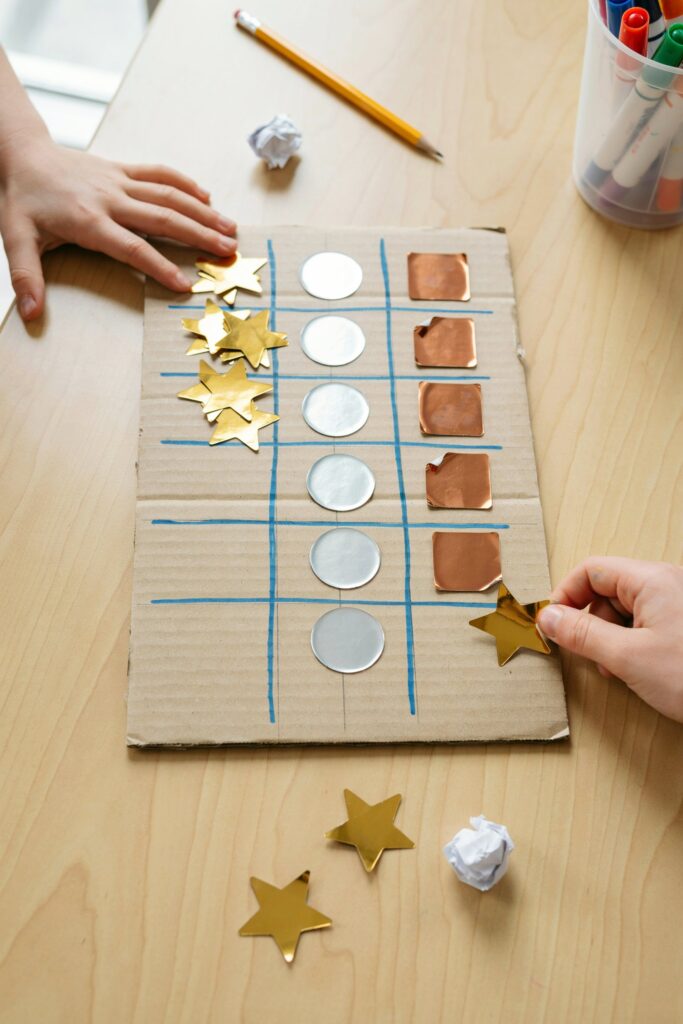
I create a medal chart with gold, silver, and bronze columns to track scores. Kids enjoy seeing their progress visually during games. It also teaches basic counting and competition awareness in a fun way. I place it in a visible area so everyone stays motivated. Stickers work better than writing for younger children.
Pro Tip: Tracking progress visually increases motivation and participation in group games.
4. Javelin Throw
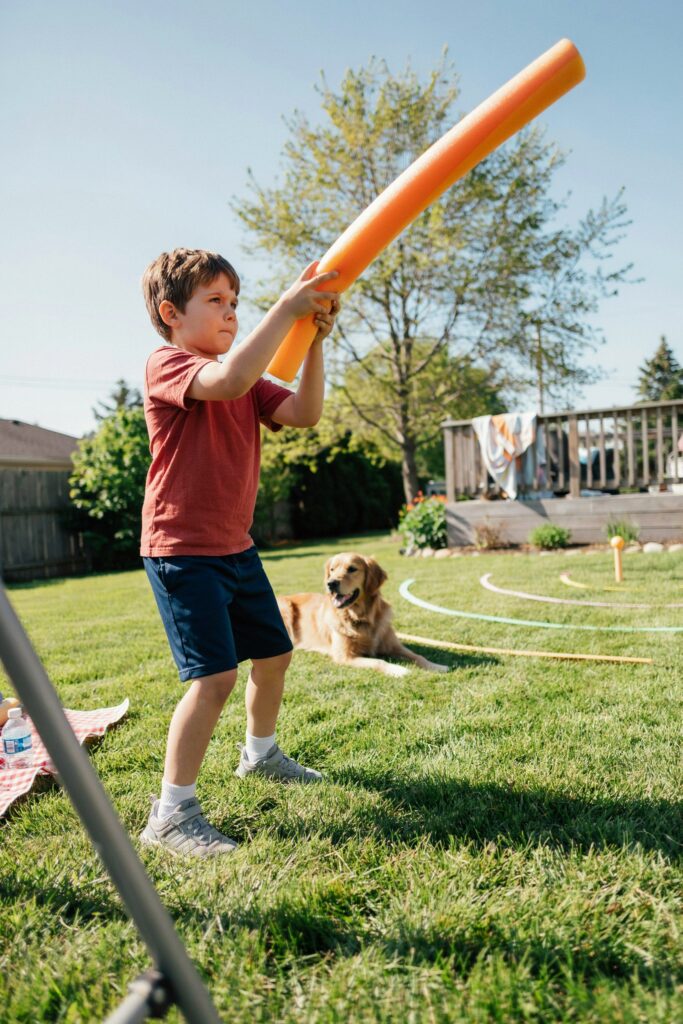
I use pool noodles or soft sticks to safely simulate javelin throwing. Kids throw from a marked line and measure their distance. This builds coordination and introduces basic athletic skills. I adjust distance rules depending on age for fairness. It’s a simple but exciting outdoor activity.
Fact: Soft-equipment sports reduce injury risk while still improving motor skills effectively.
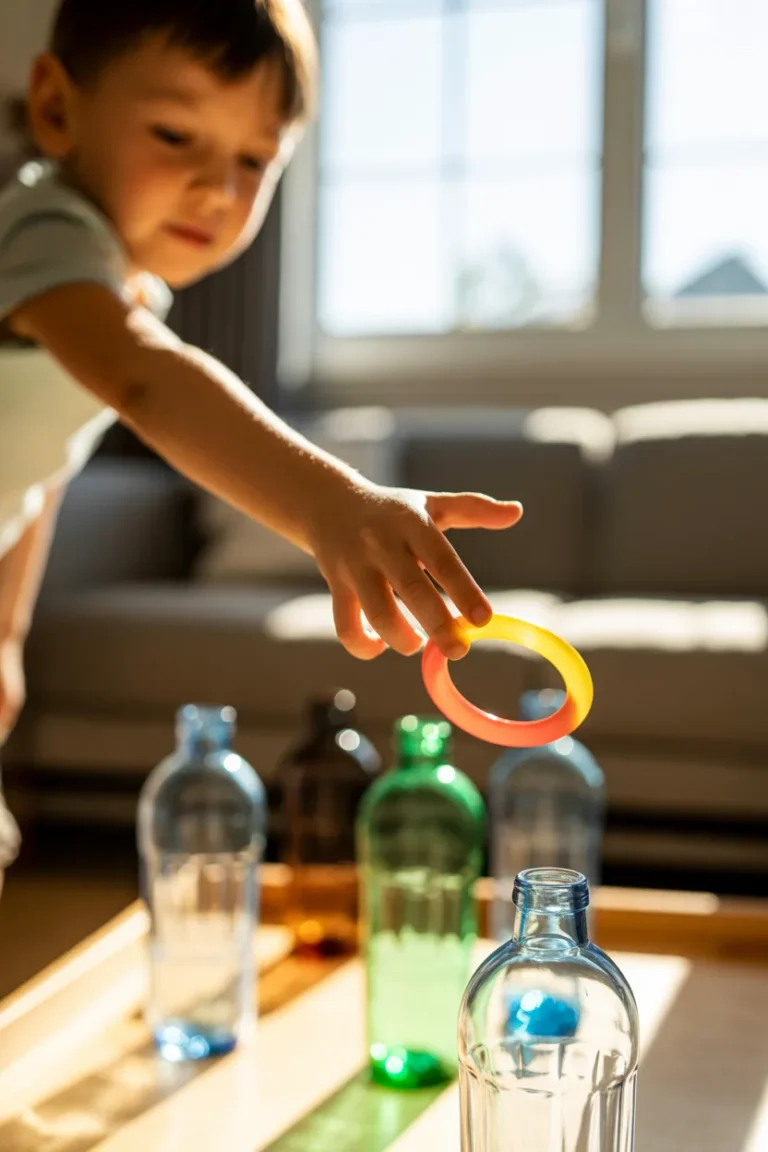
5. Human Ring Toss
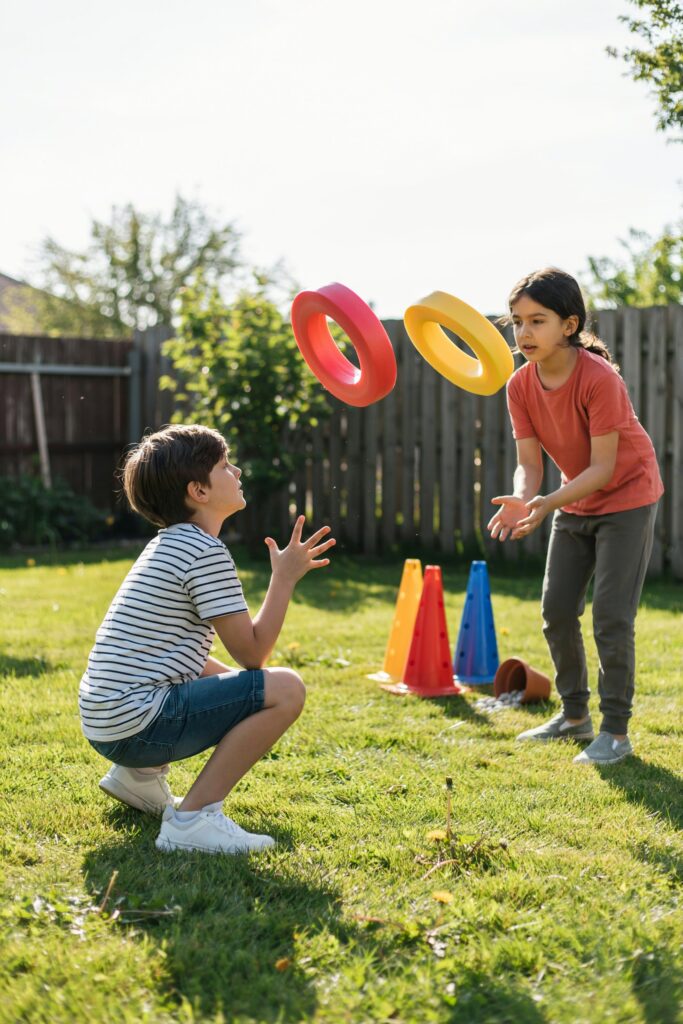
In this game, kids throw rings made from pool noodles onto cones or targets. It improves aim and hand-eye coordination in a fun way. I usually divide kids into teams to increase engagement. Scoring adds excitement and competition. It’s easy to set up with minimal materials.
Pro Tip: Team-based scoring increases cooperation and keeps kids more engaged longer.
6. Balloon Ping Pong
I use balloons and paper plates as paddles for indoor play. Kids hit balloons over a string or tape line acting as a net. It’s safe, quiet, and perfect for small spaces or rainy days. The balloon slows movement so beginners can easily play. I sometimes add score limits to keep it structured.
Insight: Slow-moving objects like balloons improve reaction time in younger children.
7. Backyard Volleyball
I set up a simple net using rope and use a soft ball for safety. Kids learn teamwork, timing, and basic volleyball skills. I reduce rules for beginners to make it easier to enjoy. Smaller groups can also play one-on-one matches. It’s a great outdoor group activity.
Pro Tip: Simplified rules help children stay active without feeling overwhelmed.
8. Olympic Ring Snacks
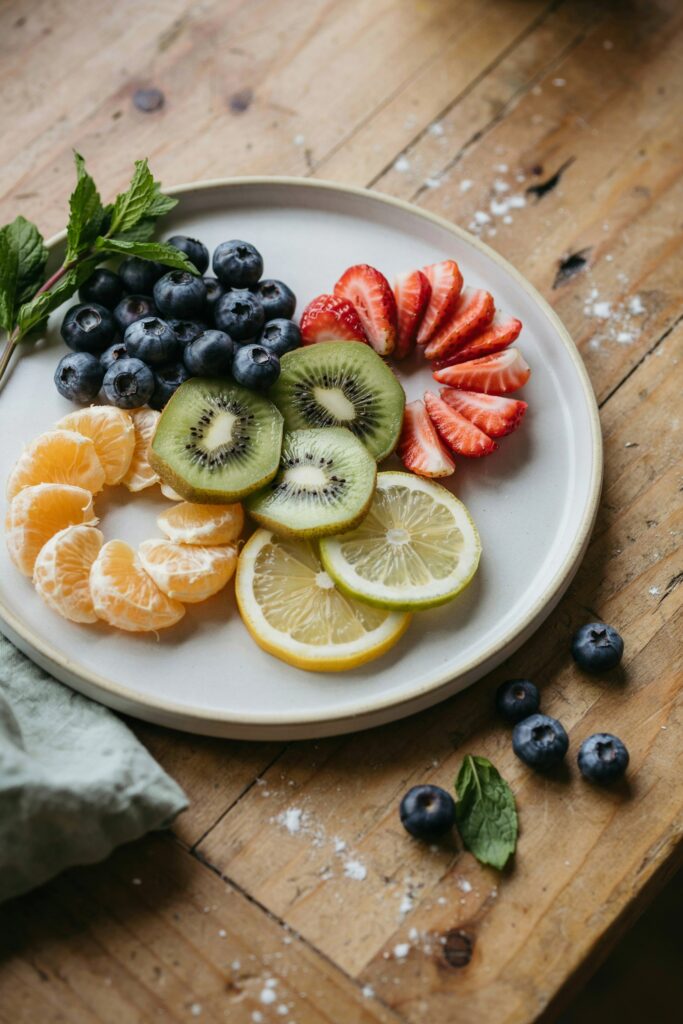
I prepare snacks using fruits arranged in Olympic ring colors and shapes. Kids help assemble them, which makes eating healthier and more fun. It combines creativity with basic nutrition awareness. I use natural fruits like blueberries and strawberries for color. It also works as a party snack idea.
Insight: Kids are 70% more likely to eat healthy foods when involved in preparation.
9. Pantyhose Bowling
I place a ball inside pantyhose and let kids swing it to knock down bottles. It looks funny and always gets lots of laughs. This game improves coordination and balance in a unique way. I use soft plastic bottles for safety indoors. It’s simple but very entertaining.
Pro Tip: Funny physical games help reduce shyness in group settings.
10. Frisbee Golf
I create targets using buckets or chalk circles for kids to aim at. The goal is to reach the target in the fewest throws. This builds focus and throwing accuracy. I set different distances depending on skill level. It works best in open outdoor spaces.
Fact: Target-based games help develop precision and spatial awareness in kids.
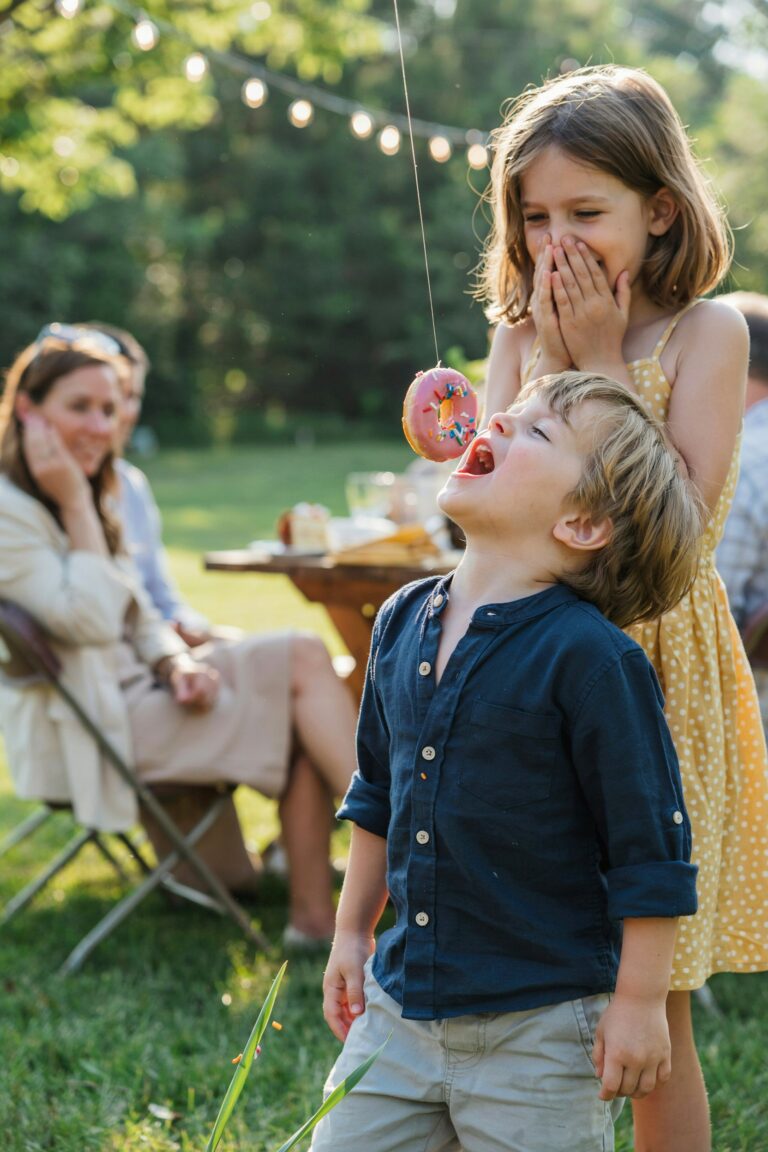
11. Cookie Face Race
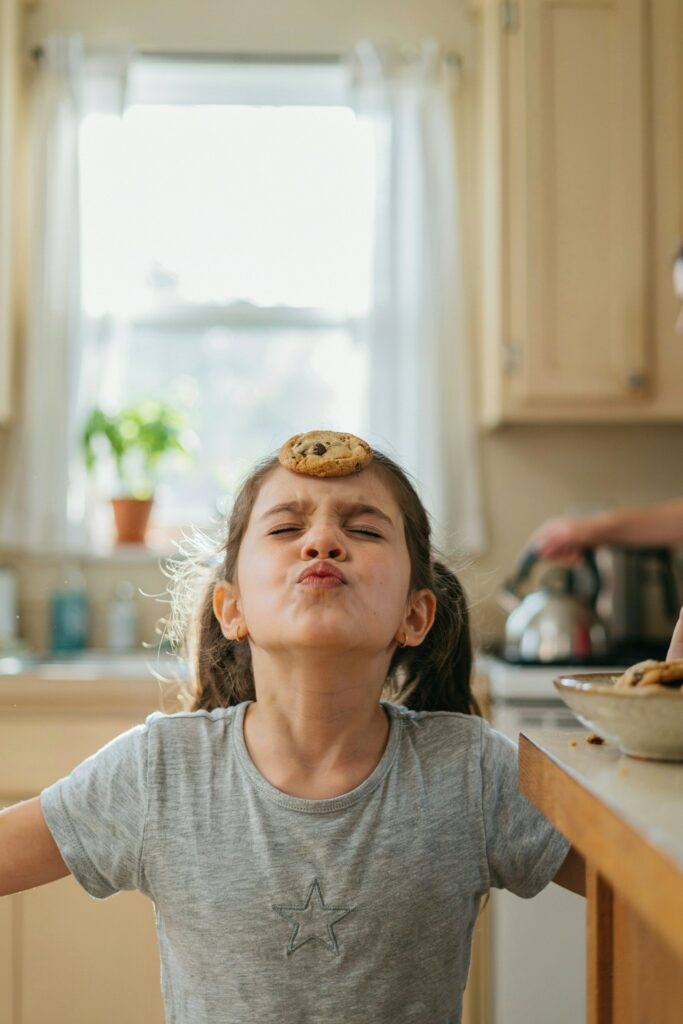
Kids place a cookie on their forehead and move it to their mouth without using hands. It’s a funny challenge that tests patience and control. Everyone enjoys watching facial expressions during the game. I prefer lightweight cookies for easier movement. It works well in small groups.
Pro Tip: Humour-based challenges improve participation in shy children.
12. Penny Drop
Kids drop coins into cups inside an egg carton with point values. It improves focus and aiming skills in a simple setup. Each child gets multiple tries to score points. I label cups clearly for better understanding. It’s great for quiet competition.
Insight: Precision games help improve concentration span in children.
13. Hula Hoop Contest
Kids try to keep a hula hoop spinning as long as possible. It builds balance, rhythm, and physical endurance. I often play music to make it more energetic. The last person with a moving hoop wins. It works well for group challenges.
Pro Tip: Music increases engagement and performance in physical activities.
14. Tunnel Relay
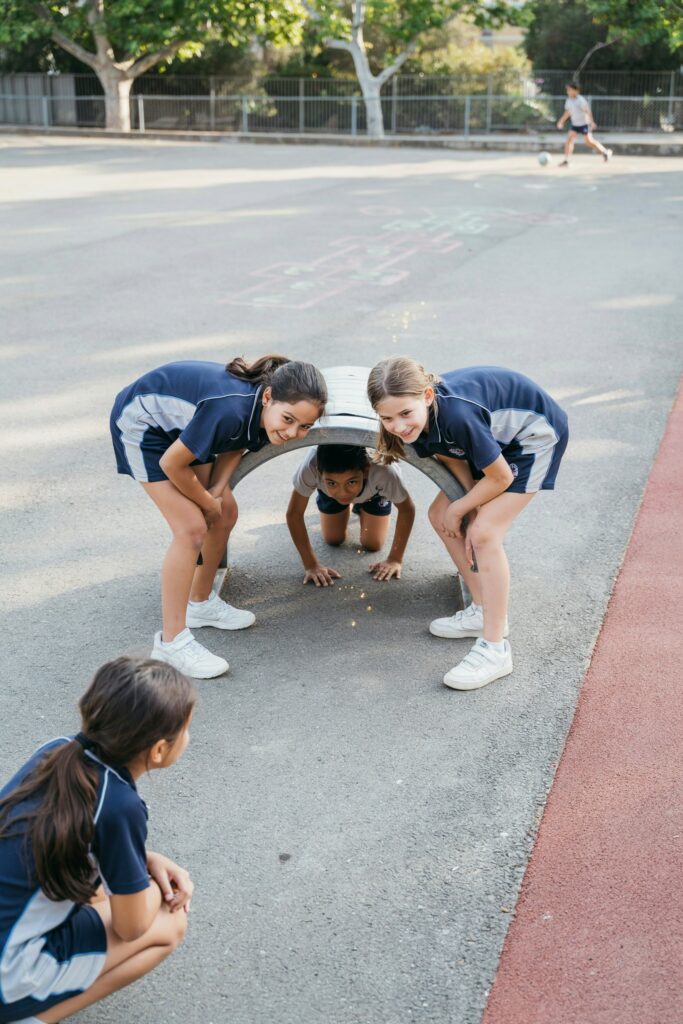
Kids form a tunnel with their legs while teammates crawl through it. It encourages teamwork and coordination in relay form. I make sure the surface is soft for safety. Each child gets a turn in both roles. It adds excitement to relay races.
Insight: Cooperative movement games improve social bonding among children.
15. Water Cup Relay
Kids carry water in cups on their heads without spilling. They move between buckets to transfer water as a team. It teaches balance and patience under pressure. I use small cups for younger kids. The team filling the bucket first wins.
Pro Tip: Water-based challenges improve focus under distraction.
16. Long Jump
Kids jump from a fixed line to measure distance. It helps build basic athletic skills and confidence. I record each attempt so they can track improvement. It works well for friendly competition. Simple setup makes it easy anywhere.
Fact: Repeated jumping activities strengthen lower body muscles in kids.
17. High Jump
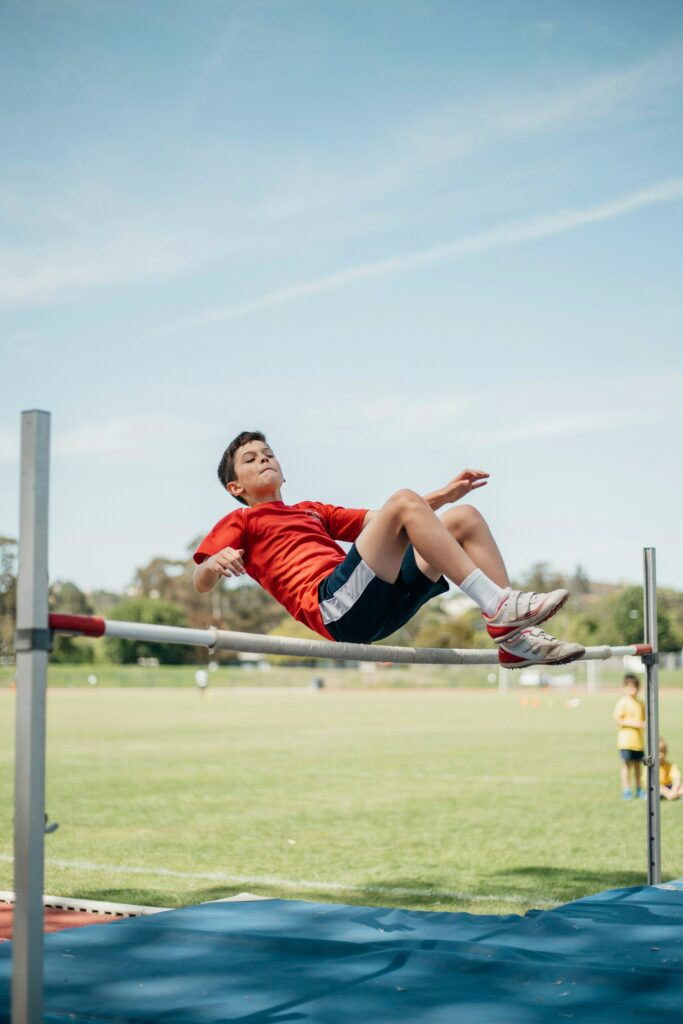
Kids jump over a bar made from rope or pool noodles. The height increases after each successful round. It builds strength and determination. I ensure soft landing areas for safety. It suits mixed age groups well.
Pro Tip: Gradual difficulty helps build confidence step by step.
18. Egg and Spoon Race
Kids balance an egg on a spoon and race to the finish line. It improves balance and focus under movement. I usually start with walking instead of running for beginners. If the egg drops, they restart. It’s a classic fun race.
Insight: Balance games improve fine motor control in early development.
19. Bean Bag Toss
Kids throw bean bags into targets with different point values. It builds accuracy and coordination skills. I adjust distance for different ages. Teams can also compete together. It’s easy and flexible for any space.
Pro Tip: Point systems make simple games more engaging for kids.
20. Tic-Tac-Toe
I draw a large grid on the ground and kids use objects as markers. It combines strategy with physical play. Players take turns placing their pieces. The goal is to get three in a row. It works well outdoors.
Insight: Strategy-based games improve decision-making skills in children.
21. Painted Tin Can Bowling
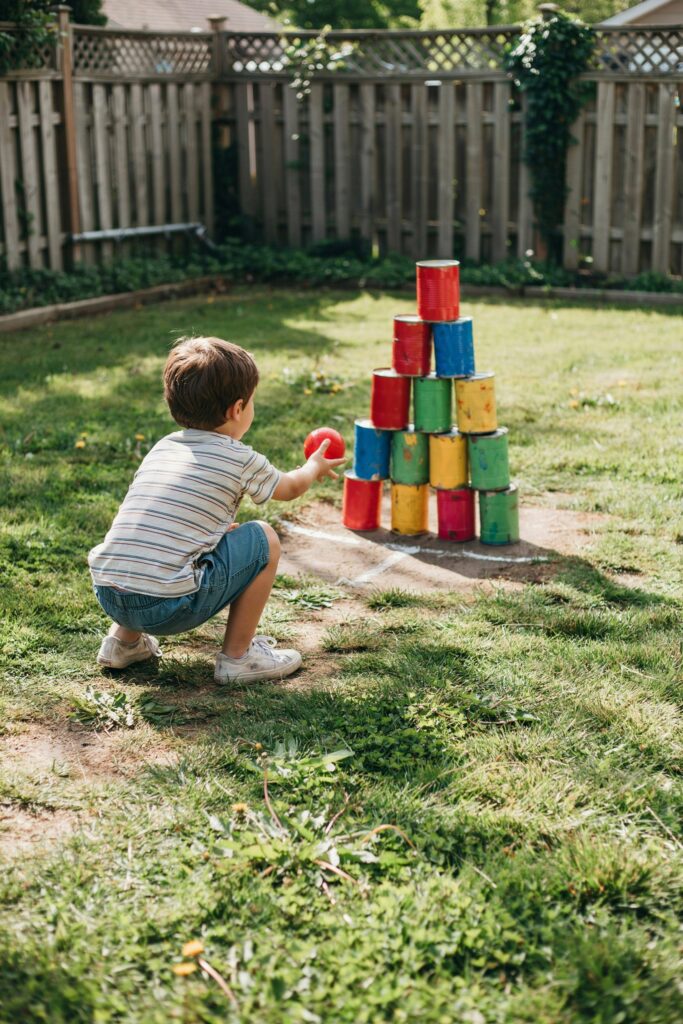
Kids knock down painted cans arranged in a pyramid. It’s a great recycling-based activity. I use soft balls to ensure safety. It adds creativity through colorful designs. Kids enjoy both setup and gameplay.
Pro Tip: Recycling games teach environmental awareness early.
22. Crab-Walk Race
Kids race while moving in a crab-walk position. It builds strength and coordination in a fun way. I keep the distance short for safety. It usually leads to lots of laughter. It’s simple but energetic.
Fact: Body-weight movement games improve core strength.
23. Water Balloon Race
Kids move water balloons from one bucket to another carefully. It adds excitement and outdoor fun. I place buckets at a safe distance. Grass areas work best for this activity. It keeps kids active and engaged.
Pro Tip: Outdoor water games are best for warm weather safety.
24. Pool Noodle Javelin
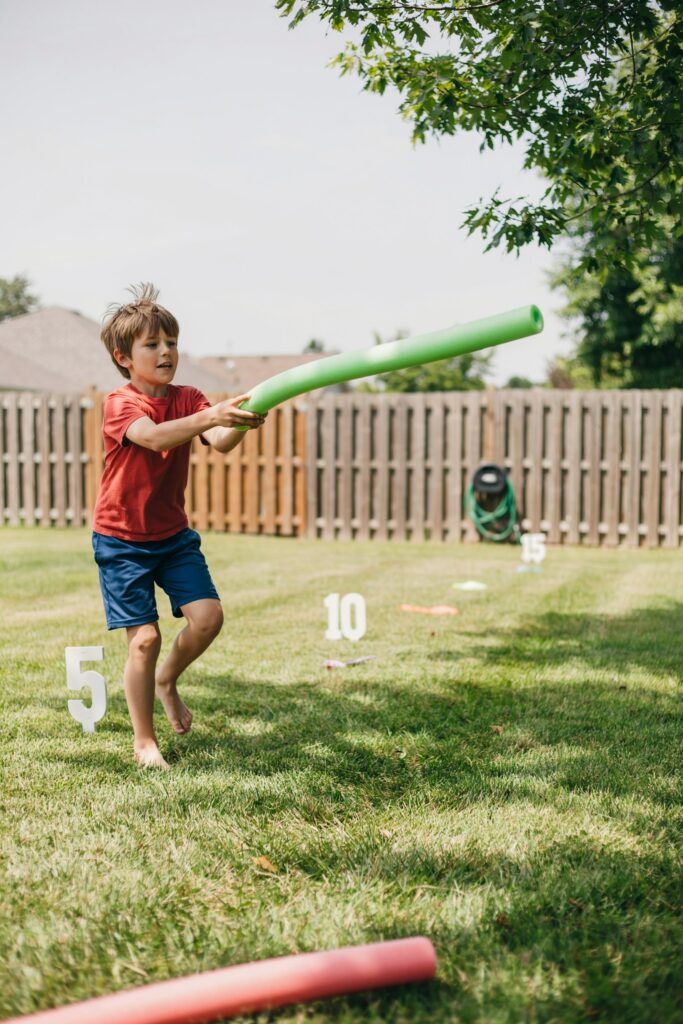
Kids throw pool noodles as far as possible. It’s a safe version of the javelin event. I mark distances to track performance. It works well for all age groups. It’s easy to organize anywhere.
Insight: Soft sports tools allow risk-free competitive play.
25. Obstacle Course
I design a course using household items like chairs and cones. Kids crawl, jump, and balance through challenges. It builds agility and problem-solving skills. I time each child for excitement. It’s highly customizable.
Pro Tip: Obstacle courses improve both physical and mental flexibility.
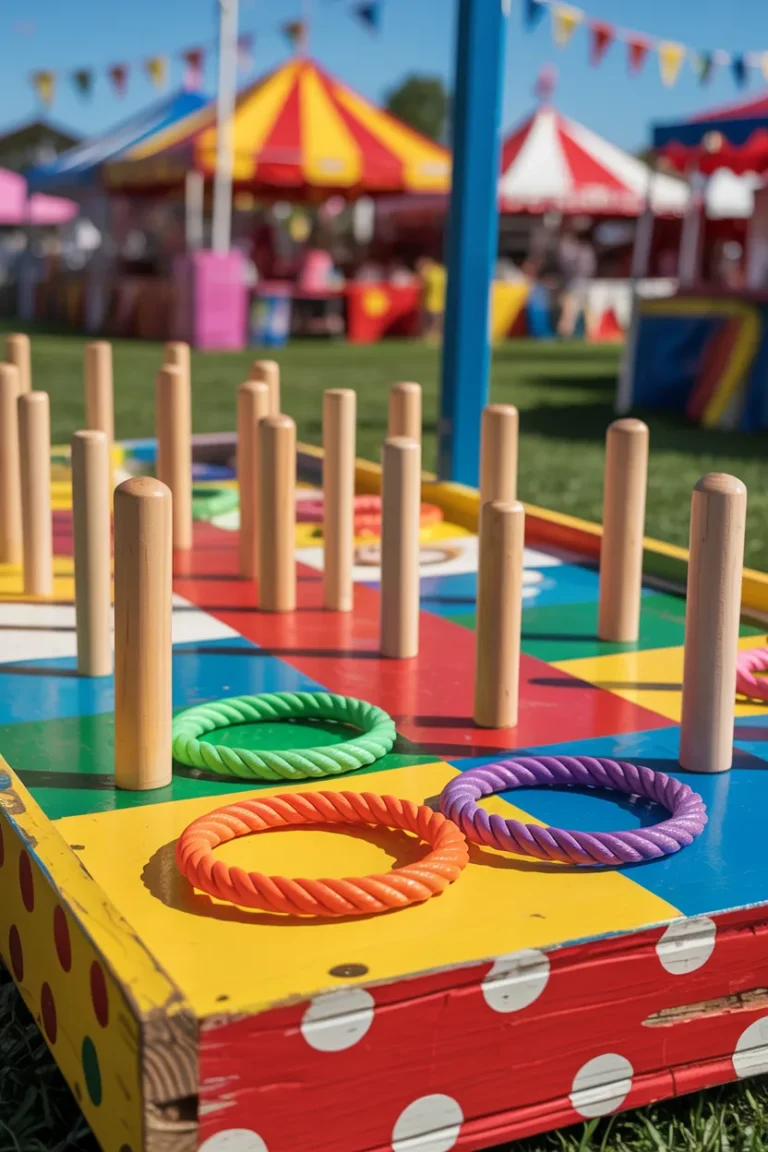
26. Olympic Hoop Ring Toss
Kids throw hoops onto standing sticks for points. It improves focus and aim control. I assign point values to different distances. It can be played indoors or outdoors. It’s simple but engaging.
Fact: Repetitive aiming games strengthen hand-eye coordination.
27. Equestrian Events
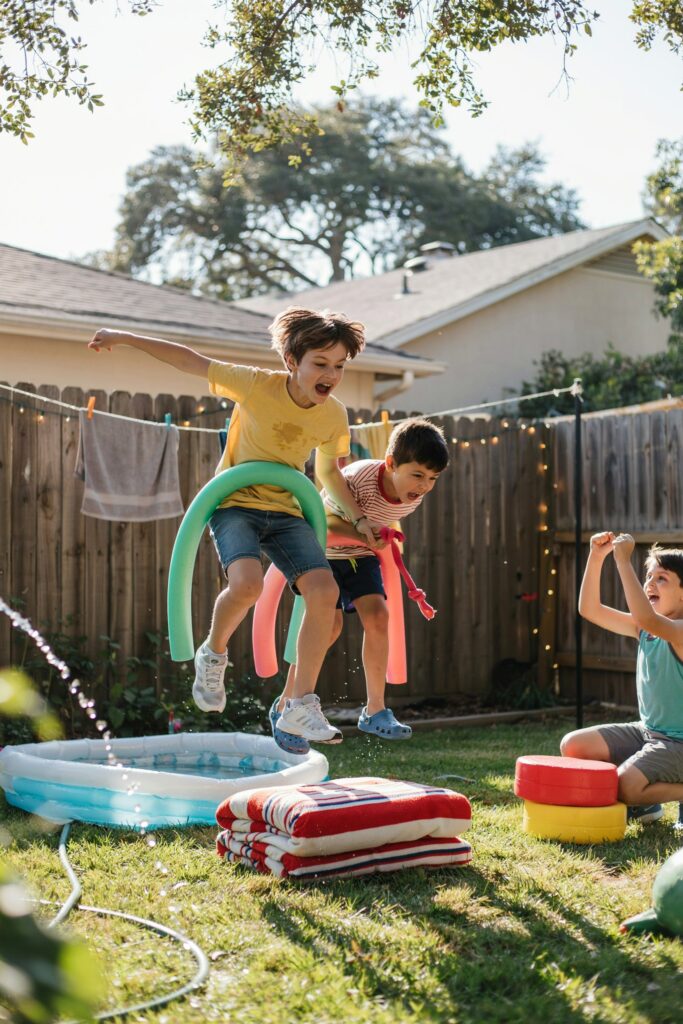
Kids use pool noodles as pretend horses for jumping courses. It encourages imagination and movement. I set up soft obstacles for safety. Kids enjoy pretending while racing. It’s creative and active play.
Pro Tip: Imaginative play improves storytelling and confidence.
28. Discus Throw
Kids throw a frisbee or foam plate as far as possible. It helps develop throwing coordination. I mark landing points for scoring. It’s easy to set up outdoors. It works for all skill levels.
Insight: Throwing games support upper body motor development.
29. Shot Put
Kids throw a soft ball or foil ball from a fixed position. It builds upper body strength and technique. I ensure they don’t cross the line. Each throw is measured for fairness. It’s simple and effective.
Pro Tip: Technique matters more than strength in beginner sports.
30. Ice Hockey
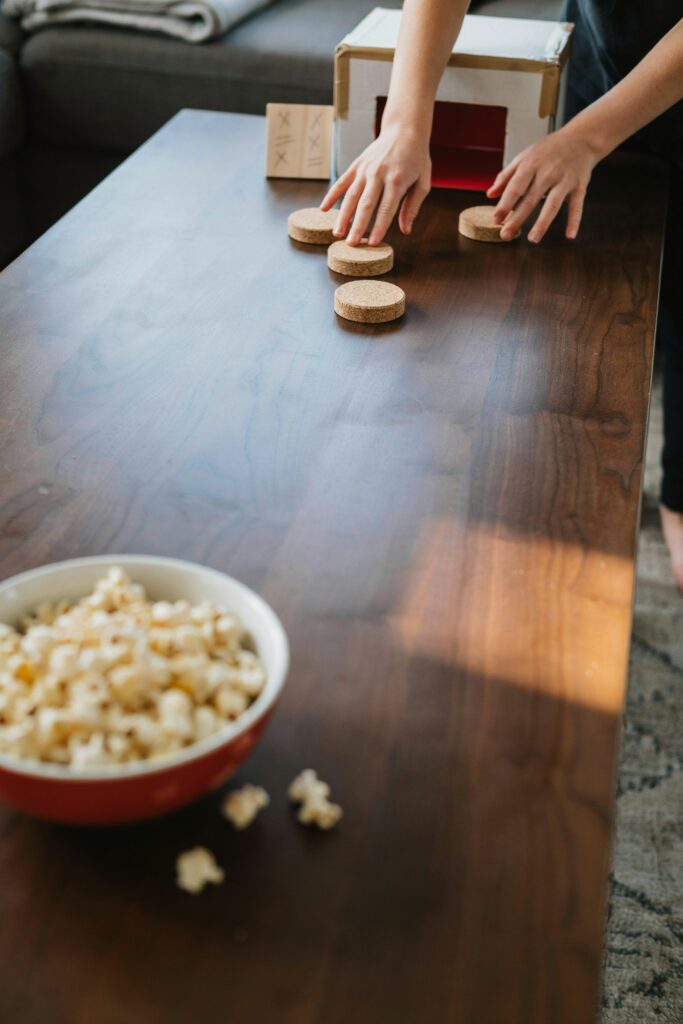
Kids push a cork across a frozen surface inside a bowl. It simulates hockey in a fun tabletop way. I set small goals for scoring. It’s great for indoor play. It introduces basic sports ideas creatively.
Fact: Mini sports versions help kids understand real game rules easily.