



I use printable board games a lot when I want quick, low-cost entertainment at home or in classrooms. They are easy to set up, need no special equipment, and work for almost every age group. From memory games to geography and grammar-based activities, printable board games help mix fun with learning in a simple way.
In this guide, I cover 28 printable board games that I personally find useful for improving skills like memory, vocabulary, math, creativity, and social interaction. Many of these games are also used in schools because they support active learning and teamwork.
Key Takeaways
- Printable board games are affordable and easy to use anywhere
- They improve memory, math, language, and social skills
- Most games can be adapted for home or classroom use
- Many games support learning through play (especially for kids aged 5–10)
- Creativity-based games help build communication and confidence
1. Rain & Rainbow Board Game
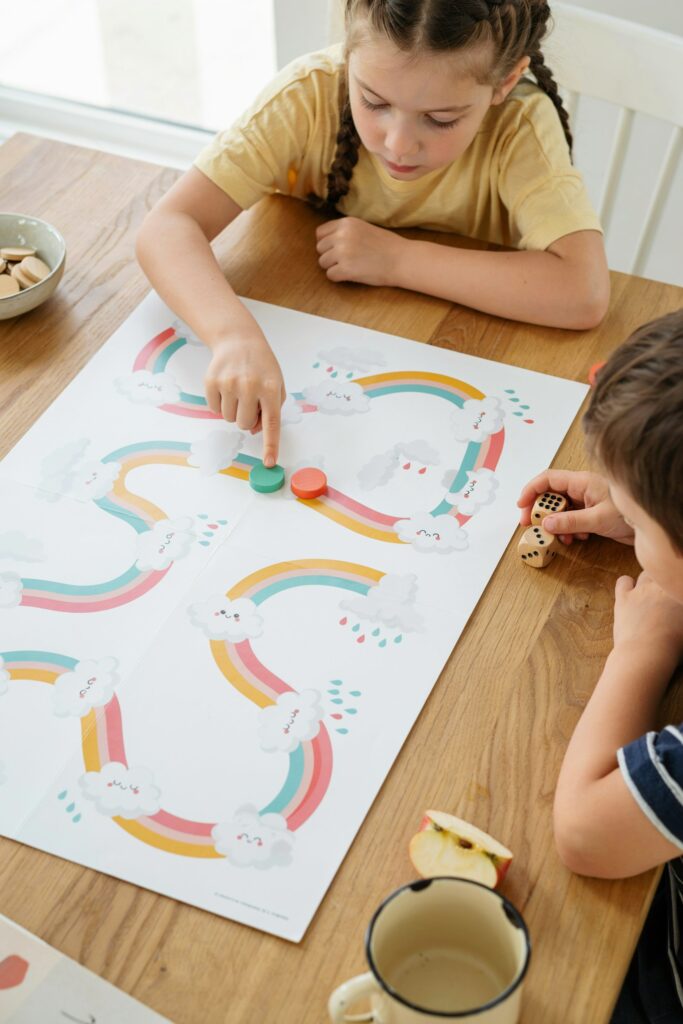
I use this printable board game as a simple starting activity for young children because it is easy to understand and keeps them engaged. The gameplay is based on dice movement where rainbows help players move forward and dark clouds send them backward. It mixes fun with basic counting practice and helps kids learn turn-taking naturally during group play.
Pro Tip: I usually replace paper tokens with small physical objects like buttons or coins to make the game feel more real and engaging.
2. Sea Animals Matching Game
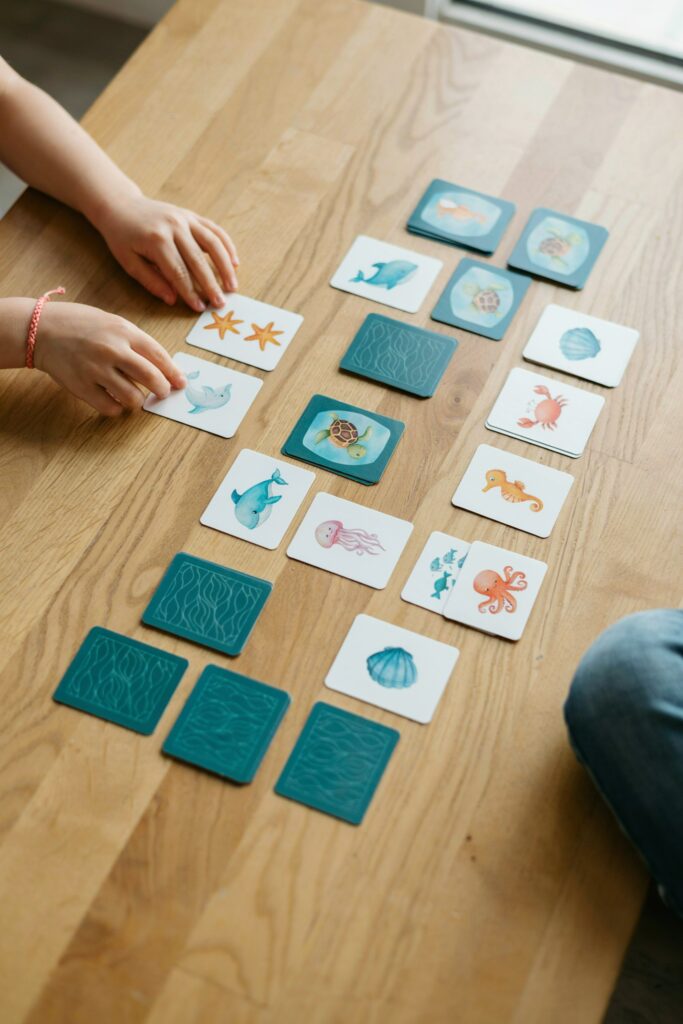
I use this memory matching game to help kids improve focus and recognition skills while also learning about sea life. Players flip cards and try to find matching pairs of underwater animals, which strengthens visual memory through repetition. It is especially useful for younger learners who struggle with attention span.
Fact: Memory-based matching games are widely used in early education because they help improve short-term recall and concentration skills.
3. Countries & Capitals Bingo
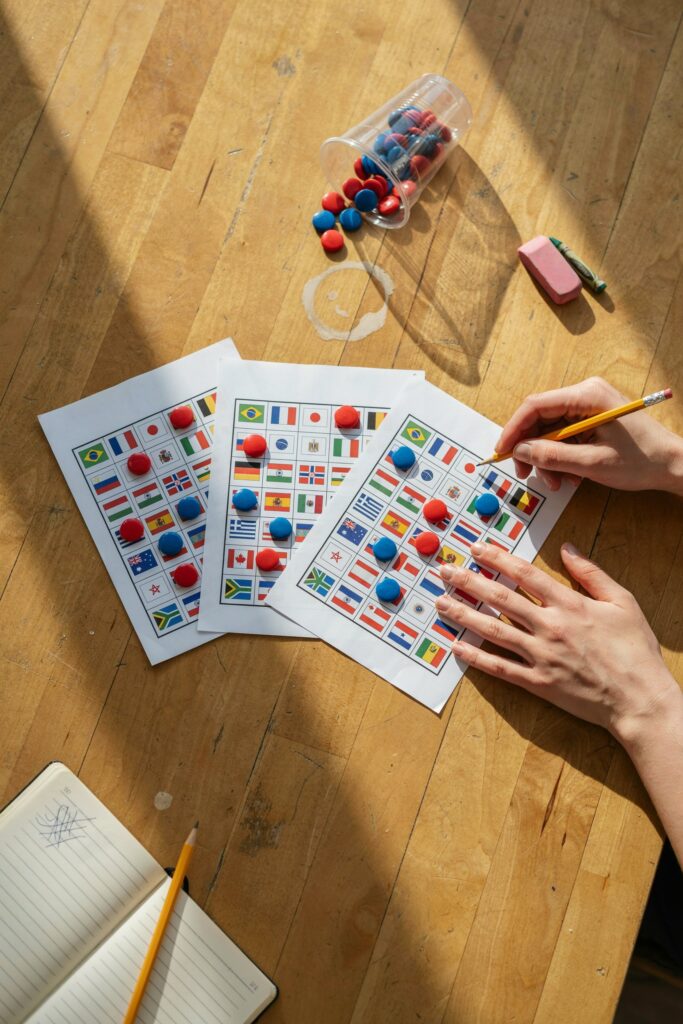
I use this geography bingo game when I want to make learning countries and capitals more interactive. Players match called-out capital cities with their corresponding countries on bingo cards, which builds repetition-based learning. It works well in both classrooms and home study sessions.
Insight: Repeated exposure to geography games like bingo improves long-term memory retention compared to passive reading methods.
4. Guess the Picture Book by the First Line
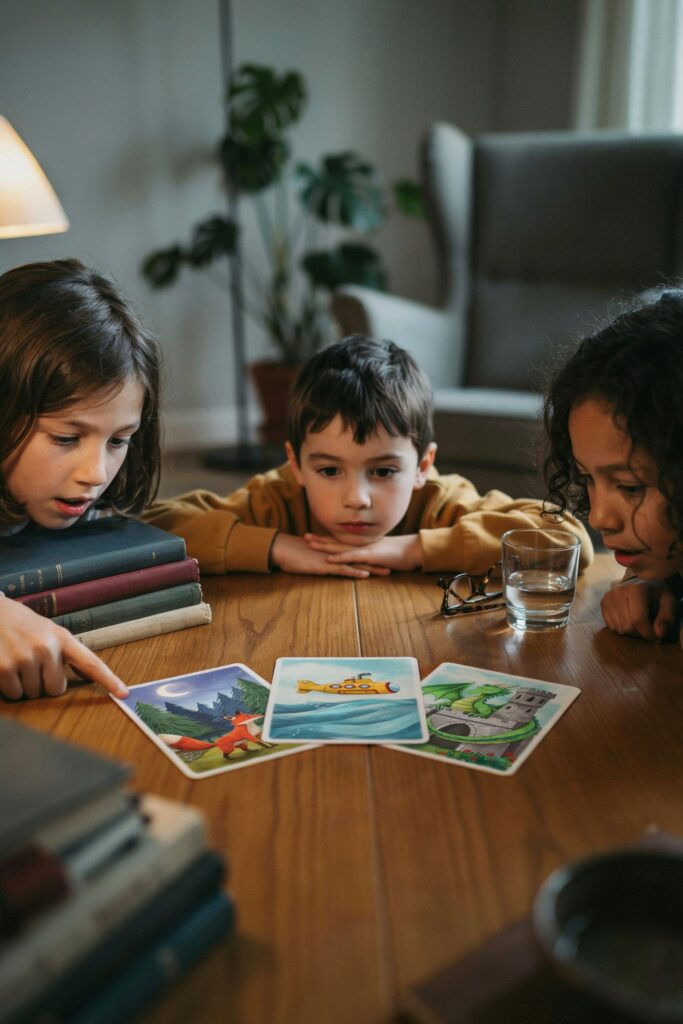
I use this reading-based game to test how well players remember children’s books from their opening lines. It encourages reading habits while also improving memory recall of stories. Kids enjoy the challenge because it feels like a quiz rather than study work.
Pro Tip: I mix popular and lesser-known books so players stay challenged and don’t rely only on familiar titles.
5. USA States, Capitals, and Flags
I use this printable set to teach US geography in a structured and visual way that combines states, capitals, and flags together. It helps learners connect information faster because they see multiple formats at once. It is highly effective for memory building in students.
Fact: Studies show that combining visual and text-based learning improves retention significantly in children.
6. Canada: Provinces, Capitals, and Flags
I use this Canada-focused version after teaching US geography to build stronger map understanding. Players learn provinces, capitals, and flags through matching and repetition-based activities. It strengthens recognition skills and improves geographical awareness.
Pro Tip: I ask learners to say one quick fact after each correct match to reinforce memory.
7. No Thank You, Evil!
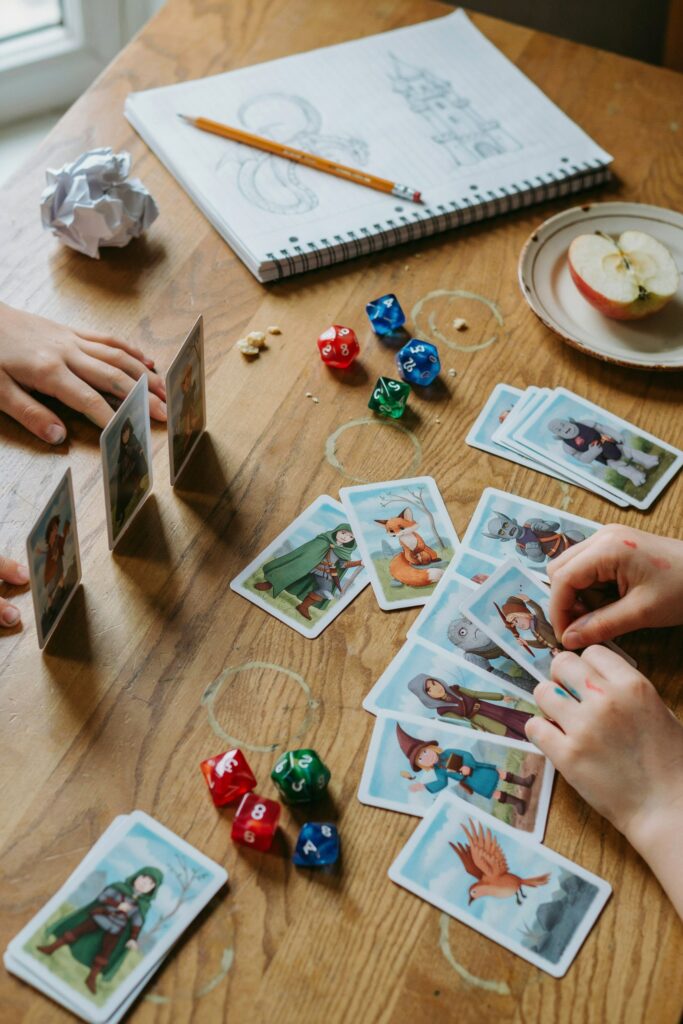
I use this storytelling game when I want kids to develop creativity and imagination through role-playing. Players create characters and build stories together, which encourages cooperation and flexible thinking. It works well because there are no strict rules, just guided imagination.
Insight: Open-ended storytelling games improve creative thinking and communication skills in children.
8. How Am I Feeling? Charade Game
I use this emotion-based charade game to help children understand feelings and expressions in a fun way. Players act out emotions while others guess, which builds emotional awareness and social understanding. It is especially helpful for improving empathy.
Fact: Emotion recognition games are often used in classrooms to support social and emotional learning development.
9. Taboo

I use this word description game to improve vocabulary and communication skills in a more challenging way. Players must describe a word without using restricted terms, which forces creative thinking. It works well for both teens and adults in group settings.
Pro Tip: I shorten the time limit in later rounds to increase pressure and make the game more competitive.
10. Pictionary
I use this drawing-based game in group activities because it improves communication and quick thinking at the same time. Players draw clues while others guess the word within a time limit. It encourages participation even from shy players.
Insight: Visual expression games like Pictionary help strengthen brain-to-hand coordination and idea recall.
11. Telestrations
I use this chain drawing game when I want a fun, unpredictable group activity. Players alternate between drawing and guessing, which often leads to funny changes in meaning. It is great for breaking the ice in group settings.
Fact: Communication distortion games like this help people understand how messages change during interpretation.
12. Colour Crisis Escape Room Kit
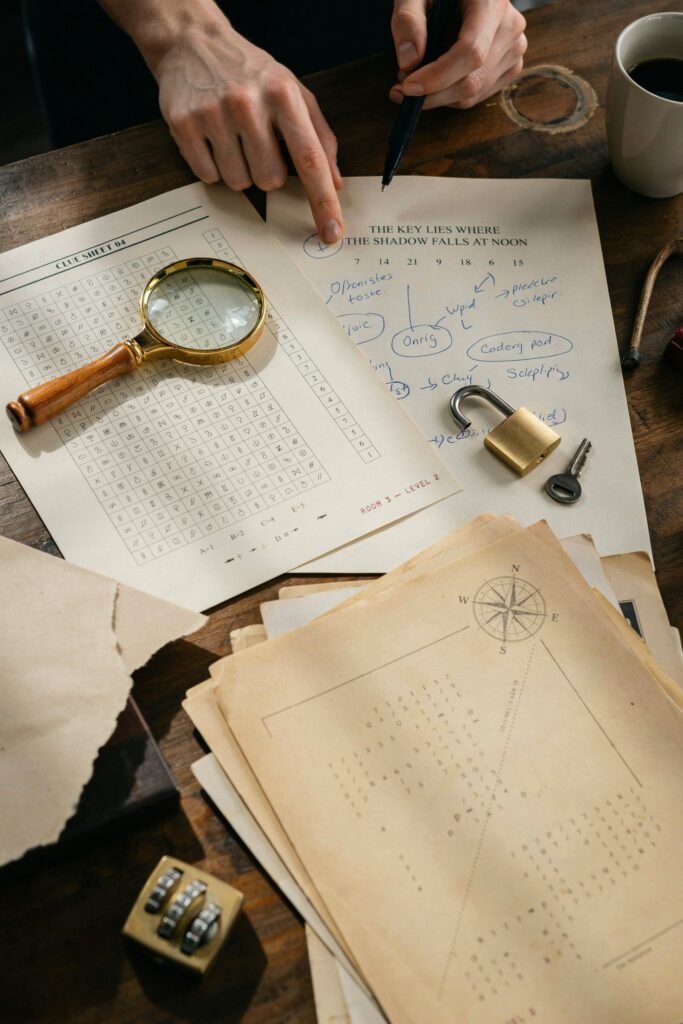
I use this printable escape room kit for group problem-solving activities that require teamwork and logic. Players solve puzzles step by step to complete a storyline and “escape.” It builds patience, coordination, and critical thinking.
Pro Tip: I set a strict time limit to increase excitement and make teamwork more focused.
13. Guess Who Said It – Disney Edition
I use this Disney-themed quiz game to test memory and movie knowledge in a fun way. Players guess which character said a quote from popular Disney films. It is enjoyable for mixed-age groups and keeps engagement high.
Fact: Familiar entertainment-based quizzes improve recall speed because they activate existing memory associations.
14. Scattergories
I use this fast-thinking category game to improve vocabulary and mental speed. Players must quickly write words that match a category and letter under time pressure. It is competitive and encourages creative thinking.
Insight: Time-based word games improve cognitive flexibility and decision-making speed over repeated practice.
15. Dinosaur Counting Game
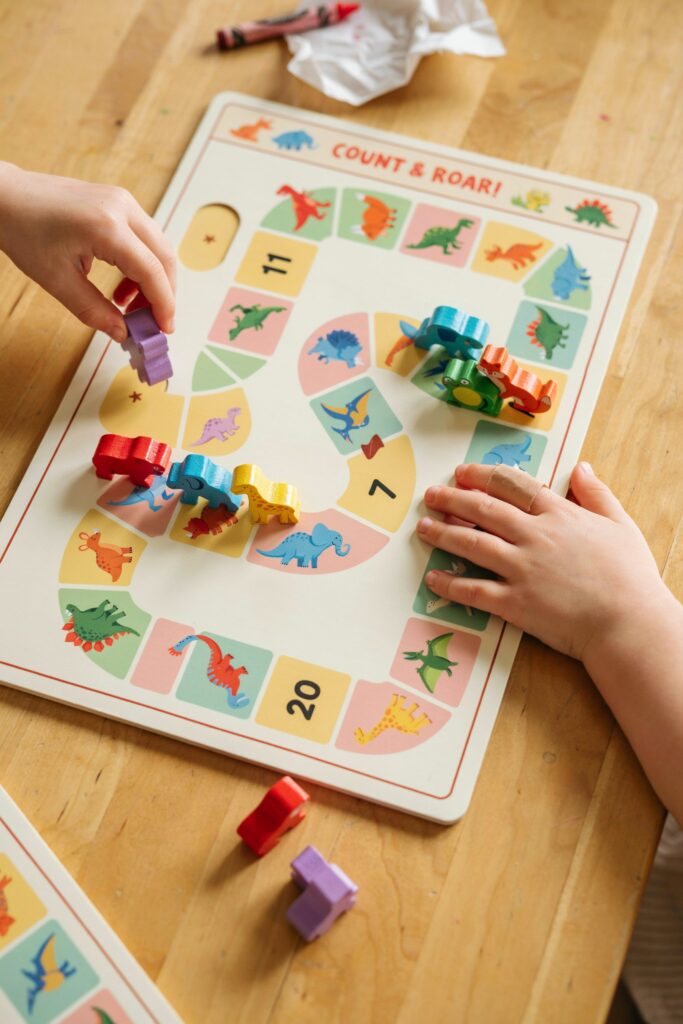
I use this counting-based printable game to help younger children practice basic numbers in a fun way. The dinosaur theme keeps them engaged while they move pieces and count steps. It is especially helpful for early math learning.
Pro Tip: I use reward tokens after correct counting rounds to motivate younger learners.
16. Space Counting Game
I use this space-themed counting game to make early math practice more exciting for kids. Players follow instructions and count objects while moving through a space adventure board. It helps improve number recognition and listening skills.
Fact: Themed educational games increase student engagement by making abstract concepts feel more visual and interactive.
17. Pirate Board Game
I use this pirate-themed printable game to teach basic counting and movement skills through a treasure-hunting adventure. Players roll dice, move across the board, and collect rewards while solving simple tasks. It builds early math understanding in a fun environment.
Pro Tip: I add bonus treasure spots to increase excitement and keep players motivated.
18. Collecting Bugs Addition Game
I use this addition-based game to make early math practice more interactive for children. Players collect bugs by solving simple addition problems while moving across the board. It turns learning into a playful activity instead of a lesson.
Insight: Gamified math learning reduces fear of numbers and increases confidence in problem-solving.
19. Spelling Battleship
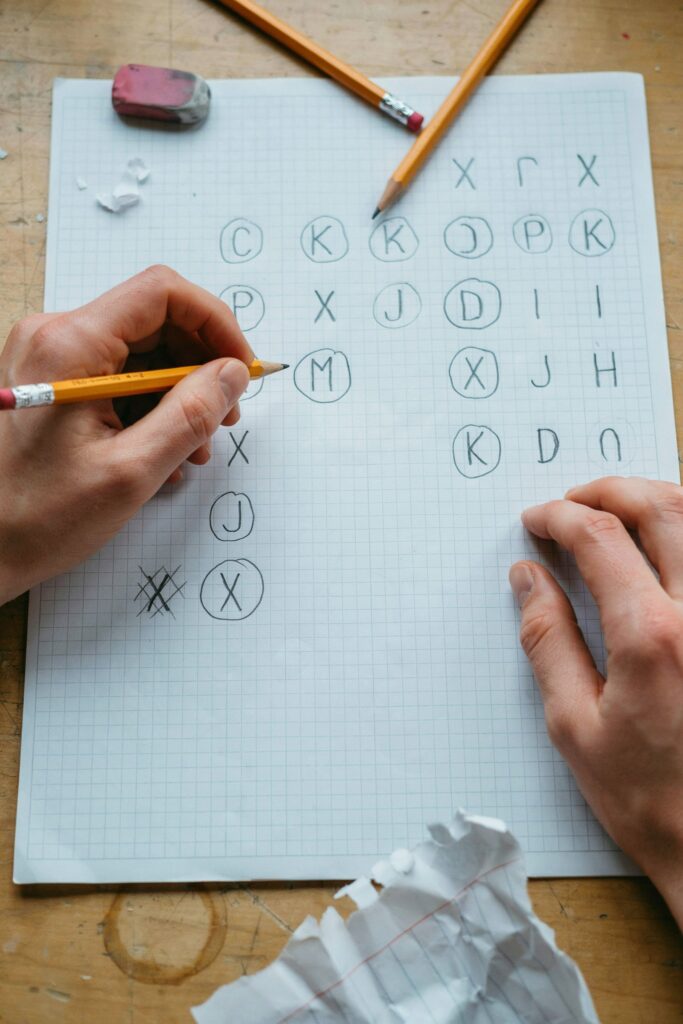
I use this spelling version of Battleship to help learners improve vocabulary and spelling accuracy. Players guess letters to uncover hidden words on a grid. It makes spelling practice feel like a strategy game.
Fact: Game-based spelling activities improve word retention better than memorization alone.
20. Grammargories
I use this grammar-focused category game to strengthen language structure understanding. Players think of words based on grammar categories under time pressure. It improves sentence-building skills in a fun way.
Pro Tip: I mix simple and advanced grammar categories to adjust difficulty for different learners.
21. Parts of Speech Tic Tac Toe
I use this grammar-based Tic Tac Toe game to make learning parts of speech more interactive. Players answer grammar questions correctly to place their mark on the board. It helps reinforce language rules without boring drills.
Insight: Interactive grammar games improve long-term understanding of sentence structure.
22. Vocabulary Question Cube
I use this dice-based vocabulary game to make word learning more random and engaging. Each roll gives a task like defining a word or using it in a sentence. It works well for mixed-level learners.
Fact: Randomized learning activities improve adaptability in language development.
23. Vocab Bingo
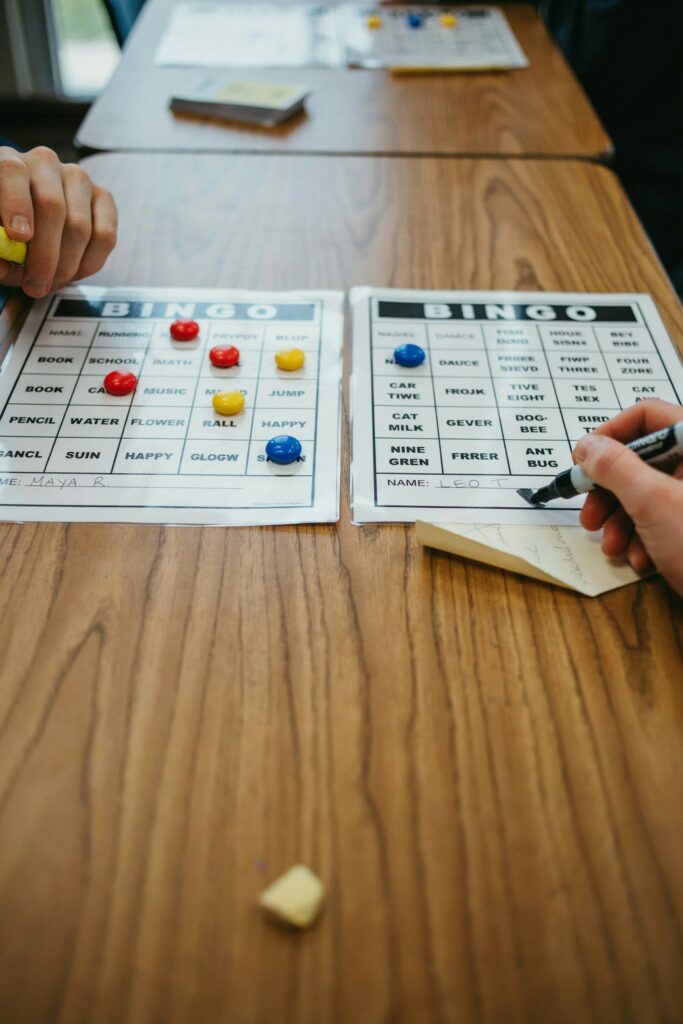
I use this vocabulary bingo game to strengthen word recognition through listening and matching. Players mark words on their cards after hearing definitions. It is effective in both classrooms and home learning.
Pro Tip: I read definitions faster in later rounds to increase difficulty.
24. Word Family Uno
I use this phonics-based Uno game to help children learn word patterns like “-at” and “-ing.” It improves early reading fluency through repetition and pattern recognition. It is simple and effective for beginners.
Insight: Word family recognition is a key foundation for early reading success.
25. Solve It! Parts of Speech
I use this grammar puzzle game to help learners complete sentences with correct parts of speech. It builds sentence structure awareness in a hands-on way. It works well for both home and classroom learning.
Fact: Fill-in-the-blank grammar exercises improve writing accuracy over time.
26. Talktastic
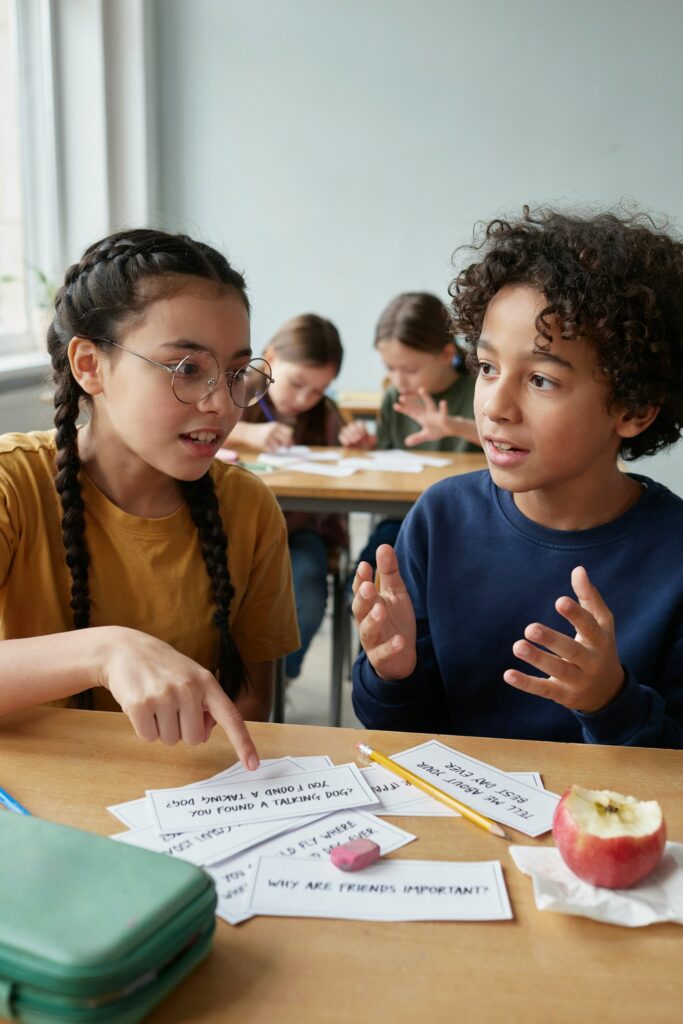
I use this speaking-based game to improve communication and confidence in expressing ideas. Players respond to prompts and complete speaking tasks in front of others. It helps reduce hesitation in speaking.
Pro Tip: I use real-life conversation topics to make responses more natural and engaging.
27. The Lucky Star Game
I use this storytelling board game to improve creativity and expressive language skills. Players create dialogues based on images as they move across the board. It is very effective for imaginative learning.
Insight: Story-based learning improves verbal fluency and creative thinking in children.
28. Race Around The World
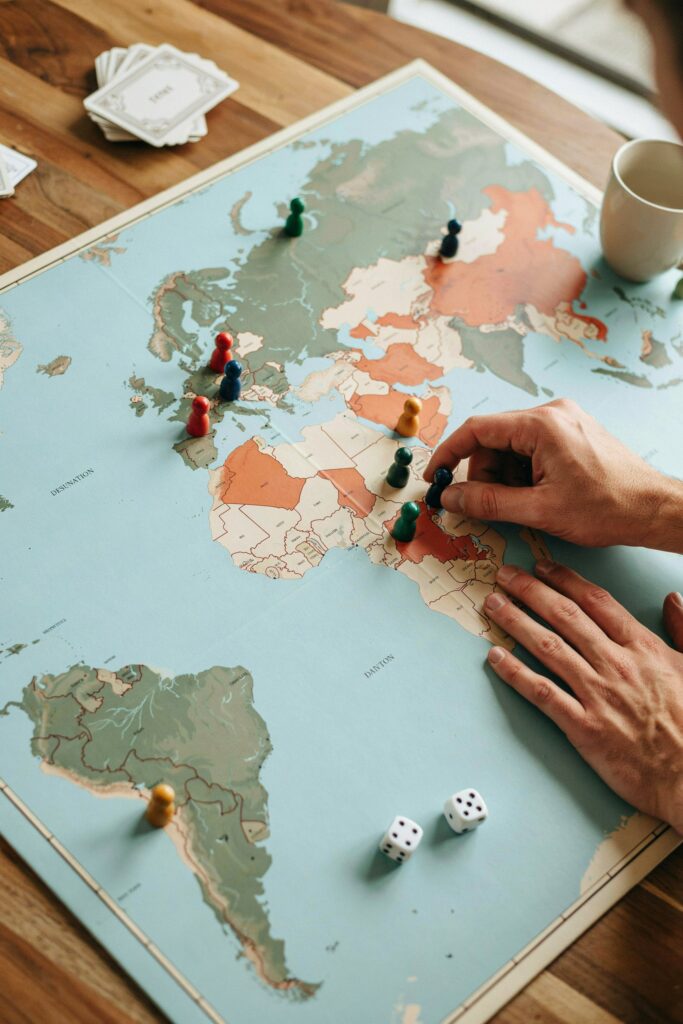
I use this geography-based printable game to teach world awareness in an interactive way. Players travel across a map while completing challenges and answering prompts. It makes geography feel like an adventure instead of a subject.
Fact: Interactive map-based learning improves spatial awareness and global understanding in students.