

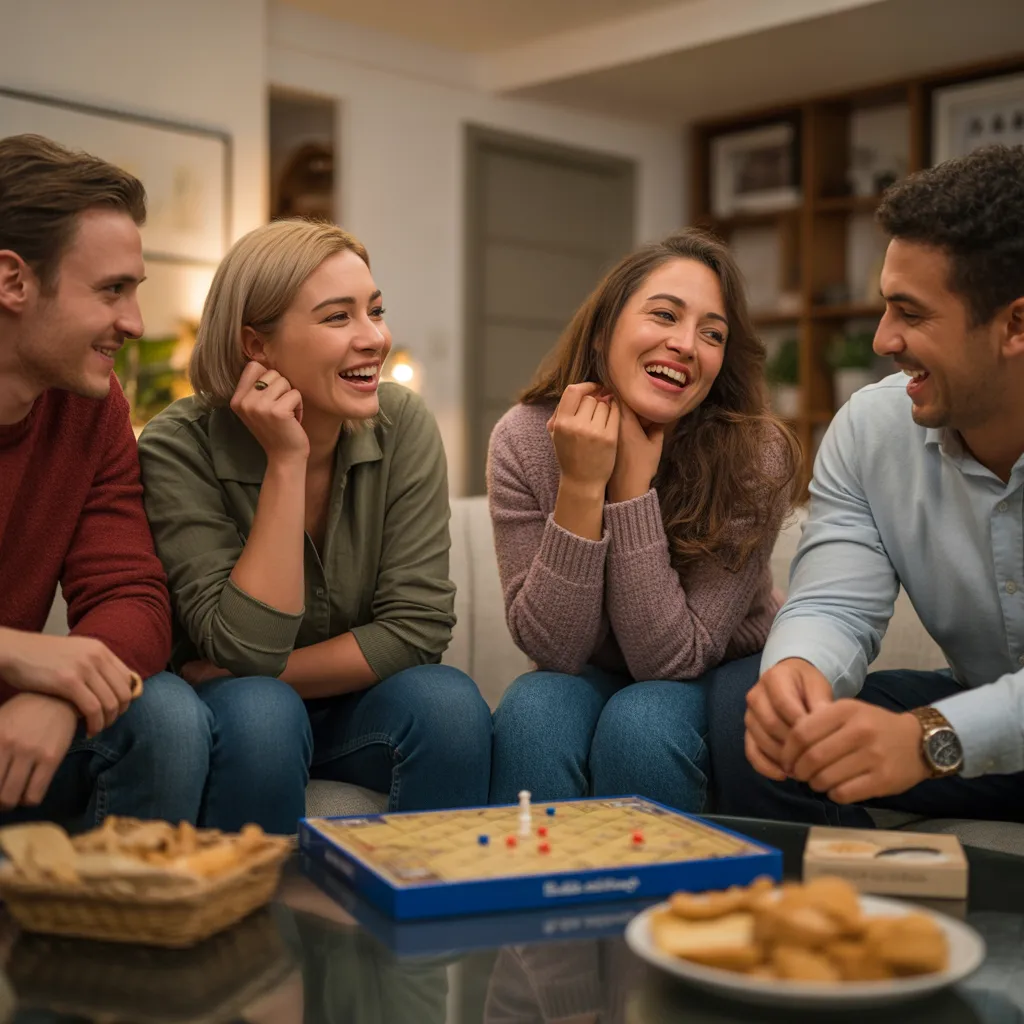
I created this collection of 50 printable trivia games for seniors to make learning, memory recall, and social interaction more engaging. These games cover music, history, movies, geography, sports, food, and culture from different decades.
In my experience, trivia is one of the easiest ways to keep seniors mentally active because it naturally triggers memories and conversations. Each game is designed to be simple, fun, and conversation-based so it works well in group settings, senior centers, or at home.
These printable trivia sets also help improve recall speed, attention, and general knowledge while keeping the experience enjoyable rather than stressful.
Key Takeaways
- I designed these trivia games to support memory, focus, and social bonding
- Topics include history, pop culture, sports, geography, music, and literature
- Best suited for senior communities, family gatherings, and care centers
- Helps stimulate long-term memory and encourage conversations
- Easy-to-use printable format for group or individual play
1. 50s Music Trivia
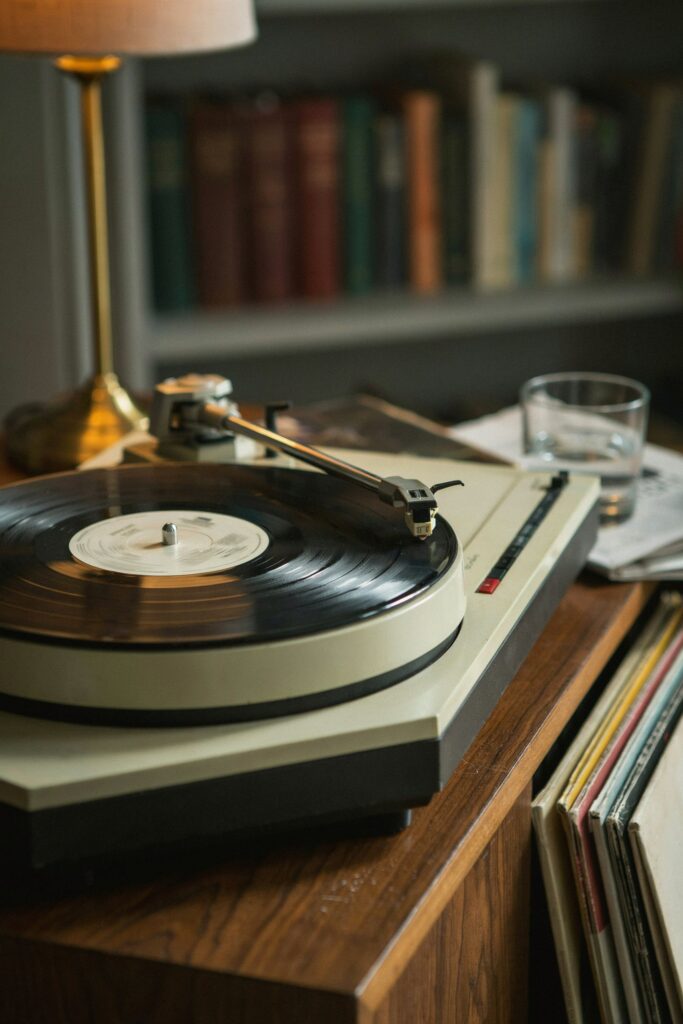
I use 1950s music trivia because it strongly connects seniors with their early memories. Questions often focus on classic artists like Bill Haley and the Comets and songs from that era.
This type of game works well because music memory is often preserved longer than other types of recall. I’ve found it sparks storytelling and nostalgia naturally during group sessions.
2. 60s History Trivia
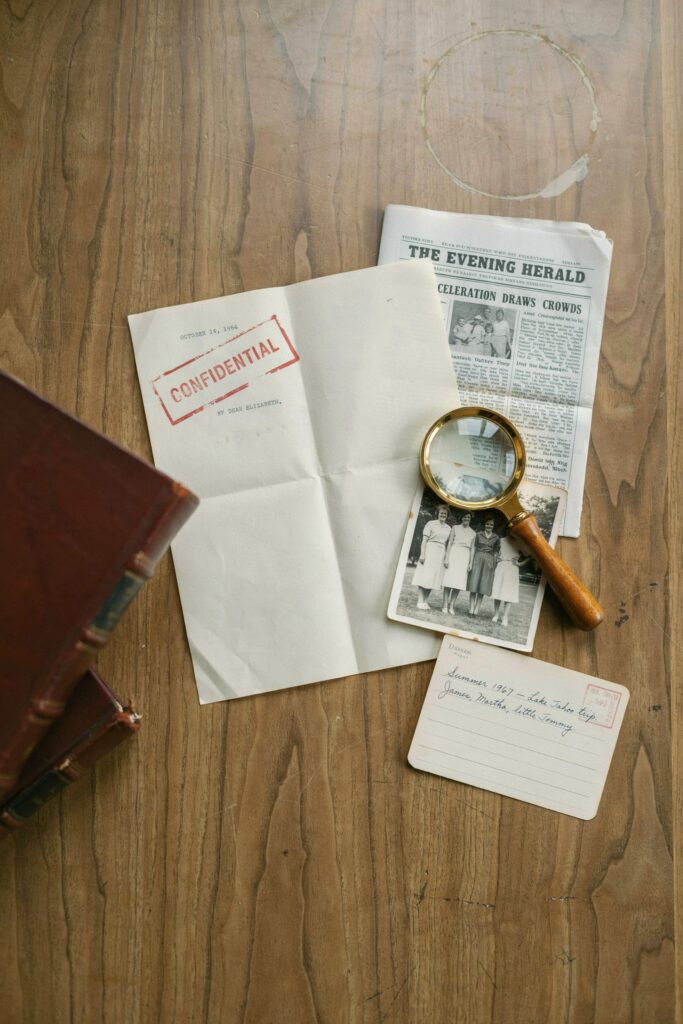
This game focuses on major events from the 1960s, including civil rights movements and political milestones. I include questions like landmark Supreme Court appointments and global events.
From my experience, this decade-based trivia helps seniors reconnect with events they personally witnessed. It also encourages deeper discussions about how the world has changed over time.
3. 70s Pop Culture Trivia

I use 1970s pop culture trivia to highlight TV shows, fashion, and entertainment trends. Questions often include iconic shows like Star Trek and cultural references from the decade.
This game works well in social settings because it brings out shared memories. It often leads to group discussions about favorite shows and childhood routines.
4. 80s TV Show Trivia

This trivia focuses on popular 1980s TV shows and characters. I include questions about animated series, sitcoms, and classic family shows.
In my experience, this is one of the most engaging categories because many seniors still clearly remember these shows. It often triggers laughter and shared storytelling.
5. 90s Music Trivia

This game highlights 1990s music trends and famous bands. I include questions about popular artists and major music hits from the decade.
I’ve noticed this category works especially well for younger seniors or those with strong interest in modern music history. It helps refresh long-term memory through familiar songs.
6. Geography Trivia
I use geography trivia to test knowledge of countries, capitals, and landmarks. Questions often include capitals like Canberra and global locations.
This category is effective because it keeps the brain active through recall-based learning. It also encourages curiosity about world cultures.
7. Holiday Trivia
Holiday trivia covers traditions, festive characters, and global celebrations. I include questions about Christmas, Easter, and other cultural holidays.
This game works well during seasonal events because it creates a festive atmosphere. It also encourages seniors to share personal holiday memories.
8. Sports Trivia
I include sports trivia focused on Olympic events, famous athletes, and rules of popular sports.
From my experience, sports fans especially enjoy recalling historic achievements and legendary players. It encourages friendly competition in group settings.
9. Movie Quotes Trivia
This game focuses on famous movie lines and classic films. I include questions from old Hollywood to modern cinema.
It works well because seniors often remember emotional or iconic movie moments clearly. It also sparks discussions about favorite films.
10. Famous Firsts Trivia
I use this category to highlight historical “firsts” like first explorers, leaders, and inventions.
This game is effective because it connects learning with achievement-based memory. It also encourages curiosity about historical milestones.
11. Food Trivia
I use food trivia because it connects directly with everyday life and shared experiences. Questions usually cover ingredients, popular dishes, and world cuisines like hummus or sushi.
From my experience, this category always creates conversation because seniors naturally relate food to memories, family traditions, and cooking habits. It also makes the session more relaxed and social.
12. Presidents Trivia
I include presidents trivia to help seniors recall key moments in U.S. history and leadership. Questions often focus on early presidents and major historical decisions.
This game works well because many seniors learned this in school or lived through major political eras. It often leads to discussions about historical events they personally remember.
13. Political Figures Trivia
This trivia focuses on important global leaders and political personalities. I include questions about prime ministers, presidents, and influential world figures.
I’ve noticed this category encourages awareness of global history and helps seniors connect political events with real-world outcomes they witnessed.
14. Nobel Prize Winners Trivia
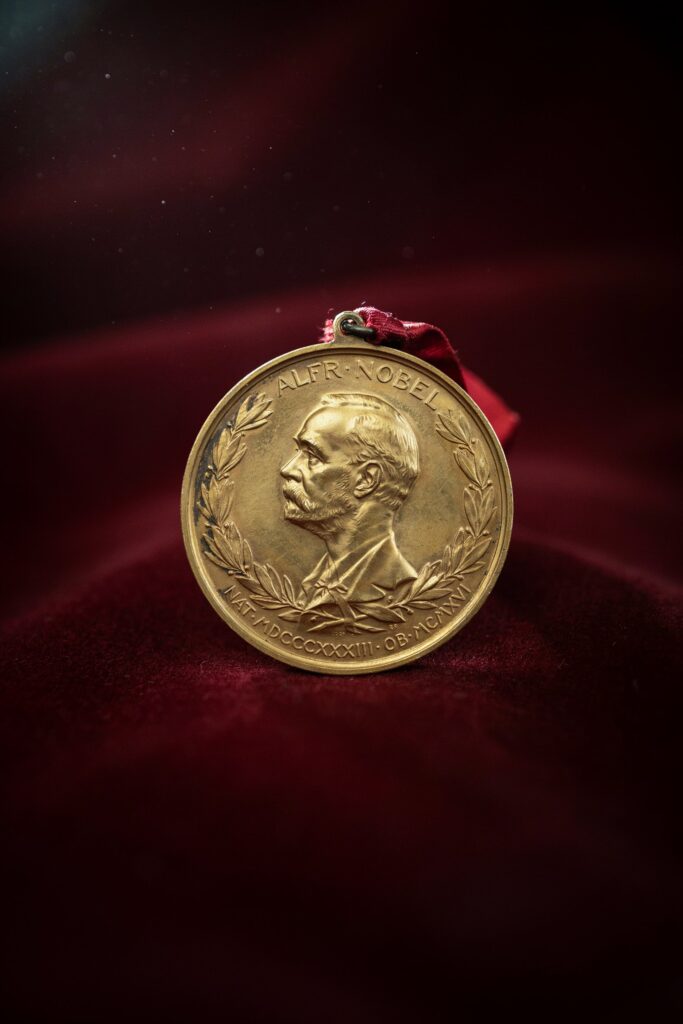
I use Nobel Prize trivia to highlight achievements in peace, science, and literature. Questions often include first winners or major breakthrough contributors.
This category works well because it celebrates real accomplishments and inspires interest in learning about impactful individuals. It also encourages meaningful discussions in group settings.
15. Famous Inventions Trivia
This game focuses on inventions that changed daily life, like the light bulb or typewriter.
From my experience, seniors enjoy this category because it connects history with practical life improvements they have seen over time. It also helps improve recall of basic general knowledge.
16. Music Legends Trivia
I include music legends trivia to highlight iconic singers and bands across decades. Questions often cover artists like The Beatles and famous soul singers.
This is one of the strongest memory-based categories because music is deeply tied to emotions and personal history. It often triggers singing, storytelling, and nostalgia.
17. Historical Landmarks Trivia
This trivia focuses on famous global landmarks such as the Eiffel Tower or Machu Picchu.
I’ve found it works well because it blends geography with history, helping seniors visualize places they may have visited or learned about earlier in life.
18. Capitals of the World Trivia
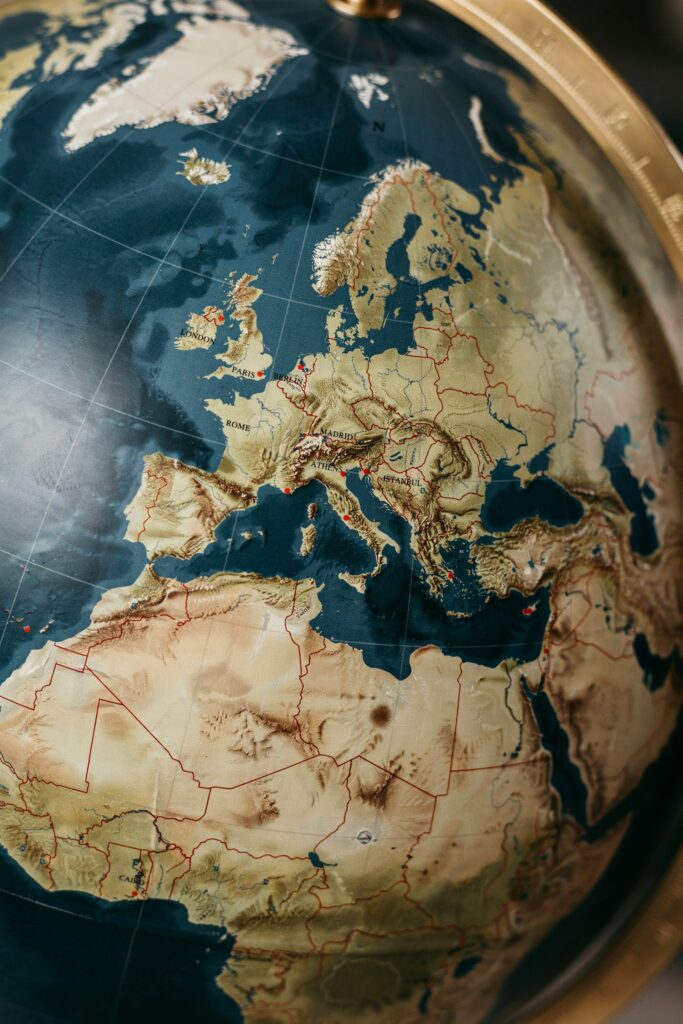
I use capitals trivia to test knowledge of world cities like Ottawa and Canberra.
This category is simple but effective because it strengthens memory and keeps geography knowledge active in a light, engaging way.
19. Famous Battles Trivia
This game focuses on important battles and wars that shaped world history.
From my experience, it helps seniors recall major historical events and encourages deeper conversations about how those events influenced modern society.
20. Classic Books Trivia
I include classic literature trivia to test knowledge of famous authors and novels like Pride and Prejudice.
This category works well because it encourages reading memories and helps seniors reconnect with stories they studied or enjoyed earlier in life.
21. Famous Battles Trivia
I use famous battles trivia to help seniors recall major turning points in world history. Questions often focus on well-known wars and decisive conflicts.
From my experience, this category works well because it connects historical facts with real-world impact. It often leads to meaningful discussions about how history shaped the present.
22. Classic Books Trivia

I include classic books trivia to test knowledge of famous authors and literary works. Questions often cover novels like Pride and Prejudice and other timeless classics.
This category is effective because it encourages seniors to reconnect with stories they read earlier in life. It also helps stimulate memory through familiar characters and plots.
23. Movie Stars Trivia
I use movie stars trivia to highlight legendary actors and iconic film roles. Questions often include Hollywood classics and famous performances.
From my experience, this category is highly engaging because it brings back strong visual memories of films. It also encourages storytelling and sharing favorite movie moments.
24. 1960s Music Trivia
This trivia focuses on music from the 1960s, including rock and pop classics. I include questions about bands like The Beatles and major hits of the decade.
This category works well because many seniors clearly remember the songs from this era. It often brings strong emotional recall and enjoyment.
25. 1970s Sports Trivia
I include 1970s sports trivia to cover major sporting events and legendary athletes. Questions often focus on Olympic achievements and famous teams.
This game is effective because it helps seniors recall exciting sports moments they may have watched live. It also creates friendly competition in group settings.
26. Famous Explorers Trivia
I use explorers trivia to highlight historical figures who discovered new lands and routes. Questions often include well-known explorers from world history.
From my experience, this category encourages curiosity about geography and history. It also helps seniors appreciate global exploration achievements.
27. Famous Artists Trivia

This trivia focuses on famous painters and their iconic artworks. Questions often include works like The Starry Night or sculptures like David.
It works well because it introduces cultural and artistic knowledge in a simple way. It also encourages appreciation of art history and creativity.
28. Historical Documents Trivia
I include historical documents trivia to cover important texts like the Magna Carta and independence declarations.
This category helps seniors recall foundational historical events. It also encourages understanding of how modern laws and societies were formed.
29. British Royals Trivia
I use British royals trivia to cover historical and modern members of the royal family. Questions often include coronations and royal weddings.
From my experience, this category is popular because it mixes history with modern events. It often sparks curiosity and discussion about royal traditions.
30. Famous Composers Trivia
I include famous composers trivia to highlight classical music legends like Beethoven and Vivaldi.
This category is effective because it introduces timeless musical knowledge. It also helps seniors connect emotional memory with familiar classical compositions.
31. Classic TV Trivia

I include classic TV trivia to test knowledge of iconic shows and characters from early television history. Questions often focus on beloved series from the golden age of TV.
From my experience, this category works well because it brings strong nostalgia. Seniors often remember shows they watched regularly, which makes participation very natural.
32. Food Trivia
I use food trivia again here to reinforce general culinary knowledge and familiar ingredients. Questions often include common foods like hummus, sushi, and global dishes.
This category works well because food is something everyone relates to daily. It often leads to shared stories about cooking and family meals.
33. Presidents Trivia
This version of presidents trivia covers a wider range of U.S. history, including wartime and post-war leadership.
I’ve found it helps seniors connect major historical events with the leaders who shaped them. It also strengthens recall of school-taught history facts.
34. Political Figures Trivia
I include global political figures trivia to highlight important leaders from different countries and eras.
From my experience, this category encourages awareness of world events and helps seniors recall major historical changes they lived through.
35. Nobel Prize Winners Trivia

I use Nobel Prize trivia to focus on achievements in science, peace, and literature. Questions often highlight groundbreaking discoveries and influential figures.
This category works well because it promotes admiration for real-world accomplishments and encourages meaningful discussion.
36. Famous Inventions Trivia
I include inventions trivia to test knowledge of life-changing technologies and their creators. Questions often include everyday innovations like the typewriter or TV dinner.
It works well because seniors can easily connect these inventions with changes they experienced in their lifetime.
37. Music Legends Trivia
This trivia focuses on legendary musicians across different decades and genres.
From my experience, it is one of the most engaging categories because music creates strong emotional recall. It often leads to singing and sharing favorite songs.
38. Historical Landmarks Trivia
I include landmarks trivia to test knowledge of famous global sites like Machu Picchu and the Great Barrier Reef.
This category works well because it combines geography with history, helping seniors visualize important world locations.
39. Capitals of the World Trivia
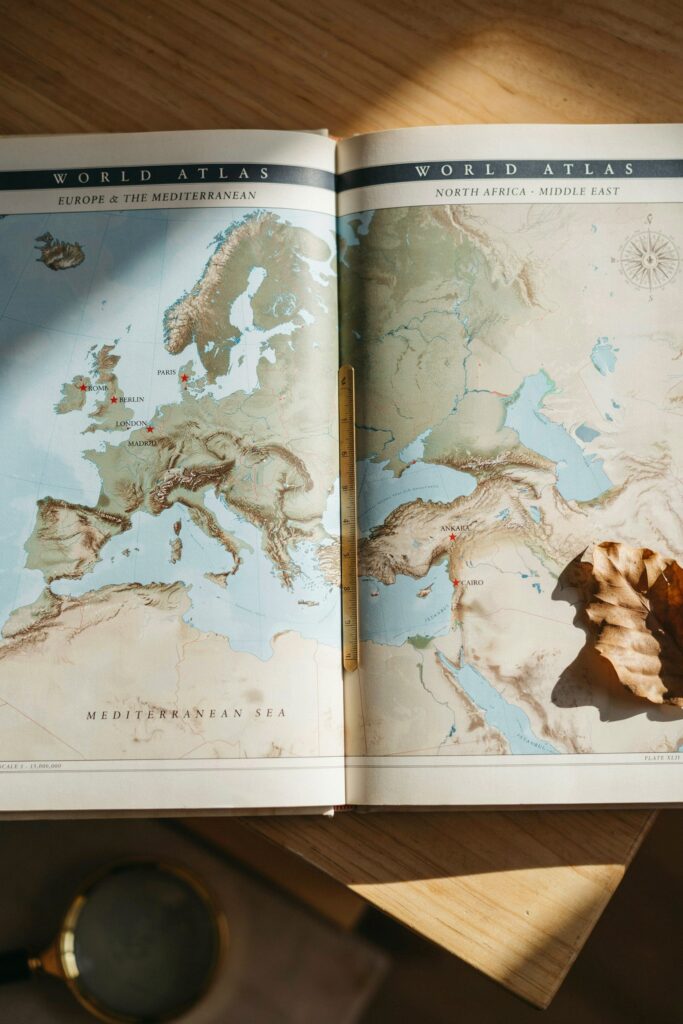
I use capitals trivia again to strengthen global geography knowledge through simple recall questions.
From my experience, it is effective because it is easy to play but still mentally stimulating, especially in group settings.
40. Famous Battles Trivia
I include famous battles trivia to cover major historical conflicts and turning points in world history.
This category helps seniors recall important global events and often leads to deeper discussions about history and its impact.
41. Television History Trivia
I include television history trivia to test knowledge of early TV shows, hosts, and broadcasting milestones. Questions often cover classic programs and well-known personalities.
From my experience, this category brings strong nostalgia because seniors often remember the early days of television. It usually sparks storytelling about favorite shows and viewing habits.
42. World Capitals Trivia
I use world capitals trivia to strengthen geography knowledge through simple recall questions. Examples include capitals like Ottawa and Canberra.
This category works well because it is easy to understand but still mentally engaging. It helps keep memory sharp without feeling too difficult.
43. Pop Music Trivia
I include pop music trivia to cover popular artists and songs from different decades. Questions often include famous bands like The Beatles and iconic singers.
From my experience, this category is highly engaging because music triggers strong emotional memory. It often leads to singing and sharing favorite songs.
44. Classic Novels Trivia

I use classic novels trivia to test knowledge of famous books and authors. Questions often include works like Pride and Prejudice and other literary classics.
This category works well because it encourages seniors to revisit stories they studied or enjoyed earlier in life. It also supports reading-related conversations.
45. Famous Athletes Trivia
I include famous athletes trivia to highlight sports legends and record-breaking achievements. Questions often cover Olympic winners and global sports icons.
From my experience, this category is popular because it brings excitement and competition into the game. It also helps seniors recall major sports moments.
46. Movie Trivia
I use movie trivia to test knowledge of classic and modern films, famous quotes, and actors.
This category works well because seniors often remember emotional or iconic movie scenes clearly. It naturally leads to discussions about favorite films.
47. Science and Nature Trivia

I include science and nature trivia to cover topics like planets, animals, and famous scientists.
From my experience, this category is both educational and engaging because it introduces interesting facts about the natural world in a simple way.
48. TV Personalities Trivia
I use TV personalities trivia to highlight famous hosts, presenters, and characters from television history.
This category is effective because seniors often remember well-known figures from early TV shows and talk shows, making it highly nostalgic.
49. Historical Trivia
I include historical trivia to cover major world events like wars, political changes, and landmark moments.
From my experience, this category encourages deeper thinking and often leads to meaningful discussions about how history shaped the present.
50. Music Festivals Trivia
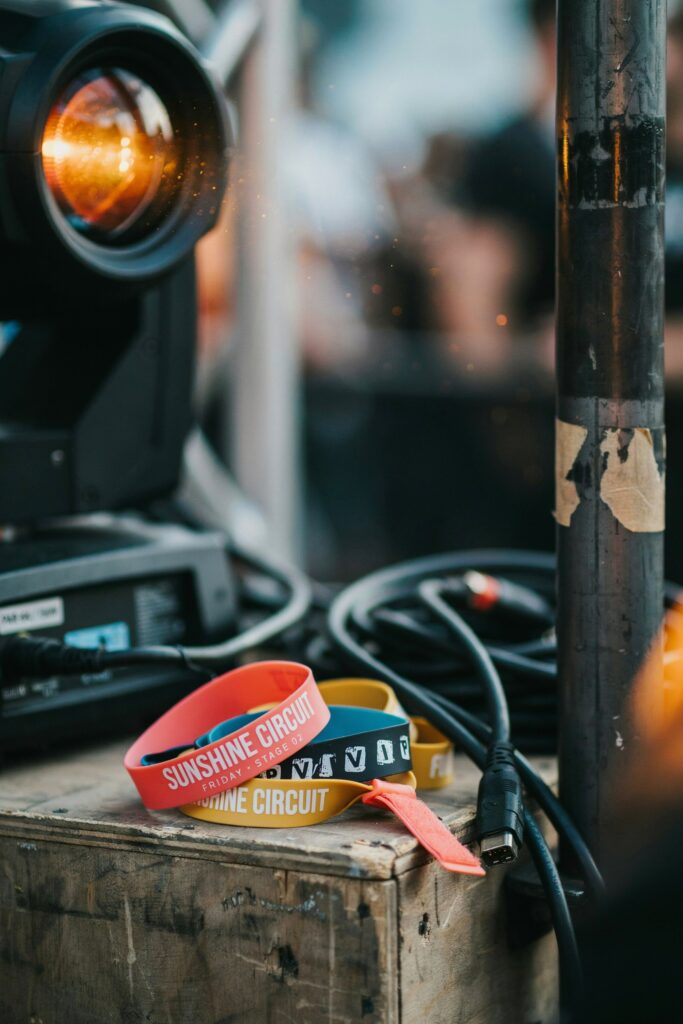
I use music festivals trivia to highlight famous events like Woodstock and major global concerts.
This category works well because it connects music with real cultural history. It often brings excitement and storytelling about past musical eras.