
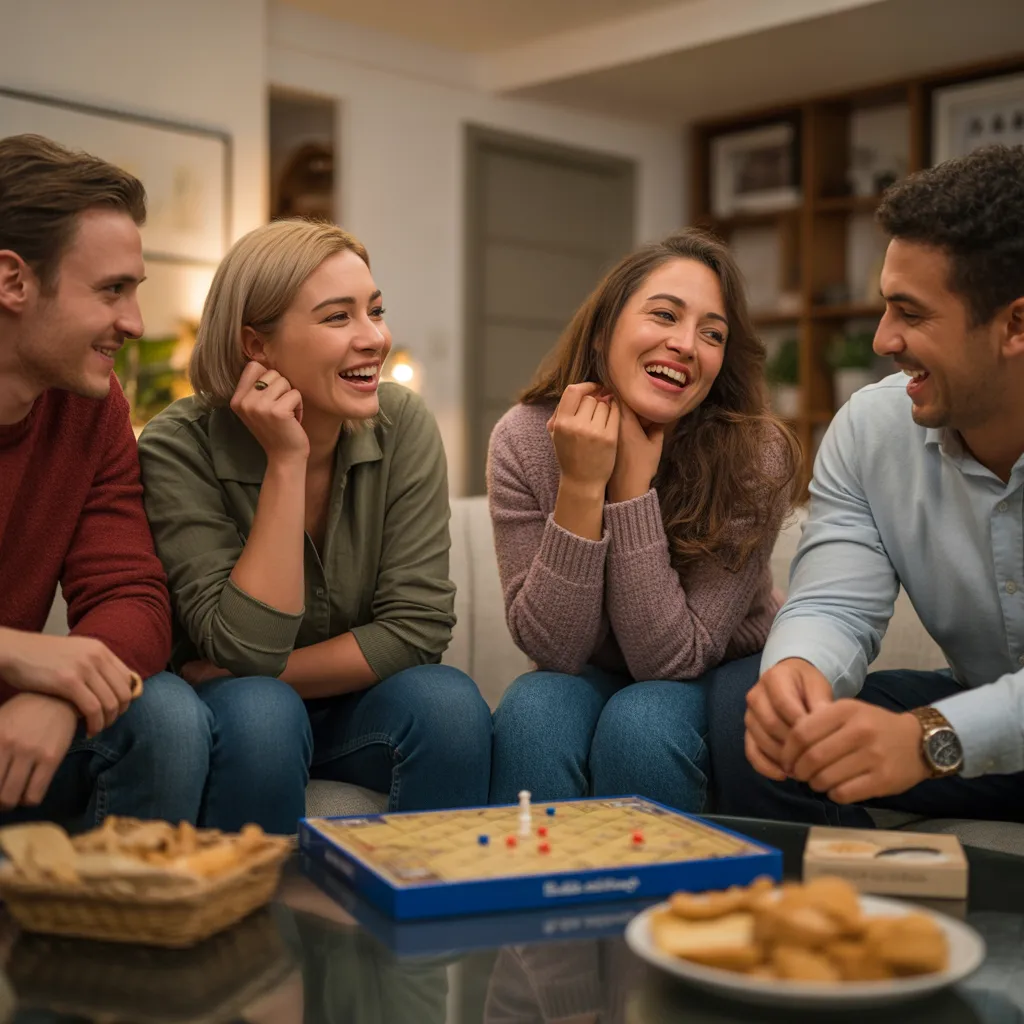
I believe staying mentally active is just as important as staying physically active. Brain games help me keep focus sharp, improve memory, and maintain problem-solving ability over time. Research in cognitive aging shows that regular mental exercises may help slow cognitive decline and improve day-to-day thinking skills.
That’s why I’ve collected these printable brain games that are simple, affordable, and effective for seniors of all skill levels.
Key Takeaways
- I use brain games to improve memory, focus, and problem-solving skills
- Sudoku, crosswords, and logic puzzles are most effective for mental training
- Visual games like spot-the-difference improve attention and perception
- Memory-based games strengthen recall and short-term thinking
- Regular practice (15–30 minutes daily) can help maintain cognitive sharpness
- Printable puzzles make it easy to stay consistent without screens
1. Sudoku
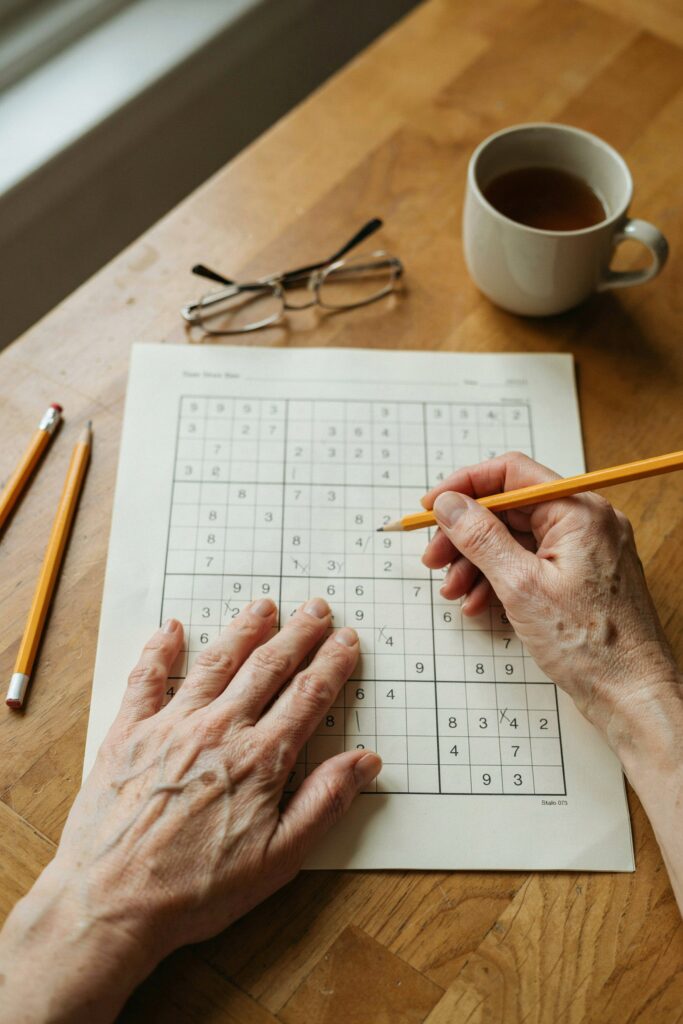
I use Sudoku because it strengthens my logical thinking and pattern recognition. The game requires filling a 9×9 grid so each row, column, and section contains numbers 1 to 9 without repetition.
It’s a strong mental exercise because it trains focus and planning. Studies suggest number puzzles like Sudoku can improve working memory and attention span with regular practice.
2. Word Search
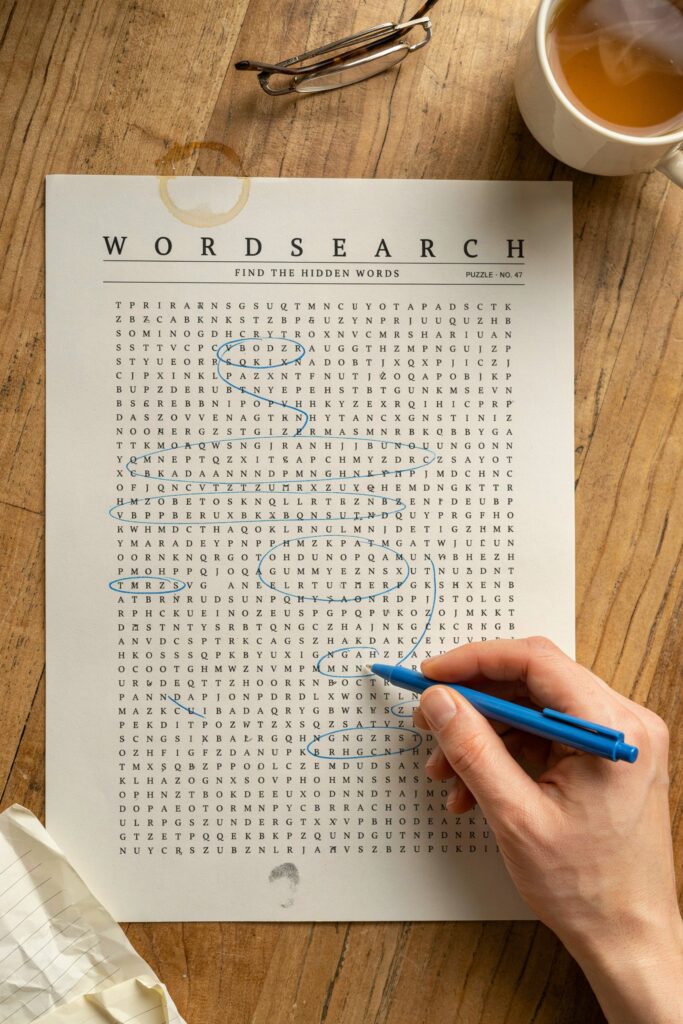
Word search puzzles help me improve attention and vocabulary at the same time. I look for hidden words in a grid placed in different directions.
This game keeps my mind alert because it forces careful scanning and visual tracking. Themed word searches also make learning more engaging.
3. Maze Puzzles
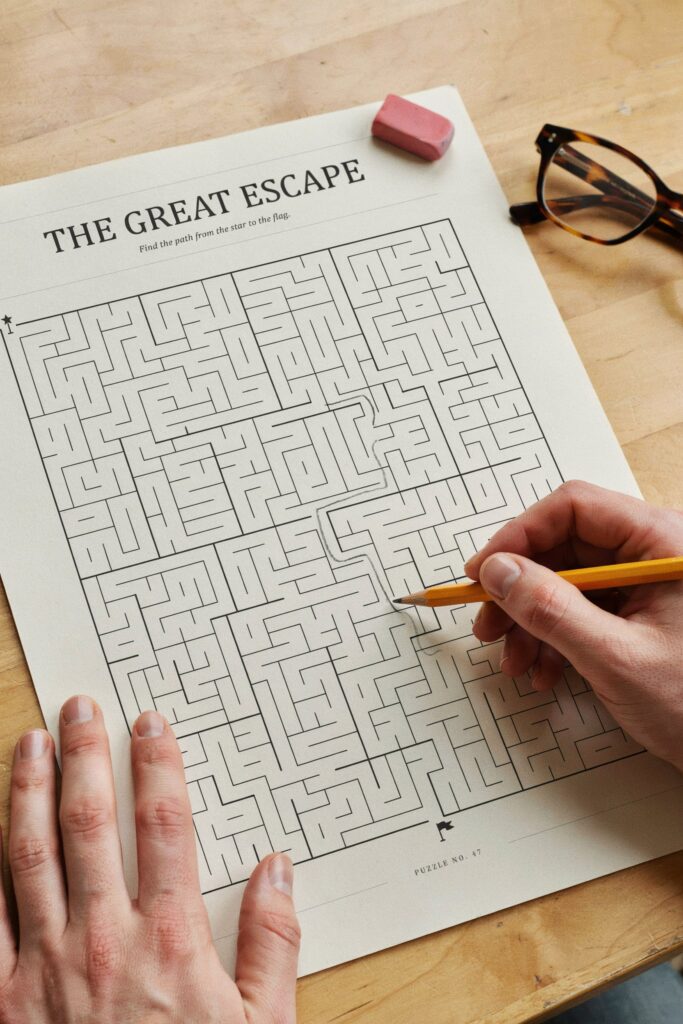
I enjoy maze puzzles because they improve my problem-solving skills. The goal is to find the correct path from start to finish.
They train spatial awareness and decision-making. Over time, I notice better planning ability when I solve them regularly.
4. Trivia Questions
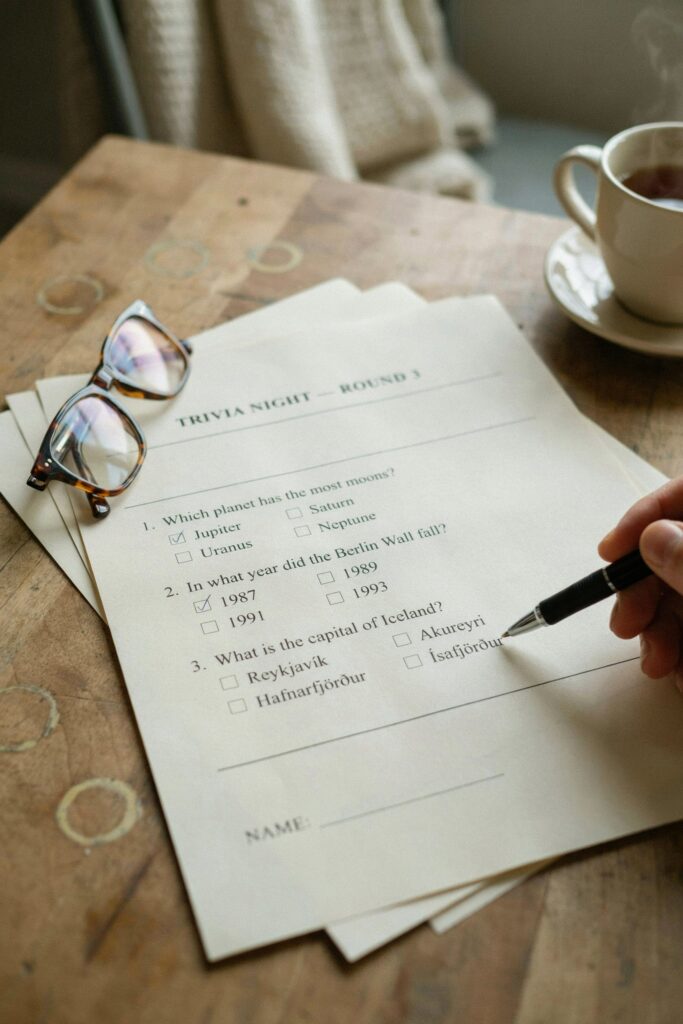
Trivia games are one of my favorite ways to test memory. They cover topics like history, music, and general knowledge.
They help me recall stored information quickly, which is important for memory strength. Playing with others also adds a social benefit.
5. Word Scramble
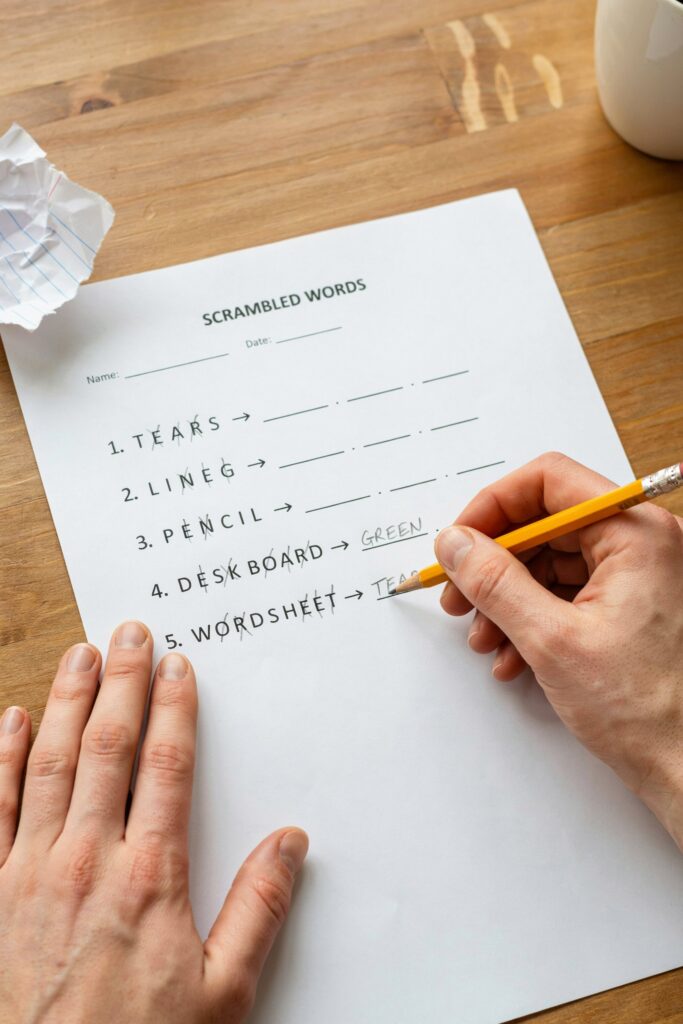
Word scramble puzzles challenge me to rearrange mixed letters into correct words.
This improves my spelling and vocabulary skills. It also keeps my brain active by forcing quick recognition of patterns.
6. Cryptogram Puzzles
Cryptograms are more challenging because I decode hidden messages using letter substitution.
They improve pattern recognition and analytical thinking. I find them especially helpful for improving focus and patience.
7. Rebus Puzzles
Rebus puzzles use images and symbols to represent words or phrases.
I like them because they improve creativity and interpretation skills. They push my brain to think beyond direct meanings.
8. Crossword Puzzles
Crosswords are a classic brain exercise I often rely on. I fill in words using clues across and down.
They improve vocabulary, memory, and general knowledge. Regular practice also strengthens recall speed.
9. Hidden Object Games
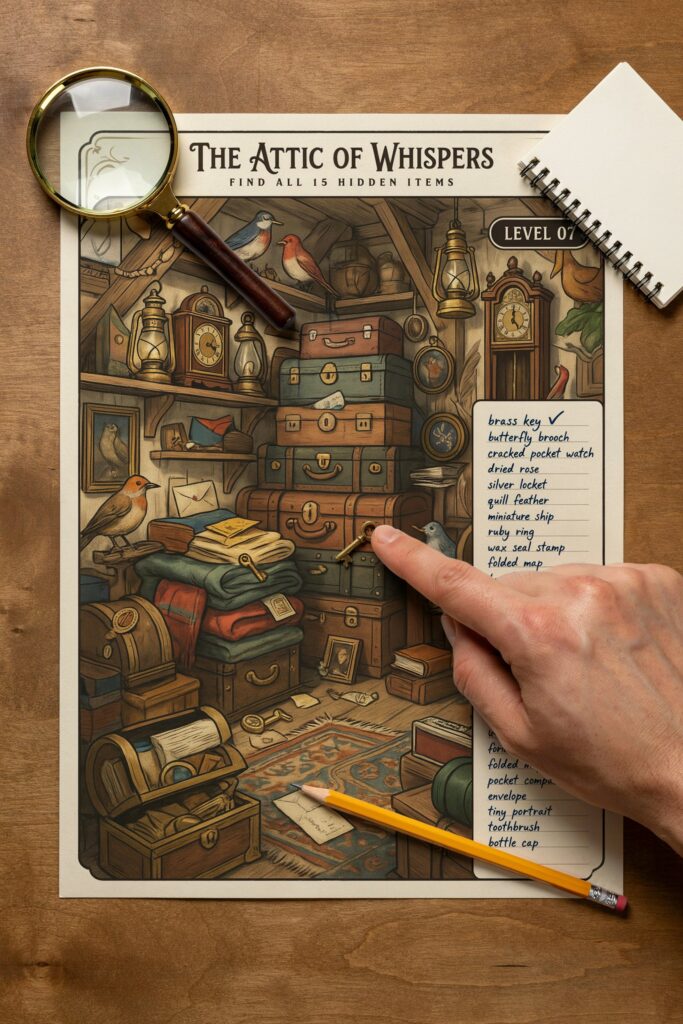
Hidden object games require me to find specific items in a detailed picture.
They improve attention to detail and visual memory. I notice better focus when I play them regularly.
10. Virtual Guess Who
I use this game by guessing a word or name using yes/no questions.
It helps improve deductive reasoning and memory recall. Playing with others makes it more engaging.
11. Treasure Hunt
Treasure hunts involve finding items or solving clues around a space.
They improve creativity and logical thinking. I also find them useful for physical and mental engagement together.
12. Memory Card Matching
This game requires matching pairs of cards from memory.
It improves short-term memory and concentration. I notice better recall when I practice it often.
13. Anagram Puzzles

Anagrams challenge me to rearrange letters into meaningful words.
They improve vocabulary and mental flexibility. I like them because difficulty levels can easily vary.
14. Jigsaw Puzzles
Jigsaw puzzles involve assembling images from scattered pieces.
They strengthen visual-spatial reasoning and patience. They also improve long-term concentration.
15. Matchstick Puzzles
Matchstick puzzles require rearranging sticks to solve problems or form shapes.
They boost logical thinking and creativity. I find them useful for sharpening problem-solving speed.
16. Kakuro Puzzles
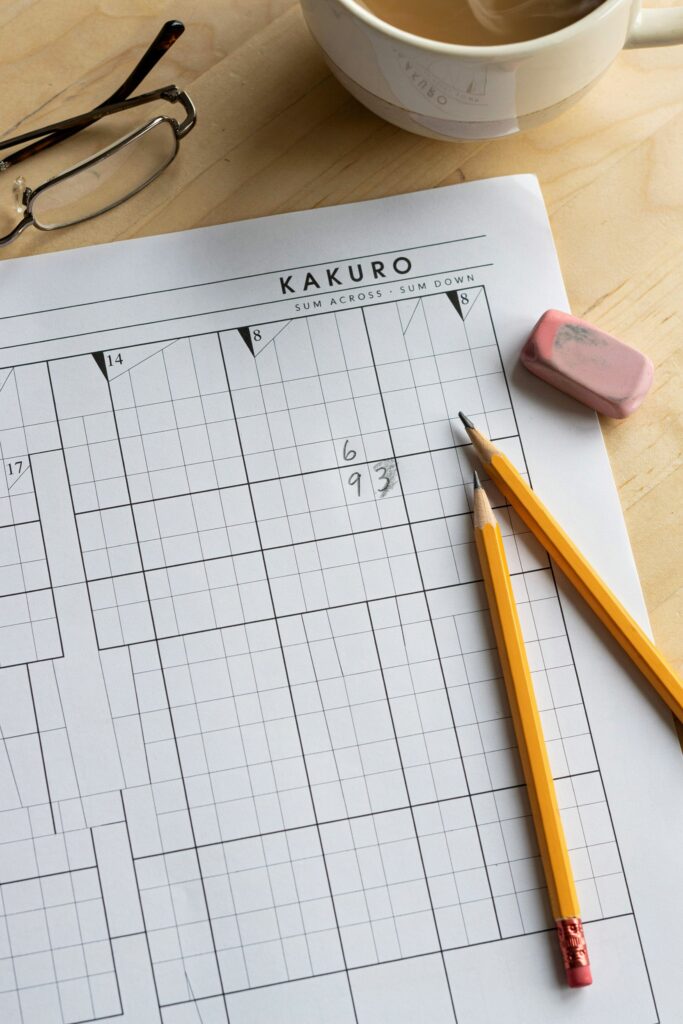
Kakuro combines numbers and logic similar to Sudoku.
I solve equations within a grid without repeating numbers. It improves arithmetic skills and logical reasoning.
17. Spot the Difference
This game asks me to find differences between two similar images.
It improves observation skills and visual memory. I enjoy it because it is simple yet challenging.
18. Logic Grid Puzzles
Logic grid puzzles require solving clues using deduction.
They improve structured thinking and reasoning ability. I find them very effective for mental training.
19. Crossnumber Puzzles
Crossnumber puzzles use numbers instead of words like crosswords.
They strengthen math skills and logical thinking. They are especially helpful for mental arithmetic practice.
20. Hexagonal Puzzles
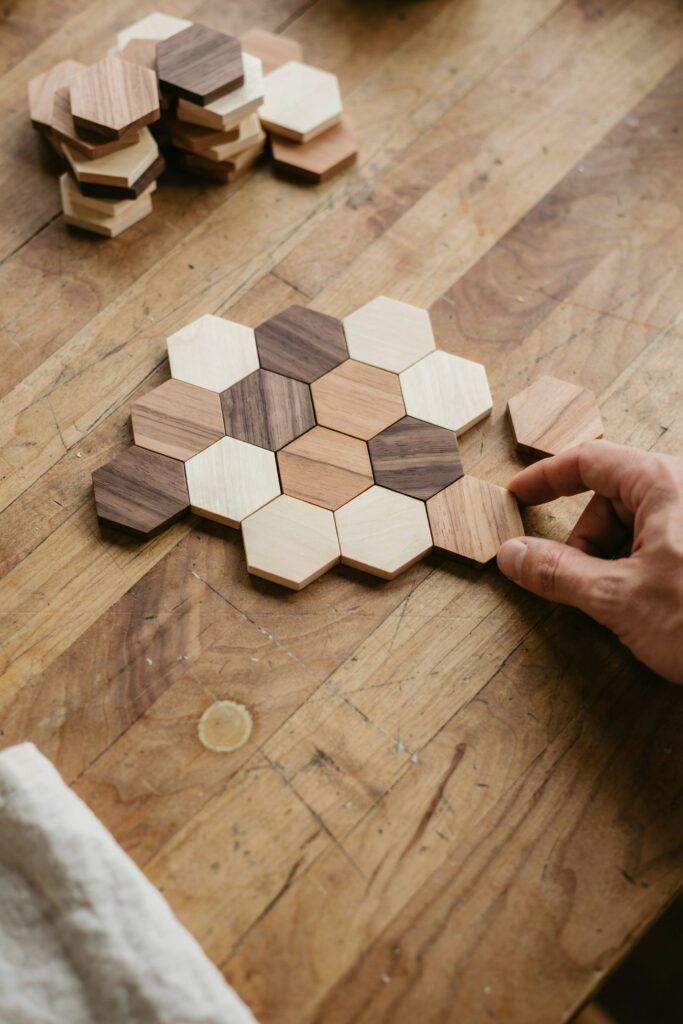
Hexagonal puzzles use hexagon-shaped pieces to form patterns or images.
They improve spatial reasoning and pattern recognition. I like them because they feel more advanced than regular jigsaws.