


- A hallway closet often becomes the most chaotic spot in the home, filled with random items that have no proper place. When there’s no system in place, it quickly turns into a clutter trap that’s hard to maintain.
With the right structure, even a small closet can be transformed into a highly functional storage zone. The key is assigning purpose to every shelf, bin, and hook so everything stays easy to find.
These ideas focus on practical layouts that improve daily flow, reduce mess, and make your entryway feel more organized and welcoming.
Key Takeaways
• Empty and sort everything before organizing
• Assign clear zones for each category of items
• Use labeled bins and baskets for consistency
• Maximize vertical space with shelves and door storage
• Keep everyday essentials at eye level
• Add lighting for better visibility and access
How to Organize Hall Closets?
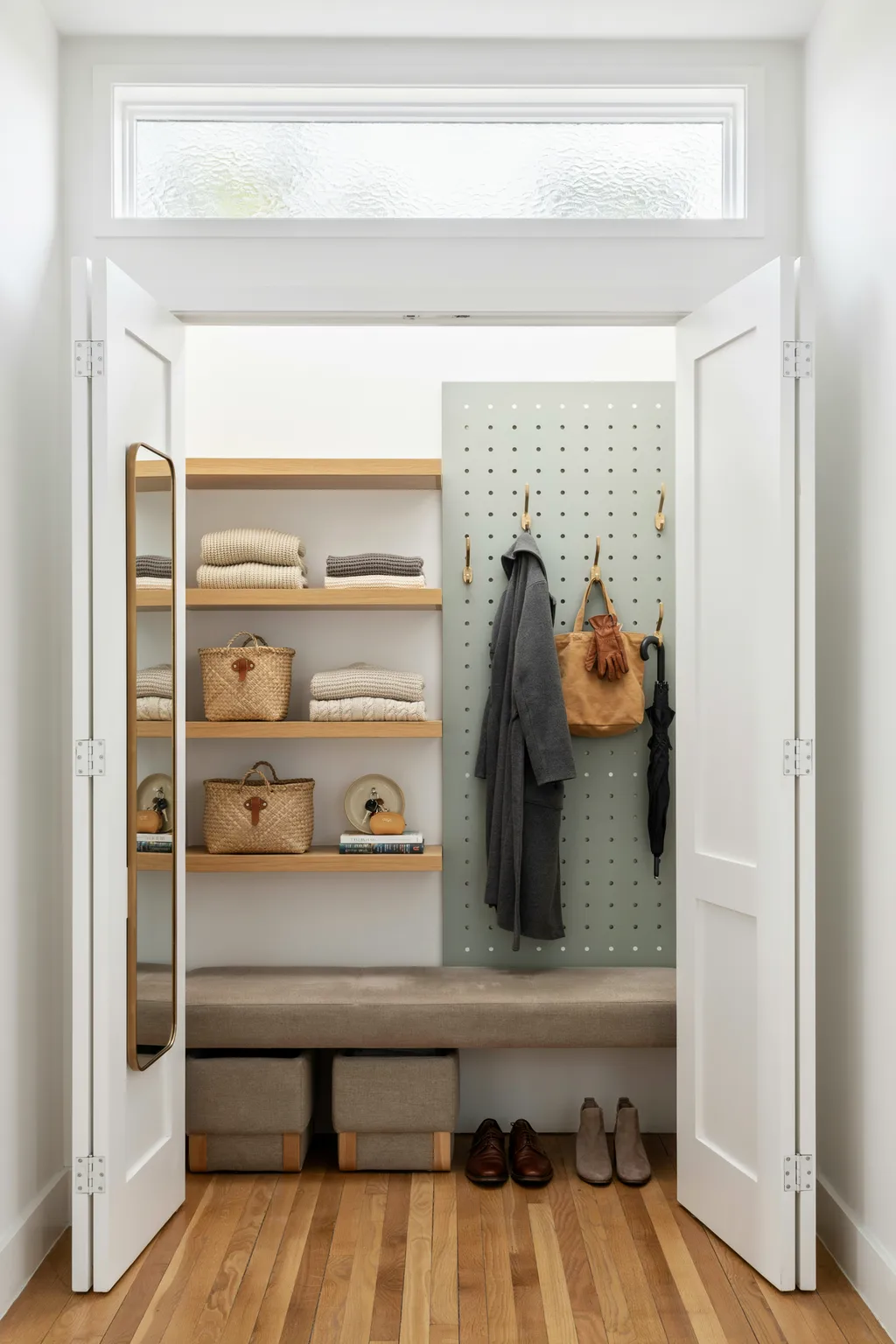
Start by completely emptying your hall closet so you can clearly see what you actually own. Group similar items like coats, shoes, cleaning supplies, and seasonal storage into separate categories. This step helps you understand how much space each group truly needs.
Once sorted, decide the main purpose of your closet, whether it’s daily grab-and-go storage or seasonal organization. Use hooks, bins, and shelves to assign each category a fixed place.
Finally, label everything so items always return to the right spot. This prevents clutter from building up again and keeps the system stable over time.
Pro Tip: Always design your closet around your daily routine, not just available space.
Patterned Family Command Closet
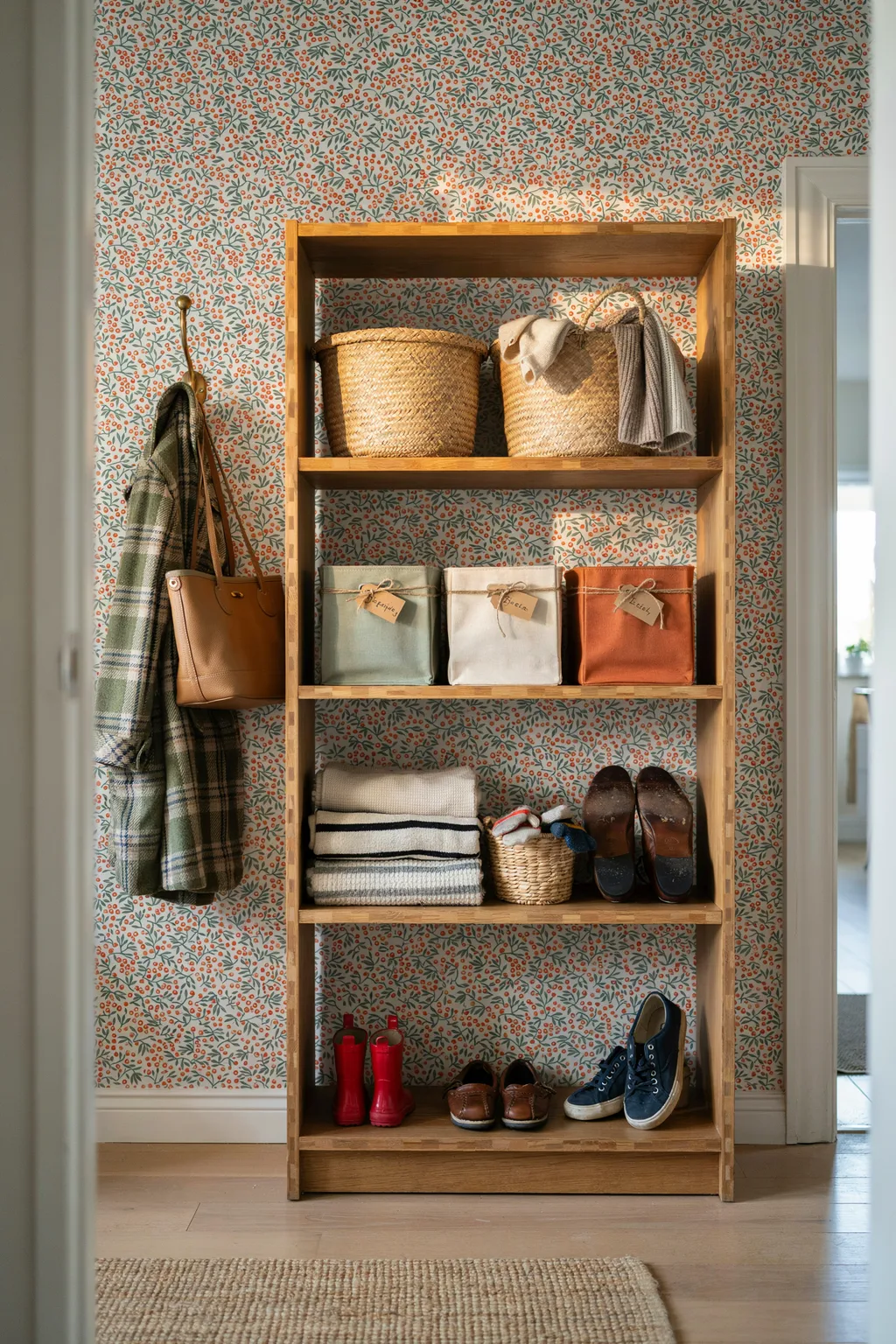
A patterned backdrop instantly turns a basic hallway closet into a more styled and organized space. It helps visually separate the storage zone while still keeping everything functional and easy to use.
Combine light wood shelving with labeled bins to keep items structured and easy to grab during busy mornings. Good lighting helps maintain clarity and order even when the space is full.
Pro Tip: Use one repeating pattern to avoid visual overload in small closets.
Every Inch in Action
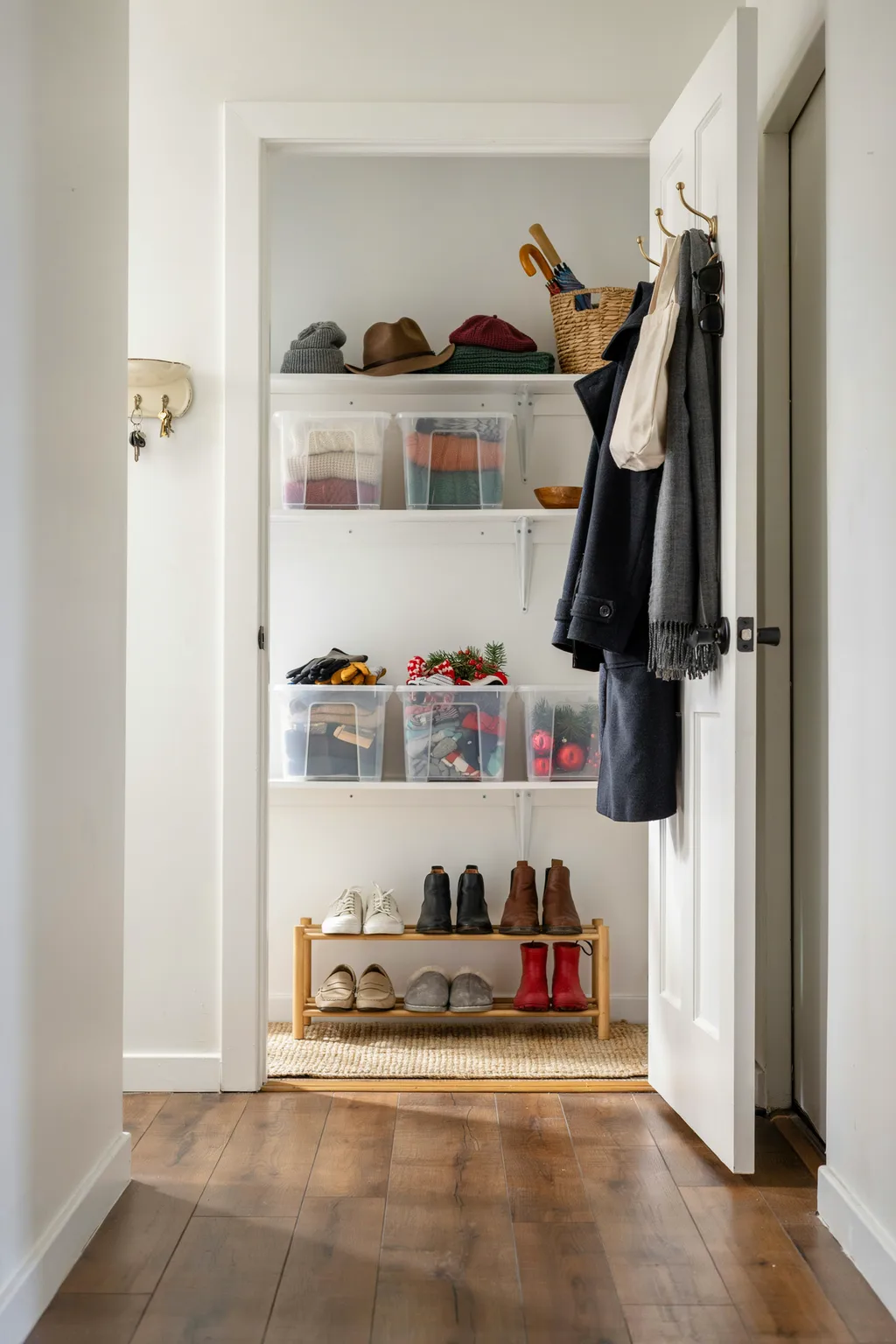
This setup focuses on using every available space, including doors, walls, and upper shelves. Hooks, bins, and compact organizers help turn tight areas into usable storage.
Clear labeling is essential so nothing gets lost or buried behind other items. This approach works especially well for busy households with multiple users.
Pro Tip: Measure before buying bins so no space goes wasted.
Labeled Linen Perfection
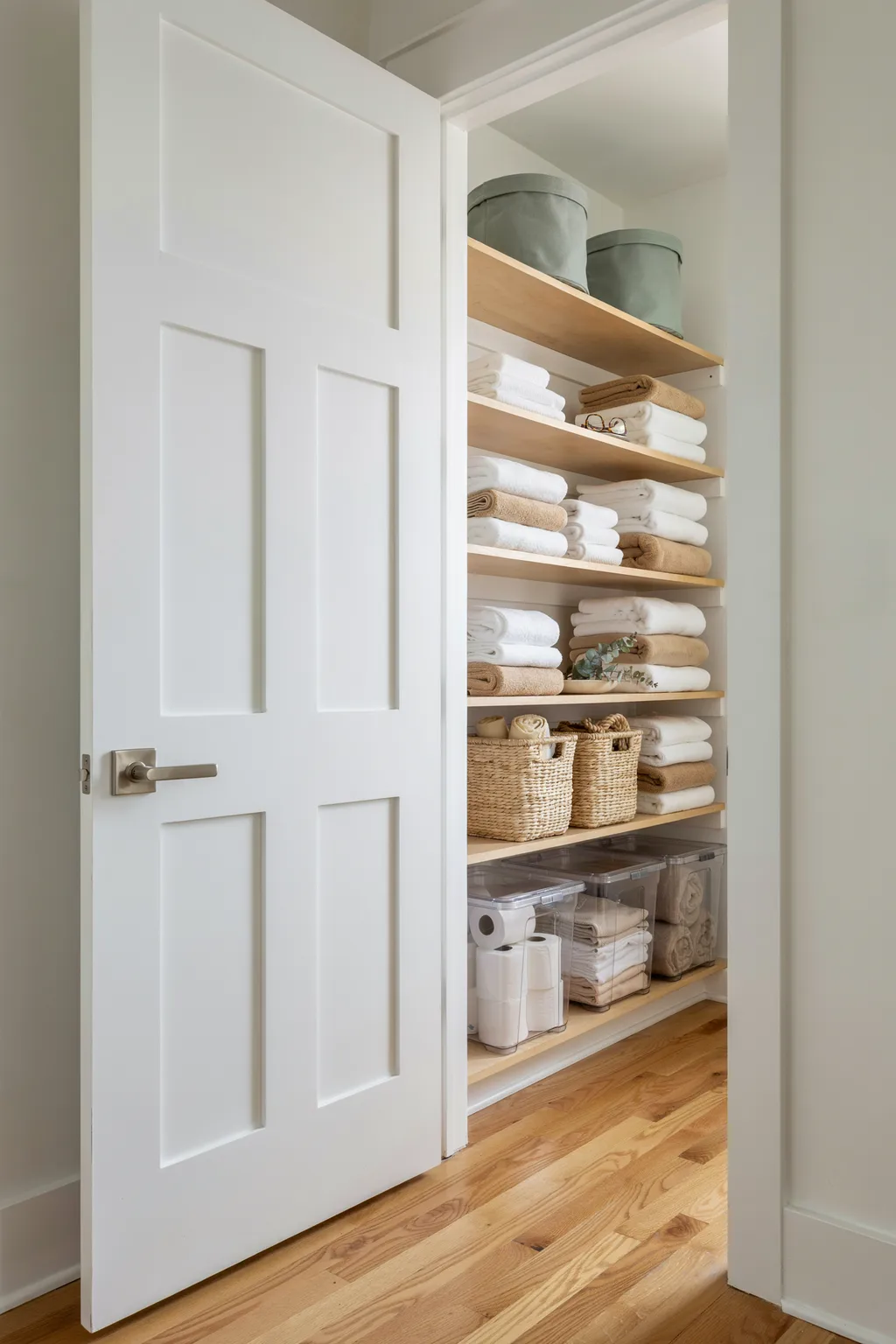
Linen closets work best when everything is grouped by size and purpose. Towels, sheets, and cloths should each have their own labeled basket or bin.
Woven or fabric storage keeps things soft while still structured, making it easy to grab what you need quickly. Lighting helps highlight texture and cleanliness.
Pro Tip: Store everyday linens at eye level for faster access.
Streamlined Entry Closet
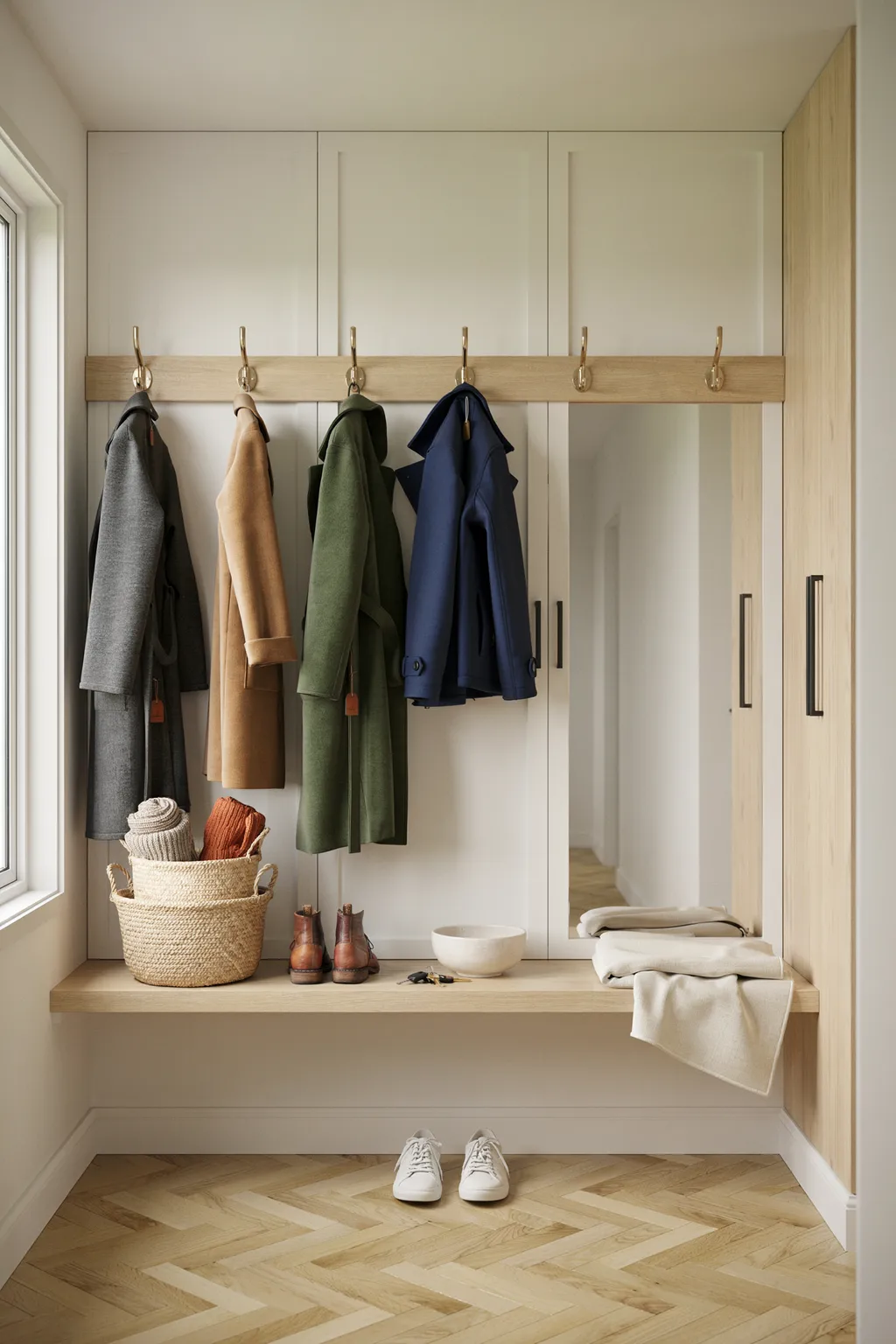
A streamlined closet keeps daily-use coats and items in one central zone. Top shelves can hold baskets, while hooks handle frequently used jackets and bags.
This layout reduces clutter at the entry point and makes leaving the house faster and smoother. Soft lighting adds warmth and visibility.
Pro Tip: Limit entry closets to only daily essentials to avoid overload.
Back-of-Door Tote Rail
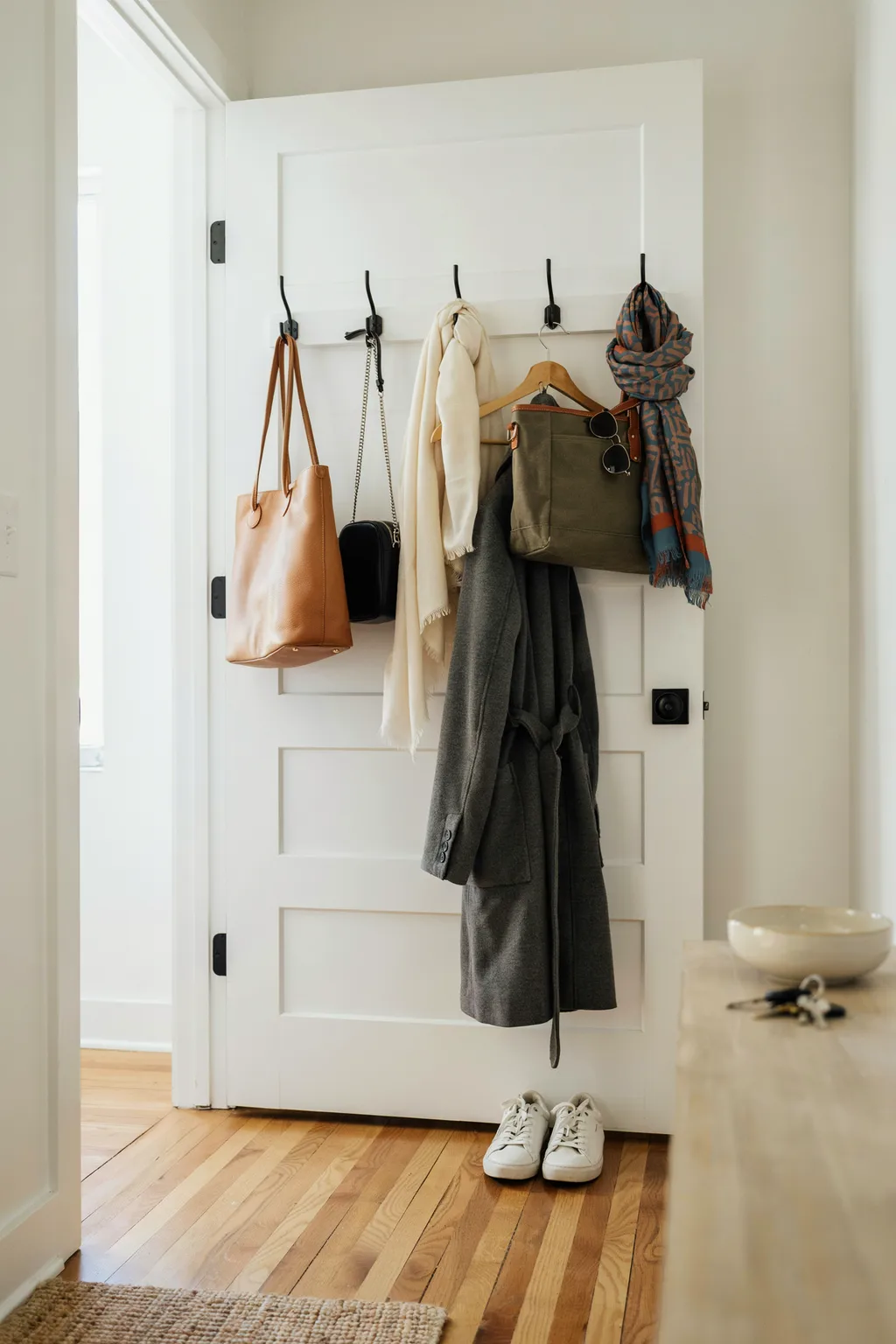
Using the back of the door adds valuable storage without taking shelf space. Hooks or rails keep bags, scarves, and accessories off the floor.
Assigning specific hooks for each family member prevents confusion and keeps things organized. It’s a simple upgrade with big impact.
Pro Tip: Use padded hooks to protect delicate bag straps.
Door-Mounted Entry Station
This system turns your closet door into a mini organization hub. Hooks, baskets, and small containers store hats, umbrellas, and gloves neatly.
It keeps grab-and-go items visible and prevents clutter from piling up inside the closet. Lighting improves visibility in tight spaces.
Pro Tip: Keep lightweight items on doors to avoid strain.
Built-In Mudroom Nook
A built-in nook combines seating, shoe storage, and overhead baskets in one compact design. It creates a smooth transition space for entering and exiting the home.
Everything has a defined place, making it easy to stay organized even on busy days. Warm lighting makes it more inviting.
Pro Tip: Add a bench for easier shoe changes and hidden storage.
Dual-Purpose Storage Zone
This layout splits the closet into two clear sections for household and personal items. Coats go on one side while cleaning or utility items stay on the other.
It’s a smart way to keep unrelated categories from mixing. Adjustable shelves help maintain flexibility over time.
Pro Tip: Always separate household tools from clothing storage.
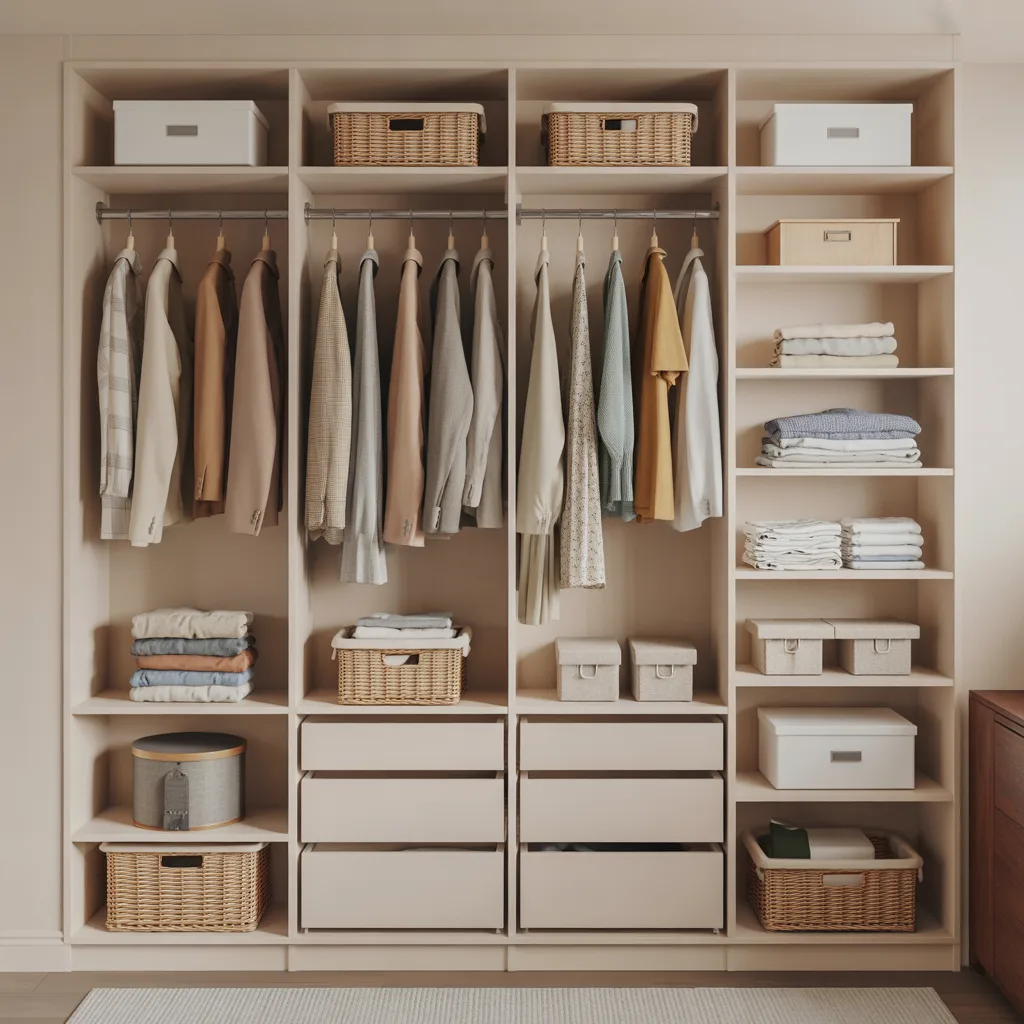
Warm Minimal Closet Setup
A warm minimal setup relies on soft tones, matching hangers, and simple shelving. It creates a calm, uncluttered look that is easy to maintain.
Everything feels intentional, with no unnecessary items disrupting the flow. Gentle lighting enhances the cozy effect.
Pro Tip: Stick to one color palette for a clean visual result.
Compact Entry Organizer
Compact organizers turn even small hall closets into efficient storage zones. Door baskets, cube shelves, and slim hangers help maximize every inch.
This setup works well for families needing quick access to daily essentials like gloves, shoes, and bags.
Pro Tip: Store seasonal items separately to avoid crowding.
Sporty Hall Closet Setup
A sporty layout organizes jackets, gear, and outdoor equipment into clearly defined zones. Two-tier rods help separate short and long items.
Upper shelves hold bins for sports accessories, keeping everything ready for quick use.
Pro Tip: Dedicate one bin per sport to avoid mixing equipment.
Cluttered Closet Before the Reset
This stage shows how quickly closets become overwhelmed without a system. Items pile up randomly, making it hard to find anything.
Resetting involves clearing everything out and rebuilding with categories and labeled storage. Lighting helps reveal hidden clutter.
Pro Tip: Always reset before reorganizing—never organize on top of mess.
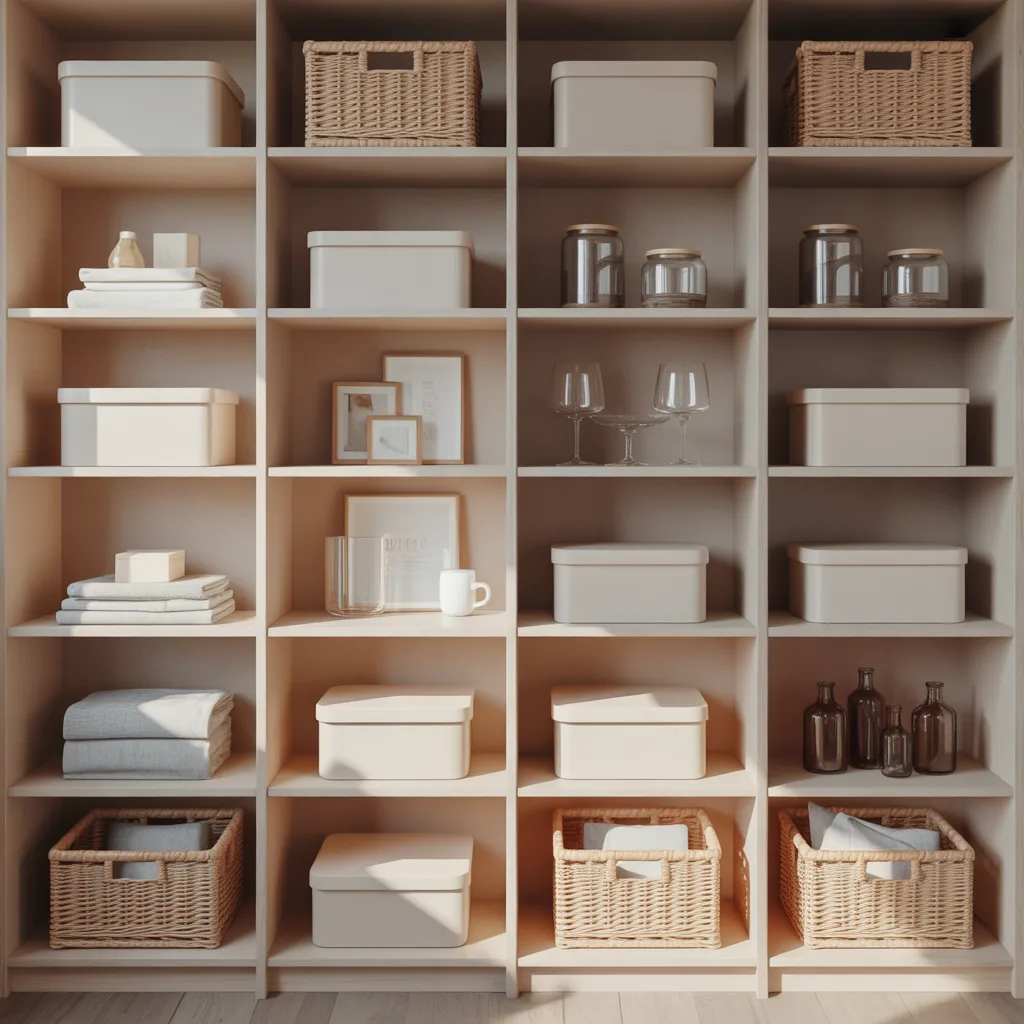
Soft Neutral Linen Storage
Soft neutral tones make linen storage feel clean and calming. Fabric bins and woven baskets keep items hidden but accessible.
Everything is grouped neatly, creating a spa-like storage experience. Consistency is the key to maintaining order.
Pro Tip: Use identical bins for a uniform, calming look.
Layered Linen Shelving
Layered shelving uses multiple levels to separate folded items, baskets, and seasonal storage. This maximizes vertical space efficiently.
Clear containers help you see what’s inside without opening everything. It’s ideal for small or medium closets.
Pro Tip: Place heavier items on lower shelves for safety.
Earthy Basket Harmony
Natural woven baskets bring warmth and texture to hall closets. Each basket holds a specific category like blankets or linens.
This method keeps things organized while maintaining a cozy, natural look. Lighting enhances the earthy tones.
Pro Tip: Choose baskets with labels for long-term clarity.
Color-Coded Family Closet
Color coding makes it easy for each family member to find their items quickly. Each person or category has its own color system.
This reduces confusion and keeps the closet visually structured even when full.
Pro Tip: Assign colors per person for faster organization.
Utility Closet Setup
A utility closet focuses on cleaning tools and household supplies. Brooms, sprays, and cloths are stored vertically or in labeled bins.
Hooks and shelves help keep everything off the floor and easy to reach.
Pro Tip: Hang cleaning tools to save floor space.
Multi-Zone Storage Closet
Multi-zone storage divides the closet into clearly labeled sections for different purposes. Each zone has its own bins or shelves.
This prevents mixing of unrelated items and keeps everything structured and easy to manage.
Pro Tip: Use signage or labels for every zone.
Clear Bin Categorized Closet
Clear bins make it easy to see exactly what’s inside without opening anything. Each category is grouped and labeled for clarity.
This setup works well for mixed storage like crafts, accessories, or household goods.
Pro Tip: Always label even clear bins for faster access.
Color-Coordinated Closet Zone
Color-coordinated organization improves both visual appeal and usability. Clothing or items are grouped by shade or tone.
It creates a clean, boutique-like look while keeping everything easy to find.
Pro Tip: Arrange colors from light to dark for balance.
Luxe Built-In Closet
Built-in closets offer a high-end storage solution with glass doors and custom shelving. Everything has a fixed, polished place.
Soft lighting enhances visibility and adds a refined finish to the space.
Pro Tip: Use glass doors only if you maintain regular order.
Warm-Toned Wardrobe Nook
Warm tones and natural materials make this closet feel inviting and practical. Woven baskets and open racks create balance.
It blends storage with everyday accessibility for a relaxed home feel.
Pro Tip: Mix open and closed storage for better balance.
Dual-Sided Utility Closet
A dual-sided setup separates cleaning items and clothing storage into two distinct areas. This improves efficiency and prevents clutter mixing.
Adjustable shelves help keep everything flexible as needs change.
Pro Tip: Keep heavy items on the lower side for safety.
Everyday Shoe and Coat Closet
This setup focuses on daily essentials like shoes, coats, and bags. Everything is arranged for quick access near the entryway.
Stackable storage and labeled bins keep seasonal items out of the way.
Pro Tip: Rotate shoes seasonally to avoid overcrowding.