
20 Clever Shelf Organization Ideas to Maximize Storage and Reduce Clutter in 2026
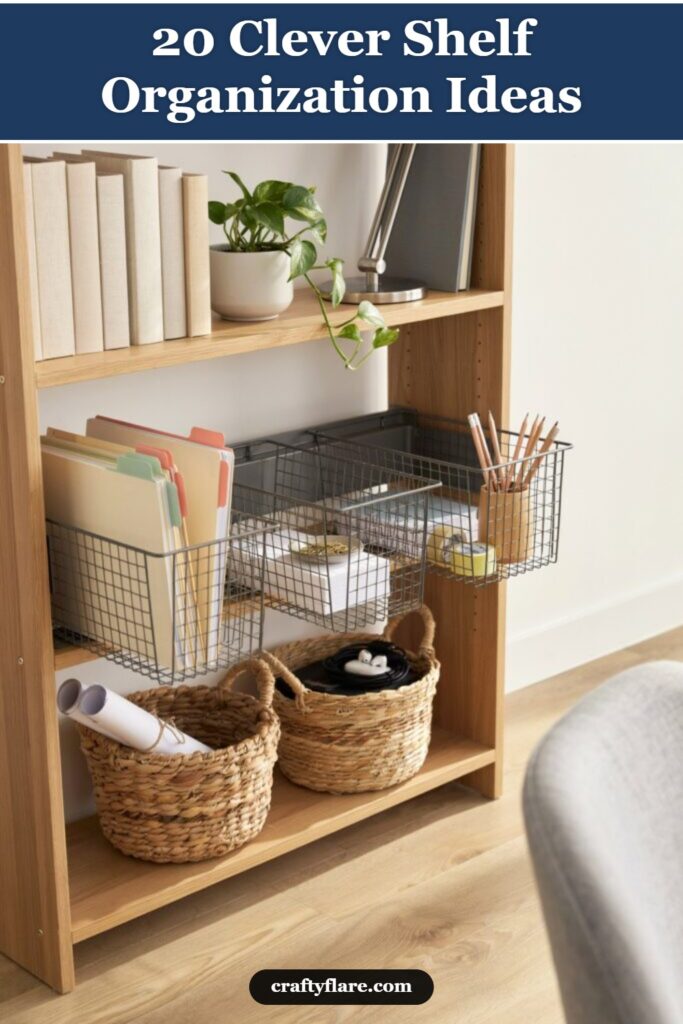
Shelves can quickly become clutter magnets when items are placed without a system. No matter how often you tidy them, the mess tends to return if everything lacks a designated place.
The secret to successful shelf organization isn’t buying more storage products—it’s creating a structure that makes everyday use simple and intuitive. When shelves are organized with purpose, they become easier to maintain and far more functional.
These shelf organization ideas will help you make better use of your space, improve visibility, and keep your home looking tidy throughout 2026.
Key Takeaways
- Assign every shelf a specific purpose.
- Use vertical space efficiently with risers and dividers.
- Group similar items together for easier access.
- Keep everyday essentials within reach.
- Utilize baskets and bins to contain clutter.
- Adjust shelf heights to fit stored items.
- Leave some empty space for a cleaner appearance.
- Store backup supplies separately from daily-use items.
How to Organize a Shelf Effectively
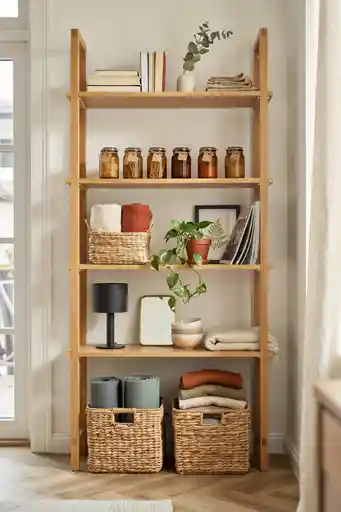
Shelf organization starts with removing everything and deciding exactly what the shelf should store. Once you define its purpose, group similar items together and use storage tools to maximize vertical space. Keeping frequently used items accessible while maintaining some open space creates a cleaner and more functional setup.
Pro Tip: Avoid letting unrelated items share the same shelf to prevent clutter from building up again.
Plate Riser Storage Layers
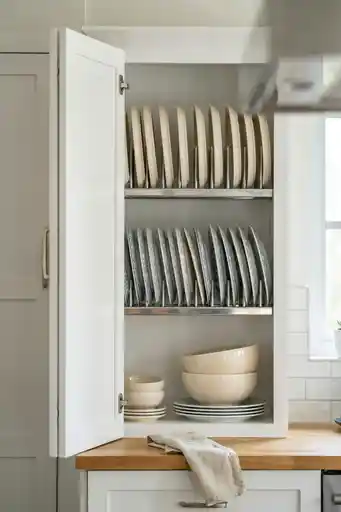
Plate risers instantly double usable shelf space by creating multiple storage levels. They work especially well inside kitchen cabinets, allowing plates, bowls, and serving dishes to remain organized without stacking everything into one tall pile.
Pro Tip: Store heavier dinner plates underneath and lighter bowls or dishes on the upper level.
Decorating Shelves With Open Space

Not every inch of a shelf needs to be filled. Leaving intentional gaps between decorative pieces creates visual balance and helps shelves feel more organized, relaxed, and professionally styled.
Pro Tip: Use one larger focal item and complement it with smaller decorative accents.
Clear Bathroom Shelf Zones
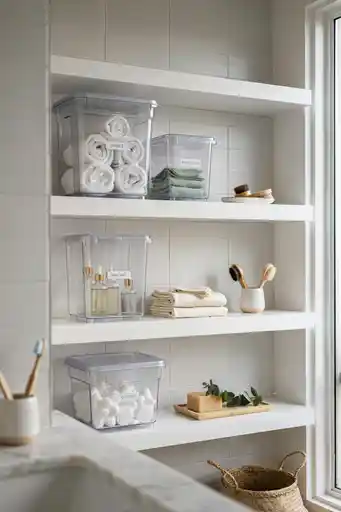
Bathroom shelves stay tidier when each category has a dedicated storage zone. Clear bins help separate toiletries, backups, skincare products, and towels, making it easier to maintain order every day.
Pro Tip: Add simple labels to each container so everything returns to the correct place.
Organized Color Stack Method

Color-coordinated stacks create a polished look while making shelves easier to manage. This approach works especially well for folded clothing, helping closet shelves appear more structured and visually appealing.
Pro Tip: Sort items by category before arranging them by color.
Layered Open Shelf Storage
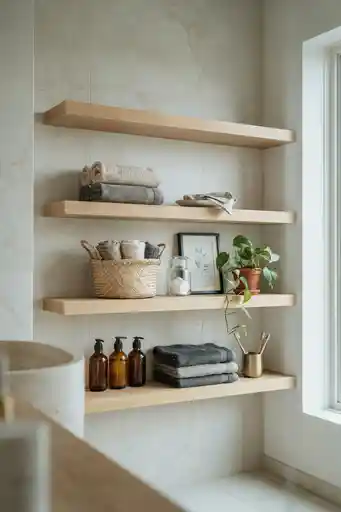
Open shelving becomes more functional when different levels serve different purposes. Towels, baskets, and everyday essentials can each occupy separate layers, creating a balanced and organized appearance.
Pro Tip: Keep frequently used products at eye level for easier access.
Multi-Level Cabinet Shelf Storage
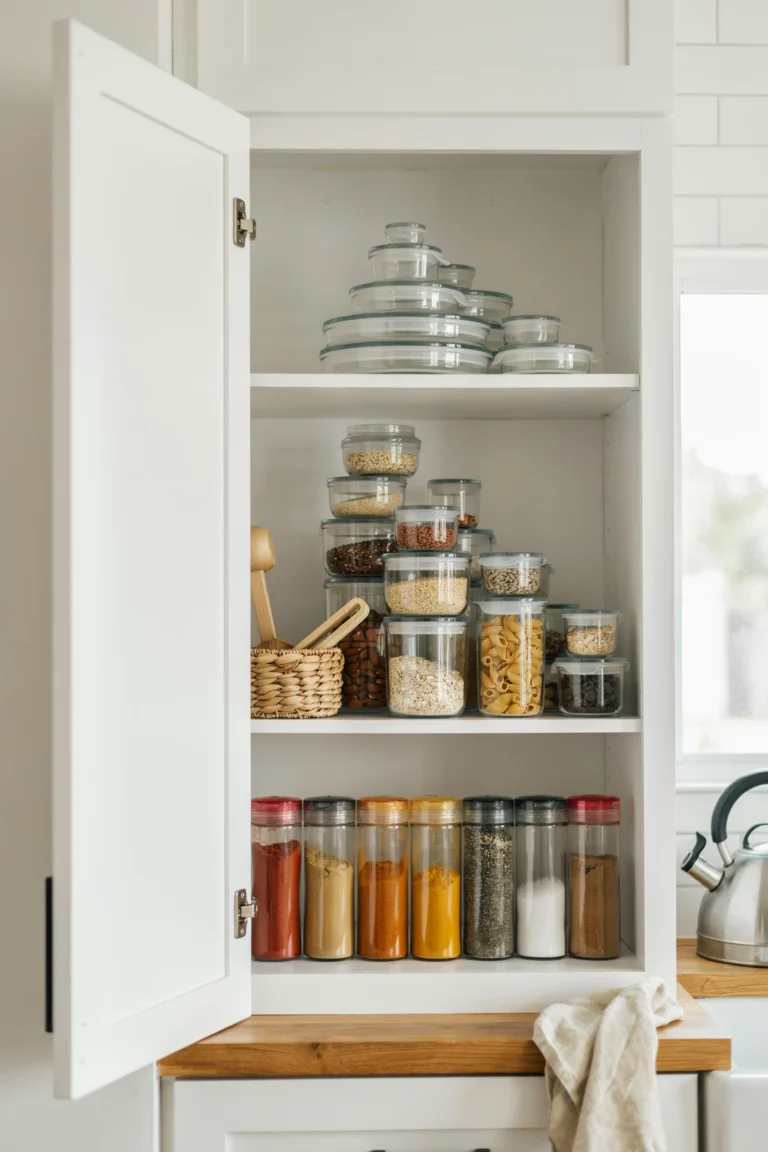
Fixed cabinet shelves often waste vertical space. Adding risers and shelf inserts creates multiple storage levels, allowing dishes, mugs, and kitchen essentials to remain neatly separated.
Pro Tip: Use wire risers for flexibility and improved visibility.
Cube Shelf Basket Organization
Cube storage units become significantly more useful when paired with baskets. Hidden storage helps control clutter while open cubes provide space for books, décor, and frequently used items.
Pro Tip: Stick with matching basket styles for a cohesive appearance.
Illuminated Book Shelf Display
Adding lighting to bookshelves creates depth and makes collections feel more intentional. LED lighting highlights books and decorative pieces while helping shelves stand out as a design feature.
Pro Tip: Choose warm lighting for a welcoming and comfortable atmosphere.
Vertical Pan Storage System

Storing baking sheets, cutting boards, and trays vertically eliminates frustrating stacks and makes every item easier to access. This simple solution works especially well in lower kitchen cabinets.
Pro Tip: Use dividers to keep items upright and separated.
Pantry Pull-Forward Organization
Deep pantry shelves often hide products behind one another. Pull-forward bins and risers bring everything into view, helping you find items faster and reducing unnecessary duplicate purchases.
Pro Tip: Group similar products together before placing them in bins.
Everyday Reach Placement Rule
The most practical shelves place frequently used items within easy reach. By keeping everyday essentials accessible and storing less-used items higher up, shelves become both functional and organized.
Pro Tip: Reserve prime shelf space for products you use daily.
Labeled Linen Closet System
Linen closets stay organized longer when categories are clearly defined. Matching bins, folded towels, and labeled sections create a structure that everyone in the household can follow.
Pro Tip: Store bulky towels on lower shelves for easier lifting and access.
Shelf Divider Organization Fix
Shelf dividers help prevent folded clothes and linens from collapsing into neighboring stacks. They create visual boundaries and make shelves look more structured and orderly.
Pro Tip: Install dividers wherever stacks frequently lean or spread.
Basket-Based Shelf Layers
Baskets add instant structure to shelves by containing loose items and creating designated storage zones. Combining open and closed baskets offers both accessibility and hidden storage.
Pro Tip: Place frequently used baskets at waist or eye level.
Drawer-Style Shelf Storage Hack
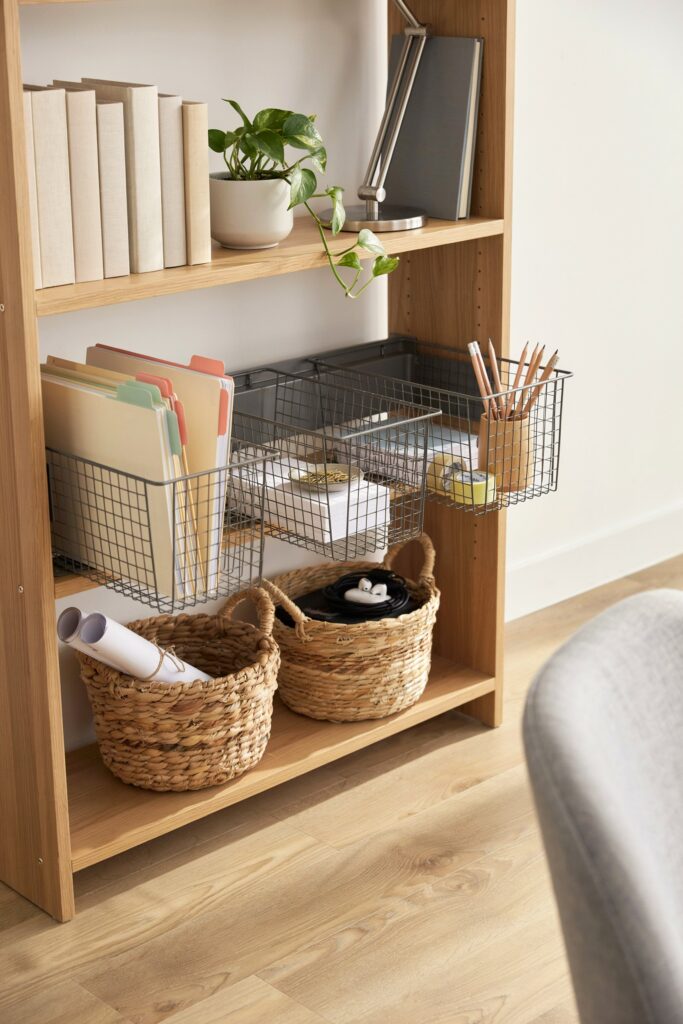
Small items often disappear into the back of shelves. Pull-out trays and shallow drawers make contents easier to access while keeping everything organized and visible.
Pro Tip: Use this method in offices, craft rooms, and closets for maximum efficiency.
Dedicated Backstock Shelf Rule
Keeping backup supplies separate from daily-use products prevents shelves from becoming overcrowded. This simple system maintains order while ensuring extra items remain easy to find.
Pro Tip: Store backups on upper shelves or in a dedicated storage area.
Slim Shelf Insert Solution
Narrow shelves can become surprisingly functional with the help of inserts and dividers. These tools prevent products from tipping over and allow small items to stay neatly arranged.
Pro Tip: Use inserts to create smaller compartments for better control.
One-Category Shelf Organization
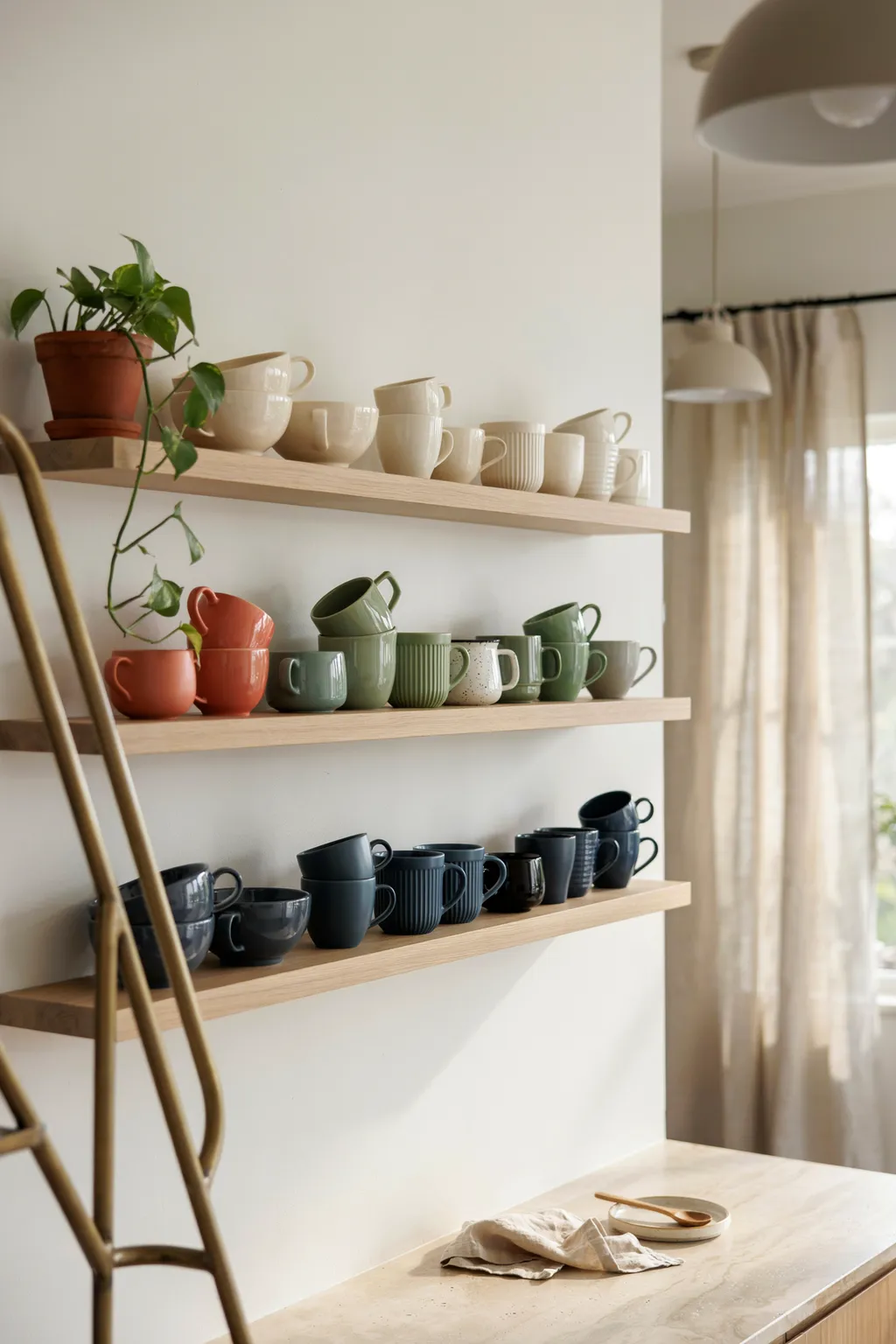
Assigning a single purpose to each shelf makes organization far easier to maintain. Whether storing mugs, linens, books, or pantry items, dedicated categories reduce clutter and confusion.
Pro Tip: Review shelf categories periodically to ensure they still make sense.
Front-Facing Shelf Display
Displaying items with labels or covers facing forward improves visibility and accessibility. This method works especially well for books, pantry products, and decorative collections.
Pro Tip: Avoid stacking items behind one another whenever possible.
Adjusting Shelf Heights for Better Storage
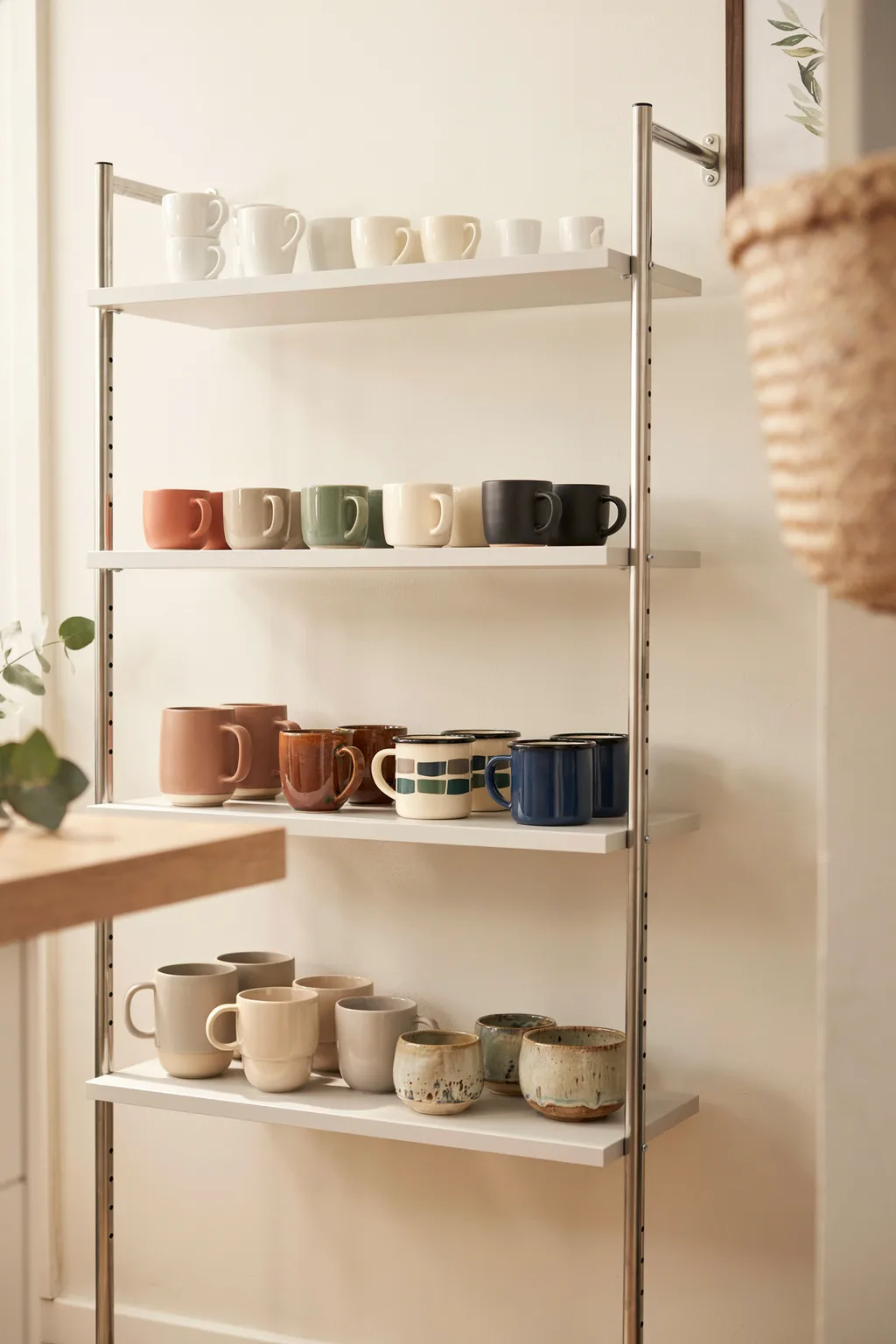
Sometimes the biggest organization problem isn’t clutter—it’s poor shelf spacing. Adjusting shelf heights to fit stored items eliminates wasted space and creates a more efficient storage system.
Pro Tip: Measure your tallest items before repositioning adjustable shelves.
FAQs
What is the purpose of a shelf?
A shelf provides a designated place to store and display items while keeping them accessible and organized. It helps maximize available space and prevents clutter from accumulating on floors and countertops.
How should products be arranged on shelves?
Group similar items together, keep frequently used products within easy reach, and use bins or dividers when necessary. A clear storage system makes shelves easier to maintain over time.