





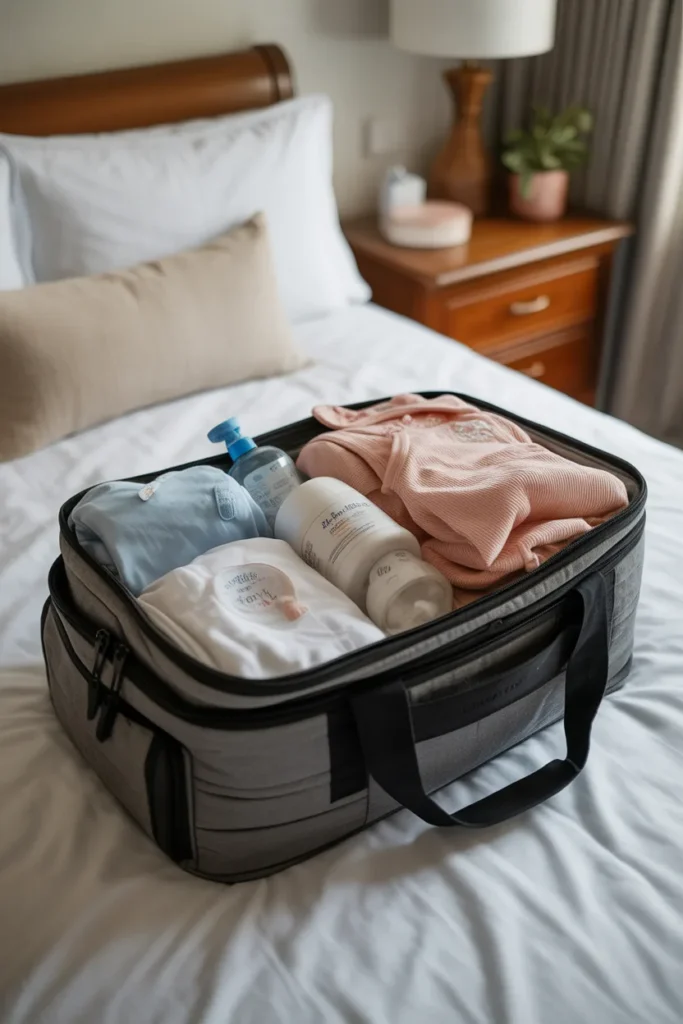
Packing my hospital bag felt overwhelming at first, but I realized having a detailed checklist makes everything smoother. I made sure to include essentials for myself, my partner, and my baby, so no one goes without what they need. From documents to comfort items, this guide covers everything I brought, making the hospital stay organized and stress-free.
Key Takeaways
Having a well-prepared hospital bag saves time, reduces stress, and ensures comfort for both parents and baby. Essentials include documents, clothing, snacks, and tools for labor support.
Mama’s Hospital Checklist
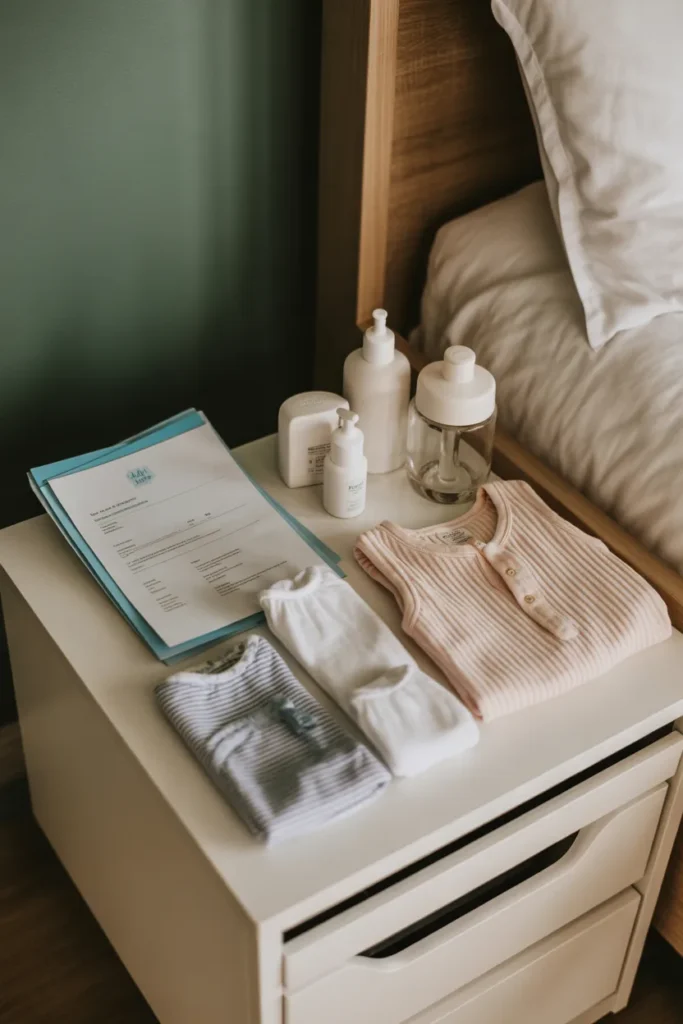
1. Photo ID, Insurance Info, Hospital Forms, Birth Plan
I always keep my ID, insurance cards, hospital forms, and birth plan ready. Hospitals need these at admission, and having my birth preferences written down helped me communicate clearly with staff. It’s reassuring knowing pain management, delivery positions, and support people are all noted.
2. Comfortable Clothing
I pack loose, front-opening outfits that fit like my 6th-month pregnancy clothes. Hospitals are often cold, so a warm robe or sweater helps me stay cozy. Clothes that are easy to wear with IVs or postpartum changes make life so much easier.
3. Maternity or Nursing Bras and Nursing Pads
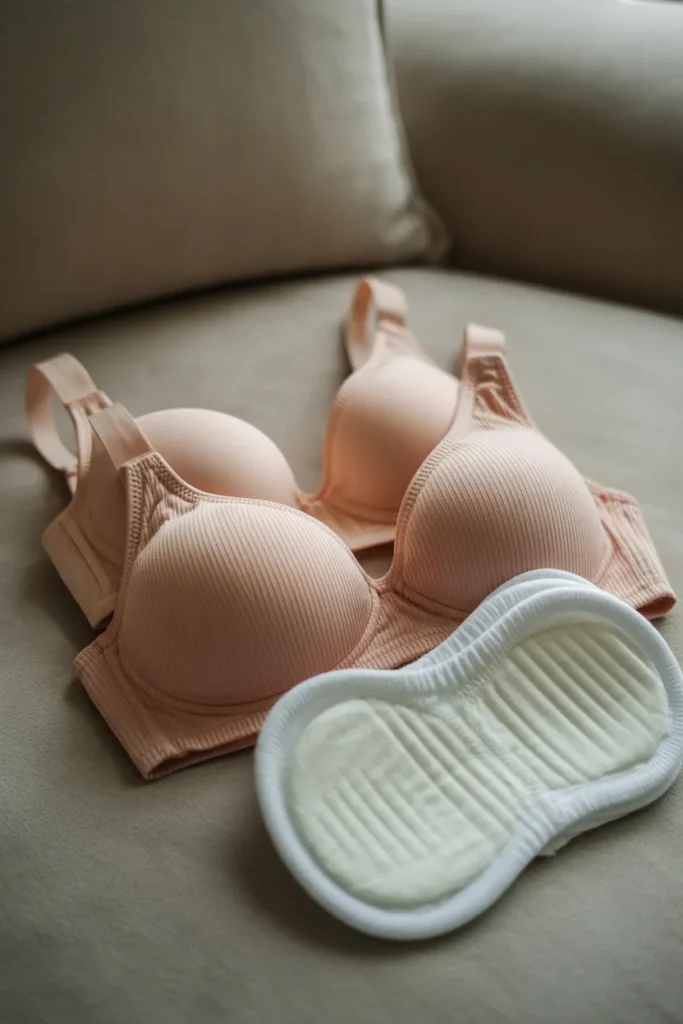
Comfortable bras without underwire are a must for sore postpartum breasts. Nursing bras and pads made feeding easier and kept me dry. Studies show early comfort can improve breastfeeding success rates in the first week.
4. Toiletries
I bring travel-sized toothpaste, toothbrush, deodorant, moisturizer, body wash, hairbrush, and lip balm. Hospitals can be dry, and having my own toiletries made me feel more “normal” during a chaotic time.
5. Miscellaneous
Non-skid socks, slippers, disposable underwear, and eyeglasses made moving around safer and more comfortable. Flip-flops protected my feet in the shower, and headbands were far more comfortable than clips.
6. Breastfeeding Pillow
A breastfeeding pillow supported both my baby and me, reducing arm and back strain. It also helped with latching, making feeding smoother and less stressful.
7. Snacks and Drinks
I packed granola bars, protein bars, dried fruit, and a water bottle. Hospitals often have limited options, and staying fueled and hydrated is critical for recovery and energy.
8. Massage Oil or Lotion
Having massage oil available allowed my partner to give gentle back or shoulder massages. Research shows touch therapy can lower stress hormones during labor and boost comfort.
9. Lip Balm
Hospital air is dry, and deep breathing during labor made my lips chapped. I recommend a natural, hydrating lip balm to keep them soft.
10. Small, Portable Fan
Labor can be hot and uncomfortable. A battery-operated fan kept me cool during intense contractions.
11. Charging Cables, Including a Long Cell Phone Charger
I packed my phone charger and a power bank. A long cable meant I could move freely while keeping my phone charged for photos and updates.
12. Entertainment
Books, magazines, a tablet, and headphones helped pass long hours. I downloaded a few podcasts and shows to keep my mind off the waiting.
Baby’s Hospital Bag Checklist
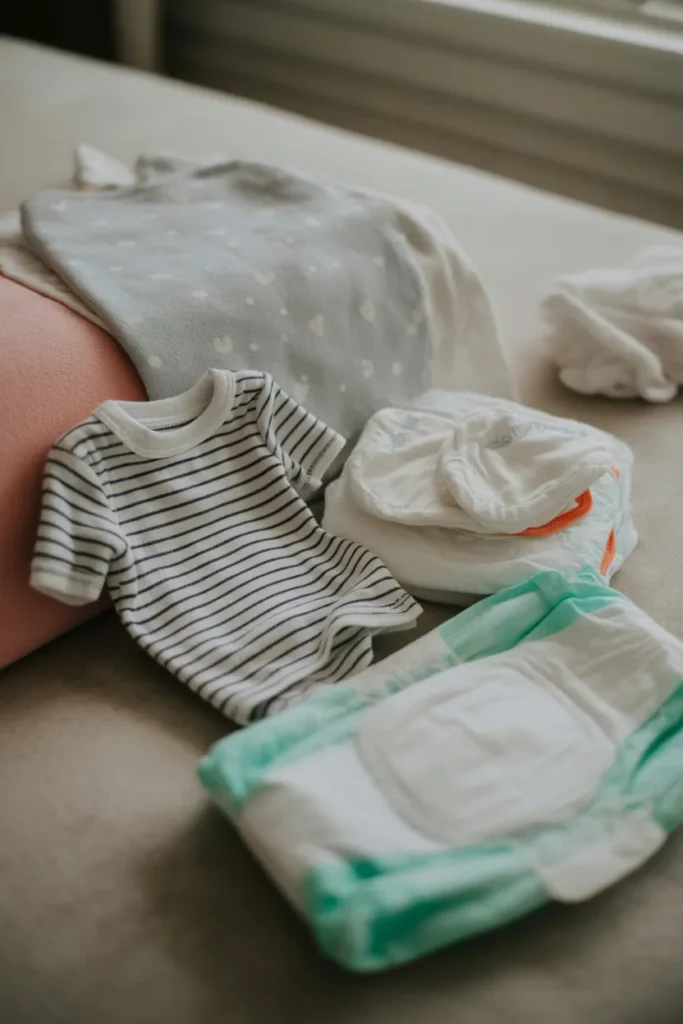
1. Going Home Outfit
I packed newborn and 0-3 month sizes since babies’ weight can vary. Soft, easy-to-wear outfits with snaps or zippers made the first car ride safe and comfortable.
2. Onesies and Sleepsuits
I brought multiple onesies and sleepsuits for layering. Hospitals can be cool, and breathable fabrics kept my baby cozy while allowing easy diaper changes.
3. Hat
A soft hat kept my baby’s head warm. Hospitals usually provide one, but having a backup matched our going-home outfit.
4. Mittens
Mittens prevented accidental scratches from tiny nails. This small item made a big difference in protecting delicate newborn skin.
5. Socks and Booties
Keeping feet warm is crucial in the first days. I packed socks and booties that were easy to slip on and off.
6. Warm Blankets
For the car ride home, a soft blanket ensured my baby stayed warm without bulky clothing in the car seat.
7. Diapers and Wipes
Even though hospitals provide some, having my preferred brands ensured readiness for delays or unexpected situations.
8. Pediatrician’s Contact Information
I kept our pediatrician’s info handy to schedule the first appointment. Early checkups are essential for monitoring newborn health.
9. Wet Wipes
Fragrance-free, hypoallergenic wipes were perfect for sensitive skin and quick cleanups. They doubled as handy tools for spills and hand cleaning.
10. Sound Machine
White noise or lullaby machines helped my baby sleep despite hospital noises. This created a soothing, familiar environment for better rest.
Dad’s/Partner’s Hospital Bag List
1. Comfortable Clothing
Extra shirts, pants, socks, and a sweater made long labor hours more manageable. Comfort is key for staying alert and supportive.
2. Toiletries
Travel-size toothpaste, toothbrush, deodorant, and soap helped maintain hygiene during extended stays.
3. Sleeping Essentials
A personal pillow and blanket improved rest during short naps on hospital couches.
4. Snacks and Drinks
Protein bars, fruits, and water kept energy levels up when cafeteria options were limited.
5. Tech and Entertainment
Phone, charger, and camera ensured connectivity and captured special moments.
6. Reusable Water Bottle
Convenient and eco-friendly for staying hydrated without relying on hospital cups.
7. Cash for Vending Machines
Small bills made quick purchases simple when cafeterias were closed.
8. Notepad and Pen
Helpful for noting instructions, reminders, or important info from staff.
9. Bathing Suit
Necessary for water births to support the mother comfortably.
10. A Change of Underwear
Extra underwear is vital for hygiene and comfort during long labor.
Labor & Recovery Hospital Bag Checklist
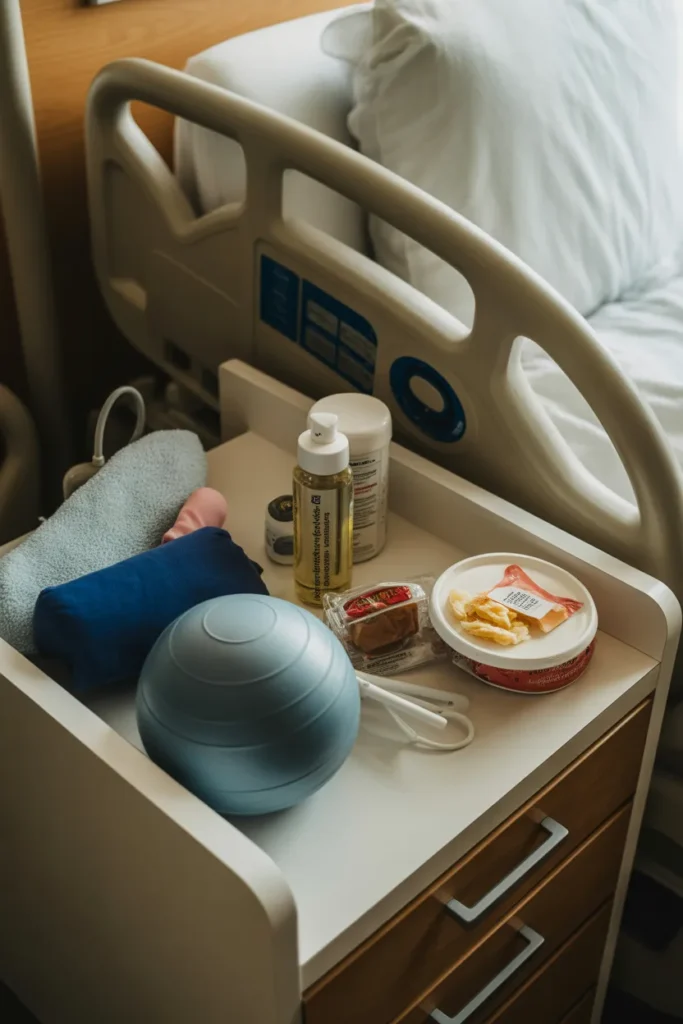
1. Birth Ball or Peanut Ball
A birth ball or peanut-shaped ball supported pelvic positioning and comfort during labor. Using one can speed labor and reduce back pain.
2. Massage Oil or Lotion
Massages eased muscle tension and lowered stress. Hypoallergenic oils worked best for my sensitive skin.
3. Music or Relaxation Tools
Calming music, aromatherapy, or stress balls helped me manage pain and anxiety naturally.
4. Lip Balm
Kept lips soft despite heavy breathing and dry air during labor.
5. Snacks and Drinks
Protein bars, nuts, fruit, and water helped maintain energy during long hours of labor.