What Are the Best DIY Crafts to Make and Sell From Home?
Making crafts at home can be a practical way to earn extra income while enjoying a creative hobby. Everyday items such as storage baskets, plant pots, fabric bags, and personalized gifts can appeal to people who want useful products with a handmade touch.
You don’t need to start with an expensive workshop or buy supplies for all 24 projects. Choose one craft that matches your skills and budget, make a few samples, and see whether people are interested before investing in larger quantities.
These home craft projects cover everything from small accessories to home decor and reusable household products. Each idea includes practical suggestions to help you get started, improve your designs, and prepare your products for potential customers.
Key Takeaways
- Start with crafts that use affordable, easy-to-find materials.
- Focus on products people can use daily or give as gifts.
- Offer coordinated sets or personalization when it makes sense.
- Include materials, packaging, labor, and selling fees when setting prices.
- Test a small batch before buying supplies in bulk.
1. Concrete Plant Pots
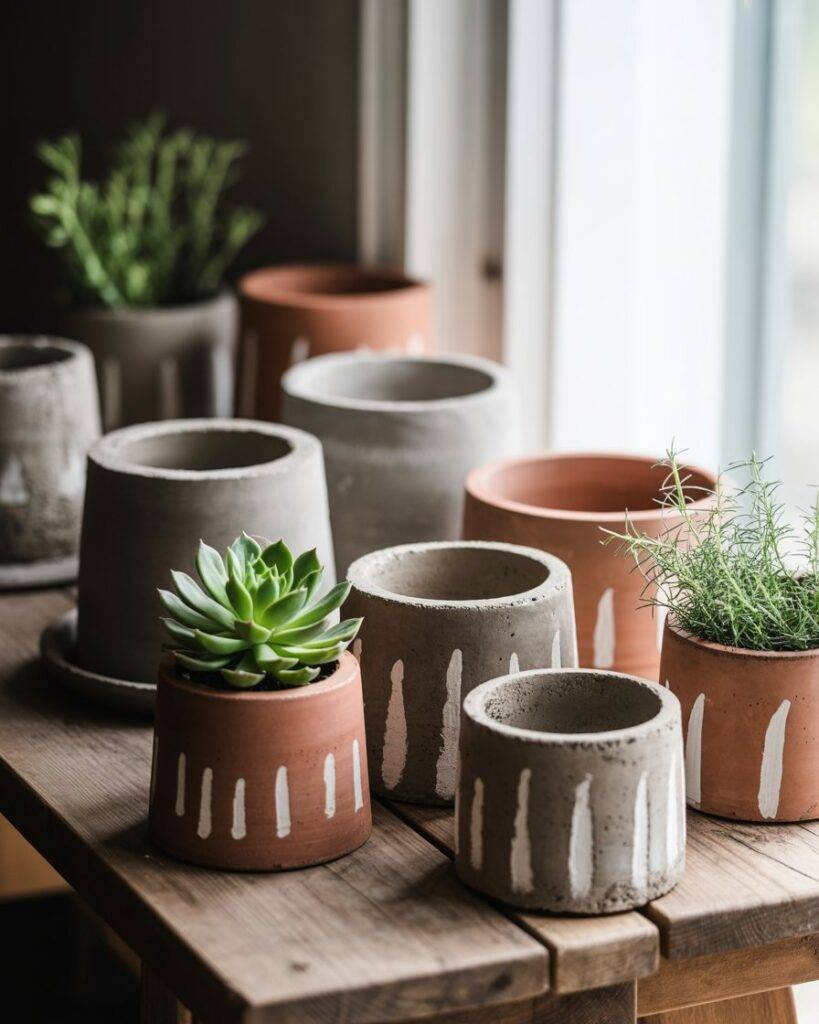
Concrete plant pots are useful home decor items that work well with modern, rustic, and minimalist interiors. You can make them in different sizes using silicone molds or suitable plastic containers, then sand the edges and finish them in white, terracotta, gray, or muted green. Small pots are suitable for succulents and herbs, while larger designs can work on patios and balconies.
Try offering matching sets of two or three pots in different heights. Allow the concrete to cure fully according to the product instructions, and make sure pots intended for live plants have suitable drainage.
Pro Tip: Start with one standard mold size so you can calculate your costs and produce consistent batches.
Related project: DIY Planter Boxes Ideas
2. Handmade Soap Bars
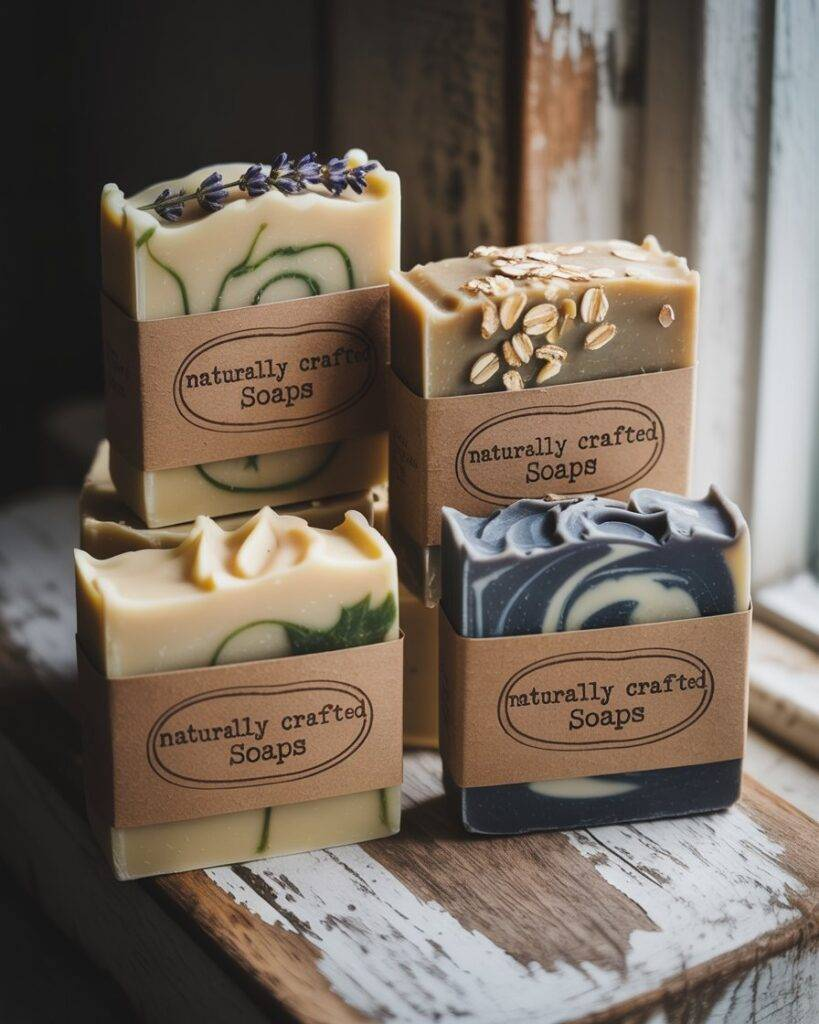
Handmade soap bars can make thoughtful gifts for birthdays, holidays, and everyday use. Melt-and-pour soap is a straightforward starting point because the base is already prepared, while cold-process soap requires more experience and careful handling of lye. You can create different designs with oatmeal, suitable cosmetic colorants, and dried botanicals, then package the bars in paper sleeves with ingredient labels.
Lavender-inspired designs, unscented bars, and coordinated gift sets give customers a few choices without requiring dozens of recipes. Use skin-safe ingredients, check local rules for selling cosmetic products, and avoid unsupported claims about treating skin conditions.
Pro Tip: Begin with one or two carefully prepared recipes and keep records of ingredients, batch dates, and production costs.
Related project: 28 DIY Crafts to Try
3. Resin Coasters
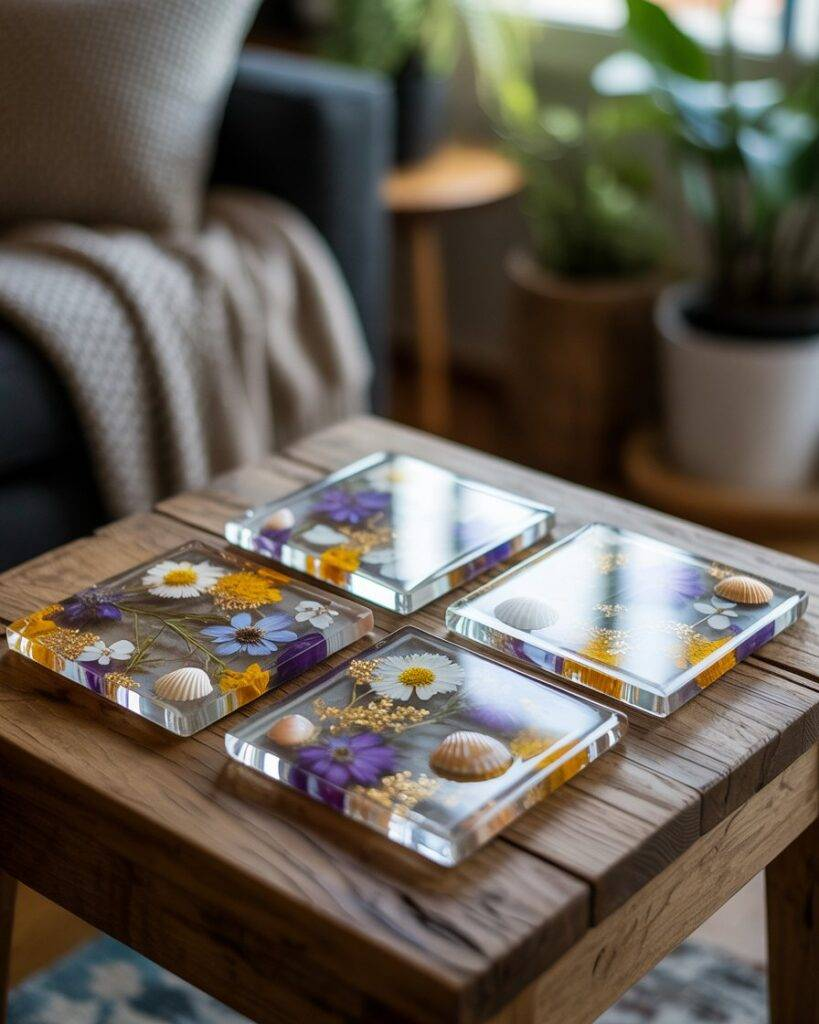
Resin coasters offer plenty of room for creative designs without taking up much storage space. Clear resin can be combined with suitable pigments, pressed flowers, or decorative flakes to create pieces for coffee tables and desks. Sets of four make practical housewarming gifts, while custom colors can coordinate with a customer’s home decor.
The mixing and curing process takes practice, so follow the manufacturer’s instructions and use the required protective equipment in a properly ventilated area. Check that each coaster is fully cured and has smooth edges before packaging it for sale.
Pro Tip: Make a small test batch before accepting custom orders because bubbles and curing problems can affect the finished result.
Related project: Concrete Molds DIY Ideas
4. Woven Wall Baskets
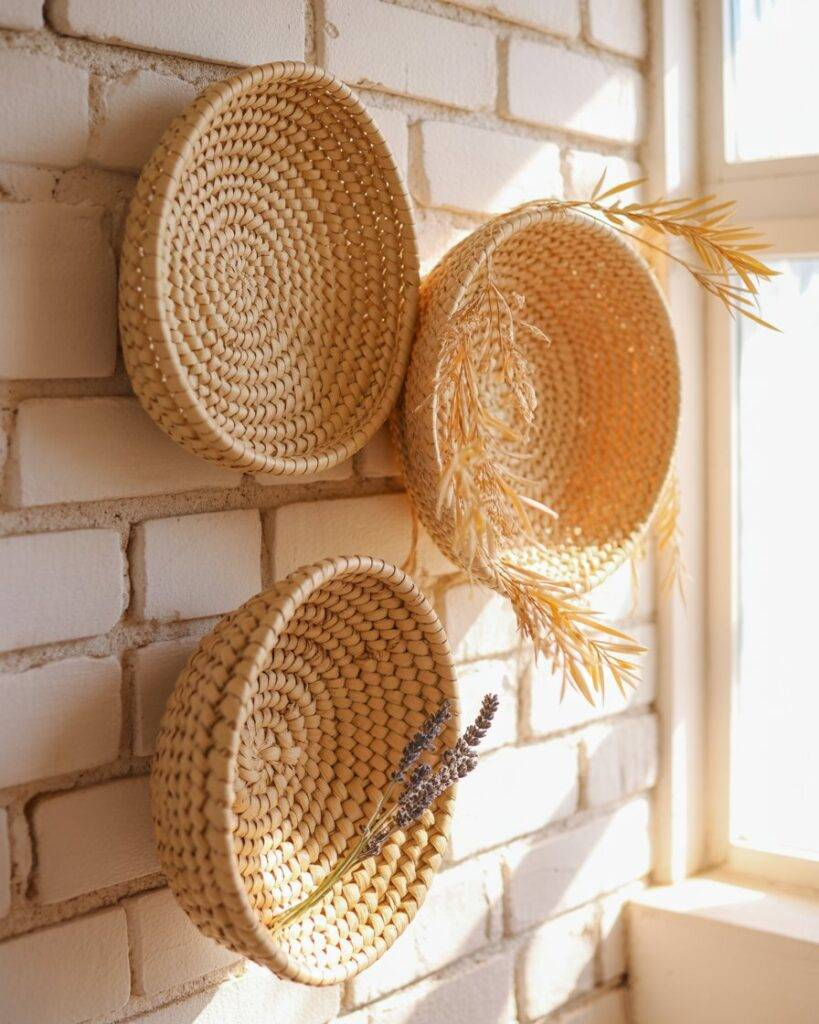
Woven wall baskets can serve as both storage and decoration in living rooms, bedrooms, and entryways. Make them from suitable natural fibers or basket-making materials, using shallow shapes for wall displays and deeper designs for holding small household items. Natural shades suit rustic and neutral interiors, while darker fibers can create a more modern look.
Start with one weaving pattern and repeat it until your baskets have consistent shapes. Small baskets are easier to store and ship than larger ones, and coordinated sets can help customers decorate an empty wall.
Pro Tip: Keep the backs flat and make sure the hanging points are secure before offering baskets as wall decor.
Related project: Best DIY Storage Ideas
5. Clay Jewelry Dishes
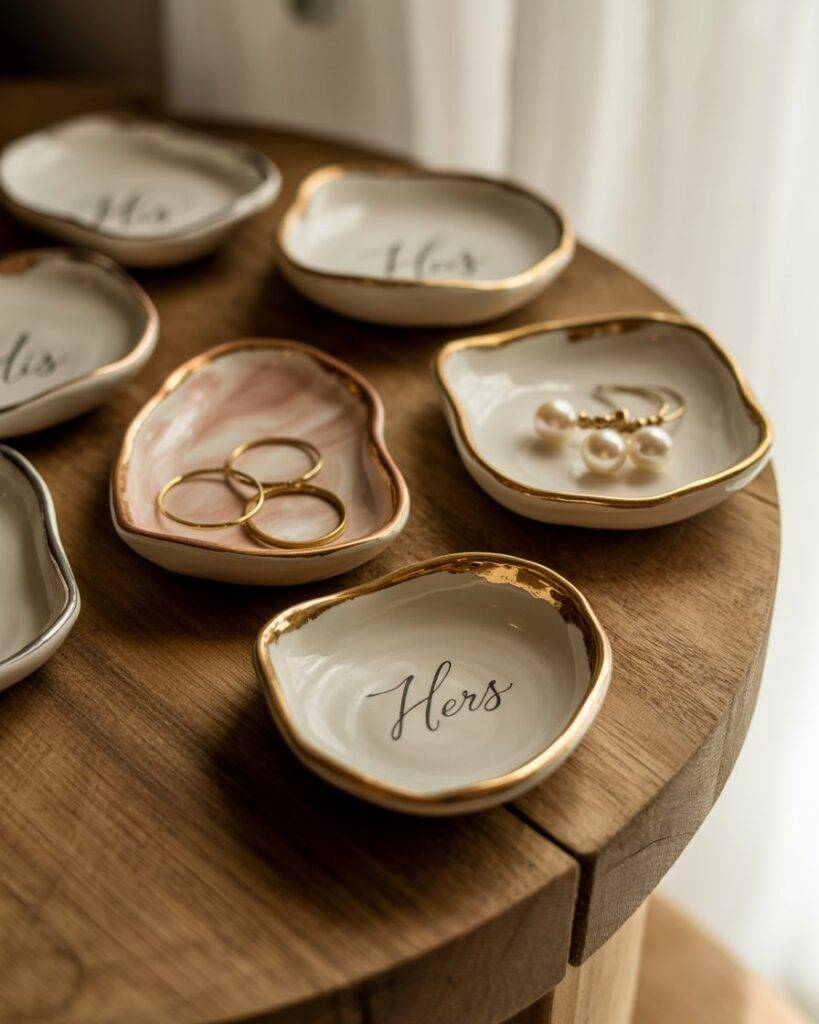
Clay jewelry dishes are small, giftable items for holding rings, earrings, necklaces, and everyday accessories. Air-dry clay is convenient for beginners because it doesn’t require a pottery kiln, while ceramic clay needs the appropriate firing process. Shape the dishes into shallow bowls and decorate them with speckles, simple painted patterns, or metallic accents using suitable finishing products.
Sell individual dishes or package a few together for birthdays, bridesmaid gifts, and Valentine’s Day. Smooth edges and a stable base are more important than complicated decoration, especially for pieces used on bedside tables or bathroom counters.
Pro Tip: Label air-dry clay dishes as decorative unless their materials and finish are confirmed suitable for contact with water or food.
Related project: DIY Birthday Gift Ideas
6. Upcycled Denim Aprons
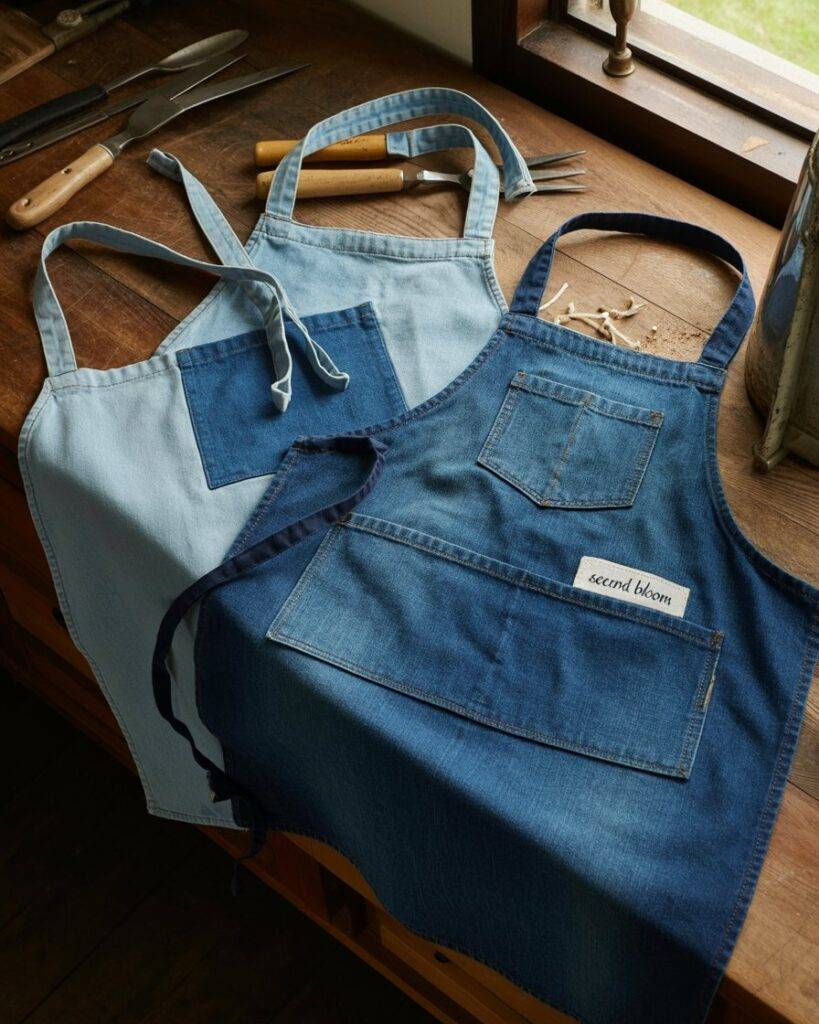
Old jeans can become durable aprons for gardening, crafting, cooking, and light workshop tasks. Existing denim pockets are useful for holding small tools, while different shades of denim can be combined into a patchwork design. You can make waist-tie styles for a simple fit or cross-back straps for customers who prefer a different way of wearing an apron.
Check the fabric carefully before cutting, particularly around worn knees and damaged seams. Reinforce the straps and pockets, and consider offering different lengths to suit different tasks.
Pro Tip: Wash and dry reclaimed denim before sewing to reduce the chance of shrinkage after the apron is sold.
Related project: Easy DIY Clothes Ideas for 2026
7. Fabric Storage Bins
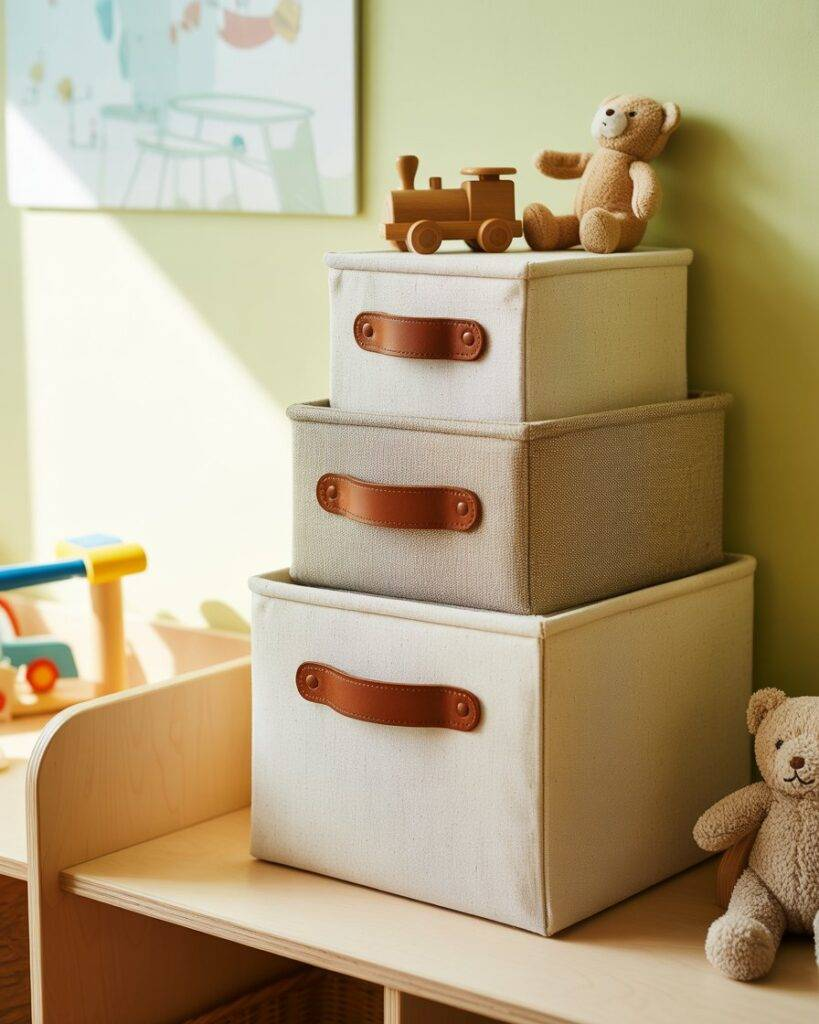
Fabric storage bins help organize toys, craft supplies, toiletries, folded clothes, and other household items. Sew them from cotton canvas or another sturdy fabric, adding interfacing to help the sides hold their shape. Neutral colors work well in living rooms and bedrooms, while playful prints suit children’s rooms and play areas.
A foldable design is useful for customers who need to store the bins when they’re not in use. You can offer several sizes or sell matching sets that fit common shelves. Make sure the handles are firmly stitched and the bins stand upright when filled.
Pro Tip: Measure the inside dimensions of common shelves before deciding on your standard bin sizes.
Related project: DIY Acrylic Paint Storage Ideas
8. Wooden Phone Stands
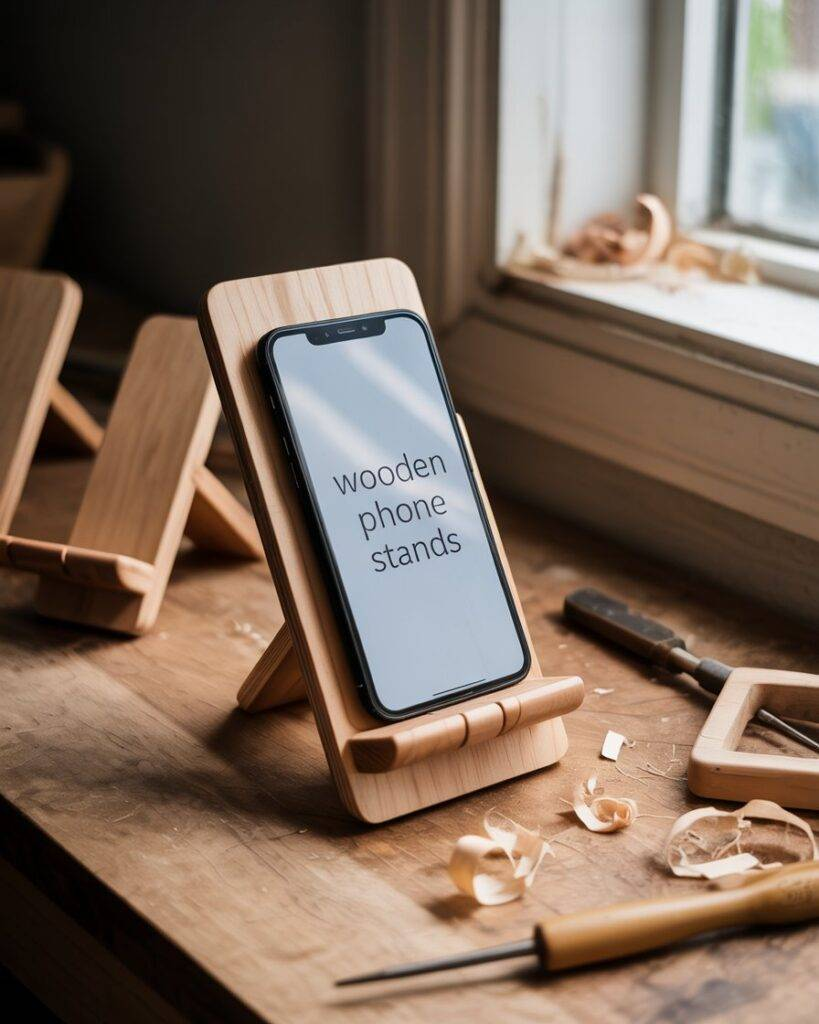
Wooden phone stands are compact products for office desks, kitchen counters, and bedside tables. Scrap wood can work well if it’s clean and in good condition. Sand the surface carefully and apply a suitable finish to give the stand a neat appearance. Experiment with different viewing angles so customers can use their phones for video calls, recipes, or watching videos.
You can add a cable opening or personalized initials to create gift options. Keep the base stable and check that the phone rests securely without slipping. If you plan to make tablet stands too, create a separate design and test it with the intended device dimensions.
Pro Tip: Test every design with different phone sizes and charging cables before producing a larger batch.
Related project: DIY Wooden Projects Ideas
9. Beeswax Food Wraps
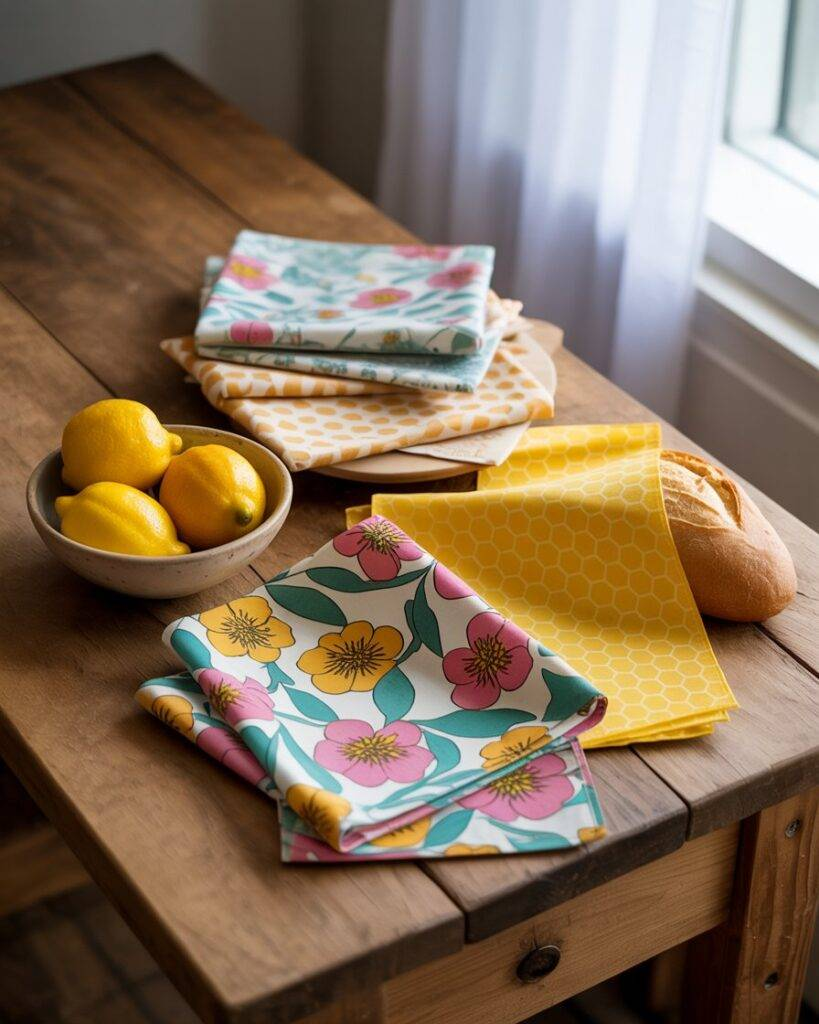
Beeswax food wraps are reusable fabric covers designed to wrap certain foods or cover bowls as an alternative to disposable plastic wrap. They’re typically made by applying a suitable beeswax mixture to cotton fabric and allowing it to cool. Offering several sizes in coordinating prints makes it easier for customers to use them for different kitchen tasks.
Choose clean cotton fabric and follow a reliable preparation method so the coating is distributed evenly. Include care instructions because beeswax wraps generally need cool or lukewarm washing rather than hot water. Explain their intended uses and limitations clearly on the product label.
Pro Tip: Sell a small, medium, and large wrap together and include simple care instructions with every set.
Related project: Best DIY Kitchen Makeover Ideas
10. Leather Keychains
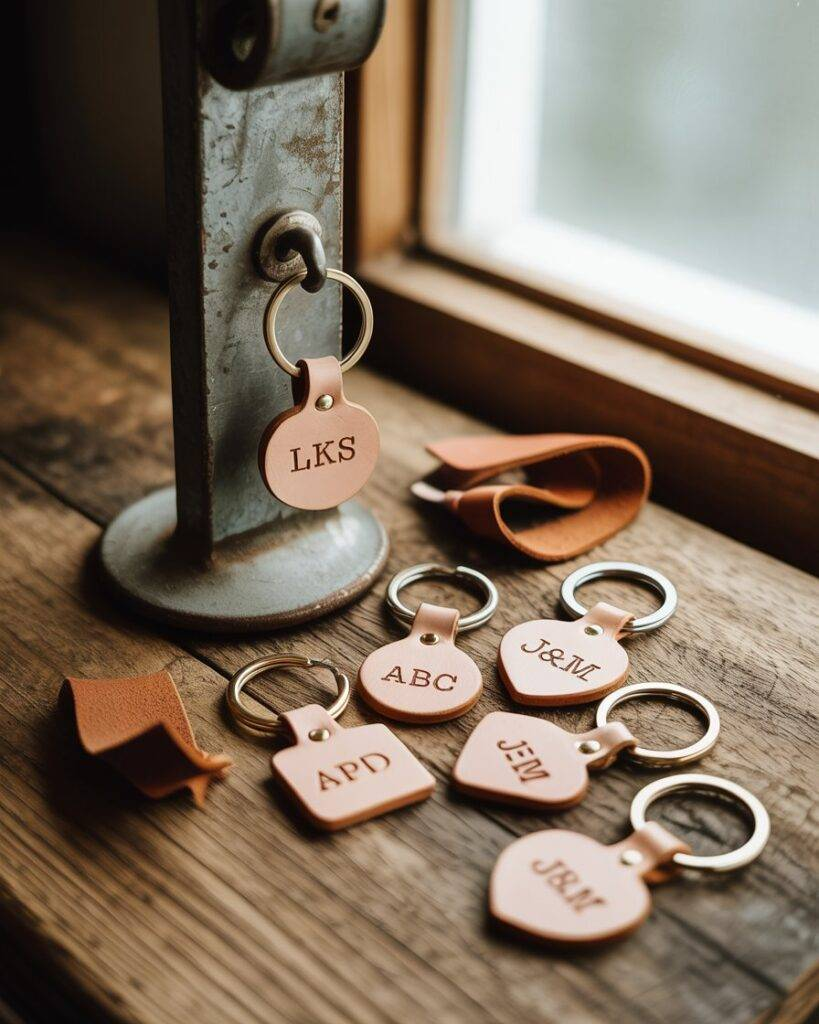
Leather keychains are small accessories that can be made from leather offcuts, helping you use materials that might otherwise go to waste. Cut simple shapes such as rectangles, circles, or rounded tags, then add a key ring and personalize the surface with initials or stamped designs. Neutral leather shades offer a classic look, while colored leather gives customers more playful options.
These keychains are easy to display at craft fairs and can be packaged as small birthday gifts or personalized favors. Offer a few standard designs and let customers choose their initials or a short message rather than creating a completely new shape for every order.
Pro Tip: Check that the holes, rivets, and key rings are secure enough to withstand regular handling.
Related project: DIY Gifts for Boyfriend
11. Crochet Market Bags
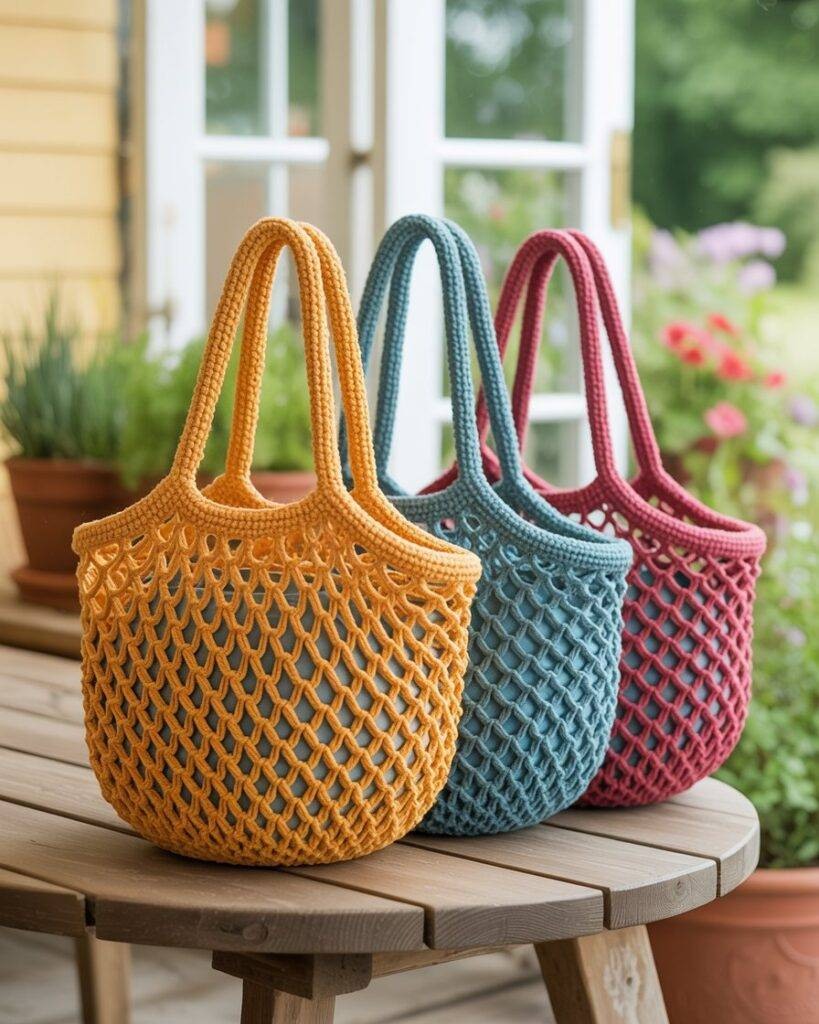
Crochet market bags are useful for carrying groceries, produce, books, and everyday essentials. Cotton yarn is a practical choice because it is generally washable and holds its shape well, while an open mesh pattern allows the bag to expand when filled. You can make short handles for carrying by hand or longer straps for wearing over the shoulder.
Start with a pattern you can repeat consistently, then experiment with earthy shades, bright colors, or simple stripes. Customers may appreciate different bag sizes, but test how much weight the handles and stitching can comfortably support before describing a bag as suitable for heavy shopping.
Pro Tip: Wash and test a sample bag before selling it to check for stretching, shrinkage, and changes in shape.
Related project: Sewing Easy DIY Ideas Anyone Can Do
12. Handmade Soap Savers
Crocheted soap saver pouches offer a simple way to hold a bar of soap while making it easier to handle in the shower or at the sink. Use cotton yarn and a pattern that allows water to drain, then add a drawstring or secure closure to keep the soap inside. Neutral colors create a simple bathroom accessory, while brighter shades can coordinate with handmade soap gift sets.
These pouches are small enough to make from leftover yarn and are convenient to package and ship. Sell them individually or pair them with soap bars in matching colors. Include washing and drying instructions so customers know how to keep the pouch clean between uses.
Pro Tip: Choose washable yarn and make the opening wide enough to fit common soap bar sizes.
Related project: Budget Bathroom DIYs
13. Felt Cozies for Cups
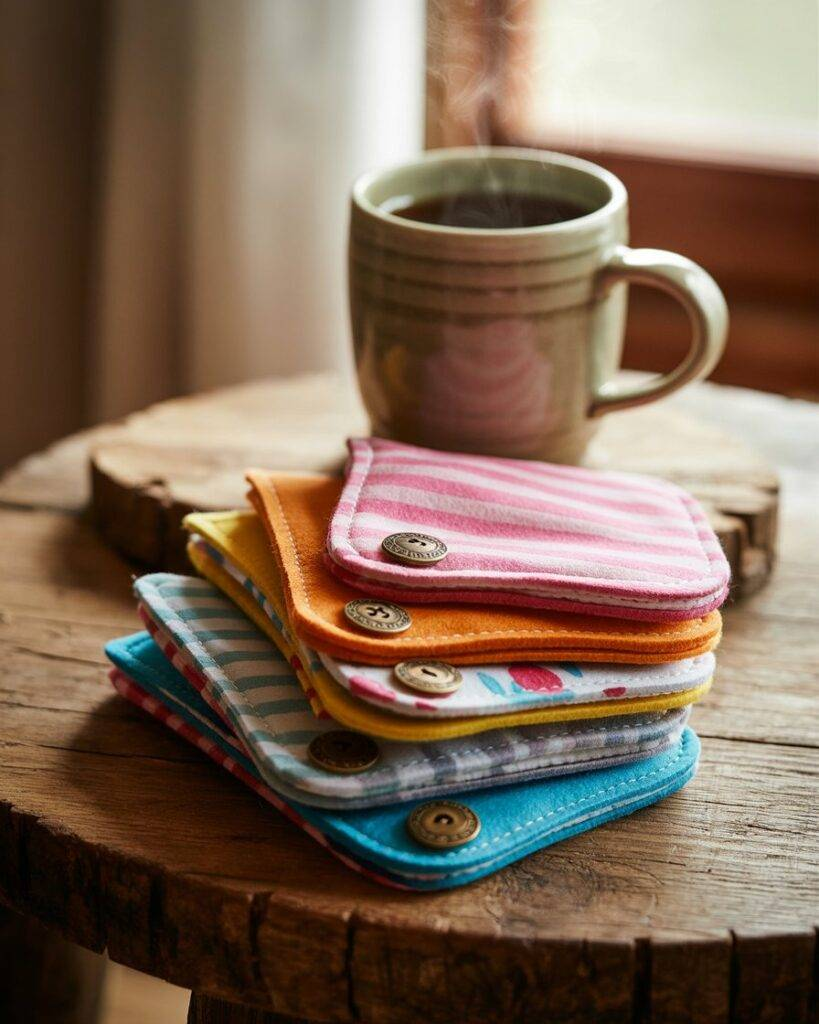
Felt cup cozies are reusable sleeves that can make holding a warm drink more comfortable. You can sew them from suitable felt or fabric, creating simple shapes for reusable cups and selected takeaway cup sizes. Small embroidered flowers, initials, seasonal motifs, or contrasting stitching add personality without making the project too time-consuming.
They can make inexpensive gifts for teachers, coworkers, and coffee lovers. Because cup sizes vary, offer clear measurements and test the fit before listing a cozy for a particular cup. A fabric sleeve is not a substitute for a secure lid or careful handling of hot drinks.
Pro Tip: Create a reusable pattern for each size so you can cut several matching cozies from the same material.
Related project: Easy DIY Paper Flowers Ideas
14. Driftwood Candle Holders
Driftwood candle holders bring natural textures into rustic, coastal, and nature-inspired home decor. Suitable pieces of wood can be cleaned, dried, and shaped into decorative holders, but the design must account for the heat and fire risks associated with open flames. A properly fitted candle insert or a design made for flameless LED candles can be a more practical choice, depending on the materials used.
Each piece of driftwood has a different shape, so you can offer one-of-a-kind designs for mantelpieces, dining tables, or seasonal displays. Check local rules about collecting driftwood and inspect every piece for rot, pests, and loose bark before using it.
Pro Tip: Consider designing driftwood displays around flameless LED candles instead of exposed flames.
Related project: DIY Yard Decor Ideas
15. Embroidered Linen Napkins
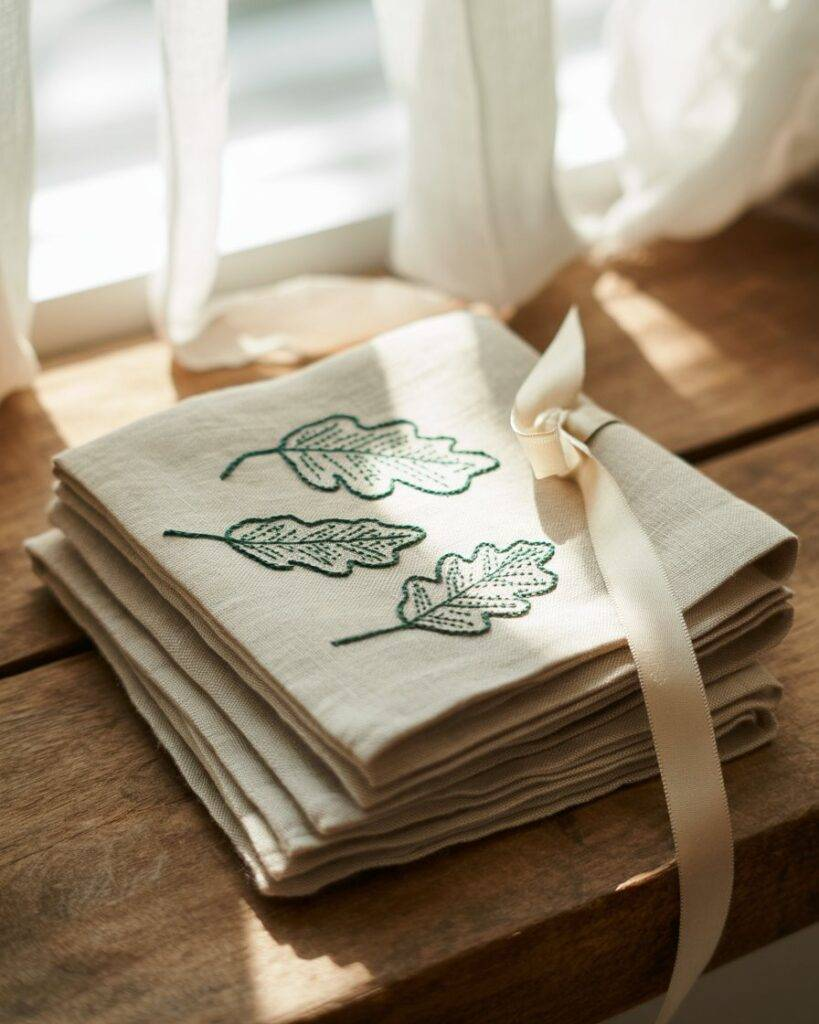
Embroidered linen napkins can be sold as reusable table accessories for everyday meals, dinner parties, weddings, and housewarming gifts. Simple stitched leaves, initials, tiny flowers, or borders add decoration without covering the whole fabric. Natural linen shades pair easily with white dinnerware and wooden tables, while colored napkins can coordinate with holiday table settings.
Sets of four or six give customers a ready-made option for hosting. Choose fabric that can be cared for easily, and test the embroidery after laundering to check for puckering or loose threads. You can also offer personalized initials for customers who want a more individual gift.
Pro Tip: Photograph a complete napkin set on a real table so shoppers can see the fabric texture and embroidery scale.
Related project: DIY Wedding Decoration Ideas
16. Macramé Plant Hangers
Macramé plant hangers are made by knotting cord into decorative holders that suspend plant pots from a suitable hook or ceiling support. Cotton cord is a common material, and simple knot patterns can create anything from a minimal design to a more detailed hanging piece. Natural cream, tan, and brown shades suit many interiors, while two-tone cord adds color.
Offer different lengths for windows, corners, and covered patios, along with sizes for common pots. The hanger must support the pot’s weight when the soil is wet, so use appropriate cord, secure knots, and suitable hanging hardware. You can sell hangers alone or bundle them with decorative planters.
Pro Tip: Test each hanger with a safely controlled load before selling it, and explain the need for suitable mounting hardware.
Related project: DIY Plant Stand Ideas
17. Wooden Serving Trays
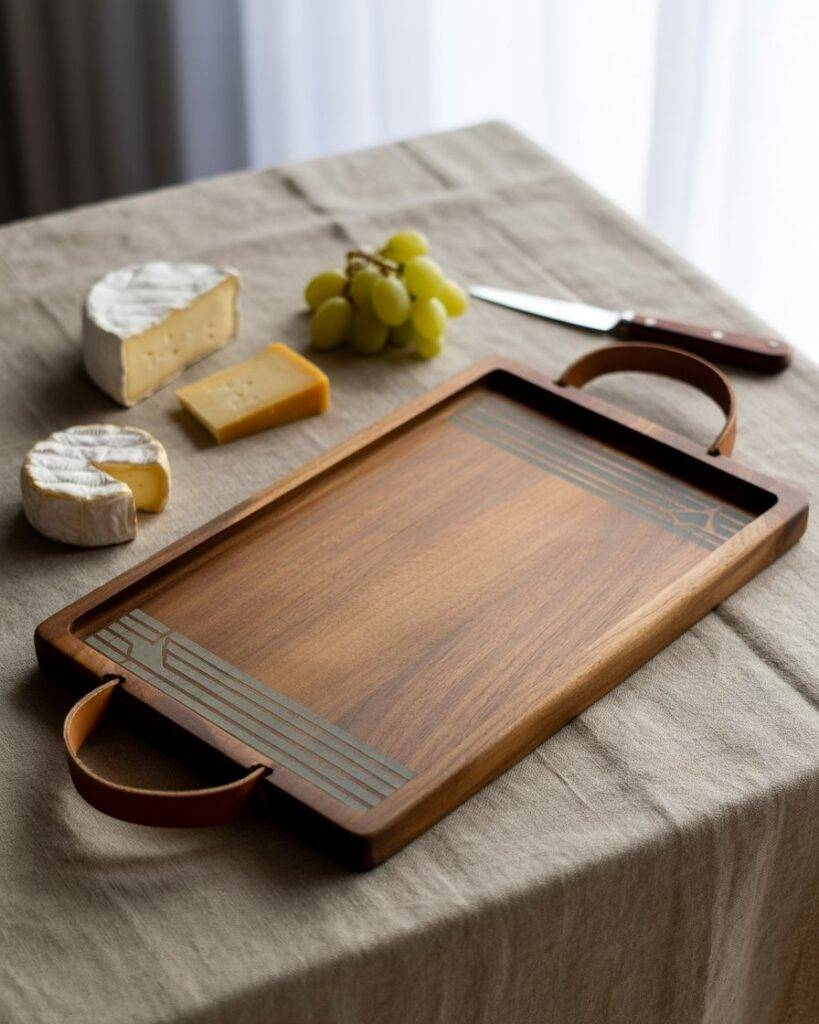
Wooden serving trays can carry breakfast, serve drinks, organize a coffee table, or display items on a kitchen counter. A simple rectangular design with smooth edges and secure handles is a good place to start. You can leave the wood natural, apply a suitable finish, or add a painted pattern to create a more decorative version.
Different finishes can appeal to different customers, from rustic farmhouse decor to clean, modern interiors. If the tray will contact food, use a finish specifically suitable for that purpose and follow its curing instructions. Sand carefully and check that the handles are firmly attached before selling each piece.
Pro Tip: Offer one plain design and one personalized option so customers can choose between everyday use and gift-giving.
Related project: DIY Fruit Tray Ideas for 2026
18. Ceramic Oil Burners
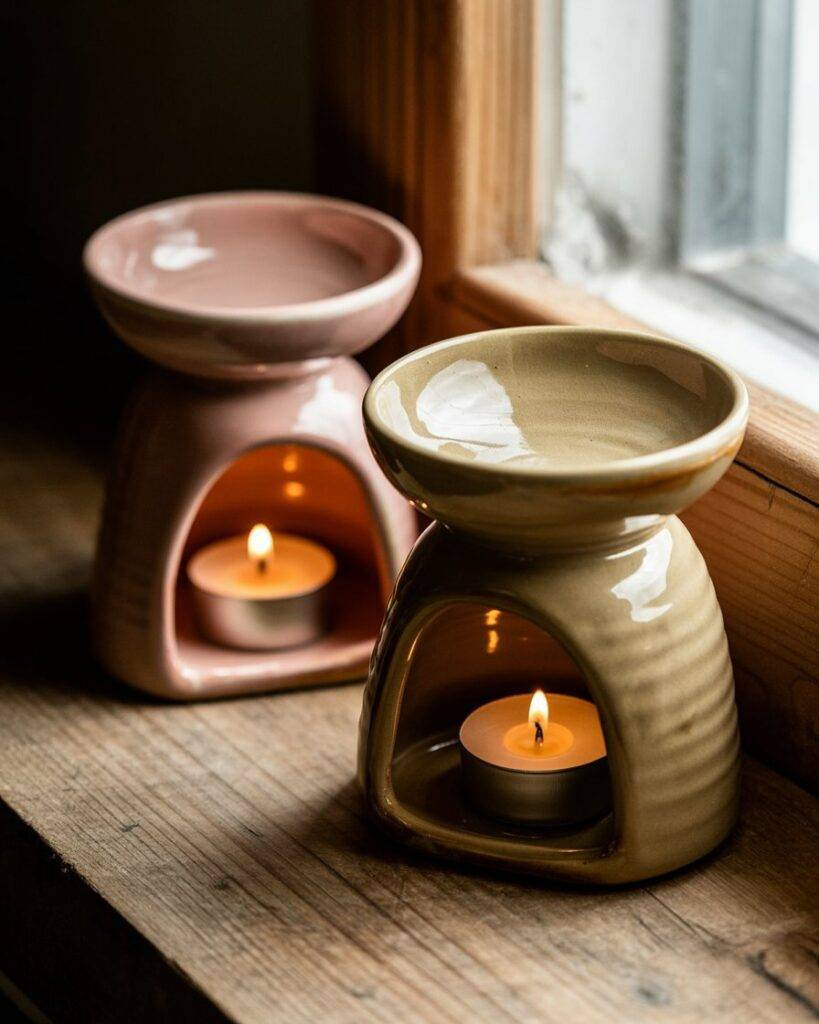
Ceramic oil burners are decorative home accessories for people who enjoy fragrance and soft ambient lighting. Their designs may include simple curved shapes, cutout patterns, or muted finishes that suit bedroom and living room decor. Burners intended for candles and fragrance oils need suitable heat-resistant materials, correct dimensions, and safe separation between the flame and the oil dish.
Air-dry clay is not automatically suitable for products exposed to direct heat, so it should not replace properly fired, heat-safe ceramic materials. If you’re new to ceramics, consider starting with decorative holders that don’t involve a flame while you learn the necessary production and safety requirements.
Pro Tip: Verify heat resistance and safe operating instructions before selling any burner designed for use with a real candle.
Related project: DIY Fall Decor Ideas for a Cozy and Stylish Home
19. Wool Dryer Balls
Wool dryer balls are reusable laundry accessories made from wool that has been tightly formed and felted. They can be packaged in sets of three or four and tied with simple cotton or jute string for a neat presentation. Some customers use them as an alternative to disposable dryer sheets, so clear product information can help explain how to use and care for them.
The key is producing balls that remain firm during repeated use. Make them in a consistent size and offer natural wool shades or simple gift packaging. Avoid promising specific reductions in drying time or making claims about fragrance and fabric care unless you have reliable evidence to support them.
Pro Tip: Test a sample through repeated laundry cycles to check that it stays intact and doesn’t shed excessively.
Related project: 28 DIY Crafts to Try
20. Upcycled Glass Jar Lanterns
Glass jar lanterns give clean, empty jars a second use as decorative lighting for patios, covered porches, and indoor displays. Add wire handles, translucent paint, frosted finishes, or simple decorative patterns. Matching pairs work well as table decorations, while seasonal versions can be made for weddings, autumn gatherings, and holiday displays.
For products intended to hold real candles, choose suitable heat-resistant glass and design the lantern with adequate ventilation and safe clearance from flammable decorations. LED tea lights are a practical alternative for painted jars or designs containing combustible materials. Make sure every jar is free from cracks and sharp edges.
Pro Tip: Create one everyday design and one seasonal version using the same jar size to simplify production.
Related project: DIY Christmas Ornaments
21. Rope Baskets
Rope baskets are useful for storing blankets, toys, craft supplies, towels, and other household items. You can coil thick cotton rope into a round or oval shape and stitch the coils together using a sewing machine designed to handle the material or an appropriate hand-stitching method. Natural rope gives the basket a simple look, while contrasting thread or sturdy handles adds detail.
Small baskets can hold keys and toiletries, while larger versions suit shelves and living rooms. If you want to sell sets, keep the shape and color consistent while varying the sizes. Make sure the base sits flat and the sides hold their shape when filled.
Pro Tip: Start with a small basket to practice controlling the rope before moving on to larger designs.
Related project: Best DIY Storage Ideas
22. Fabric Headbands
Fabric headbands are a beginner-friendly sewing project that can use leftover cotton, jersey, or other suitable fabric scraps. You can make slim everyday bands, wider headbands for extra coverage, or twisted-front designs for a different finish. Florals, checks, solid colors, and seasonal prints give customers options without requiring a complicated pattern.
Selling two or three coordinating headbands together can appeal to shoppers who want different colors for different outfits. Pay attention to elastic length and fabric stretch so the band stays in place without feeling too tight. You can also create matching sets for children and adults, with separate sizing where needed.
Pro Tip: Test your headbands on different head sizes and fabric types before settling on a standard pattern.
Related project: Easy DIY Clothes Ideas for 2026
23. Pallet Wood Shelves
Reclaimed pallet wood can be turned into small shelves for spices, books, plants, and decorative objects. Sanding and a suitable finish help create a cleaner surface, while simple brackets give the shelf a practical appearance. You can leave natural variations in the grain visible or use a stain to make the wood darker.
Before using reclaimed pallets, check their source and condition, avoid wood that may have been chemically treated or contaminated, and remove nails and damaged sections. Sand thoroughly and use suitable mounting hardware for the shelf’s intended load. Since these items are heavier than small accessories, include packaging and delivery costs when setting your price.
Pro Tip: Build and test one shelf first, including its brackets and mounting instructions, before making a batch for sale.
Related project: How to Build a Floating Shelf
24. Personalized Doormats
Personalized doormats are practical home accessories that can be customized for housewarmings, weddings, holidays, and new homeowners. Start with a plain coir mat and use stencils to add a family name, a short greeting, or a seasonal design. Black lettering offers a traditional look, while muted green or other suitable outdoor colors can complement a porch or entryway.
Custom orders let customers choose their wording, but keep the design area and available letter styles consistent so production stays manageable. Use paint suitable for the surface and outdoor conditions, and follow the manufacturer’s drying instructions. Test your stencil technique on a spare piece of material before working on a customer’s mat.
Pro Tip: Ask customers to confirm spelling and capitalization in writing before you begin a personalized order.
Related project: DIY Yard Decor Ideas
5 Reasons to Explore These Home Craft Projects
To Share Practical Craft Ideas
Home crafting can be enjoyable, but choosing what to make for potential customers takes a little thought. These projects focus on items people can use, display, or give as gifts, from handmade accessories to useful home organizers. The best starting point depends on your existing skills, available supplies, and the type of work you enjoy doing.
Pro Tip: Choose a project that uses skills you already have, then learn additional techniques as your craft business grows.
Related project: 28 DIY Crafts to Try
To Show How Small Crafts Can Add Up
You don’t need to begin with large furniture pieces or complicated products to test a craft-selling idea. Small items such as keychains, coasters, headbands, and soap savers can be produced in manageable batches. Sales and profits depend on material costs, working time, demand, and how effectively you reach potential customers.
Pro Tip: Track your expenses and sales from the first batch so you can identify which products are worth making again.
Related project: DIY Birthday Gift Ideas
To Give Creativity a Practical Purpose
Useful crafts can appeal to customers because they solve an everyday problem or make a routine activity more enjoyable. Storage bins help organize a home, fabric bags can carry groceries, and wooden phone stands provide a place to rest a device. Thoughtful details, such as a useful size or easy-to-clean material, can make a handmade item more appealing.
Pro Tip: Before making a new product, consider what the buyer will use it for and whether your design does that job well.
Related project: Best DIY Storage Ideas
To Encourage Realistic Planning
Starting a craft business involves more than making attractive products. You also need to consider the time required for each item, packaging, delivery, customer requests, and the cost of replacing supplies. Some crafts are quick to produce, while woodworking, embroidery, and ceramics may require more time, equipment, or practice.
Pro Tip: Make one sample from start to finish and record the time and materials needed before deciding how much to charge.
Related project: DIY Wooden Projects Ideas
To Help Beginners Take the First Step
If you’ve been thinking about selling handmade products, starting with one small project can make the process easier to manage. Choose something you can make consistently, prepare a few samples, and ask potential buyers for specific feedback about the design, size, and price. You can then improve the product before investing in a larger supply of materials.
Pro Tip: Set a small first goal, such as completing five samples or listing one product, rather than trying to launch an entire collection at once.
Related project: Sewing Easy DIY Ideas Anyone Can Do
Final Thoughts
These 24 home craft projects offer different ways to turn creative skills into potential extra income. Concrete planters, crochet bags, fabric storage bins, wooden trays, and personalized doormats appeal to different customers, so the right choice depends on what you can make well and what people in your target market want to buy.
Earning money from crafts takes planning as well as creativity. Calculate your costs, pay attention to quality, and start with a manageable batch. You can sell through local craft fairs, community groups, social media, or suitable online marketplaces, depending on what’s available to you.
You don’t have to try every idea on this list. Pick one that fits your budget and skill level, make a sample, and see how people respond. With careful pricing and steady improvement, a hobby can become a useful source of additional income over time.
Pro Tip: Before expanding into more products, review your first sales and focus on the items customers want and that you can make at a reasonable cost.