
Escape rooms have become one of my favorite indoor activities for kids because they mix learning, teamwork, and excitement in one setup. I’ve noticed that even simple puzzles can keep children focused for over an hour when the theme feels fun and interactive.
The best part is you do not need expensive supplies or professional props. Most of these escape room ideas can be created using paper, balloons, toys, flashlights, and household items already sitting around the house.
In this guide, I’m sharing creative escape room puzzle ideas that work well for birthday parties, rainy days, classrooms, and family game nights. Some activities improve memory and problem-solving, while others help kids practice teamwork and communication naturally while playing.
Key Takeaways
- Escape room games help improve critical thinking and teamwork
- Most setups use low-cost household materials
- Puzzle games work well for birthdays and classroom activities
- Mixing physical and brain challenges keeps kids engaged longer
- Younger kids enjoy visual clues while older kids prefer logic puzzles
30 Escape Room Puzzle Games Ideas
1. Mirror Message
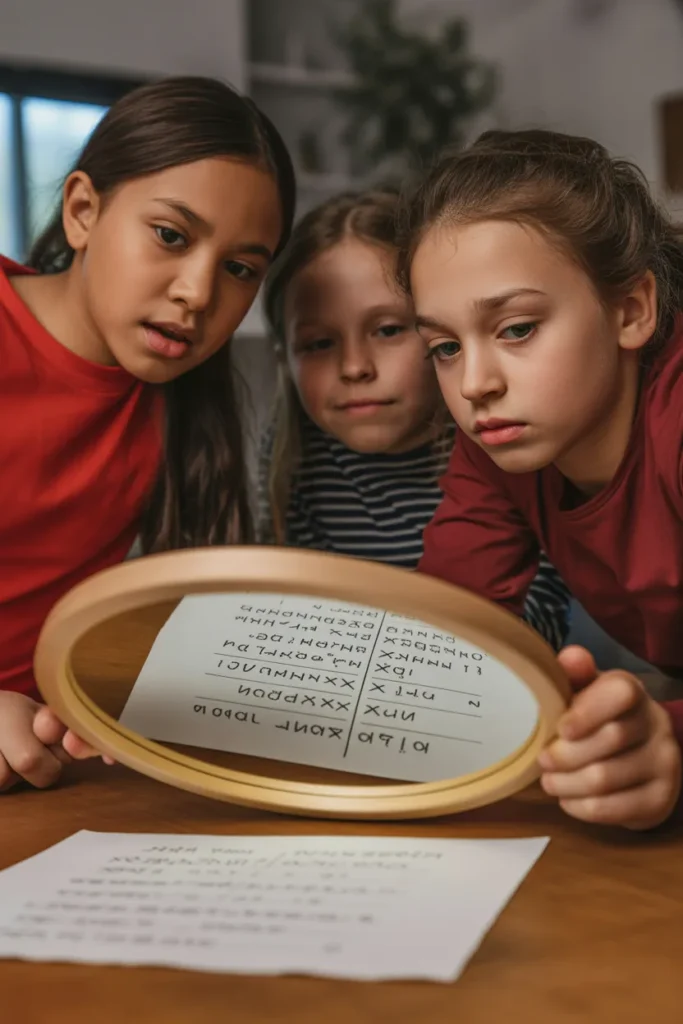
I like using mirror clues because kids instantly feel like secret agents trying to decode hidden information. It adds mystery without making the game too difficult.
I usually write clues backward on paper and hide them inside books or under tables. Once kids find a mirror, they finally understand the message. This puzzle works especially well for ages 7 to 12.
Pro Tip: Use thick dark markers because light pencil writing becomes hard to read in mirrors.
2. Riddle Clues
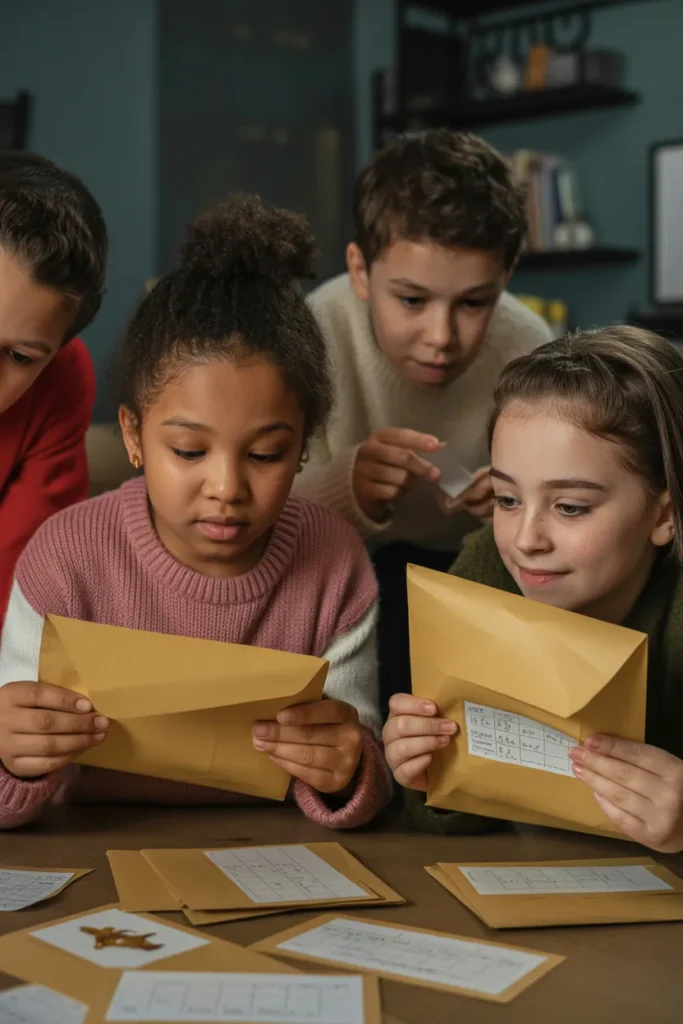
Riddles are one of the easiest ways I keep kids thinking during escape games. Short riddles help slow the game down in a good way because children stop and discuss answers together.
I normally hide each riddle inside envelopes around the room. Every correct answer leads to another clue, creating a treasure-hunt feeling kids love.
Studies show brain teaser activities can improve memory and reasoning skills in children when used regularly during playtime.
3. Math Problems
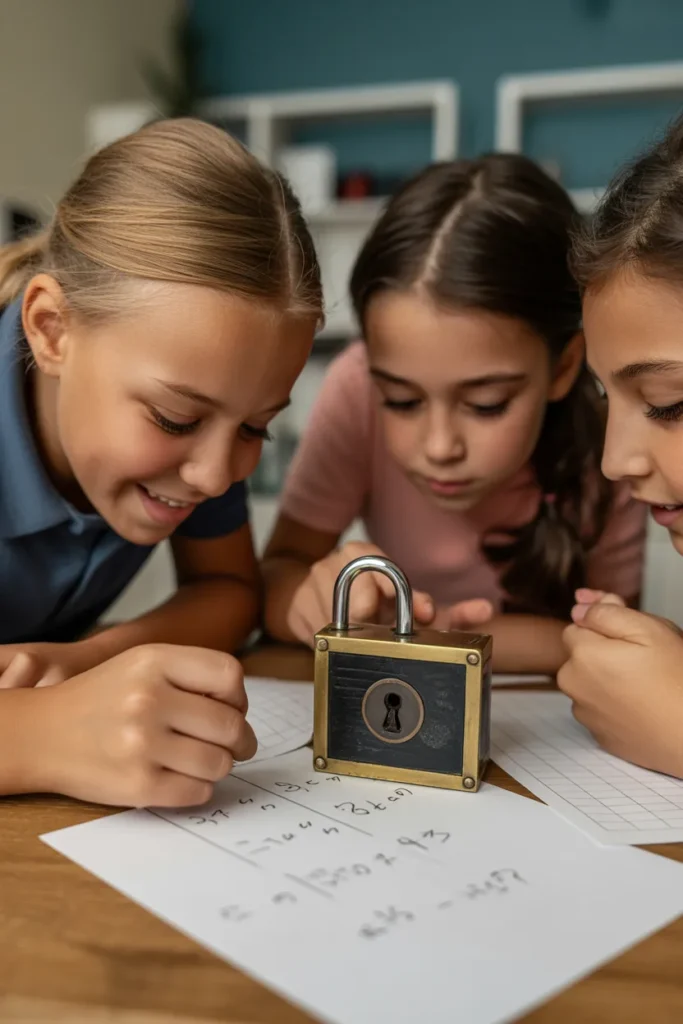
Math puzzles work surprisingly well in escape rooms when they are short and age-appropriate. I avoid making them feel like school homework.
For younger kids, I use simple addition or subtraction. Older kids usually enjoy multiplication codes or number patterns. Solving the equation gives them a lock code or clue location.
I’ve found kids stay more motivated when the math challenge directly unlocks something exciting.
4. Science Experiments
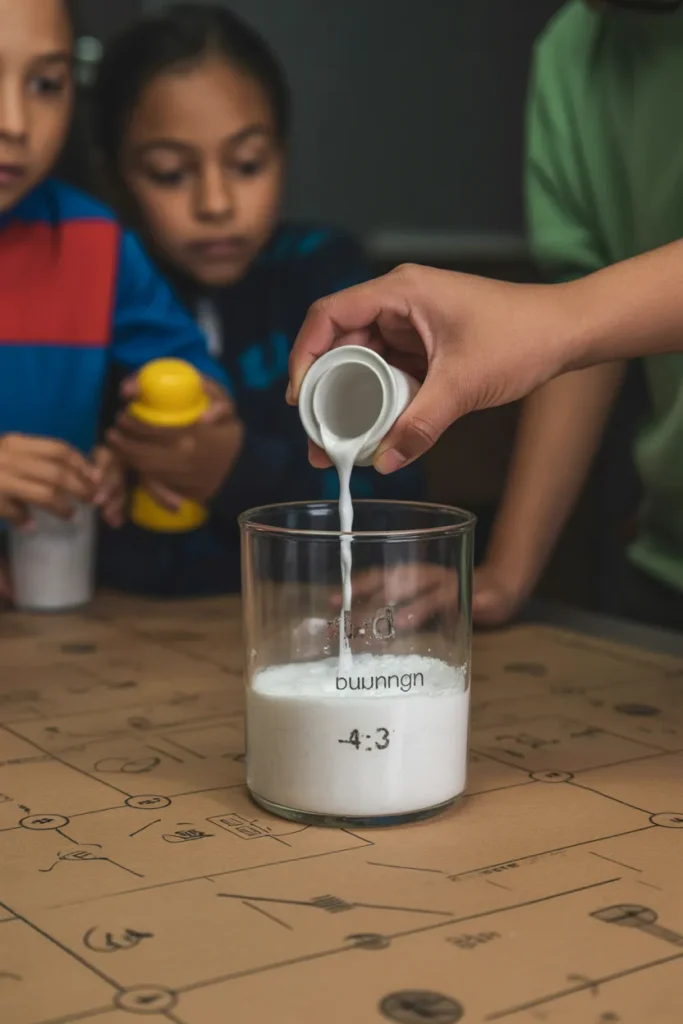
Science-themed puzzles always become the highlight of the room in my experience. Kids love touching, mixing, and testing things themselves.
One easy setup I use involves magnets and hidden metal keys inside containers. Another favorite is baking soda and vinegar revealing a clue hidden under foam.
These activities secretly teach STEM skills while still feeling like pure fun.
5. High Clue Hunt
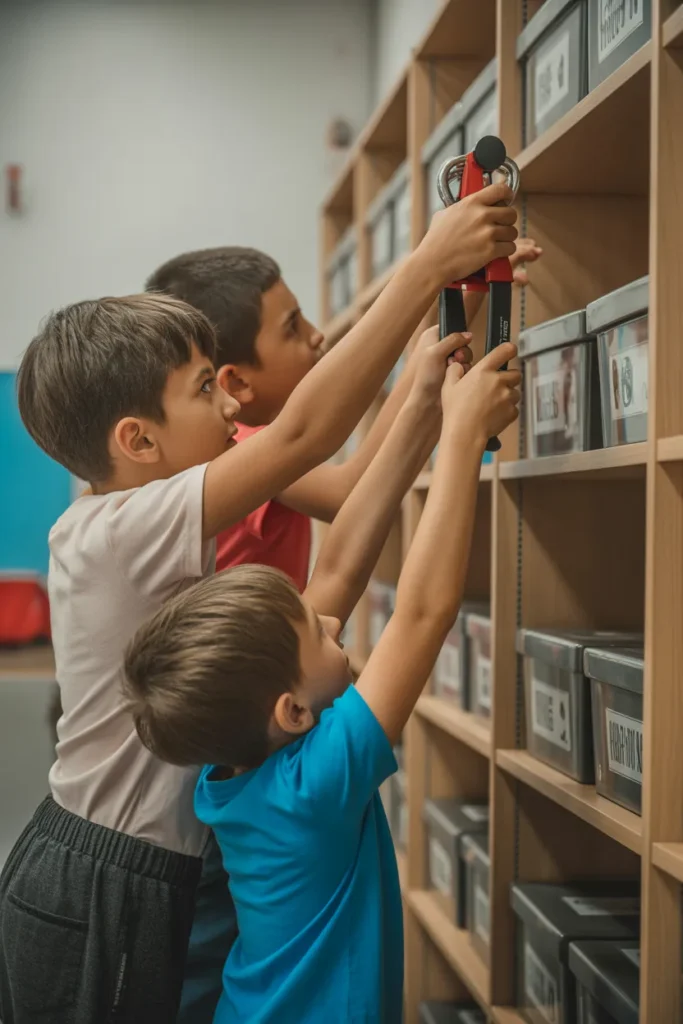
This puzzle adds movement and teamwork to the game. I usually hide clues on shelves, curtain rods, or high cabinets where kids cannot easily reach them.
Then I leave tools nearby like toy grabbers, ropes, or hooks. Watching kids work together to retrieve clues becomes half the fun.
This idea works especially well during larger birthday party escape rooms.
6. Color-Coded Clues
Color puzzles are perfect for younger kids because they rely more on observation than reading skills. I often use colored circles, blocks, or sticky notes.
Each color represents a number that forms a secret code. Kids must notice patterns and arrange everything correctly to unlock the next stage.
Bright visuals help keep attention spans longer during indoor games.
7. Talking Animals
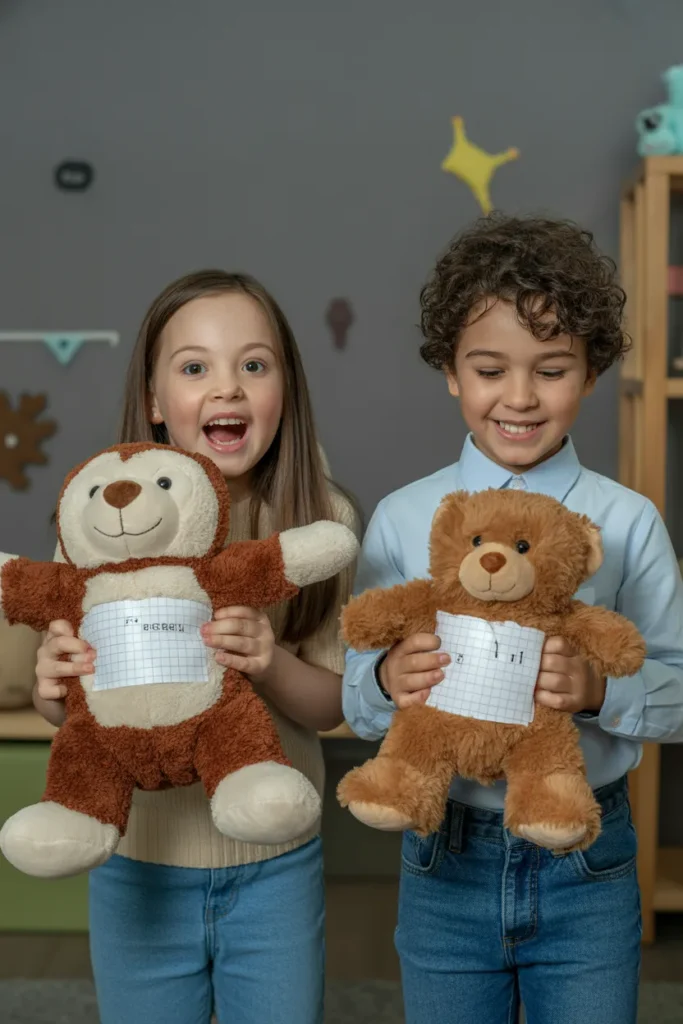
Adding stuffed animals instantly makes escape rooms feel more playful and less stressful for younger children. I sometimes hide voice recordings inside plush toys using mini sound devices.
Kids press the toy and hear clues guiding them toward hidden objects or locked boxes. This setup feels magical for younger players.
In my experience, themed animal clues work best for preschool and elementary-age groups.
8. Jigsaw Puzzle
Jigsaw puzzles are great because they combine patience and teamwork in one challenge. I usually write a hidden code on the back of completed puzzle pieces.
Kids rush to assemble the image while searching for secret numbers or words hidden within it. This activity also slows down overly energetic groups in a helpful way.
Choose larger puzzle pieces for younger children to avoid frustration.
9. Treasure Box
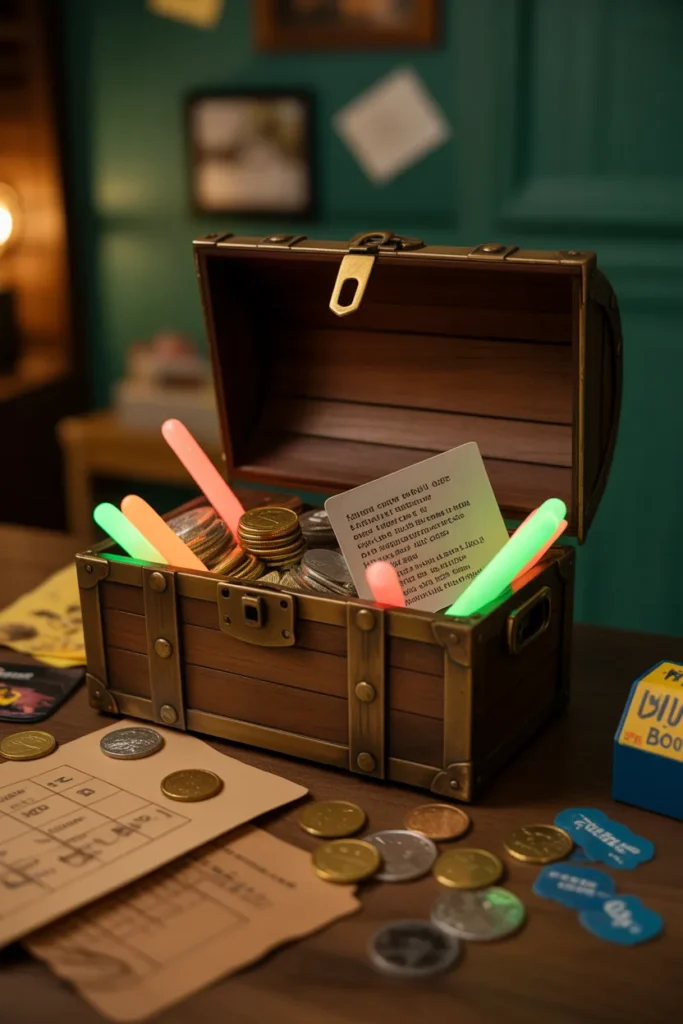
A treasure chest instantly makes kids more excited about the final prize. I normally fill mine with chocolate coins, glow sticks, or tiny toys.
One fun trick I use is hiding a glowing clue inside the box that only appears after turning off the lights. Kids absolutely love that surprise moment.
Glow-in-the-dark paint works best when charged under bright light beforehand.
10. Scratch-Off Clue
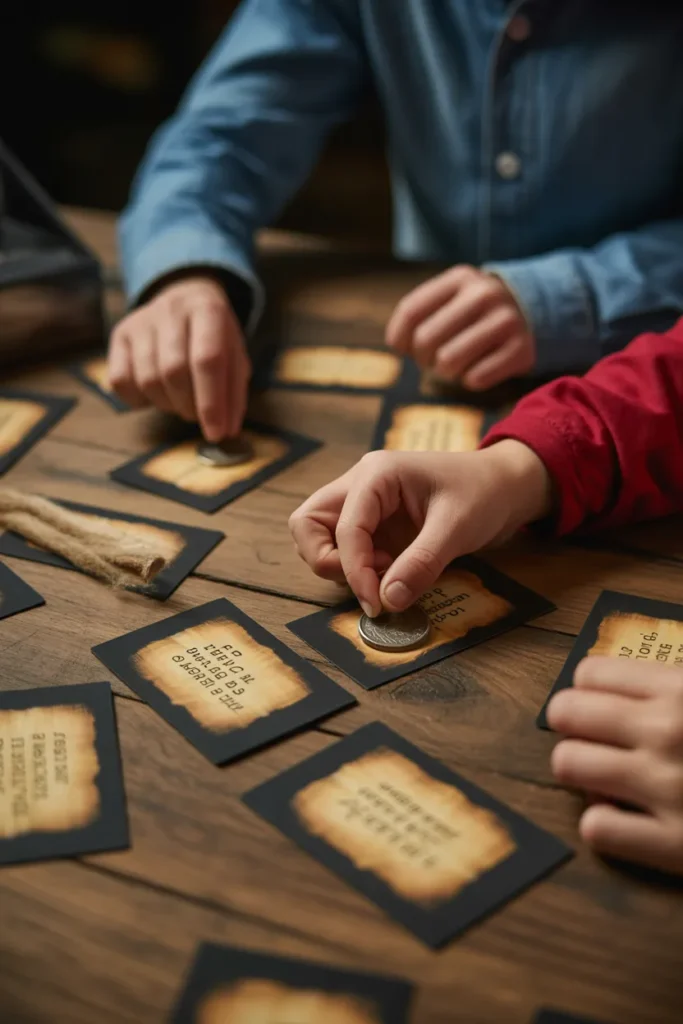
Scratch-off clues feel interactive because kids physically reveal the hidden message themselves. I usually make these using foil, glue, and paint.
Children scratch the surface using coins until they uncover the next instruction underneath. It feels similar to a lottery ticket, which makes the puzzle more exciting.
This activity works really well during pirate or treasure-themed escape rooms.
11. Lock and Key Pairs
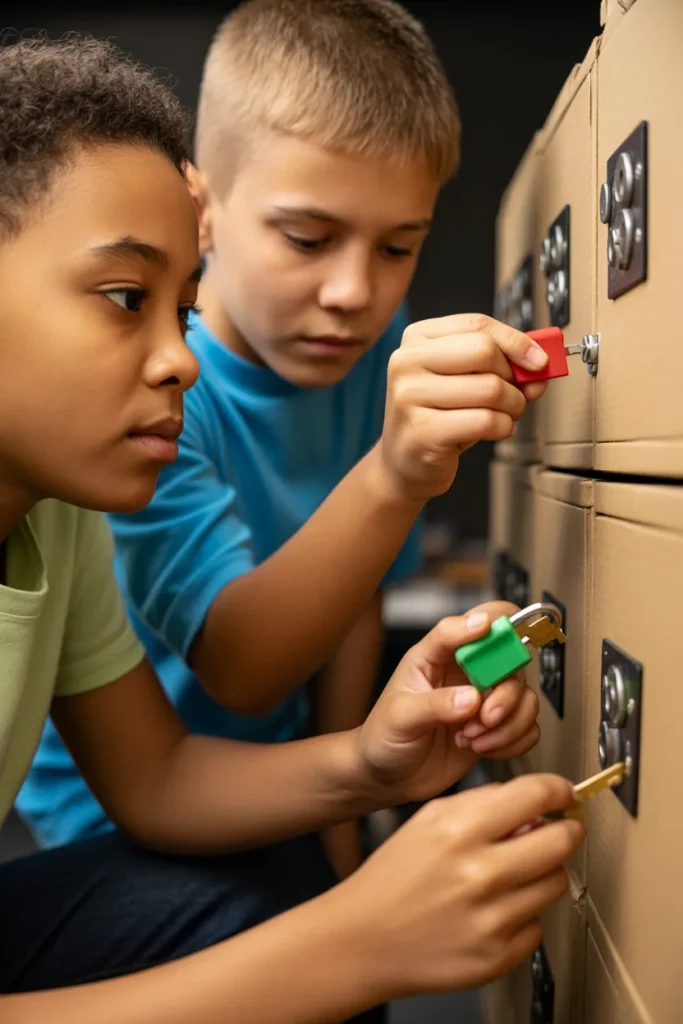
This is one of the simplest escape room ideas I use when planning games quickly. I scatter different keys around the room and attach locks to boxes or containers.
Kids test keys one by one until they discover the correct match. It keeps them moving constantly while building anticipation.
I recommend using colorful tags on locks to help younger kids stay organized.
12. Storybook Puzzle
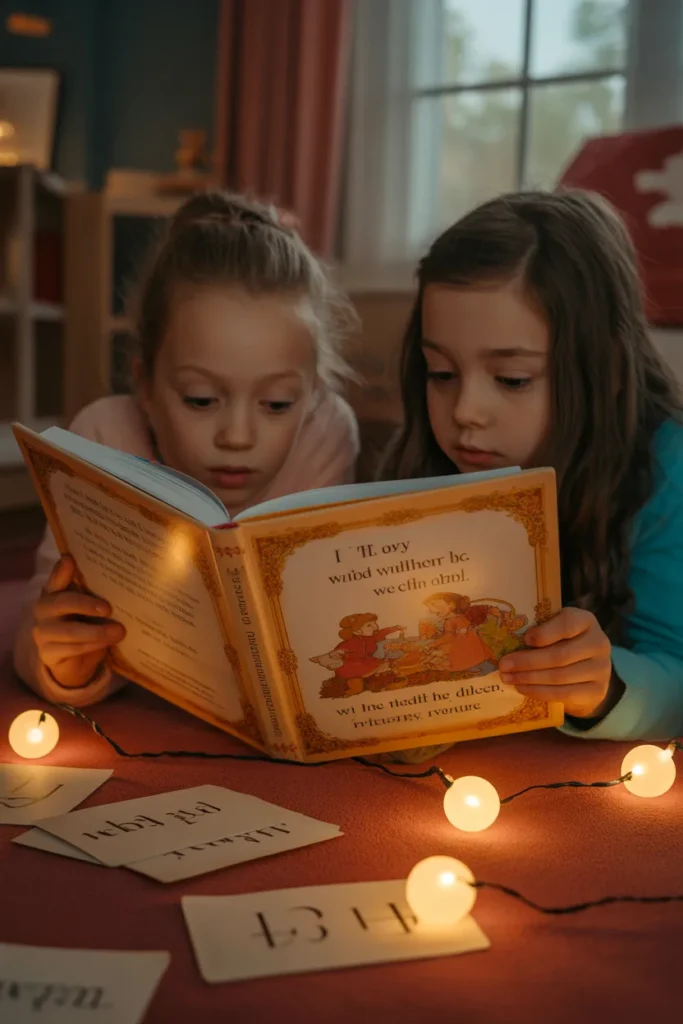
I’ve used fairy tale books several times during family game nights, and kids always get pulled into the storyline.
I remove important words from a printed story and hide those missing words throughout the room. Kids must collect and place them correctly to complete the tale.
This idea mixes reading practice with puzzle-solving naturally.
13. Shape and Color Sorting
For preschoolers, sorting games are usually more effective than complicated riddles. I use colorful toys, blocks, or foam shapes for this activity.
Kids sort everything into matching bins to uncover hidden notes underneath. It teaches recognition and organization while still feeling playful.
This setup also works well inside classrooms and daycare centers.
14. Mirror Image Challenge
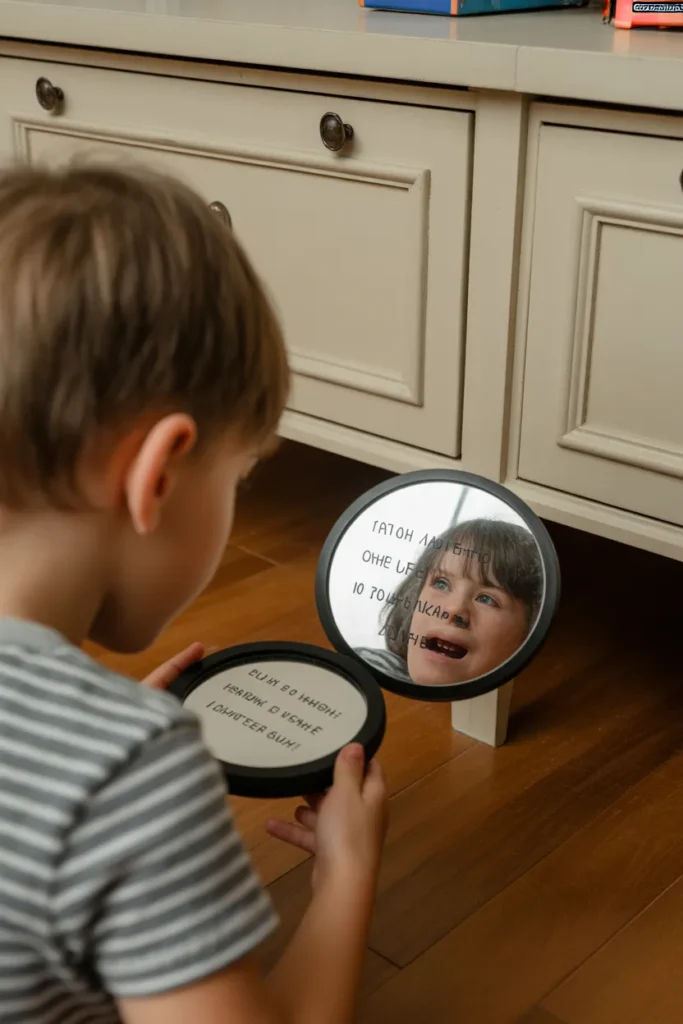
This challenge feels harder than regular mirror clues because kids must search multiple locations for backward writing.
I hide reverse-written messages under tables, inside drawers, and behind furniture. Children move around the room decoding each clue step by step.
Handheld mirrors usually work better than large wall mirrors during active games.
15. Sound Puzzle
Sound games are surprisingly effective because they force kids to focus carefully instead of rushing around.
I use animal noises, musical tones, or recorded sounds that correspond to hidden objects nearby. Kids arrange the sounds in order to unlock the next clue.
This activity helps improve listening and memory skills during play.
16. Egyptian-Themed Room
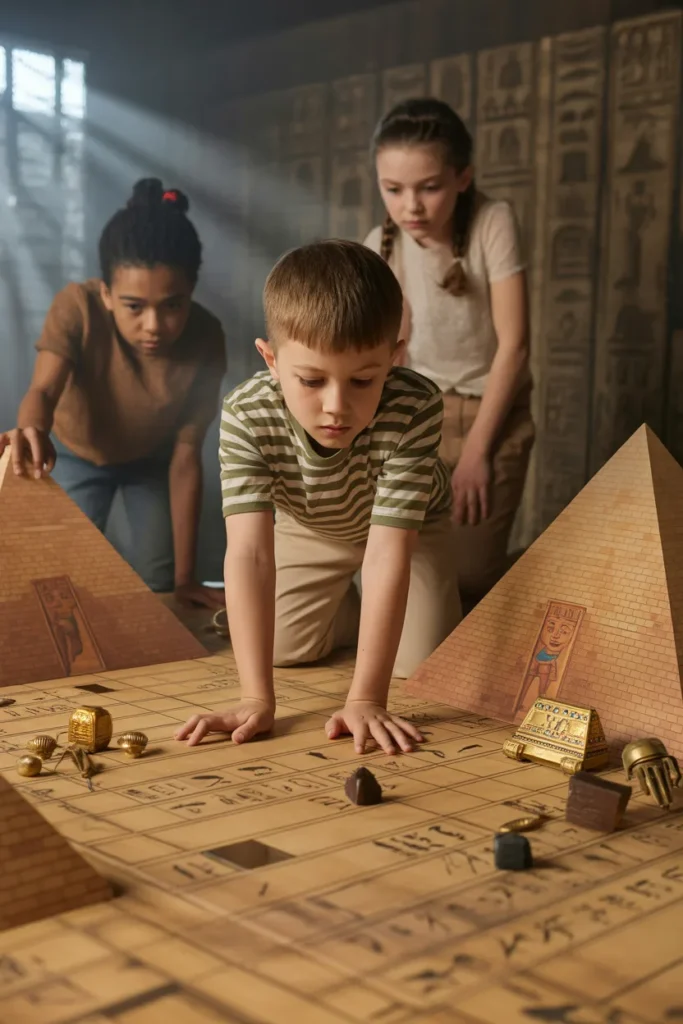
Egyptian escape rooms always feel adventurous because kids love hidden tomb and treasure themes. I decorate with fake pyramids, gold paper, and mummy wraps.
Then I create simple hieroglyphic messages kids must decode using a translation sheet. Even basic symbols make the room feel immersive.
I’ve noticed themed rooms usually keep children engaged longer than random puzzles.
17. Sudoku Puzzle
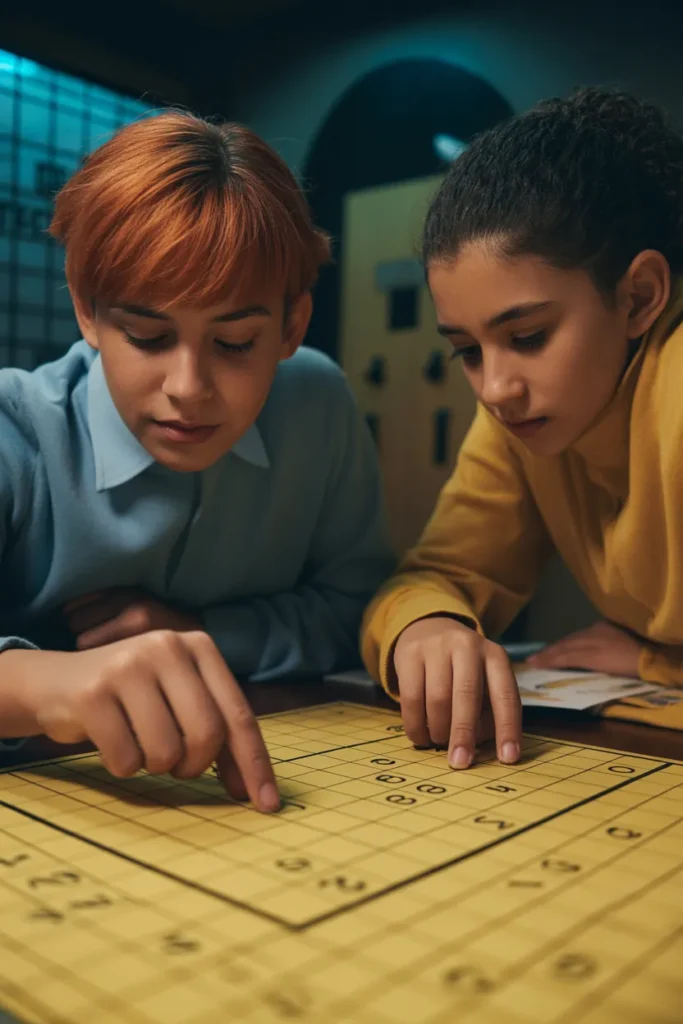
Sudoku works best for older kids who already enjoy number games. I use large printed grids with missing numbers hidden around the room.
Once kids complete the puzzle, the finished grid reveals a code for a lockbox or hidden treasure.
Keeping the puzzle medium difficulty prevents frustration and keeps the game moving smoothly.
18. Jigsaw Puzzle Lock
This version adds more excitement because the completed puzzle directly unlocks something important.
I attach puzzle pieces to a locked box and scatter missing pieces around the room. Kids must search carefully before solving the image.
The moment the hidden key appears inside the finished puzzle feels very rewarding.
19. Message in a Bottle
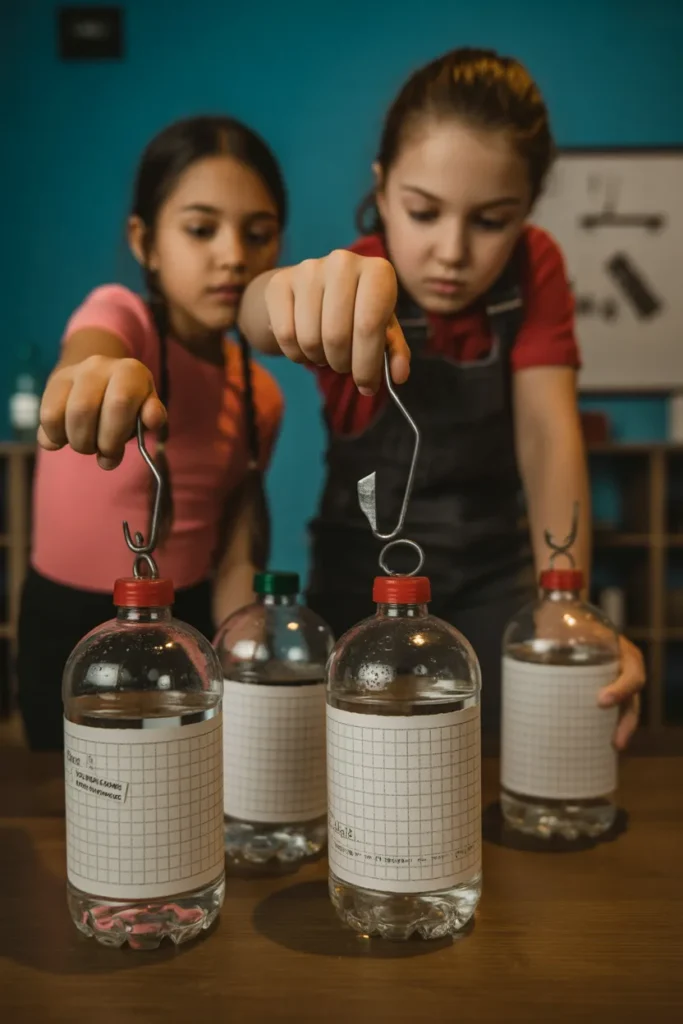
This puzzle always creates curiosity because kids immediately want to know what’s trapped inside the bottle.
I place rolled-up clues inside water-filled bottles and challenge kids to retrieve them without spilling. Most groups end up experimenting with hooks, straws, or tongs.
It becomes a mini engineering challenge without kids even realizing it.
20. Domino Chain Reaction
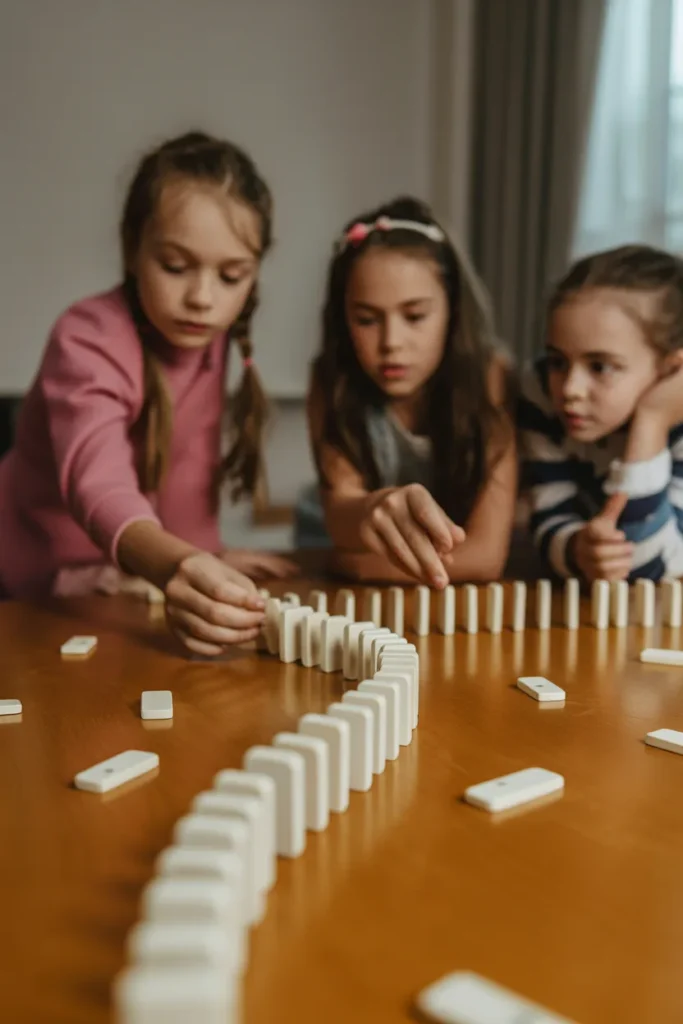
Kids love cause-and-effect activities, which is why domino setups work so well in escape rooms.
I intentionally leave gaps in the chain and hide the missing dominoes around the room. Once completed, kids trigger the reaction to reveal a hidden clue.
This puzzle teaches patience because rushing usually ruins the setup.
21. Chemical Reaction Puzzle
Science puzzles usually become the most memorable part of my escape rooms. I often use safe reactions like vinegar and baking soda.
Sometimes I write clues using invisible lemon juice ink that only appears after heat or a chemical reaction. Kids feel amazed when hidden words suddenly appear.
Hands-on learning activities can improve engagement levels significantly during group play.
22. Pattern Lock Puzzle
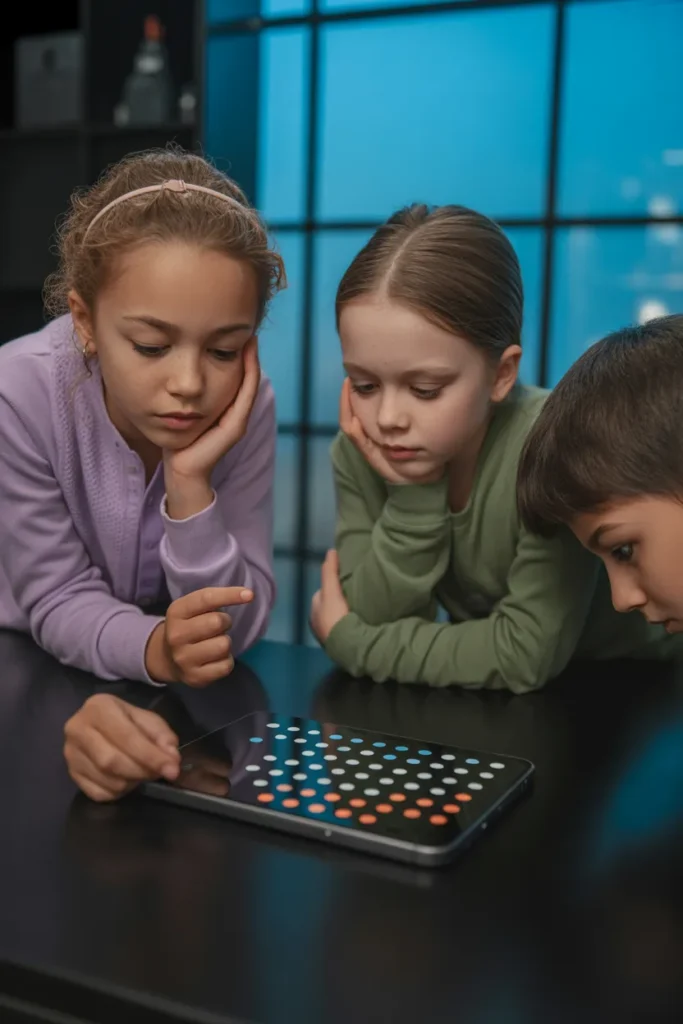
Most kids already recognize phone pattern locks, so this challenge feels familiar and exciting immediately.
I hide the pattern around the room using colored dots, arrows, or picture frames. Kids study the clues and unlock a tablet or phone to access the next instruction.
This activity combines memory, logic, and observation in one simple puzzle.
23. Mirror Maze
Mirror mazes make small rooms feel much larger and more mysterious. I usually place mirrors at angles so clues only appear from certain viewpoints.
Kids must move around carefully to spot hidden messages reflected through the maze. This setup creates lots of excitement without needing expensive decorations.
Battery-powered candles help make the room feel even more dramatic.
24. Number Maze
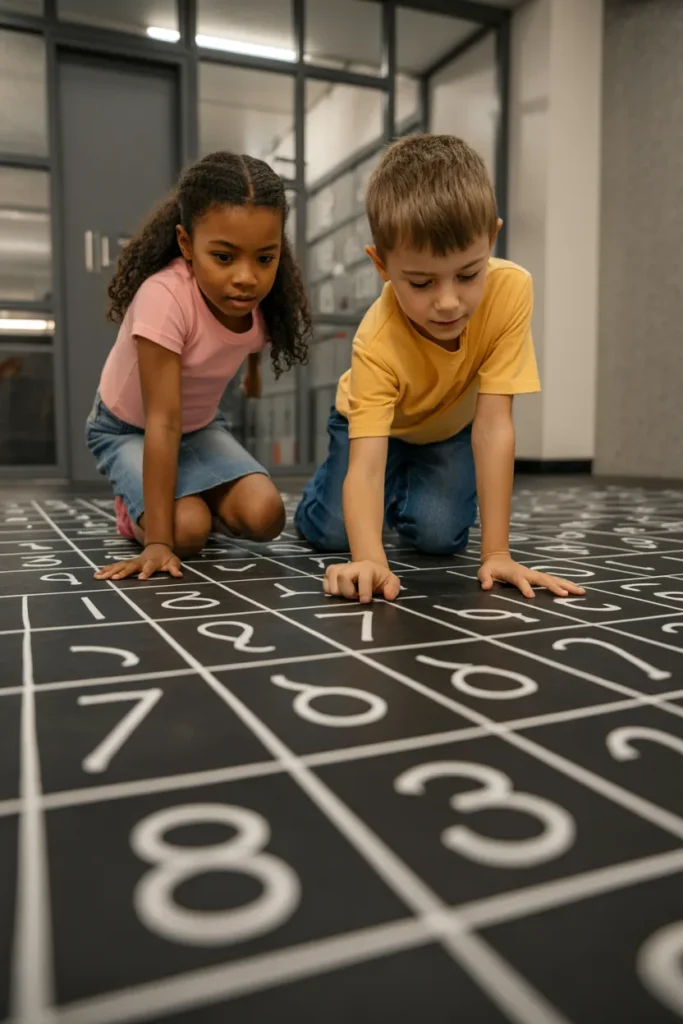
Number mazes are useful when I want to combine movement with math skills. I create paths where correct answers guide players to the next station.
Wrong answers send them into dead ends, which adds extra challenge and laughter. Kids enjoy racing through the maze while solving clues.
Large floor number cards work best for active groups.
25. Image Escape Room
Visual clue games work really well for kids who enjoy spotting tiny details. I place posters and pictures around the room with hidden symbols or highlighted letters.
Children study the images closely to uncover secret messages. This puzzle encourages focus and observation instead of speed.
I usually use cartoon-style images for younger groups because they hold attention better.
26. Codes in Balloons
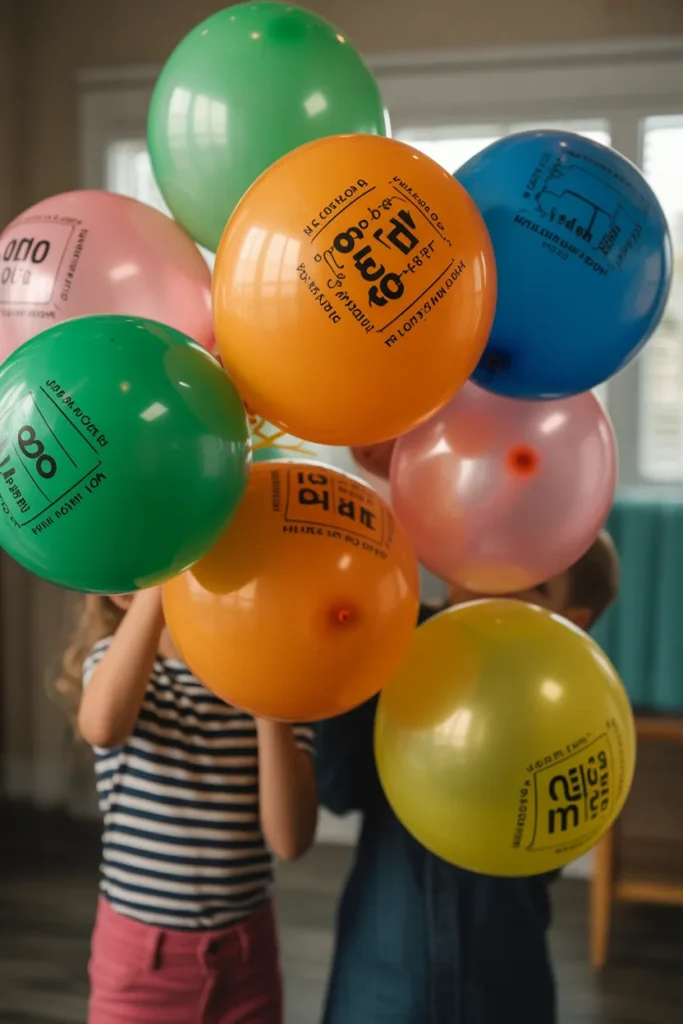
Balloon puzzles instantly increase energy levels during parties. I place rolled-up clues inside balloons before inflating them.
Kids search for the correct balloon, then pop it to discover the hidden message. The popping sounds alone make the game feel more exciting.
I recommend mixing fake balloons with real clue balloons to make it more challenging.
27. Invisible Ink
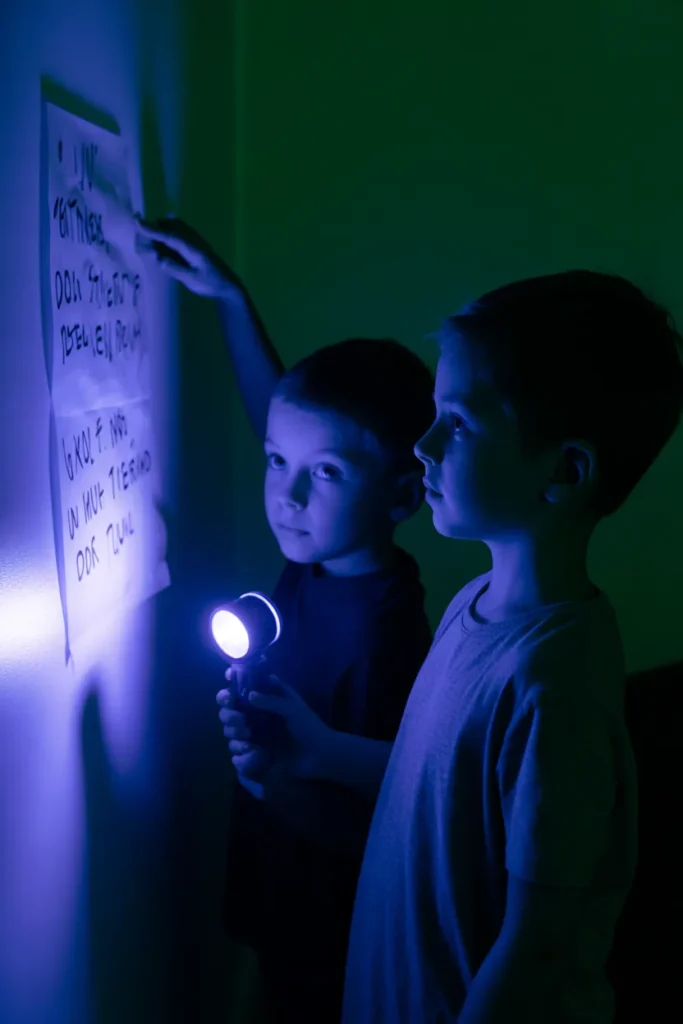
Invisible ink puzzles always feel magical for children. I use UV pens and small flashlights to hide messages on walls, paper, or furniture.
Kids move around the room shining lights everywhere until secret clues suddenly appear. It creates one of the biggest surprise moments in the entire game.
Darkening the room slightly makes the effect even better.
28. Treasure Hunt
Treasure hunts are classic because they naturally encourage teamwork and movement. I draw simple maps leading kids from one clue location to another.
Each clue pushes them closer to the final treasure chest filled with prizes or treats. Kids stay motivated because they can clearly see progress throughout the game.
This idea works indoors or outside depending on available space.
29. Sound Codes
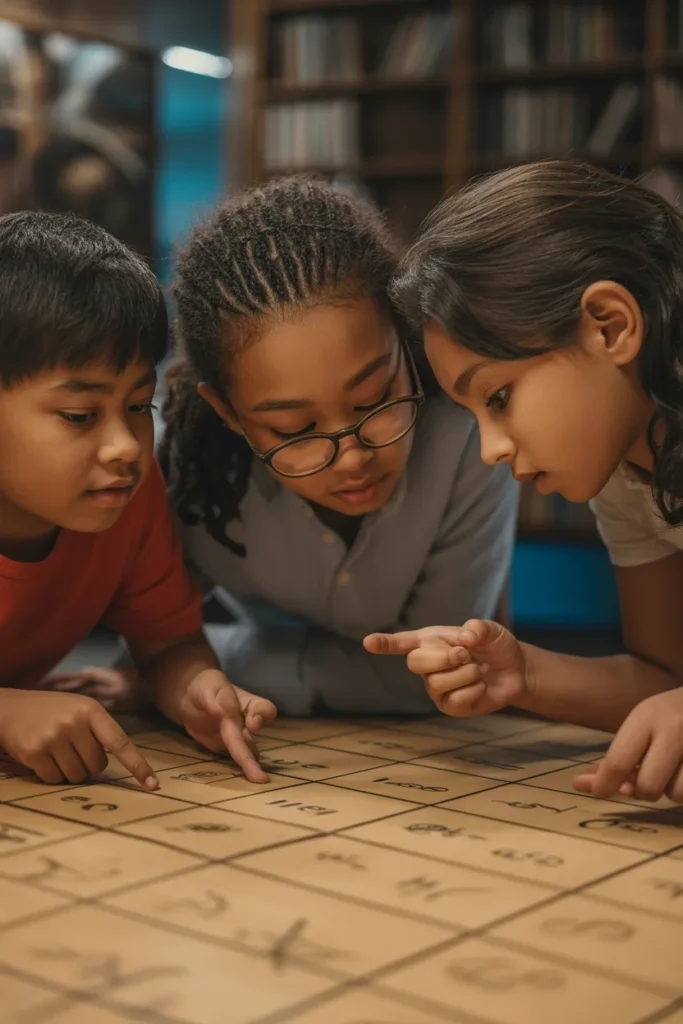
Sound code games challenge listening skills instead of visual thinking. I record sequences of tones, claps, or musical notes for kids to decode.
Each sound represents a number or letter that forms the final message. Groups usually work together naturally because remembering sounds alone can be difficult.
This activity works especially well during classroom team-building events.
30. Magnetic Clue Retrieval
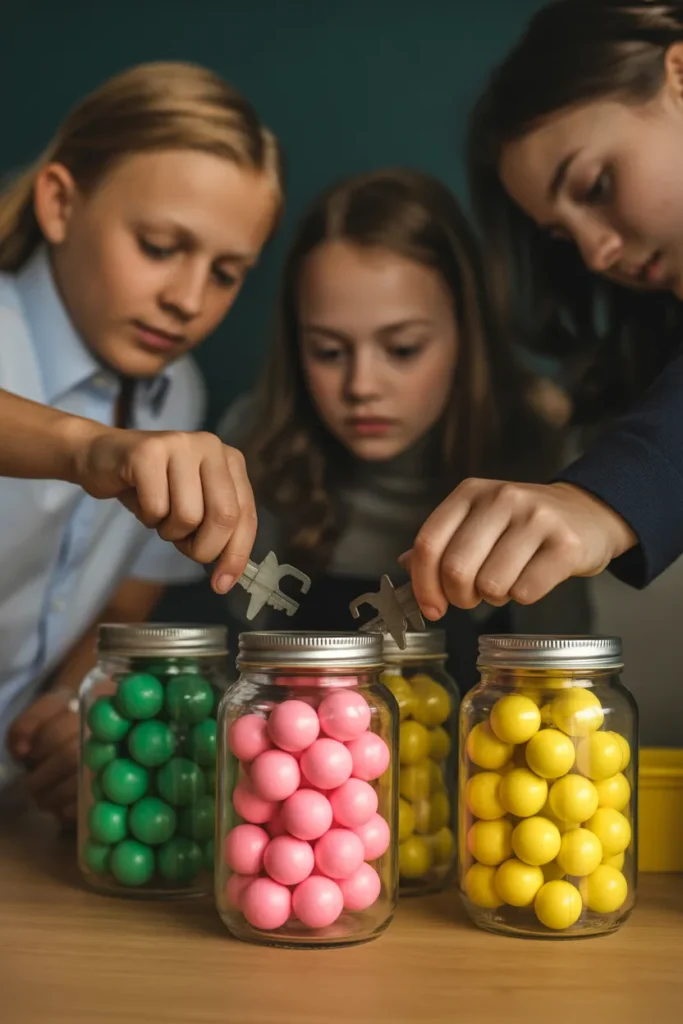
This puzzle looks simple at first but becomes surprisingly challenging for kids. I hide metal keys inside jars filled with foam balls or paper pieces.
Using magnets, kids slowly guide the key toward the opening without dropping it back down. It improves patience, coordination, and focus during gameplay.
Strong magnets make the activity much easier for younger children.
Final Thoughts
Escape rooms are one of the best ways I’ve found to keep kids entertained without relying on screens. They combine creativity, teamwork, problem-solving, and physical activity all in one experience.
The key is keeping puzzles age-appropriate and mixing easy challenges with harder ones so kids stay motivated. Even simple household items can turn an ordinary room into an unforgettable adventure.
FAQs
What age is best for kids escape rooms?
Most escape room games work best for kids between ages 6 and 12, but simpler puzzles can also work for preschoolers with adult help.
How long should a kids escape room last?
I usually aim for 30 to 60 minutes. Longer games can make younger kids lose focus or become frustrated.
What supplies do I need for a DIY escape room?
Basic items like paper, balloons, locks, flashlights, markers, toys, and boxes are usually enough for most setups.
Are escape rooms educational for kids?
Yes. Escape room activities can improve memory, teamwork, critical thinking, and communication skills while still feeling fun.
Can I make an escape room in a small room?
Absolutely. I’ve created successful escape rooms in bedrooms, classrooms, and even small apartments using simple clue stations.