
I’ve learned the hard way that paper clutter doesn’t build up overnight—it piles up slowly until it starts affecting daily life. Bills get missed, important documents disappear, and surfaces become unusable. Studies show the average household deals with dozens of paper items weekly, and without a system, most of it turns into clutter.
In this guide, I’m sharing 23 practical paper organization ideas that I personally find easy to follow and maintain. These ideas don’t require a bulky filing cabinet. Instead, they focus on simple systems that help me sort, store, and access papers quickly. From trays and bins to vertical racks and drawers, every method is designed to reduce stress and save time.
Key Takeaways
I always start by sorting papers into three groups: action, keep, and discard
Giving every paper a fixed place reduces clutter instantly
Vertical storage saves up to 40% more space than stacking
Weekly review habits prevent papers from piling up again
Clear labels and color coding make finding documents faster
What Is the Best Way to Organize Paperwork Without a Filing Cabinet?
From my experience, the easiest way to manage paperwork is to create a simple system that handles incoming papers immediately. I gather everything in one place first, then sort it into three categories: what I need to act on, what I need to keep, and what I can throw away.
Once I remove unnecessary papers, I store the important ones using folders, binders, or accordion files. Research shows that reducing paper volume by even 30% makes organization much easier. I also keep a small tray for new papers so they don’t turn into random piles again.
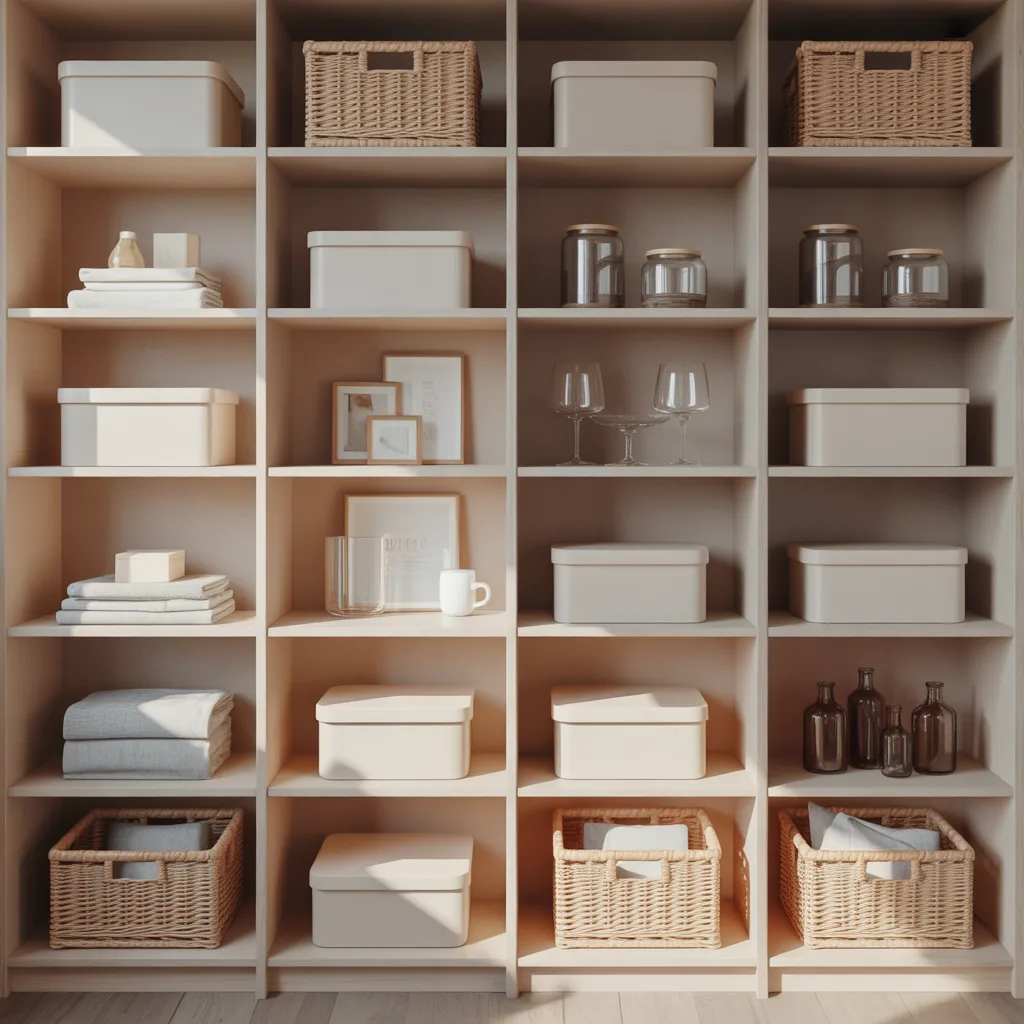
Cube Shelves
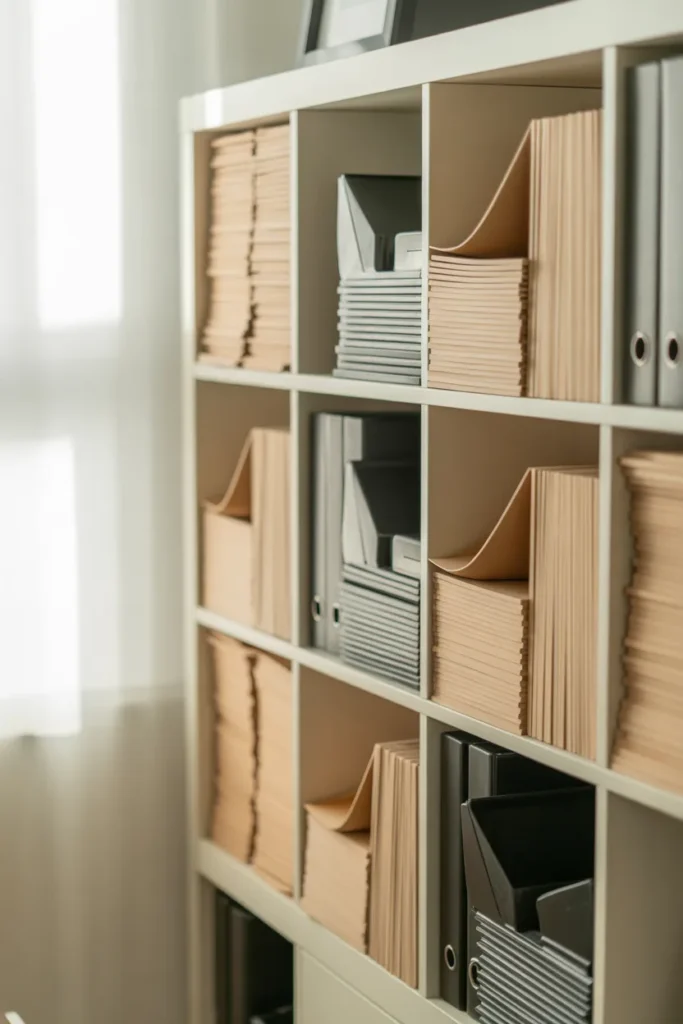
I like using cube shelves because they give each paper category its own space. Bills, school papers, and documents all stay separate, which saves time when searching.
Color coding inside each cube helps me locate things faster. I usually add file holders or boxes inside each section. This setup works especially well in home offices where quick access matters.
Paper Trays
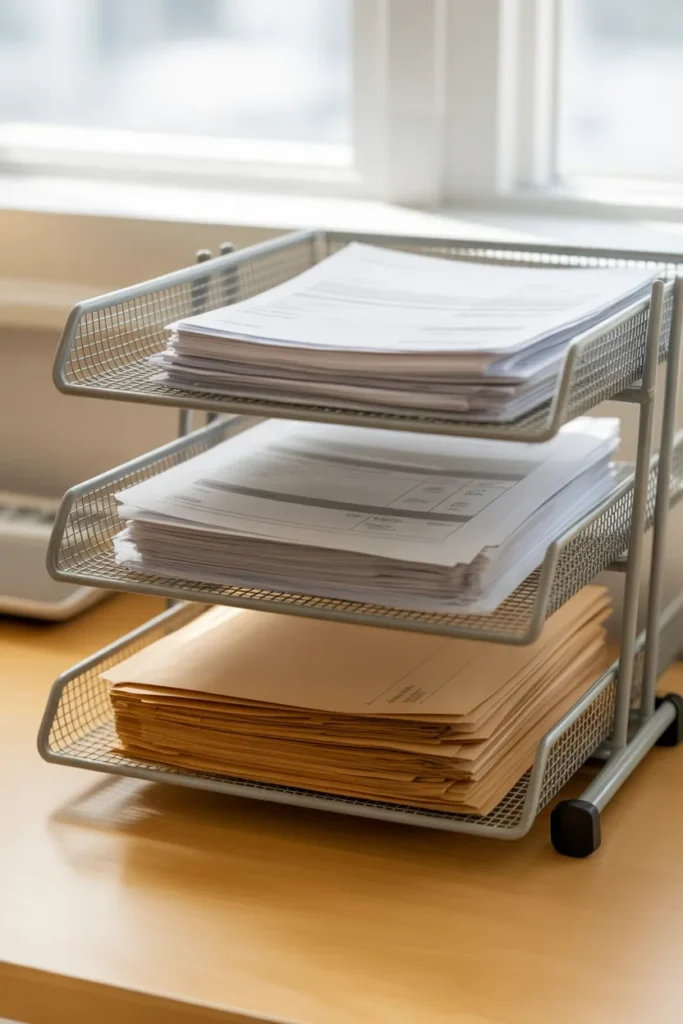
Paper trays help me manage incoming documents without stress. I assign each tray a purpose like “new,” “to do,” and “to file.”
This system works because it creates a clear workflow. I also noticed that visible trays reduce missed tasks since nothing gets buried. I review them once a week to keep things moving.
Paper Slots
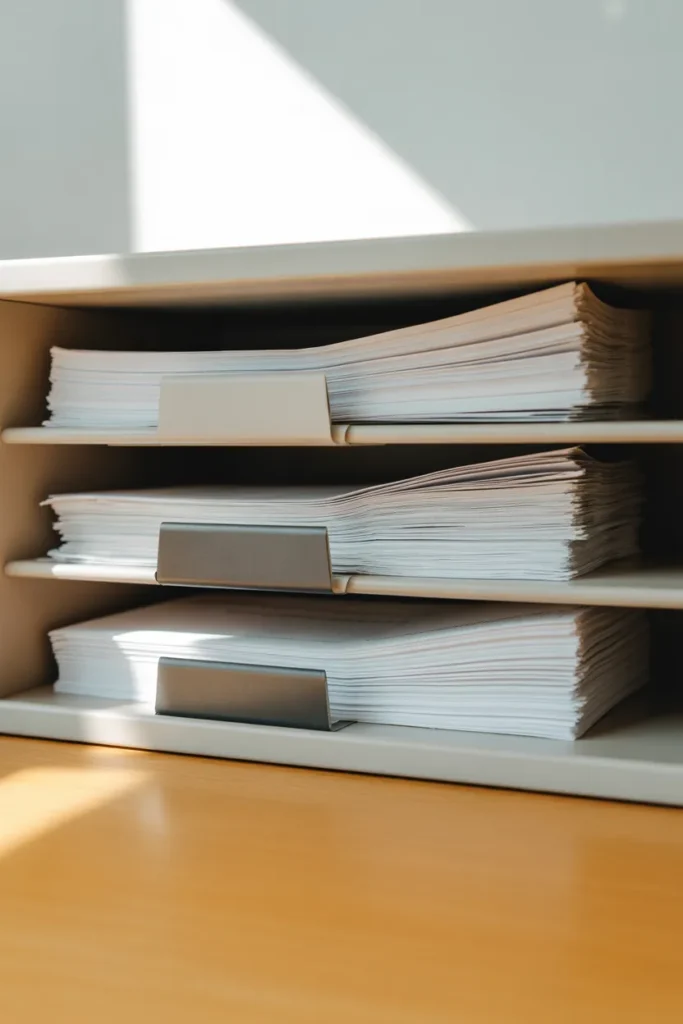
When I need to keep papers flat and neat, I use horizontal slots. They prevent bending and make documents easy to grab.
I group similar papers together and sometimes use colors for faster sorting. This works well for printables, schoolwork, and craft paper.
Label Boxes
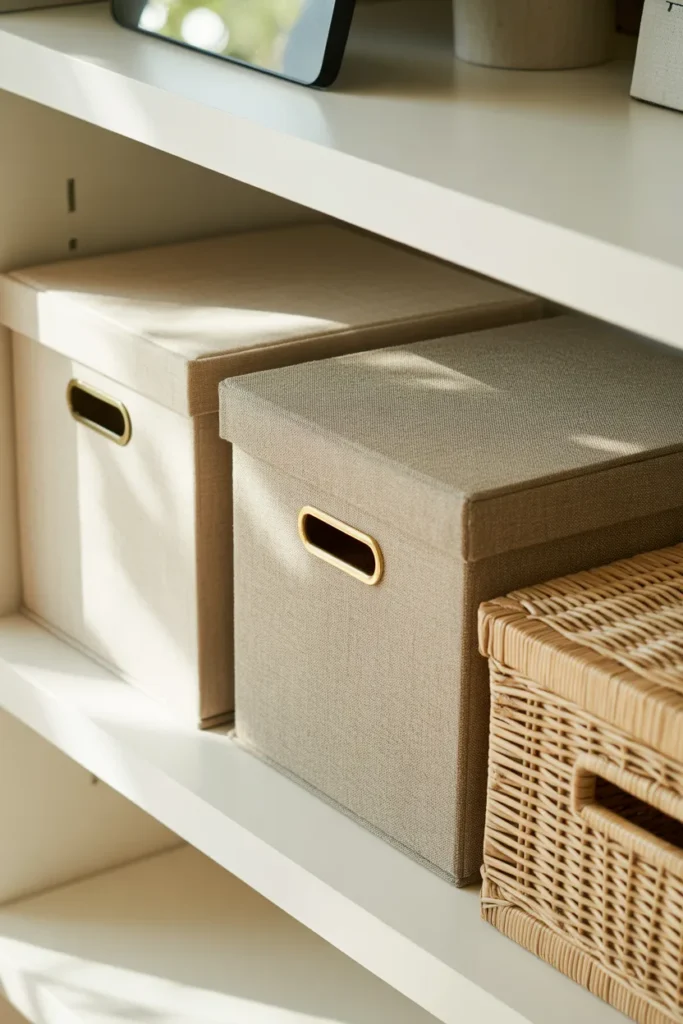
I rely on labeled boxes for storing important documents like tax papers and warranties. Labels save time because I don’t need to open every box.
Keeping documents grouped like this also reduces stress. Experts recommend labeling as one of the fastest ways to improve organization efficiency.
Color Bins
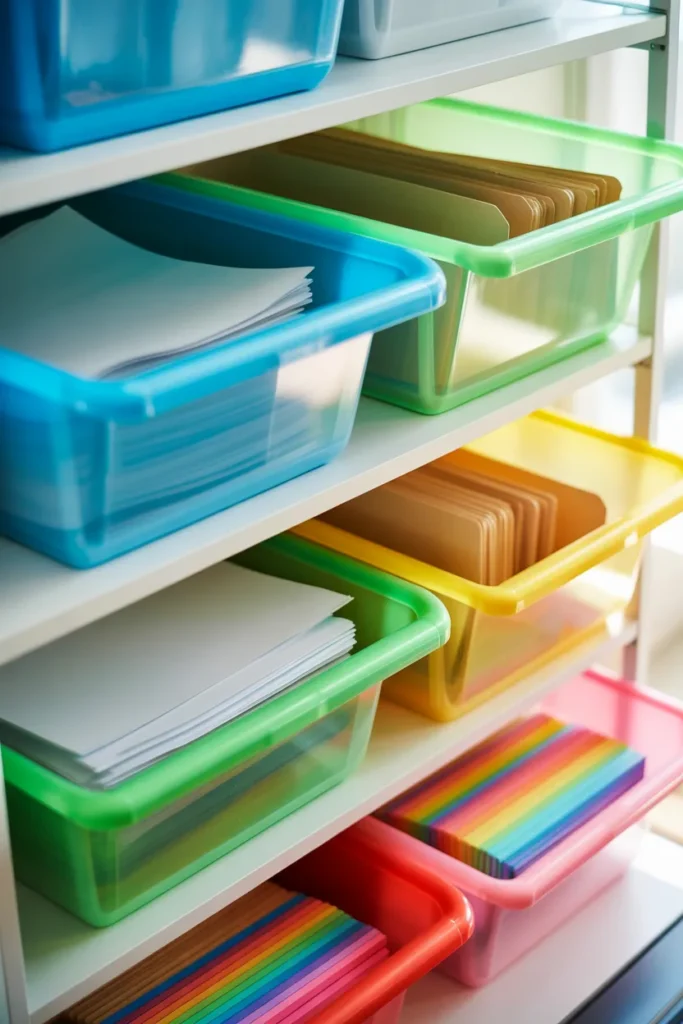
Color bins make sorting simple at a glance. I assign each color to a category, which makes the system easy for everyone at home to follow.
Clear bins also help because I can see what’s inside. This setup works great for shared spaces or families.
Rolling Cart
A rolling cart keeps papers close to my workspace without taking up desk space. I like that I can move it around easily.
Each compartment holds a category, and vertical storage keeps everything visible. It’s a flexible option for small spaces.
Cabinet Door
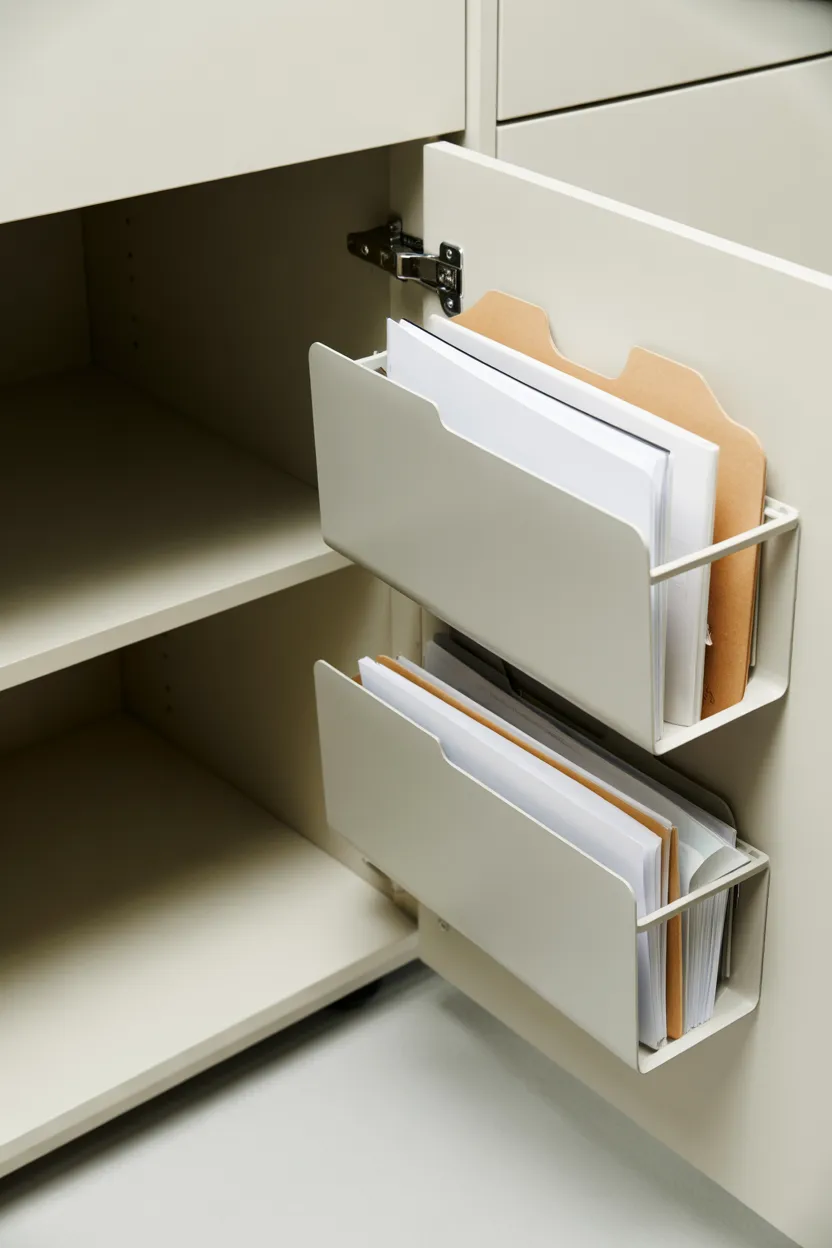
I use cabinet doors as hidden storage by adding file holders inside. It’s a smart way to use space that usually goes unused.
This setup keeps papers accessible but out of sight, which helps maintain a clean look.
Shelf Trays
Shelf trays help me turn messy piles into organized layers. Each level holds a different type of paper.
This system works well in shared areas because it keeps everything separated and easy to access.
Folder Basket
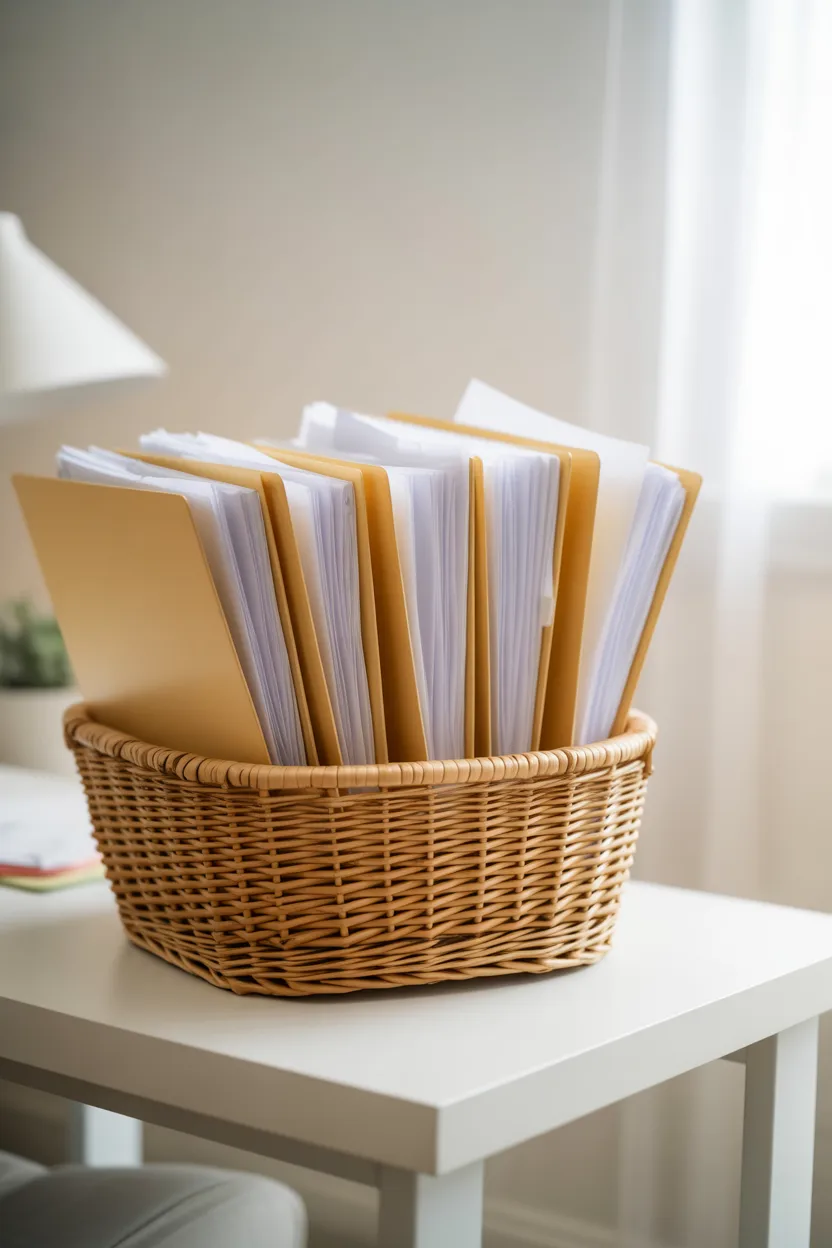
A folder basket gives loose papers a temporary home. I use upright folders so I can flip through them quickly.
It’s a simple system that works well for daily paperwork like bills or forms.
File Bin
For long-term storage, I prefer a file bin with hanging folders. It keeps important documents safe and organized.
This method works especially well for records I don’t need daily but must keep secure.
Paper Basket
I use a paper basket for documents that move between tasks. Clear sleeves help me see everything easily.
This setup is ideal for ongoing projects or frequently updated paperwork.
Clear Bins
Clear bins help me organize smaller paper items like envelopes and cards. Everything stays visible and easy to grab.
This reduces time wasted searching through drawers.
Divider Shelves
Divider shelves keep papers upright and separated. I use them to avoid mixing different projects.
This setup improves visibility and keeps everything neat.
Vertical Rack
Vertical racks save space and keep papers easy to access. I find them especially useful for large paper collections.
They also prevent damage since papers stay upright and flat.
Tier Files
Tiered file organizers make it easier to see all documents at once. I don’t have to dig through stacks anymore.
This system works best for frequently used papers.
Paper Tower
A paper tower helps me store large amounts of paper without taking up much space. Each slot keeps papers separated.
Sorting by color makes it even faster to find what I need.
Label Drawers
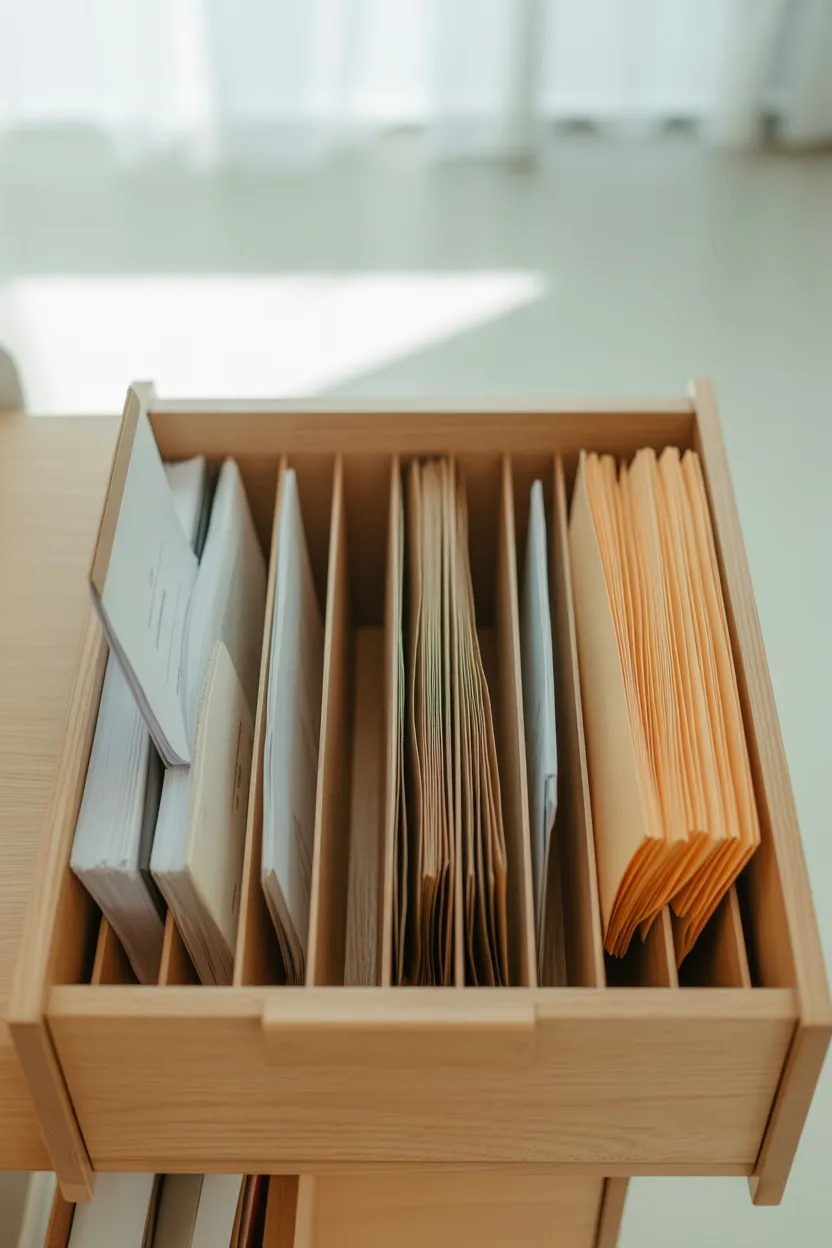
Label drawers keep everything organized by category. I use them for printables and project materials.
Labels save time and make the system easy to maintain.
Drawer Dividers
Drawer dividers turn messy drawers into organized sections. I store papers vertically for better visibility.
This method works well for small items like receipts and cards.
Pegboard Station
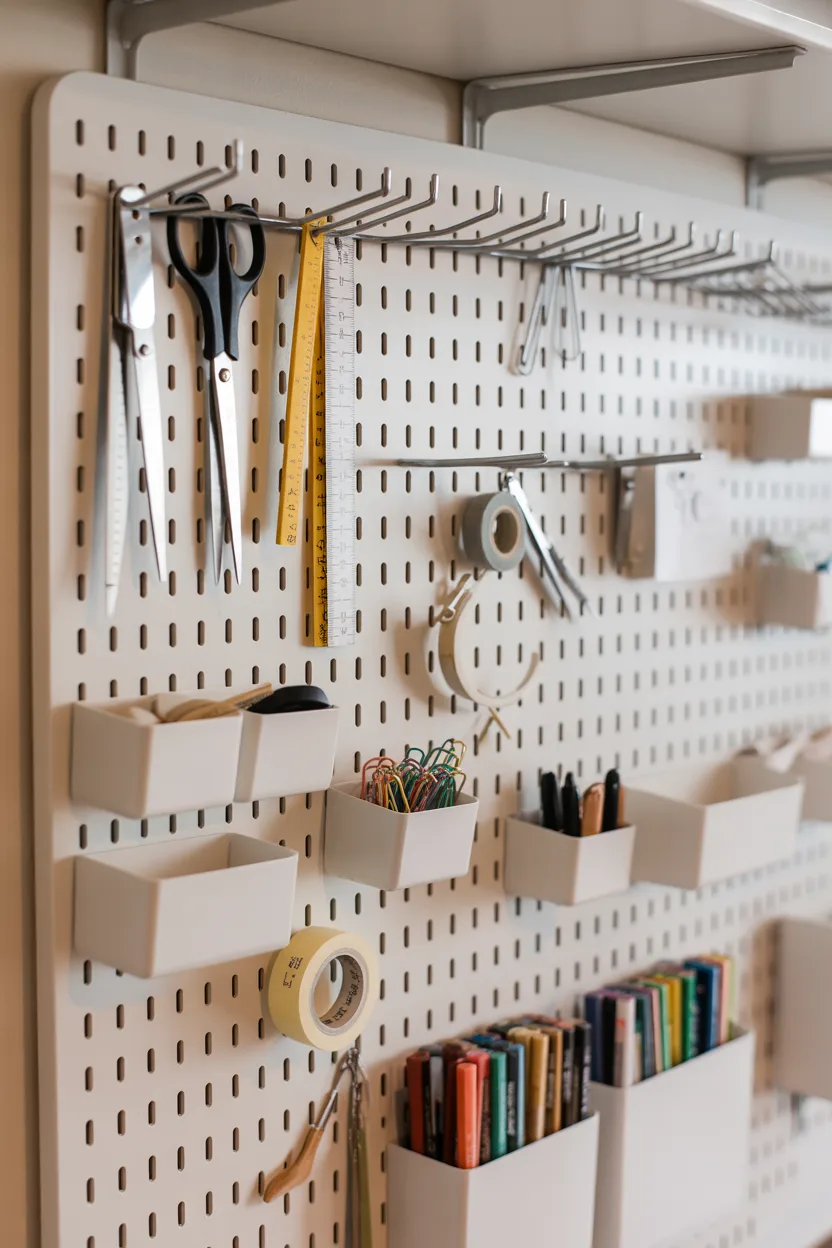
A pegboard lets me use wall space for storage. I customize it with hooks and containers.
This setup keeps my desk clear and everything within reach.
File Cubes
File cubes help me separate documents by category or person. Each section stays organized and easy to access.
This works well for shared spaces or multiple projects.
Action Drawer
An action drawer keeps paperwork moving instead of piling up. I use sections like “Action” and “To File.”
This system improves workflow and reduces clutter.
Envelope Folders
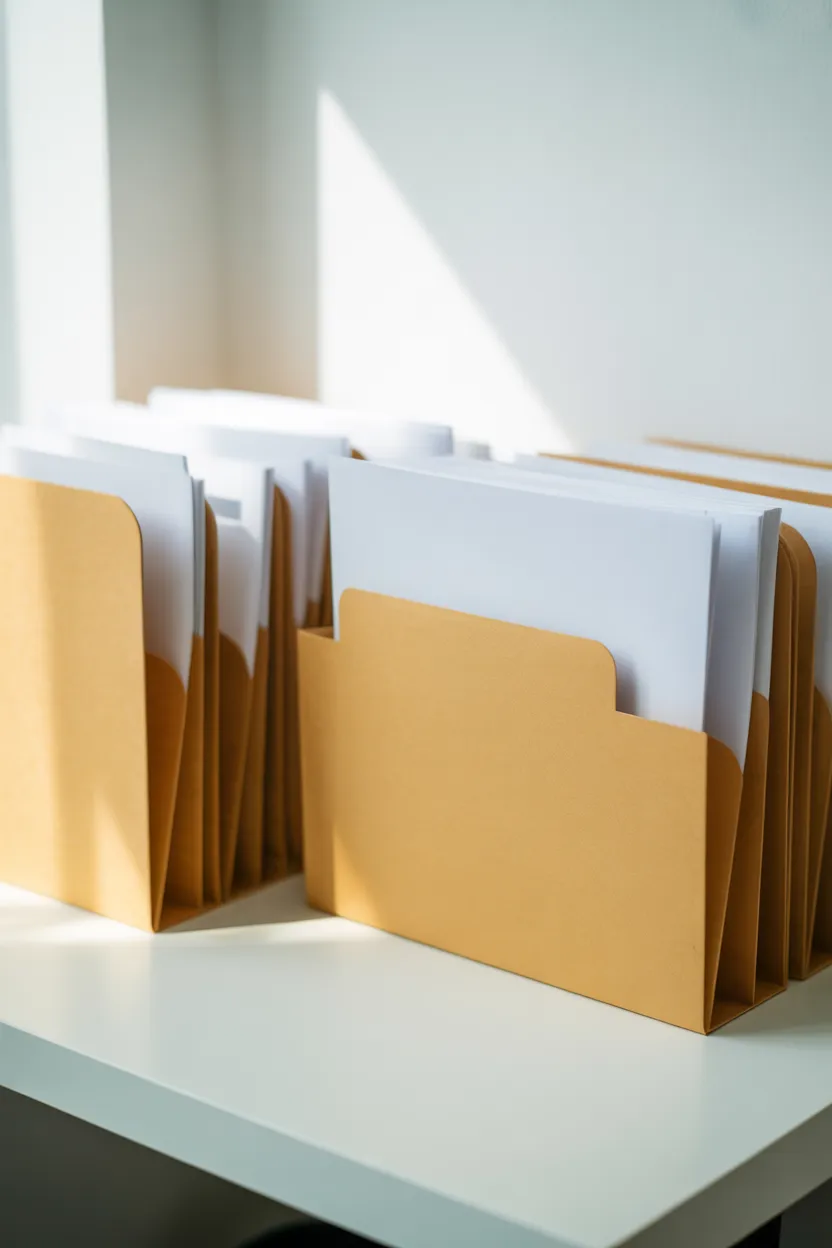
Envelope folders are perfect for papers I carry around. They keep everything protected and organized.
I use them for bills, forms, and ongoing tasks.
Shelf Bins
Shelf bins keep papers upright and easy to access. Labels help everyone return items to the right place.
This system works well for shared household storage.
FAQs
How do you keep paperwork organized long-term without it piling up again?
I stick to a weekly habit of reviewing papers. Even 10 minutes a week can reduce clutter by over 50%. I file what I need, discard what I don’t, and scan important documents.
What papers should you actually keep when organizing documents?
I only keep essential documents like tax records, medical files, insurance papers, and warranties. Everything else gets recycled or shredded to avoid unnecessary buildup.