
I’ve noticed one thing clearly—school doesn’t feel hard because of studies, it feels hard when everything gets messy. According to a study by the National Education Association, students waste up to 20–30% of study time just looking for materials. I’ve been there too—losing worksheets, forgetting assignments, and rushing at the last minute.
In this guide, I’m sharing 22 practical school organization ideas that I personally find simple and effective. These are not expensive systems—they’re small habits and setups that actually work in real life. When I apply even a few of these, I save time, stay focused, and feel less stressed during school weeks.
Key Takeaways
- Staying organized saves time and reduces stress
- Simple systems work better than complex setups
- Visual organization improves consistency
- Daily habits matter more than storage tools
- Grouping items smartly prevents clutter buildup
What Simple Organization Habits Help Students Stay on Track?
From my experience, buying new supplies doesn’t fix disorganization—daily habits do. I make it a rule to write homework immediately, keep each subject separate, and check my planner daily. Research shows students who follow routines are 40% more likely to complete assignments on time.
When I stay consistent with small actions, I spend less time searching and more time actually studying. That’s what makes the real difference.
Monthly Bins
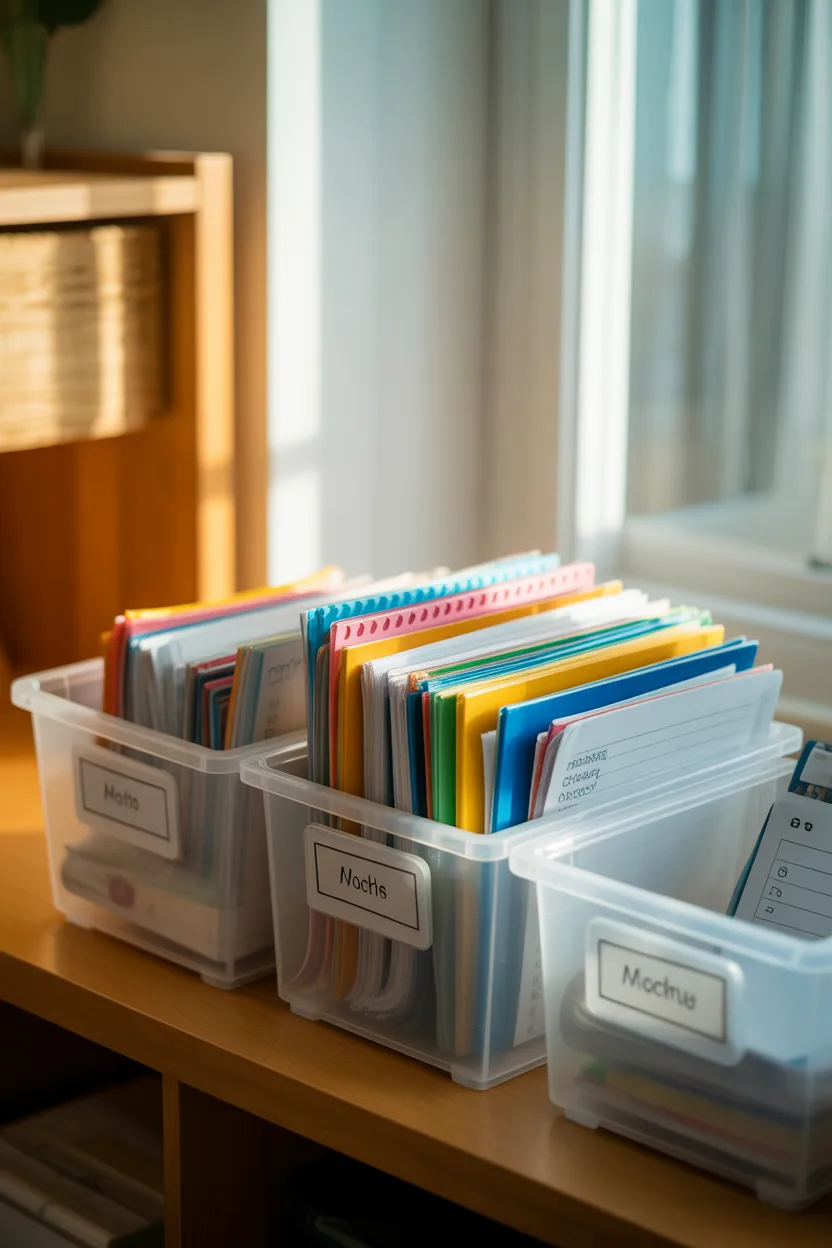
I use monthly bins to avoid paper overload. Instead of dumping everything in one place, I sort work by month, which makes revision easier later.
This works really well for tracking progress. I also recommend clear bins so I can quickly see what’s inside without opening everything.
Pro tip: At the end of each month, review and remove unnecessary papers to avoid clutter buildup.
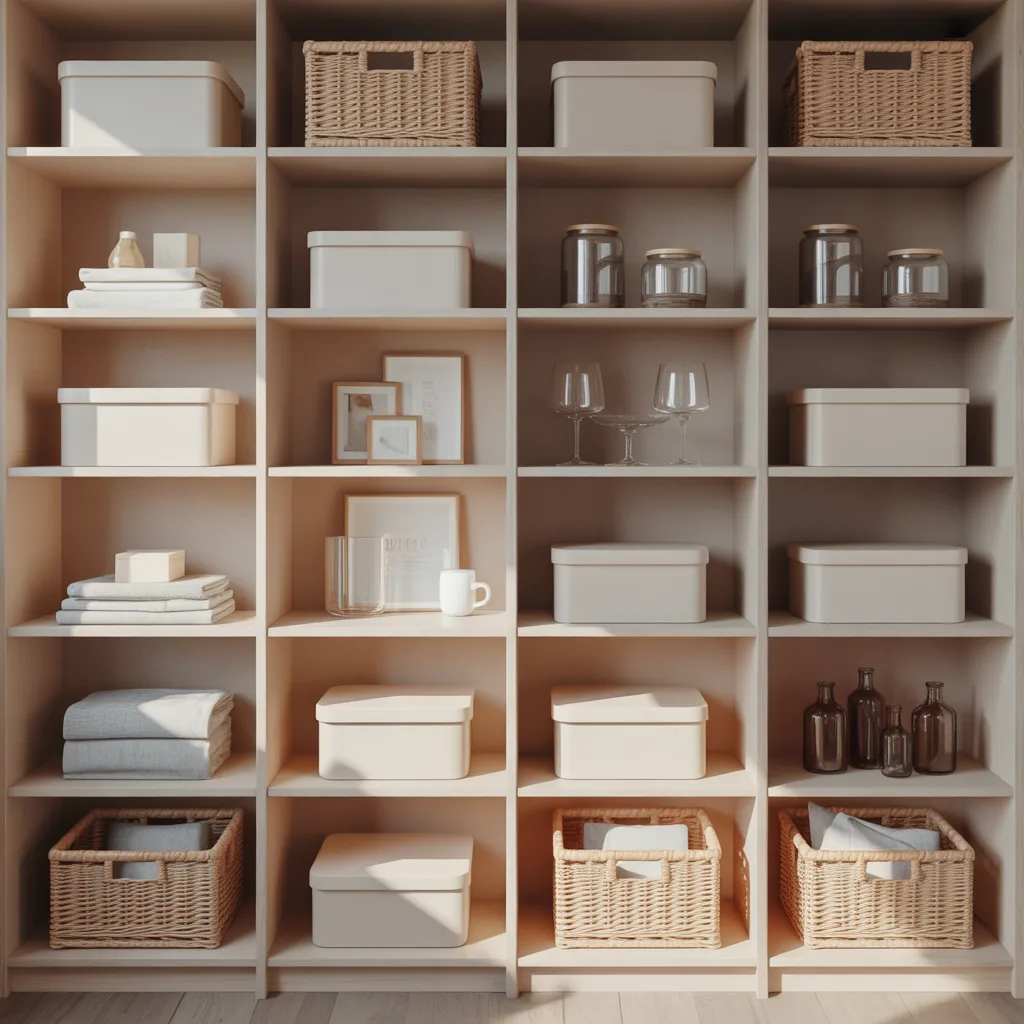
Shelf System
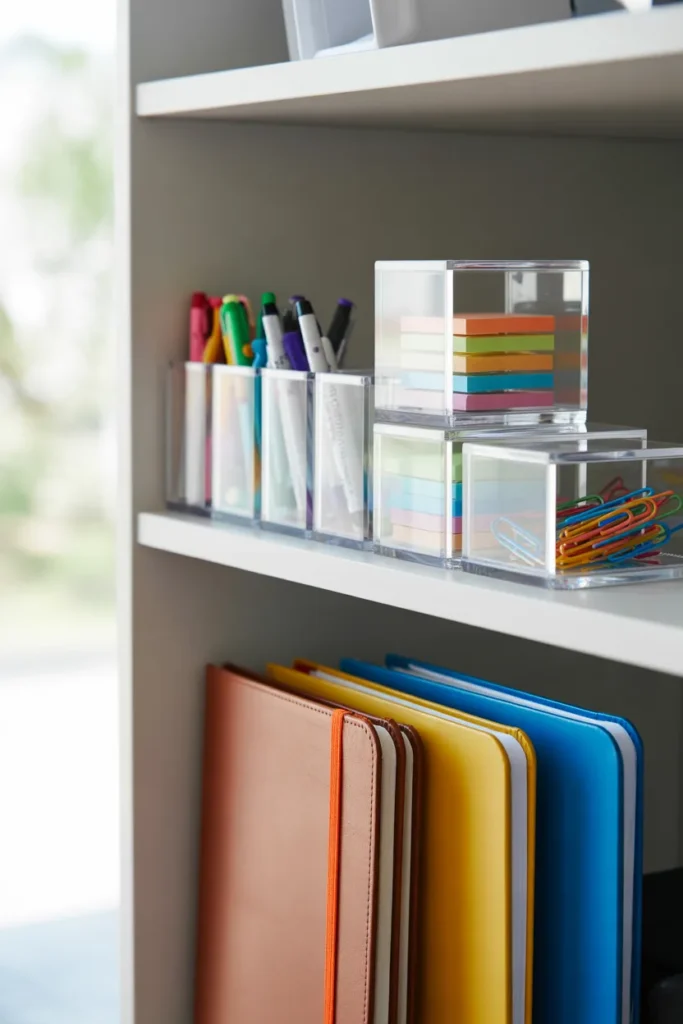
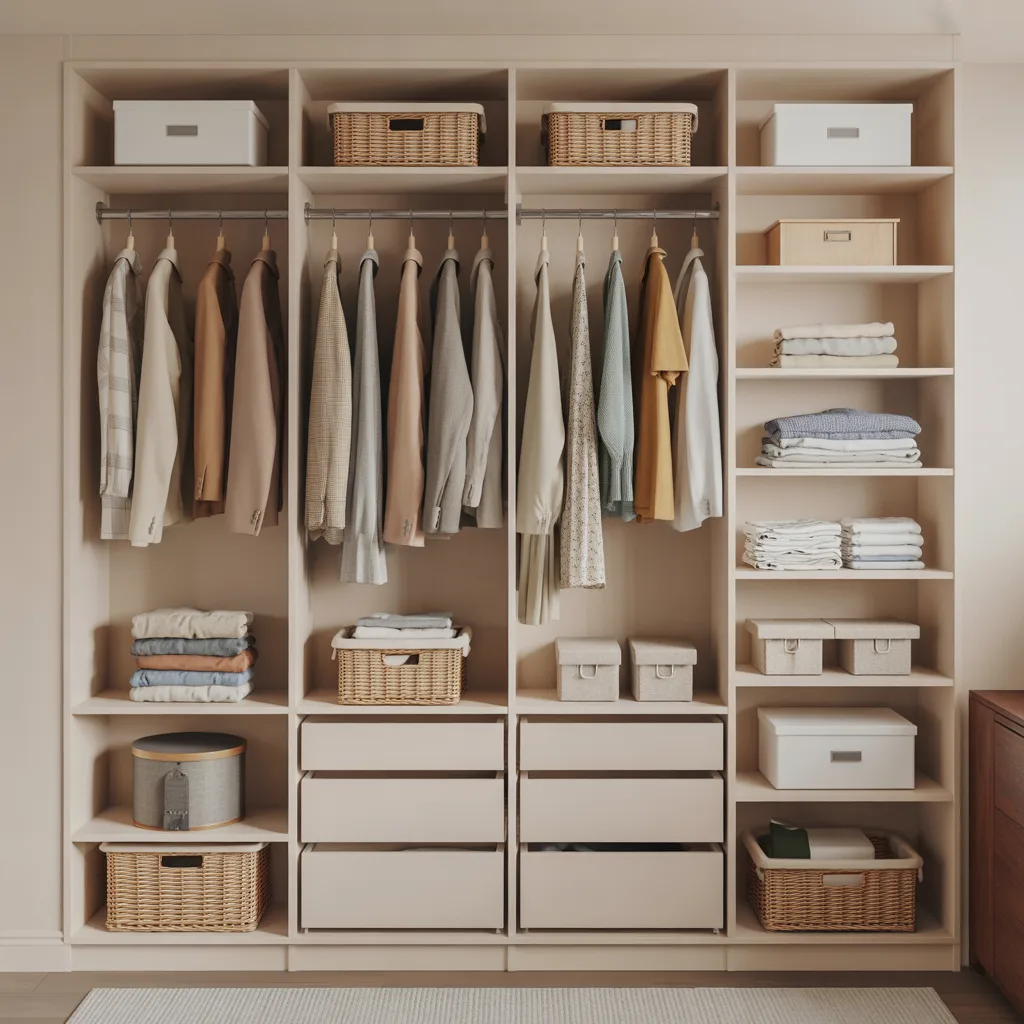
I’ve found that clutter disappears when everything has a fixed place. A shelf system with labeled bins keeps my notebooks and supplies easy to access.
It saves me minutes every day, which adds up over time. Studies show organized spaces improve focus by up to 25%.
Theme Boxes
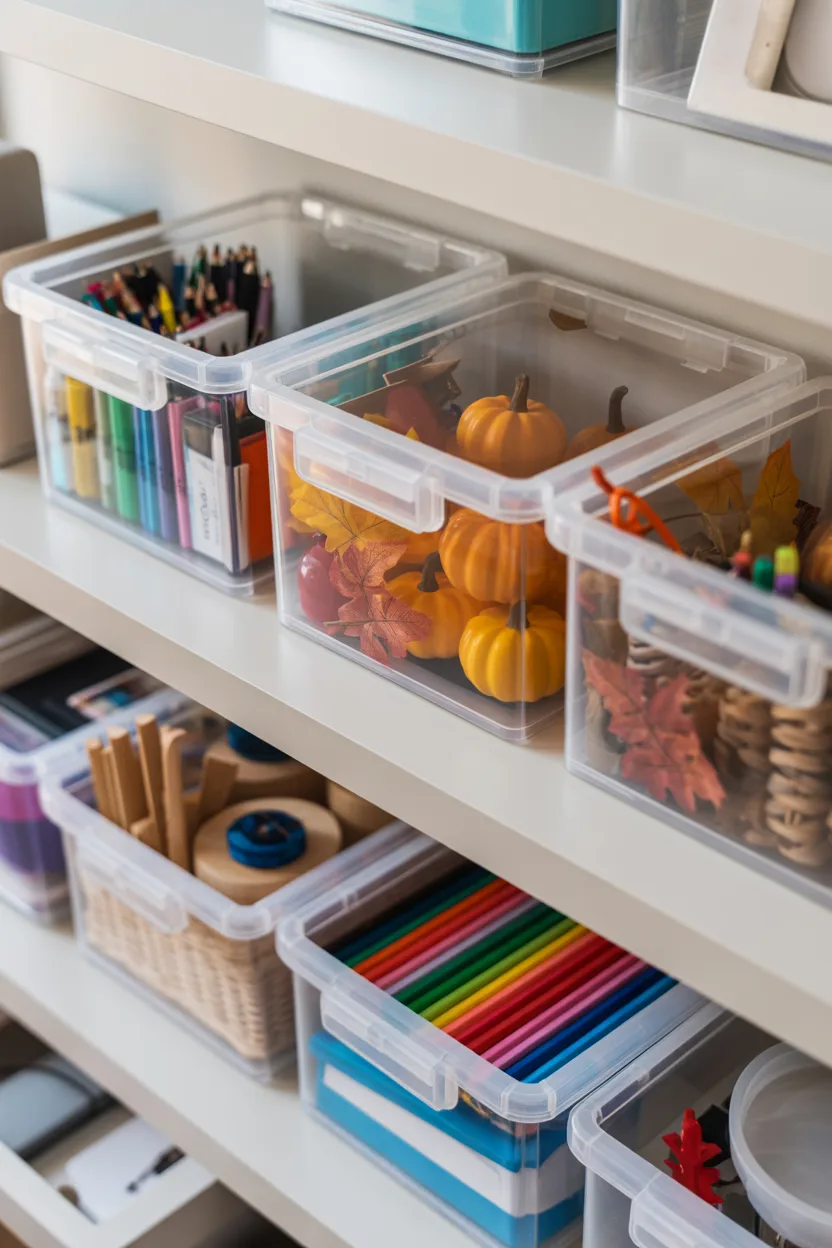
When I group materials by theme or topic, planning becomes faster. I don’t waste time searching for related items.
This works especially well for repeated activities. I simply grab the box and start working.
Wall Planner
A wall planner helps me stay aware of my schedule at all times. I don’t rely on memory anymore—I just check the board.
Visual planning improves consistency. I’ve noticed I miss fewer deadlines when everything is in front of me.
Drawer Dividers
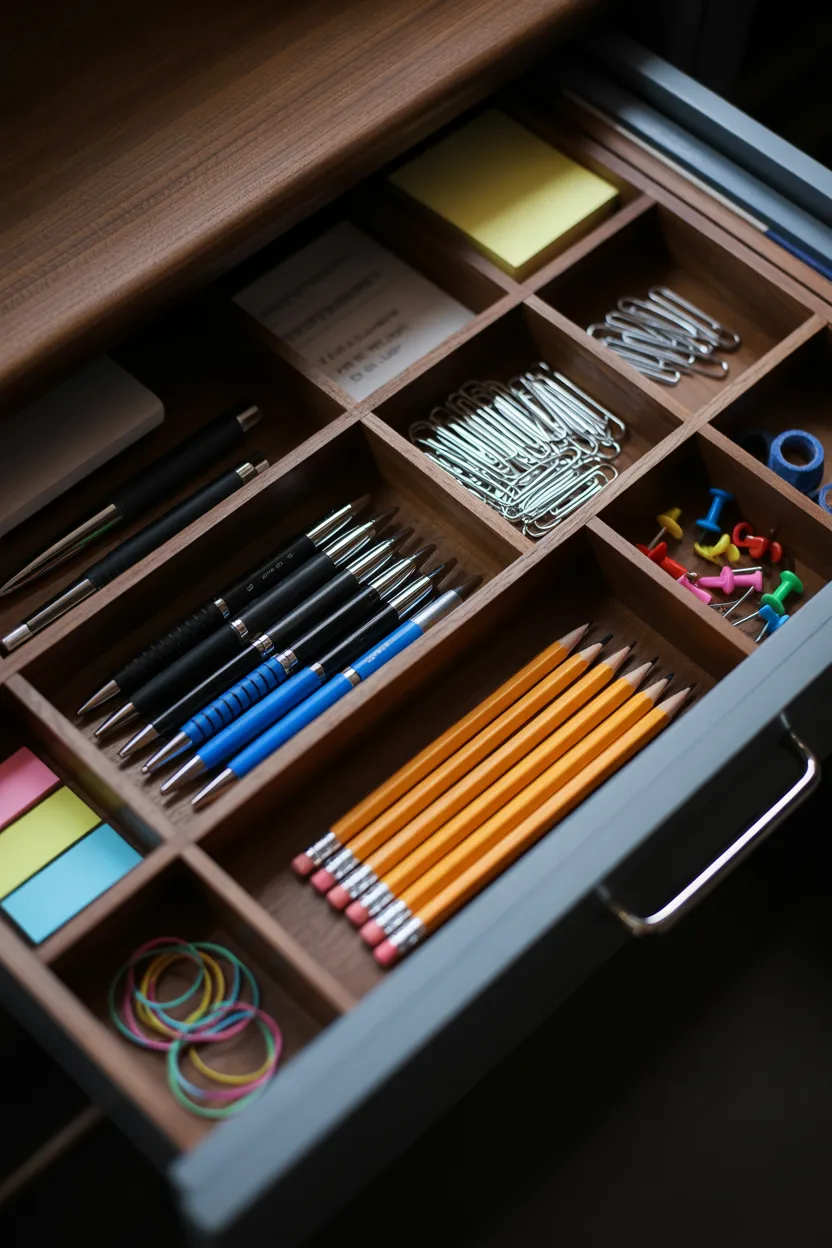
Small items used to get lost easily for me. Drawer dividers fixed that problem completely.
Now everything has a section, and I don’t waste time digging through clutter.
Color Drawers
I use color-coded drawers to separate subjects. It makes everything easier to identify instantly.
Color organization is proven to improve memory recall, especially for students.
Color Sorting
Sorting supplies by color makes a big difference during art or creative tasks. I don’t waste time searching anymore.
It’s simple but very effective, especially when working under time pressure.
Number Cubbies
I’ve seen this work really well in shared spaces. Giving each person a fixed spot avoids confusion.
It creates accountability and reduces mix-ups.
Headphone Pockets
Headphones can get messy fast. Individual pockets keep them untangled and ready to use.
This saves time and prevents damage.
Entry Cubbies
Having a fixed drop zone changed my daily routine. I always know where my bag and essentials are.
It also reduces morning stress significantly.
Supply Cart
A rolling cart gives me flexibility. I can move my study setup anywhere without losing organization.
This is especially helpful in shared spaces.
Paper Stations
I keep different types of papers in separate trays. It makes everything easy to find.
This system reduces interruptions during study time
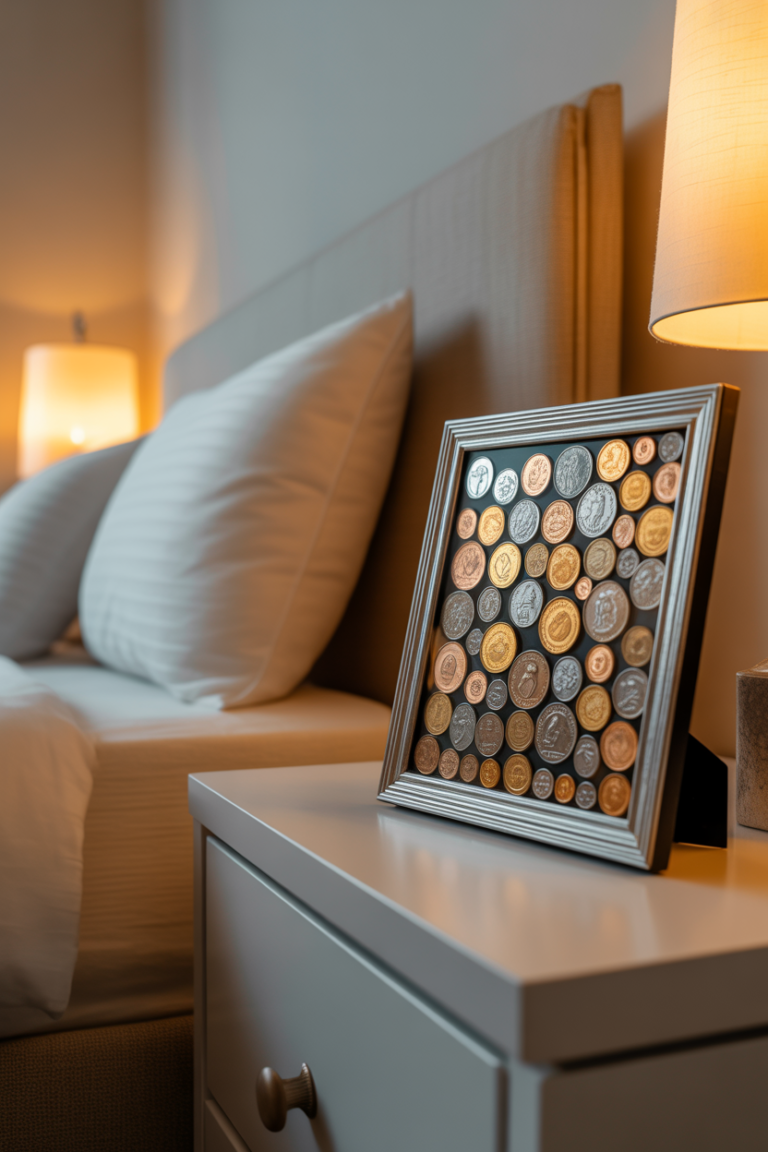
Memory Files
Important memories used to get lost for me. Now I store them by year in labeled files.
It helps me keep track of achievements and important documents.
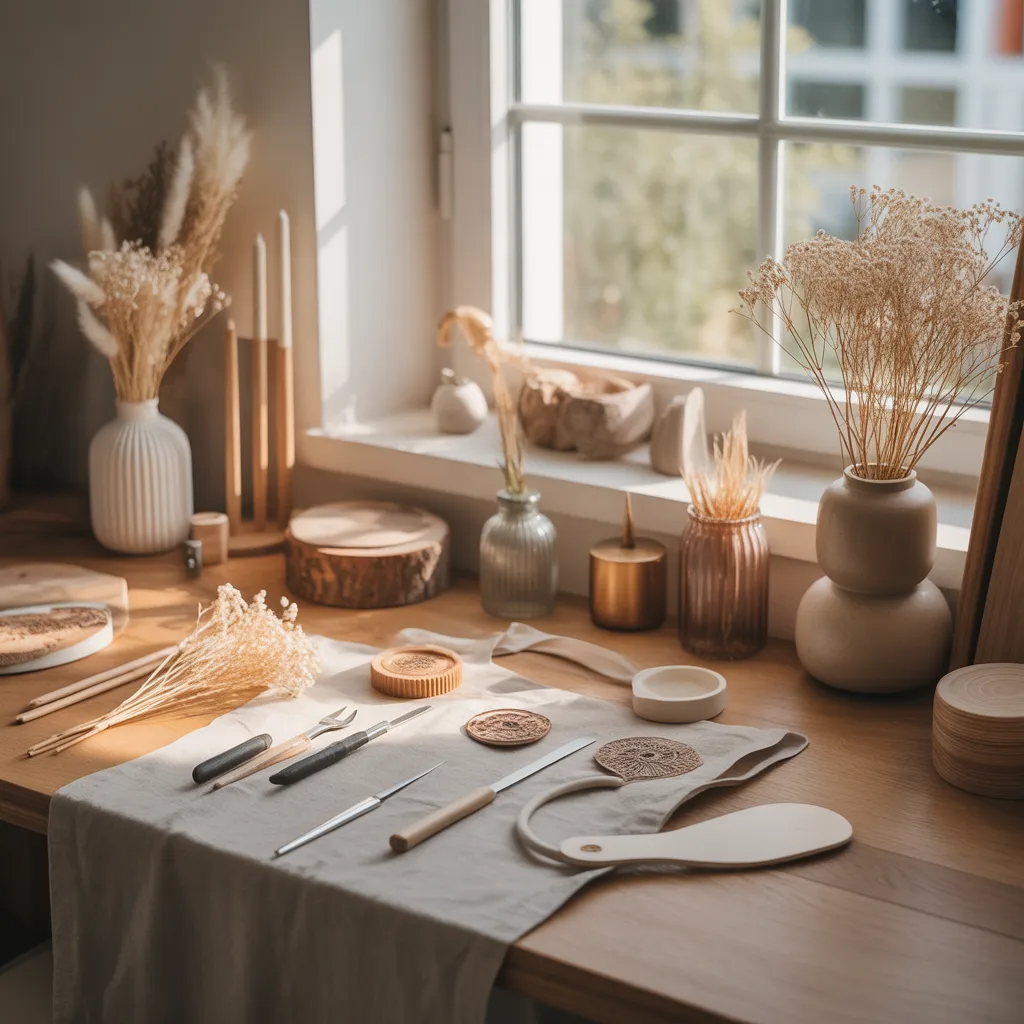
Paint Organizer
Organizing art supplies properly prevents mess and waste. I can quickly see what I have.
It also helps avoid buying duplicates.
Book Bins
Sorting books by category or author keeps my reading area clean. I can find what I need instantly.
It also encourages consistent reading habits.
Station Cubes
I use separate cubes for different activities. It keeps everything structured and ready.
This works well for both study and creative tasks.
Activity Kits
Ready-to-use kits save a lot of time. I don’t need to gather materials every time.
It improves efficiency, especially during busy days.
Weekly Files
Planning work by weekdays keeps me ahead. I prepare everything in advance.
This reduces last-minute stress and improves productivity.
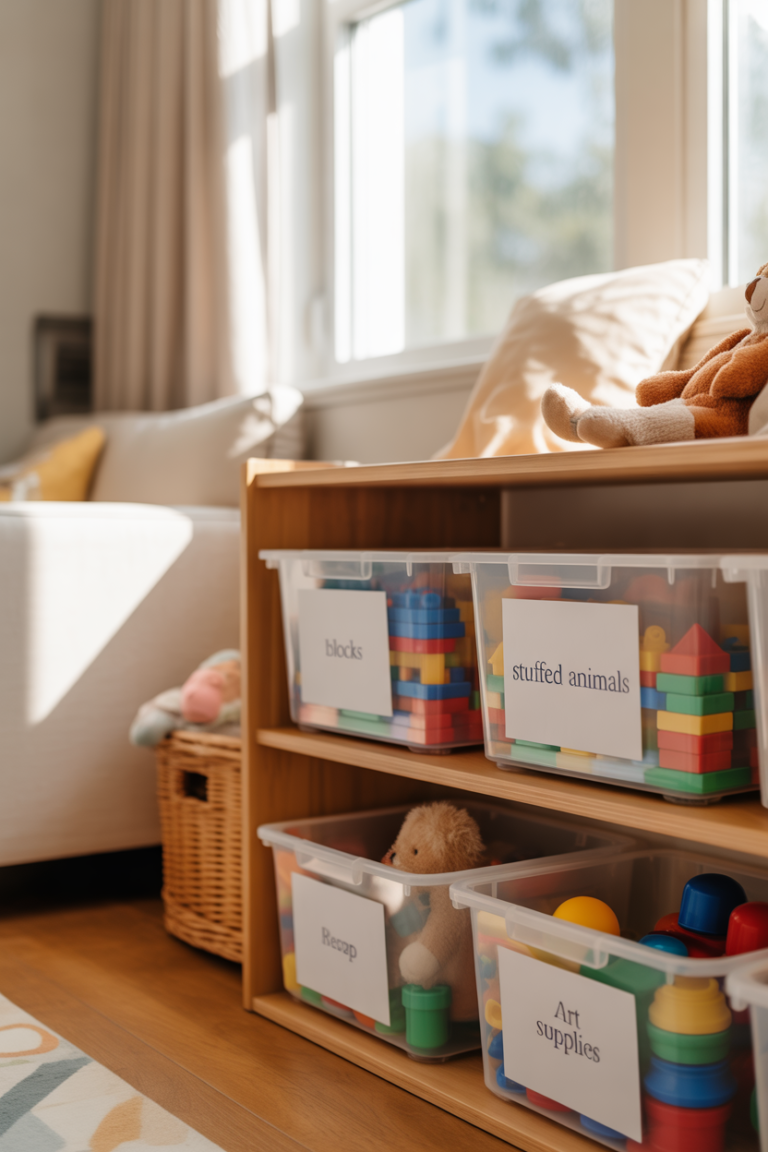
Clear Containers
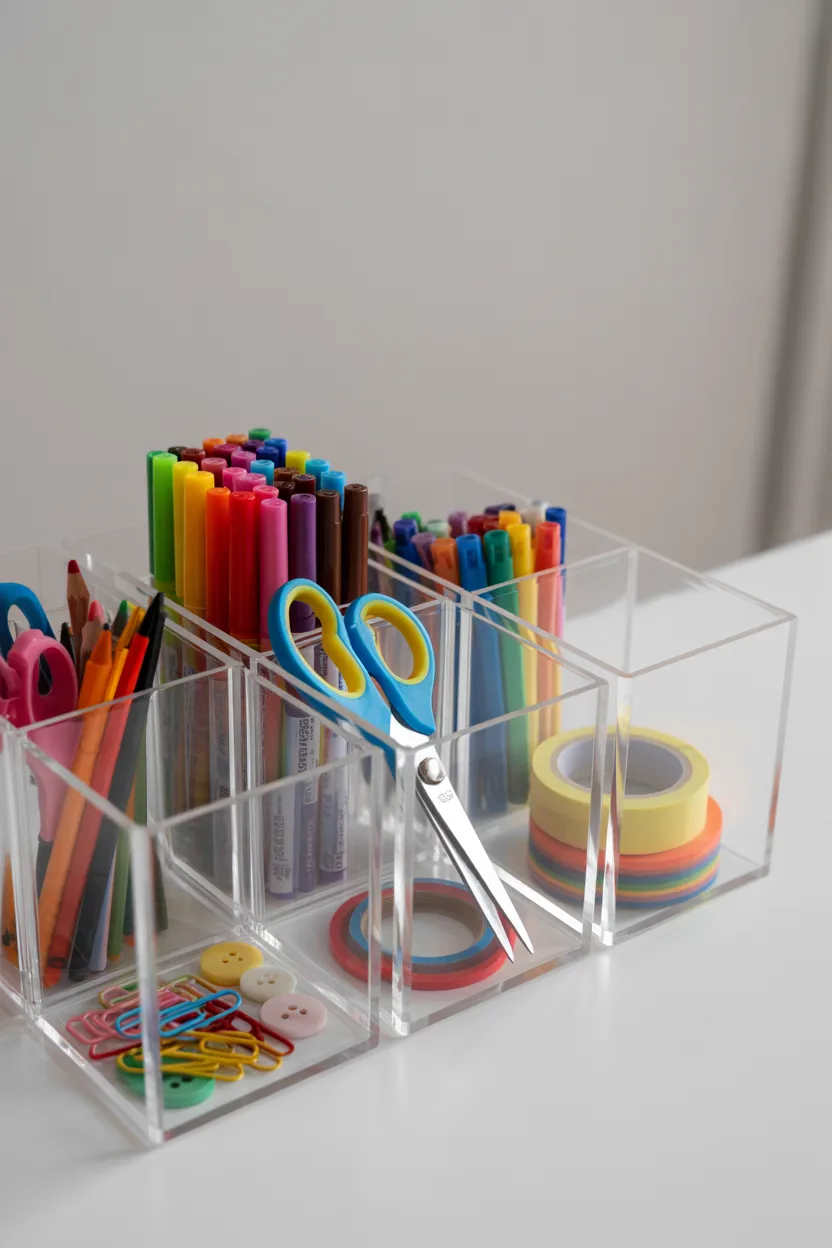
Clear storage makes a big difference. I can see everything without opening boxes.
It saves time and keeps things simple.
Supply Categories
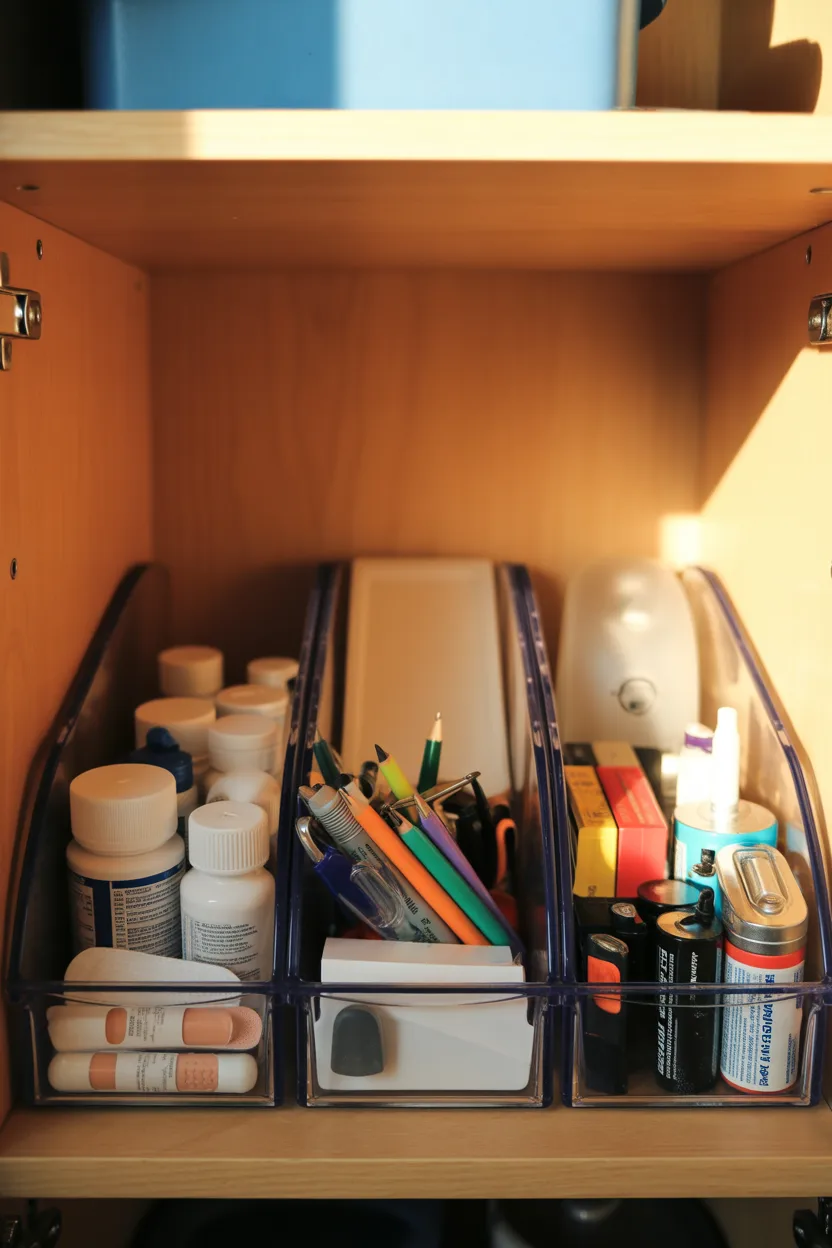
Grouping items into categories keeps everything manageable. I always know where to look.
This reduces clutter and improves efficiency.
Group Files
I organize documents by group or subject. It makes tracking progress easier.
This system works well for both students and teachers.
Supply Zones
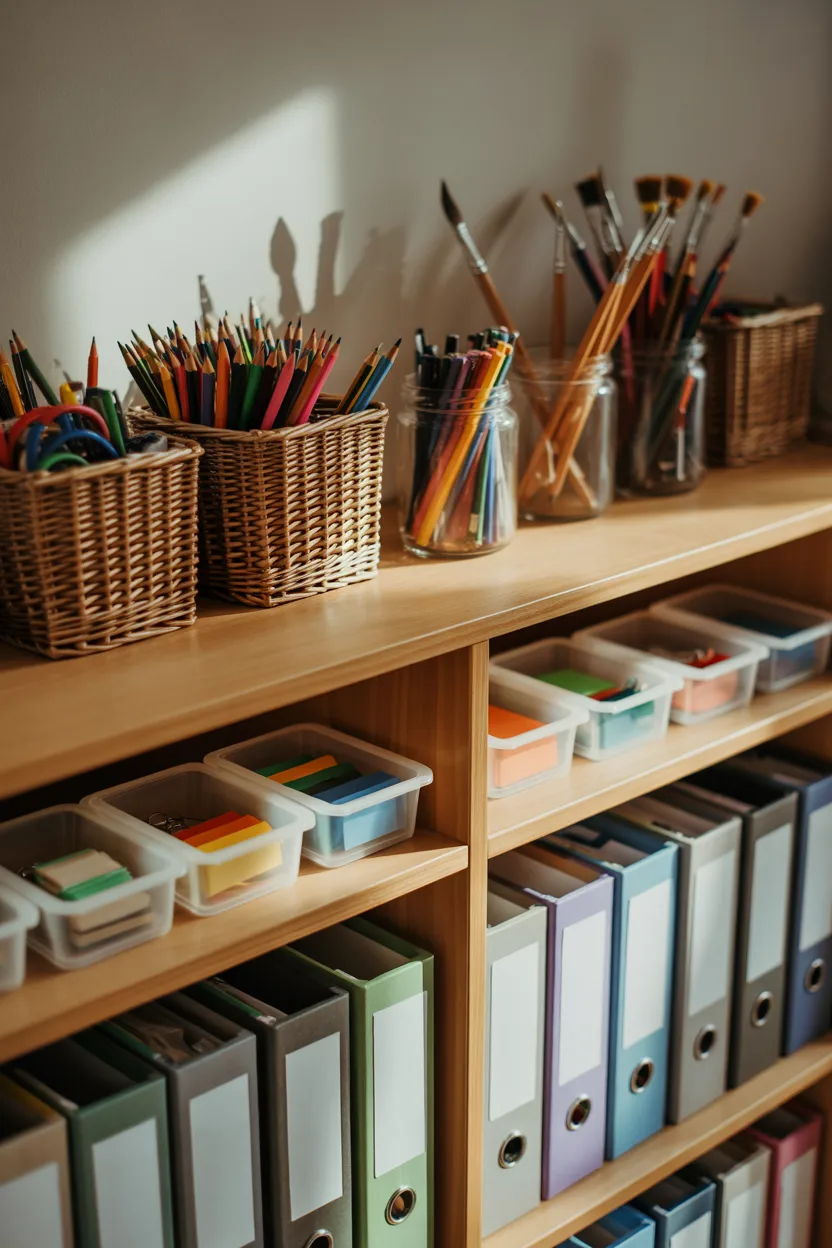
Creating zones for different supplies keeps everything structured. I don’t mix unrelated items anymore.
It makes my workspace more functional.
Rolling Drawers
Rolling drawers make storage flexible. I can move supplies wherever needed.
It’s one of the easiest ways to stay organized without effort.
FAQs
What is the easiest way to keep school supplies organized throughout the year?
From my experience, the easiest way is to assign a fixed place for every item. When everything has a home, cleanup becomes automatic. Studies suggest this reduces clutter by over 50%.
How can students stay organized without buying expensive storage tools?
I’ve learned that you don’t need expensive setups. Simple things like folders, boxes, and labels work perfectly.
The key is consistency—not cost. A basic system used daily always beats a fancy system used rarely.