
I’ve dealt with messy entryways more times than I can count, and boots are usually the main culprit. They’re bulky, hard to stack, and easily end up scattered across the floor. In this guide, I’m sharing 21 practical boot storage ideas that actually work in real homes. These solutions will help you keep your boots organized, protect their shape, and maintain a clean, welcoming entryway without constant effort.
Boots are often the reason your entryway looks messy even after cleaning. They take up more space than regular shoes and tend to fall over or collect dirt. When there’s no proper storage system, they quickly pile up and create clutter.
I’ve found that even a single rainy day can turn a neat space into chaos if boots aren’t stored properly. Mud, moisture, and debris spread fast, especially when boots are left lying around. That’s why having a dedicated storage plan makes such a big difference.
The good news is that organizing boots doesn’t require a complete makeover. With a few smart storage ideas, you can protect your footwear and instantly improve how your entryway looks and feels.
In this article, I’ll walk you through 21 smart and easy boot storage ideas so you can find the setup that fits your space and lifestyle.

Key Takeaways
Boots need dedicated storage to prevent clutter and maintain their shape
Vertical storage solutions help maximize small spaces
Keeping boots upright reduces creasing and damage
Entryway organization improves cleanliness and saves time
Simple additions like racks, hooks, or trays can make a big impact
What Are The Smartest Boot Storage Ideas For Entryways?
From my experience, boots are usually the biggest reason entryways get messy. They’re larger than regular shoes and don’t stack well, so they end up scattered near the door. Without a proper place, they quickly create visual and physical clutter.
I’ve noticed that leaving boots on the floor leads to tipping, dirt buildup, and faster wear. It also makes it harder to find the pair you want when you’re in a rush. Giving each pair a designated spot solves most of these problems instantly.
The most effective approach is to create a simple system that fits your space. Whether it’s a rack, hooks, or a storage bench, the goal is to keep boots organized, upright, and easy to access every day.
Boot Hangers
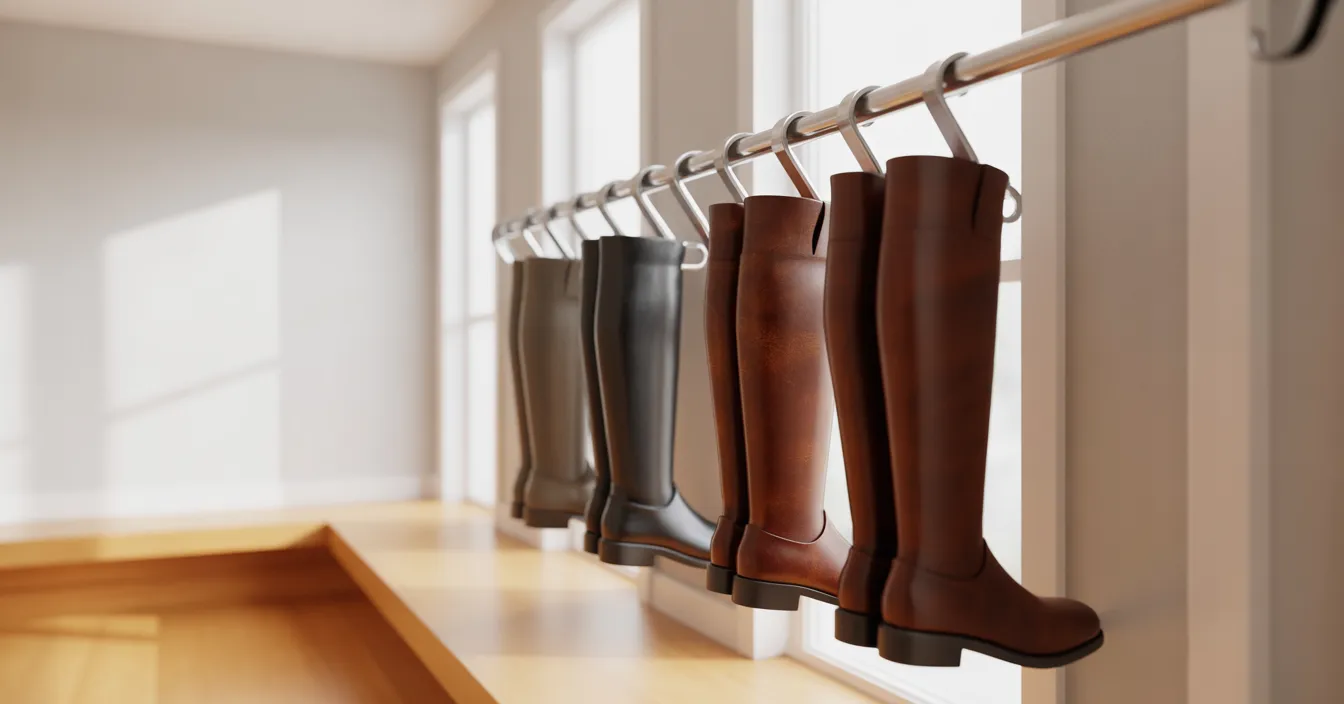
I always recommend boot hangers for tall boots because they help maintain structure. When boots are folded or crammed into tight shelves, they tend to crease and lose their shape over time. By hanging them from a rod, I can keep the shafts straight and well-ventilated. This setup works especially well for leather or suede boots that need extra care.
Adding a shelf above the rod is a smart way to use vertical space. It gives you room for accessories while keeping your boots neatly spaced and protected.
Pro Tip: Use padded or rubber-coated clips to avoid leaving marks on delicate materials like suede.
Floor Row
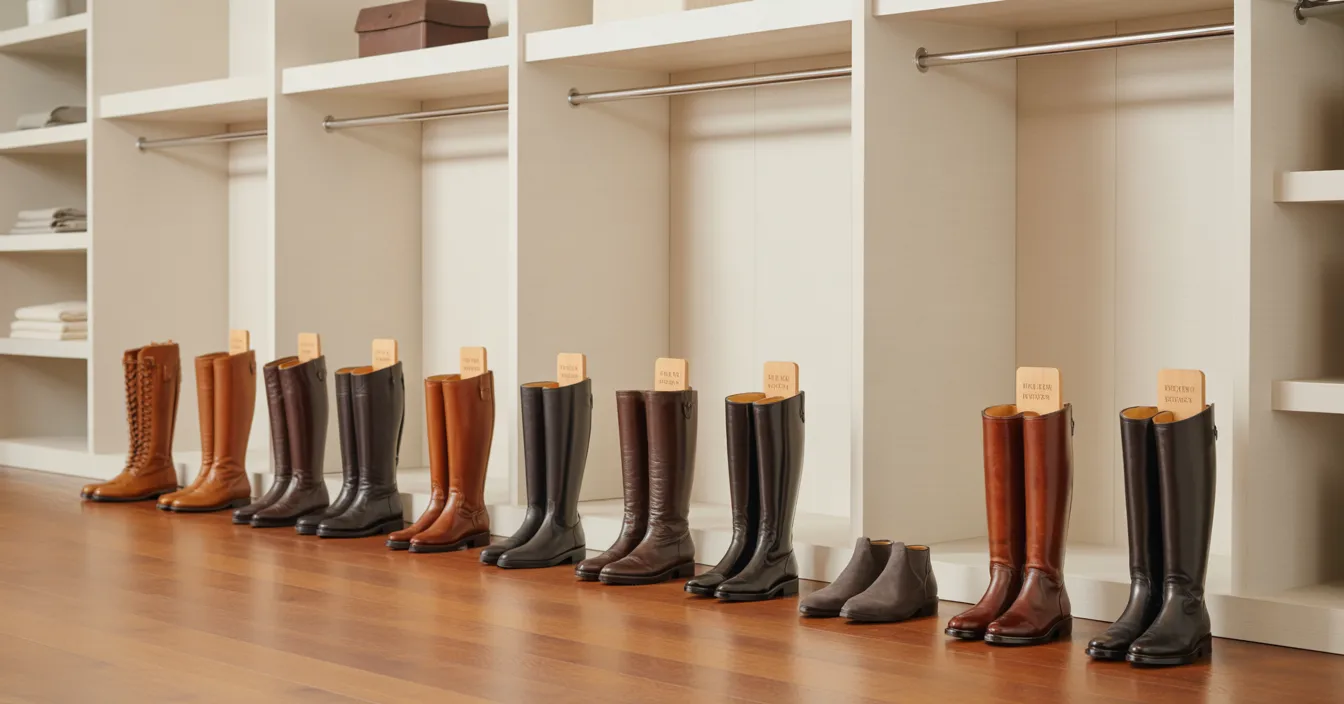
Sometimes, simple solutions work best, and a floor row is one of them. Instead of letting boots fall over randomly, I line them up neatly along a wall or under a rack. To keep them upright, I use boot shapers or even rolled magazines. This small step prevents creasing and keeps everything looking tidy.
I find this method especially useful in closets where upper space is already used. It makes the most of the floor without adding extra furniture.
Pro Tip: Place a slim anti-slip mat underneath to stop boots from sliding or tipping over.
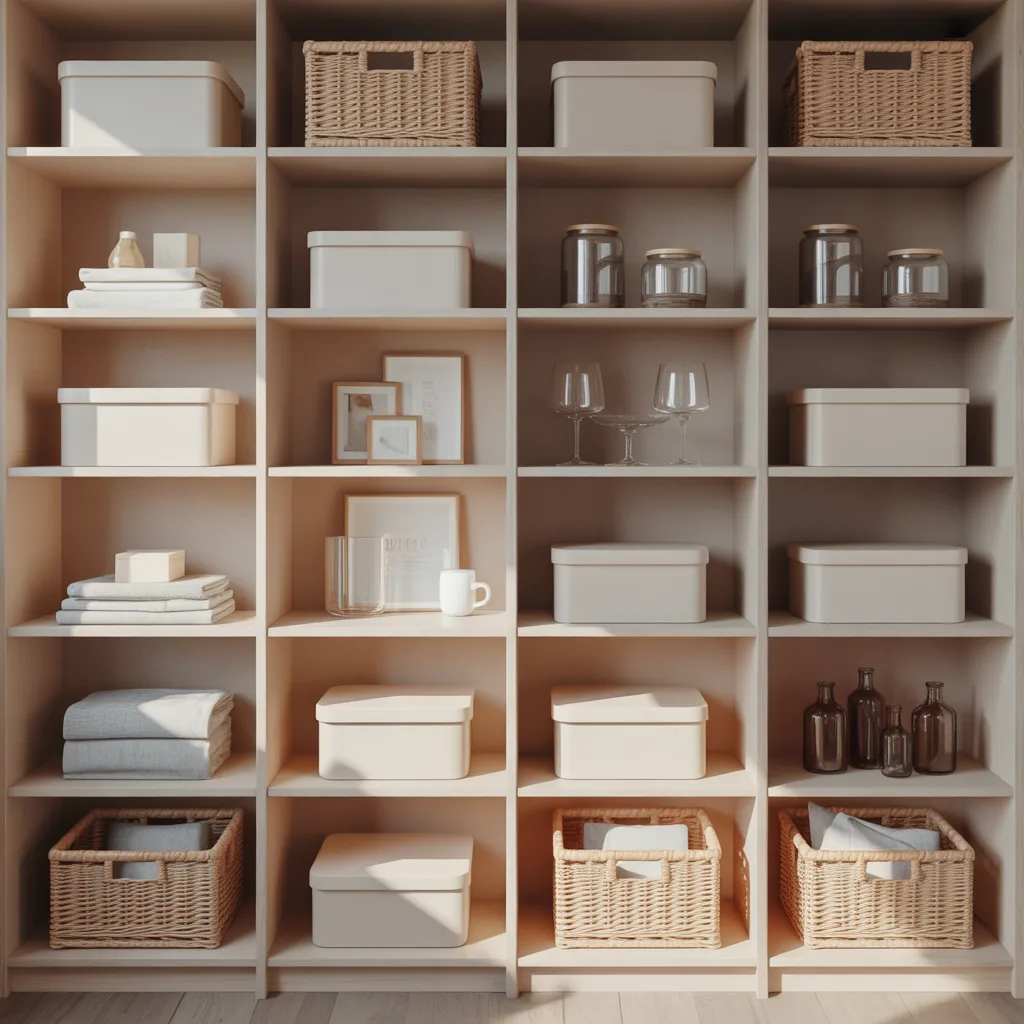
Shelf Wall
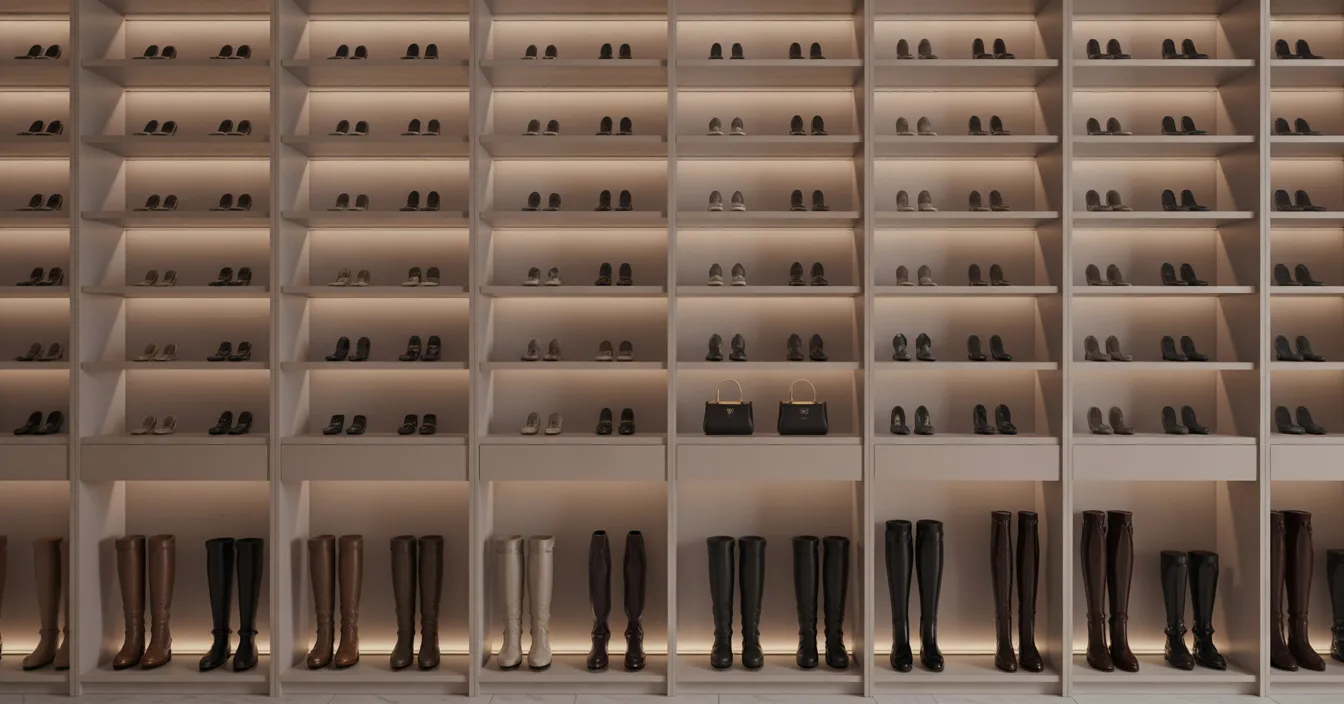
A shelf wall can completely transform how boots are stored. I like using the lower section of shelving units specifically for tall boots. By combining shelves for smaller shoes and a hanging rod below, I create a balanced and organized system. Everything has its place, and nothing feels crowded.
Adding lighting under shelves also improves visibility. It makes it easier to pick the right pair while giving the storage area a clean, modern look.
Pro Tip: Install motion-sensor LED lights to make your storage more energy-efficient and user-friendly.
Boot Cubbies
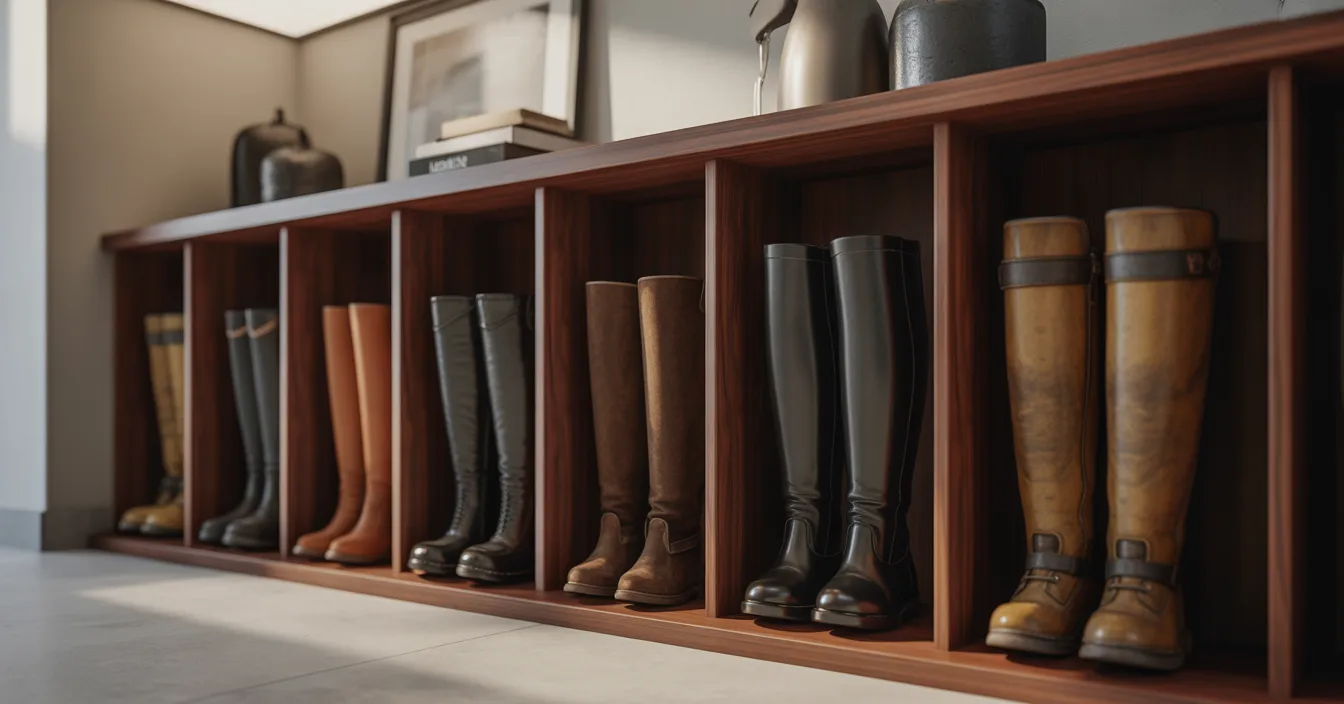
Boot cubbies are one of the most practical storage options I’ve used. Each pair gets its own compartment, which keeps them upright and separated. This setup prevents boots from leaning on each other, reducing the chances of creases or damage. It also makes finding the right pair quick and hassle-free.
I prefer using darker cubbies for everyday boots since they hide scuffs better. They’re perfect for entryways or closets with limited space.
Pro Tip: Label each cubby if multiple people are using the space to maintain long-term organization.
Peg Rack
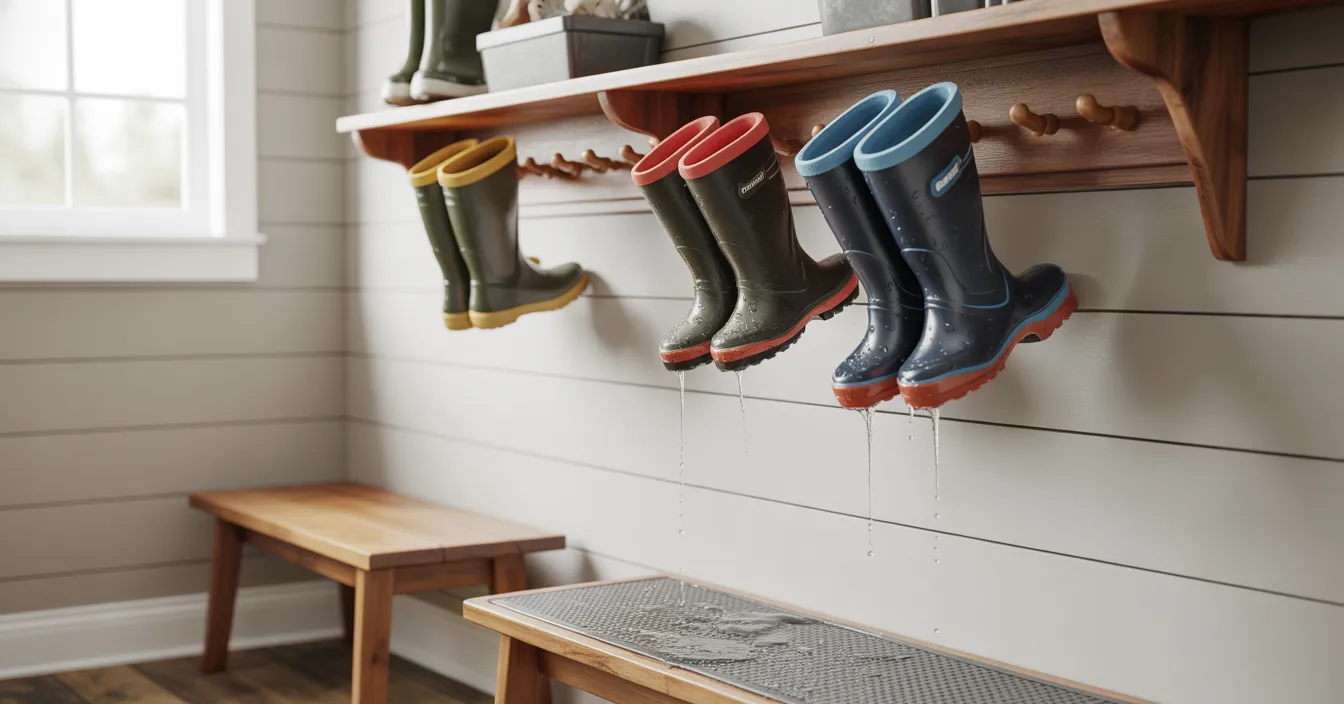
For wet or rainy boots, I rely on peg racks. Hanging boots upside down allows air to circulate and speeds up the drying process. This method prevents moisture from getting trapped inside, which can lead to odors or damage. It’s especially useful in homes where boots are used frequently outdoors.
Installing multiple rows of pegs increases storage without taking up floor space. I also like placing a bench nearby for added convenience.
Pro Tip: Choose water-resistant wood or coated metal pegs to prevent long-term damage from moisture.
Boot Cabinets
When I want a clean and clutter-free look, I go for boot cabinets. They hide everything behind doors while keeping boots protected from dust. Tall compartments allow boots to stand upright without bending. This helps extend their lifespan and keeps them looking new.
Cabinets are great for families because each person can have their own section. It keeps everything organized and easy to maintain.
Pro Tip: Add silica gel or moisture absorbers inside cabinets to prevent damp smells.
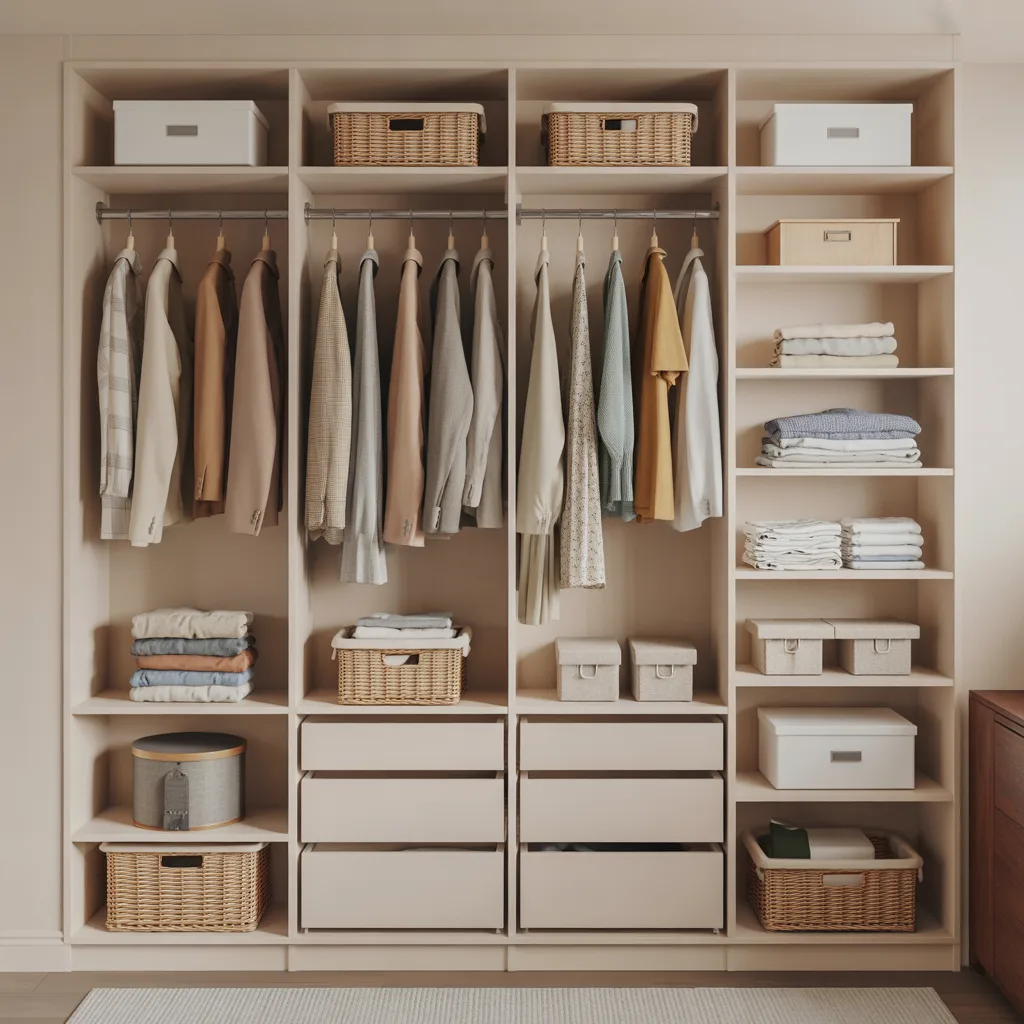
Boot Section
Creating a dedicated boot section in a closet is a simple but effective idea. I usually leave the bottom shelf open to accommodate taller boots. This gives them enough vertical space to stand naturally. Pairing this with boot shapers helps maintain their structure over time.
It also makes daily use easier since everything is visible and within reach. No more digging through piles of shoes.
Pro Tip: Use adjustable shelving so you can modify the space as your footwear collection changes.
Boot Bags
For long-term storage, I prefer using boot bags. They protect boots from dust, scratches, and moisture. Clear panels make it easy to identify what’s inside without opening each bag. This saves time and keeps things organized.
They’re also great for travel or seasonal storage. I can pack boots neatly without worrying about damaging other items.
Pro Tip: Store boots with cedar inserts inside bags to naturally repel moisture and odors.
Boot Display
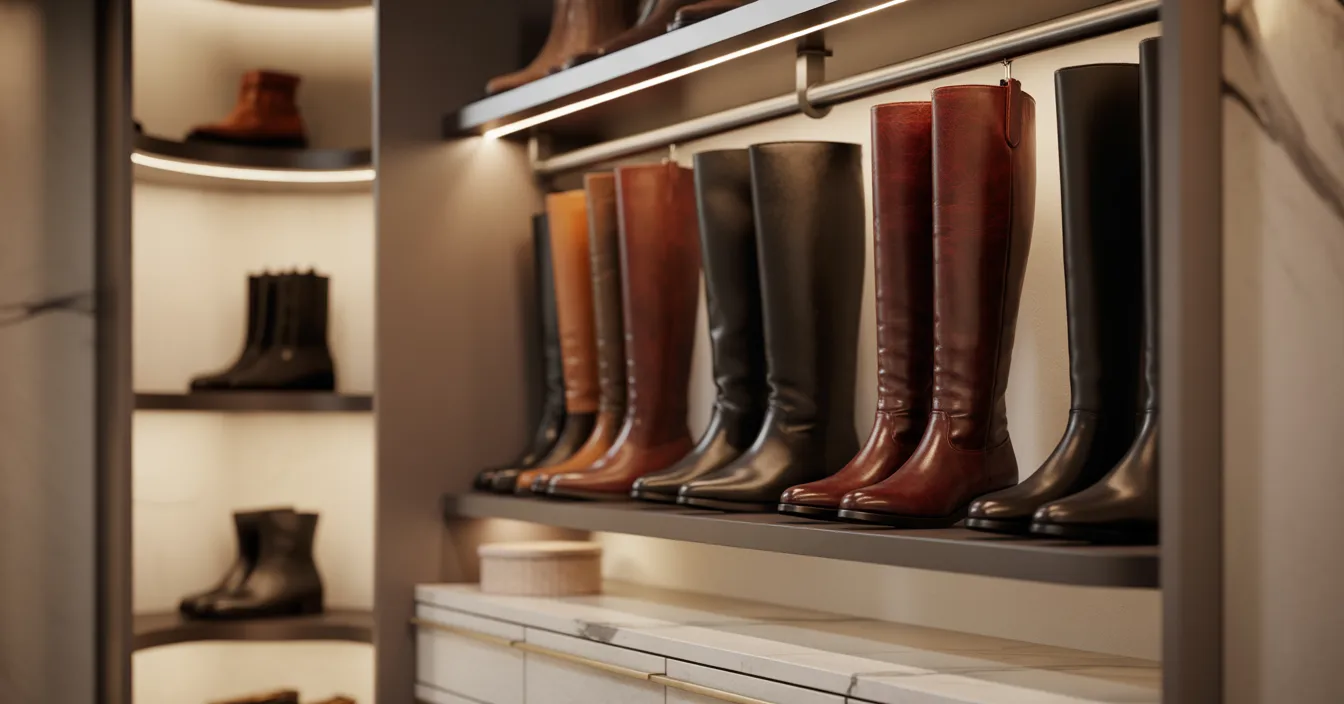
Sometimes, I like turning storage into decor. A boot display using shelves and rods can make your collection part of the room’s design. This setup keeps boots accessible while adding visual interest. It works especially well in dressing rooms or stylish entryways.
Lighting can enhance the display and make the space feel more intentional. It’s a practical and aesthetic solution at the same time.
Pro Tip: Rotate displayed boots seasonally to keep the setup fresh and relevant.
Boot Tower
A boot tower is perfect for maximizing vertical space. I use it to store multiple pairs in a compact footprint. Each level holds a pair upright, preventing clutter and keeping everything visible. It’s ideal for narrow spaces or corners. Organizing boots by height also improves stability. Taller pairs go below, while shorter ones fit on higher shelves.
Pro Tip: Secure tall towers to the wall for safety, especially in homes with kids or pets.
Boot Rack
Boot racks are one of the easiest storage upgrades. I like using racks with clip hangers to keep boots upright and evenly spaced. This prevents wrinkles and makes the collection easy to browse. It’s a great solution for closets that lack proper shelving.
The flexibility of racks also allows for seasonal rotation. I can swap boots in and out without reorganizing everything.
Pro Tip: Keep a few extra hangers ready so you can expand storage instantly when needed.
Boot Slots
Boot slots are great for managing wet footwear near the door. They keep boots elevated and allow proper drainage. By placing boots upside down, moisture drains out quickly. This helps maintain cleanliness and reduces odors.
Adding a drip tray underneath is a simple way to protect floors. It’s a practical solution for rainy or snowy seasons.
Pro Tip: Use removable trays so you can easily clean out accumulated dirt and water.
Boot Rail
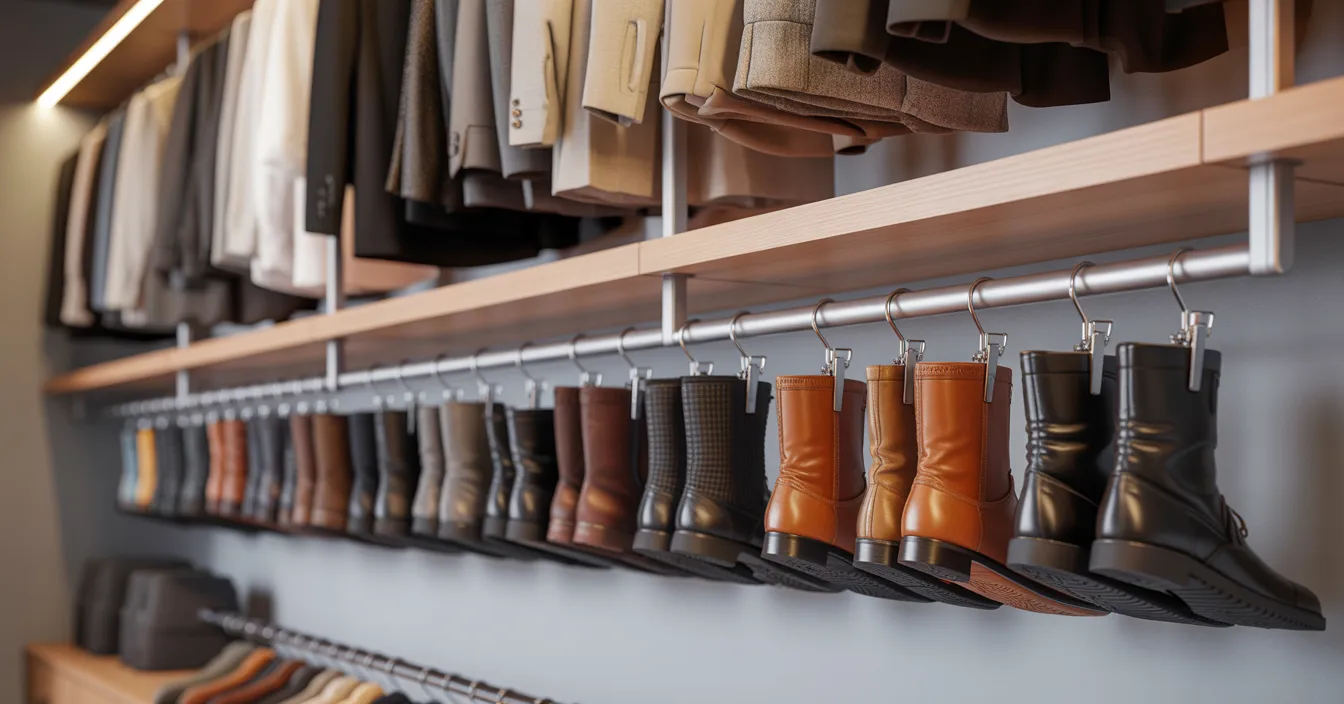
A boot rail is a clever way to use unused closet space. I install it below hanging clothes to create extra storage. Clip hangers keep boots suspended and in good shape. This prevents folding and creasing.
It’s a small adjustment that makes a big difference. I get more storage without adding bulk to the closet.
Pro Tip: Leave at least a few inches between boots to allow airflow and prevent material wear.
Boot Shelf
Open shelving can turn boots into a design feature. I like arranging them by color or style for a clean look. Each pair gets its own space, which keeps everything organized. It also makes daily selection easier.
This works well in bedrooms or dressing areas where accessibility matters. It’s both functional and visually appealing.
Pro Tip: Stick to a consistent color palette to make your shelving look more curated and less cluttered.
Boot Drying
Drying boots properly is just as important as storing them. I use wall-mounted racks to keep them off the floor. Positioning boots upside down helps moisture escape quickly. This prevents odors and prolongs their life.
Placing a waterproof mat underneath adds extra protection. It keeps floors clean even during wet seasons.
Pro Tip: Place drying racks near a well-ventilated area or window to speed up the process.
Boot Locker
Boot lockers are ideal for busy households. They keep everything hidden while maintaining order. Each shelf can hold a pair upright, reducing wear and tear. It also makes it easier to assign storage to different family members.
I like using the top sections for accessories. This keeps everything in one convenient place.
Pro Tip: Assign each locker to a specific person to avoid mix-ups and clutter.
Boot Basket
A boot basket is a quick and flexible solution. I use it as a drop zone for everyday footwear. The tall sides help support boots and prevent them from collapsing. It’s perfect for casual entryways.
Adding a mat underneath keeps dirt contained. It’s a simple way to maintain cleanliness with minimal effort.
Pro Tip: Choose washable liners for baskets to make cleaning quick and hassle-free.
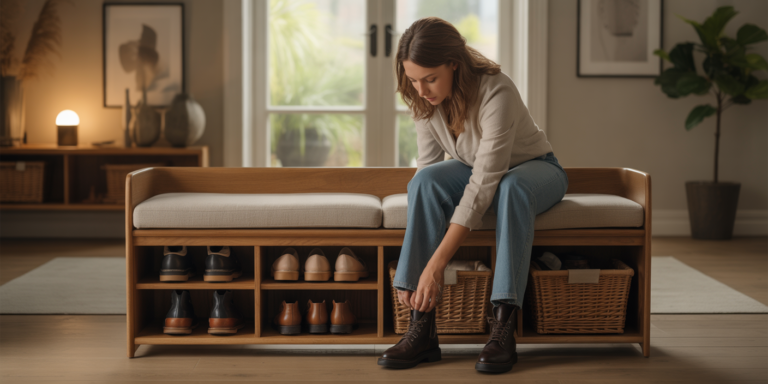
Boot Bench
A boot bench combines seating with storage, which I find incredibly useful. It creates a dedicated spot for putting on and removing boots. The compartments underneath keep everything organized. Boots stay upright and easy to access.
This setup works especially well in entryways. It adds both functionality and comfort to the space.
Pro Tip: Opt for waterproof or wipeable materials to handle muddy boots easily.
Boot Organizer
In small spaces, I rely on vertical organizers. They combine shelves and hanging space to maximize efficiency.
This setup keeps boots separate from other shoes. It also helps maintain their shape.
It’s a smart solution for tight closets. Every inch of space is used effectively.
Pro Tip: Install organizers on unused walls or doors to free up valuable floor space.
Boot Hooks
Hooks are one of the simplest storage solutions I use. They lift boots off the floor and keep them organized. Hanging boots upside down helps them dry faster. It also prevents dirt from spreading.
Strong hooks ensure stability, even for heavier boots. It’s an easy upgrade with big benefits.
Pro Tip: Use heavy-duty wall anchors to ensure hooks can handle the weight of wet boots.
Boot Cubby
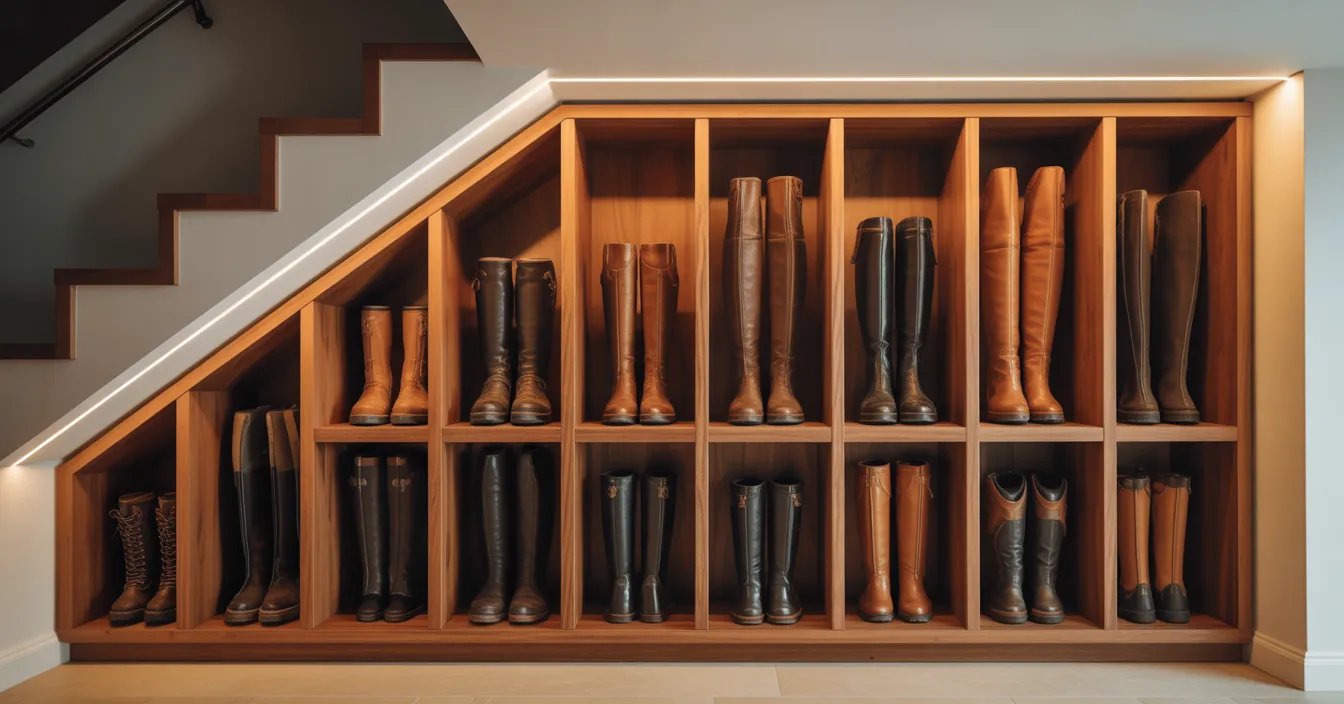
Built-in cubbies are perfect for awkward spaces. I use them to turn unused areas into practical storage. Each section holds a pair upright, keeping everything neat. It also prevents boots from leaning or creasing.
This solution works well under stairs or in tight corners. It makes use of space that would otherwise go to waste.
Pro Tip: Add dividers or inserts to customize cubbies for different boot heights.
FAQs
1. How can you store tall boots without ruining their shape?
I always store tall boots upright to maintain their structure. Using boot hangers, shapers, or cubbies helps prevent the shafts from collapsing. Leaving space between pairs also reduces creasing and keeps them in good condition.
2. What is the best place to store boots in an entryway?
In my experience, the best spot is near the door where boots are removed. Storage benches, wall racks, or trays work well in this area. They keep dirt contained and make it easy to grab boots when heading out.
Conclusion
Keeping boots organized doesn’t have to be complicated. I’ve learned that the key is giving each pair a proper place, whether it’s hanging, stacked, or tucked into a cubby. Small changes in how you store boots can make a big difference in how your entryway looks and functions.
When you choose the right storage solution for your space, you not only reduce clutter but also extend the life of your boots. From simple hooks to full storage systems, every option in this list can help you stay organized.
Start with one idea that fits your home and build from there. Over time, you’ll notice your space feels cleaner, more efficient, and much easier to maintain.