
Backpacks have a way of taking over entryways, bedrooms, and hallways when they don’t have a designated home. Over the years, I’ve found that the easiest way to keep bags organized is to create simple storage systems that fit naturally into everyday routines. Whether you have kids heading to school, teens carrying sports gear, or adults commuting to work, these backpack storage ideas can help keep your home tidy and functional. From wall hooks to custom cubbies, these solutions make it easy to grab a bag and go without dealing with clutter.
Backpack storage works best when it is simple, visible, and easy to access. The goal is not to hide bags away but to give them a consistent place where everyone in the family can return them after use. These ideas will help you create a cleaner, more organized home in 2026.
Key Takeaways
- Give every backpack a designated storage location.
- Open storage solutions encourage consistent use.
- Hooks, cubbies, and rails work well for daily access.
- Individual storage spaces reduce household clutter.
- Vertical storage maximizes small spaces.
- Proper organization makes mornings easier and less stressful.
- Simple systems are more likely to be maintained long term.
What is the Best Way to Store Backpacks at Home?
In my experience, the best way to store backpacks at home is to create a dedicated drop zone that everyone can use without thinking twice. When backpacks have a clearly defined location, they are much less likely to end up on the floor, dining chairs, or kitchen counters. Easy-access storage solutions such as hooks, cubbies, and wall-mounted racks encourage consistent habits and make busy mornings much smoother.
I always recommend choosing storage that matches your family’s daily routine. If children use backpacks every day, open storage is usually more effective than closed cabinets because it removes extra steps. The easier it is to put a backpack away, the more likely people will actually use the system.
Pro Tip: Place backpack storage near the main entrance your family uses most often to create a natural habit of putting bags away immediately.
Low Wall Hooks
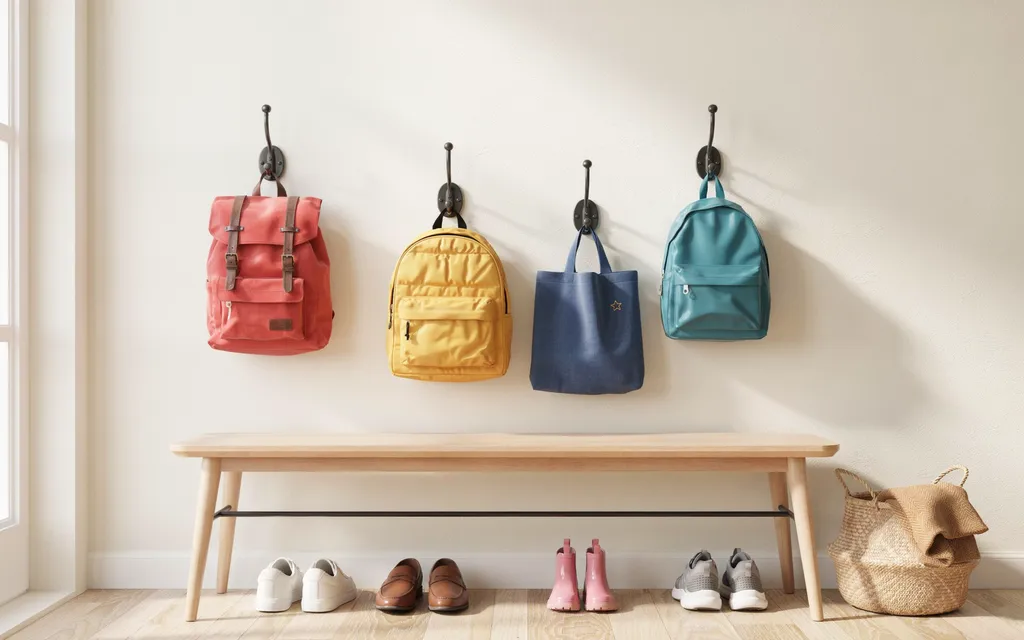
Low wall hooks are one of the simplest and most effective backpack storage ideas I have used. By mounting hooks at heights suitable for both kids and adults, everyone can easily hang their own bags without assistance. This prevents backpacks from collecting on the floor and instantly makes an entryway feel more organized.
To make the setup even more functional, I like pairing hooks with a storage bench and shoe organization underneath. This creates a complete landing zone where family members can store everything they need for school, work, or activities in one convenient spot.
Pro Tip: Choose heavy-duty hooks that can support fully loaded backpacks without pulling away from the wall.
Carry-All Storage Bag
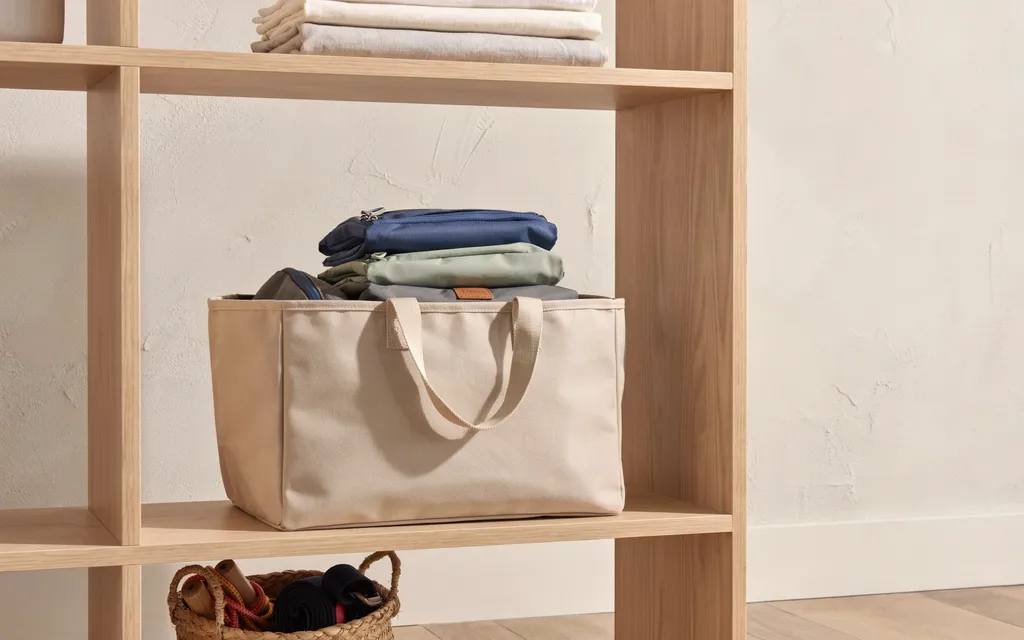
A carry-all storage bag is a practical solution for storing extra or seasonal backpacks that are not used every day. Instead of having bags scattered across closets and shelves, you can place them all inside one large structured storage tote. This keeps everything together and protects bags from dust while saving valuable storage space.
I find this option especially useful for families who rotate backpacks throughout the year or keep spare bags for travel and outdoor activities. It creates a neat storage solution without requiring permanent installation.
Pro Tip: Label the storage bag so you can quickly identify its contents when needed.
Built-In Drop Zone
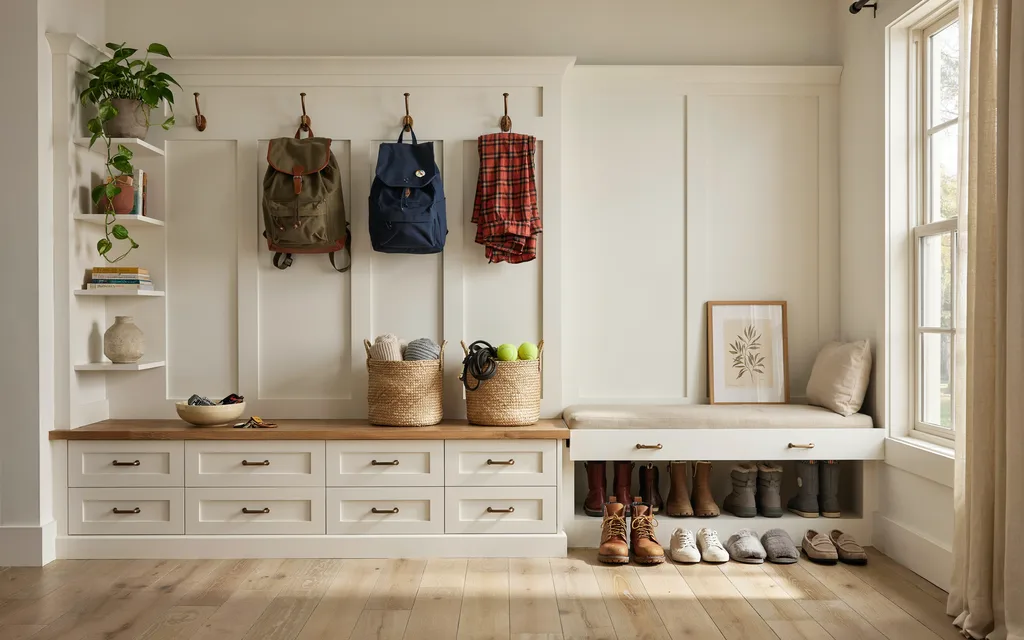
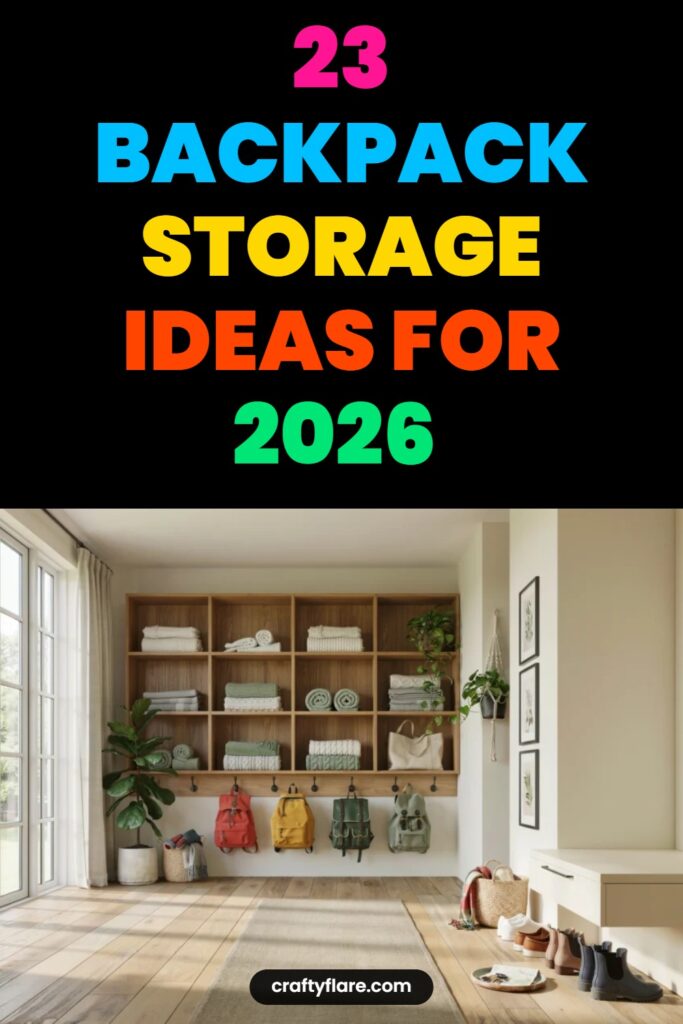
A built-in drop zone is one of the most efficient ways to manage daily clutter. By combining backpack hooks, shoe storage, drawers, and baskets into one dedicated area, you create a complete organization station for the entire family. Everything has a place, which helps prevent items from spreading throughout the house.
I love this setup because it supports everyday habits. Family members can unload backpacks, remove shoes, and store accessories as soon as they walk through the door, making cleanup almost automatic.
Pro Tip: Assign specific hooks and cubbies to each family member to avoid confusion and misplaced belongings.
Open Cubby Wall
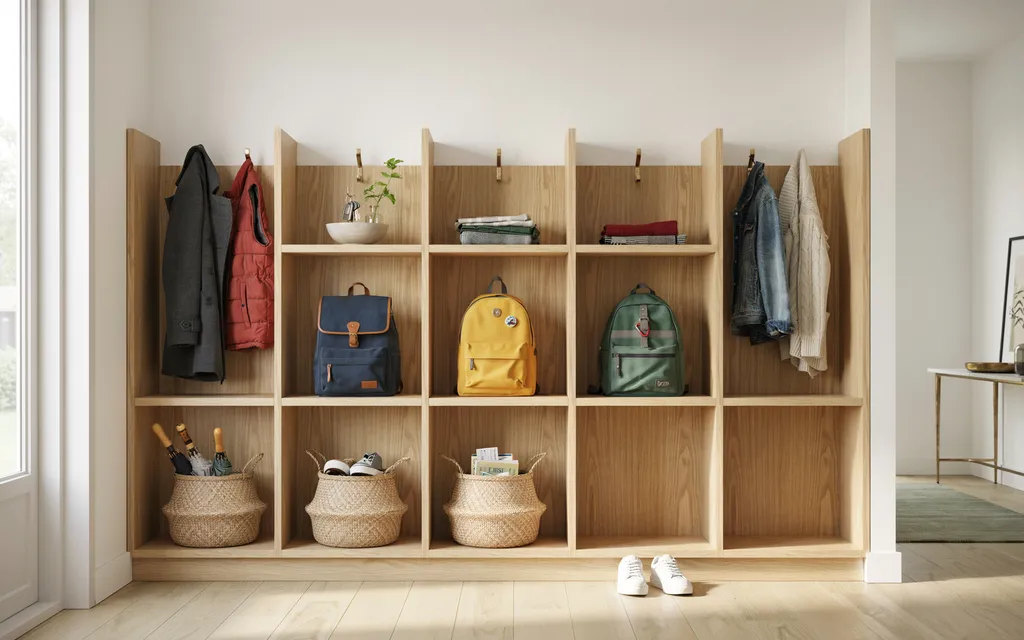
An open cubby wall offers excellent visibility and accessibility. Since backpacks remain visible at all times, it is easy to identify what belongs where and quickly grab what you need. Unlike deep shelves or closets, cubbies allow bags to slide in naturally without bending or crushing them.
This setup works particularly well for larger families because it provides individual storage spaces while maintaining a clean and organized appearance. Adding baskets for small accessories makes the system even more effective.
Pro Tip: Choose cubbies slightly larger than your biggest backpack to allow room for growth and additional gear.
Lighted Bench Hooks
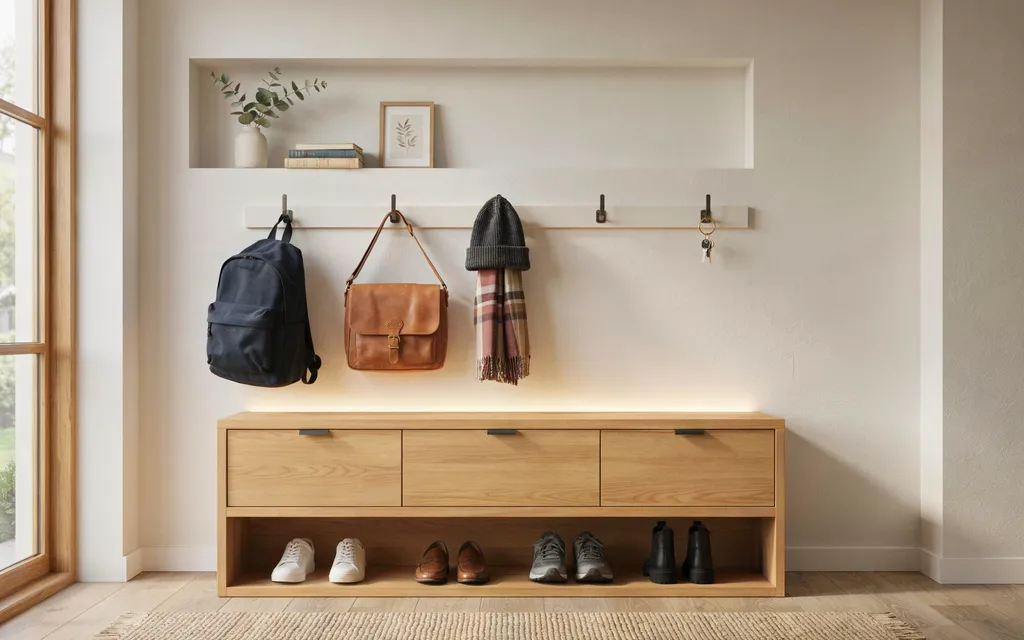
Combining bench seating with backpack hooks creates a highly practical storage solution for busy households. The addition of integrated lighting helps make bags easier to locate during early mornings or late evenings, especially during winter months when natural light is limited.
I appreciate how this setup combines comfort and organization in a compact footprint. It encourages family members to sit, remove shoes, and store belongings in one efficient location.
Pro Tip: Install motion-sensor LED lighting to improve visibility while conserving energy.
Structured Bag Organizers
Structured bag organizers help backpacks maintain their shape while stored. Instead of collapsing into a pile, each backpack stands upright and remains easily accessible. This solution is especially useful for closets, bedroom shelves, and mudrooms where organization can quickly become difficult.
I often recommend this method for families with multiple backpacks because it creates clear separation between bags while protecting them from unnecessary wear and tear.
Pro Tip: Select organizers with adjustable dividers to accommodate backpacks of different sizes.
Locker-Style Storage
Locker-style storage provides every family member with their own dedicated compartment. This system eliminates confusion and gives each person responsibility for maintaining their own space. Closed storage also helps create a cleaner visual appearance in busy entryways.
I like this option because it combines organization with privacy. Backpacks, sports gear, and personal items stay together while remaining hidden from view when locker doors are closed.
Pro Tip: Add name labels or personalized colors to make lockers easier to identify.
Wood Panel Hooks
Wood panel hooks bring both durability and style to backpack storage. Mounting hooks onto a wood backing provides stronger support for heavier bags while creating a more polished appearance than individual wall hooks alone.
This design works particularly well in entryways and mudrooms where storage needs to blend with home decor. The wood panel can also serve as a decorative feature that enhances the overall look of the space.
Pro Tip: Choose moisture-resistant wood finishes to protect the panel from wet backpacks and jackets.
Pegboard Wall Setup
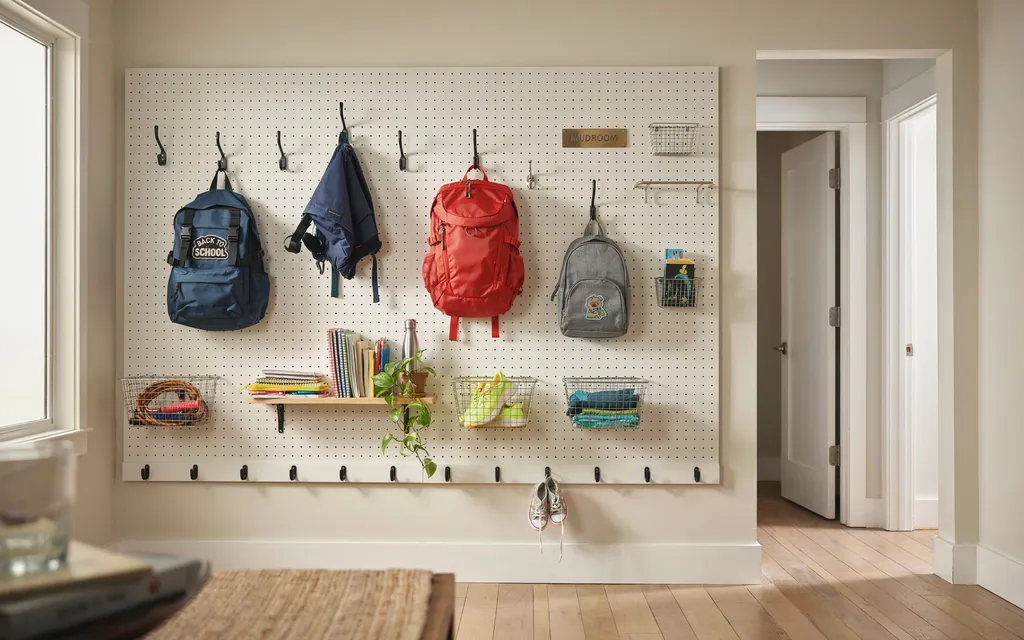
Pegboard walls offer incredible flexibility for backpack storage. Hooks, baskets, and shelves can be rearranged as your family’s needs change over time. This adaptability makes pegboards ideal for growing children and evolving storage requirements.
I enjoy using pegboards because they allow for complete customization. School supplies, sports gear, and backpacks can all be stored together in one highly organized system.
Pro Tip: Outline designated zones on the pegboard to help family members maintain organization.
Gear Room Wall
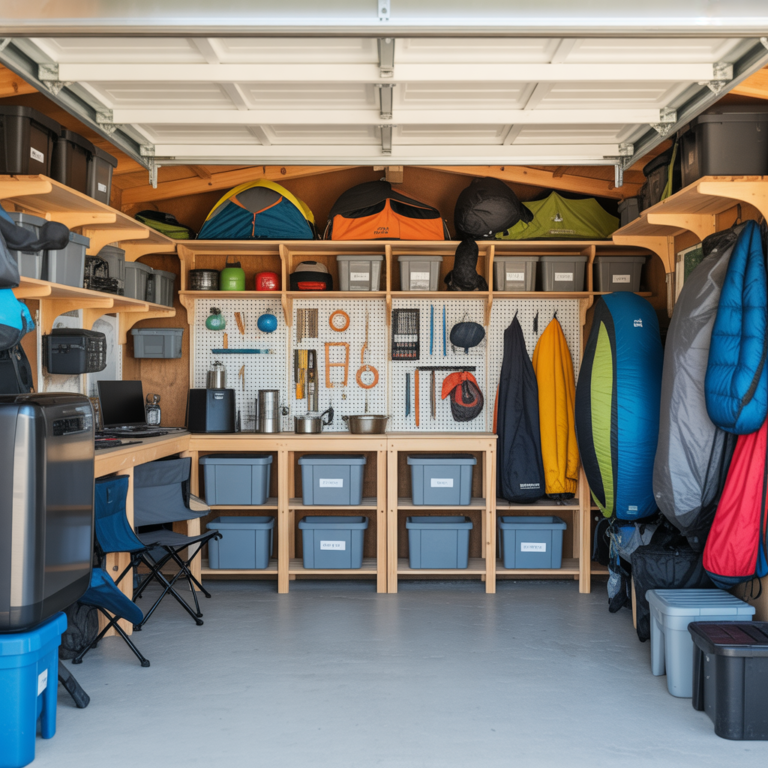
A gear room wall is perfect for active families with outdoor equipment, sports gear, and multiple backpacks. Instead of spreading items throughout the home, everything stays organized in one dedicated area designed specifically for storage.
This approach creates a central hub where equipment can be accessed, maintained, and returned after use. It is especially useful for families who frequently participate in sports or outdoor adventures.
Pro Tip: Use clear bins beneath backpack hooks to store related accessories and equipment.
Slim Wall Rail
A slim wall rail is ideal for homes with limited space. Because it extends only slightly from the wall, it provides storage without obstructing hallways or walkways. Despite its compact design, it can comfortably hold several backpacks.
I often recommend wall rails for apartments, narrow entryways, and small homes where every inch of space matters. The clean profile keeps areas feeling open and uncluttered.
Pro Tip: Space hooks evenly to prevent backpacks from overlapping and tangling together.
Kids Cubby Station
A kids cubby station encourages independence by giving children ownership of their storage space. When each child has a dedicated cubby and hook, it becomes easier to establish organization habits that last.
This setup works exceptionally well near bedrooms, playrooms, or family entrances. Children can easily access their belongings while learning responsibility for keeping their area tidy.
Pro Tip: Add picture labels for younger children who may not yet be reading confidently.
Hanging Cubby Slots
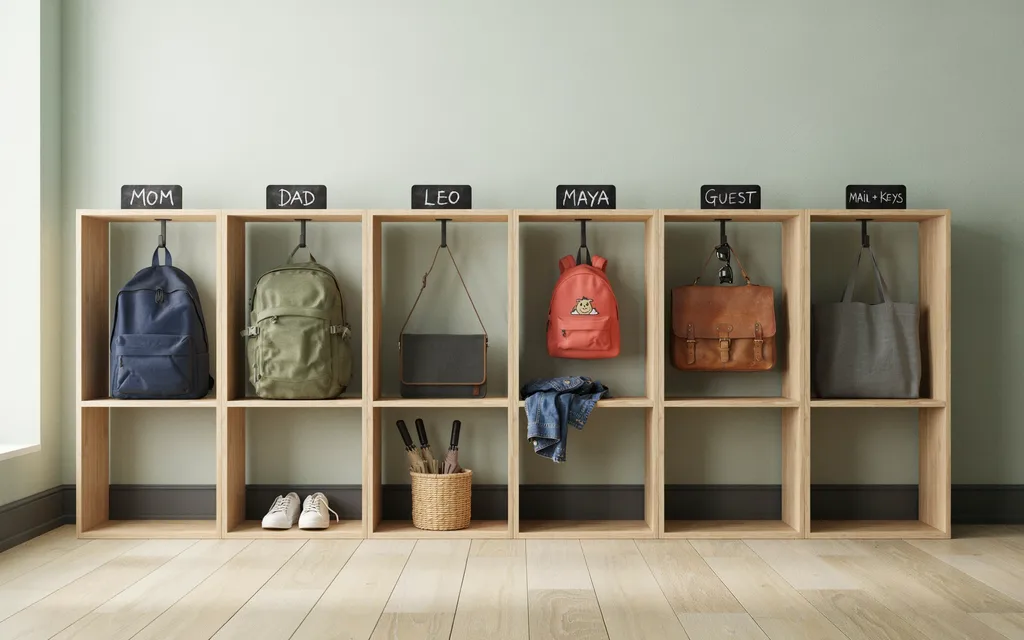
Hanging cubby slots combine the visibility of open storage with the structure of individual compartments. By adding hooks inside cubbies, backpacks remain upright and organized without slumping over each other.
I find this solution particularly useful in shared family areas because it keeps everything separated while maintaining easy access throughout the day.
Pro Tip: Include lower bins beneath each cubby for lunch boxes and small accessories.
Corner Hook Zone
Unused corners often become wasted space, but a corner hook zone can transform them into valuable storage areas. Installing hooks along adjoining walls maximizes storage capacity without requiring additional furniture.
This approach works especially well in tight entryways where traditional storage solutions might not fit comfortably. It creates functionality while preserving floor space.
Pro Tip: Use staggered hook heights to maximize capacity and prevent overcrowding.
Floating Peg Display
Floating peg displays combine storage and style in a creative way. Backpacks hang neatly below while decorative shelves above provide room for plants, artwork, or personal touches. I love this option for teen bedrooms, offices, and modern entryways because it transforms storage into an intentional design feature rather than a purely functional necessity.
Pro Tip: Maintain consistent spacing between pegs to create a balanced and organized appearance.
Freestanding Rack Unit
Freestanding rack units provide flexibility because they do not require wall installation. This makes them ideal for renters or homeowners who prefer portable storage solutions. Bags can hang above while shoes and accessories remain organized below. The versatility of these units allows them to be moved as household needs change, making them a practical long-term investment.
Pro Tip: Select a rack with adjustable shelves to accommodate different storage requirements.
Closet Gear Station
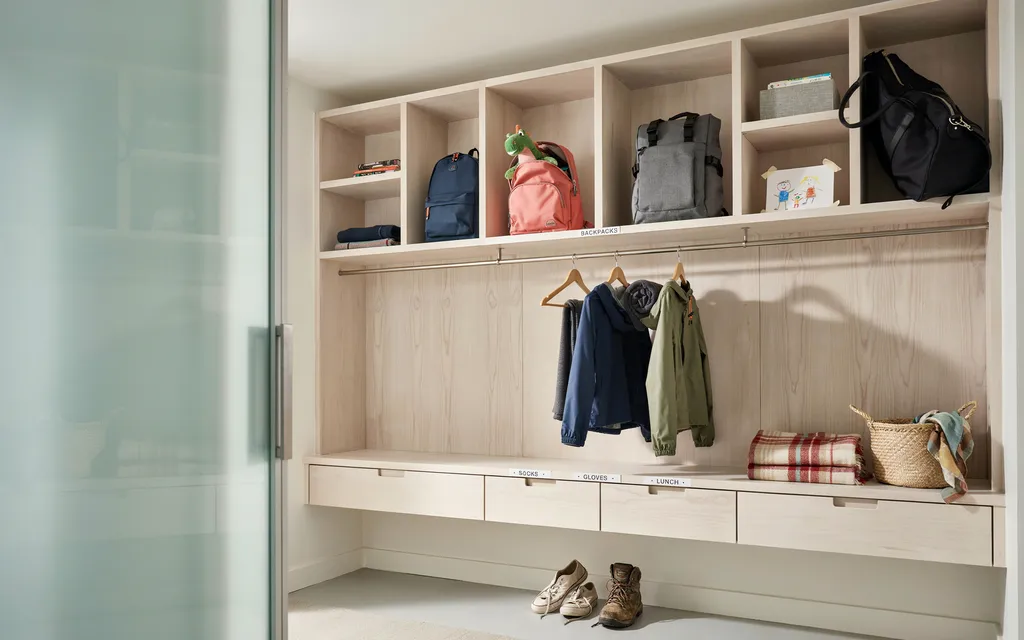
A closet gear station keeps backpacks organized while maintaining a clean appearance. Open cubbies, hanging rails, and designated storage zones help maximize closet space without sacrificing accessibility.
I often recommend this solution for families who prefer hidden storage but still want quick access to daily essentials. Everything remains visible once closet doors are opened.
Pro Tip: Install battery-operated closet lighting to improve visibility and convenience.
Ladder Style Stand
A ladder-style stand offers a furniture-inspired approach to backpack storage. The varying rung heights create visual interest while providing multiple hanging locations for bags and accessories.
This solution works especially well in bedrooms and living spaces where decorative storage is preferred. It blends functionality with modern design in an attractive way.
Pro Tip: Anchor the ladder securely to prevent tipping when multiple backpacks are hanging.
Hallway Cubby Pair
Tall hallway cubbies make excellent use of vertical space while keeping backpacks neatly contained. The narrow footprint works well in hallways where floor space is limited but wall height is available.
I appreciate how this setup allows each backpack to remain upright and organized while providing additional storage above and below for related items.
Pro Tip: Use matching storage bins to maintain a cohesive and organized appearance.
Soft Hook Rail
Soft hook rails help protect backpack straps from wear and damage. Smooth, rounded hooks prevent snagging while keeping bags securely in place. This makes them an excellent option for frequently used backpacks.
Combined with nearby seating or baskets, soft hook rails create a welcoming and practical storage station that fits many different home styles.
Pro Tip: Choose hooks with rubber-coated surfaces for extra protection.
Personal Locker Cubes
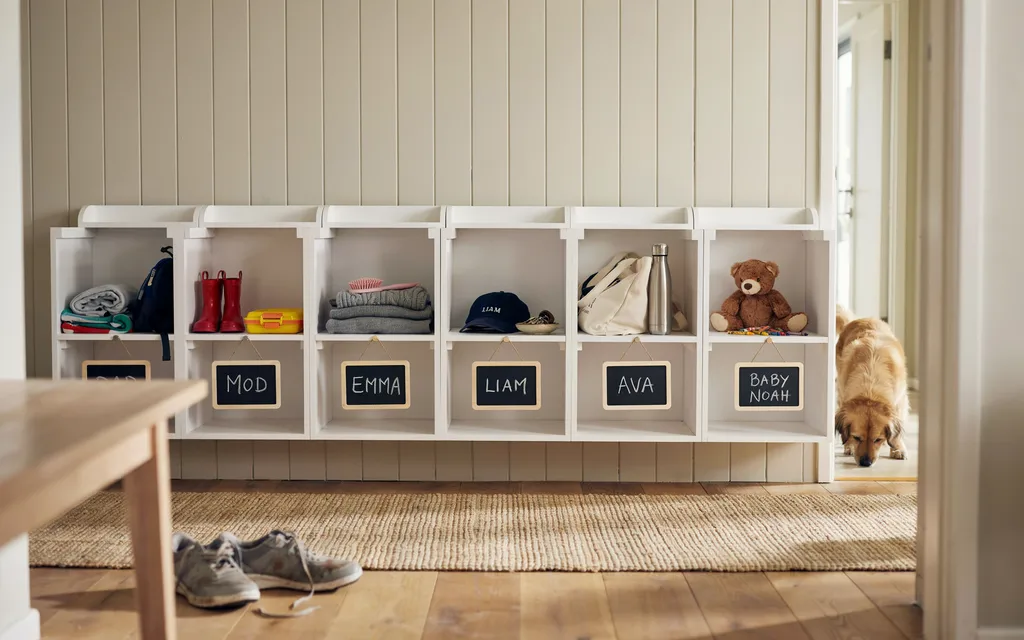
Personal locker cubes provide every family member with their own storage zone. This individual ownership reduces clutter and prevents items from getting mixed together. Each person knows exactly where their belongings belong.
I find this approach particularly helpful in larger families because it simplifies organization while encouraging personal responsibility.
Pro Tip: Add small bulletin boards inside each locker cube for reminders and schedules.
Compact Peg Rail
Compact peg rails offer efficient storage while taking up very little space. Their simple design makes them suitable for hallways, kitchens, mudrooms, and apartment entrances where storage needs to remain unobtrusive.
Despite their minimalist appearance, peg rails can hold multiple backpacks while maintaining a clean and organized look throughout the home.
Pro Tip: Install pegs at varying heights to accommodate backpacks of different sizes.
Single Hook Focus
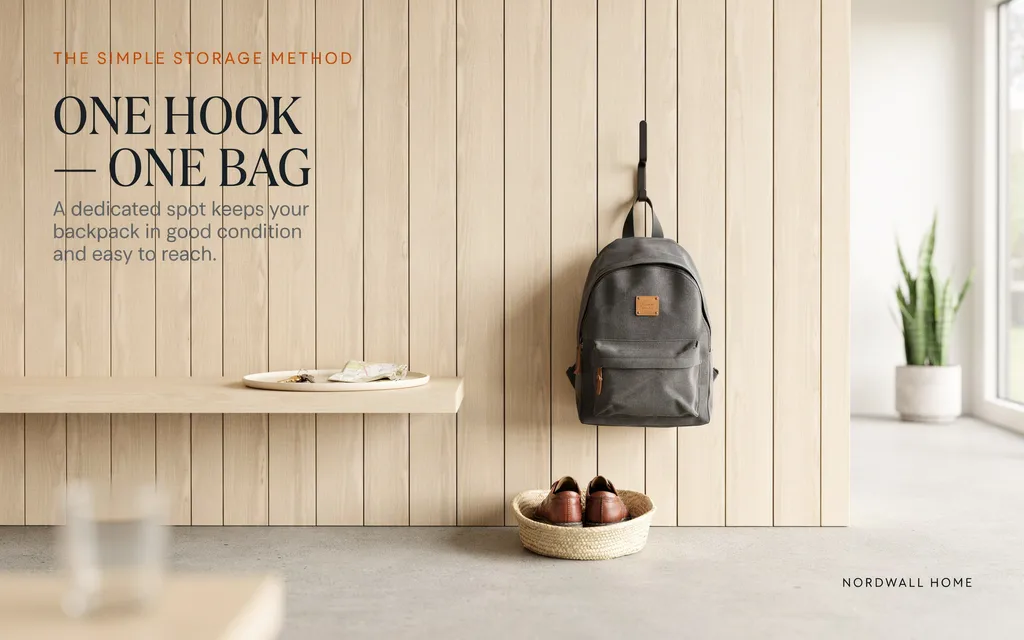
Sometimes the simplest solution is the most effective. A single hook dedicated to one backpack ensures the bag stays in good condition and remains easy to access. This method works especially well for individuals or small households.
By giving a backpack its own dedicated location, you eliminate confusion and reduce the chances of damage caused by overcrowded storage.
Pro Tip: Position the hook at shoulder height for the most comfortable daily use.
FAQs
1. How do you keep backpacks clean while in storage?
I recommend emptying backpacks completely before storing them and shaking out any debris that may have accumulated inside. Wiping surfaces with a damp cloth and allowing bags to air dry before storage helps prevent odors and mildew. Keeping backpacks elevated off the floor also reduces dust buildup and keeps them cleaner over time.
2. Should backpacks be stored indoors or in a garage?
Indoor storage is generally the better choice because it protects backpacks from temperature fluctuations, humidity, and pests. These factors can damage fabric, straps, and zippers over time. While garages may work for rugged outdoor gear, everyday backpacks typically last longer when stored inside the home.
3. What is the easiest backpack storage solution for small spaces?
Wall-mounted hooks and slim peg rails are usually the easiest solutions for small spaces. They take advantage of vertical wall space while keeping floors clear and backpacks accessible. These options are affordable, simple to install, and highly effective.
4. How many backpacks can fit in a cubby system?
The number depends on the size of the cubbies and backpacks being stored. In general, each backpack should have its own compartment to prevent overcrowding and make access easier. Proper spacing also helps bags maintain their shape.
Conclusion
Keeping backpacks organized does not require expensive renovations or complicated systems. In my experience, the most successful backpack storage ideas are the ones that fit naturally into your daily routine and make it easy to put things away. Whether you choose wall hooks, cubbies, pegboards, lockers, or freestanding racks, the key is consistency and accessibility.
By giving every backpack a dedicated home, you can reduce clutter, simplify busy mornings, and create a more organized living space. Even a small storage upgrade can make a noticeable difference in how your home functions every day.