
I used to waste a few minutes every day just looking for my keys, especially when I was already running late. Over time, I realized the issue wasn’t carelessness, it was the lack of a proper system. Once I created a fixed spot near my entryway, everything became easier and more predictable. In this guide, I’m sharing practical and stylish key storage ideas that help build that habit so you always know where your keys are.
Have you ever been ready to leave the house but ended up searching everywhere for your keys, from the kitchen counter to your jacket pockets? I’ve gone through that routine more times than I can count, and it always adds unnecessary stress to the day. The real issue usually isn’t losing keys but not having a designated place for them.
Once I introduced a simple key holder near my entry door, the problem almost disappeared overnight. Now I automatically place my keys there as soon as I walk in, which saves time and keeps things organized. This small change made a big difference in my daily routine.
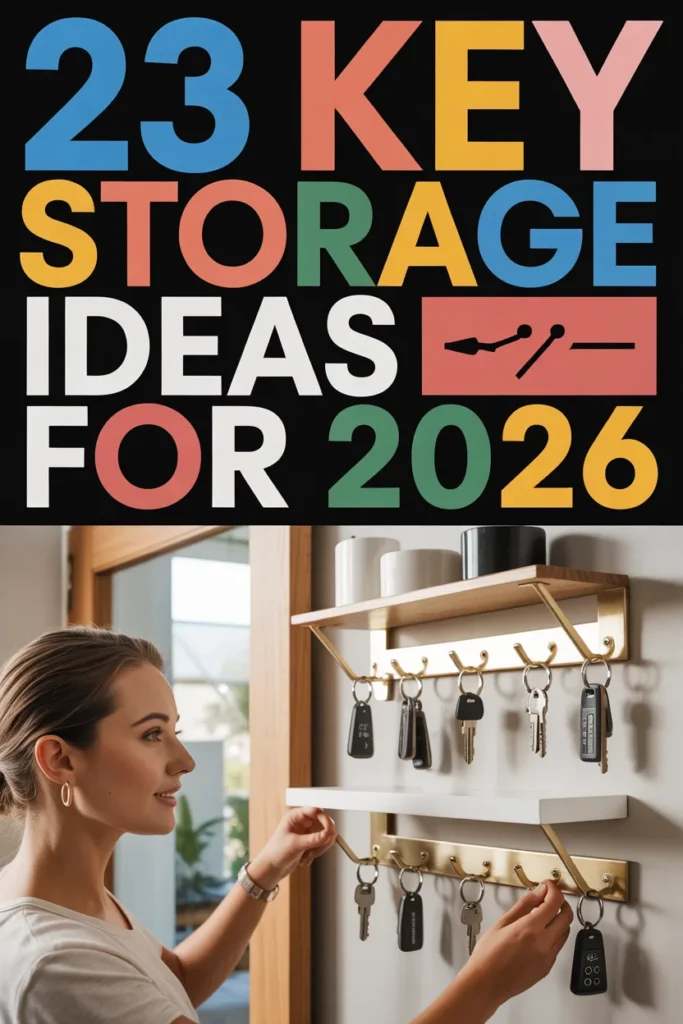
In this article, I’ll walk you through 23 practical key storage ideas that are easy to set up and work in real homes. These ideas are designed to help you stay organized without adding clutter or complexity to your space.
Key Takeaways
Keeping keys near your main door reduces daily stress and saves time
Wall-mounted storage improves visibility and accessibility
Trays and bowls help build a consistent drop habit
Vertical storage works best for small entryways
Extra hooks prevent overcrowding and confusion
What Is the Most Practical Key Holder for an Entryway?
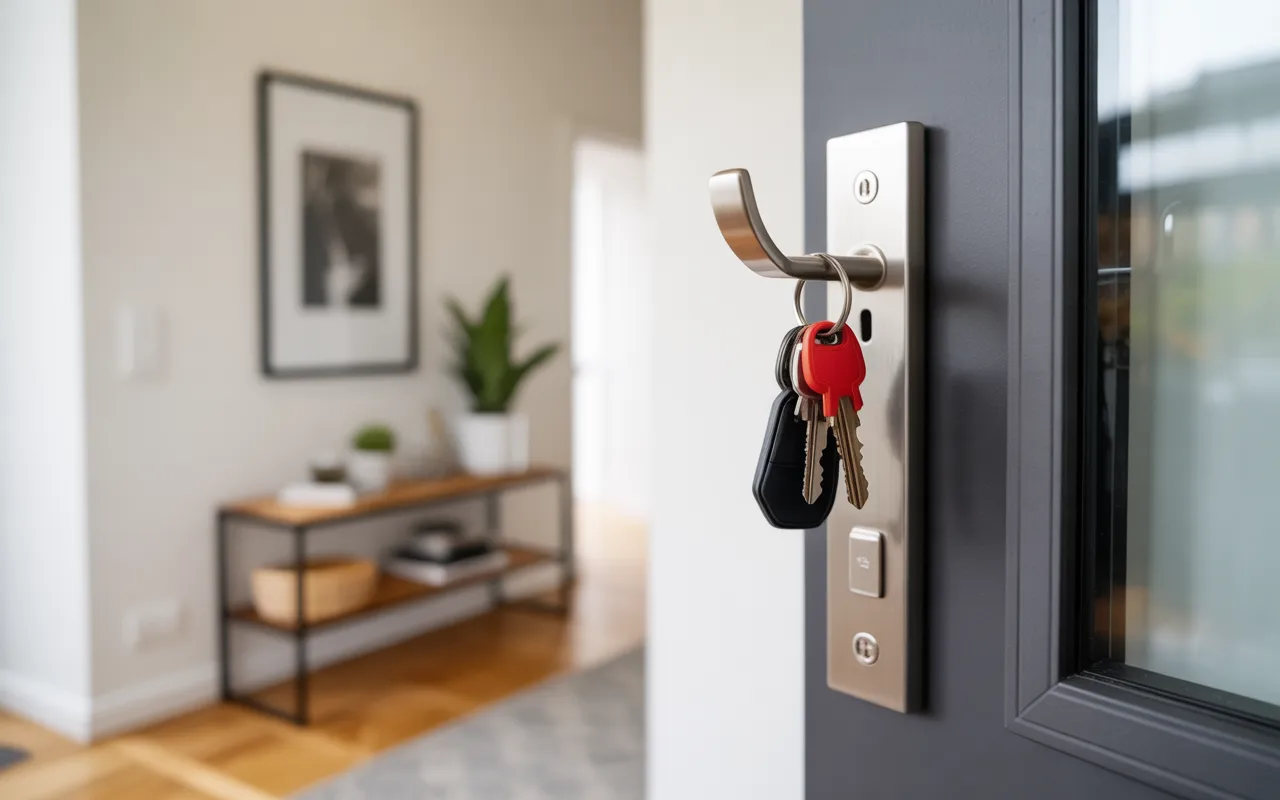
From my experience, the most practical key holder is the one that fits naturally into your daily routine and is easy to use. Keys often get misplaced because they end up in random places like tables, shelves, or pockets, and that inconsistency creates confusion. A dedicated holder near your entry solves this problem instantly.
Wall-mounted racks are usually the most effective because they are visible and easy to access, which encourages consistent use. I’ve found that placing keys on hooks as soon as I enter the house quickly becomes a habit that eliminates searching later. If wall space is limited, a tray or small shelf can work just as well.
The key factor is placement because even the best organizer won’t help if it’s not convenient to use. Position it where you naturally walk in and out so it becomes part of your routine without effort.
Pro tip: Install your key holder within arm’s reach of your main door so using it feels automatic.
Entry Tray
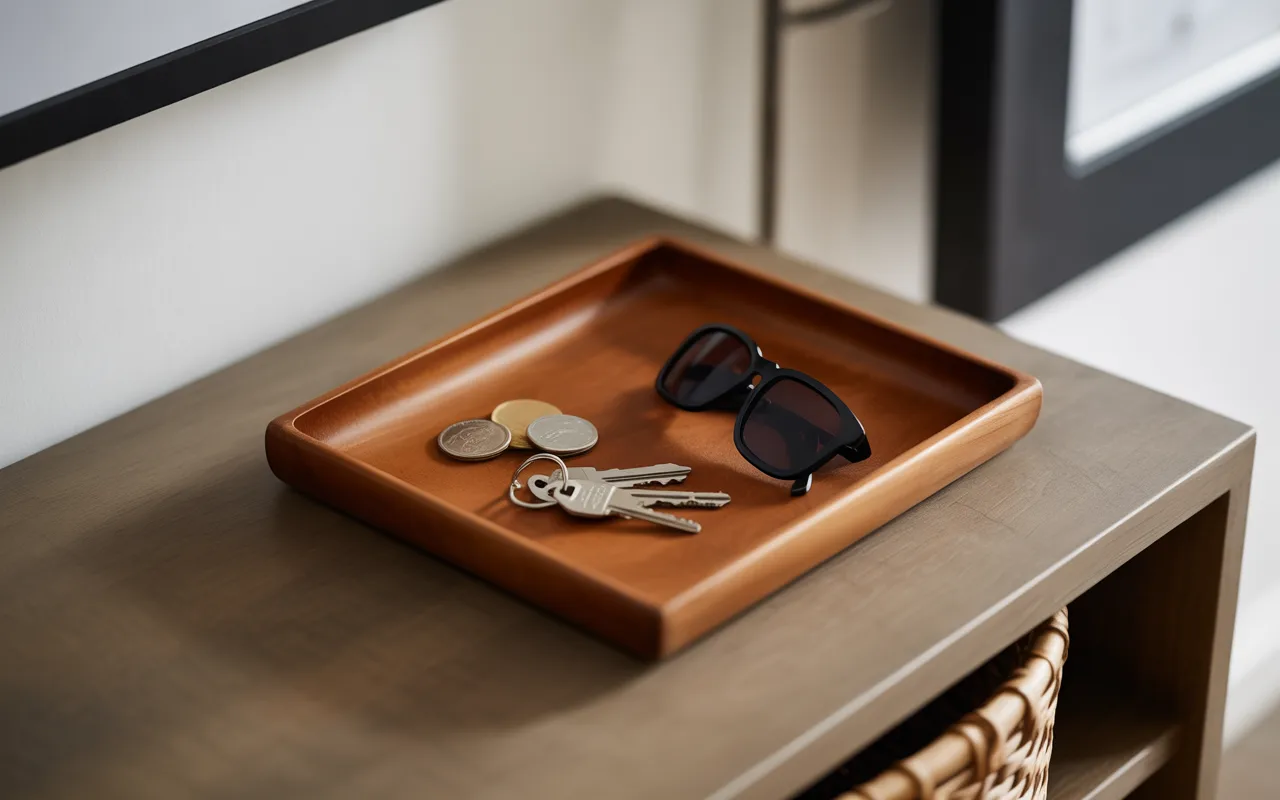
I’ve found that using an entry tray is one of the simplest ways to keep keys organized because it creates a natural drop zone the moment I walk in. Instead of placing keys randomly around the house, I immediately put them in the tray, which builds a consistent habit over time. This small action saves me from daily frustration.
I prefer trays with slightly raised edges because they keep items like keys, coins, and earbuds from sliding off. It also works as a catch-all for small essentials, which makes it even more useful. Choosing the right size ensures it doesn’t feel bulky or out of place.
Placement plays a huge role in making this system effective because it needs to match your natural movement. I always place the tray exactly where I tend to drop things when I enter.
Pro tip: Choose a tray with a non-slip base so items stay secure and don’t slide around.
Wall Hooks
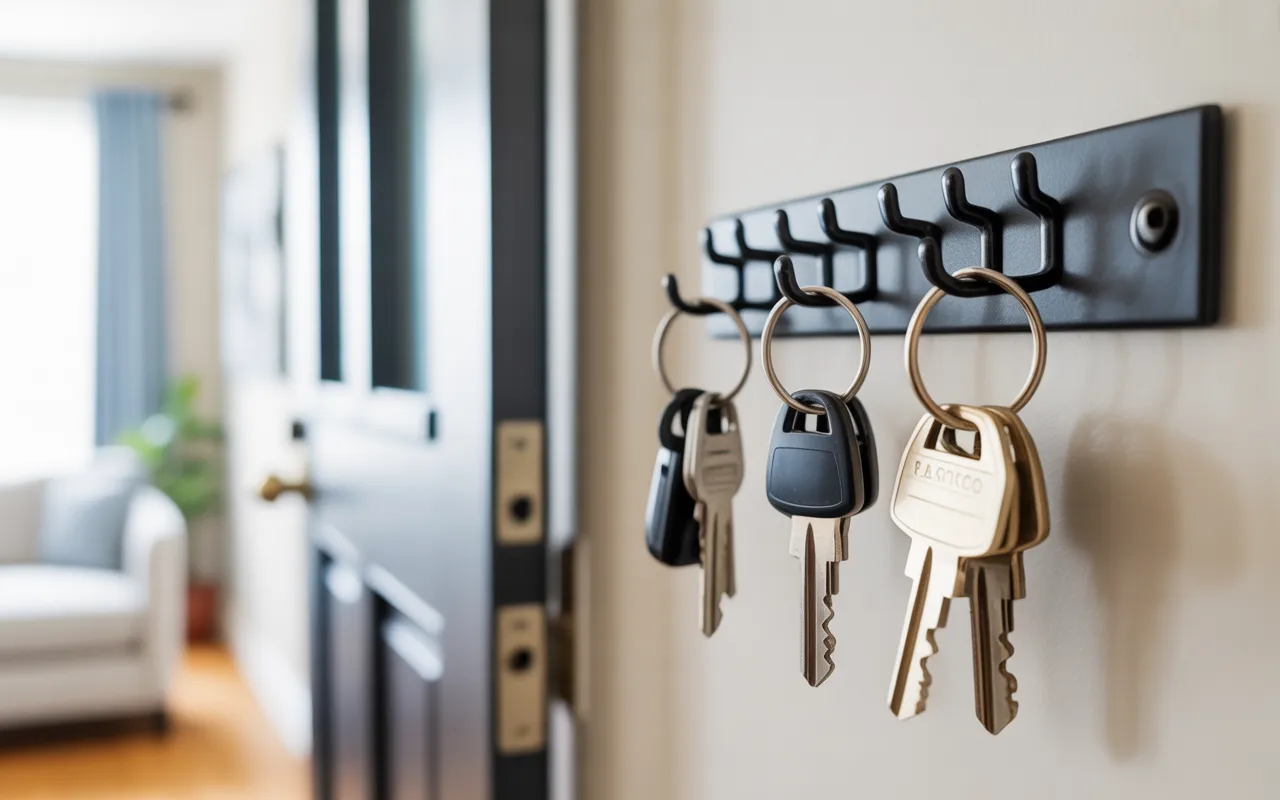
Wall hooks are one of the most reliable solutions I’ve used because they give each key a visible and dedicated spot. In busy households, keys often pile up in one place, but hooks keep everything separated and easy to grab. This makes a big difference during rushed mornings.
I like using multiple hooks so each set of keys has its own space, which reduces confusion and clutter. It also helps prevent tangling and makes it easier to find what I need quickly. The setup is simple and doesn’t require much effort.
The most important part is positioning because it determines whether you’ll actually use it consistently. I install hooks where I naturally reach when entering or leaving.
Pro tip: Assign one hook per person to make the system more organized and predictable.
Bear Tray
I enjoy using decorative trays because they combine function with personality and make the entryway feel more welcoming. A playful tray encourages me to use it regularly because it stands out visually and feels intentional rather than purely practical.
These trays are perfect for holding keys along with small everyday items like earbuds or loose change. Keeping everything in one place prevents clutter from spreading across different surfaces. It also adds a touch of style to the space.
Positioning the tray near the entry ensures it becomes part of my routine and not something I forget to use. The easier it is to access, the more consistent the habit becomes.
Pro tip: Use a tray with a bold design so it visually reminds you to drop your keys.
Shelf Hooks
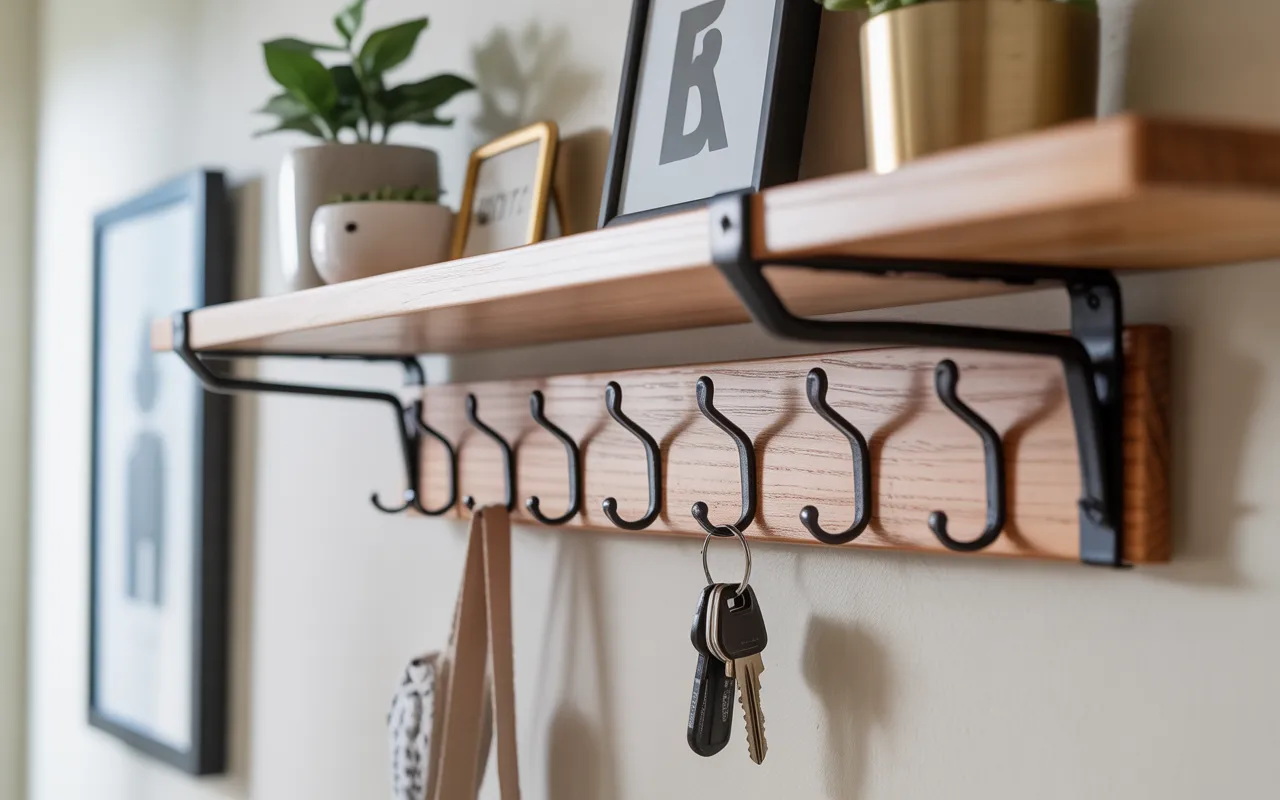
Shelf hooks are one of my favorite solutions for small spaces because they combine storage and decor in a compact design. The hooks handle keys while the shelf provides space for small decorative items, which keeps the entryway balanced.
I use the top shelf for minimal decor like a plant or small accessory so the area feels inviting without being cluttered. The hooks underneath keep keys organized and easy to access. This dual-purpose setup works especially well in narrow areas.
It’s important to keep everything simple so the space remains functional and easy to maintain. Overloading the shelf can defeat the purpose.
Pro tip: Limit decor on the shelf to two or three items to keep the space clean and functional.
Doll Rack
I like using creative storage solutions that add character to the space while still being practical. A decorative rack like this makes key storage feel less routine and more engaging, which encourages consistent use.
Each hanging point holds a separate set of keys, which helps prevent mix-ups and keeps everything organized. This is especially helpful in shared spaces where multiple people need access to their keys.
Mounted near the entry, it provides easy access without taking up any floor space. It’s a simple way to combine style and function.
Pro tip: Keep keychains lightweight to avoid putting stress on decorative racks.
Astronaut Bowl
A bowl near the entry is one of the easiest systems to maintain because it requires no effort beyond dropping your keys in one place. I use it as a catch-all for everything I carry daily, which keeps surfaces clutter-free.
I prefer bowls that stand out visually because they act as a reminder to use them consistently. Bright or unique designs make the drop zone more noticeable and effective.
Consistency is key because the system only works if you use it every time you walk in. Once it becomes a habit, it eliminates the problem completely.
Pro tip: Place the bowl where you naturally empty your pockets to build the habit faster.
Key Stand
A key stand works well when wall installation isn’t an option because it provides an organized solution without requiring drilling. I like using it on a console table or shelf where it stays easily accessible.
It usually includes hooks and a small tray, which allows me to store keys and other small essentials together. This makes it a compact and efficient storage option.
It’s especially useful for renters or temporary setups where flexibility is important. You can move it easily without any hassle.
Pro tip: Choose a sturdy stand with a solid base to keep it stable.
Frame Shelf
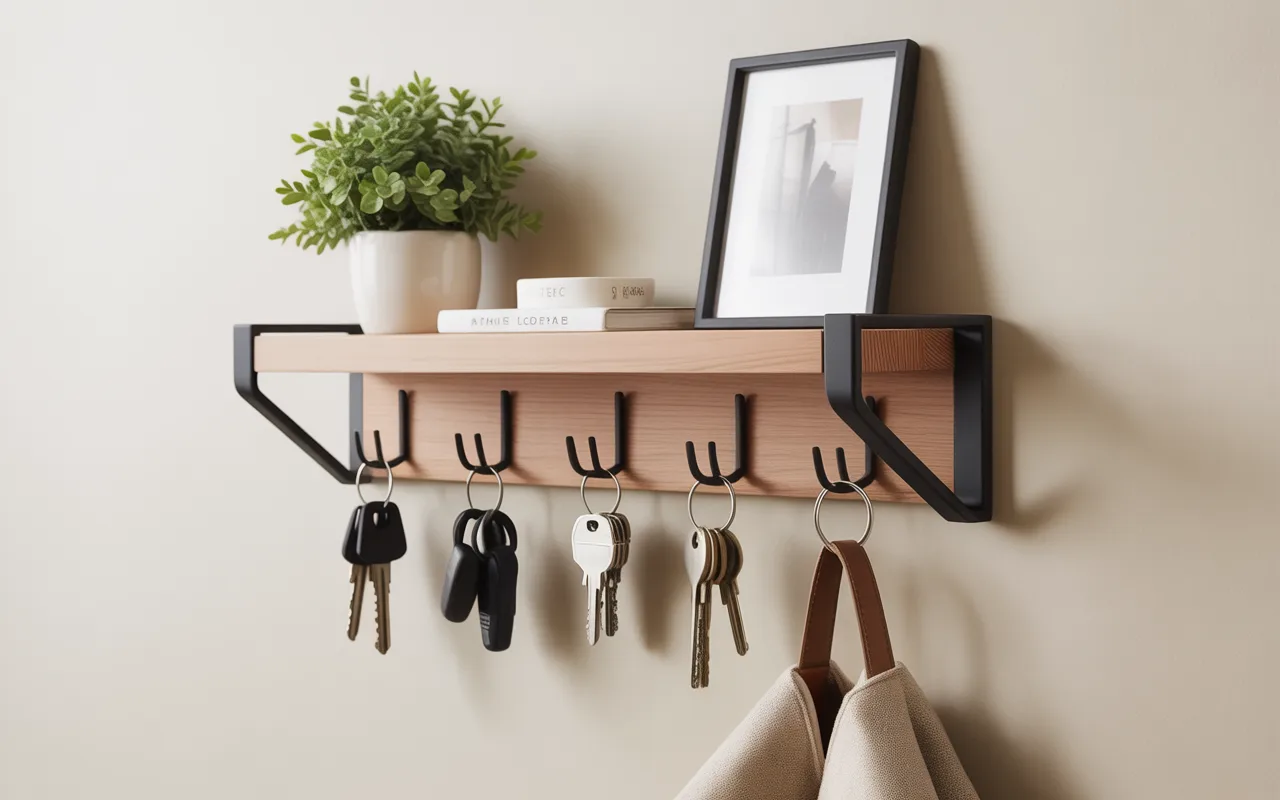
I’ve found that using empty wall space is a smart way to solve storage problems without adding clutter. A slim shelf with hooks transforms unused space into a functional key station. The shelf allows me to add small decorative items while the hooks keep keys organized and accessible. This creates a balanced look that feels intentional rather than purely practical.
Placing it at eye level makes it easier to use consistently because it aligns with natural movement.
Pro tip: Match the shelf style with your interior design for a cohesive look.
Key Cabinet
A key cabinet is perfect when I want a cleaner and more organized appearance because it hides everything behind a door. This keeps the entryway looking tidy even when multiple keys are stored inside.
Inside the cabinet, each key has its own hook, which prevents clutter and keeps everything organized. It’s especially useful in larger households with multiple key sets.
Closing the cabinet keeps the space visually calm while still being functional. It’s a great option for maintaining a neat look.
Pro tip: Add labels inside the cabinet to quickly identify each set of keys.
Peg Shelf
Peg shelves are simple but highly effective because they make hanging keys quick and effortless. The pegs provide a clear spot for each key, which reduces confusion.
I also use the top shelf for small decorative items to make the space feel more inviting. This combination of function and style works well in most entryways.
Positioning it near the door ensures it becomes part of my routine without extra effort.
Pro tip: Space the pegs evenly to prevent keys from overlapping.
Hidden Holder
Hidden storage works best for minimal spaces because it keeps everything organized without adding visual clutter. I prefer this option when I want a clean and simple look.
By placing keys inside a concealed compartment, I keep them accessible but out of sight. This helps maintain a tidy and modern appearance.
It’s ideal for entryways where design simplicity is important.
Pro tip: Keep one visible backup hook for quick access when needed.
Dog Hooks
Themed hooks add personality to the space while still serving a practical purpose. I enjoy using designs that reflect my style because they make everyday storage more enjoyable.
Each hook holds a separate set of keys, which keeps everything organized and easy to access. This prevents keys from piling up in one place.
Placed near the entry, it ensures keys always have a dedicated spot.
Pro tip: Choose durable materials to ensure long-term use.
Round Shelf
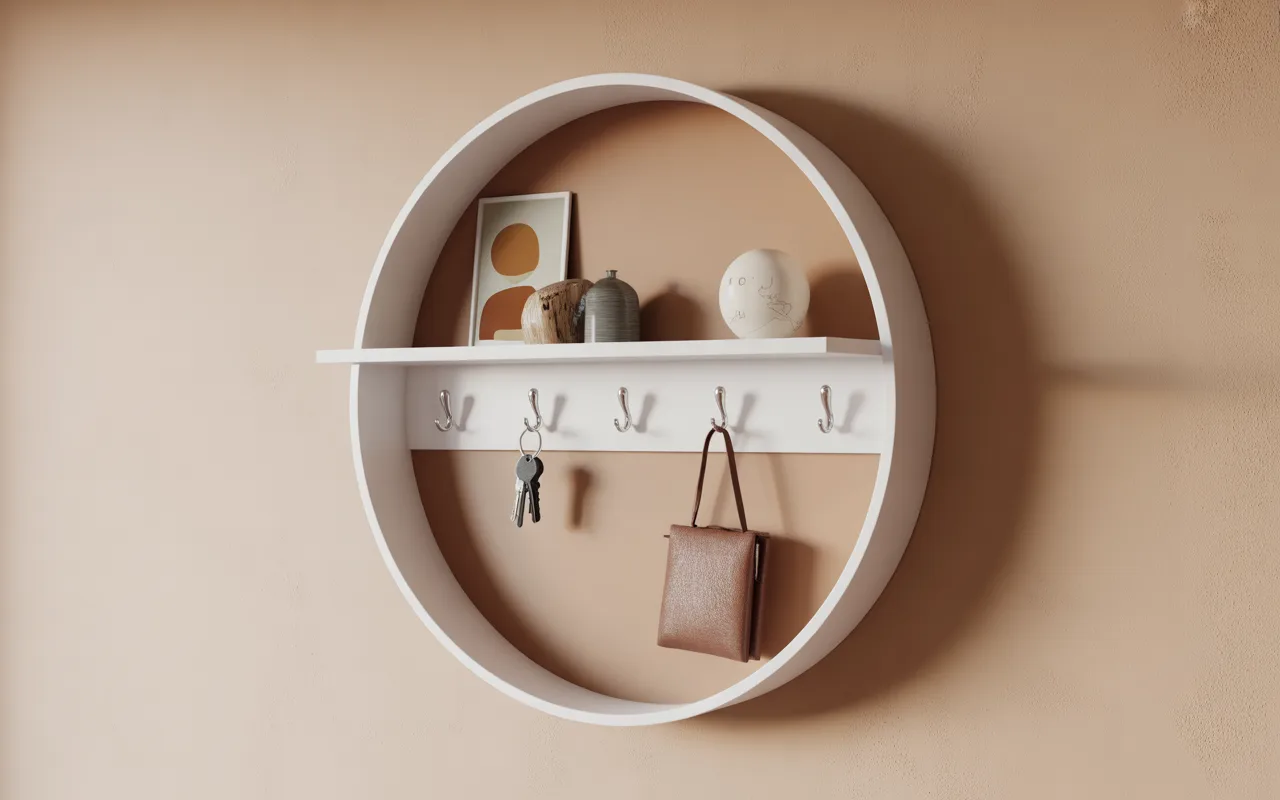
A round shelf adds both function and visual appeal because it softens the look of the wall while providing storage. I use the hooks for keys and the shelf for minimal decor. This combination creates a balanced and welcoming entryway without taking up too much space. It’s ideal for modern interiors.
Keeping it simple ensures it remains functional and easy to maintain.
Pro tip: Avoid overcrowding the shelf to maintain a clean look.
Leaf Hooks
Simple hooks can be surprisingly effective when placed correctly because they provide a dedicated spot for each key. I like designs that double as decor to enhance the space.
Spacing the hooks properly prevents keys from overlapping and keeps everything organized. It also makes it easier to grab the right set quickly.
This setup works well in both small and large entryways.
Pro tip: Install hooks in a staggered layout for better spacing.
Key Organizer
For carrying keys, I prefer a compact organizer because it keeps everything neat and prevents clutter. It also protects other items like phones from scratches. The design keeps keys folded together, which makes them easier to carry and store. It’s a small change that improves everyday convenience.
Setting it up is quick and doesn’t require much effort.
Pro tip: Tighten screws properly to keep the organizer secure over time.
Honeycomb Rack
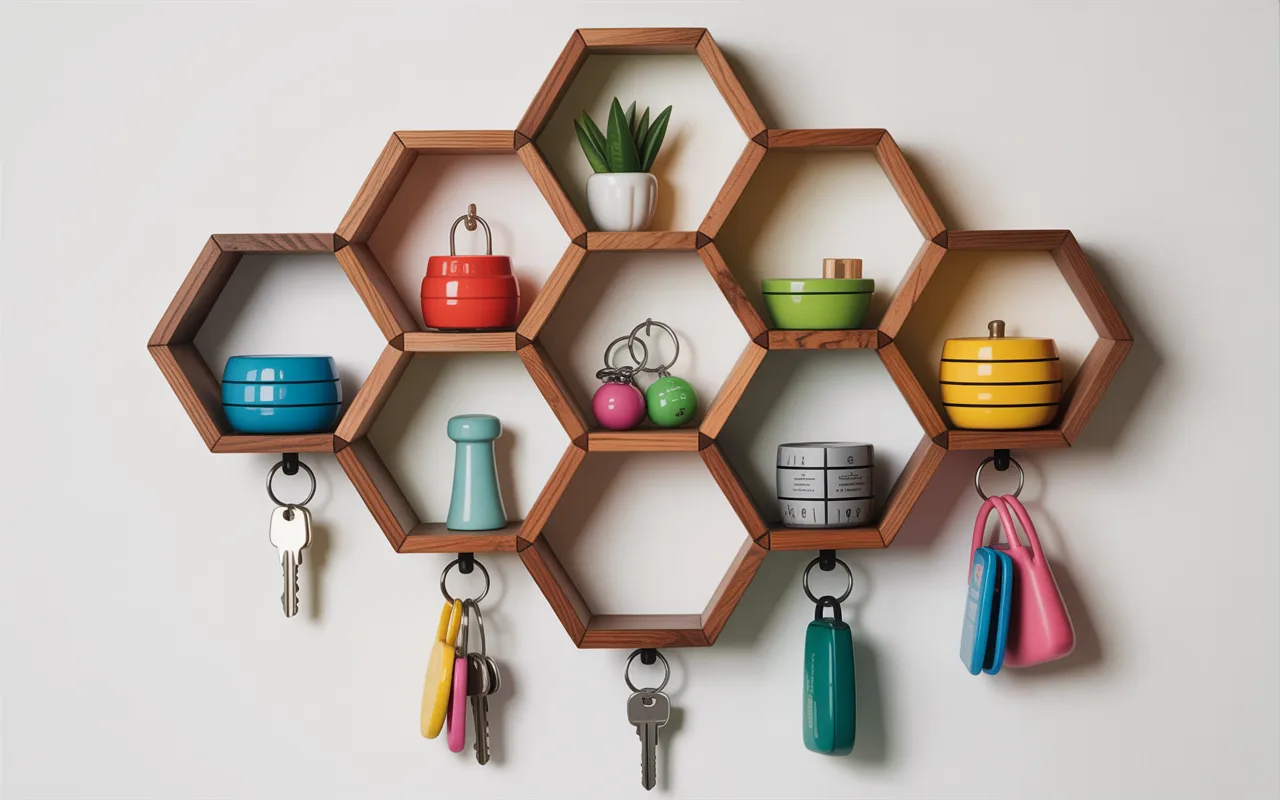
Creative designs like a honeycomb rack make storage feel more decorative while still being functional. I like how it adds visual interest to the wall. Each section can hold hooks for different keys, which keeps everything organized and separated. This prevents clutter and tangling.
It’s a great option for adding both style and practicality to an entryway.
Pro tip: Use different sections for different key categories.
Frame Hooks
Frame hooks blend storage with decor by making the organizer look like wall art. I like this approach because it keeps the space stylish and functional. The hooks inside the frame keep keys organized while the design enhances the overall look. It’s a subtle way to add storage.
This works especially well in decorative entryways.
Pro tip: Use deeper frames to allow enough space for hooks.
House Hooks
House-shaped racks create a warm and welcoming feel while keeping keys organized. I like using designs that match the theme of the home.
Each hook provides a dedicated spot, which makes it easy to keep everything in order. This prevents clutter and confusion.
Placed near the entry, it becomes part of the daily routine.
Pro tip: Assign each hook to a specific person for better organization.
Metal Hooks
Metal hooks are a durable and minimal solution that works in almost any space. I prefer them when I want something simple and long-lasting.
They keep keys accessible and organized without adding visual clutter. Spacing them out improves usability.
This setup is quick to install and easy to maintain.
Pro tip: Choose rust-resistant hooks for long-term durability.
Key House
A key house organizer is ideal for families because it combines storage with small compartments for additional items. I use it to keep keys, mail, and notes in one place.
This helps centralize everything and reduces clutter across the house. It’s especially useful in busy households.
Placing it near the entry ensures it’s used consistently.
Pro tip: Use compartments for daily essentials like wallets or sunglasses.
Key Sign
A key-shaped rack acts as both a visual reminder and a storage solution. I like how it clearly indicates where keys belong.
Each hook holds a separate set, which prevents clutter and makes organization easier. It’s simple but effective.
Once installed, it quickly becomes part of the daily habit.
Pro tip: Place it at eye level so it’s always visible.
Mario Hooks
Themed storage adds a fun element to organization and makes it more engaging. I’ve noticed it encourages consistent use, especially in shared spaces.
It keeps keys organized while also adding personality to the entryway. This makes the setup feel less routine.
It works well in creative or family-friendly spaces.
Pro tip: Install it at a height accessible to everyone in the household.
Family Rack
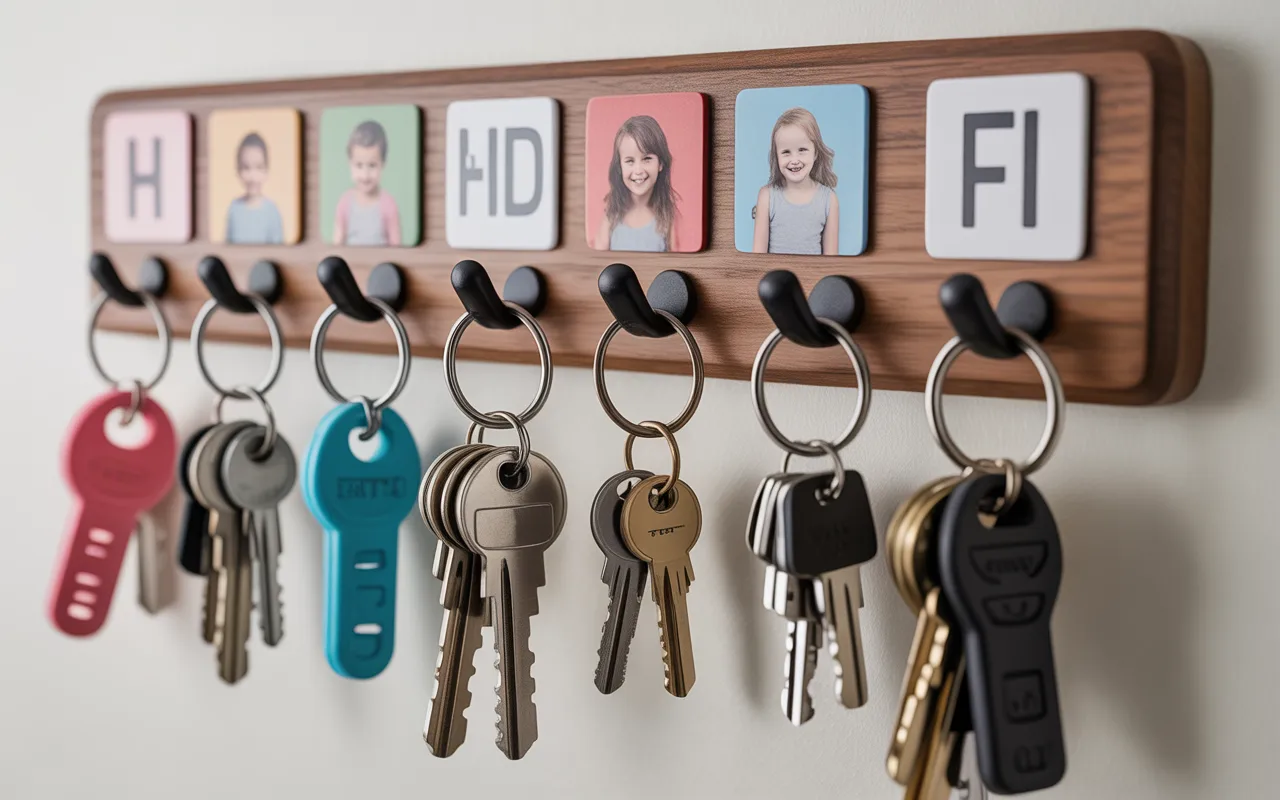
A family rack creates a personalized system where everyone has their own space for keys. I find this especially helpful during busy mornings. It prevents mix-ups and keeps everything organized in one place. Adding names or photos makes it more meaningful.
This setup works best near the main entrance for easy access.
Pro tip: Keep an extra hook for guests or spare keys.
FAQs
1. Where is the best place to install a key holder in your home?
I’ve found that placing a key holder near the door you use most often works best because it fits naturally into your routine. This could be your main entrance, garage door, or hallway exit. When it’s within arm’s reach, you’re more likely to use it consistently and build a habit.
2. How many hooks should a key holder have?
In my experience, it’s always better to have more hooks than you currently need because it allows room for spare keys and future use. This prevents overcrowding and makes it easier to grab the right set quickly. Extra space keeps the system organized and efficient.
Conclusion
Keeping track of your keys doesn’t require complicated systems or expensive organizers, it simply comes down to creating a consistent habit supported by the right setup. From my experience, once you assign a fixed place for your keys near the entryway, the daily frustration of searching for them completely disappears.
The ideas I’ve shared aren’t just about storage, they’re about making your routine smoother and more efficient. Whether you prefer a simple tray, wall hooks, or a decorative rack, the best solution is the one you’ll actually use every single day.
Start with one idea that fits your space and lifestyle, and build the habit of placing your keys there every time you walk in. Over time, this small change will save you time, reduce stress, and keep your home feeling more organized.