

Have you ever spent time organizing your kitchen only to realize that the trash can is still the one thing ruining the look of the space? I have faced the same problem more than once. No matter how clean the countertops were or how neatly everything was arranged, a bulky garbage bin sitting in plain sight always seemed to make the kitchen feel more crowded than it actually was.
The challenge becomes even bigger in smaller kitchens where every square foot matters. You need the trash can close enough to use while cooking, but you also want a cleaner and more organized appearance. Fortunately, there are plenty of creative ways to hide, store, or blend a trash can into your kitchen layout without sacrificing convenience.
In this article, I’m sharing 21 practical trash can storage kitchen ideas that can help you save space, reduce clutter, and create a more polished kitchen design while keeping waste management simple and accessible.
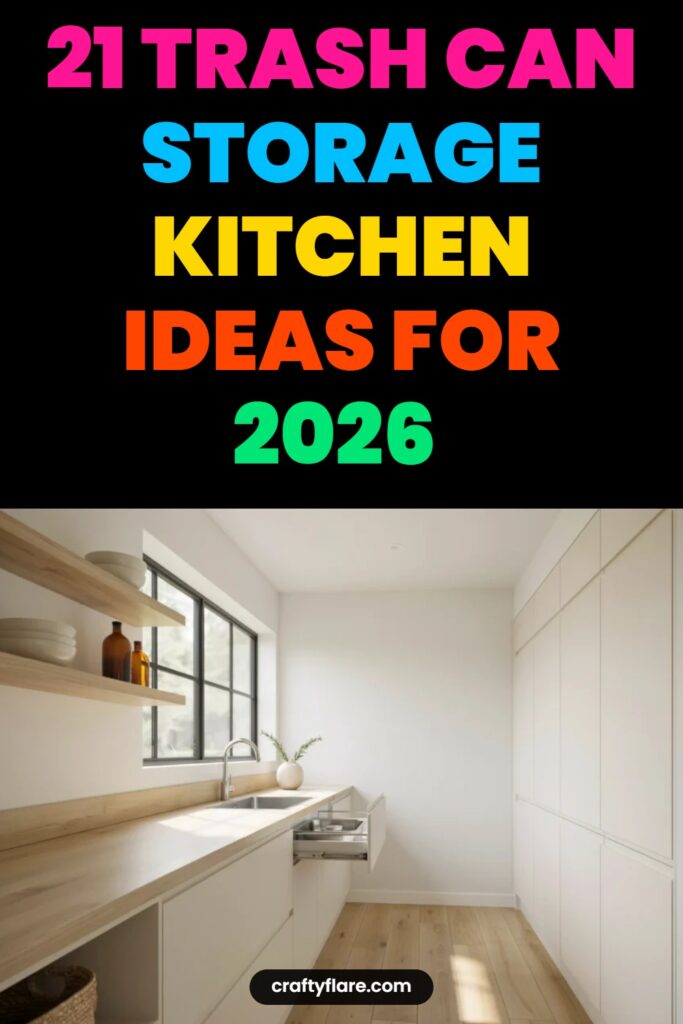
A visible trash can can make even a well-organized kitchen feel cluttered. The good news is that there are many smart ways to hide or integrate a garbage bin without making it difficult to access. From pull-out cabinet systems and tilt-out storage solutions to slim bins and corner placements, these ideas can help you maximize space while maintaining a clean and stylish kitchen.
Key Takeaways
- Hide trash cans inside cabinets whenever possible.
- Use narrow spaces beside appliances and islands efficiently.
- Consider pull-out systems for easy access and a cleaner look.
- Utilize corners and unused cabinet areas for concealed storage.
- Match trash can colors with your kitchen décor for a seamless appearance.
- Create dedicated cleanup stations for better workflow.
- Vertical storage solutions work especially well in small kitchens.
How Can You Hide a Trash Can in Your Kitchen Without Losing Space?
One thing I learned while organizing kitchens is that the best storage solutions rarely require additional space. Instead of trying to find room for another cabinet or storage unit, it makes more sense to use areas that already exist within the kitchen. Spaces beneath sinks, unused corners, side panels, and deep cabinets often provide enough room to keep a trash can hidden without affecting daily functionality.
The key is placing the trash can close to the areas where waste is generated most often. When the bin remains near the prep station, sink, or cooking zone, cleanup becomes effortless. At the same time, hiding it inside existing cabinetry or blending it into the layout helps maintain a cleaner and more open appearance throughout the kitchen.
Tilt Cabinet
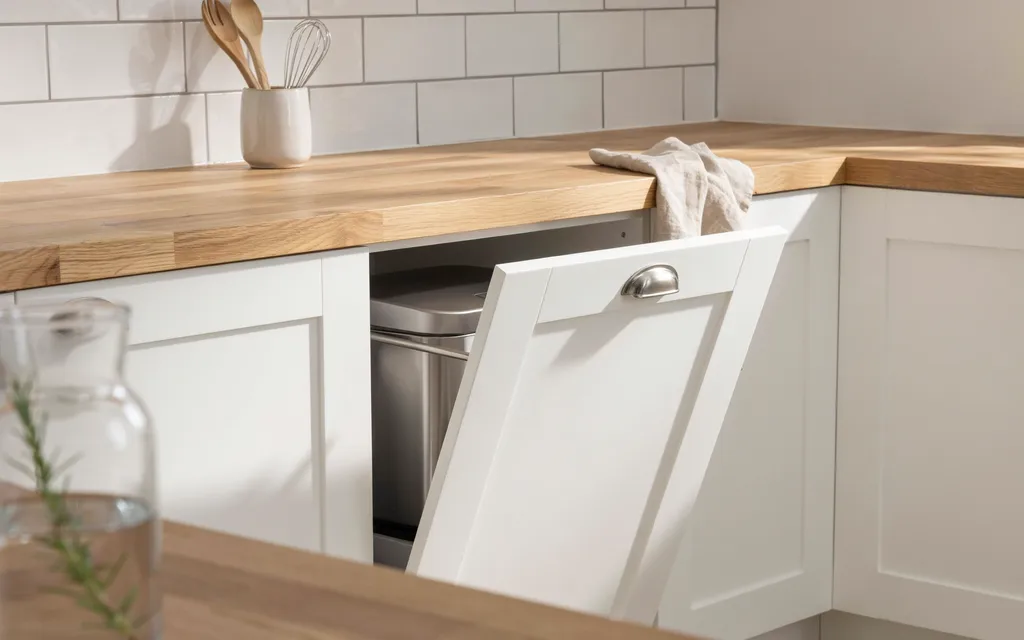
A tilt-out cabinet is one of the smartest ways to hide a trash can while maintaining easy access. I like this solution because it disguises the bin behind what appears to be a standard cabinet front, helping the kitchen look more streamlined and intentional. Instead of seeing a trash can every time you walk into the room, all you notice is cabinetry that blends with the rest of the design.
This setup works especially well in smaller kitchens where exposed items can make the space feel cramped. Whether incorporated into existing cabinetry or added as a freestanding unit, a tilt-out cabinet keeps waste hidden while remaining convenient during meal preparation. It also helps reduce visual clutter, which can instantly make the room feel larger and more organized.
Pro Tip: Choose a tilt-out cabinet with a removable inner bin so cleaning and replacing trash bags becomes much easier.
Slim Placement
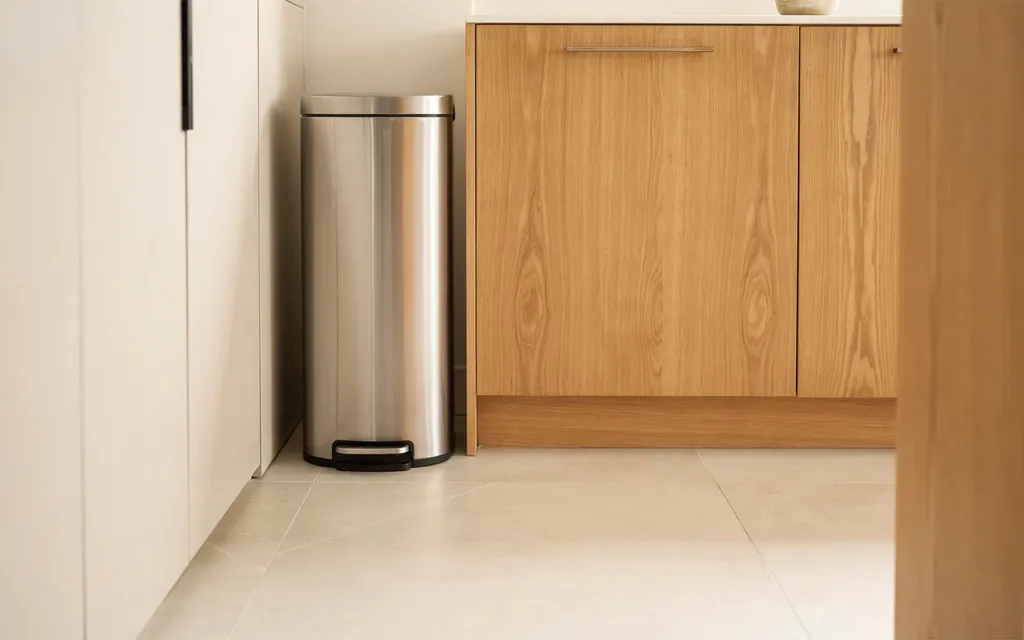
Not every kitchen has room for a large pull-out cabinet system, which is why slim trash can placement can be surprisingly effective. I have seen narrow gaps beside refrigerators, pantry cabinets, and kitchen islands transformed into useful storage spots simply by choosing a tall, narrow trash can. These overlooked spaces often go unused despite being perfect for compact waste storage.
A slim bin keeps walkways open and prevents the kitchen from feeling crowded. Since it occupies minimal floor space, it works particularly well in apartments, galley kitchens, and narrow layouts where every inch matters. The result is a practical solution that remains accessible without becoming an obstacle during daily activities.
Pro Tip: Measure the available gap before shopping and leave enough room to comfortably remove the lid and change bags.
Pull Drawer
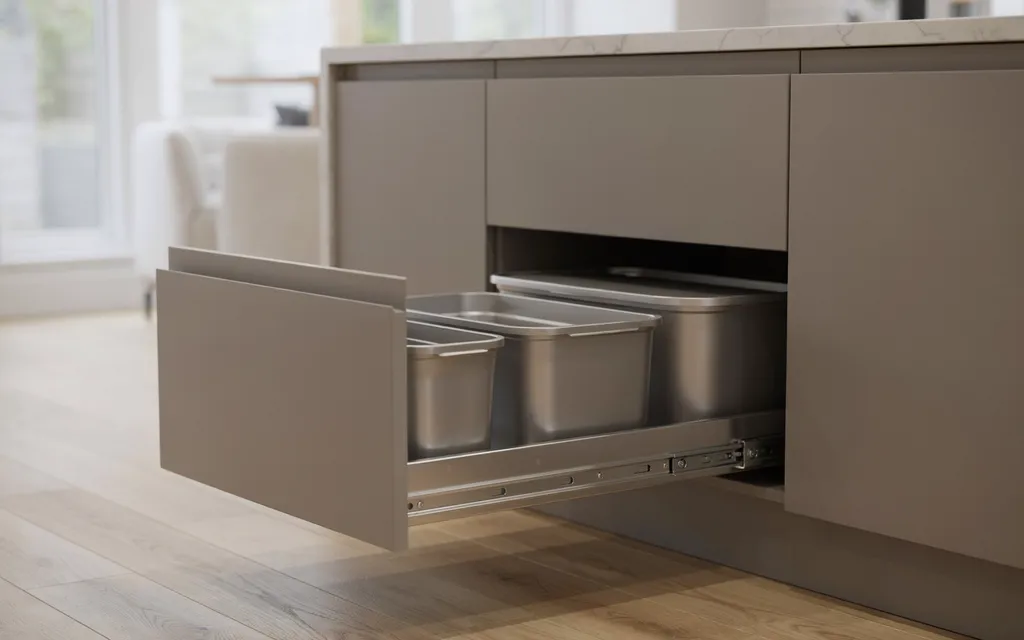
A pull-out trash drawer is one of my favorite kitchen upgrades because it combines convenience with a clean appearance. Instead of leaving a garbage can exposed, the entire system stays tucked inside a cabinet until needed. With a simple pull, the bin slides forward, making disposal quick and efficient while keeping the kitchen looking tidy the rest of the time.
This solution works best near the sink or food preparation area where most waste naturally accumulates. It creates a smoother workflow because scraps, packaging, and paper towels can be discarded immediately without crossing the kitchen. The hidden design also helps control odors and keeps the room feeling more polished overall.
Pro Tip: Add a small upper drawer above the pull-out bin to store trash bags, cleaning cloths, and paper towels in one convenient location.
Dual Stack
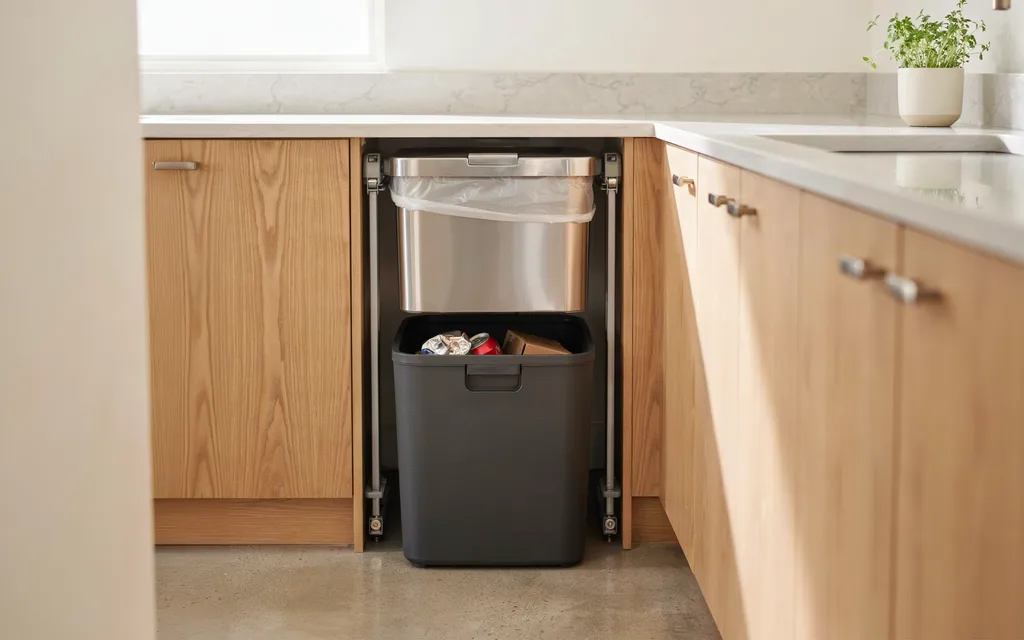
Separating trash and recycling can quickly become frustrating when floor space is limited. A dual-stack bin solves that issue by utilizing vertical space rather than expanding horizontally. I appreciate this setup because it provides multiple compartments while occupying the footprint of a single container, making it ideal for compact kitchens.
The stacked design encourages better organization while keeping waste sorting simple. Instead of dealing with multiple bins scattered throughout the room, everything stays consolidated in one location. Many models also include wheels, making it easy to reposition the unit whenever needed without sacrificing valuable floor space.
Pro Tip: Label each compartment clearly to make recycling habits easier for everyone in the household.
Double Bin
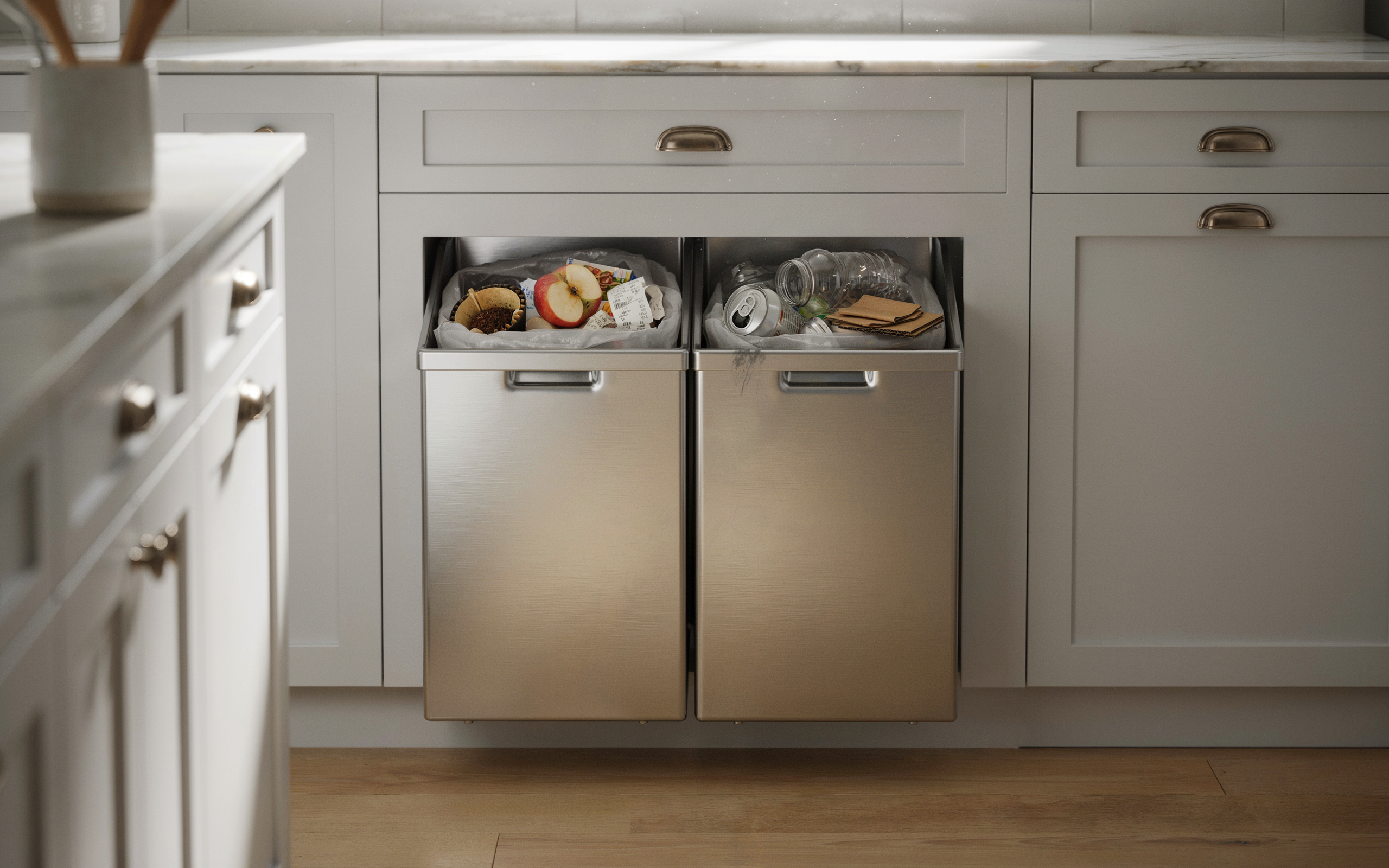
A double-bin system is an excellent choice for households that regularly separate trash and recyclables. Rather than using two individual containers, a double-bin unit combines both functions into a single streamlined design. This creates a cleaner appearance while making waste management more efficient and organized.
I find this solution particularly useful in medium-sized and larger kitchens where a visible trash can is not necessarily a problem, but maintaining order remains important. Modern double-bin designs often include foot pedals and odor-control features, adding convenience without compromising cleanliness.
Pro Tip: Select a finish that matches nearby appliances or cabinetry to help the bin blend naturally into the room.
Hidden Combo
A hidden combo system combines multiple kitchen essentials into one organized station. In addition to concealed trash bins, these units often include storage for paper towels, trash bags, cleaning products, or recycling supplies. I like this approach because it eliminates the need to search through several cabinets when preparing meals or cleaning up afterward.
Keeping related items together improves efficiency and reduces countertop clutter. Everything needed for quick cleanup remains within reach, creating a dedicated zone that supports a more organized workflow. Even a modest cabinet can become a highly functional storage center with the right layout.
Pro Tip: Use drawer dividers above the bins to keep liners, gloves, and cleaning cloths neatly separated and easy to access.
Island Edge
One of the most overlooked storage opportunities in a kitchen is the side of the island. I used to think this area served no purpose beyond supporting the countertop, but it can actually be the perfect place for a trash can. Positioning a bin along the island edge keeps it close to where food preparation happens while preventing it from becoming the focal point of the room.
This solution works particularly well in open-concept kitchens where hiding a trash can completely may not be practical. By selecting a streamlined bin and positioning it flush against the island panel, the setup feels intentional rather than temporary. It remains easy to access during cooking sessions while keeping walkways open and uncluttered.
Pro Tip: Choose a trash can color that closely matches your island finish to help it blend seamlessly into the overall design.
Corner Tuck
Kitchen corners often become wasted space simply because homeowners are unsure how to use them effectively. I have found that placing a trash can in a strategic corner can instantly free up valuable floor space while keeping waste accessible. A tucked-away corner location allows the bin to remain nearby without interfering with daily movement.
The best corners are those located near prep stations, sinks, or islands where waste is generated most frequently. When positioned correctly, the trash can almost disappears from view while remaining easy to reach whenever needed. This simple adjustment can make the entire kitchen feel more open and organized.
Pro Tip: Use a slim or rounded trash can design so it fits comfortably into the corner without protruding into walkways.
Wall Mount
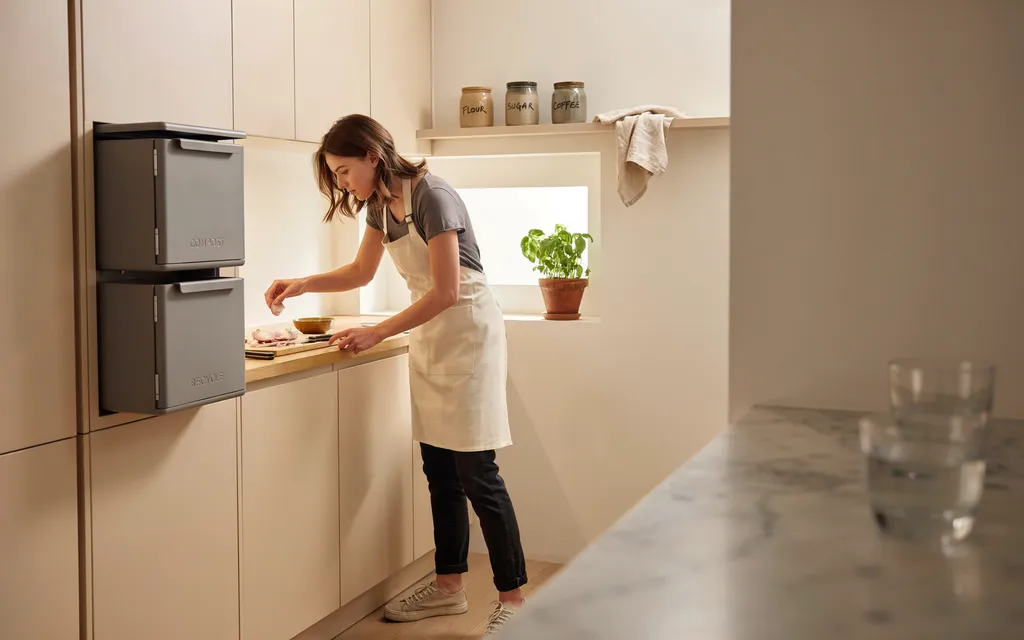
A wall-mounted trash solution is one of the smartest ideas for kitchens where floor space is extremely limited. I especially like this option for apartments and compact homes because it takes advantage of vertical space that would otherwise remain unused. Mounted bins can be attached to cabinet ends, island panels, or walls near food prep zones.
Keeping waste containers elevated makes cleanup faster because scraps can be discarded immediately without stepping away from the counter. It also helps maintain a cleaner floor area, which can make even a small kitchen feel significantly larger. Modern wall-mounted bins are available in sleek designs that look surprisingly stylish while remaining highly functional.
Pro Tip: Install the bin at a comfortable working height so food scraps can be swept directly into the container during meal prep.
Cabinet Hook
A cabinet hook trash bin is a simple solution that delivers impressive convenience. During busy cooking sessions, I often appreciate having a temporary waste container positioned exactly where I need it. Hook-on bins attach directly to cabinet doors, allowing vegetable peels, wrappers, and scraps to be discarded instantly.
This setup is especially useful for people who prefer cleaning as they cook. Instead of making repeated trips to the main trash can, everything can be tossed directly into the hanging container. Once meal preparation is finished, the bin can be emptied and stored away without taking up permanent space.
Pro Tip: Use a hook-on bin during meal prep and empty it into your main trash can afterward to keep odors under control.
Cabinet Slide
A slide-out cabinet system offers one of the cleanest and most professional-looking trash storage solutions available. I love how it completely hides the bin while making access effortless. With a gentle pull, the container glides forward smoothly, and when finished, it disappears behind a cabinet door.
This arrangement works beautifully near sinks and prep stations where waste accumulates quickly. It keeps the kitchen looking tidy while reducing visual clutter and improving workflow. Because everything remains hidden, the overall appearance of the room feels more polished and organized.
Pro Tip: Install soft-close hardware to reduce noise and extend the lifespan of the pull-out mechanism.
Sorting Drawer
Keeping trash, recycling, and compost separated can quickly become difficult when everything ends up in the same container. A sorting drawer solves this problem by creating dedicated compartments for different types of waste. I find this system especially useful for families who are trying to maintain better recycling habits.
The organized layout removes the guesswork from waste disposal and encourages everyone in the household to sort properly. Since everything remains hidden inside a cabinet, the kitchen continues to look neat even when multiple waste streams are being managed simultaneously.
Pro Tip: Add labels inside the drawer compartments to make sorting easier for guests and family members.
Color Blend
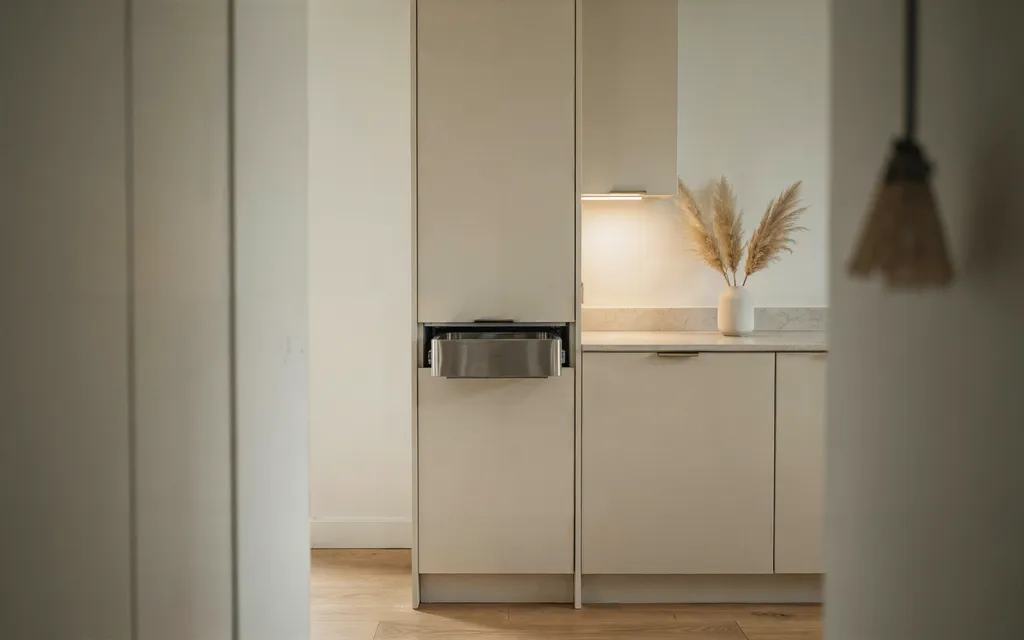
Sometimes the best storage solution is not hiding the trash can at all but making it visually disappear through thoughtful design. I have seen kitchens where the garbage bin blends so perfectly with surrounding cabinetry that it barely attracts attention. Matching colors, finishes, and materials can dramatically reduce visual clutter.
This approach works particularly well in modern kitchens where simplicity and consistency play a major role in the overall design. Rather than treating the trash can as an object that must be hidden, it becomes another element that complements the room. The result is a cleaner and more cohesive appearance.
Pro Tip: Choose neutral colors such as white, gray, beige, or matte black to create a timeless look that blends with most kitchen styles.
Island Hide
Kitchen islands often contain more storage potential than people realize. One of my favorite hidden storage ideas is incorporating trash bins directly inside the island structure. This keeps waste completely concealed while positioning it exactly where most meal preparation takes place.
A hidden island bin improves workflow because everything remains within arm’s reach during cooking. It also helps preserve the clean and open appearance that makes kitchen islands so appealing. For larger households, dual-bin systems can even be installed to handle trash and recycling separately.
Pro Tip: Include pull-out or tilt-out hardware to ensure quick access without disrupting food preparation.
Vertical Stack
When floor space is limited, thinking vertically can make a huge difference. Vertical stack bins provide multiple compartments without requiring additional width, making them ideal for compact kitchens. I appreciate how they allow trash and recycling to be separated while maintaining a small footprint.
Because the containers are stacked rather than positioned side by side, more walking space remains available throughout the kitchen. This helps prevent crowded layouts and keeps the room feeling open. Many modern designs also feature sleek profiles that blend well with contemporary interiors.
Pro Tip: Position vertical bins against a wall or pantry side to keep them accessible without interrupting traffic flow.
Side Pair
For kitchens with slightly more room, a side-by-side bin arrangement can provide excellent organization. Instead of scattering containers throughout the kitchen, grouping them together creates a designated waste management area. I find this approach particularly effective for families that generate a significant amount of recycling.
Using matching bins creates a cleaner appearance and prevents the setup from looking chaotic. The visual consistency helps the storage area feel intentional while making waste sorting simple and efficient.
Pro Tip: Use identical containers with subtle labels to maintain a coordinated and uncluttered appearance.
Island Side
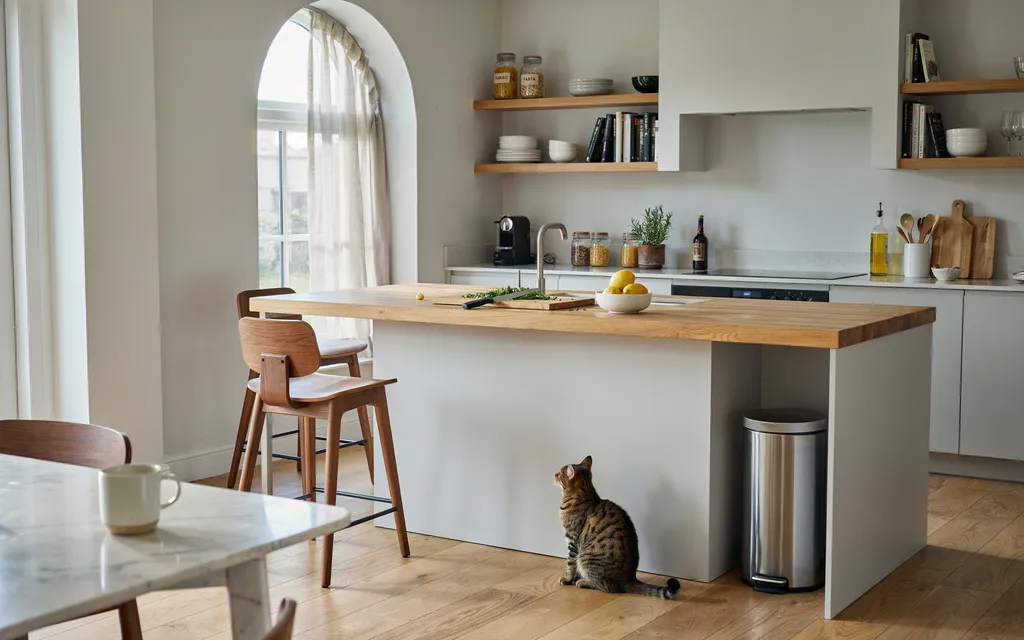
If your kitchen island has open space along one side, it can become a surprisingly effective location for a trash can. I have noticed that placing a bin just beyond the main seating or walking area keeps it convenient without making it the center of attention. This arrangement works especially well in larger kitchens where the island naturally serves as the primary prep and cooking station.
The biggest advantage is accessibility. Since the trash can remains close to where food preparation happens, cleanup becomes quicker and more efficient. At the same time, positioning it along the side rather than directly in front of the island helps maintain a cleaner visual flow throughout the room.
Pro Tip: Select a compact bin with a simple design so it complements the island instead of competing with it visually.
Prep Station
One of the most efficient kitchen layouts I have used includes a dedicated prep station with built-in trash storage. Since chopping, peeling, and packaging removal all happen in the same area, it makes sense to keep the trash can directly beneath the workspace. This setup reduces unnecessary movement and makes cleanup feel almost automatic.
Combining a pull-out trash system with a drawer for paper towels, liners, and cleaning supplies creates a highly functional zone. Everything needed for food preparation and cleanup remains within arm’s reach, helping the kitchen operate more smoothly on busy days. Even a small cabinet can become a productive workstation when organized correctly.
Pro Tip: Store compostable bags and paper towels in the same station so cleanup remains fast and organized.
Corner Pull
Corner cabinets often become storage dead zones because they are difficult to access. A corner pull-out trash system changes that by transforming an awkward space into a highly functional storage solution. I like this idea because it utilizes an area that would otherwise be wasted while keeping trash completely out of sight.
When the cabinet is opened, the bins glide outward for easy access. Once closed, everything disappears neatly behind the cabinet door. This solution works particularly well in L-shaped kitchens where maximizing every inch of storage is important for maintaining organization.
Pro Tip: Install heavy-duty pull-out hardware to ensure smooth operation even when the bins are full.
Corner Bin
A corner cabinet can also function as a dedicated trash storage area without requiring an elaborate pull-out mechanism. I have seen many kitchens successfully use deep corner cabinets to hide waste containers while preserving valuable storage elsewhere. The setup is simple, practical, and highly effective.
By assigning one corner cabinet exclusively to waste management, the rest of the kitchen remains available for cookware, pantry items, and cleaning supplies. This approach works especially well in compact kitchens where every cabinet serves an important purpose.
Pro Tip: Add a small motion-sensor light inside the cabinet to improve visibility when changing bags or sorting waste.
Drawer Base
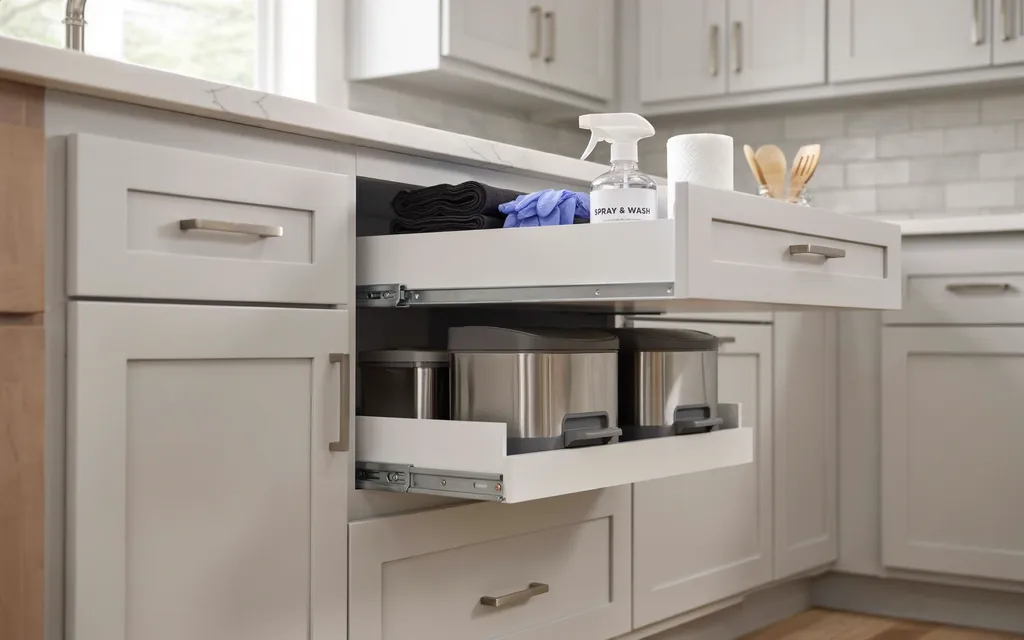
A drawer base system combines concealed trash storage with additional organizational space. I appreciate this design because it turns a single cabinet into a multifunctional storage center. Trash bins occupy the lower section while a shallow drawer above provides room for liners, gloves, cleaning products, and other essentials.
Everything stays organized and accessible without requiring extra cabinetry. This setup streamlines daily tasks and reduces the frustration of searching through multiple drawers for supplies. It is a practical solution that improves both storage capacity and kitchen workflow.
Pro Tip: Use drawer organizers to keep supplies neatly separated and easy to locate during cleanup.
FAQs
1. Where should a trash can go in a kitchen for the best workflow?
In my experience, the best location for a trash can is close to the area where most food preparation takes place. This is usually near the sink, kitchen island, or primary countertop workspace. Keeping the trash nearby reduces unnecessary walking and allows food scraps, packaging, and paper towels to be discarded immediately. A pull-out cabinet beside the sink is often one of the most efficient and convenient solutions.
2. What is the best trash can solution for a small kitchen?
Small kitchens benefit most from solutions that use hidden or vertical space rather than valuable floor area. Pull-out cabinet bins, tilt-out cabinets, wall-mounted containers, and slim-profile trash cans all work exceptionally well in compact spaces. These options keep waste accessible while helping the kitchen feel larger and less cluttered.
3. Are pull-out trash cabinets worth it?
I believe pull-out trash cabinets are one of the best kitchen upgrades for organization. They keep garbage hidden from view, improve workflow, reduce visual clutter, and often make the kitchen look more expensive and polished. Although installation requires some planning, the convenience is worth the investment for many homeowners.
4. How can I hide a trash can without remodeling my kitchen?
If remodeling is not an option, there are still several effective solutions. Slim bins beside appliances, hook-on containers, corner placements, freestanding tilt cabinets, and color-matched trash cans can all help reduce visual clutter without requiring construction. Small changes in placement often make a surprisingly big difference.
5. Should trash and recycling be stored together?
Keeping trash and recycling together in a dual-bin or sorting system is often the most practical approach. Having both containers in the same location encourages proper sorting and simplifies daily cleanup. Many modern storage systems are specifically designed to accommodate multiple waste streams while maintaining a clean appearance.
Conclusion
A well-designed kitchen is not just about beautiful cabinets and stylish countertops. It is also about finding smart solutions for everyday necessities, including trash storage. Over the years, I have learned that even a simple adjustment to trash can placement can dramatically improve how organized and spacious a kitchen feels.
Whether you choose a pull-out drawer, a hidden island compartment, a slim bin beside the refrigerator, or a dedicated corner cabinet, the goal remains the same: keeping waste accessible without allowing it to dominate the room. By using these 21 trash can storage kitchen ideas, you can create a cleaner, more efficient space that looks better and functions more smoothly every day.