


Raising chickens started as a small backyard hobby for me, but I quickly realized how important a good chicken run really is. Chickens stay healthier, cleaner, and much calmer when they have a safe outdoor space to scratch around in during the day.
Over the years, I’ve tested everything from quick pallet setups to larger walk-in enclosures, and honestly, the best chicken run is the one that fits your yard, your flock size, and the amount of maintenance you can realistically handle.
Some people want a beautiful coop that blends into the garden, while others just need a sturdy predator-proof space that works. In this guide, I’m sharing practical DIY chicken run ideas that are affordable, functional, and beginner-friendly without making your backyard look messy.
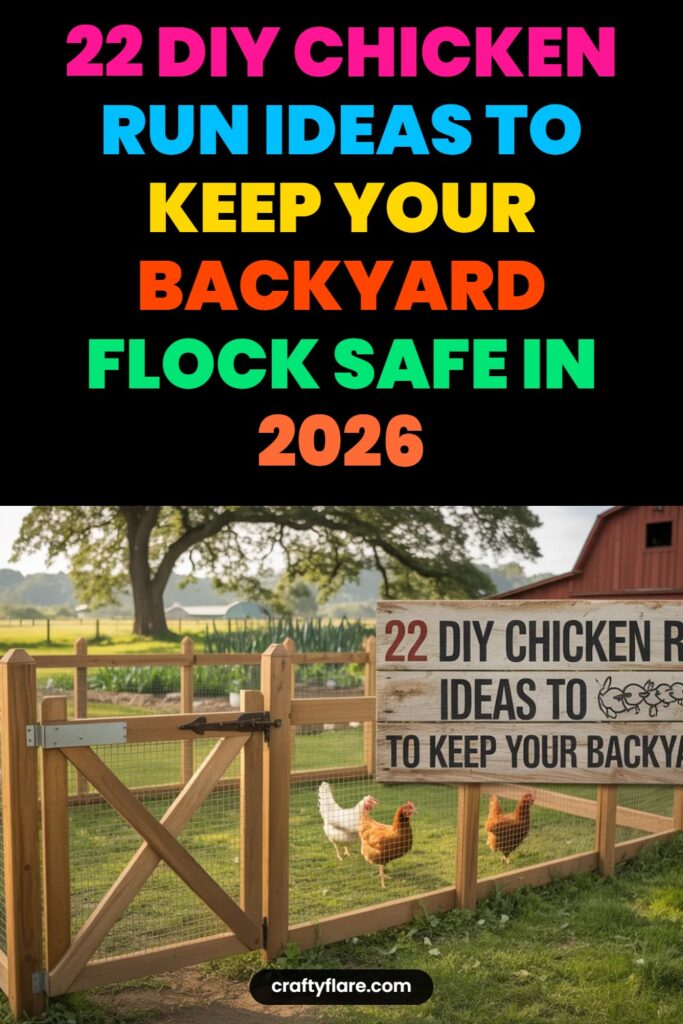
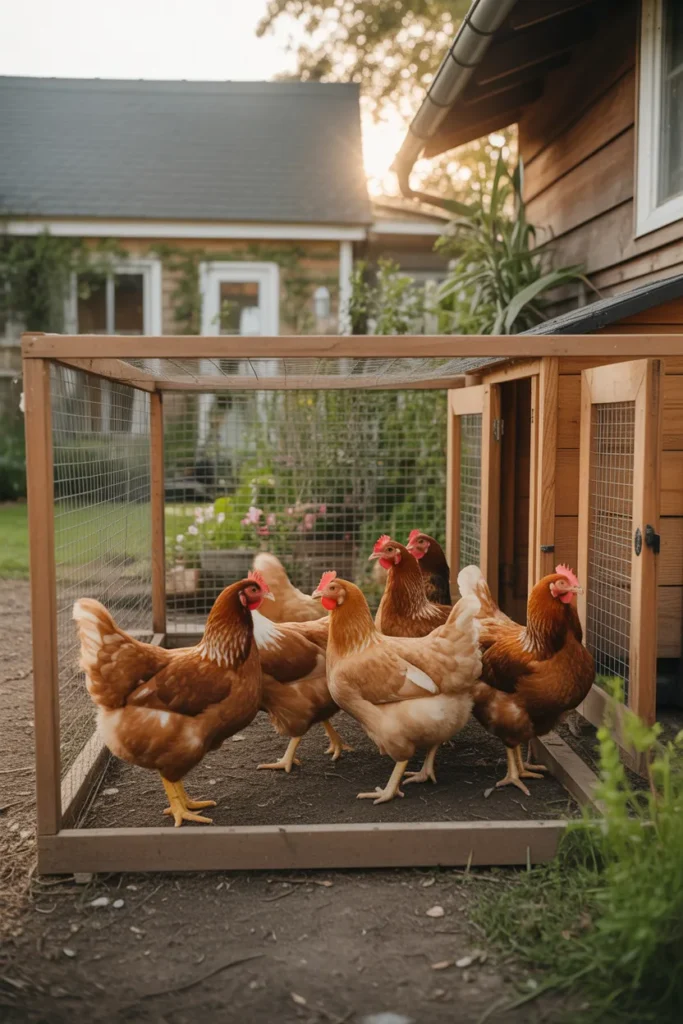
Quick Summary
- Secure mesh matters more than fancy decorations
- Walk-in runs save time during cleaning and feeding
- Recycled materials can cut costs significantly
- Shade and airflow are essential during summer
- Small runs work well when designed efficiently
- Raised coops help keep bedding dry and cleaner
Key Takeaways
- Hardware cloth is safer than standard chicken wire
- Bury fencing at least 12 inches deep to stop digging predators
- Add dust bath areas to improve feather health
- Covered sections help during heavy rain and snow
- Mobile or expandable runs work best for growing flocks
Tips for Building a Safe Chicken Run
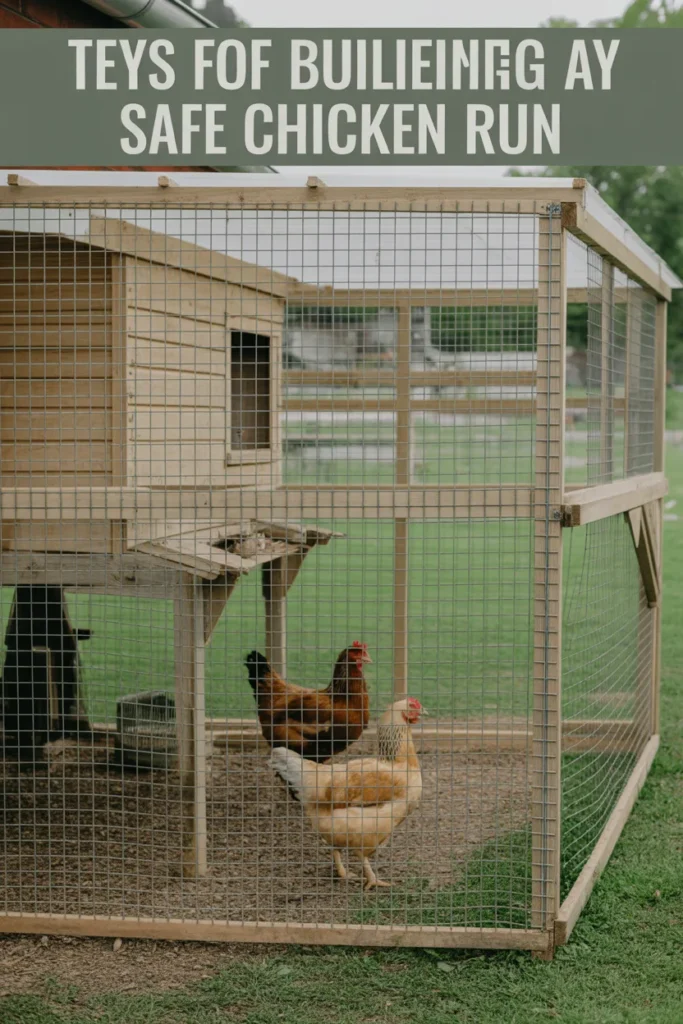
Before building my first chicken run, I underestimated how smart predators can be. Raccoons, foxes, and even neighborhood dogs can tear through weak fencing surprisingly fast.
I now always recommend using galvanized hardware cloth instead of basic chicken wire. Chicken wire keeps chickens in, but it does not reliably keep predators out.
Ventilation is another thing many beginners overlook. Chickens handle cold weather better than trapped heat and humidity. I try to leave enough airflow while still providing shaded areas during summer.
If possible, position part of the run where it gets morning sunlight and afternoon shade. That balance keeps the ground drier and helps reduce odor buildup.
Pro Tip: I add a layer of coarse sand inside my chicken run because it drains better than dirt and makes cleanup much easier.
DIY Chicken Run Ideas
Narrow Walkway Run
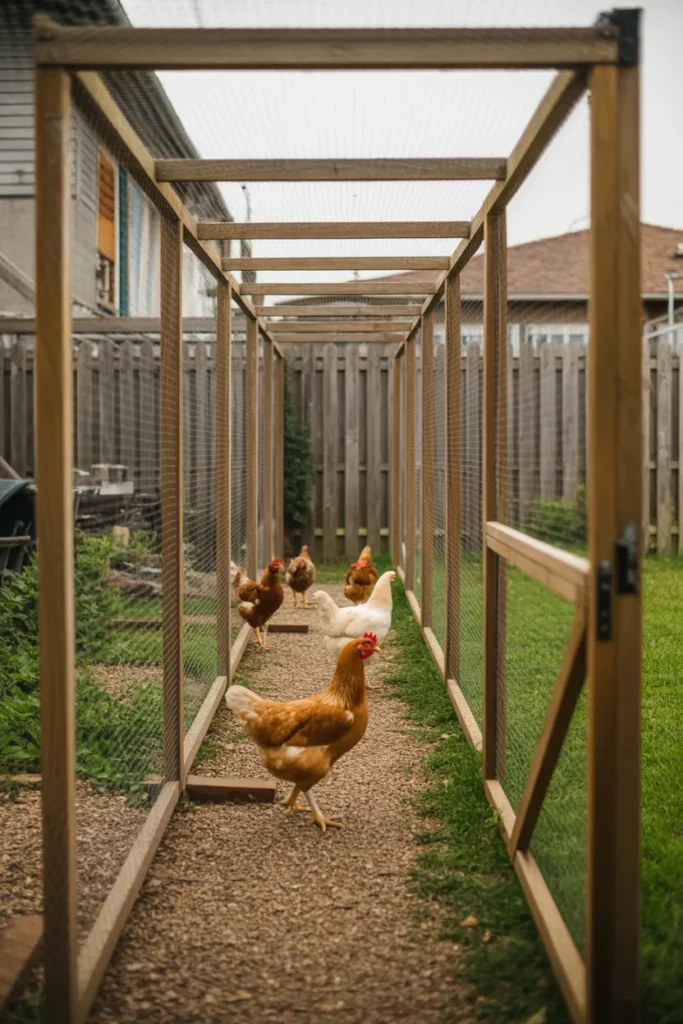
A narrow side-yard chicken run works surprisingly well in small suburban spaces. I built one beside my fence line using simple wooden framing and wire mesh panels.
Even though the footprint was compact, the chickens still had enough room to move around comfortably. Adding hanging feeders also helped free up floor space.
This design is ideal if your backyard feels too tight for a traditional coop setup.
Tall Walk-In Frame
After crouching inside short runs for months, I finally upgraded to a walk-in design, and it made daily chores much easier.
A tall frame lets you clean, refill feeders, and collect eggs without constantly bending down. I also noticed better airflow because of the added height.
If you plan to keep chickens long term, this is one upgrade worth making early.
Camouflaged Tunnel Run
Tunnel runs look beautiful when covered with climbing plants or vines. I once trained cucumbers along the wire mesh, and the chickens loved the extra shade underneath.
These enclosed tunnels also work well for connecting a coop to a garden area safely.
Besides functionality, they make the backyard feel more natural and less cluttered.
Free-Range Net Fence
For larger yards, temporary net fencing is one of the easiest low-cost options. I’ve used lightweight fencing panels to rotate chickens onto fresh grass every few days.
This setup keeps birds active while preventing them from destroying one section of the yard completely.
Just make sure the fencing is secured tightly because chickens always seem to find weak spots.
Tire Dust Baths
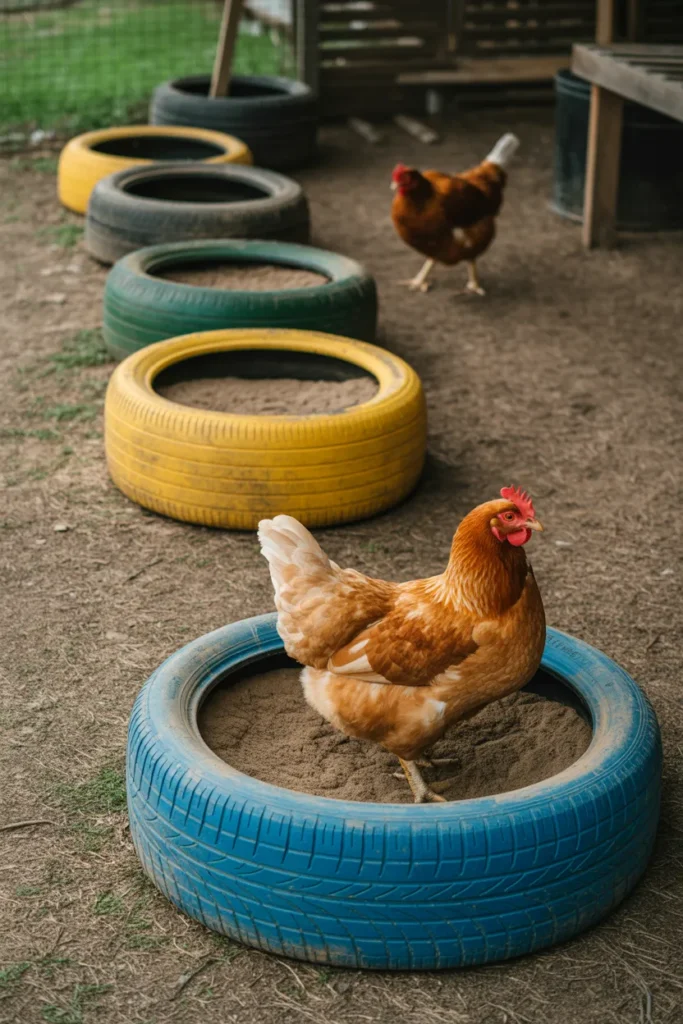
One of the simplest additions I ever made was turning old tires into dust baths.
I filled them with dry soil, sand, and wood ash, and the chickens immediately started rolling around in them. Dust baths help reduce mites naturally and keep feathers cleaner.
It’s also a great way to reuse old materials instead of throwing them away.
Pallet Panel Fence
Pallet projects save a surprising amount of money when building chicken runs.
I’ve used free shipping pallets to create fencing panels, gates, and even temporary shelters. The rustic look actually blends nicely into backyard gardens.
The main thing is checking pallets carefully for rot or loose nails before using them.
Solar Coop Combo
Adding solar lights to a chicken run turned out to be more useful than I expected.
I installed a small solar panel that powers a coop light and automatic door opener. It saves time during winter mornings and improves security at night.
This setup works especially well for homestead-style backyards.
Canopy Frame Coop
One summer, I repurposed an old pop-up canopy frame into a covered chicken run, and it handled heat surprisingly well.
The roof provided instant shade, while the open sides kept air moving freely. I reinforced the structure with wood boards to make it sturdier during storms.
This is a practical option if you already have unused outdoor frames sitting around.
Decorative Garden Coop
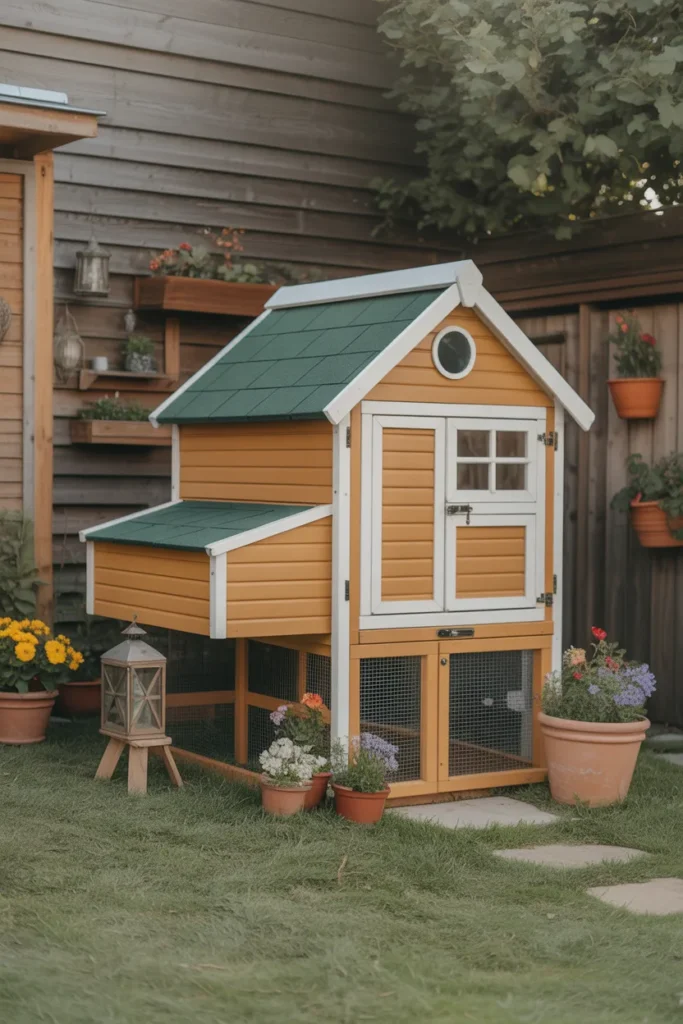
Some chicken runs can actually improve backyard aesthetics instead of looking purely functional.
I added flower boxes, gravel paths, and small lanterns around one coop, and guests constantly commented on how cozy it looked.
If your run sits close to your patio or garden, decorative touches make a huge difference.
Red Barn Run
Classic red barn designs never go out of style. Besides looking charming, they’re highly visible during rain or snowy weather.
I like adding metal roofing to these setups because it lasts longer and helps water drain away quickly.
A side nesting box also makes egg collection much easier.
Chick Inn Gate
Custom gates add personality to chicken runs without adding much cost.
I once painted a wooden sign above the entry gate, and it instantly made the whole setup feel more finished.
Little details like pathways, hooks, and hanging planters help the space feel intentional instead of temporary.
Twin Coop Yard
Separate coops can help when raising different breeds or introducing new chickens slowly.
I’ve found that splitting flocks temporarily reduces bullying issues significantly. It also gives sick birds a safer recovery area when needed.
This setup works best for medium to large backyards.
Black Farmhouse Coop
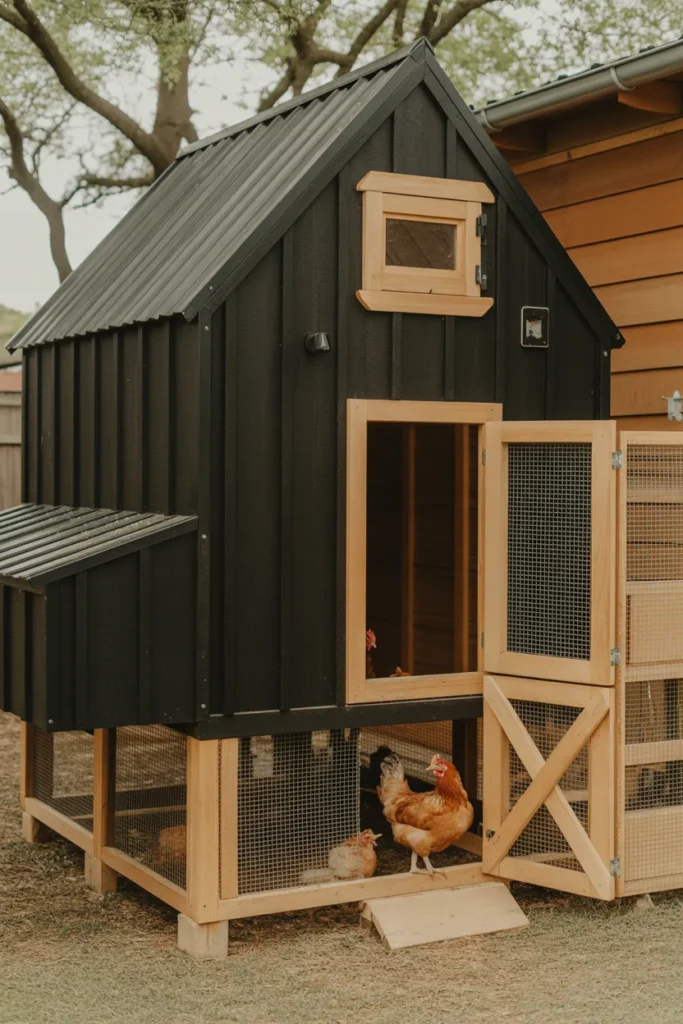
Dark-painted coops create a modern farmhouse look that blends well with wood fencing and landscaping.
I used matte black exterior paint on one small coop, and surprisingly, it hid dirt better than lighter colors.
Just make sure darker coops still have proper ventilation during warmer months.
Playhouse Style Run
Repurposing an old kids’ playhouse into a coop is one of the smartest budget-friendly ideas I’ve seen.
The windows, roof, and framing are already there, which cuts construction time dramatically.
A few mesh panels and nesting boxes can completely transform the space.
Vertical Garden Fence
Vertical planters attached to chicken run fencing help maximize small yards.
I’ve grown herbs and lettuce along fencing panels while keeping the chickens safely separated from the plants.
This setup combines gardening and chicken keeping without wasting space.
Forest Gate Run
Woodland-inspired chicken runs feel peaceful and naturally shaded.
If your yard already has trees, using gravel walkways and natural wood fencing helps the coop blend into the environment beautifully.
I’ve noticed chickens also stay cooler in partially wooded areas during hot afternoons.
Side Yard Climber
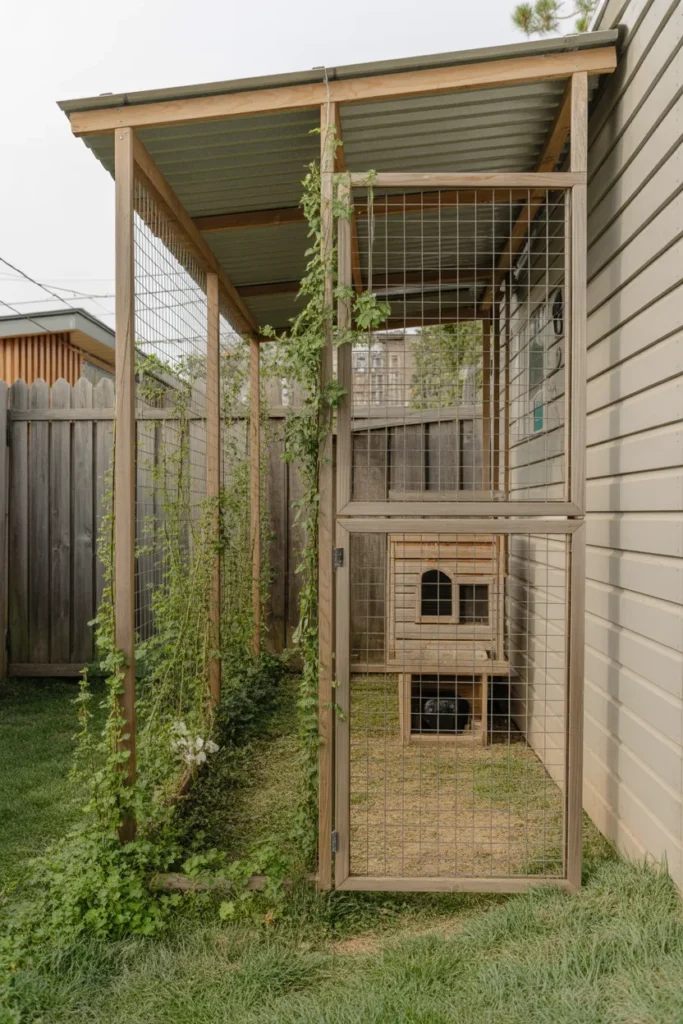
Long side-yard runs are great for urban homes where width is limited.
I added climbing vines along the mesh panels, and over time the enclosure looked more like a garden feature than a chicken run.
This approach works especially well in narrow suburban spaces.
Simple Framed Enclosure
Sometimes the simplest design works best.
A basic rectangular frame with wire mesh is affordable, easy to repair, and beginner-friendly. My first chicken run looked exactly like this, and it still protected the flock well for years.
You can always expand it later if needed.
Common Mistake to Avoid: Many beginners build too small at first. Chickens need more roaming space than most people expect.
Ramp Access Run
Raised coops with ramps help keep sleeping areas cleaner during wet weather.
I also noticed chickens enjoy climbing ramps naturally, especially active breeds. Adding grip slats improves traction during rain or snow.
This setup works well in muddy climates.
Observation Run
One of my favorite setups included a small sitting area beside the run.
It sounds unnecessary at first, but spending time near the flock becomes surprisingly relaxing. Chickens are entertaining to watch, especially during feeding time.
Families with kids usually love this style of setup.
Minimal Entry Gate
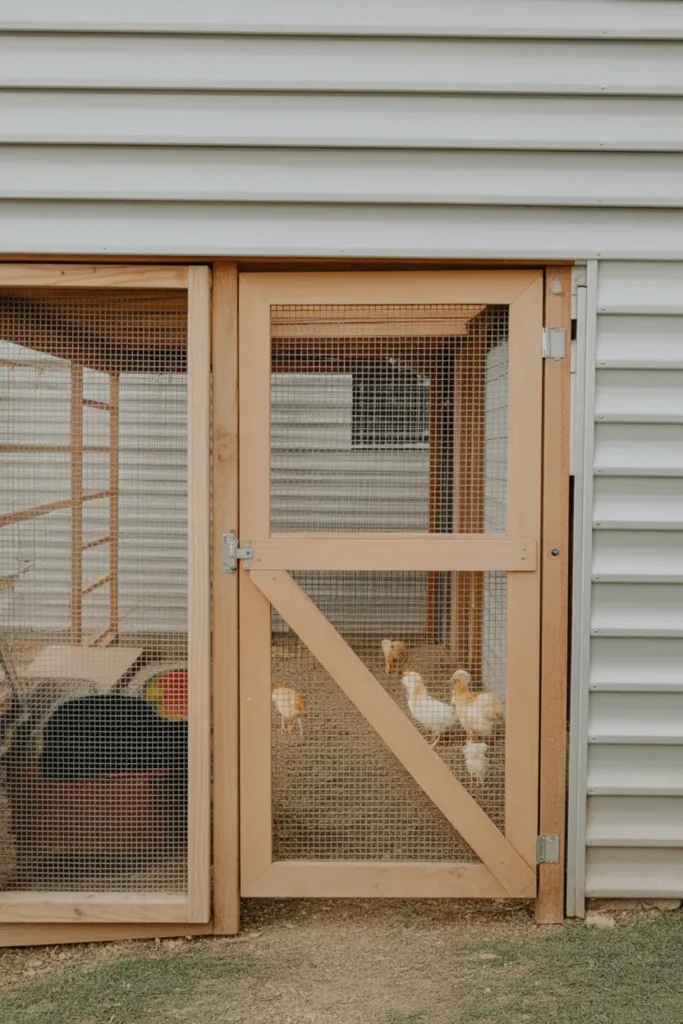
Temporary runs don’t need complicated designs.
I’ve built quick enclosures using basic wood framing and hinged wire panels for young chicks during warmer months. These simple structures are easy to move or expand later.
They’re ideal for beginners testing backyard chicken keeping for the first time.
Brick-Base Enclosure
Brick or concrete edging improves durability more than most people realize.
After heavy rainstorms ruined one of my older wooden runs, I started adding solid base materials around the perimeter to reduce erosion and digging problems.
This design costs more upfront but lasts much longer over time.
Conclusion
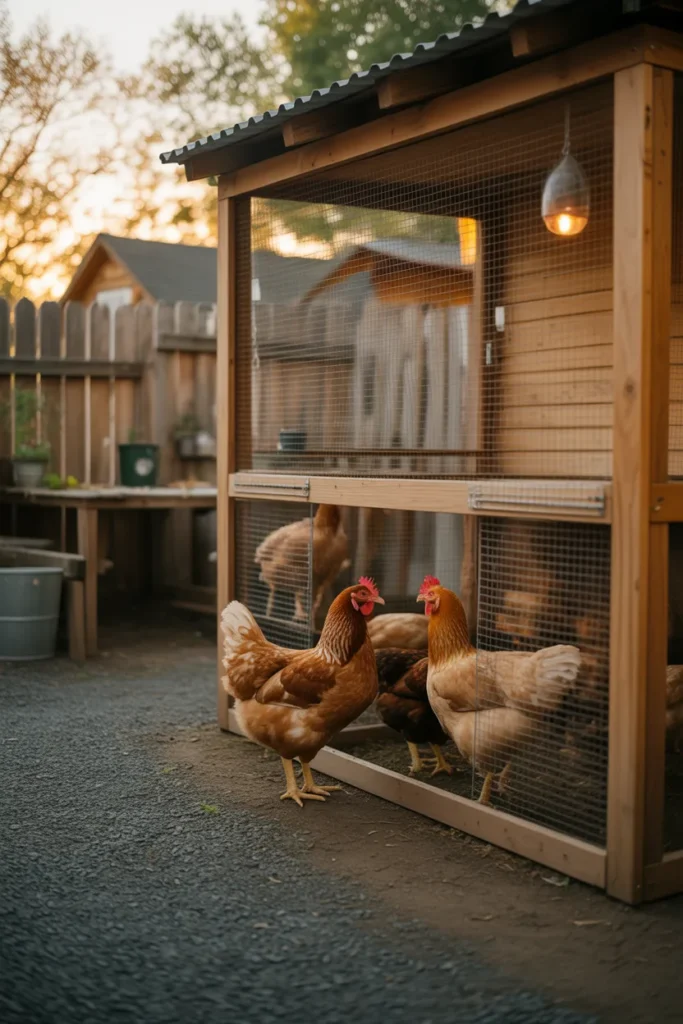
Building a chicken run does not have to be expensive or overly complicated. In my experience, the most successful setups focus on safety, ventilation, easy cleaning, and enough room for chickens to stay active throughout the day.
Even small upgrades like better shade, stronger mesh, or a simple dust bath can improve your flock’s health noticeably. Whether you prefer a rustic pallet enclosure, a modern farmhouse coop, or a compact side-yard run, the goal is creating a secure space that works for both you and your chickens.
The best part is that many of these DIY chicken run ideas can be customized over time as your flock grows and your experience improves.