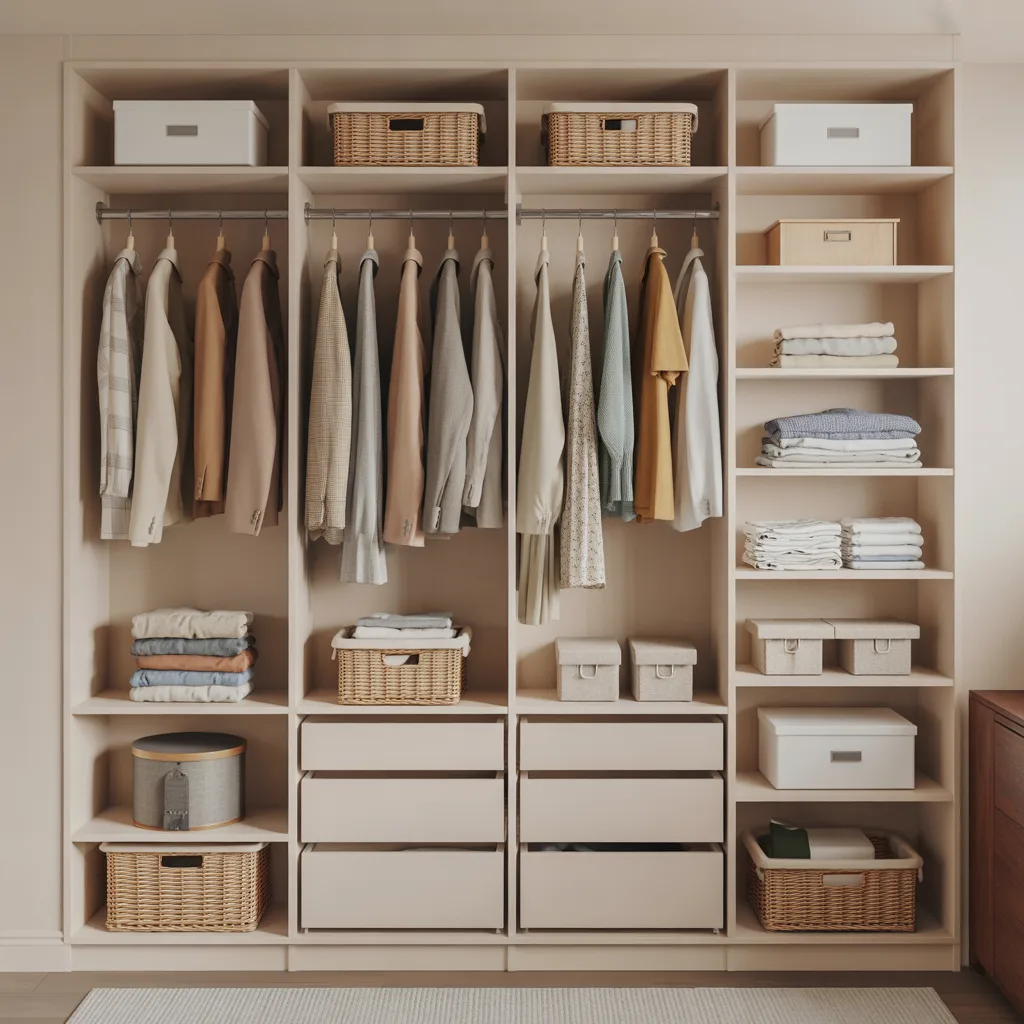

If you’ve ever felt like your home is constantly cluttered despite having shelves, boxes, and organizers, you’re not alone. Last year, I helped a friend with her tiny apartment, and the solution wasn’t more furniture—it was hidden storage. From cleverly tucked-away shoes to secret cabinets behind art, these ideas transform your home without renovations. This guide is perfect for anyone looking to maximize space, keep their home tidy, and add practical style to every corner.
Key Takeaways
• Hidden storage can make any room feel cleaner without major renovations.
• Multi-purpose furniture and overlooked spaces like under stairs or beds are ideal for concealed storage.
• Combining open and hidden storage keeps items accessible but out of sight.
• Small tweaks like sliding panels, pull-out drawers, or mirror cabinets maximize both function and aesthetics.
How Can You Create Hidden Storage Without Renovating?
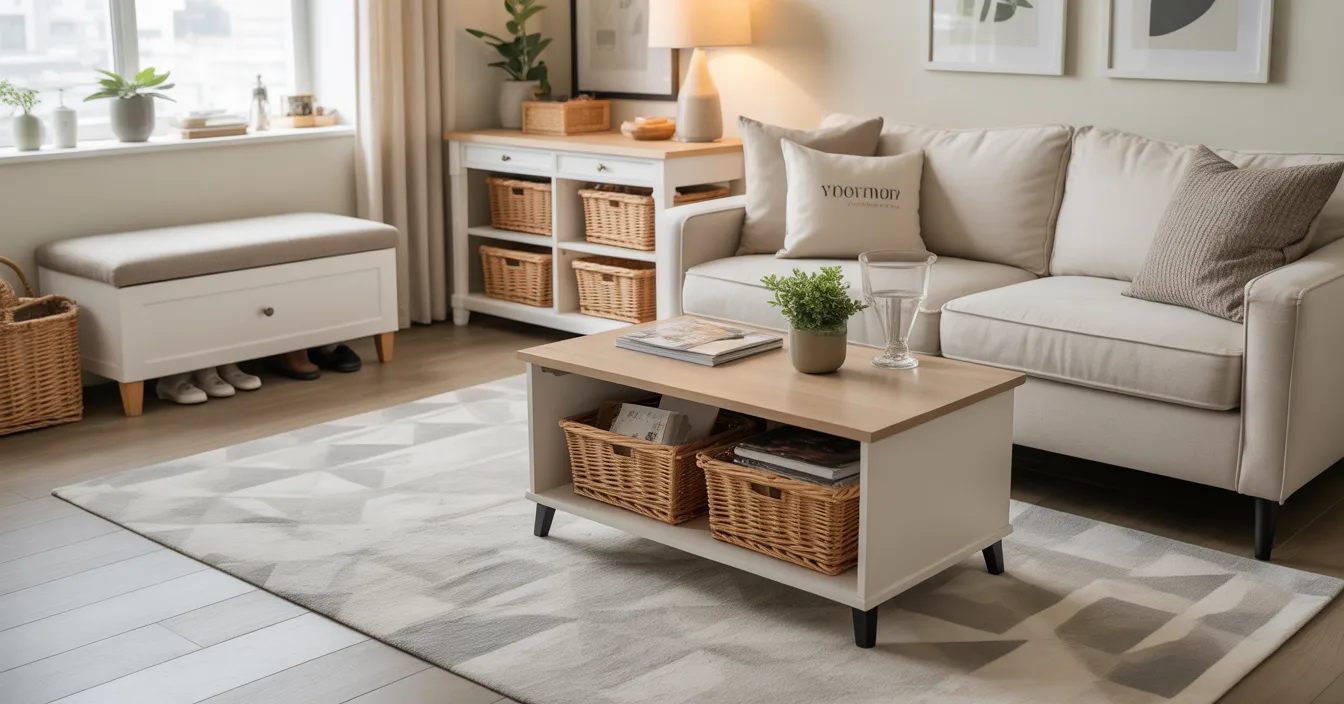
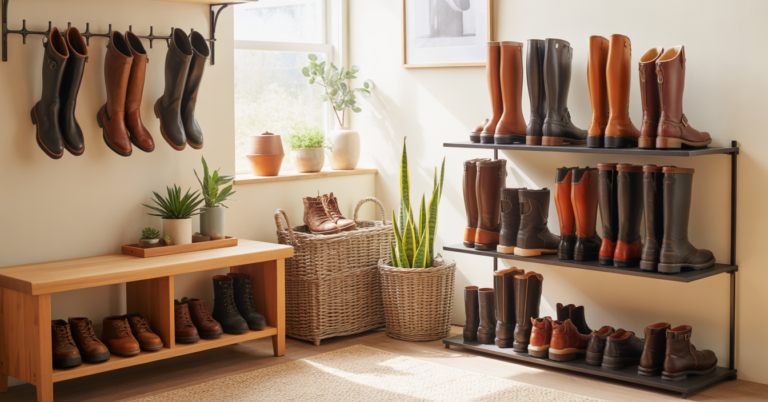
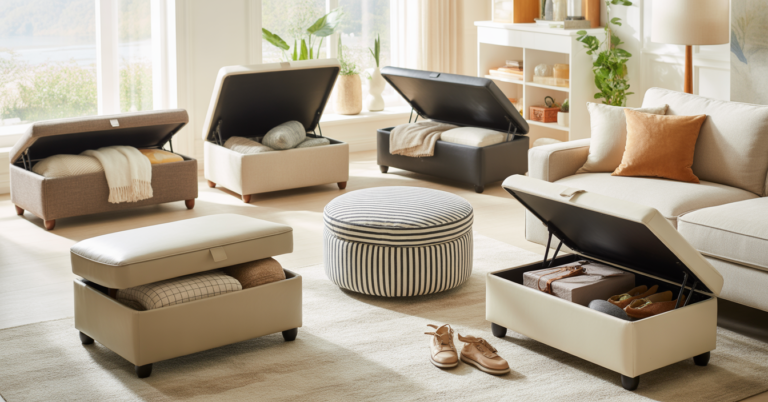
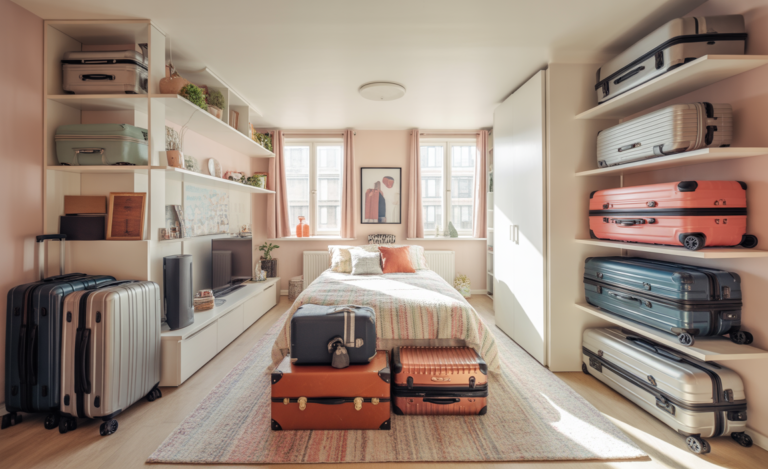
You don’t need a full remodel to create clever storage spots. Often, your home already has nooks, corners, or furniture that can double as storage. Think storage benches for shoes, lift-top coffee tables for magazines, or baskets tucked under tables. Even under the bed, behind doors, or inside ottomans can serve as secret hiding spots. Once you start using these areas, your home instantly feels more organized and spacious without any heavy work.
Pro Tip: Start small by identifying the underused spots in your home. Even one hidden drawer or basket can dramatically reduce visual clutter.
Hidden Pantry
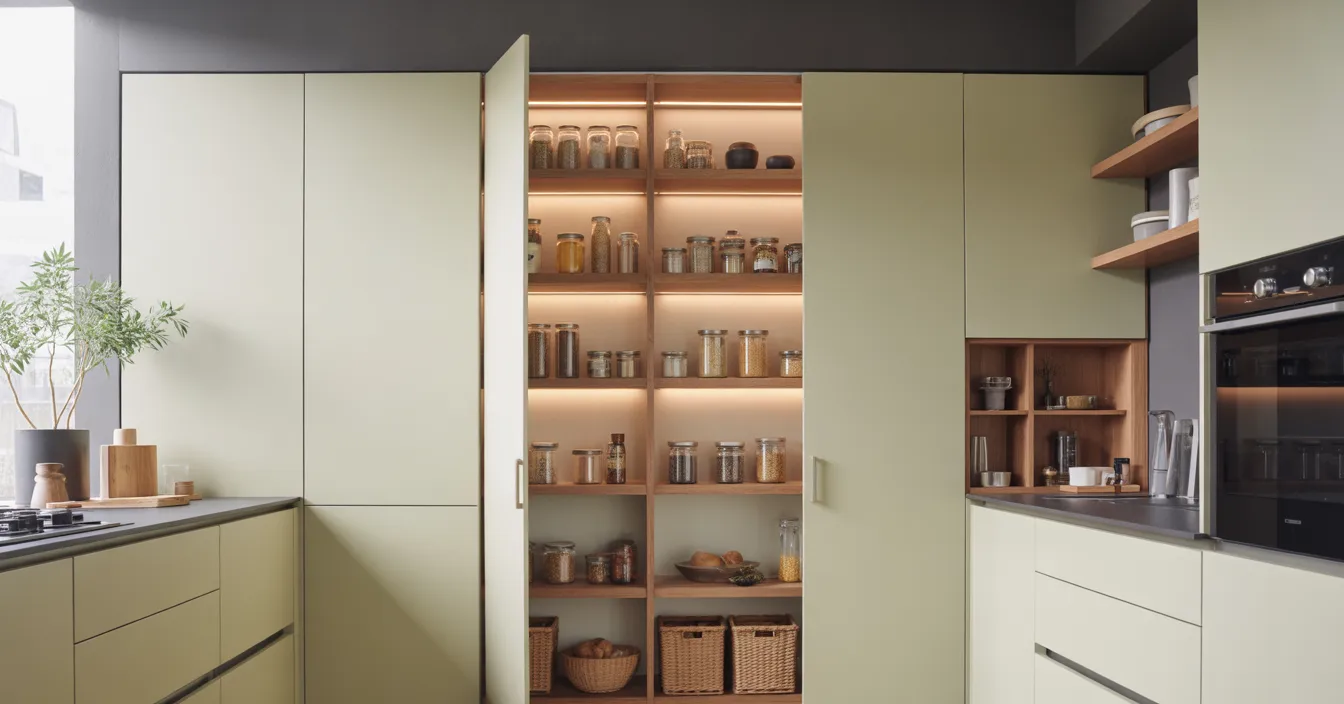
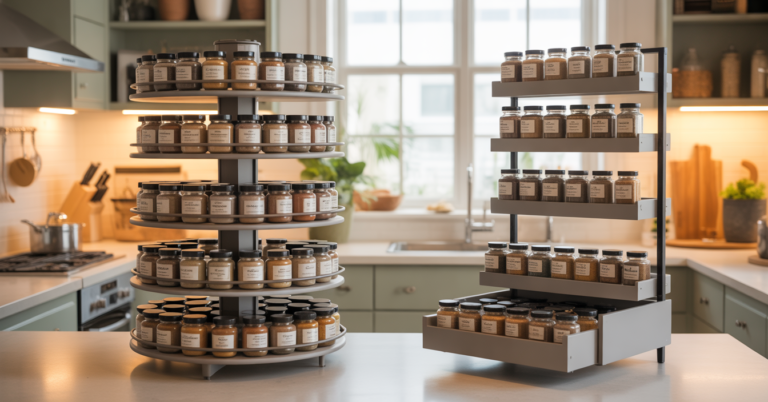
A section of your kitchen can become a full-height hidden pantry without disrupting the design. Push-to-open panels or handleless doors create a seamless look while giving you deep storage for jars, spices, and grains. Adding soft interior lighting helps you see everything clearly without hunting. Matching the finish and lines with your existing cabinets ensures it blends naturally with your kitchen.
Pro Tip: Use clear containers inside a hidden pantry so you can quickly find what you need without opening every jar.
Stair Storage
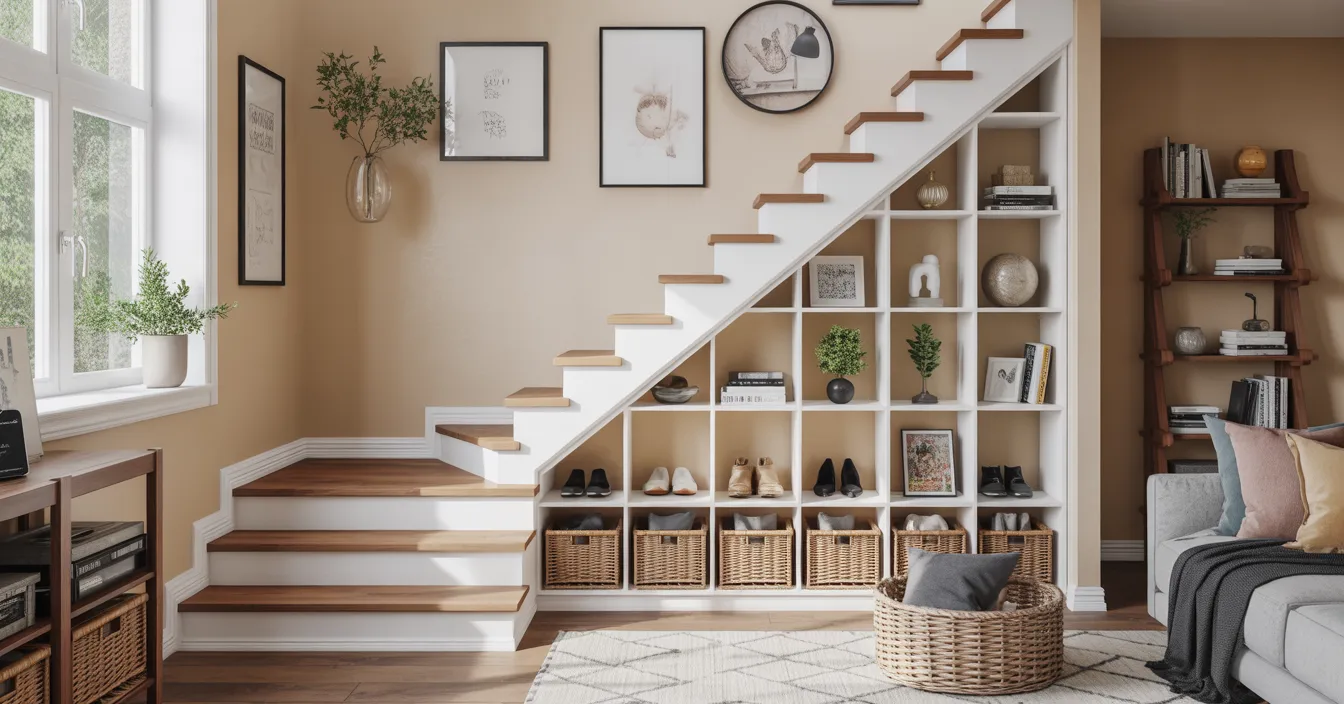
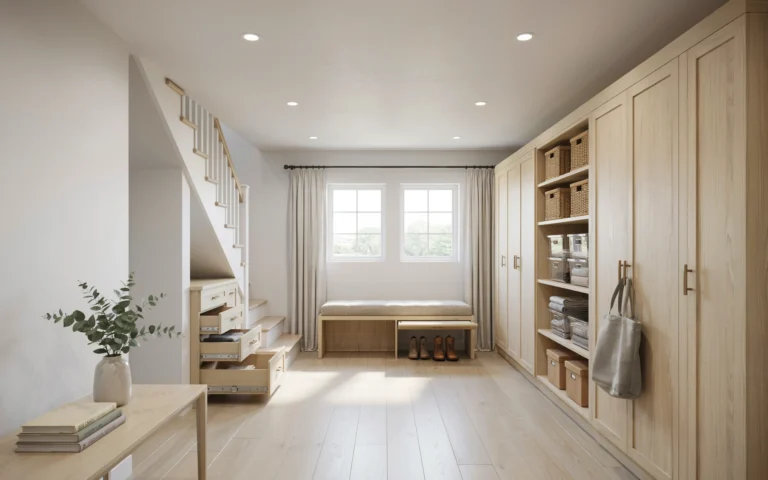
The area under your stairs is often wasted. Installing open shelves and cubbies can store books, decor, shoes, or bags while keeping clutter off floors. Combine visible shelves for decor with baskets for hidden storage. Measuring the slope of the stairs ensures your units fit perfectly and make the space functional.
Pro Tip: Keep frequently used items in accessible baskets and rotate seasonal items to maximize efficiency.
Cabinet Pantry
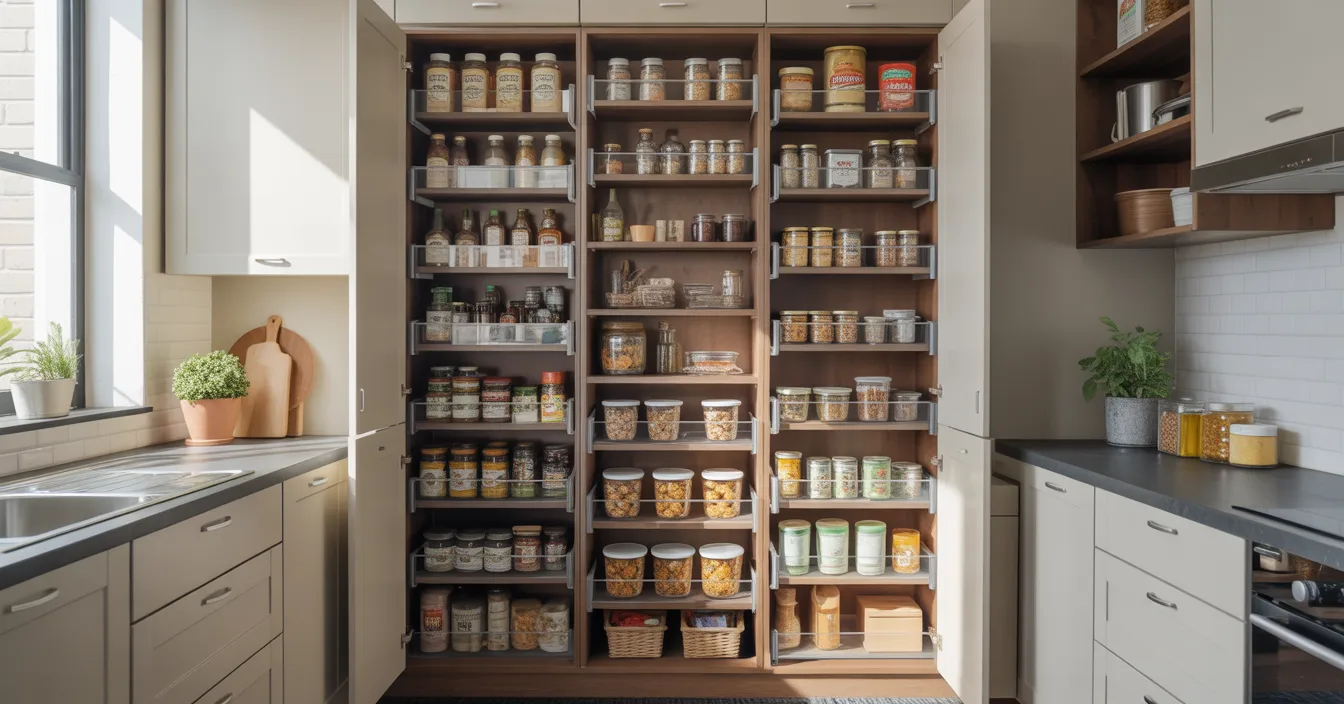
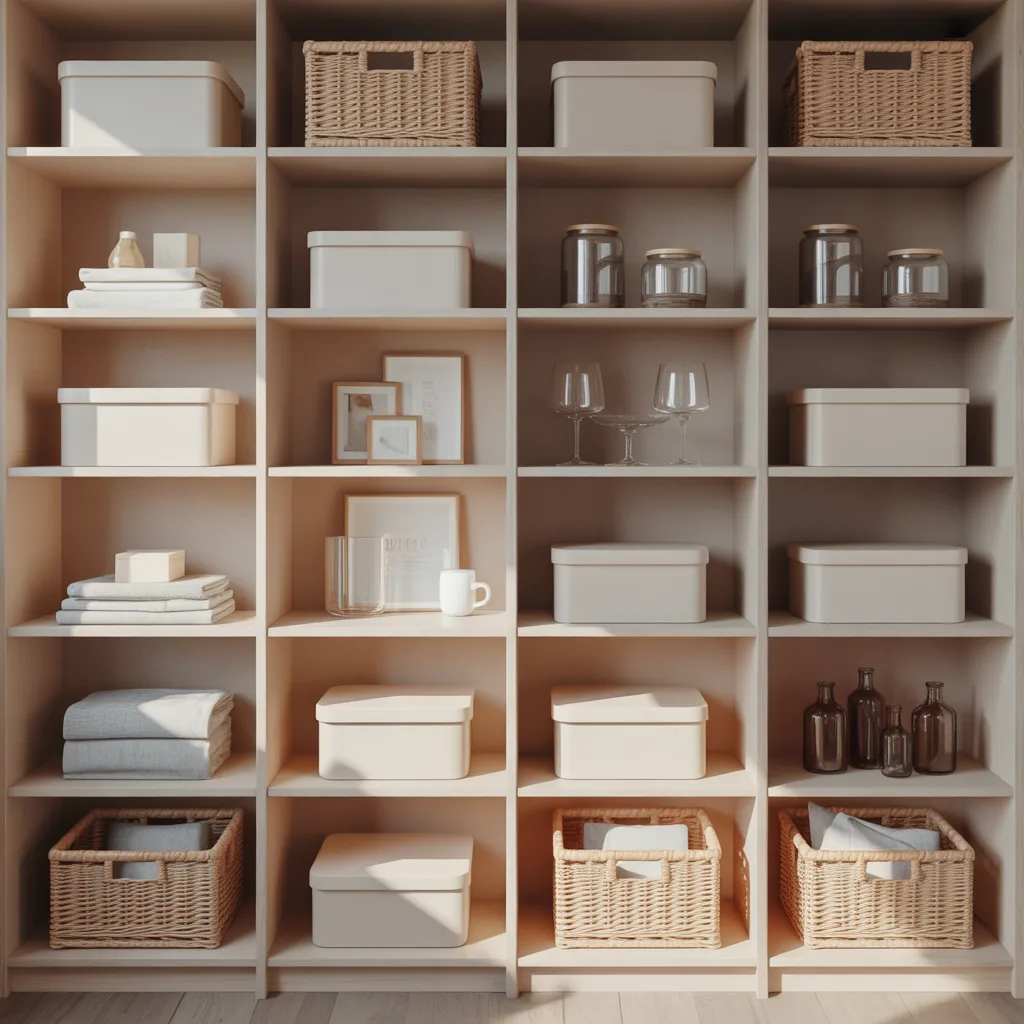
A standard cabinet can be transformed into a tidy pantry. Adjust shelf heights to fit jars and containers and categorize items by type. This keeps everyday goods within reach and prevents them from being stacked and forgotten. Deep cabinets work best when they are underutilized, giving your kitchen an instantly organized look.
Pro Tip: Use clear labels to keep everything organized at a glance—it saves time and reduces mess.
Laundry Closet
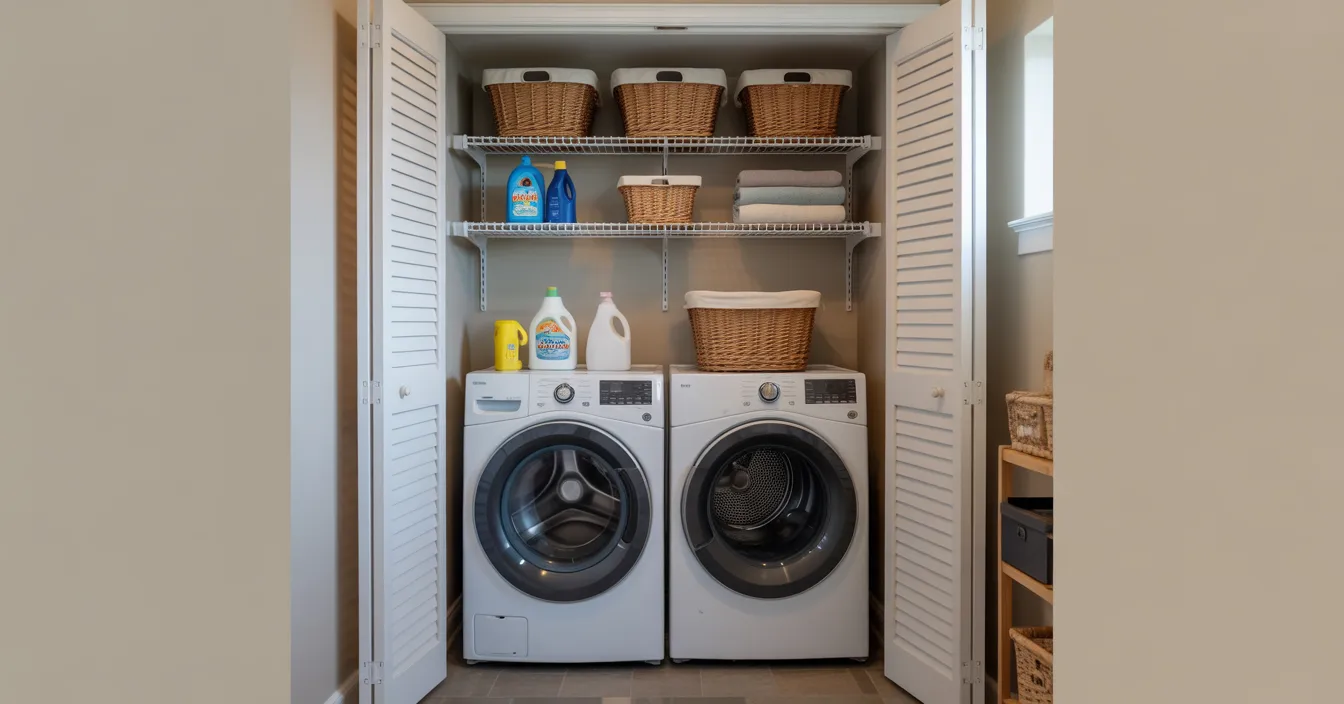
Hiding your washer and dryer inside a closet with shelves around them keeps laundry supplies neat. Sliding or pocket doors save space while maintaining accessibility. This works especially well in small kitchens, corridors, or utility rooms where space is limited.
Pro Tip: Arrange detergents and baskets near your machines so laundry routines become faster and less chaotic.
Art Cabinet
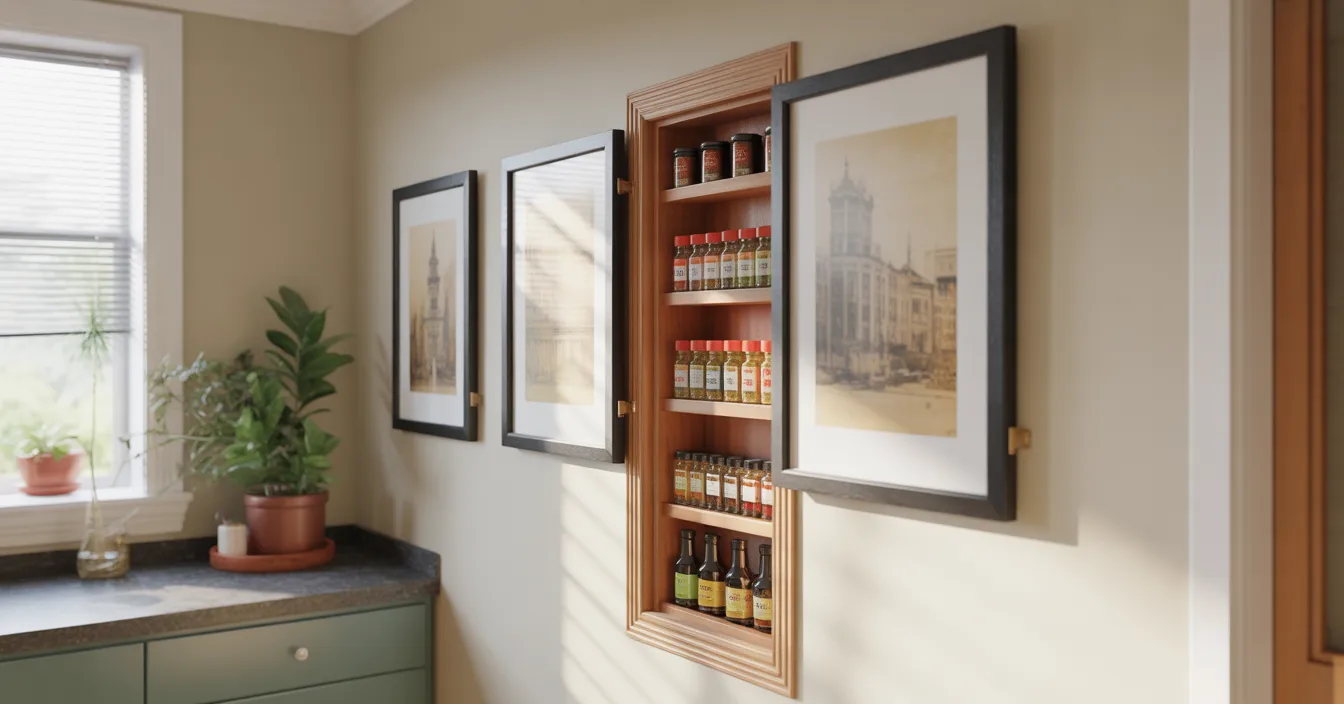
Turn framed art into a hidden cabinet for storing spices, oils, or small kitchen items. The piece looks like regular wall decor but conceals a functional storage space. This works well in kitchens, dining rooms, or hallways. Deeply recessed cabinets with hinged frames ensure the artwork blends seamlessly with your wall.
Pro Tip: Use lightweight items for hidden art cabinets to avoid stressing the hinges or frame.
Fold Station
A pull-out folding board within cabinetry provides a dedicated laundry folding area without taking up permanent space. Slide it out, fold your clothes, and tuck it away. Ideal for laundry rooms, closets, or narrow hallways, this keeps folded items near storage drawers.
Pro Tip: Install sturdy sliding brackets and a soft-surface board to make folding easy and safe.
Panel Storage
Sliding panels conceal media units, books, and gadgets behind a clean facade. Leave a few shelves open for decoration while hiding clutter when needed. Sliding tracks ensure panels move smoothly and blend with the wall. This works best in compact living rooms where a full media unit would dominate the space.
Pro Tip: Add subtle handles or grooves to panels for smooth operation without compromising the sleek look.
Stair Drawers
Built-in drawers under stairs make a perfect drop zone for shoes, jackets, or seasonal items. Pull-out compartments and small hanging areas keep entryways neat without extra furniture. Measuring for proper fit ensures the drawers function efficiently.
Pro Tip: Design drawers in tiers to separate items like shoes, scarves, and gloves for faster access.
Pull Pantry
Pull-out drawers in deep cabinets bring items forward, making everything visible. Categorize snacks, spices, or larger items to prevent mess and avoid forgotten food at the back. Sliding hardwood boxes or trays provide stability for daily use.
Pro Tip: Use adjustable dividers in pull-out drawers to accommodate changing storage needs.
Wall Shelf
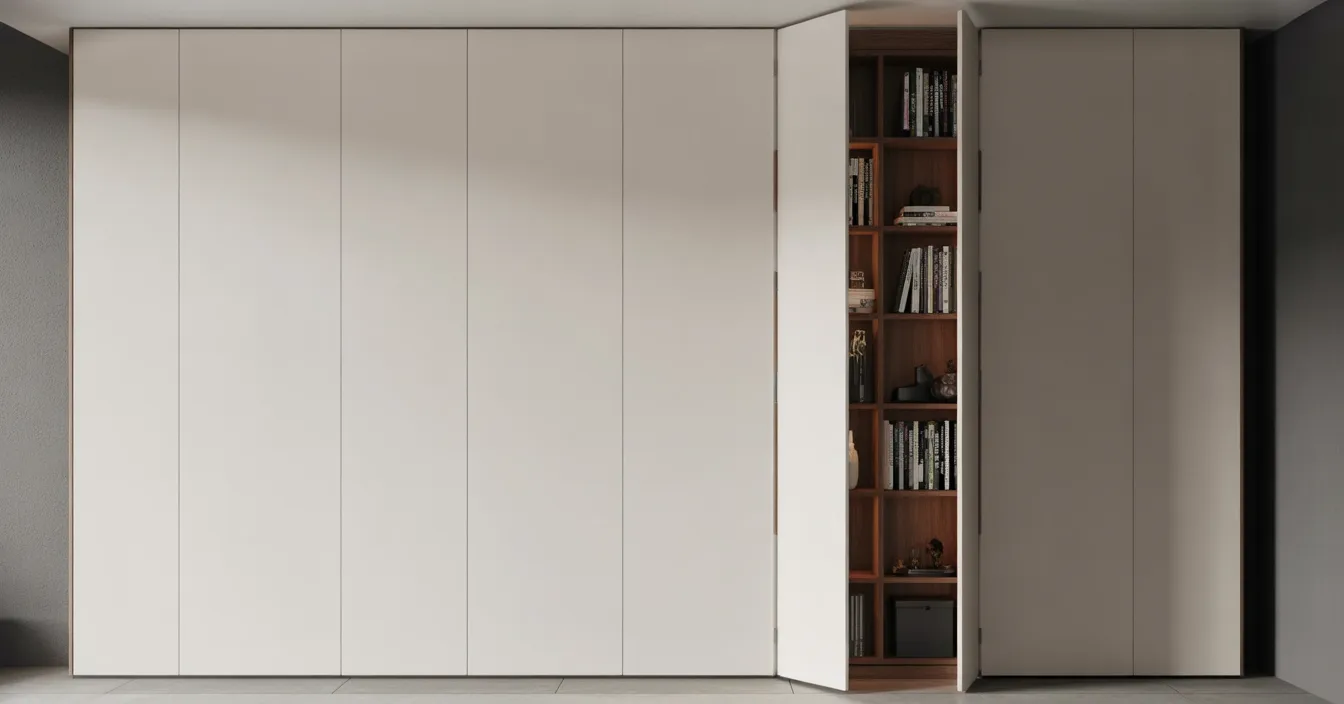
Hidden wall shelves provide storage without cluttering rooms. When closed, they blend into the wall; when open, they hold books, files, or small items. Recessed shelves with flush doors keep vertical storage discreet and functional.
Pro Tip: Use slim shelves for small objects to maximize vertical space without overcrowding.
Mirror Cabinet
A mirror that opens into a cabinet conceals bathroom products while keeping counters tidy. Shelves inside store skincare, medicines, and daily essentials. This is ideal for small bathrooms where every inch matters.
Pro Tip: Install a recessed mirror cabinet at eye level for daily items for quick and convenient access.
Entry Storage
Transform an entry wall into a storage zone with hooks, cubbies, and covered cabinets. Jackets, shoes, and bags are neatly contained, and extra cubbies store seasonal items. A small bench adds convenience while keeping clutter out of sight.
Pro Tip: Combine hooks and closed cabinets to balance display and concealed storage effectively.
Bar Cabinet
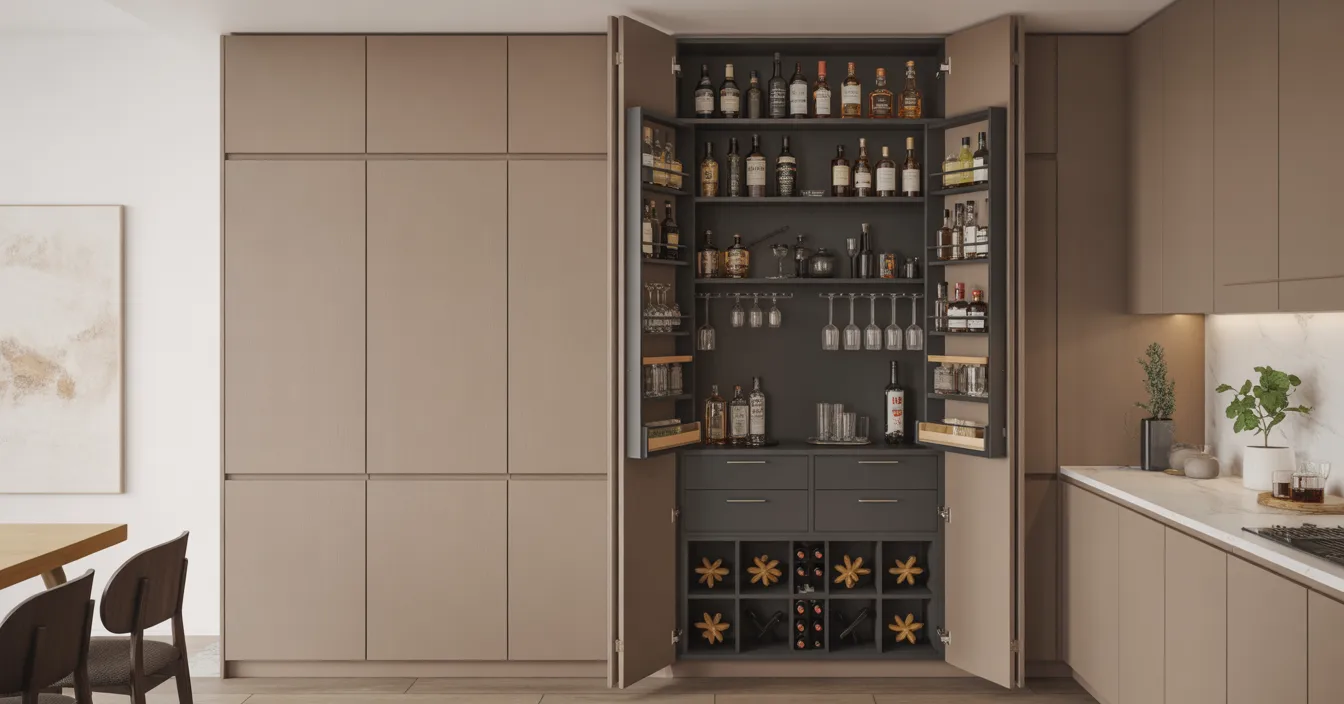
Keep bottles, glasses, and tools organized in a full-height cabinet. Separate areas for bottles, racks for glasses, and small drawers maintain order while keeping everything hidden when closed. This works well in kitchens or dining rooms.
Pro Tip: Label each drawer or shelf so your bar stays stocked and easy to use.
Laundry Cabinet
Tilt-out hampers keep laundry contained while shelves above hold towels or detergents. Everything stays accessible without cluttering the bathroom or laundry room. Tall cabinets make the most of vertical space.
Pro Tip: Choose a tilt-out design to hide laundry efficiently without having to bend or reach deep.
Bed Drawers
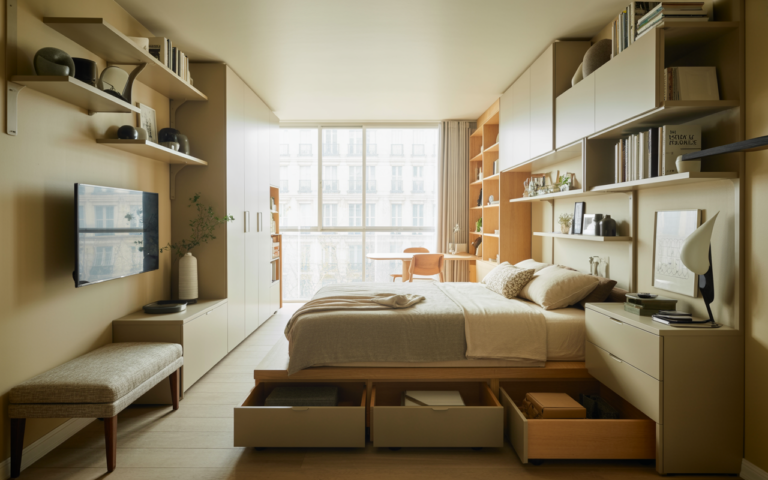
Raised beds with under-bed drawers transform wasted floor space into hidden storage. Keep clothes, blankets, or seasonal items neatly tucked away. Combine with wall cabinets or desks for maximum utility in small bedrooms.
Pro Tip: Use smooth sliding mechanisms so drawers are easy to open and close, even fully loaded.
Tub Storage
Pull-out drawers under the bathtub organize bottles, soaps, and accessories. Keeps items accessible but out of sight, especially useful in small bathrooms.
Pro Tip: Divide items by type in separate drawers to avoid searching through clutter.
Stair Closet
Install doors under unused stairs to create a hidden storage room. Add movable shelves or bins to store household tools or seasonal items efficiently.
Pro Tip: Make shelves adjustable so your stair closet adapts to changing storage needs.
Pan Storage
Vertical pull-out units for pans and lids keep cookware organized and accessible. Hooks or pegs prevent scratches and make retrieval easy. Perfect for tight spaces between cabinets.
Pro Tip: Keep heavier pans at the bottom to avoid tipping and ease handling.
Step Drawers
Convert stair treads into pull-out drawers for shoes or seasonal items. Each drawer acts as a compartment to keep small items orderly. This works well on narrow stairs with limited floor space.
Pro Tip: Use small, discreet handles to keep the drawer design subtle.
Shoe Column
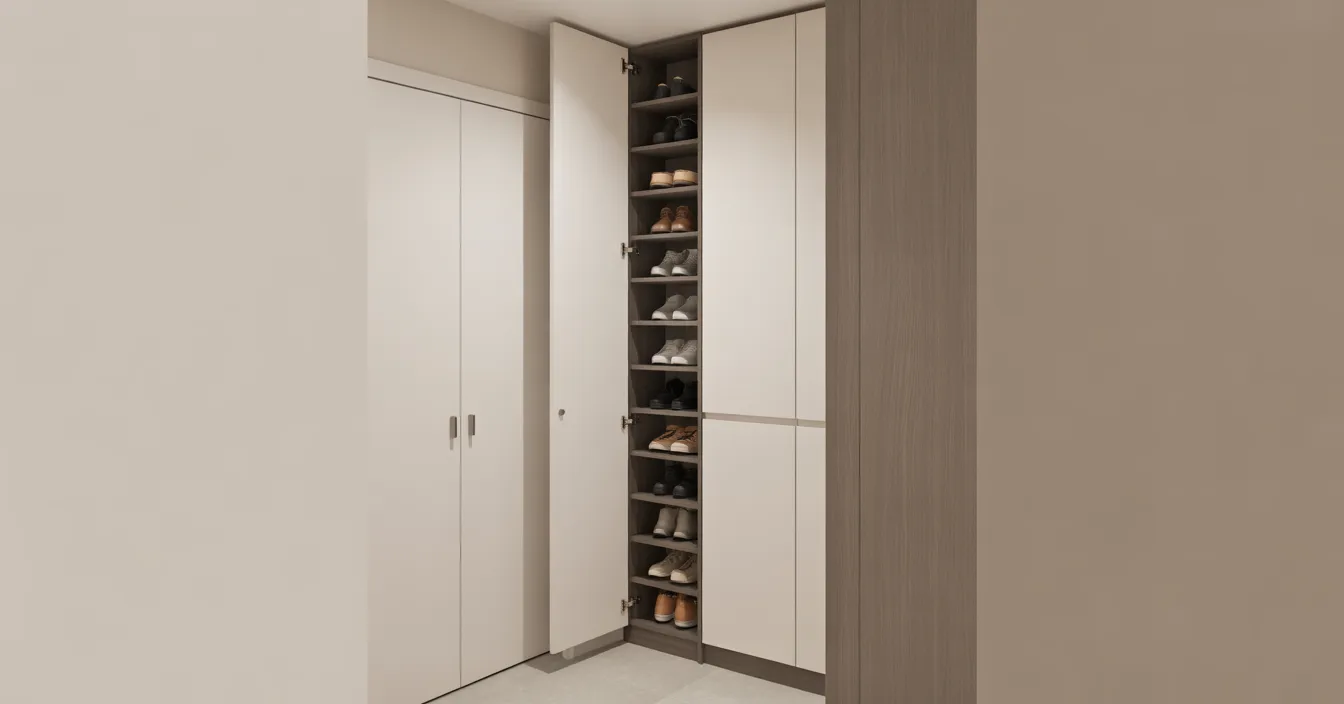
A slim pull-out cabinet uses narrow wall spaces for vertical shoe storage. Keeps shoes visible and organized without occupying floor space. Ideal for entryways or tight corridors.
Pro Tip: Stack shoes upright to maximize space and improve visibility.
Cleaning Cabinet
Pull-out cabinets store cleaning supplies neatly in vertical rows. Hooks and shelves keep tools upright and accessible while hiding them from view.
Pro Tip: Group similar items together to make cleaning routines more efficient.
Wall Hooks
Slatted panels with hooks keep jackets, bags, and hats off the floor. Lower drawers can hide shoes or seasonal accessories. Upper cabinets store things out of sight.
Pro Tip: Mix open hooks with closed storage to maintain both style and practicality.
Display Shelves
Built-in display shelves organize decor and books while integrating lighting for depth. Keeps surfaces clear and adds visual interest.
Pro Tip: Add warm LED lighting to highlight decor and make storage visually appealing.
Wardrobe Closet
Full-height wardrobes hide clothing while separating hanging, folded, and drawer storage. Built-in lights make everything easy to see, and frequently worn items should be placed at eye level.
Pro Tip: Organize wardrobe vertically—top for storage, middle for daily use, bottom for smaller items.
Corner Cabinet
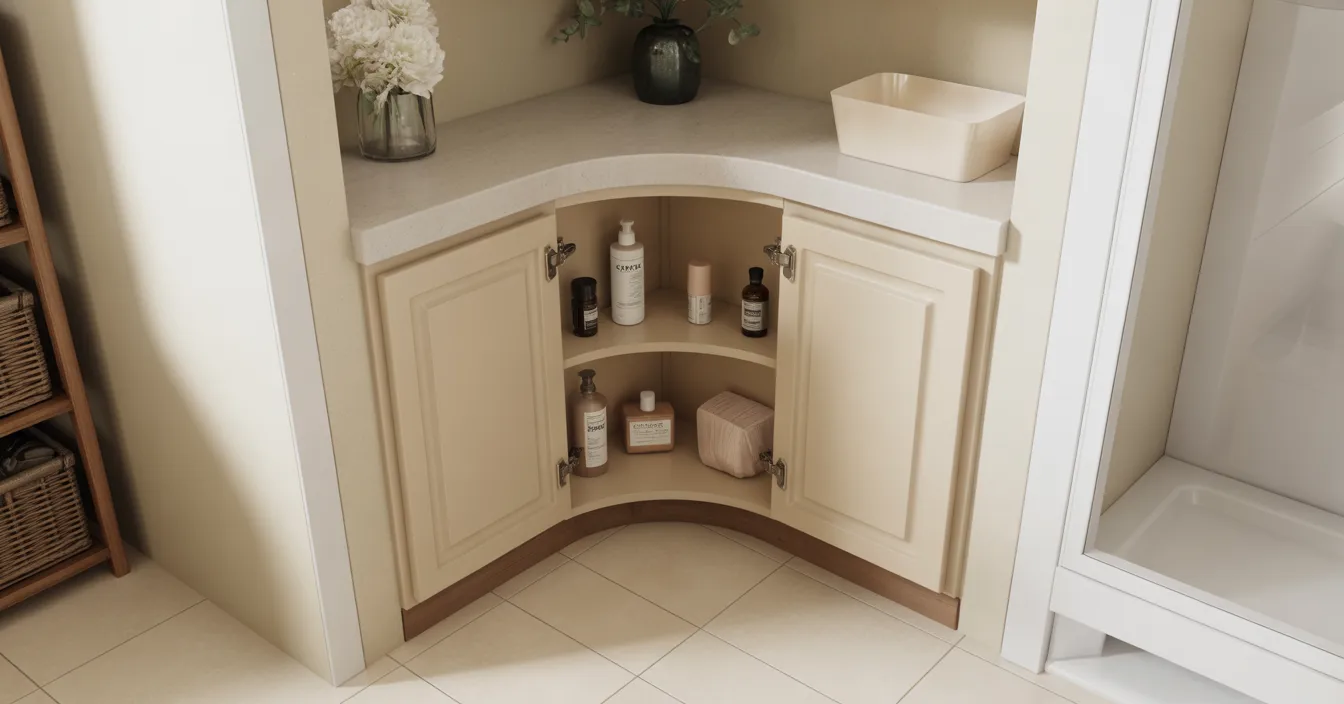
Curved cabinets turn unused corners into functional storage. Store small items like toiletries or bottles within easy reach without cluttering the main space.
Pro Tip: Match cabinet curves to corner angles to optimize every inch of space.
FAQs
1. What is the easiest way to add hidden storage in a small home?
Use furniture you already own—beds, benches, and tables can all hide items. Adding drawers under beds, pull-out shelves in cabinets, or storage ottomans instantly creates concealed storage without affecting your room’s look.
2. How do you hide clutter without making storage hard to access?
Choose storage that is visible when opened, like sliding panels, pull-out drawers, or exposed shelves behind doors. Easy access ensures you actually use the storage instead of letting clutter pile up again.
Conclusion
Hidden storage doesn’t require renovations or new furniture—it’s about using space wisely. From under stairs and beds to wall panels and pull-out cabinets, these ideas help keep your home organized and visually calm. Implementing even a few of these tips can dramatically improve functionality, reduce clutter, and make your home feel more spacious and stylish.