
A dining room can start feeling crowded surprisingly fast when there’s no proper place to store everyday essentials. I’ve seen tables turn into catch-all surfaces for mail, dishes, serving trays, and random clutter simply because the room lacks smart storage solutions.
The good news is that you don’t need a huge dining room to stay organized. With the right furniture, wall storage, and hidden organization ideas, even a small dining space can feel clean, stylish, and functional. In this article, I’m sharing dining room storage ideas that work beautifully in modern homes for 2026.
The secret to organizing a small dining room is using vertical space, hidden storage, and multifunctional furniture instead of overcrowding the room with bulky cabinets. Smart storage ideas like built-ins, sideboards, glass cabinets, and bench seating can help you maximize space while keeping the dining area open and inviting.
Key Takeaways
- Vertical storage helps maximize small dining rooms
- Built-in cabinets create a seamless organized look
- Glass-front storage keeps dining rooms visually lighter
- Multifunctional furniture saves floor space
- Open shelving works best with a simple color palette
- Lighting can make heavy storage feel softer
- Closed cabinets help reduce visual clutter
How Do I Organize a Dining Room with Limited Space?
Whenever I organize a small dining room, I focus on creating designated zones first. The dining table should remain clear for meals and gatherings instead of becoming a storage surface for random household items.
I also try to use walls, corners, and hidden storage areas before adding extra furniture. Slim cabinets, floating shelves, and multifunctional seating usually provide enough storage without making the room feel cramped.
Pro Tip: Before buying storage furniture, measure both floor space and walking clearance so the dining room stays comfortable to move around in.
Built-In Wall Storage
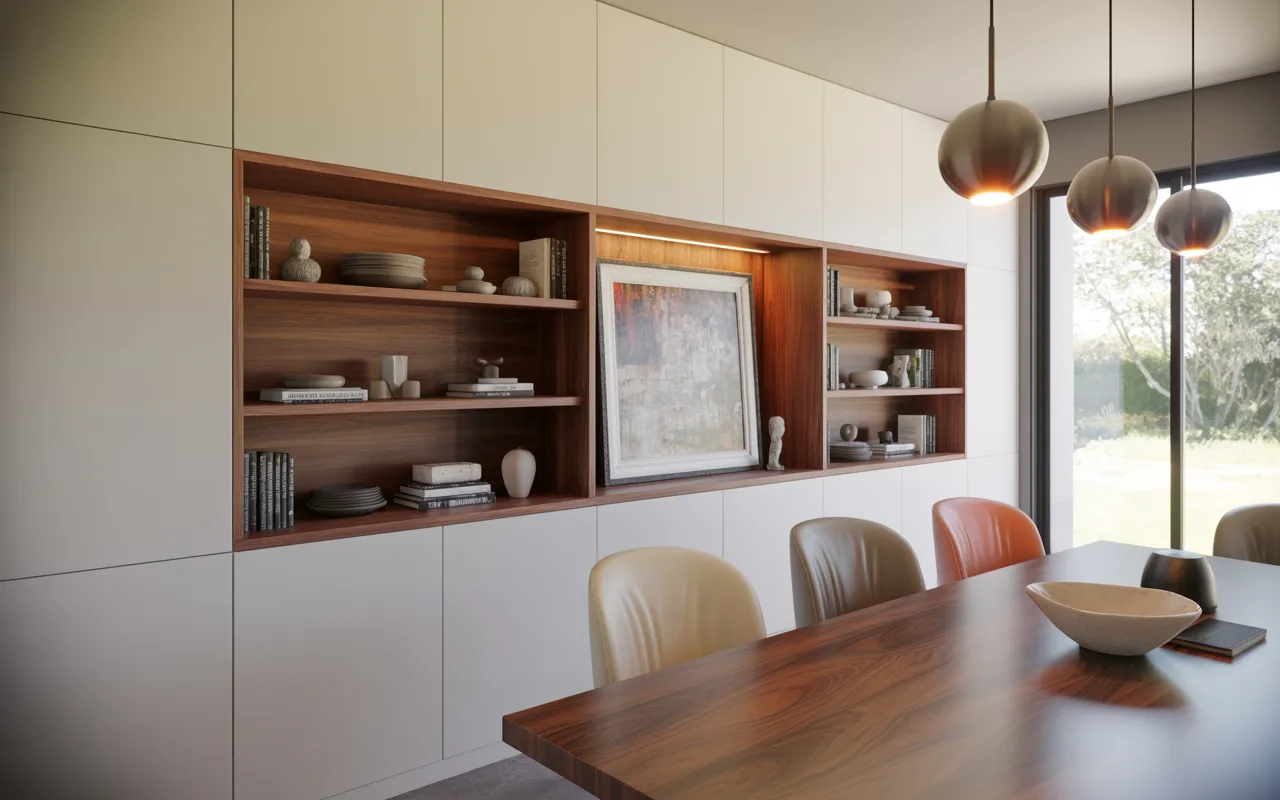
Built-in wall storage keeps the floor open while giving the dining room a polished custom look. I love using lower cabinets for hidden storage and upper shelves for dishes, decor, or serving pieces. Symmetrical layouts help built-ins feel balanced instead of overwhelming. Adding artwork or soft lighting between shelves also makes the storage feel more decorative than bulky.
Pro Tip: Use closed lower cabinets for less attractive items like cords, extra linens, and seasonal serving trays.
Glass Cabinet Storage
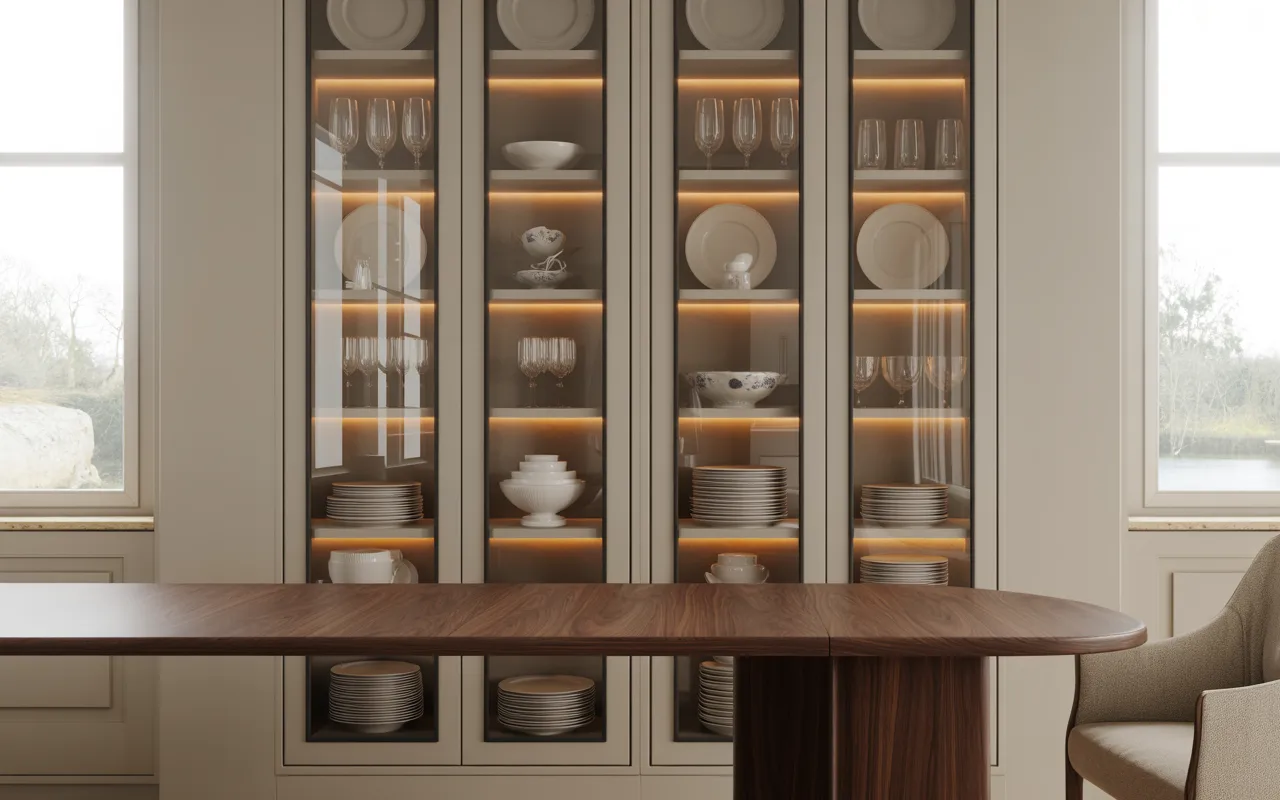
Glass-front cabinets make storage feel lighter because they allow the eye to move through the room. I often use them to display dishes, glassware, and entertaining essentials in an organized way. Keeping the contents color-coordinated prevents shelves from looking messy. Soft lighting inside the cabinets can also make the dining room feel warm and elegant at night.
Pro Tip: Stick to neutral dishes and matching glassware to create a cleaner and more luxurious cabinet display.
Full-Wall Storage
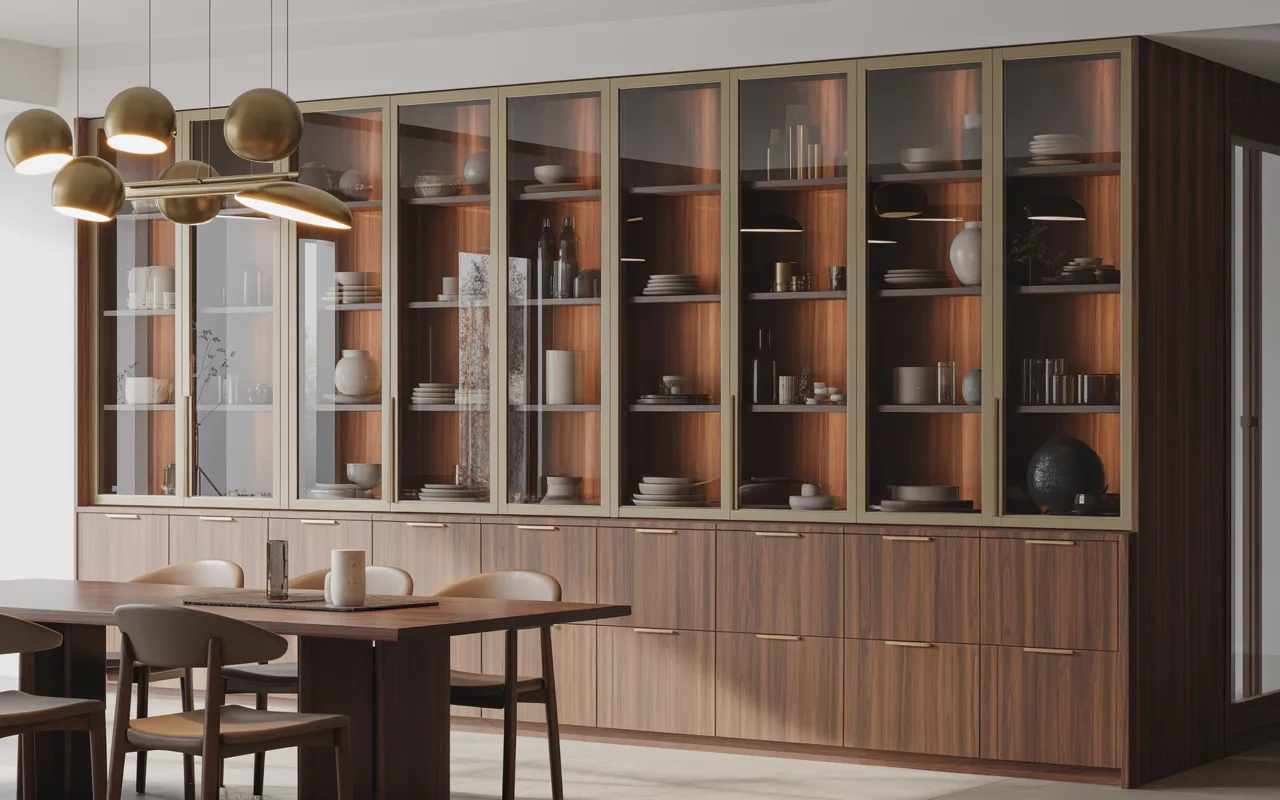
A full wall of storage can completely transform a dining room when designed properly. I like mixing lower closed cabinets with open or glass-front upper sections to create visual balance. This setup works especially well in open-concept homes where the dining room needs extra functionality. Proper lighting also helps large storage walls feel softer and more welcoming.
Pro Tip: Break up solid cabinetry with open shelves or glass doors so the wall doesn’t feel too heavy.
Display-First Storage
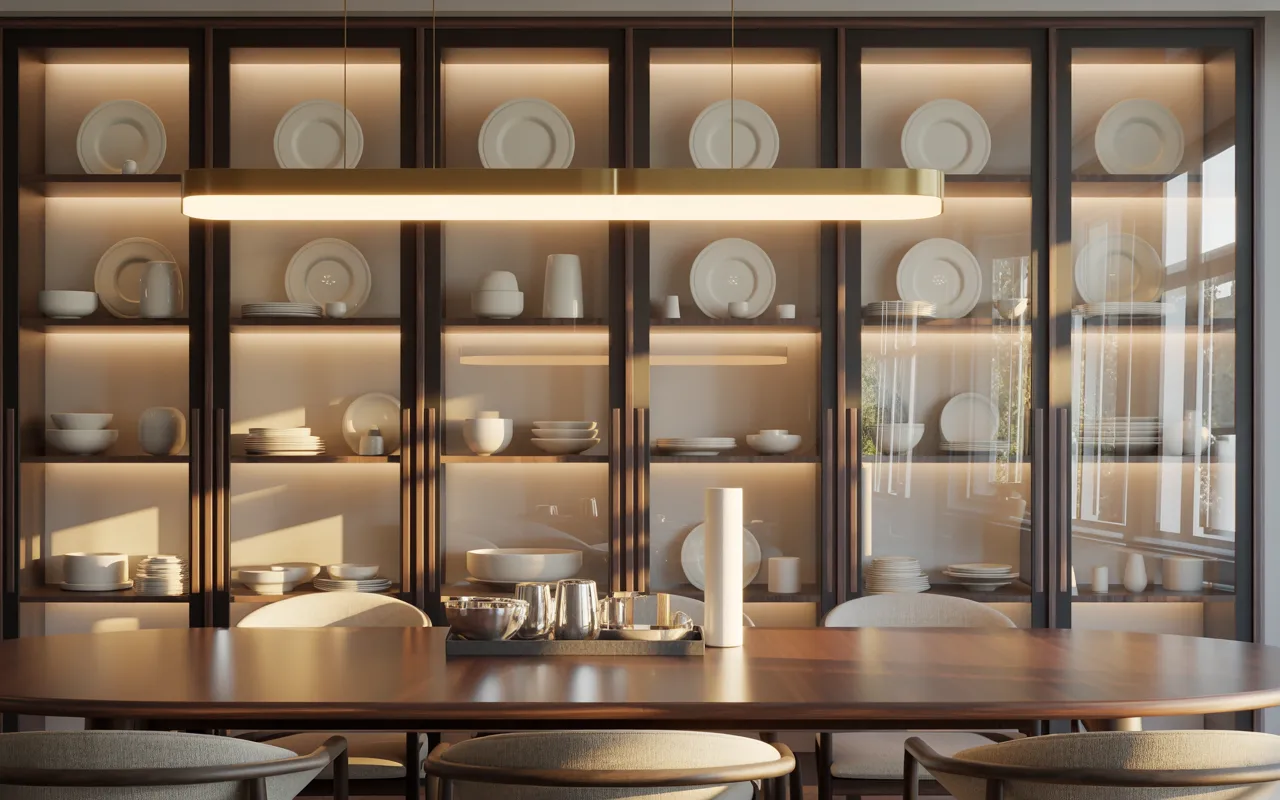
Dining room storage can double as decor when favorite dishes and serving pieces are intentionally displayed. I prefer using glass cabinets or open shelves with a simple and consistent color palette. Displaying only a few curated pieces keeps the room calm instead of cluttered. This approach works especially well for people who host guests regularly.
Pro Tip: Leave empty space between displayed items so shelves feel styled rather than overcrowded.
Entertaining Storage Wall
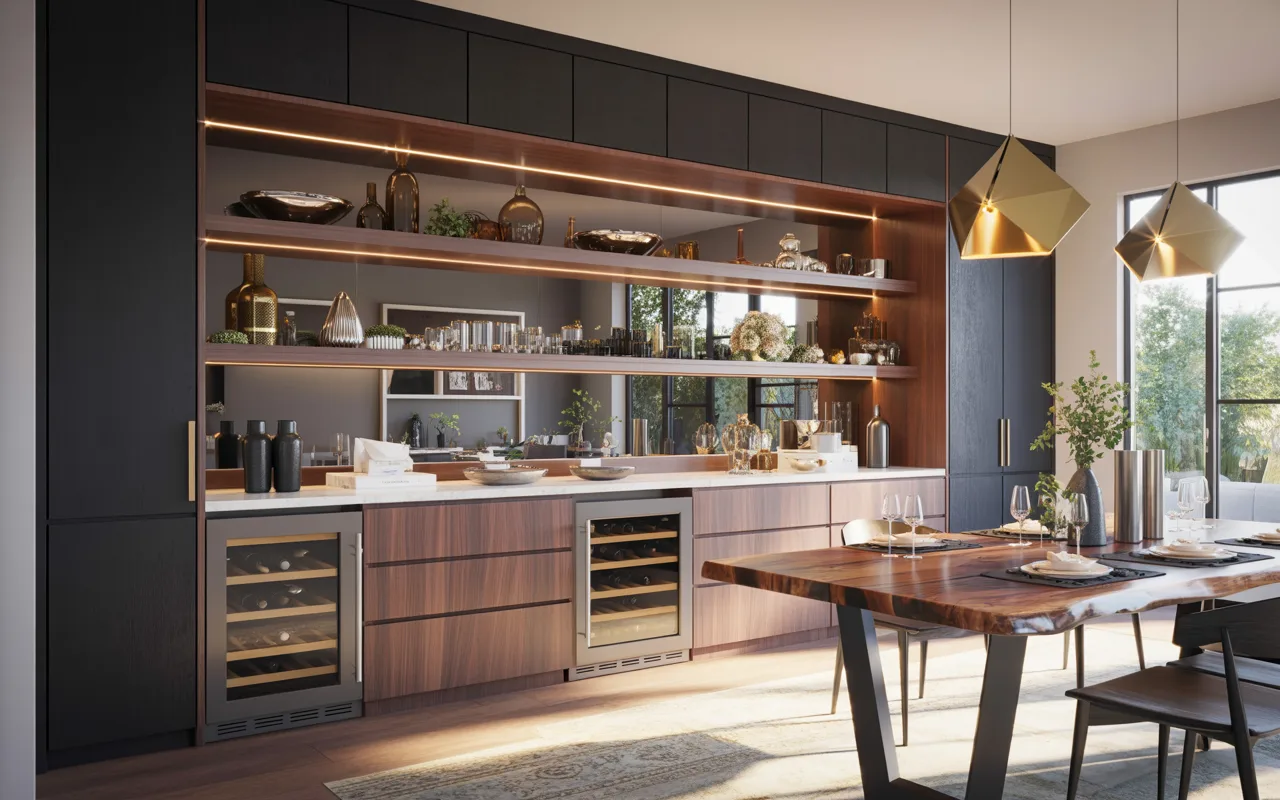
Hosting becomes much easier when everything you need stays organized in one place. I like combining closed cabinets, open shelves, and beverage storage to create a dining room entertaining station. This setup works beautifully in homes where the dining room connects directly to the kitchen. It also makes serving guests more convenient during gatherings.
Pro Tip: Store serving trays and platters vertically inside cabinets to save shelf space and improve access.
Sideboard Cabinet Setup
A sideboard is one of the most versatile dining room storage pieces you can own. I use sideboards for storing linens, candles, serving dishes, and even seasonal decor. Choosing a slim sideboard helps preserve floor space while still offering plenty of hidden storage. Decorative lighting above the sideboard also helps anchor the room visually.
Pro Tip: Add drawer organizers inside the sideboard to keep smaller dining accessories from becoming cluttered.
Slim China Cabinet
A narrow china cabinet can provide excellent storage without overwhelming a small dining room. I especially like tall cabinets with glass doors on top and drawers below for a balanced look. Vertical storage helps maximize height while keeping the room visually open. Glass panels also prevent dark furniture from feeling too bulky.
Pro Tip: Use the upper glass section for display items and the lower drawers for practical everyday storage.
Bar Cabinet Niche
Even a small recessed wall can become functional storage when turned into a mini bar station. I like adding mirrored backing and glass shelves to create depth and brightness. This idea works perfectly in dining rooms connected to hallways or living spaces. Interior lighting also helps make the setup feel more elevated and inviting.
Pro Tip: Install adjustable shelves so the cabinet can hold bottles and glassware of different heights.
Symmetrical Storage Run
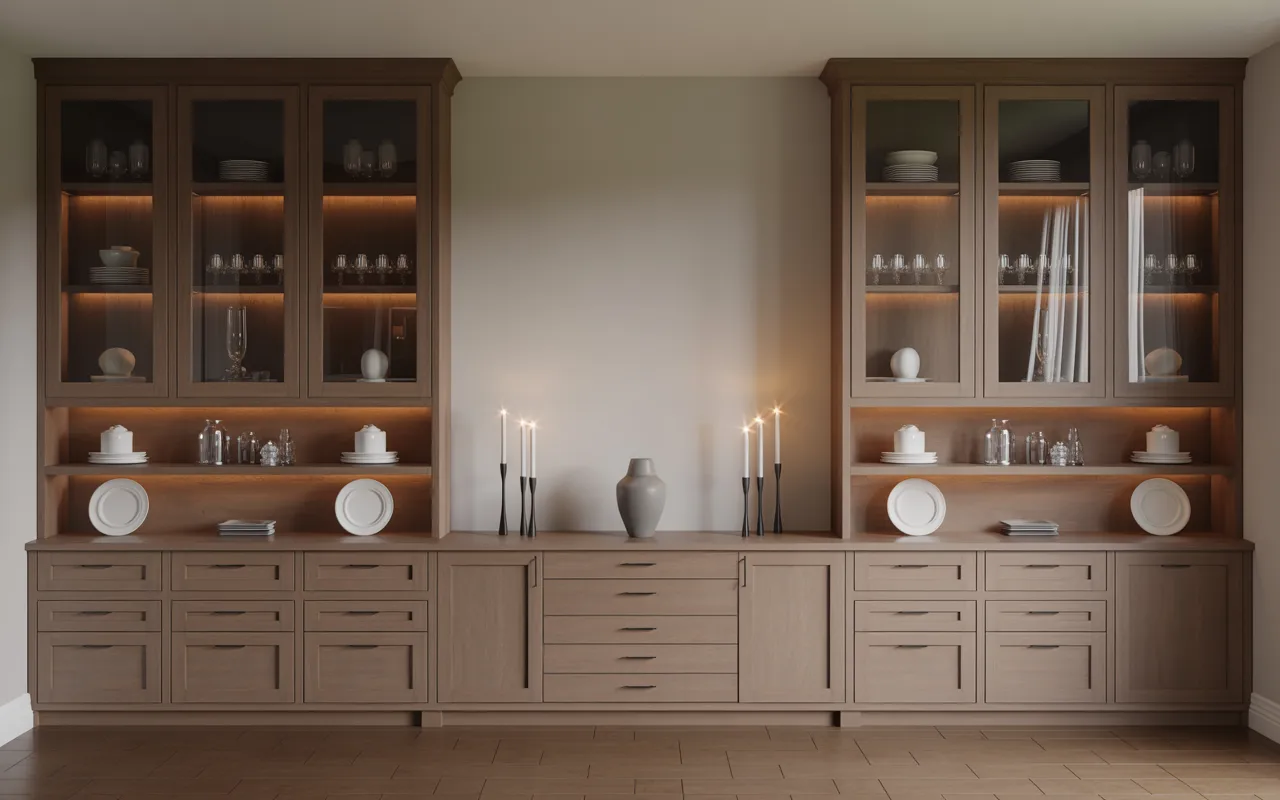
Symmetry instantly makes a dining room feel calmer and more organized. I like placing matching storage towers on both sides of a serving area or central wall feature. Balanced storage layouts work especially well in formal dining rooms. Keeping the center area open prevents the room from feeling overcrowded.
Pro Tip: Repeat similar decor pieces on both sides to strengthen the symmetrical design visually.
Fireplace Storage Moment
The wall around a fireplace often becomes wasted space in dining rooms. Built-in cabinets and shelves around the fireplace can add both storage and architectural interest. I usually recommend combining glass-front uppers with closed lower cabinets for a balanced look. Soft lighting also helps highlight the fireplace without making storage feel too dominant.
Pro Tip: Keep decor around the fireplace minimal so the room still feels elegant and uncluttered.
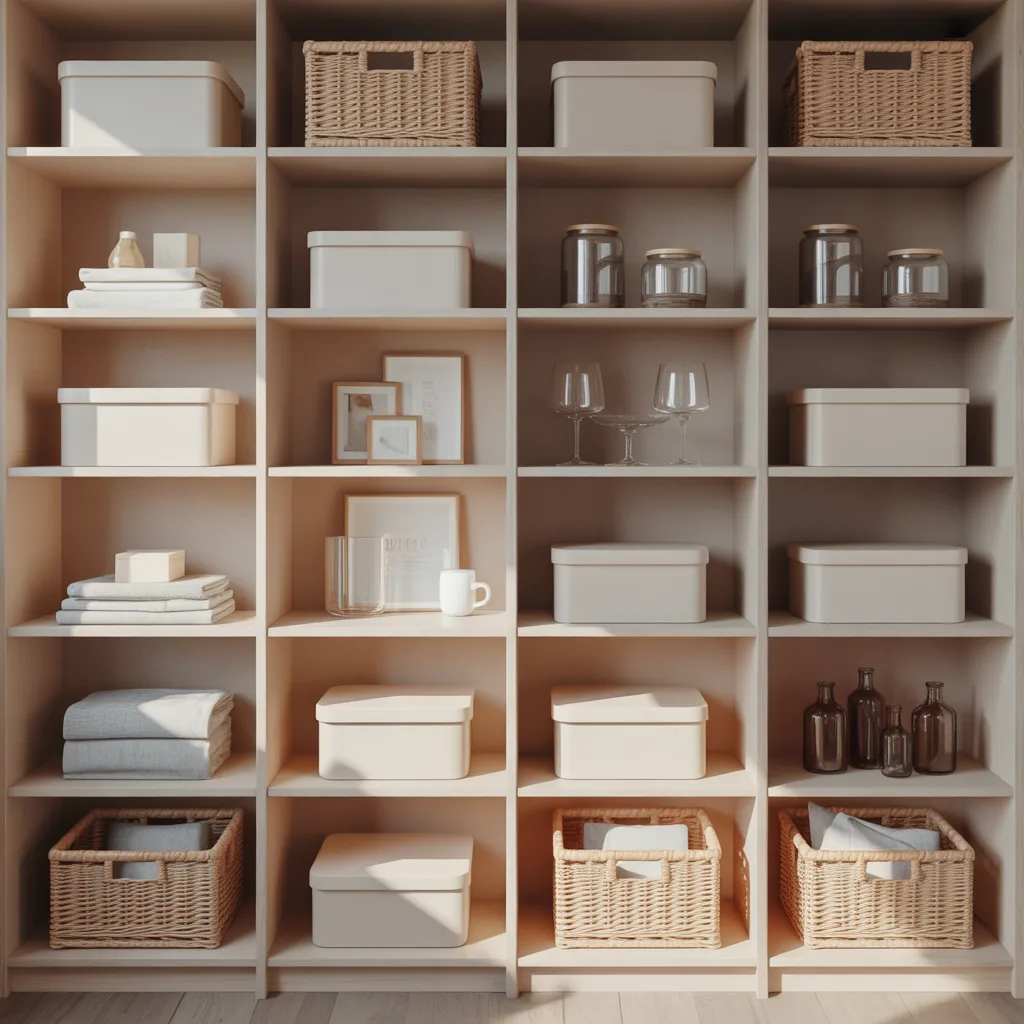
Pantry-Style Storage
Dining rooms can function better when they borrow storage ideas from modern pantries. Tall cabinets and organized shelving work beautifully for storing dishes, snacks, small appliances, and extra supplies. This setup is especially practical for families who use the dining room daily. Clear organization systems also make the space easier to maintain.
Pro Tip: Use labeled baskets and matching containers to make pantry-style storage look neat and intentional.
Beverage Storage Center
A dedicated beverage station can make daily routines feel much smoother. I like creating a central counter space surrounded by cabinets for coffee supplies, glasses, drinks, and serving essentials. This setup works particularly well in homes that entertain frequently. It also helps reduce clutter in the kitchen.
Pro Tip: Include a small tray on the counter to keep coffee tools and drink accessories organized neatly.
Library Wall Storage
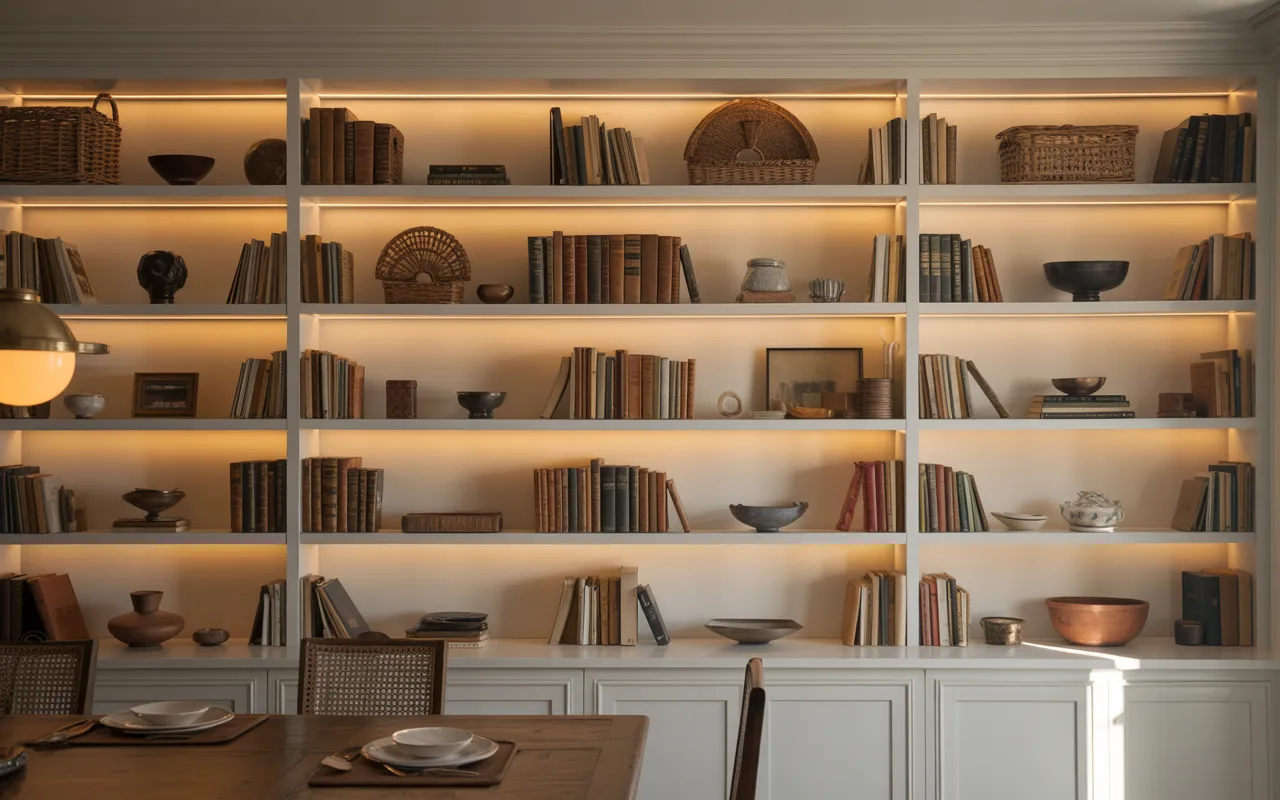
Floor-to-ceiling shelving can turn a dining room into a cozy and functional space. I love combining books, baskets, and decorative serving pieces to create a layered but organized look. Slim shelves prevent the room from feeling visually heavy. Proper lighting also helps large shelving walls feel warmer and more inviting.
Pro Tip: Mix decorative items with practical storage so the shelves feel balanced instead of overly styled.
Balanced Beverage Storage
Large storage walls feel more polished when the design stays visually balanced. I like placing tall cabinets on each side while leaving the center open for serving space or wine storage. This arrangement creates structure without overwhelming the dining room. Soft lighting also helps cabinets blend naturally into the space.
Pro Tip: Use similar finishes and hardware throughout the storage wall for a cleaner overall appearance.
Low Sideboard Storage
Low storage furniture helps dining rooms feel more open because it preserves sightlines across the room. I often recommend wide sideboards in spaces shared with living areas. Deep drawers and cabinets provide excellent hidden storage without making the room feel crowded. Decorative wall art above the unit also creates balance.
Pro Tip: Style the top of the sideboard with only a few decor items to avoid visual clutter.
Vintage Hutch Storage
Vintage hutches add both character and practical storage to dining rooms. I love using older furniture pieces because they often include a mix of drawers, shelves, and display cabinets. Natural wood finishes also add warmth and personality to modern interiors. A balanced mix of open and closed storage keeps the piece functional.
Pro Tip: Line hutch drawers with soft liners to protect delicate serving pieces and dishes.
Floor-to-Ceiling Cabinets
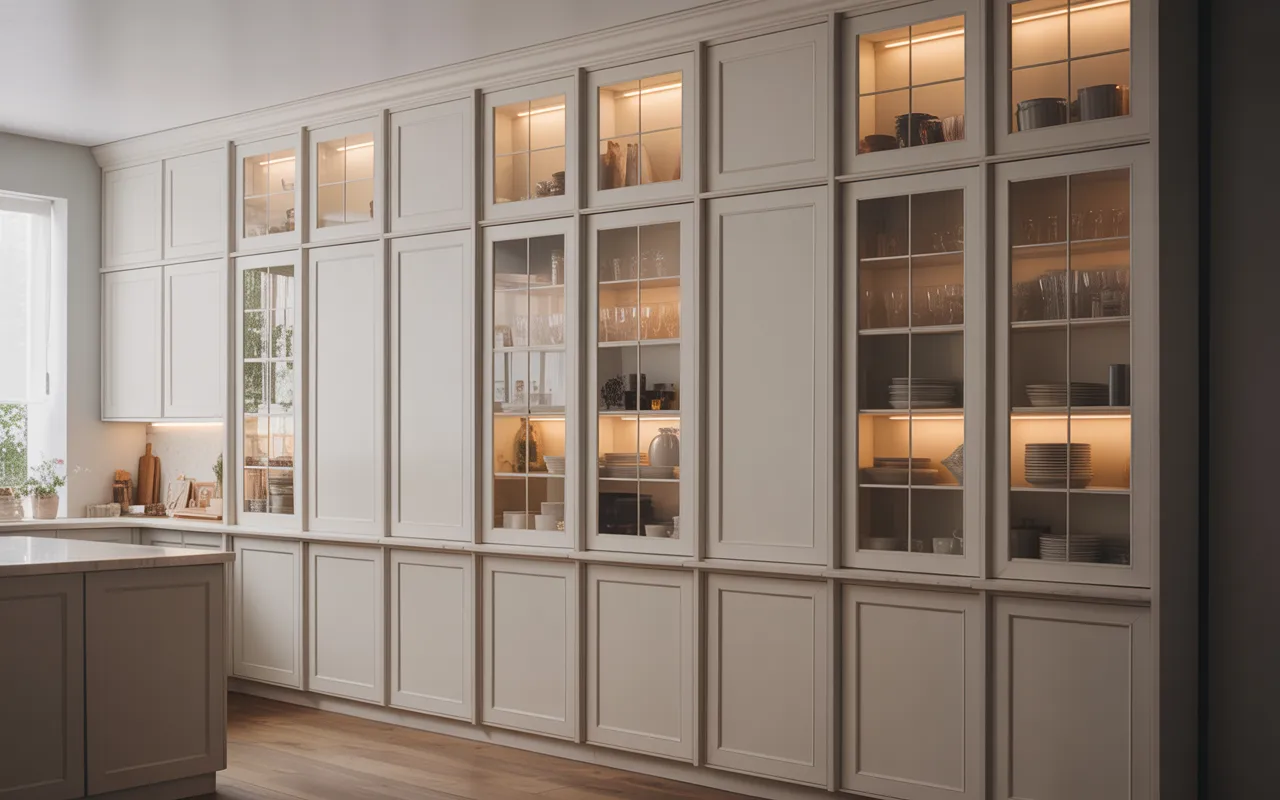
Tall cabinets maximize storage by using vertical wall space effectively. I usually reserve upper sections for seasonal dishes and less-used entertaining supplies. Keeping daily items lower makes the setup more convenient and functional. Light cabinet colors also help tall storage feel less imposing.
Pro Tip: Add small cabinet lights inside glass sections to make tall storage feel brighter and more elegant.
Wine Storage Feature
Wine storage can become a beautiful focal point instead of just practical storage. I like pairing vertical wine racks with drawers for bar tools, napkins, and serving accessories. Glass-front wine cabinets also make dining rooms feel more upscale and entertaining-friendly. Proper lighting enhances the display even more.
Pro Tip: Keep wine storage away from direct sunlight to help maintain bottle quality over time.
Kitchen-Style Storage
Dining rooms work harder when they borrow organizational ideas from kitchens. Full cabinetry with counter space creates room for coffee stations, serving areas, or hidden appliance storage. Glass uppers help the room stay visually open while closed cabinets reduce clutter. This setup works especially well in multifunctional homes.
Pro Tip: Use under-cabinet lighting to make dining storage feel warmer and more functional at night.
Open Shelf Balance
Open shelving can look beautiful when it’s styled intentionally. I prefer mixing everyday dishes with small decor accents while keeping colors simple and cohesive. Too many items can quickly make shelves feel cluttered. Leaving open space between objects creates a cleaner and calmer appearance.
Pro Tip: Group items in sets of three to create shelves that feel visually balanced and organized.
Bar Drawer Storage
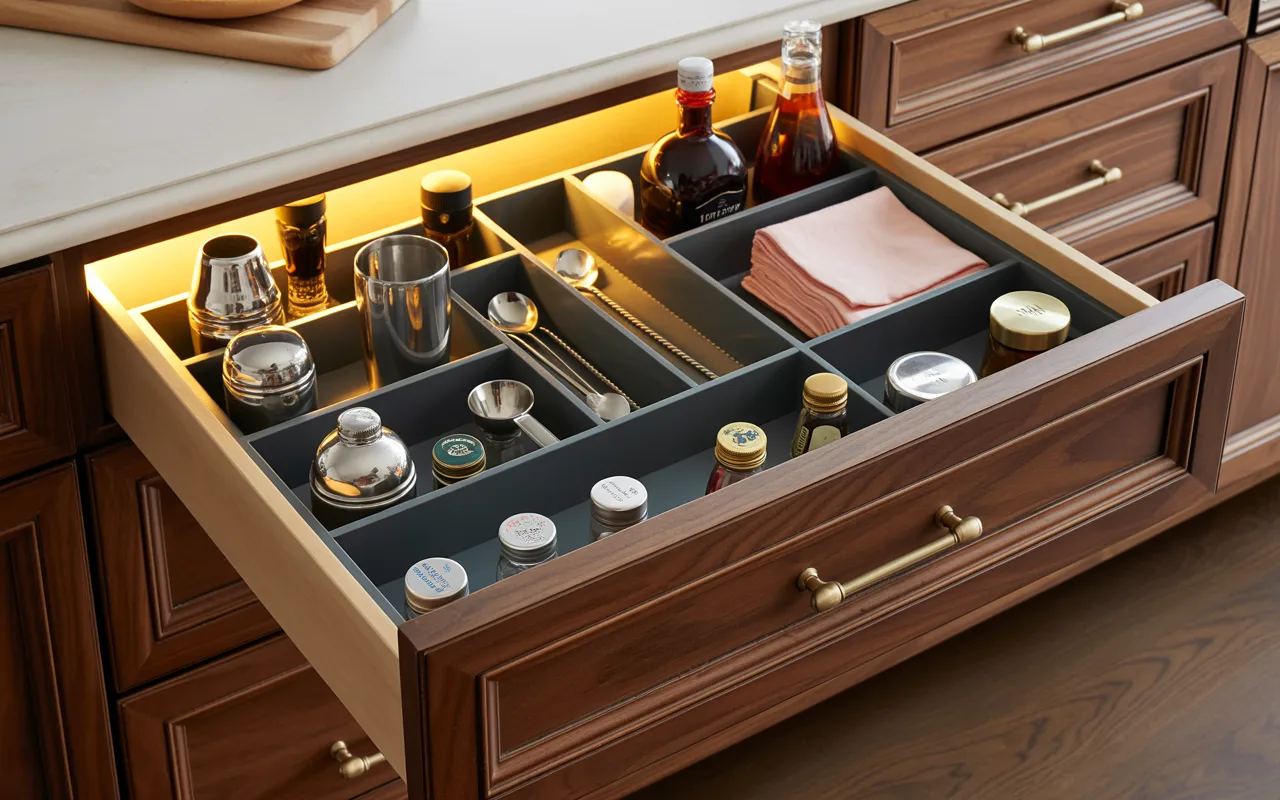
Drawer storage works extremely well for organizing bar supplies and entertaining essentials. Deep drawers can hold bottles, tools, mixers, napkins, and accessories neatly. I also like using divided organizers inside drawers to keep everything easy to find during gatherings.
Pro Tip: Add non-slip drawer liners to stop bottles and tools from shifting around.
Storage Seating Combo
Storage benches are one of my favorite small dining room solutions because they combine seating and hidden organization in one piece. Drawers under benches can hold linens, seasonal decor, or extra dishes without requiring additional furniture. This setup is especially useful in compact dining areas.
Pro Tip: Use soft-close drawers in bench seating to prevent wear and improve durability.
Art-Centered Storage
Storage feels far more intentional when it frames artwork or mirrors instead of dominating the room. I like using low cabinets with tall display towers on each side for balance. This layout creates a focal point while still providing practical organization. Wall sconces can also enhance the decorative effect beautifully.
Pro Tip: Choose oversized artwork to help visually anchor large storage walls.
Corner Display Cabinet
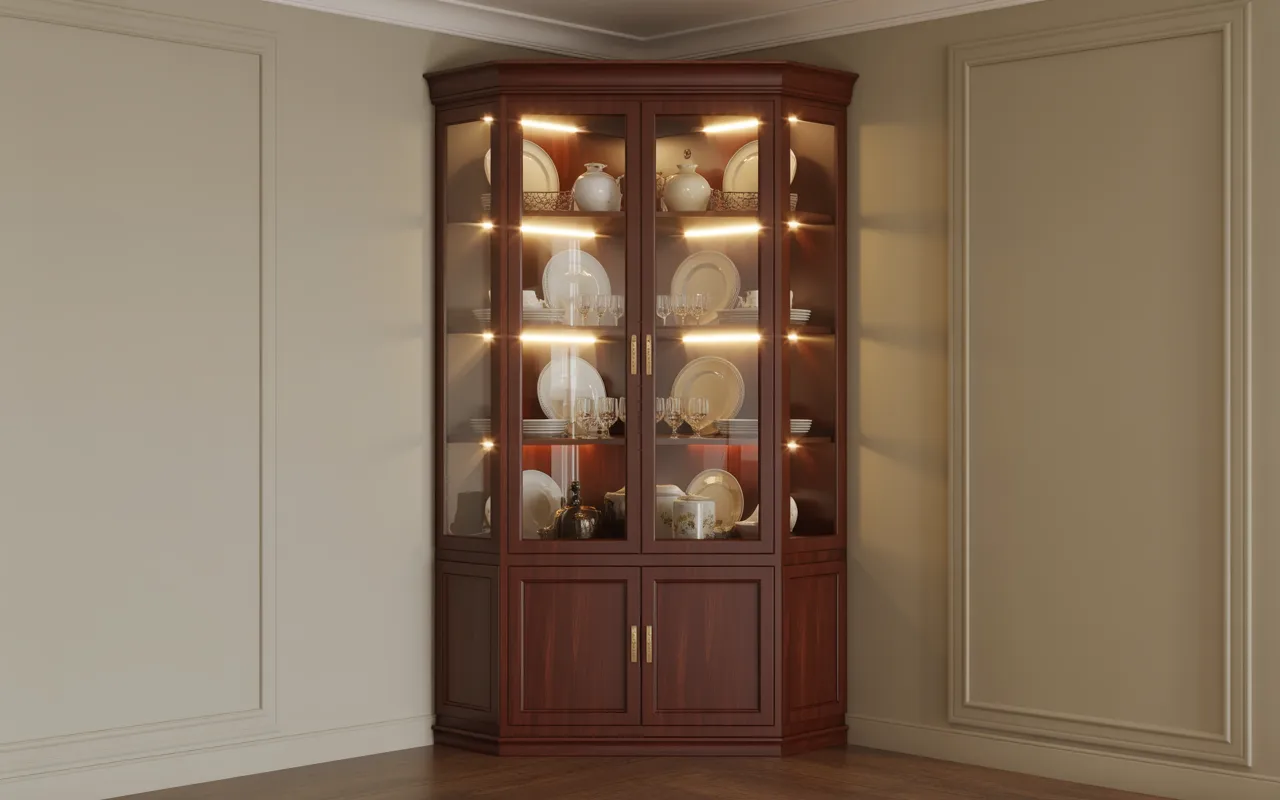
Corners are often underused in dining rooms, but tall corner cabinets can transform awkward spaces into stylish storage. Glass-front cabinets work especially well because they keep the room feeling open. Corner storage also helps maximize functionality without blocking walkways.
Pro Tip: Add subtle interior lighting inside the cabinet to highlight dishes and decor beautifully.
Glass Wall Storage
Glass storage helps dining rooms feel brighter because light moves through the cabinets instead of stopping at solid doors. I prefer slim metal-framed glass cabinets in smaller dining spaces because they feel modern and visually lightweight.
Pro Tip: Clean glass doors regularly to keep the dining room looking polished and bright.
Tall Corner Storage
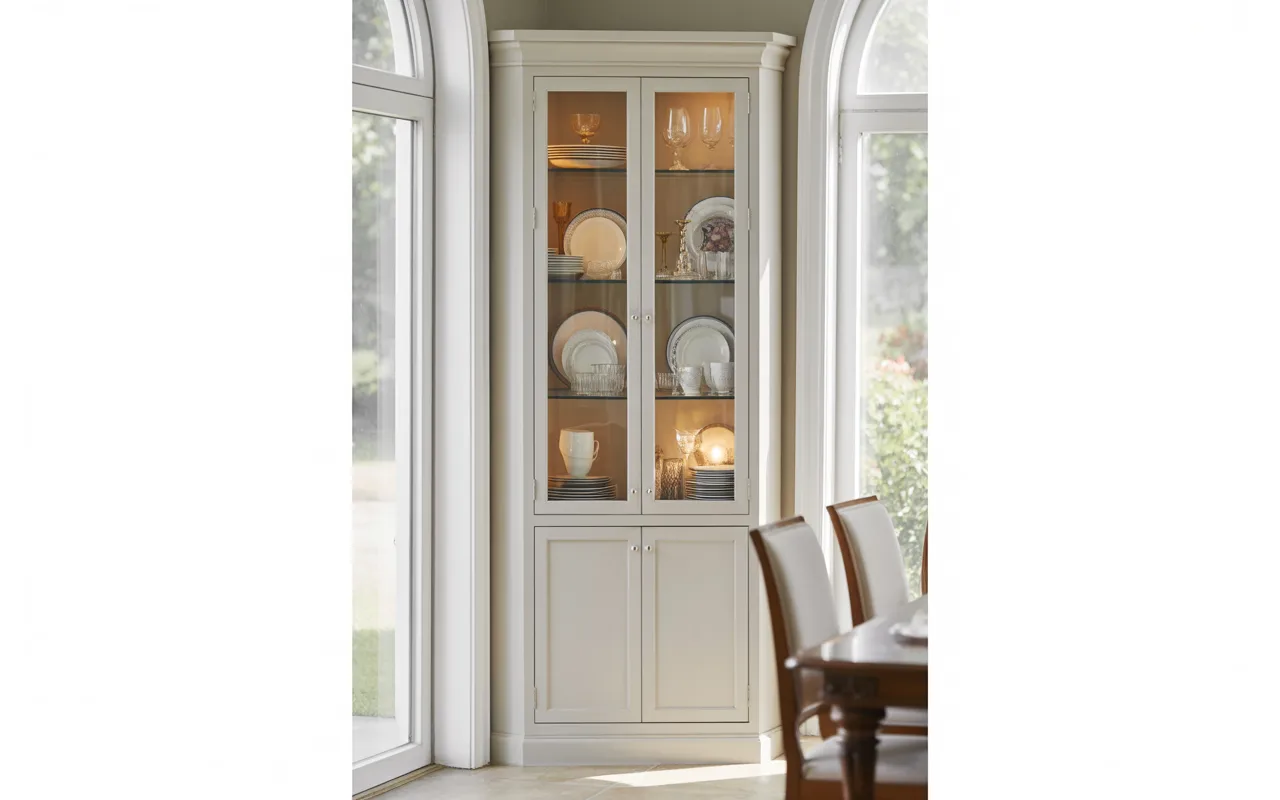
Tall corner cabinets maximize vertical space without requiring large footprints. I especially like narrow glass-front units for dining rooms with limited wall space. This type of storage works beautifully near windows because natural light helps the cabinet feel airy instead of bulky.
Pro Tip: Use the highest shelves for seasonal or rarely used dining items to maximize functionality.
FAQs
1. What’s the best storage furniture for a small dining room?
I usually recommend tall cabinets, built-ins, or slim sideboards because they provide storage without taking over valuable floor space. Vertical furniture helps maximize smaller dining rooms more effectively.
Pieces with drawers and closed cabinets also help reduce visual clutter. Glass-front furniture works beautifully too when shelves stay organized and minimal.
2. How do I keep open shelves from looking cluttered?
The easiest way is to limit how many items you display at once. I like using matching dishes, stacked plates, and coordinated decor pieces so shelves feel intentional instead of random.
It also helps to hide less attractive items inside drawers or cabinets. Adding soft lighting can make open shelving look more styled and elegant.
Conclusion
A dining room doesn’t need to be large to feel functional and organized. I’ve found that smart storage solutions like built-ins, sideboards, vertical cabinets, and multifunctional seating can completely change how the space works every day.
The key is choosing storage that supports your lifestyle while keeping the room visually balanced. With the right dining room storage ideas, even a compact space can feel welcoming, clutter-free, and beautifully designed.