



Opening your mailbox or inbox shouldn’t feel stressful, but for many people, it quickly turns into a pile of forgotten papers and missed reminders. Bills, letters, and important notices can pile up before you even notice, making everyday tasks feel harder than they should.
The good news is that organizing mail does not need to be complicated. A few smart systems can help you sort papers faster, avoid clutter, and keep important documents exactly where you need them.
Whether you deal with paper mail daily or only a few times a week, these practical mail organization ideas can help you stay more organized in 2026.
key takeaway
- Create one designated place for incoming mail
- Use wall organizers to save space and reduce clutter
- Sort papers into categories for easier management
- Keep bills separate to avoid missed payments
- Use simple systems you can follow consistently
- Schedule regular cleanups to prevent paper buildup
How to Organize Your Mail

Treat your inbox like a temporary stop instead of permanent storage. Every time new mail arrives, decide whether it needs action, filing, or disposal. Keeping unnecessary papers sitting around often leads to clutter and frustration over time.
Simple categories such as bills, work papers, school documents, or personal mail make sorting easier. When something matters, file it right away, and recycle or shred what you no longer need to avoid overwhelming piles.
Pro Tip: Set aside five minutes each day to sort mail so clutter never gets out of control.
Central Mail Drop Zone
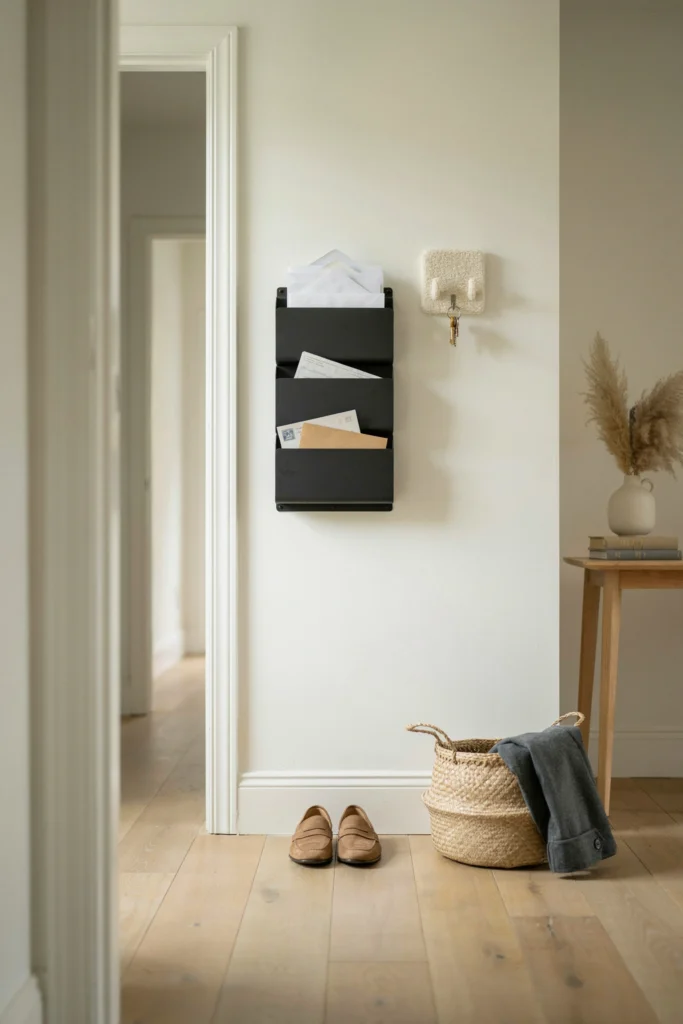
Mail easily disappears when it gets scattered around the house. Creating one dedicated drop zone near your front door or entryway gives every letter a proper place the moment it arrives, making daily organization much easier.
A slim wall organizer or compact tray works best for collecting incoming mail only. Pairing it with a visible calendar can also help you stay on top of payment dates and appointments.
Pro Tip: Keep the drop zone small to avoid turning it into long-term storage.
Wall Mail Station
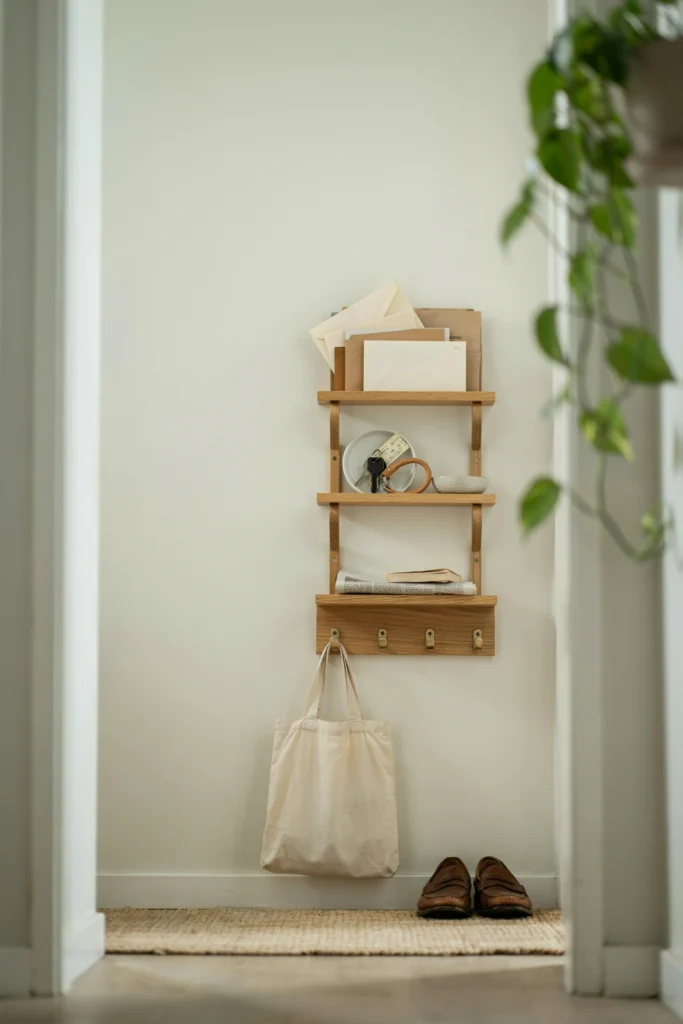
A wall-mounted mail station helps keep important papers visible instead of buried under random household items. This option works especially well in smaller homes, apartments, or spaces with limited counter room.
Adding hooks, shelves, or labeled sections near the entrance helps keep everything tidy while making sure letters remain easy to grab before leaving the house.
Pro Tip: Choose light-colored storage to make paperwork easier to notice quickly.
Action Board System
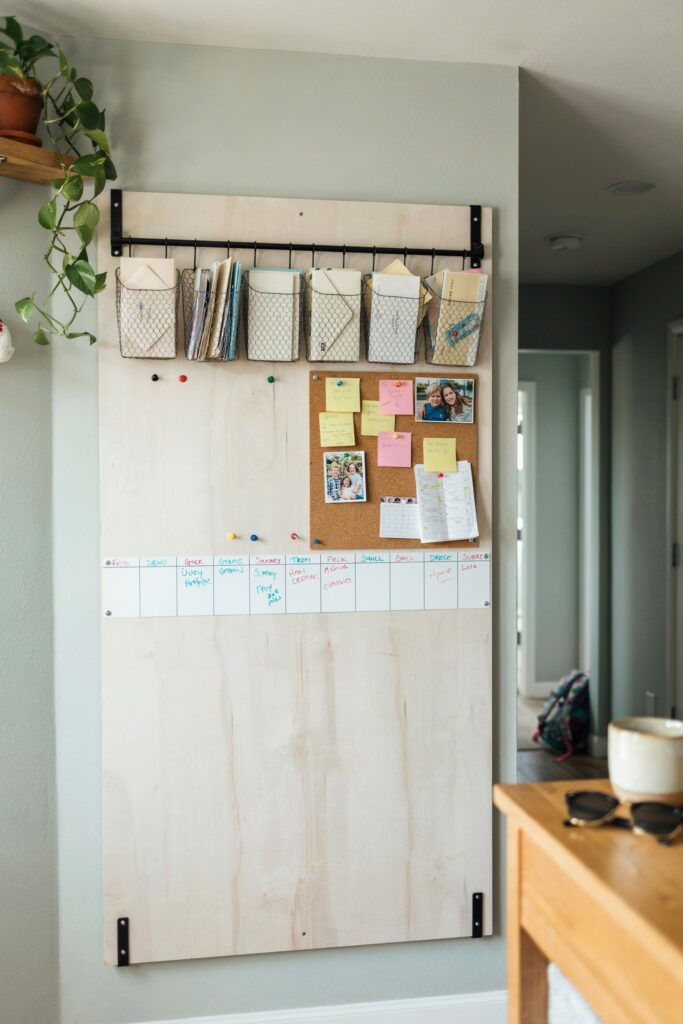
Mail becomes more manageable when it turns into visible reminders instead of forgotten stacks. An action board with a mail pocket and writing space helps you remember tasks linked to bills, notices, or invitations.
Keeping urgent documents front-facing prevents delays, while reminder notes make it easier to stay on top of deadlines without feeling overwhelmed.
Pro Tip: Use sticky notes for urgent deadlines so nothing important gets missed.
Three-Stage Mail Sorting
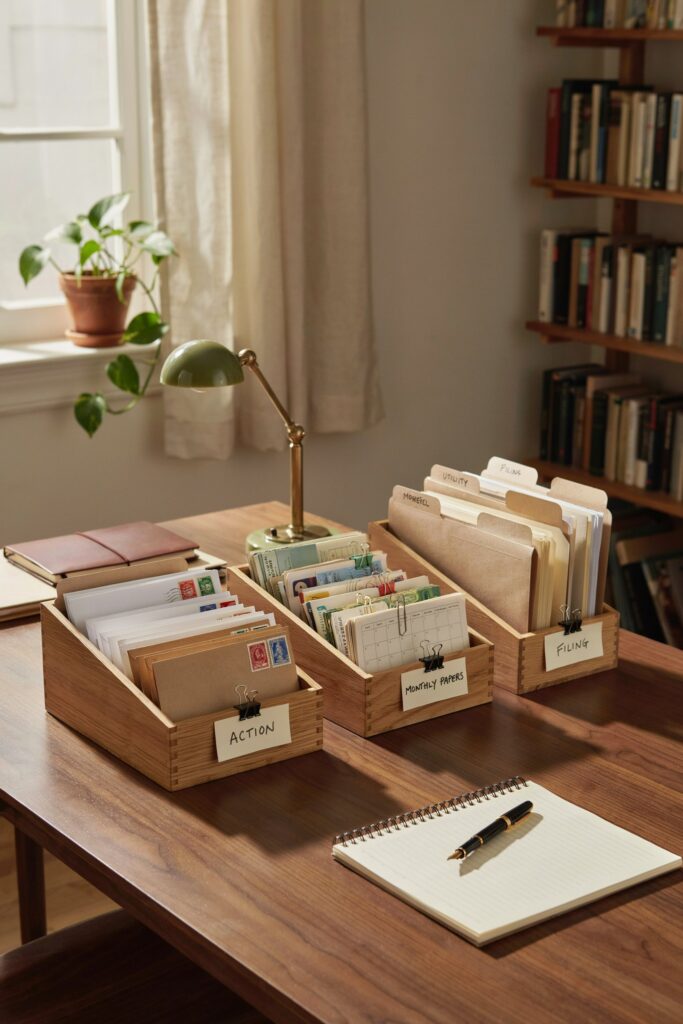
Sorting mail becomes easier when you follow a simple system. Divide incoming papers into three sections: items needing action, current month documents, and long-term storage to avoid unnecessary mess.
Labels reduce confusion and help speed up decisions, especially when dealing with bills, event invitations, and important paperwork throughout the week.
Pro Tip: Place your sorting station somewhere visible to encourage consistent use.
Alphabetical Mail Sort Slots
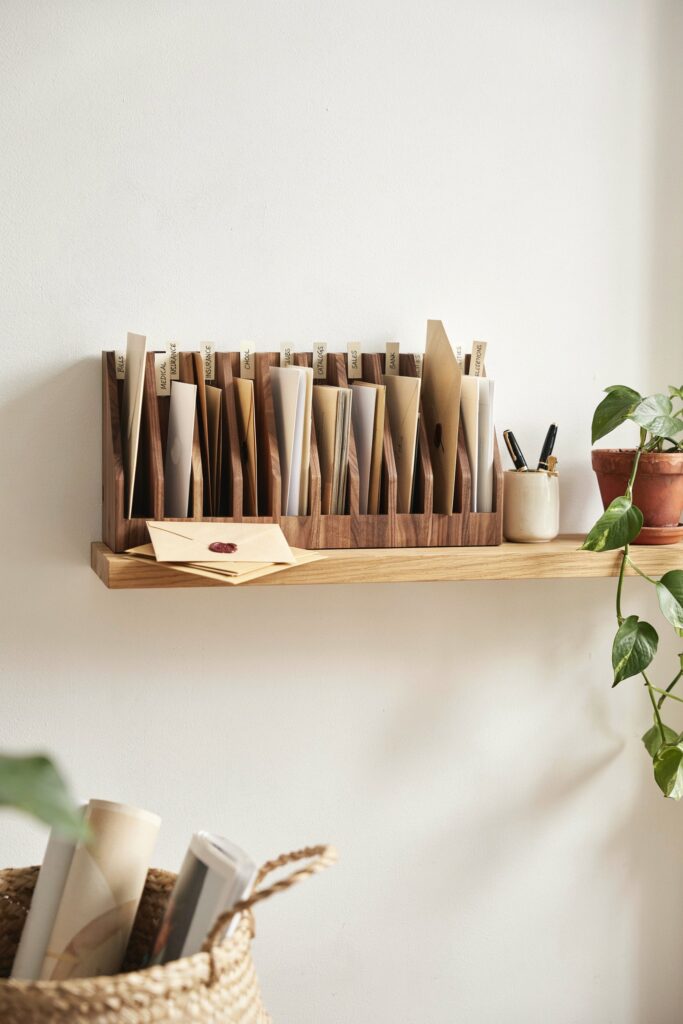
Finding paperwork becomes much faster when documents are sorted alphabetically. Label slots with letter ranges so papers can be organized immediately instead of piling up randomly.
This method works well for households managing large amounts of mail because it cuts down the time spent searching for important documents later.
Pro Tip: Use bold labels so family members can sort papers without confusion.
Drawer Mail Organization System
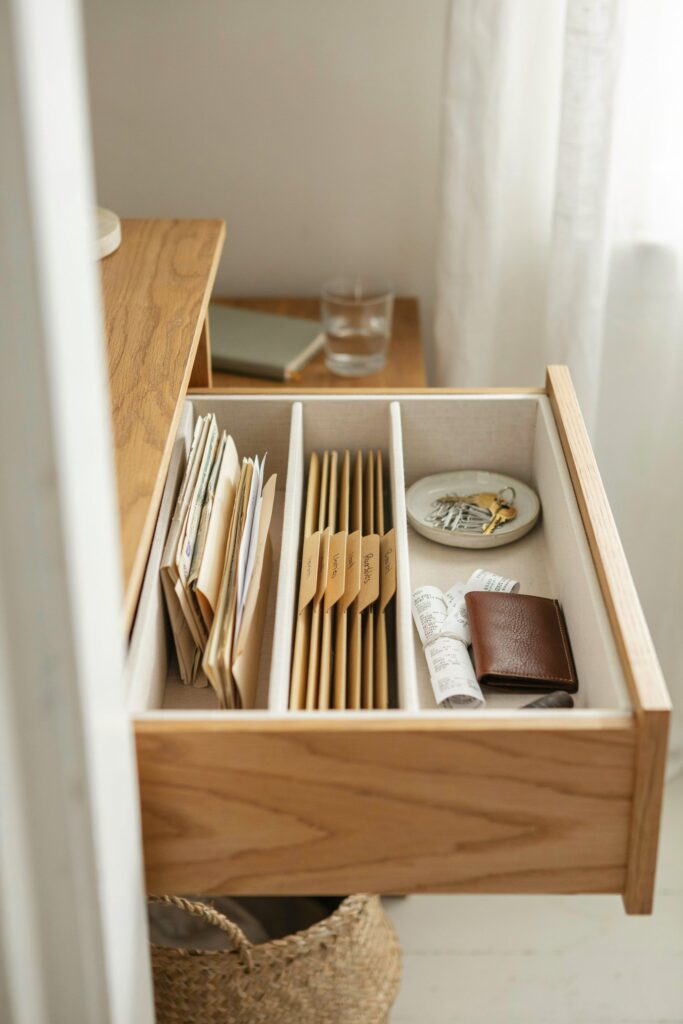
A drawer-based system hides clutter while keeping important papers easy to access. Dividers can separate bills, letters, forms, and personal documents without letting papers pile up into chaos.
Vertical organization inside drawers helps prevent forgotten paperwork from sinking underneath other items, making retrieval much faster.
Pro Tip: Clear trays inside drawers make categories easier to spot at a glance.
Basket Mail Catcher
Loose mail tends to spread across desks and shelves quickly. A sturdy basket creates boundaries and gives papers a simple home while keeping everything within reach.
Standing envelopes upright helps keep labels visible, while grouping similar documents together saves time when sorting through paperwork later.
Pro Tip: Choose an open basket for quick access instead of deep storage bins.
Vertical Mail Cabinet
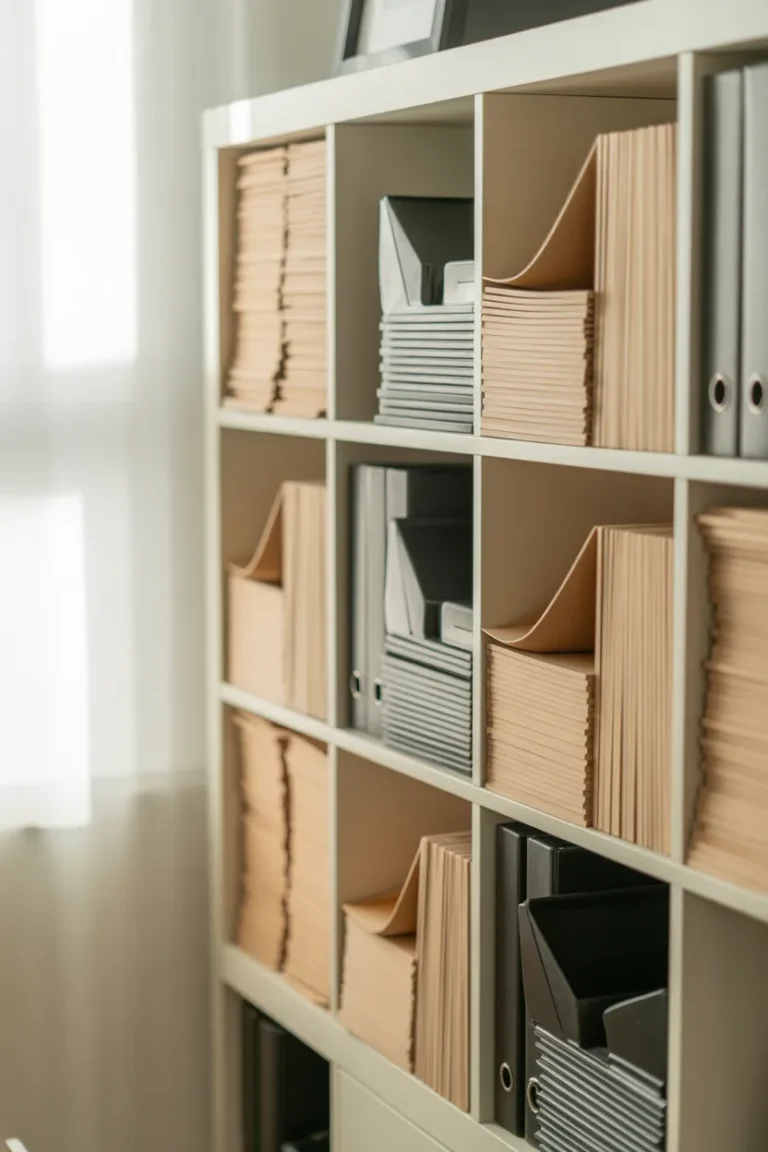
Keeping papers upright can make mail easier to manage. A vertical cabinet with divided sections helps organize letters neatly while preventing stacks from becoming overwhelming.
Wall-mounted options work particularly well in entryways, offices, or hallways where space is limited but accessibility still matters.
Pro Tip: Separate cabinet sections by category to simplify daily sorting.
Scan Mail Digitally First

Paper clutter shrinks quickly when important documents are scanned and saved digitally. Bills, notices, and records often do not need physical copies once securely stored online.
Scanning papers as soon as they arrive reduces storage needs and makes important information easier to search whenever needed.
Pro Tip: Create clearly labeled digital folders to find files faster later.
Weekly Mail Reset Routine
Mail can pile up quickly without a regular system. Choosing one day each week to sort, file, recycle, or pay bills helps stop clutter before it grows.
A predictable weekly habit works especially well for people who dislike daily organizing and prefer handling tasks all at once.
Pro Tip: Add your mail reset day to your calendar so you don’t forget.
Bills-Only Folder
Bills often create unnecessary stress when mixed with general paperwork. A dedicated folder for payment-related mail makes tracking due dates easier and reduces the chances of missed payments.
Keeping financial papers together also saves time whenever you need statements, receipts, or account information.
Pro Tip: Place your bills folder near where you usually handle finances.
Color-Coded Mail System
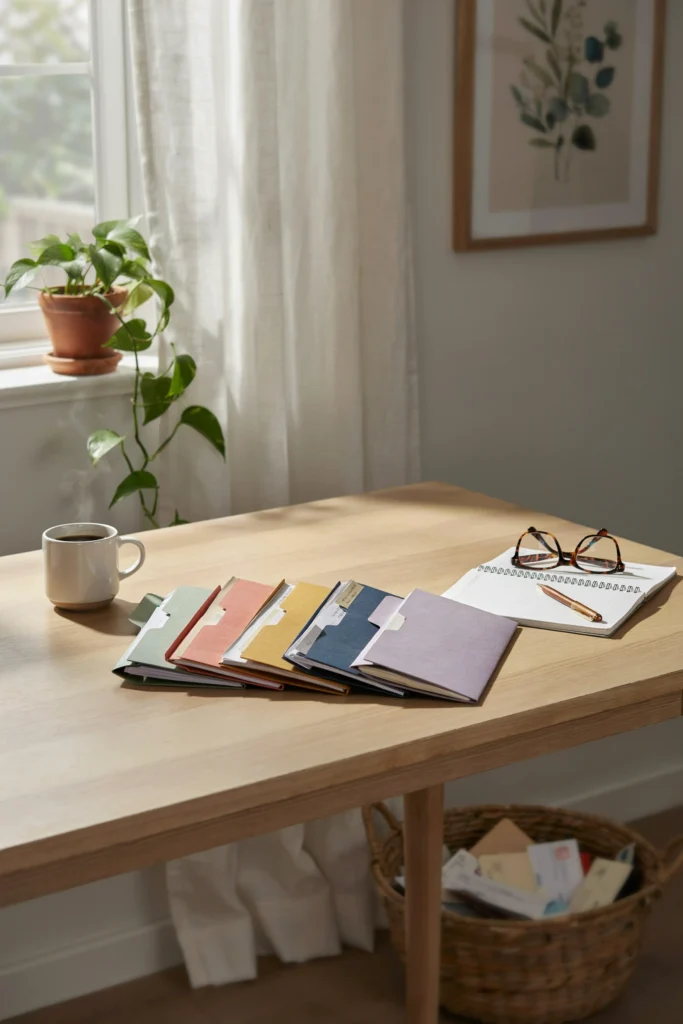
Using colors for organization helps speed up decisions without much effort. Assigning different colors to bills, school documents, personal letters, or work papers creates instant visual recognition.
Instead of reading every paper individually, you can identify priorities at a quick glance and stay more organized throughout the week.
Pro Tip: Keep color choices simple so the system stays easy to follow.
Open Mail Immediately Rule
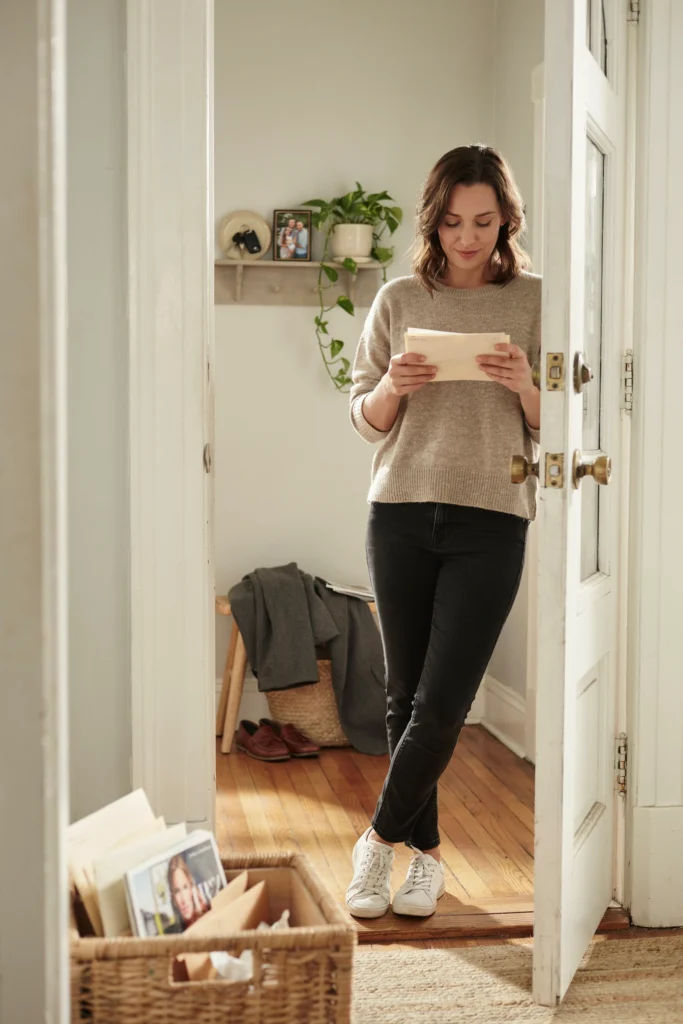
Unopened envelopes often create unnecessary stress and confusion. Opening mail as soon as it arrives helps you understand what needs attention and what can be discarded immediately.
Once papers are opened, they usually feel easier to manage because you know exactly what action is required.
Pro Tip: Keep a recycling bin nearby for junk mail you can throw away instantly.
FAQs
How Do You Choose a Mail Organizer?
The best mail organizer depends on where papers usually collect in your home and how often you sort them. Entryways work well with wall pockets or trays, while desks often benefit from file boxes or drawer systems. Choosing something practical and easy to access makes staying organized much simpler.
Pro Tip: Pick a mail organizer that matches your daily habits, not just your home decor.
What Is the Best Email Management System?
The best email management system is one that feels simple enough to use every day. Keep your inbox for new emails only, move important messages into folders, and remove unnecessary clutter regularly. A simple system is usually easier to maintain than a complicated one.
Pro Tip: Spend a few minutes daily clearing emails to stop your inbox from becoming overwhelming.