


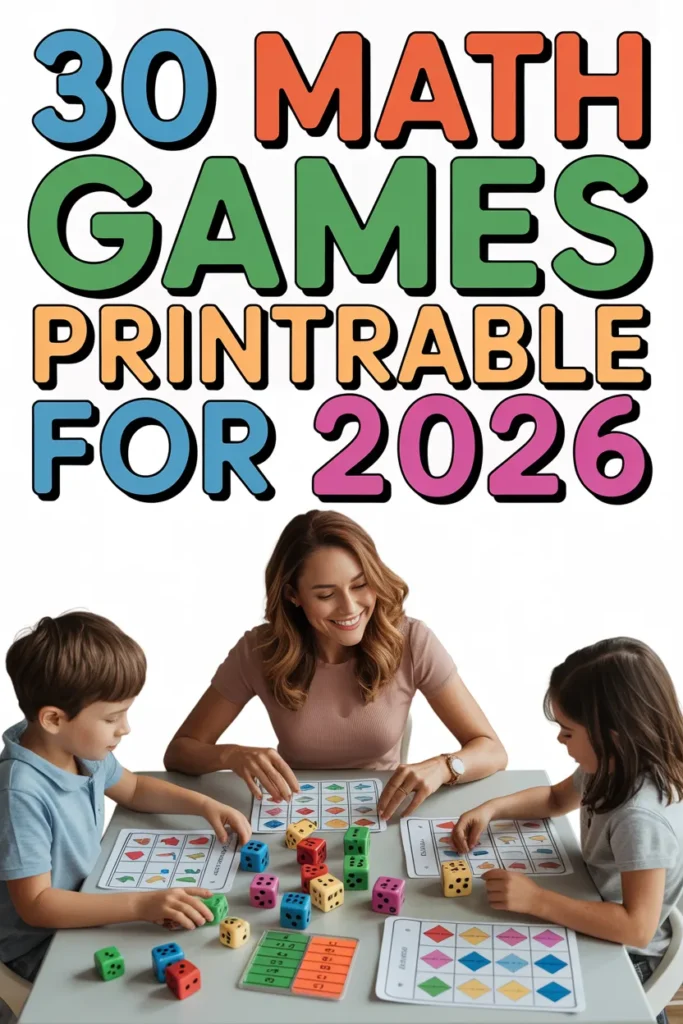
Math practice does not have to feel boring or stressful for kids. Over the years, I’ve noticed children learn faster when math feels like a game instead of homework. Simple printable math games can improve number recognition, problem-solving, multiplication, counting, and logical thinking while keeping kids active and engaged.
In this guide, I’m sharing my favorite printable math games that work well for classrooms, homeschool setups, after-school learning, and family game nights. Some activities are perfect for preschoolers, while others help older kids practice multiplication, fractions, and place value in a fun way.
Research from the National Math Foundation shows that kids retain concepts better through hands-on learning and interactive activities compared to repetitive worksheets alone. That’s why mixing movement, creativity, and friendly competition into math practice can make a huge difference.
Key Takeaways
- Printable math games make learning more interactive and less stressful.
- Hands-on activities help kids improve memory and problem-solving skills.
- Many of these games use simple household supplies.
- These ideas work for classrooms, homeschool lessons, and family activities.
- Math games can improve confidence in struggling learners.
30 Math Games Printable
1. Line Up Math Game
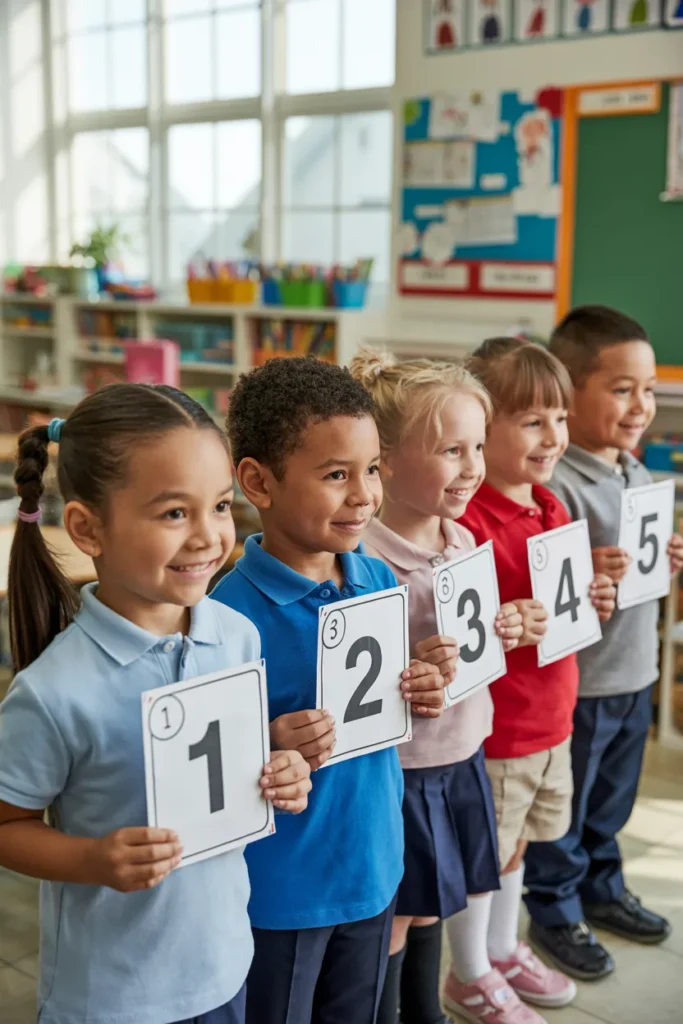
I like this game because it gets kids moving while practicing number order. Students pick numbered cards and work together to line themselves up from smallest to largest.
For younger kids, I usually use numbers from 1–20. For older students, decimals, fractions, or negative numbers work really well. This activity also improves communication and teamwork skills.
Pro Tip: Add a timer to make the challenge more exciting.
2. String Multiplication
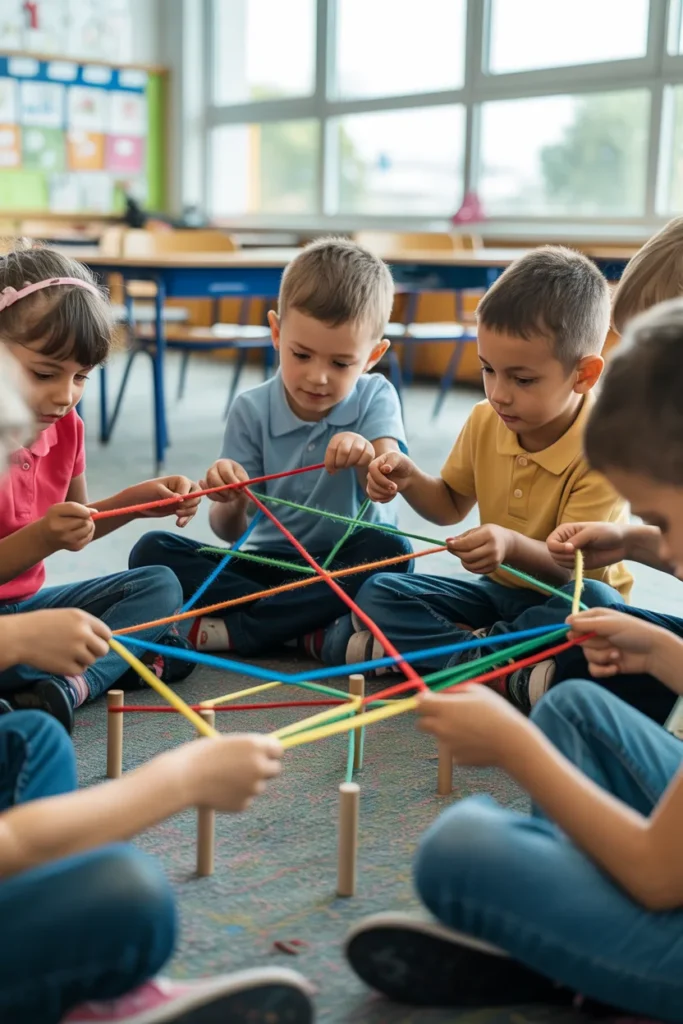
This is one of the best group multiplication activities I’ve tried. Kids sit in a circle and pass yarn to multiples of a specific number, creating a web pattern.
The visual layout helps children notice multiplication patterns much faster than traditional drills. It also keeps active learners focused because everyone participates.
I’ve found this works especially well for kids learning times tables from 2 through 12.
3. Math Charades

Math Charades turns learning into a fun guessing game. Kids act out math terms, shapes, equations, or word problems while teammates guess the answers.
This game improves math vocabulary and helps children explain concepts without relying only on memorization.
I recommend laminating printable cards so they can be reused throughout the school year.
4. Jeopardy

Printable math Jeopardy games work great for review days before quizzes or exams. I usually divide categories into addition, subtraction, multiplication, fractions, and geometry.
Kids love the competitive format, and it encourages quick thinking. You can also adjust difficulty levels based on age groups.
Studies show game-based review sessions can improve student participation by over 40% in classroom settings.
5. Math Fortune Tellers
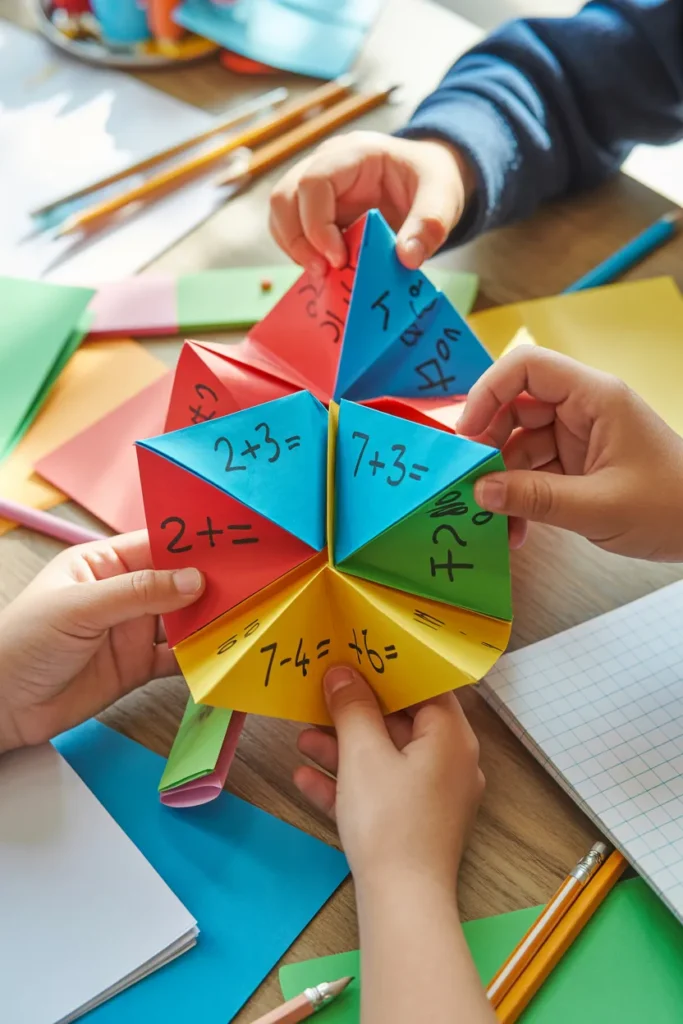
These printable fortune tellers are simple but surprisingly effective for practicing math facts. Kids choose numbers or colors and solve hidden problems inside the folds.
I’ve noticed reluctant learners participate more when activities feel playful instead of academic. These are also easy to carry during travel or restaurant waits.
6. Parking Lot Cars Game
This game works especially well for preschool and kindergarten math practice. Kids drive toy cars into parking spots labeled with numbers or equations.
It helps strengthen counting, matching, and early addition skills. I also like that it combines imaginative play with learning.
Using laminated printable parking mats makes cleanup much easier.
7. Popsicle Stick Counting
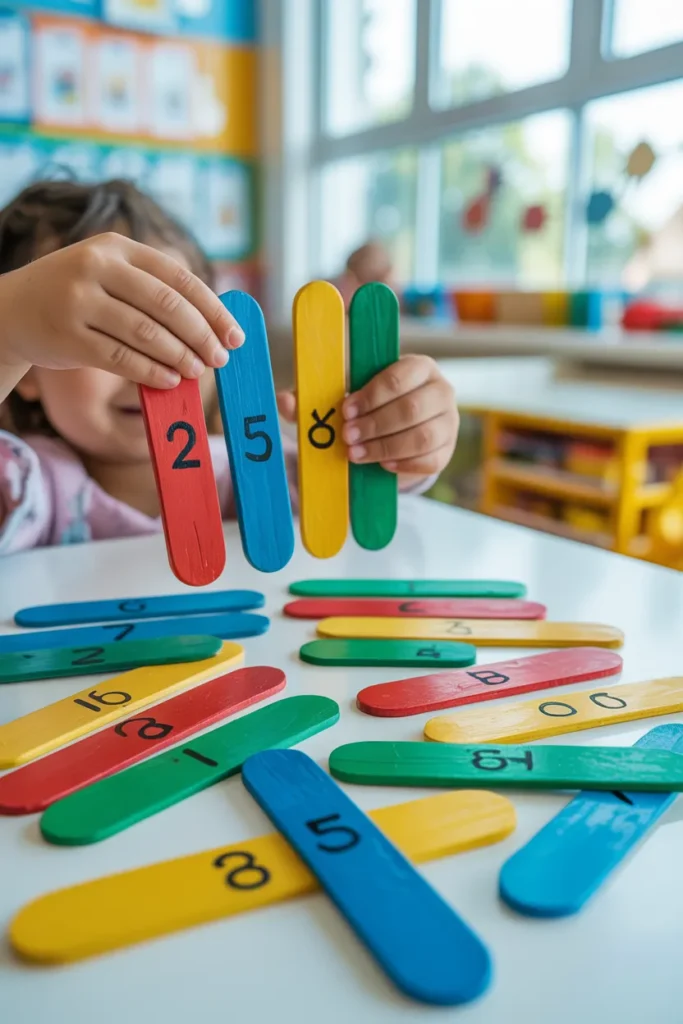
Popsicle Stick Counting is one of the easiest low-cost math games to prepare. Kids practice skip counting by 2s, 5s, or 10s using numbered sticks.
I often use color-coded sticks for different skill levels. Younger children focus on counting, while older kids practice multiplication patterns.
This activity also improves number sequencing skills.
8. Subtraction Smash
This hands-on subtraction activity is perfect for younger learners who need visual practice. Kids physically remove or smash dough balls while solving subtraction problems.
I’ve found tactile activities help children understand subtraction concepts faster than worksheets alone.
Bonus Tip: Use colorful dough to keep children interested longer.
9. Math Hopscotch
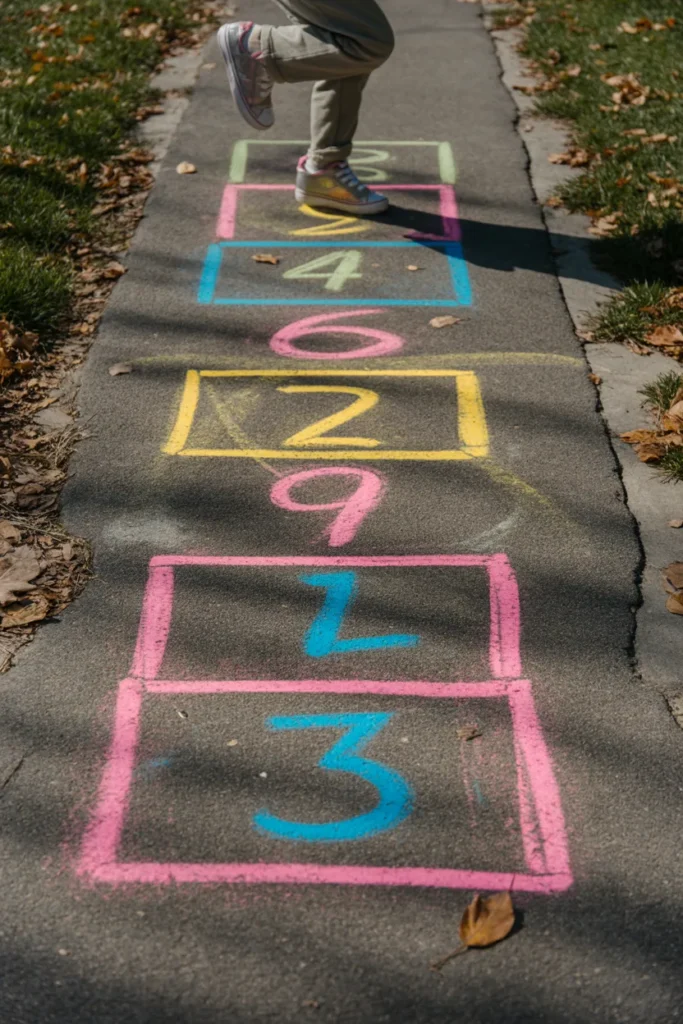
Math Hopscotch combines movement and learning, which is helpful for energetic kids. Each square includes a printable math challenge that kids solve while hopping.
Outdoor math games can improve concentration because children release energy while learning. I personally love using chalk for quick setup during warm weather.
10. Nerf Gun Math
This printable math target game is always a huge hit with kids. Players solve equations and shoot the correct answers using Nerf guns.
Besides math practice, this game improves focus and hand-eye coordination. I recommend using soft foam darts indoors for safety.
It works well for addition, multiplication, division, and even spelling practice.
11. Jelly Bean Jumbles
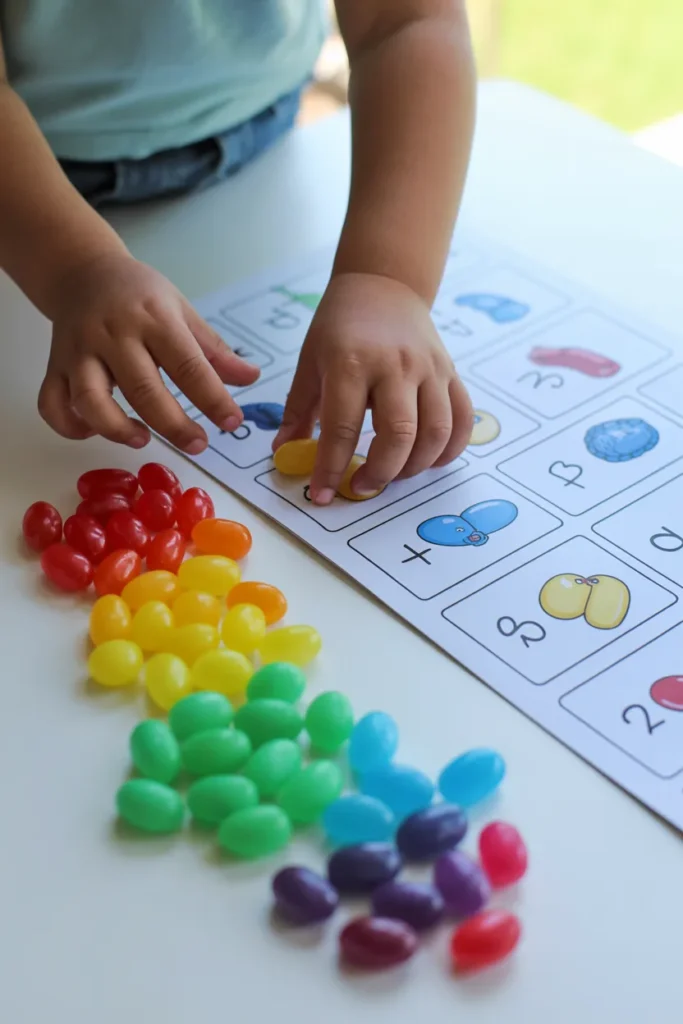
Jelly Bean Jumbles mixes counting, addition, and sorting into one fun activity. Kids solve printable order cards and collect the correct number of jelly beans.
Colorful candy keeps younger learners interested longer, especially during holiday learning sessions.
I usually replace candy with pom-poms for classrooms that avoid food activities.
12. Domino Addition
Domino Addition is a simple printable game that strengthens mental math skills. Kids draw dominoes and add both sides together to earn points.
I like this game because it teaches quick calculation without feeling repetitive. It also works well in small groups or learning centers.
13. Make 10
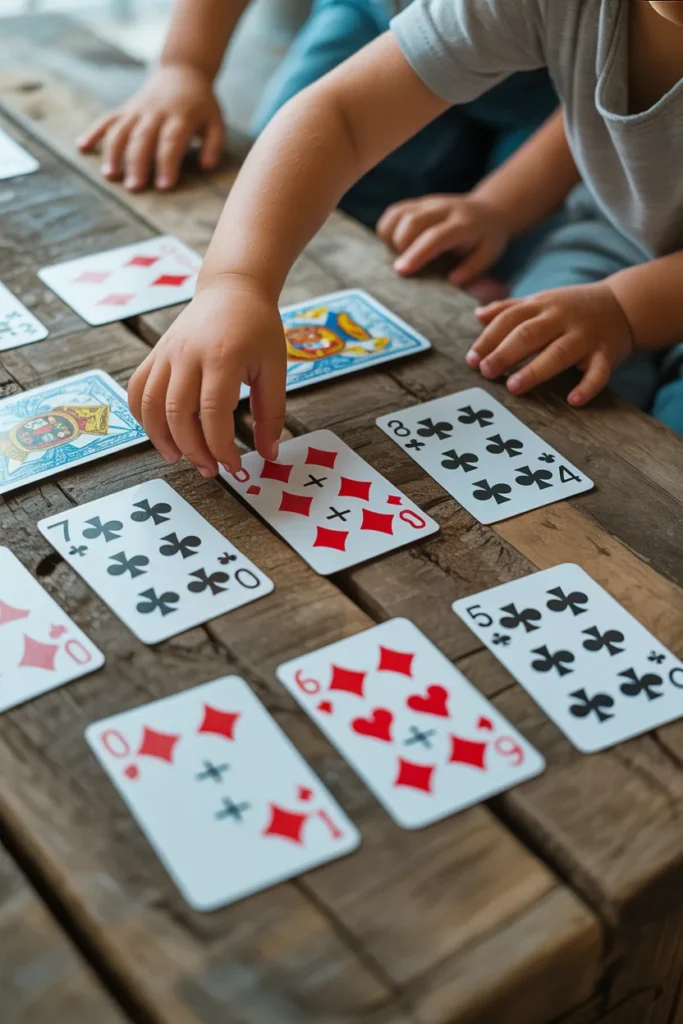
Make 10 helps children build strong number sense, which is essential for future math success. Players combine cards to create totals of 10.
Math experts often say mastering combinations of 10 improves mental addition speed later on. I’ve personally used this game with first graders very successfully.
14. Whack It Place Value
This printable place value game turns math into an active challenge. Kids use toy hammers to identify hundreds, tens, and ones.
Place value can feel confusing for many children, so physical interaction makes learning easier to understand.
I recommend large printable number cards for better visibility during group play.
15. Math Twister
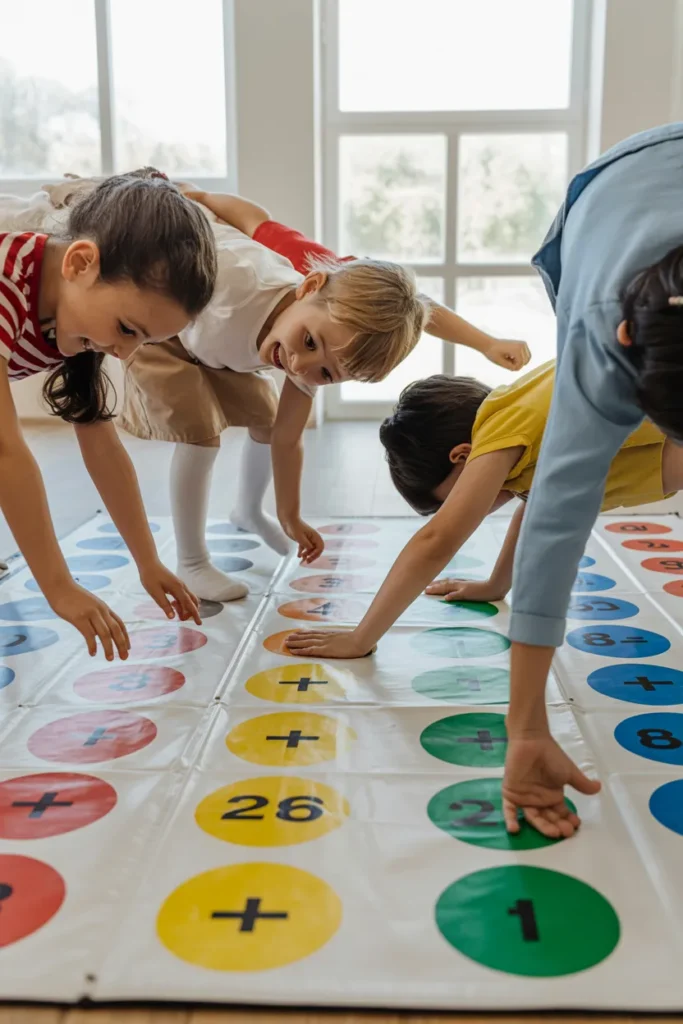
Math Twister adds learning to a classic movement game. Kids solve printable math problems before placing hands or feet on the correct colors.
This game keeps students laughing while practicing basic operations. It’s also helpful for improving listening and coordination skills.
16. Lego Fraction Game
Fractions become much easier when kids can physically build them. I like using Lego bricks because children instantly see how parts combine into wholes.
Printable fraction cards can guide kids through different fraction challenges like halves, thirds, and quarters.
Hands-on fraction games often improve understanding faster than textbook diagrams.
17. Math Facts Garden
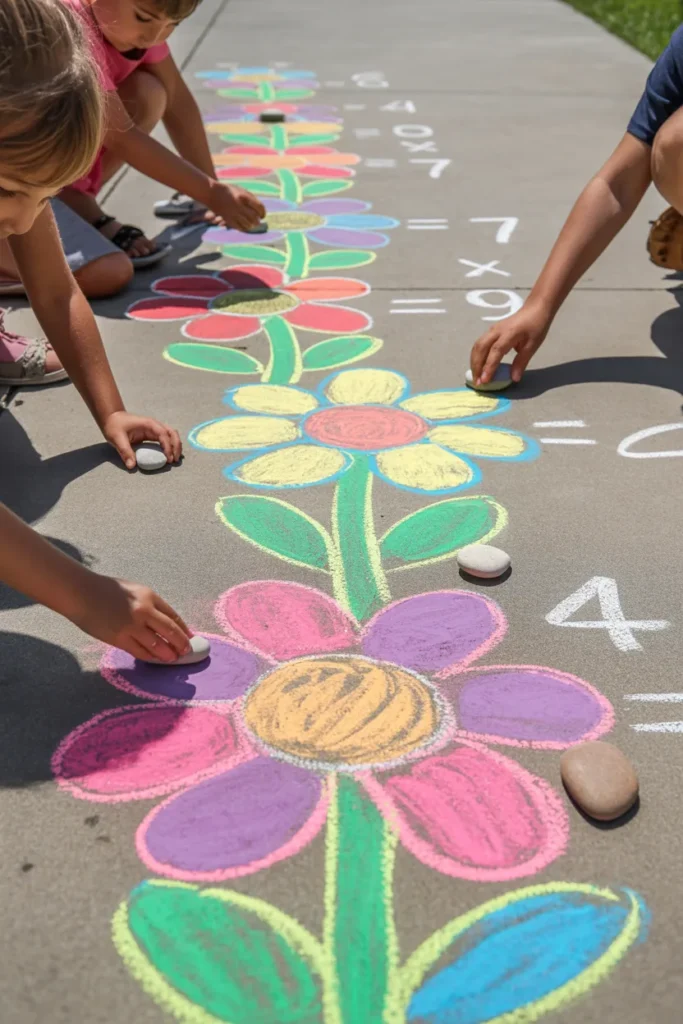
This outdoor printable activity turns sidewalks into colorful math gardens. Kids solve multiplication facts written on flower petals.
I’ve noticed outdoor learning sessions increase engagement, especially during spring and summer months.
Adding colorful markers or stones makes the activity even more interactive.
18. Strike It Out
Strike It Out combines strategy with math practice. Players solve problems and block numbers on a printable grid to stop opponents from scoring.
Kids practice critical thinking while improving basic operations at the same time. It’s excellent for second through fifth grade learners.
19. Egg Carton Shake Up
This game uses numbered egg cartons and small objects to create random math problems. Kids shake the carton and solve equations based on where objects land.
I like this activity because every round feels different, which keeps children interested longer.
It’s also a great way to reuse household items for learning.
20. Count Your Dots
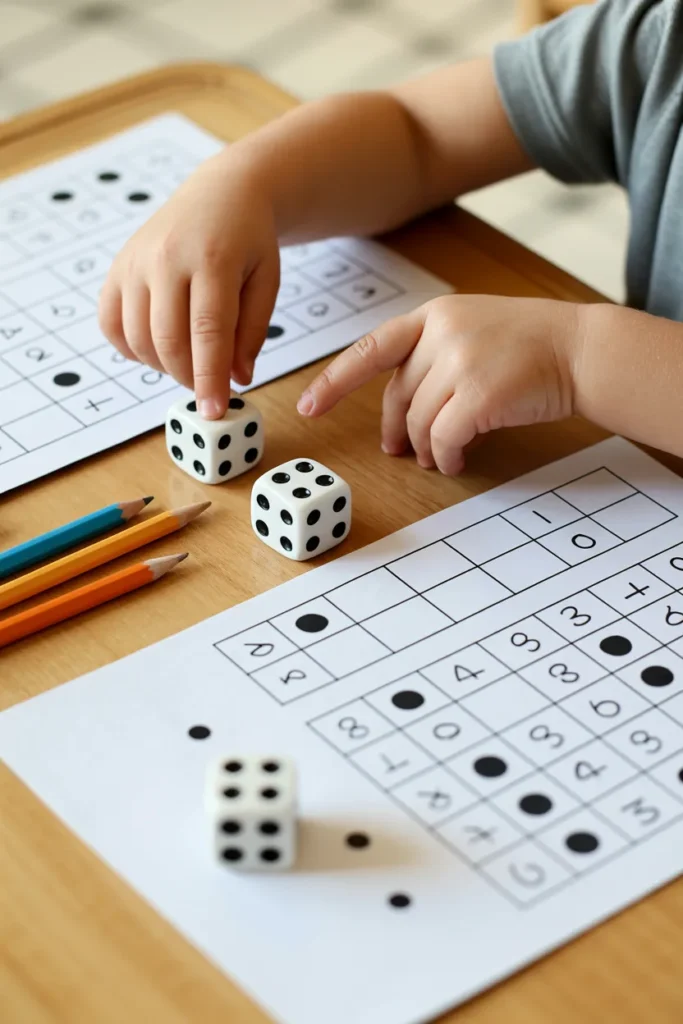
Count Your Dots is a fast-paced dice game that strengthens addition skills. Players roll dice repeatedly to reach a target number.
Simple printable score sheets make it easy to track progress. I often use this game for quick math warmups before lessons.
21. Math Bingo
Math Bingo remains one of the most effective printable classroom math games because kids naturally enjoy competition.
Instead of calling numbers, players solve equations to find answers on their boards. This repeated practice helps improve math fluency over time.
I recommend laminated bingo boards for repeated classroom use.
22. Math Puzzles
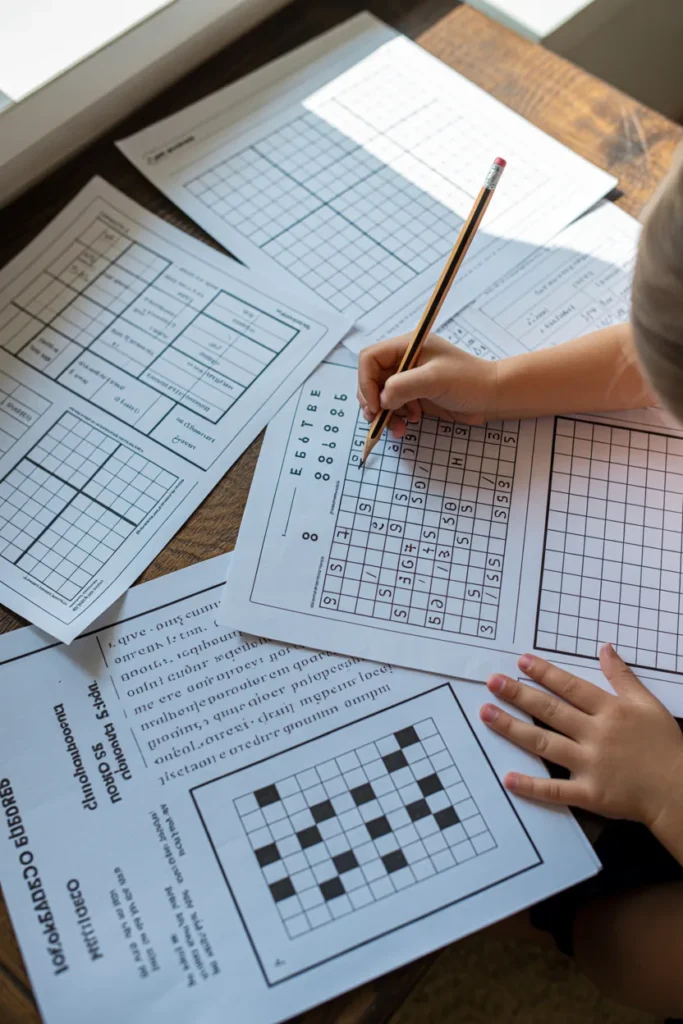
Printable math puzzles encourage logical thinking and patience. Crossword puzzles, Sudoku, and number challenges all help kids practice math differently.
These puzzles are especially useful for independent learning time or quiet classroom activities.
Research suggests puzzle-solving can strengthen memory and reasoning skills in children.
23. Printable Math Worksheets
Worksheets still play an important role in math learning when balanced with interactive games. I prefer worksheets that include coloring, matching, or puzzles instead of repetitive drills.
Printable worksheets are useful for homework, morning work, or skill review sessions.
24. Christmas Math Games
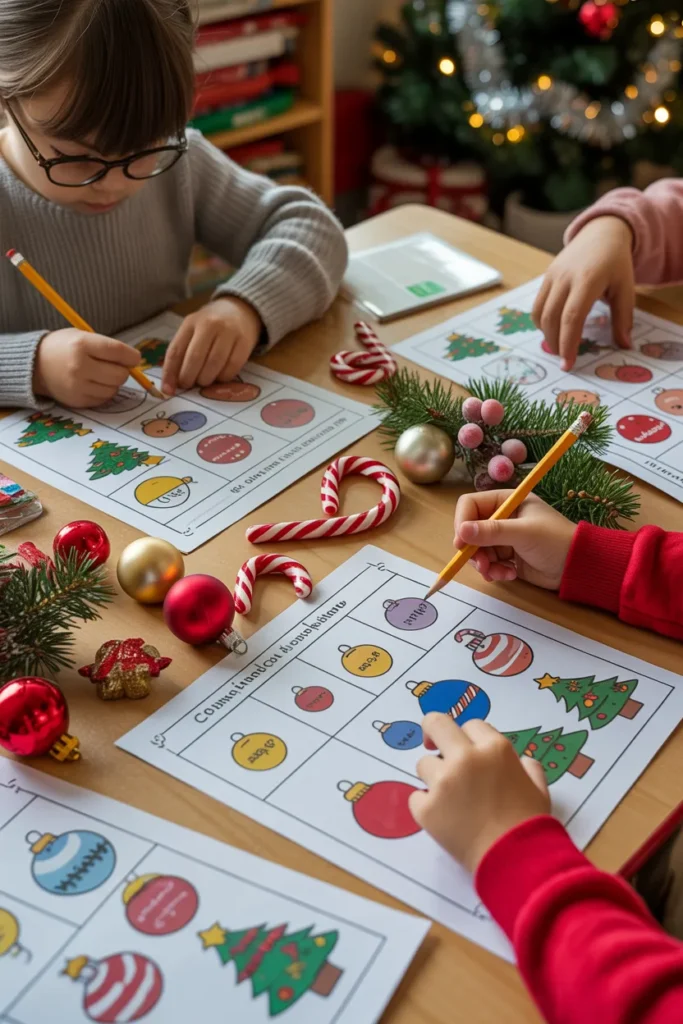
Holiday-themed math games make seasonal learning much more exciting. Printable Christmas math activities often include ornaments, presents, snowmen, or Santa-themed challenges.
Kids stay motivated because the activities feel festive instead of academic.
These are especially popular during December classroom parties.
25. Halloween Math Games
Halloween math printables combine spooky themes with educational practice. Kids solve problems while moving through haunted houses or pumpkin challenges.
I’ve noticed themed activities improve participation because children feel emotionally connected to the lesson.
26. Addition Bingo
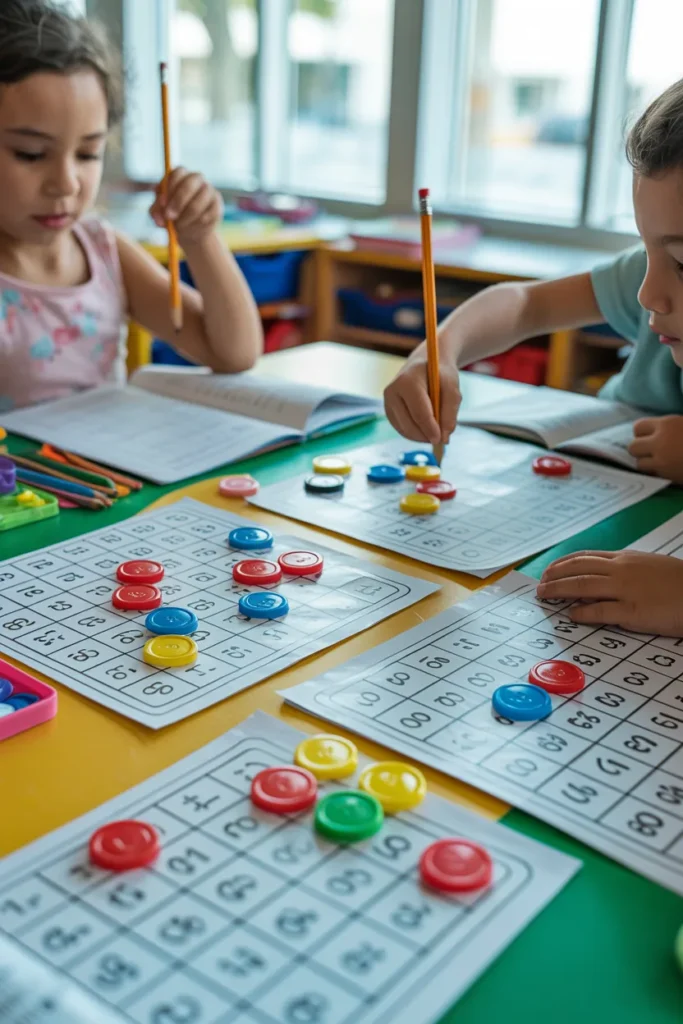
Addition Bingo focuses specifically on improving addition fluency. Players solve printable equations and mark matching sums on their cards.
This game works well for small groups, tutoring sessions, and classroom review activities.
Short rounds also help maintain attention spans.
27. Multiplication Flash Cards
Printable multiplication flash cards are still one of the fastest ways to improve recall speed. Repetition helps children remember facts more naturally over time.
I recommend turning flash cards into timed challenges or partner games to make practice less stressful.
Just 10 minutes of daily practice can noticeably improve multiplication confidence.
28. Math Crosswords
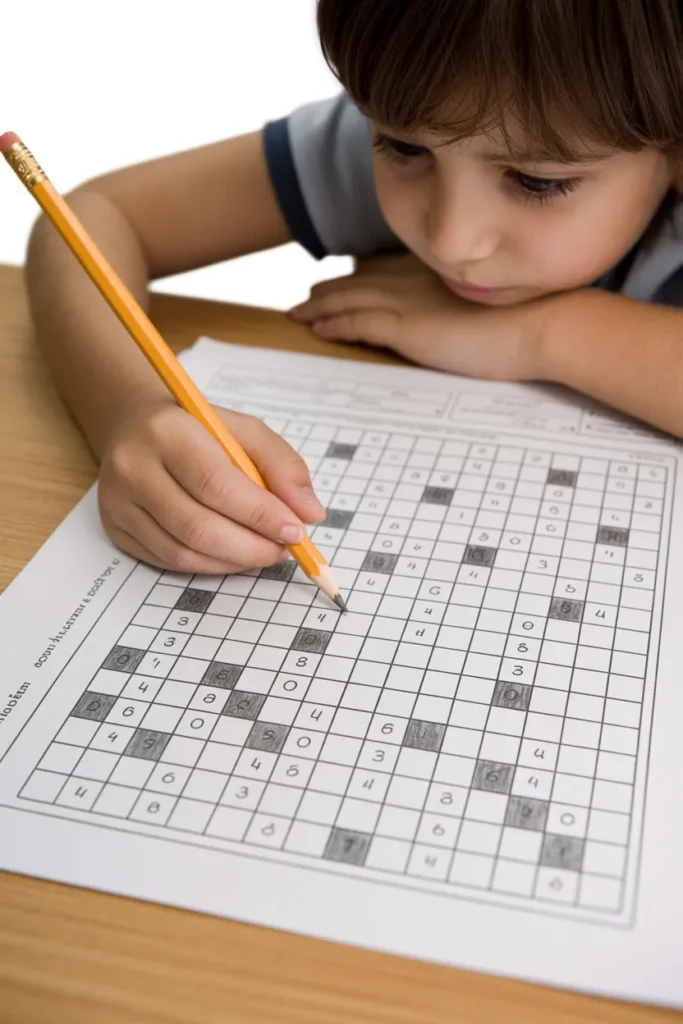
Math crosswords mix vocabulary and problem-solving together. Kids solve equations to complete the crossword puzzle correctly.
This activity improves both critical thinking and number accuracy. It also helps students slow down and check their work carefully.
29. Number Matching
Number matching games help reinforce connections between equations and answers. Kids match printable cards containing math problems with the correct solutions.
This game works especially well for visual learners and early elementary students.
I usually laminate matching cards to make them last longer.
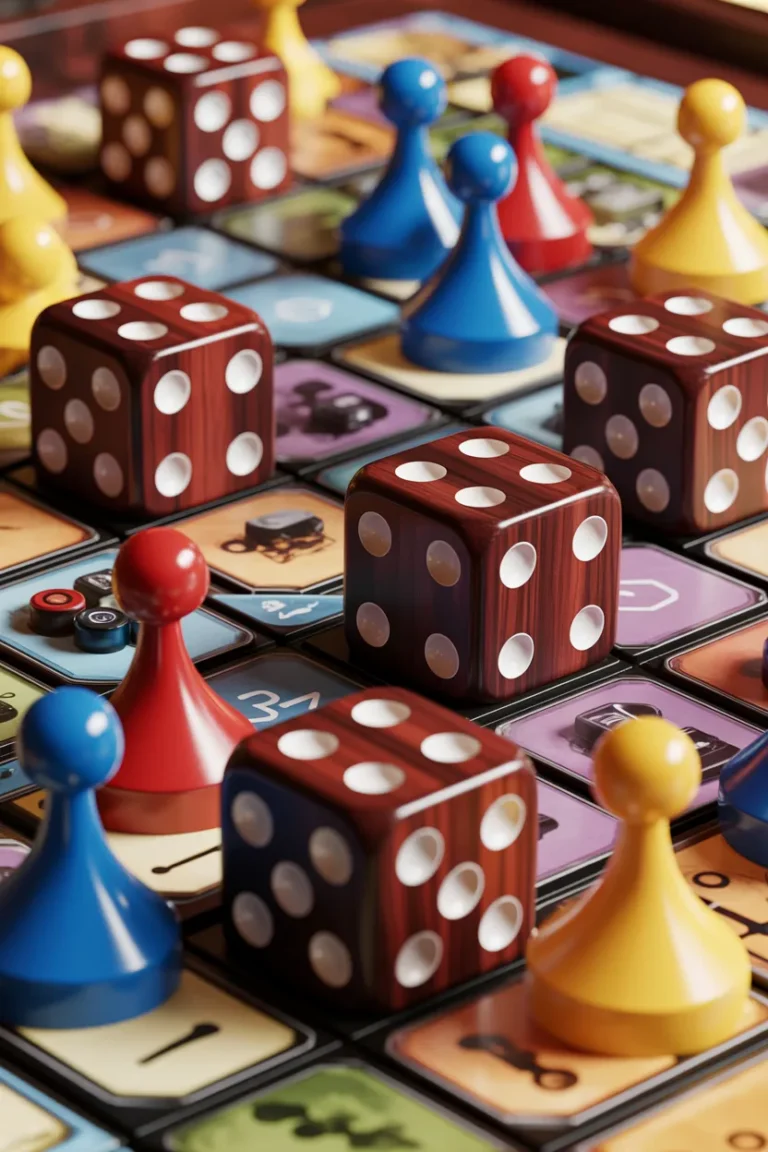
30. Math Board Games
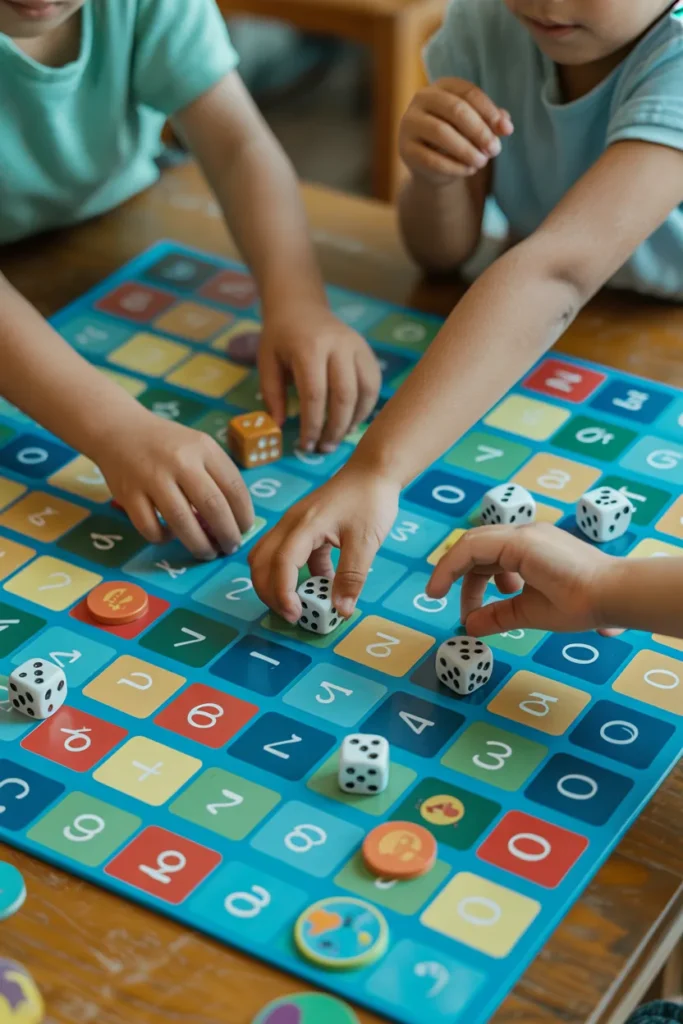
Printable math board games combine multiple skills into one activity. Players solve equations to move around the board and reach the finish line.
Board games encourage patience, strategy, teamwork, and problem-solving. They’re also perfect for family game nights and classroom centers.
I always recommend keeping a few printable board games ready for rainy days or indoor recess.
Final Thoughts
In my experience, printable math games help kids enjoy learning far more than traditional worksheets alone. When children move, play, and interact during lessons, they often stay focused longer and remember concepts better.
The best part is that many of these games require only simple supplies and a printer. Whether you’re a parent, teacher, or homeschooler, adding a few interactive math activities each week can make math practice feel much less stressful for kids.