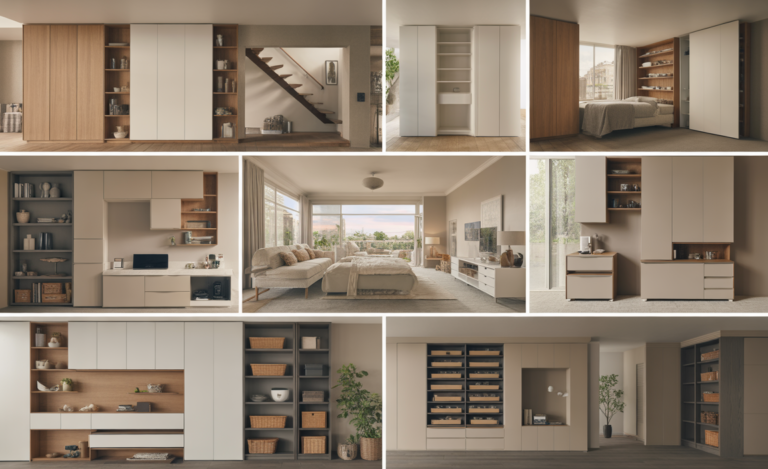
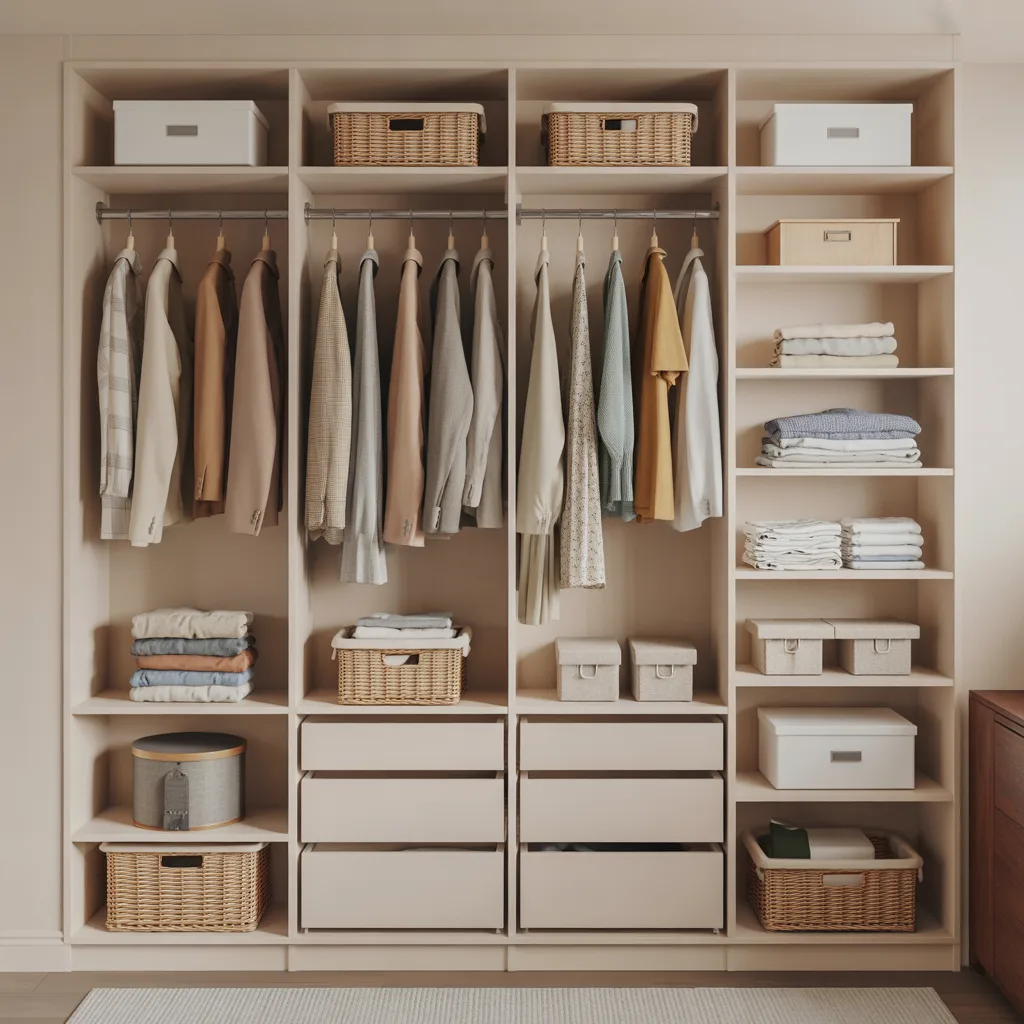

Narrow spaces can easily turn into clutter magnets when there’s nowhere to store daily essentials. I’ve noticed that hallways, slim closets, and tight entryways often become dumping zones for shoes, bags, jackets, and random household items. The good news is that even the smallest areas can feel organized when storage is planned correctly.
In this article, I’m sharing smart narrow storage ideas that help maximize wall space, reduce clutter, and improve functionality without making your home feel cramped. These ideas work especially well for apartments, small homes, and tight hallway layouts.
The best way to organize a narrow hallway is by using vertical and shallow storage solutions instead of bulky furniture. Slim cabinets, floating shelves, pegboards, hidden organizers, and wall-mounted systems help keep floors clear while creating extra storage. With the right setup, even the narrowest space can feel open, functional, and stylish.

Key Takeaways
- Vertical storage saves more space than deep cabinets
- Shallow furniture keeps hallways comfortable to walk through
- Wall-mounted storage reduces floor clutter
- Lighting makes narrow spaces feel larger and brighter
- Built-in storage creates a cleaner and more seamless look
- Open and closed storage should be balanced together
- Slim organization systems work best in small homes
How can i make the most of a narrow hallway for storage?
Whenever I organize a narrow hallway, I focus on keeping the walking path open first. Large furniture pieces instantly make tight areas feel crowded, so I usually choose slim wall-mounted storage instead. Floating shelves, hooks, and shallow cabinets provide storage while preserving movement.
I also like creating designated storage zones near entrances or bedroom doors instead of filling the entire hallway with furniture. This approach keeps the space functional without overwhelming it visually.
Pro Tip: Stick to storage units that are 10 to 12 inches deep so the hallway still feels spacious and comfortable.
Wall-to-Wall Drop Zone
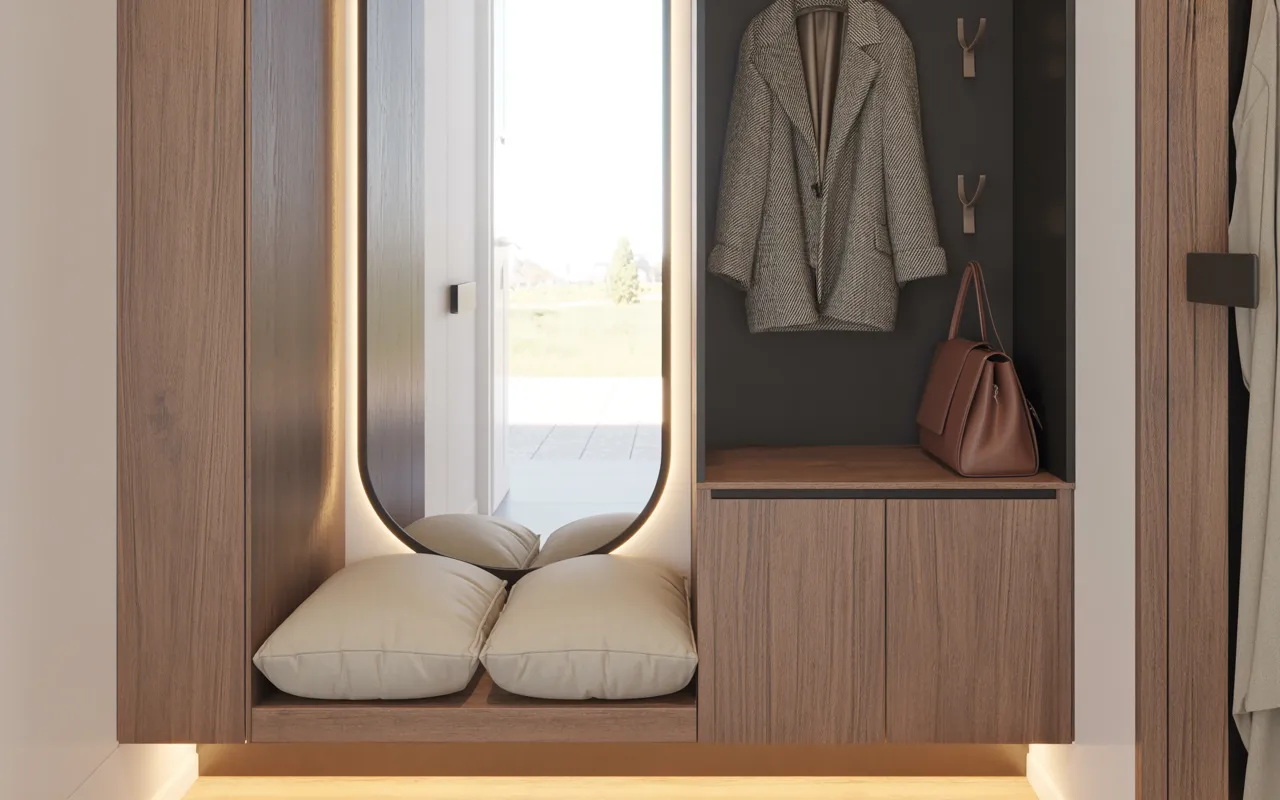
Entryways can become chaotic when there’s no clear place for coats, bags, and shoes. I like using slim cabinets along the wall with hooks above them to create a practical drop zone that keeps essentials organized. Adding warm lighting underneath the cabinets helps the area feel cozy and more inviting. Mirrors also work well because they reflect light and visually widen narrow hallways.
Pro Tip: Add baskets inside the cabinets to separate shoes, winter gear, and everyday accessories more efficiently.
Fridge-Side Shelving
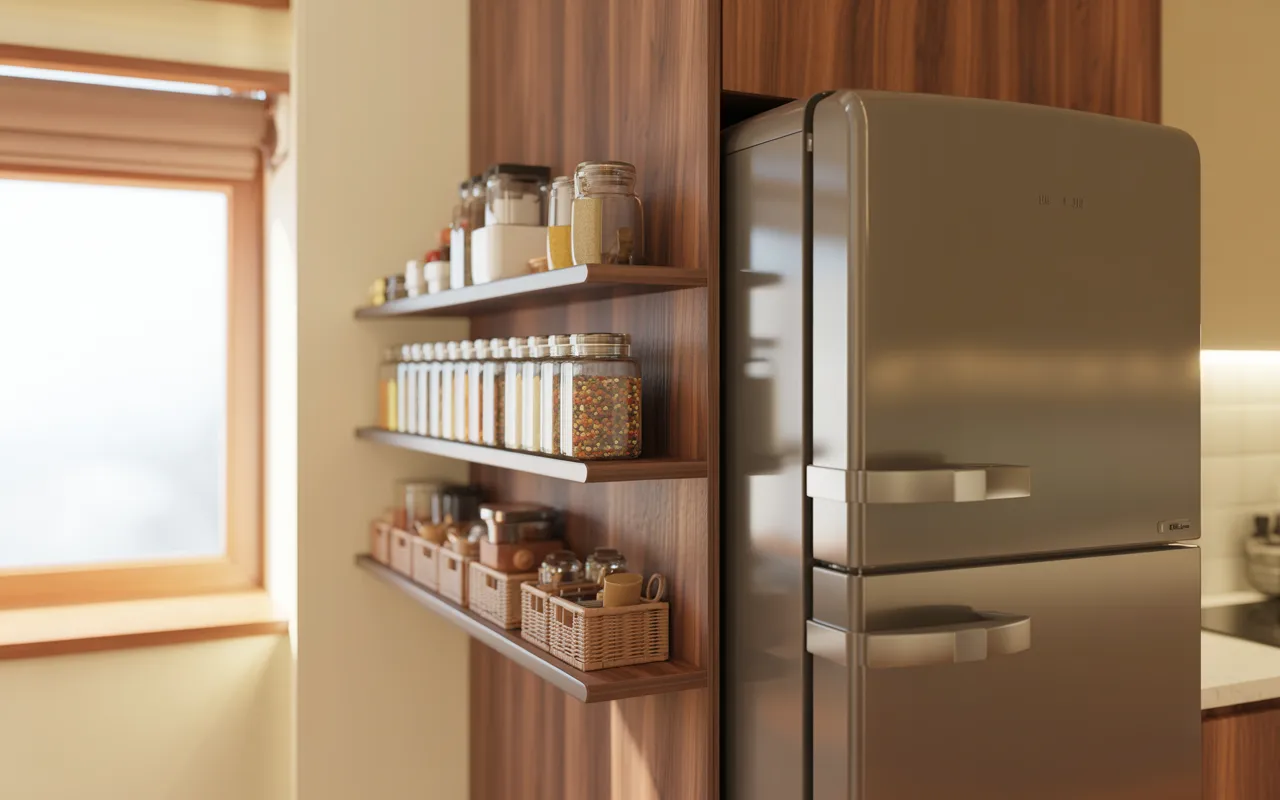
The narrow space beside a refrigerator often gets ignored, but it can become valuable storage with the right shelving. I’ve used slim wooden shelves here for spices, pantry items, and kitchen tools. Keeping shelves shallow prevents the kitchen from looking crowded. Open shelving also makes smaller kitchens feel lighter and easier to navigate.
Pro Tip: Use matching storage containers to create a cleaner and more organized kitchen appearance.
Tall Linen Cabinet
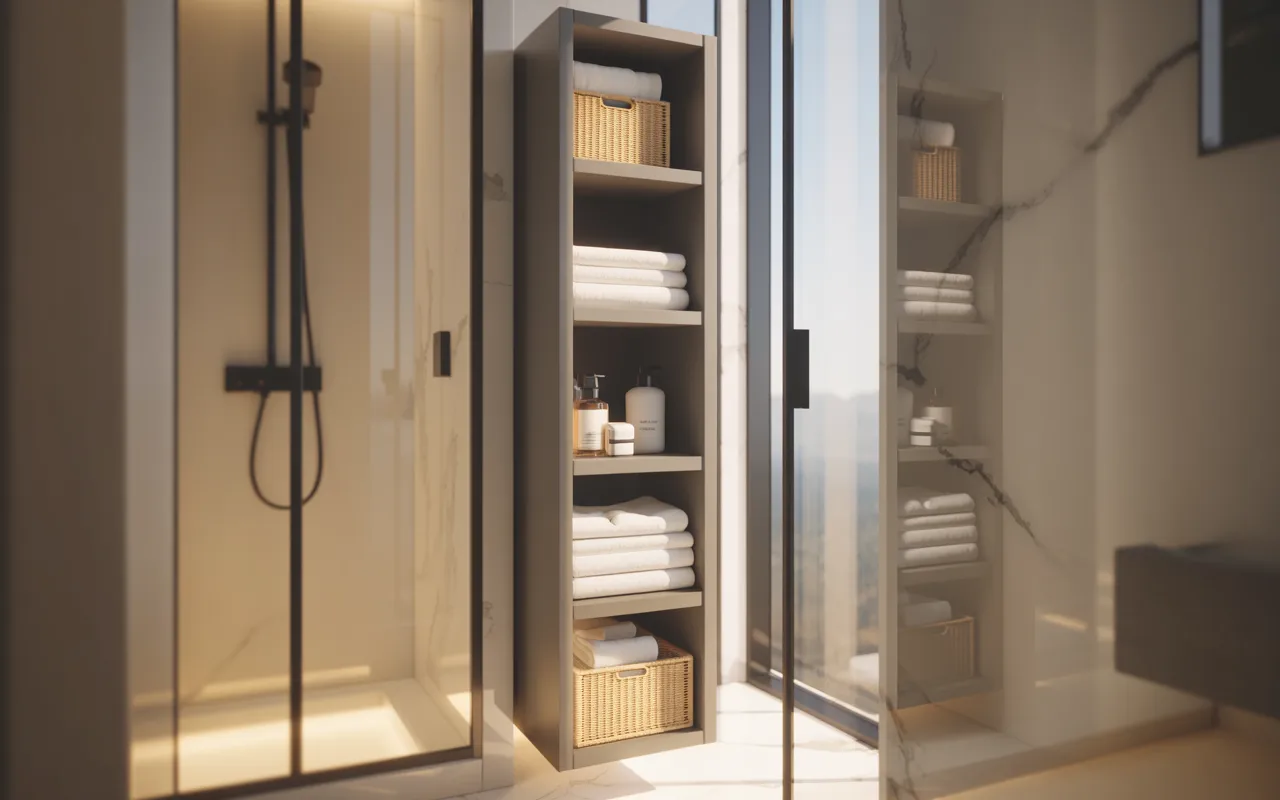
Bathrooms usually lack enough storage, especially in smaller homes. A tall and narrow linen cabinet is perfect for storing towels, toiletries, and extra supplies without taking over floor space. I prefer cabinets with adjustable shelves because they allow better organization for both large and small items. Using baskets also makes daily essentials easier to grab quickly.
Pro Tip: Store less-used products on upper shelves and everyday essentials at eye level for easier access.
Built-In Hall Niche
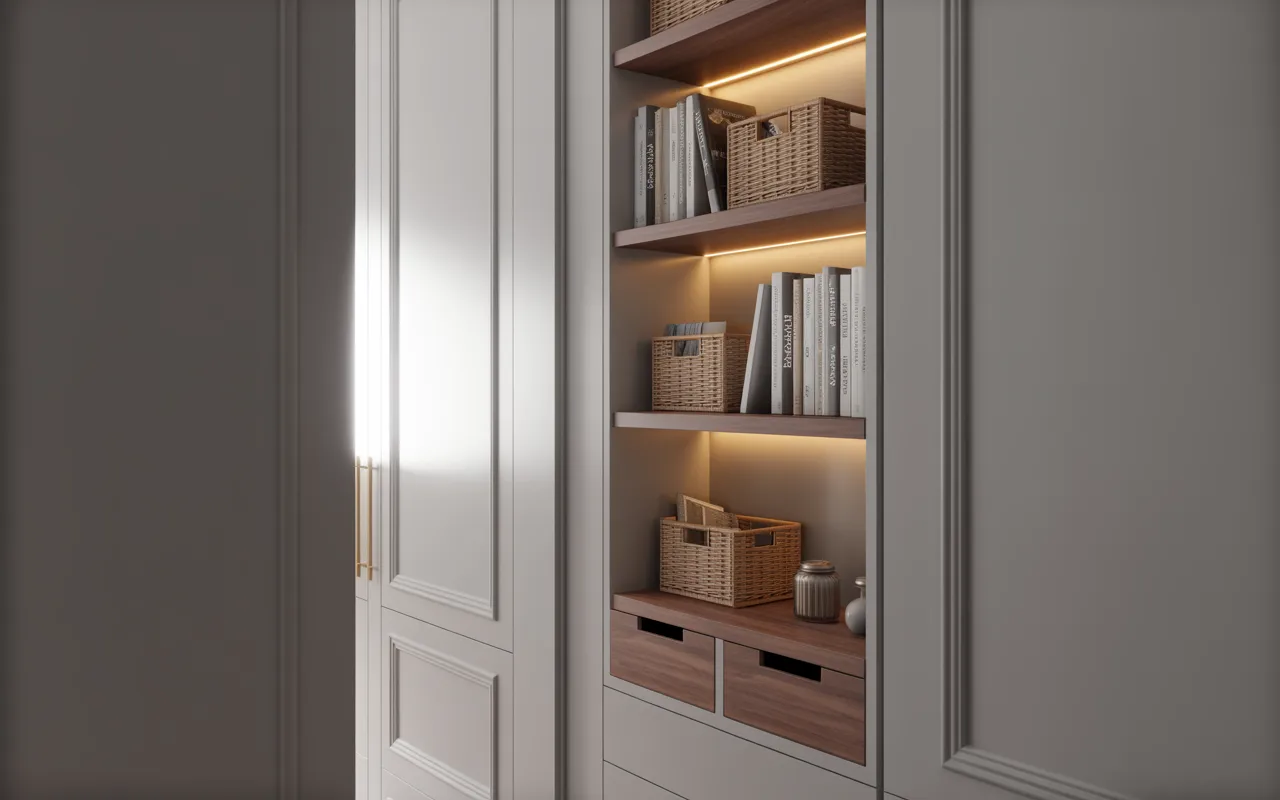
Awkward hallway corners and dead-end spaces often go unused. I like turning these spots into built-in storage niches with shallow shelves and lower drawers. This type of storage keeps the hallway functional while adding personality to the space. Built-in lighting can also make the area feel warmer and more intentional.
Pro Tip: Decorate one shelf with framed photos or greenery to stop the storage area from feeling too utilitarian.
Sloped Wall Storage
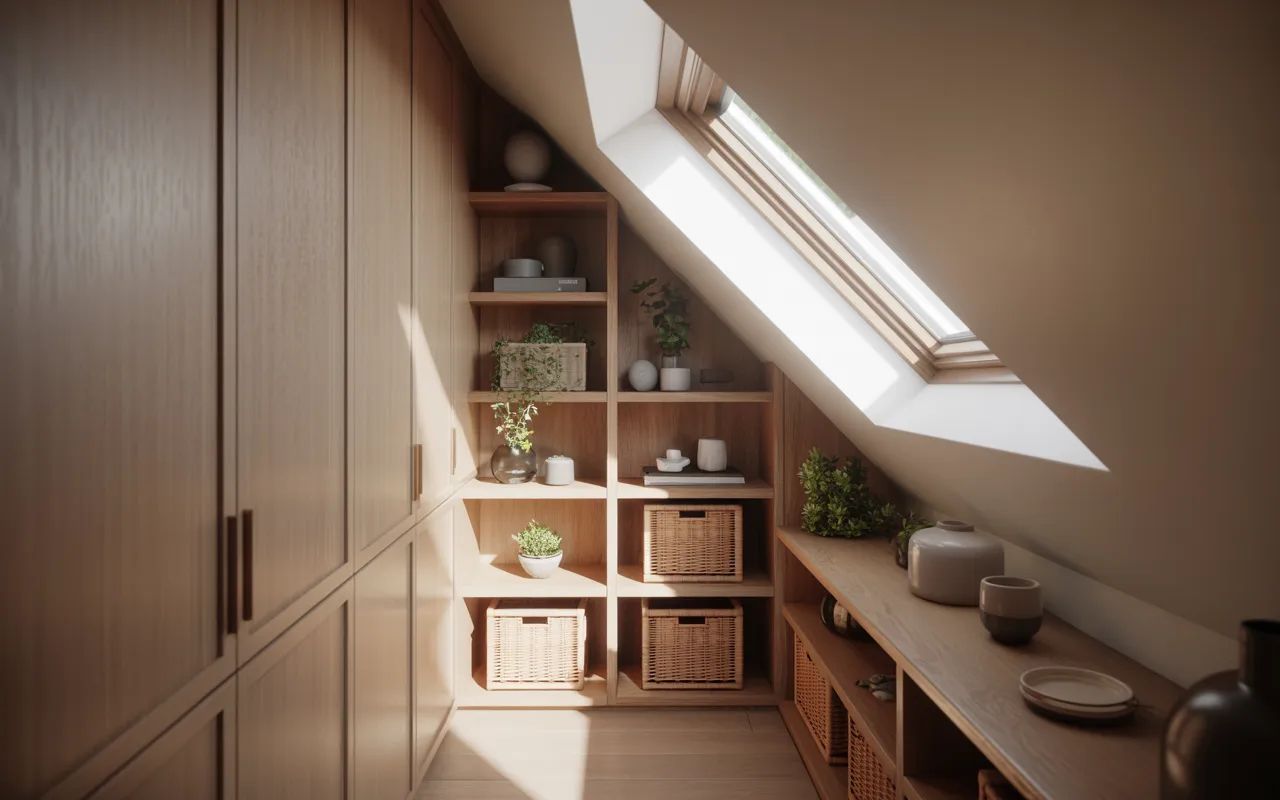
Sloped walls can actually provide useful storage opportunities when designed properly. I’ve seen angled shelves and pull-out bins work especially well under staircases or attic hallways. Keeping storage customized to the wall angle prevents wasted space. Slim shelving also helps maintain an open and airy feel.
Pro Tip: Use lightweight baskets on angled shelves so items stay secure and easy to remove.
Low-Profile Cabinets
Long hallways benefit from slim cabinets that don’t stick too far into the walkway. I often recommend low-profile cabinets with flat fronts because they create a cleaner and more modern appearance. Shallow storage helps maintain comfortable walking space while still offering room for household essentials. Neutral cabinet colors can also help the units blend into the walls.
Pro Tip: Choose handle-free cabinet doors to avoid bumping into hardware in tight spaces.
Hidden Utility Storage
Cleaning supplies can quickly make narrow spaces look messy when they’re left exposed. A slim utility cabinet keeps brooms, mops, sprays, and vacuum attachments hidden but accessible. Inside the cabinet, vertical clips and small shelves improve organization and prevent clutter. This works especially well near kitchens or laundry areas.
Pro Tip: Add adhesive labels inside the cabinet to make supplies easier to find quickly.
Entryway Command Center
A small command center near the entrance can make everyday routines much smoother. I like combining hooks, drawers, and a slim countertop for keys, wallets, mail, and bags. Having a dedicated drop zone helps reduce clutter throughout the rest of the house. It also creates a more welcoming and organized entrance.
Pro Tip: Include a small charging station for phones and smart devices to keep counters clutter-free.
Vertical Supply Rack
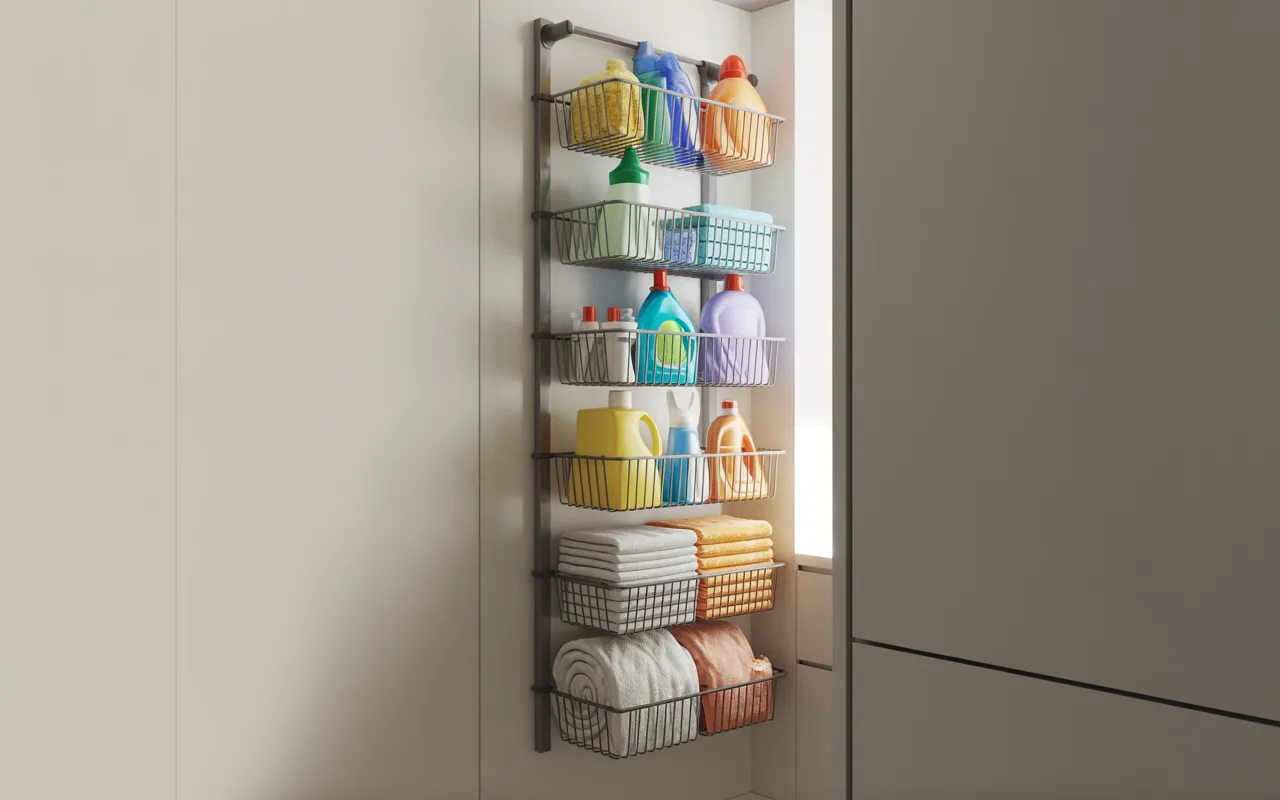
Thin walls in laundry rooms or utility spaces are perfect for vertical storage racks. Hanging baskets and adjustable rails help keep bottles, detergents, and supplies organized without taking up floor space. I’ve found that open storage works best in these areas because everything stays visible and easy to access quickly.
Pro Tip: Use removable wire baskets so supplies can be carried easily from room to room.
Closet Door Storage
Closet doors offer hidden storage that many people overlook. I like installing hanging organizers or slim baskets inside doors for accessories, toiletries, or cleaning products. This keeps shelves from becoming overcrowded while maximizing unused space. It’s a simple upgrade that makes a huge difference in small closets.
Pro Tip: Use clear door organizers so you can instantly see what’s stored inside.
Narrow Walk-In Closet
Even a narrow walk-in closet can feel functional when storage wraps around the walls properly. I usually keep shelving and hanging rods shallow to preserve enough walking room in the center. Balanced storage layouts also create a cleaner and less cramped appearance. Proper lighting helps every section stay visible and easy to access.
Pro Tip: Leave a small open section without shelves to keep the closet from feeling visually crowded.
Light-Filled Closet
Lighting plays a major role in how a narrow closet feels. I prefer layouts that allow light to flow naturally through the center while keeping shelves balanced on both sides. A bright closet instantly feels larger and more organized. Soft overhead lighting also improves visibility during evenings.
Pro Tip: Install motion-sensor LED lighting so the closet automatically lights up when opened.
Slim Drawer Tower
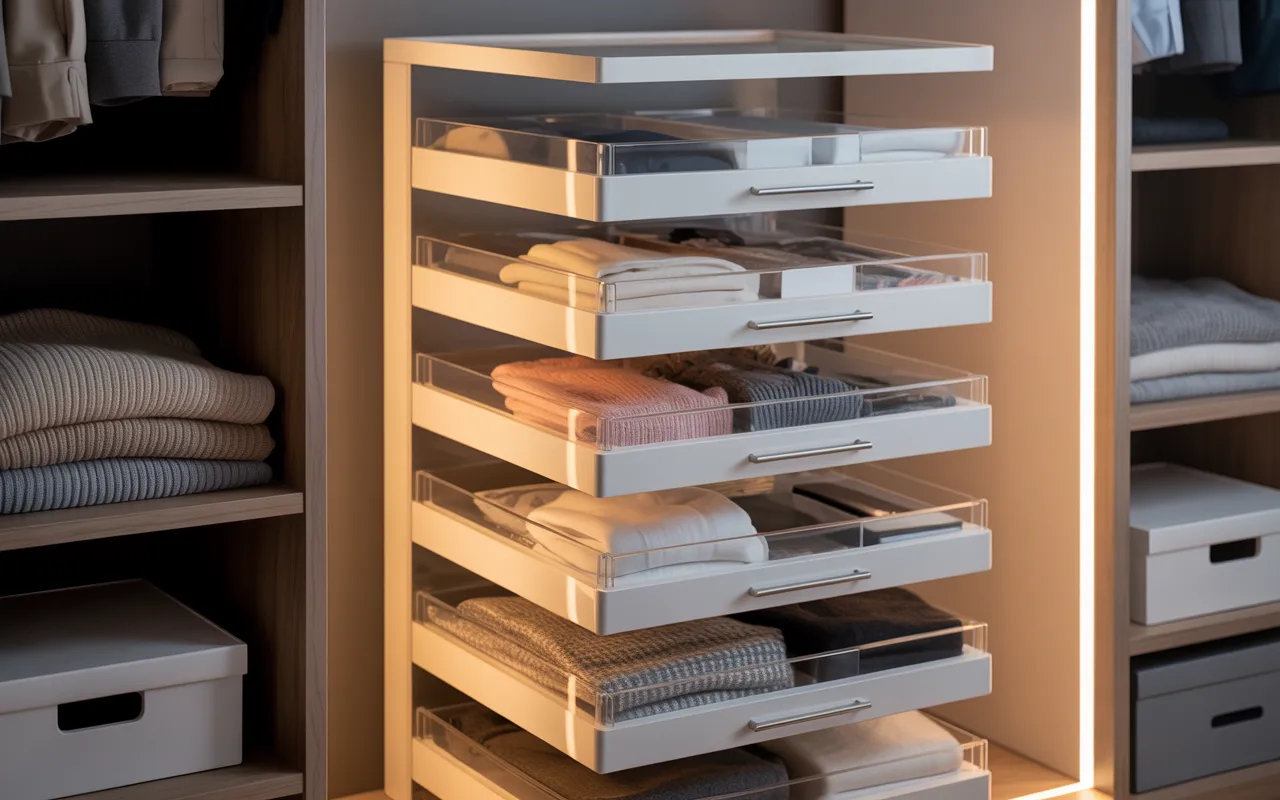
Drawer towers are excellent for small closets because they use vertical space instead of spreading outward. I like using them for folded clothes, accessories, and smaller personal items. Mixing open shelving with drawers creates a balanced storage setup that feels practical and organized.
Pro Tip: Use drawer dividers to prevent smaller items from becoming messy over time.
Closet Cube System
Cube storage systems help organize smaller items that usually get lost inside closets. I often use labeled bins and baskets to separate clothing, accessories, and seasonal items neatly. Keeping everything categorized makes the closet easier to maintain long term. Cube systems are also highly customizable for changing storage needs.
Pro Tip: Use matching baskets throughout the cube system for a cleaner and more uniform appearance.
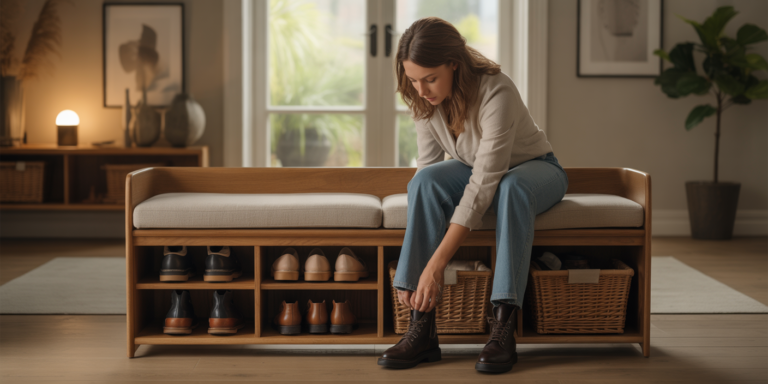
Modular Shoe Wall
Shoes can quickly take over a hallway when there’s no proper storage system. A vertical shoe wall uses height instead of floor space, making it ideal for narrow entryways. Stackable cubbies or mounted shelves help keep shoes organized while still maintaining clear walking space.
Pro Tip: Store daily shoes at eye level and seasonal shoes higher up to improve convenience.
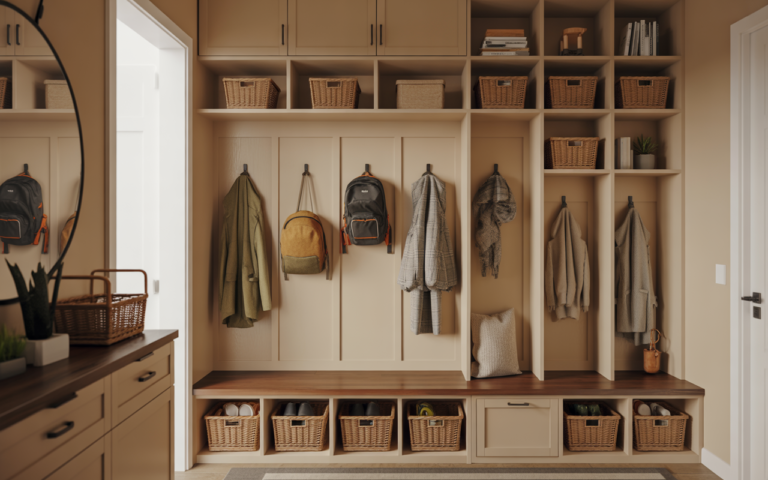
Open Locker Storage
Family hallways become messy fast when coats, backpacks, and shoes don’t have designated spots. Open locker-style storage gives every family member their own organized section. I like combining hooks, baskets, and lower shelves to create a system that’s easy to maintain daily.
Pro Tip: Add washable bins or baskets for kids to make cleanup faster and easier.
Vertical Shoe Towers
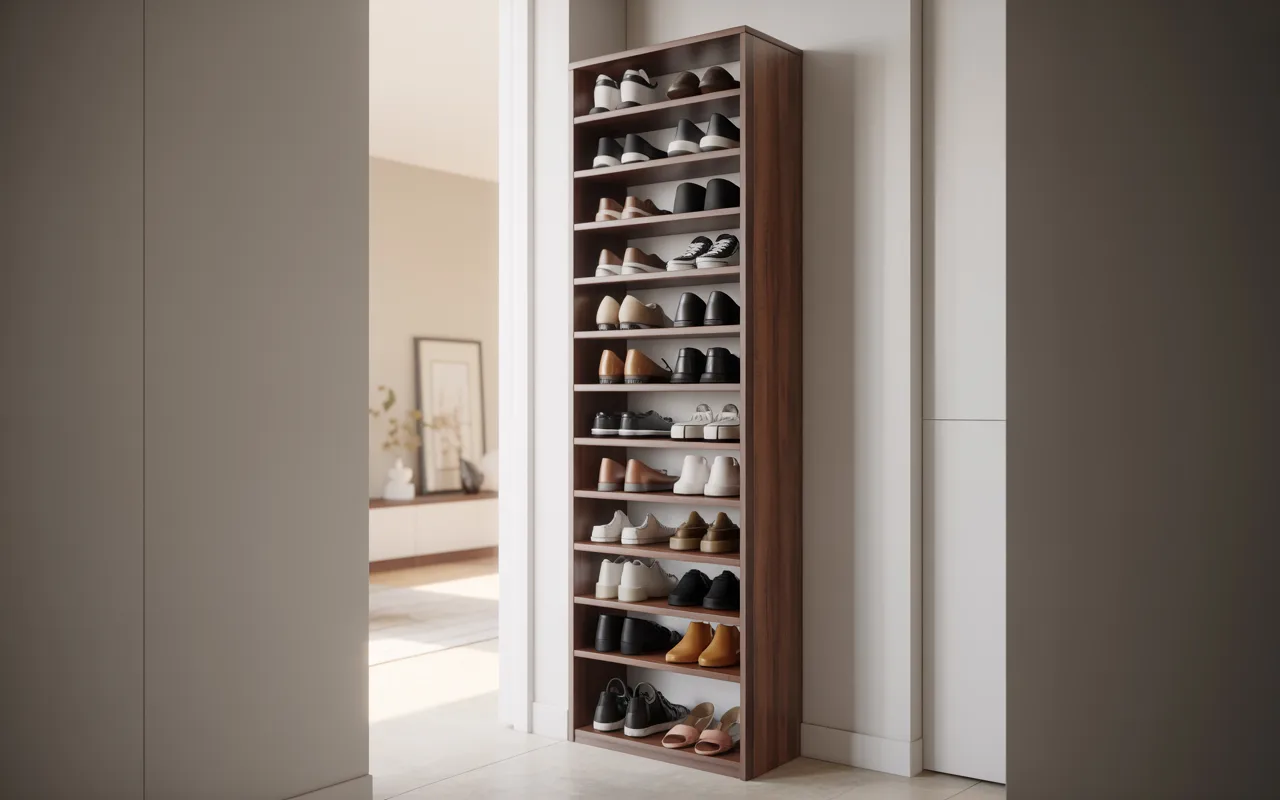
Vertical shoe towers are one of the best storage options for small homes because they hold many pairs without taking up much room. I’ve found they work perfectly in hallway corners and bedroom spaces. Tall shoe towers also keep shoes visible and easier to organize compared to traditional floor racks.
Pro Tip: Rotate shoes seasonally to keep the tower uncluttered and easier to manage.
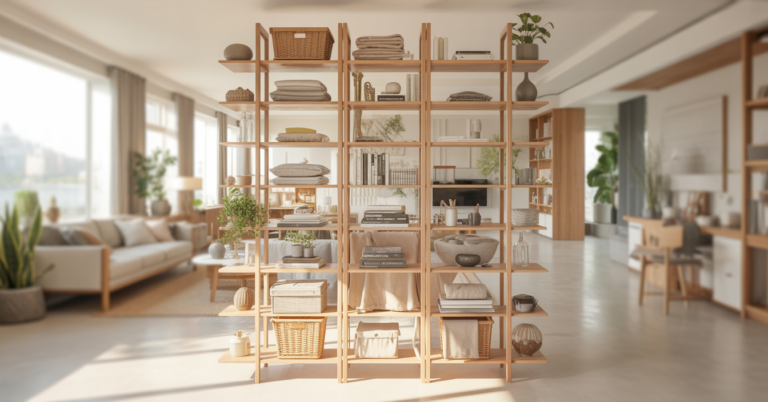
Leaning Ladder Shelf
Leaning ladder shelves work beautifully in tight spaces where bulky furniture would feel overwhelming. I use them for books, baskets, plants, and decorative storage. The open design keeps the hallway feeling airy instead of cramped. Wall anchoring also improves safety and stability.
Pro Tip: Place heavier items on the bottom shelves to keep the ladder shelf balanced properly.
Flip-Down Shoe Cabinet
Flip-down shoe cabinets are perfect for narrow entryways because they store shoes vertically while maintaining a slim profile. I like using these cabinets in apartments and small homes where every inch matters. Closed storage also keeps hallways looking cleaner.
Pro Tip: Choose cabinets with built-in ventilation to reduce moisture and odors.
Wall-Mounted Boot Rack
Boots can create a messy entryway, especially during rainy or winter months. A wall-mounted rack keeps them upright and off the floor while allowing better airflow. This type of storage also helps boots dry faster and protects flooring from dirt and water.
Pro Tip: Place a waterproof mat underneath the rack to catch mud and moisture.
Pegboard Wall Organizer
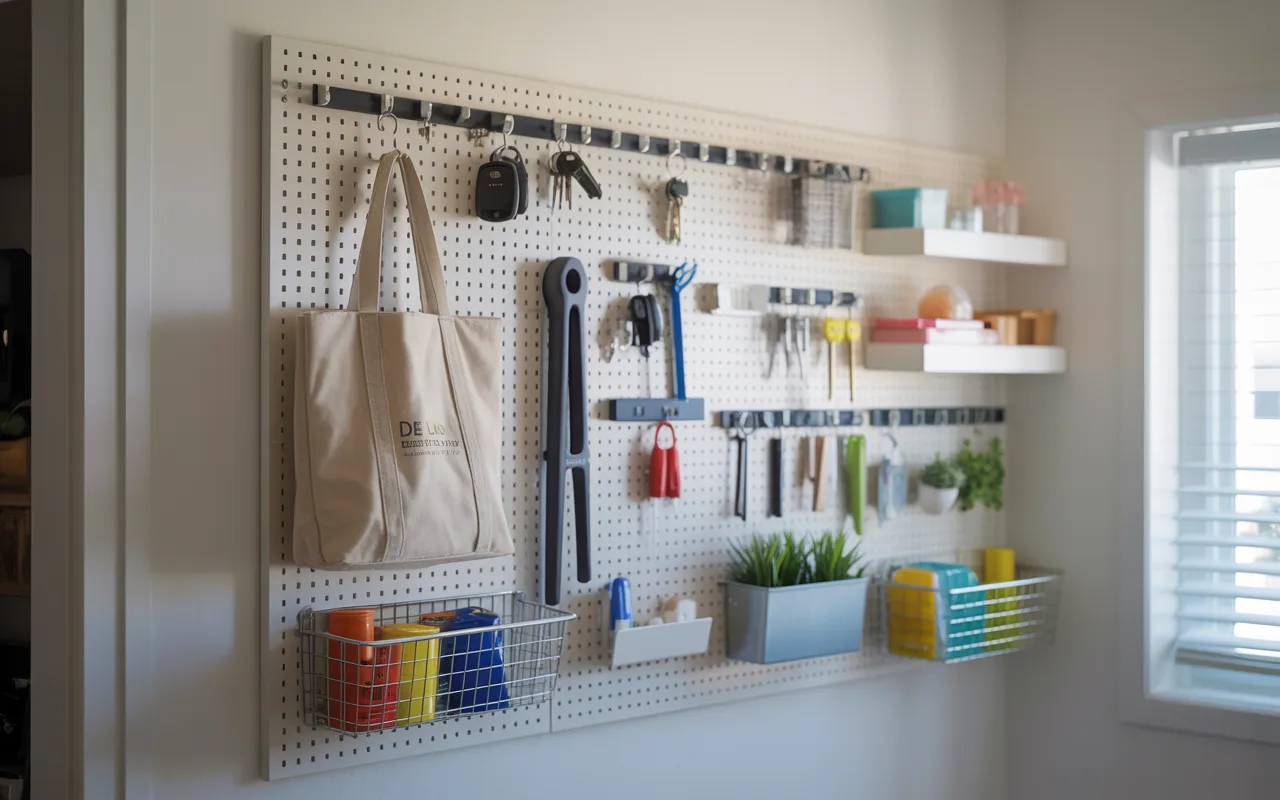
Pegboards are one of the most versatile storage ideas for narrow spaces. I love using them for keys, bags, tools, and small accessories because layouts can easily change over time. The customizable design makes pegboards practical for entryways, bedrooms, and utility areas alike.
Pro Tip: Group similar items together on the pegboard to make daily organization easier.
Built-In Book Wall
A hallway can become far more functional when walls double as bookshelf storage. Built-in book walls add personality while keeping books organized without taking over the floor. Keeping shelves shallow helps preserve walking space while still offering plenty of storage.
Pro Tip: Add small accent lighting above shelves to create a cozy library-inspired atmosphere.
Double-Sided Closet Door
Using both sides of a closet door creates extra storage without requiring additional furniture. I like combining hanging organizers inside the door with slim hooks or racks nearby. This setup maximizes every inch while keeping daily essentials accessible and organized.
Pro Tip: Avoid heavy over-the-door organizers because they can strain hinges over time.
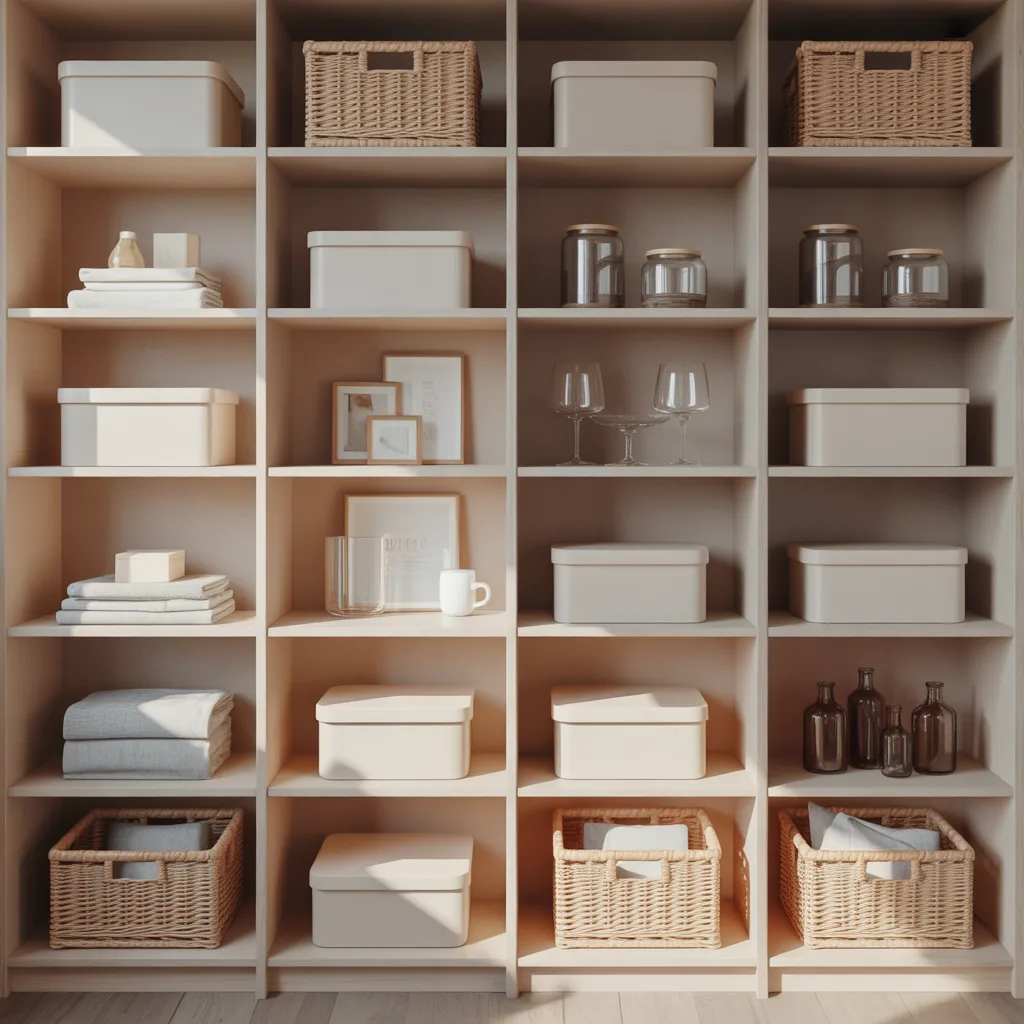
Slim Pantry Shelves
Deep pantry shelves often cause items to disappear in the back. Slim shelving keeps everything visible and easier to organize. I’ve found that shallow shelves improve meal prep because ingredients are easier to spot quickly. Uniform containers also create a cleaner pantry design.
Pro Tip: Label pantry containers clearly so items stay organized and easier to restock.
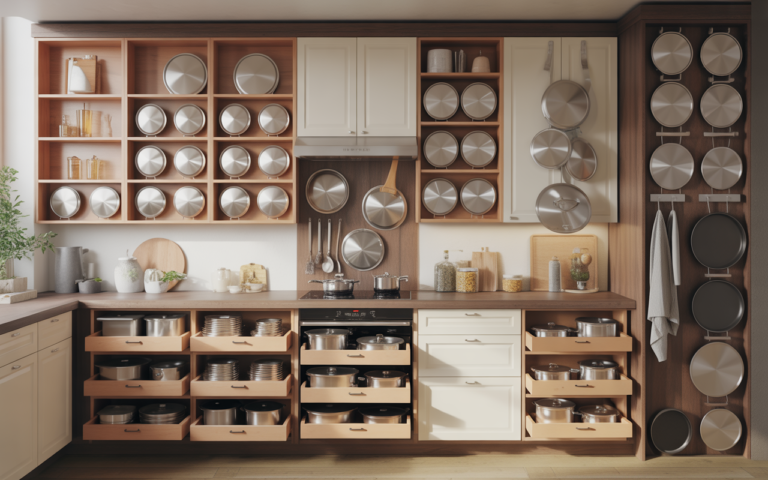
Pull-Out Base Storage
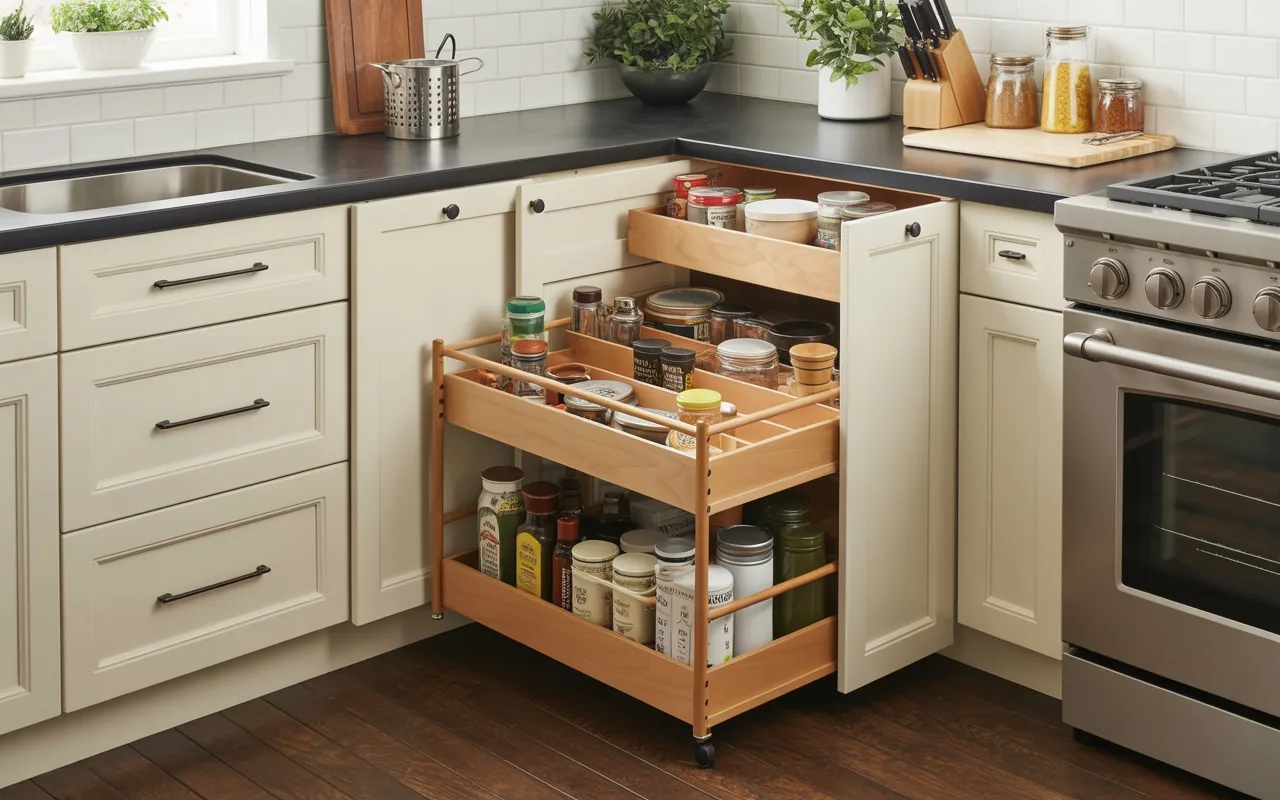
Traditional lower cabinets waste a lot of space because items become buried behind each other. Pull-out storage systems solve this problem by bringing everything forward. Tiered organizers also make categories easier to separate. This setup works especially well in compact kitchens.
Pro Tip: Use soft-close drawer slides for smoother operation and longer-lasting cabinets.
Library-Style Hallway
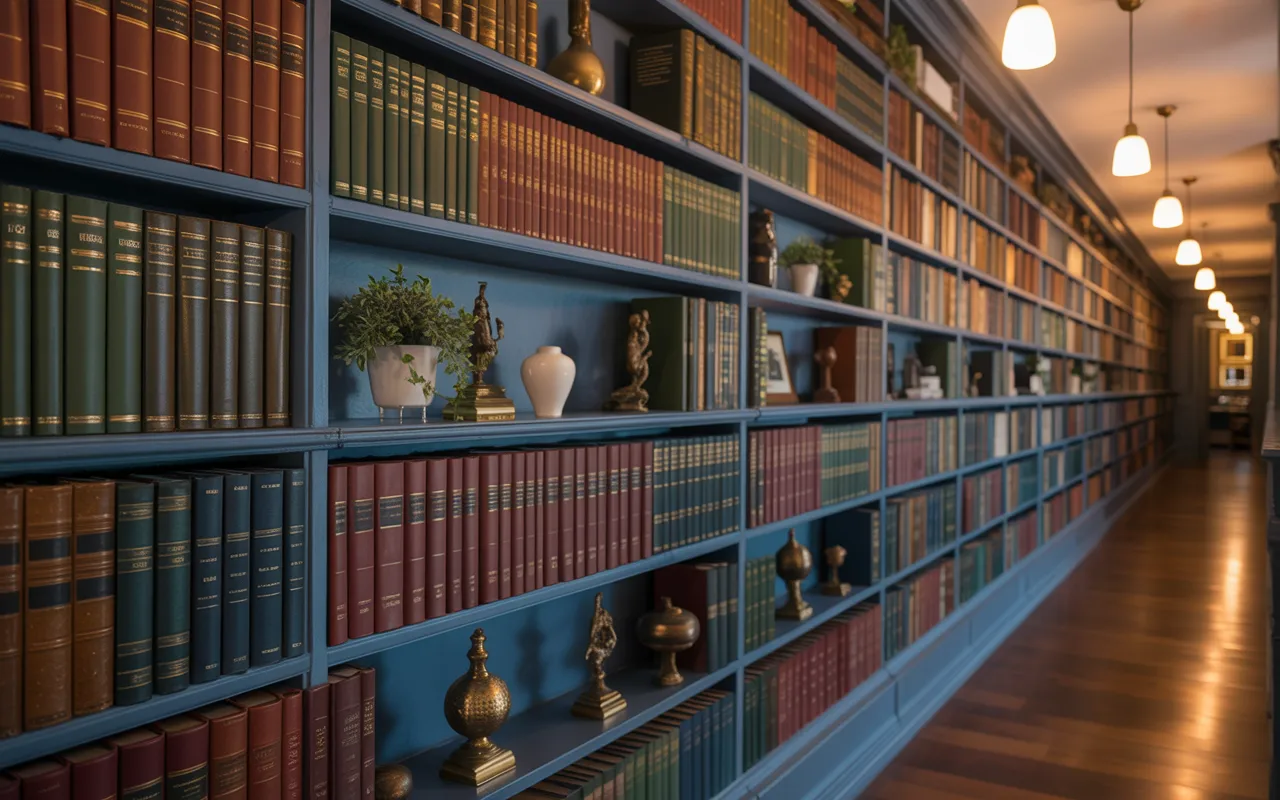
Long hallways can feel empty and underused without purposeful storage. Turning the walls into shallow bookshelves creates a beautiful library-inspired hallway that feels functional and inviting. Keeping shelves slim prevents the area from feeling cramped. Good lighting also helps the hallway stay warm and welcoming.
Pro Tip: Leave some empty shelf space between decor and books so the hallway doesn’t feel visually overwhelming.
FAQs
1. How narrow is too narrow for hallway storage?
A hallway becomes too narrow when storage interferes with comfortable movement. I always recommend maintaining at least 36 inches of open walking space.
Wall-mounted and recessed storage systems usually work best because they provide functionality without making the hallway feel blocked.
2. Should hallway storage be open or closed?
Open storage works well for daily essentials like coats, shoes, and bags because everything stays easy to grab. Closed storage is better for hiding visual clutter.
I personally prefer mixing both styles together. It creates balance while keeping the hallway practical and organized.
Conclusion
Narrow spaces can still become highly functional when storage is planned carefully. I’ve learned that using walls, vertical storage, shallow cabinets, and hidden organization systems can completely transform tight hallways and small rooms.
The key is choosing storage that supports daily routines without overwhelming the space visually. With the right narrow storage ideas, even the smallest hallway can feel cleaner, brighter, and much easier to manage every day.