


When I started growing tomatoes in my garden, I quickly learned that healthy vines need strong support. Without proper structure, tomato plants fall over, fruits rot on the ground, and overall yield drops. That’s why I started exploring different tomato cages DIY ideas to improve my harvest without spending much money.
Above the Fold Summary
In this guide, I share 18 practical DIY tomato cage ideas that I personally find useful for home gardening. These designs include budget-friendly builds, recycled materials, wooden frames, metal structures, and space-saving vertical supports. Some are perfect for small balconies, while others work well for large garden beds.
Most of these ideas focus on improving airflow, keeping fruit off the soil, and making harvesting easier. I also noticed that proper support can increase tomato yield by up to 30% in well-maintained gardens, especially when plants get better sunlight exposure and reduced disease risk.
Key Takeaways
- Strong support improves tomato growth and reduces plant disease risk
- DIY cages save money and allow custom garden design
- Recycled materials can work just as well as store-bought cages
- Vertical support increases airflow and fruit quality
- Small-space gardeners can still grow productive tomato plants
- Simple structures often perform better than complex ones
Upcycled & Budget Builds
I always prefer starting with recycled materials because they save money and reduce waste. Old wood, wire, or even broken furniture can be reused to build strong tomato cages. In my experience, these budget builds are just as durable as store-bought options if constructed properly.
Upcycled cages also add personality to the garden. They don’t look perfect, but they perform well and support healthy growth while keeping gardening costs low.
Tomato Cages DIY Ideas
Slanted Frame
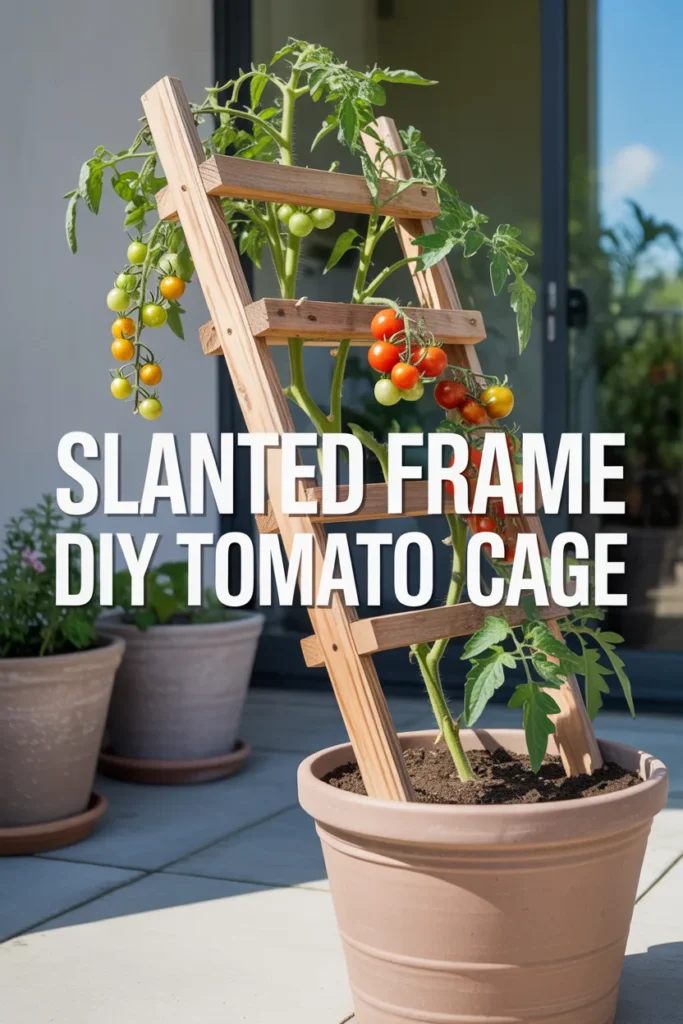
I use this angled wooden frame when I want more growing space for tomato vines. The slanted design helps me guide plants upward easily and makes pruning simple. It also works well in containers, especially when my garden space is limited.
Wire Towers
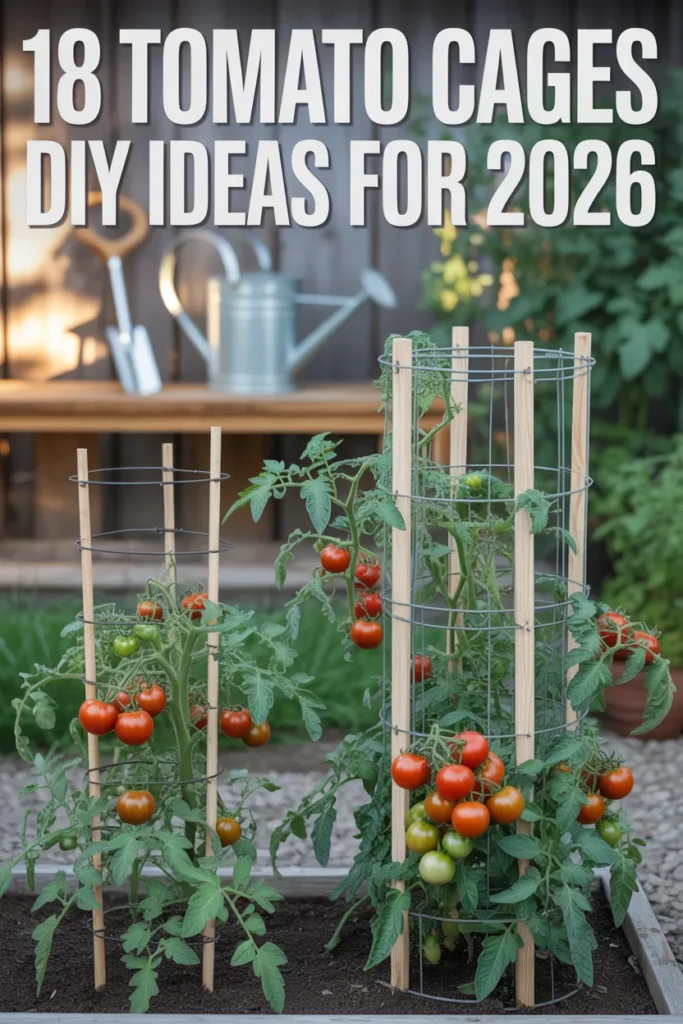
Wire towers are my preferred choice for tight garden spaces. They improve airflow around the plant, which helps reduce fungal problems. I also like that they are lightweight, easy to move, and can be reused for multiple seasons.
Grid Trellis
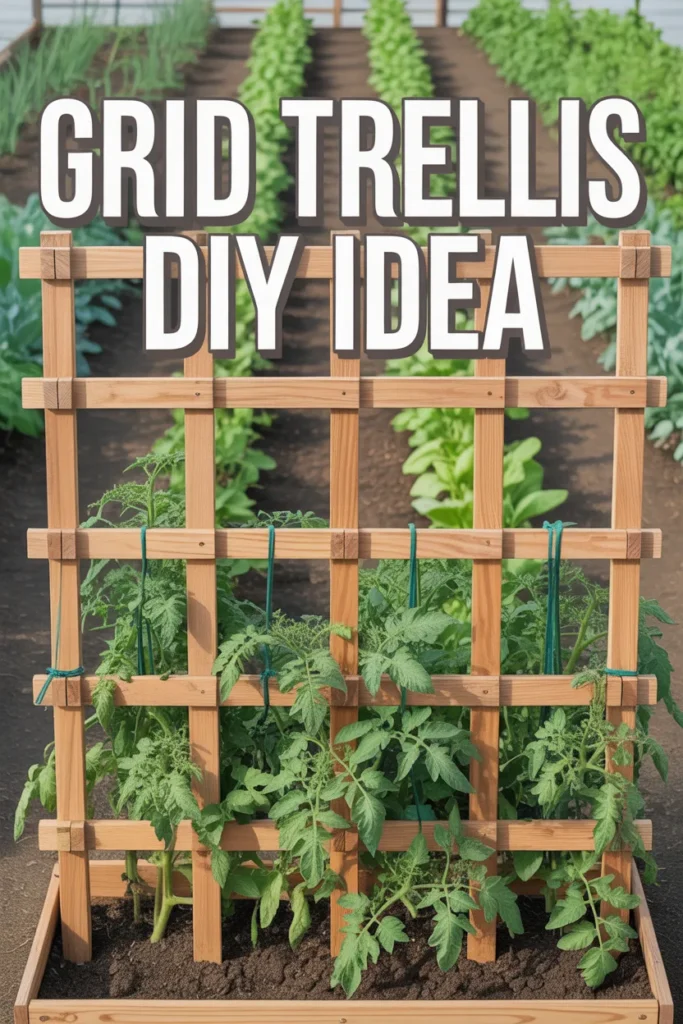
This wooden grid setup helps me keep tomato vines organized and off the ground. I find it especially useful in windy areas because the structure gives strong base support and keeps plants stable.
Pyramid Towers
I often use pyramid-shaped cages in my raised beds. The design allows sunlight to reach all sides of the plant, which supports even growth. I also notice less overcrowding when plants climb upward naturally.
Compact Crate
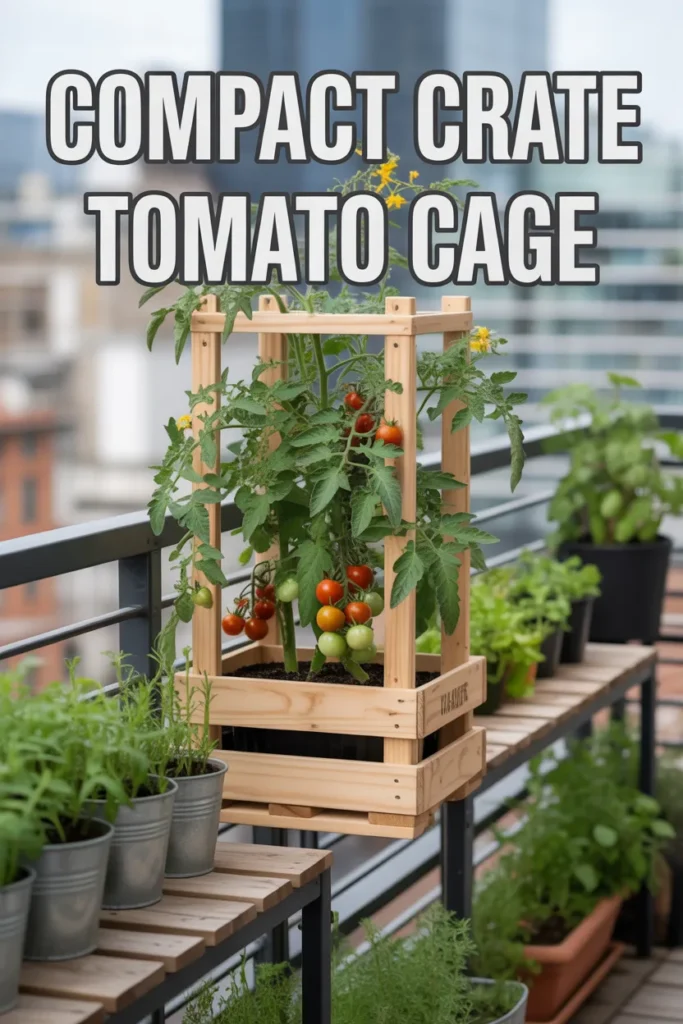
This is one of my favorite solutions for small gardens. I stack wooden slats to guide plant growth vertically. It keeps my tomatoes neat, saves space, and makes maintenance easier.
Popsicle Cage
I recommend this simple DIY cage for beginners or kids. It is made from sticks and works best for seedlings or small starter plants. I like using it for teaching basic gardening.
Cone Cage
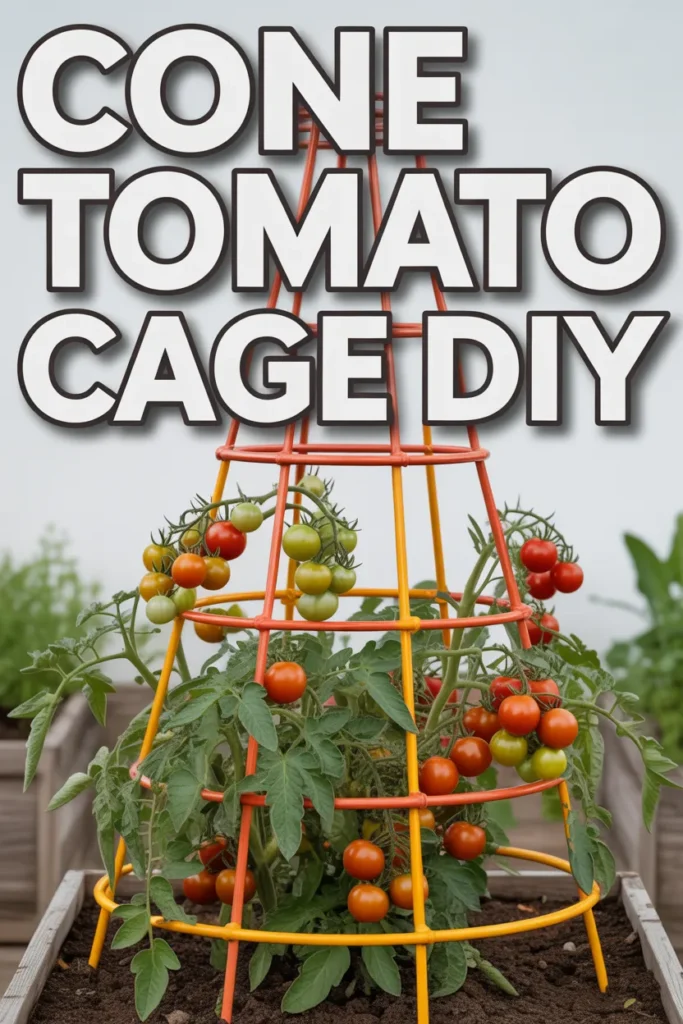
This cone-shaped structure is simple but effective. I use it because it naturally guides tomato vines upward without much effort. It’s a low-maintenance option that works well in small beds.
PVC Grid
PVC cages are very durable in my experience. They hold up well in different weather conditions and last for years. I prefer them when I want a long-term, reusable garden structure.
Willow Dome
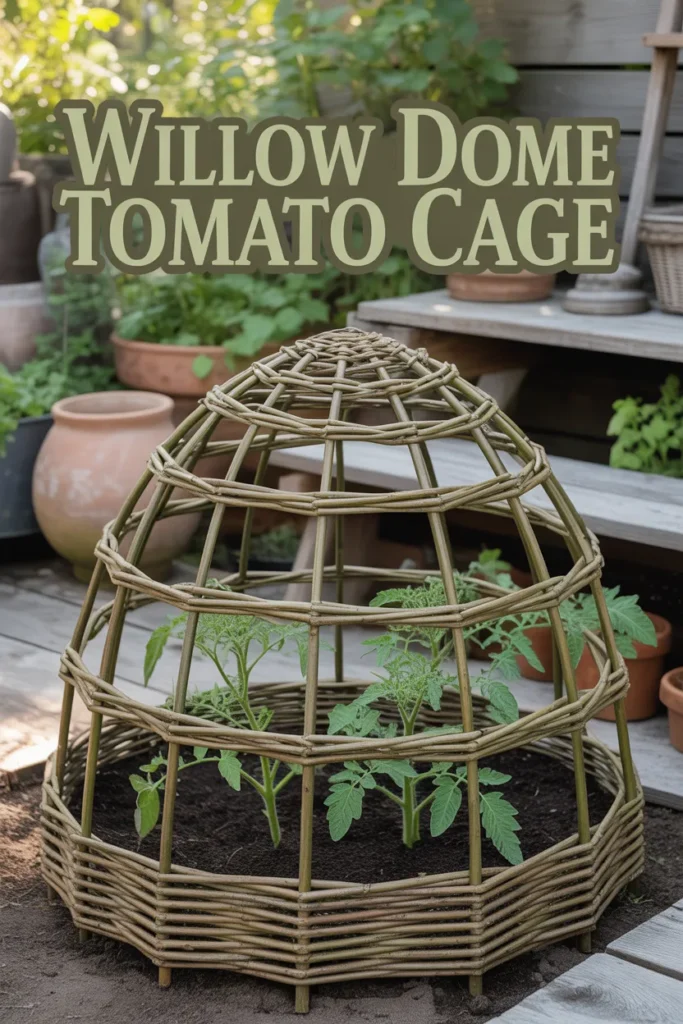
I enjoy using this natural design made from flexible branches. It blends nicely into my garden and supports healthy vine growth. It’s also an eco-friendly option that feels more natural than metal cages.
Heart Frame
This is more of a decorative design that I use for cherry tomatoes in pots. While it’s not heavy-duty, it adds visual appeal and works well for light climbing support.
Tall Square
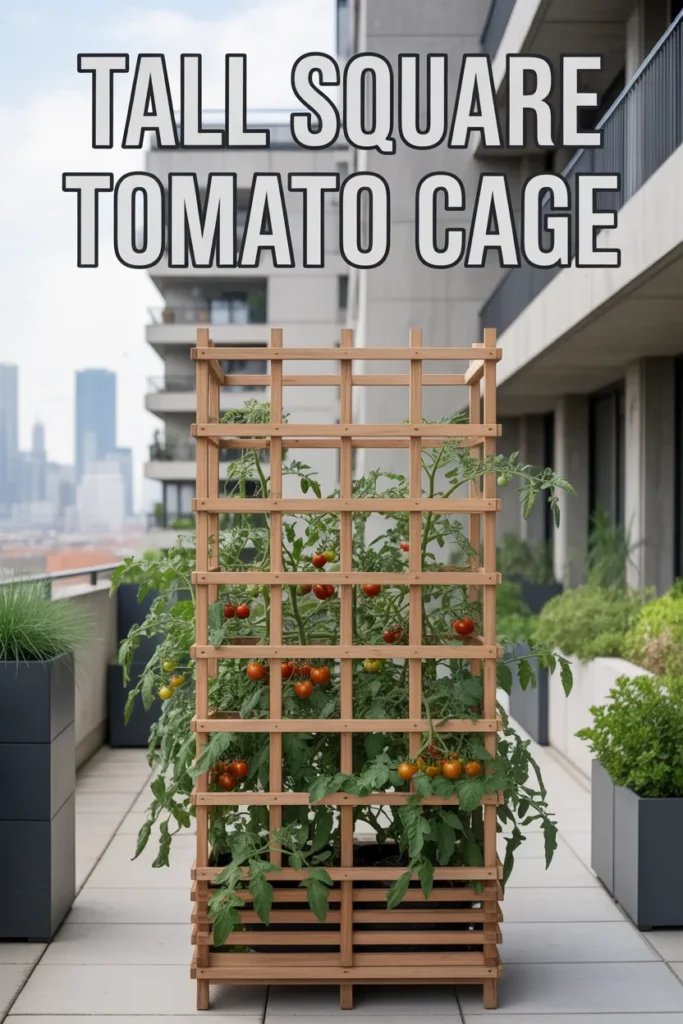
I often use this design on balconies where space is limited. It gives tomato plants enough vertical room to grow while taking up very little floor space.
Pipe Fortress
This is the strongest cage I build. Made from metal pipes, it handles heavy tomato plants and strong winds easily. I use it when I want long-term durability and maximum support.
Twine Grid
This is the simplest system I use in my garden. I set up wooden stakes and tie string across them. It is flexible, easy to adjust, and works well for fast-growing plants.
Cage Tunnel
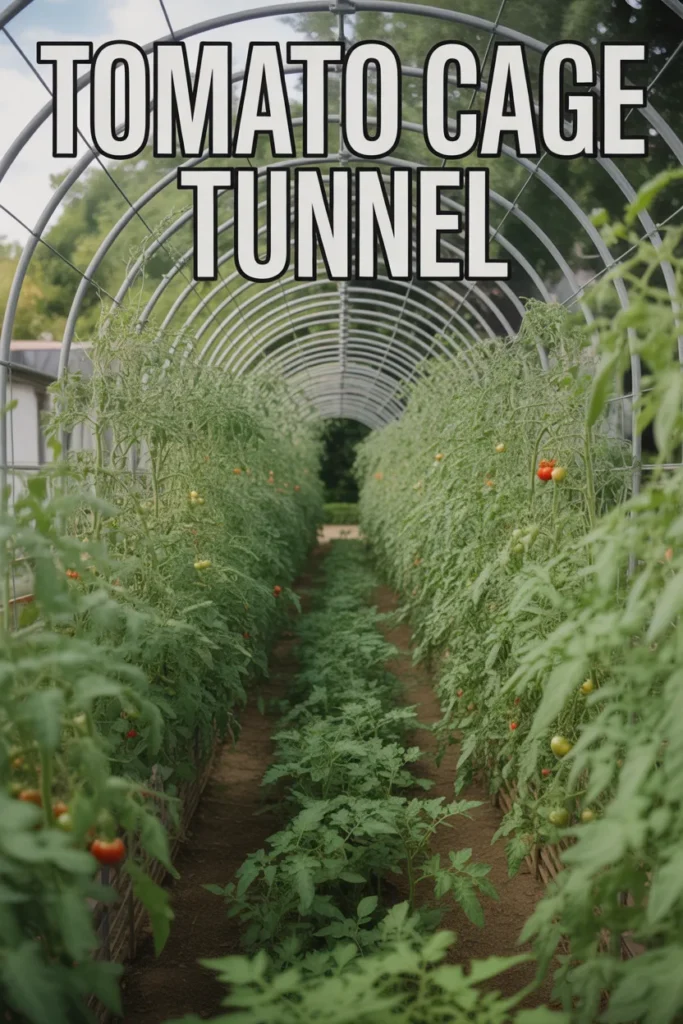
I like this design because it creates a structured walkway in the garden. It supports two rows of tomatoes and keeps the growing space organized and easy to access.
String Towers
This design combines wooden frames with string support. I use it when I need adjustable guidance for plants that grow quickly and need frequent tying.
Rustic Poles
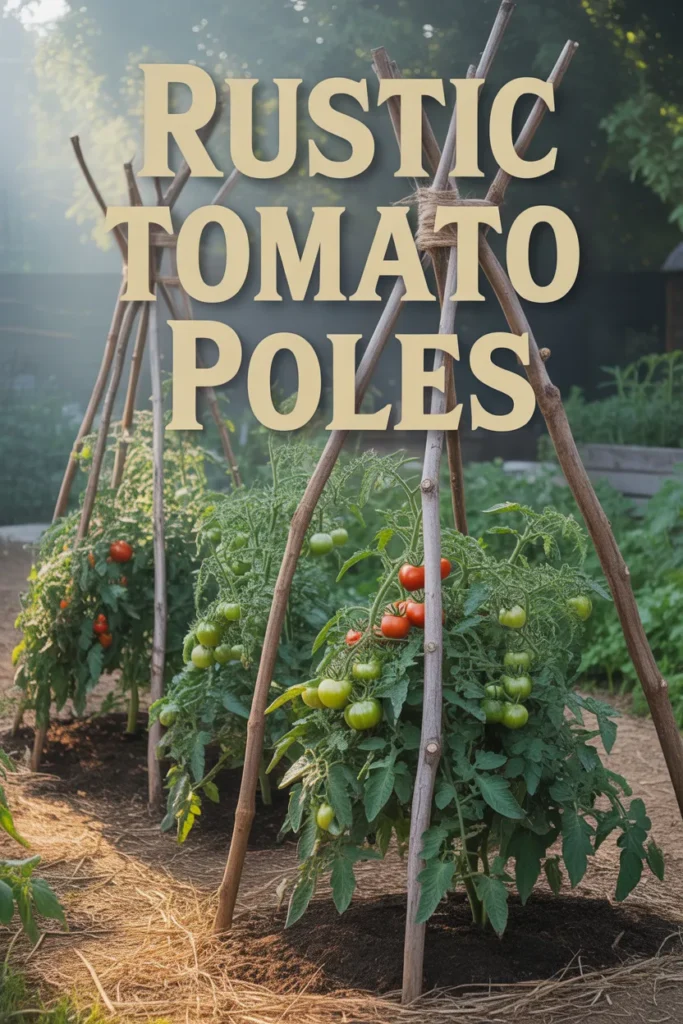
I use natural branches tied together for this eco-friendly setup. It gives my garden a rustic look and works well for gardeners who prefer zero-waste materials.
Classic Round
This is the most common design I rely on. It fully surrounds the plant and provides strong support for heavy tomato vines. It works well for both small and large varieties.
Panel Tower
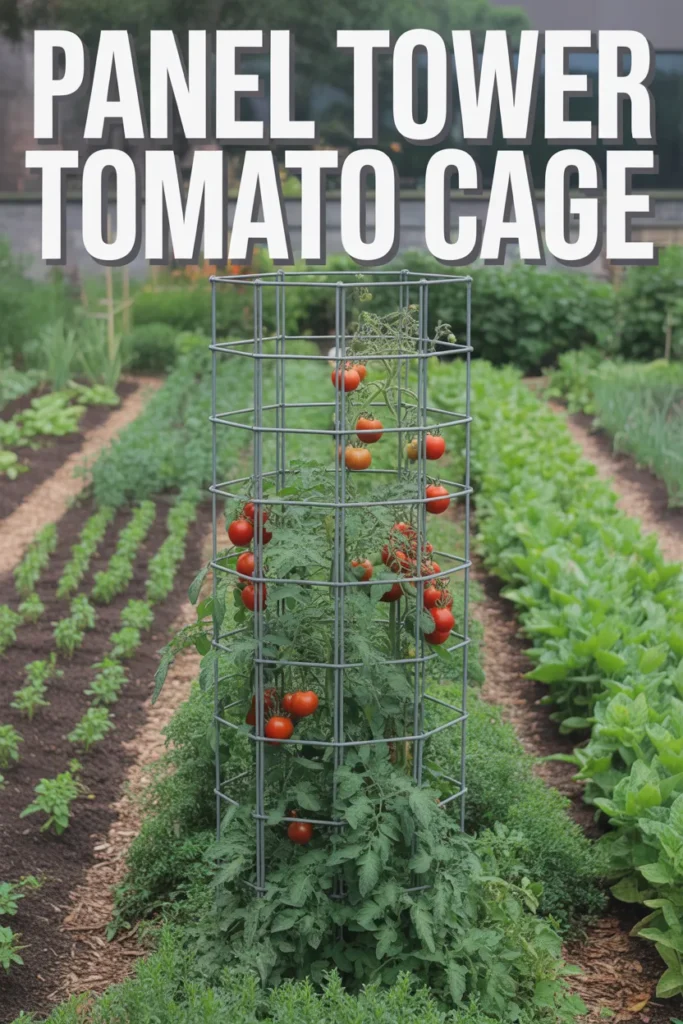
I use this tall wire panel system for larger gardens. It gives strong vertical support and helps me manage multiple tomato plants in a clean, organized way.
Final Thoughts
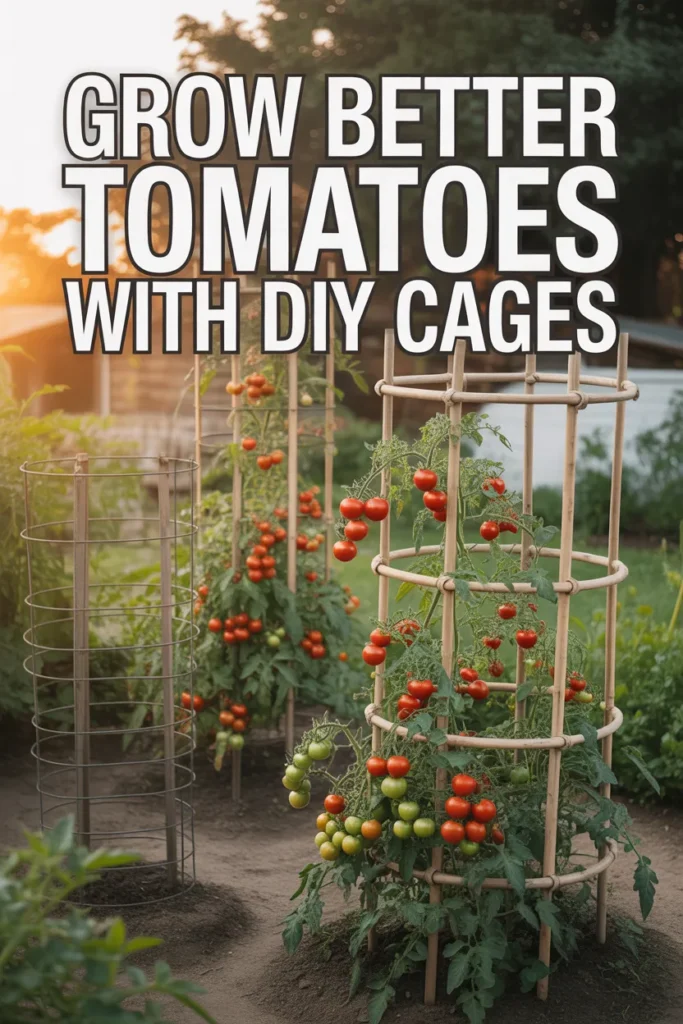
From my experience, choosing the right tomato cages DIY ideas depends on your space, budget, and gardening style. I’ve tested both simple and advanced designs, and I found that even basic supports can significantly improve tomato health if used correctly. Good airflow, strong structure, and easy access for harvesting are what really matter in the end.
FAQ,s
1. Why do I need tomato cages in my garden?
I use tomato cages because they keep plants upright, improve airflow, and prevent fruits from touching the soil. This reduces rot and helps me get healthier, better-looking tomatoes.
2. What is the best material for DIY tomato cages?
From my experience, wood, metal wire, and PVC pipes work best. Wood is easy to build, metal is strong and long-lasting, and PVC is lightweight and weather-resistant.
3. Can I make tomato cages on a low budget?
Yes, I often use recycled materials like old wire, branches, or pallets. These budget-friendly options still support tomato plants well if built properly.
4. Do homemade tomato cages work as well as store-bought ones?
In my case, DIY cages work just as effectively when they are built strong. The key is stability and proper height for plant growth.
5. How tall should a tomato cage be?
I usually build cages between 4 to 6 feet tall because most tomato plants need vertical support as they grow.
6. When should I install tomato cages?
I always place cages right after planting seedlings. This avoids damaging roots later and helps guide early plant growth.
7. Which tomato cage design is best for small spaces?
For small gardens, I prefer compact crates, wire towers, or tall square frames because they save space and still support healthy growth.