
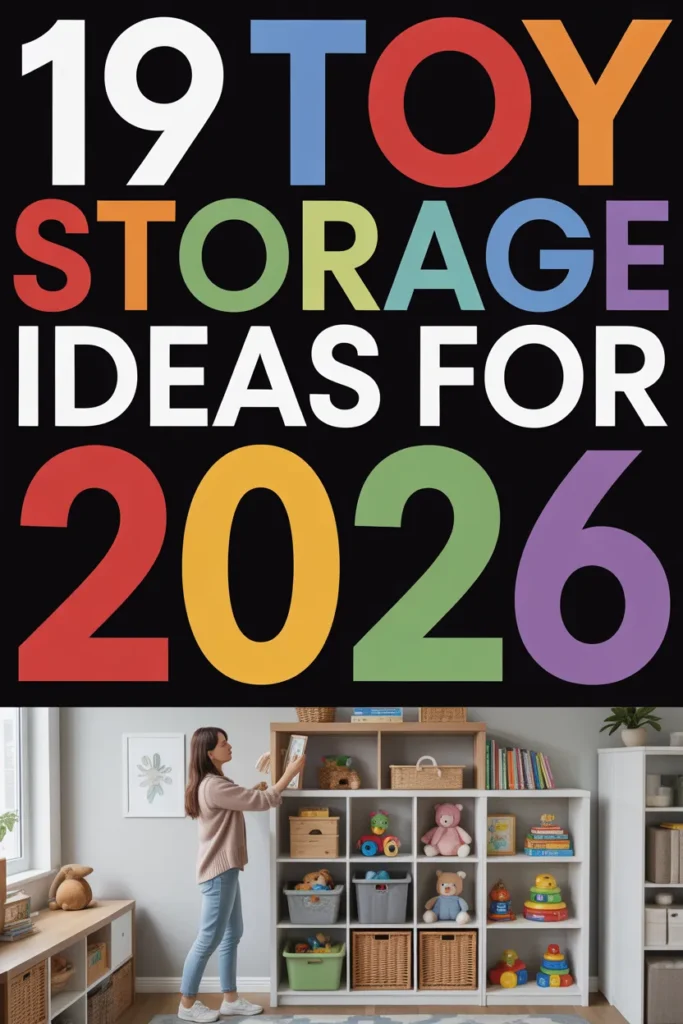
I know how quickly toys can take over a home, and honestly, it can feel like cleaning never ends. In this guide, I’m sharing practical toy storage ideas that actually work in real homes with real kids. Instead of relying on one big toy box, I focus on simple systems that make cleanup faster and help kids stay involved. These ideas are designed to reduce clutter, maximize space, and create a more organized play environment.
Key Takeaways
Keeping toys organized becomes much easier when each category has its own space. I’ve found that using visible storage like open shelves or clear bins encourages kids to clean up on their own. Vertical storage solutions save floor space and work well in smaller rooms. Mixing hidden storage with display areas keeps rooms looking neat without sacrificing accessibility. Most importantly, simple systems are more effective than complicated setups.
How Can You Keep Toys Organized Without a Toy Box?
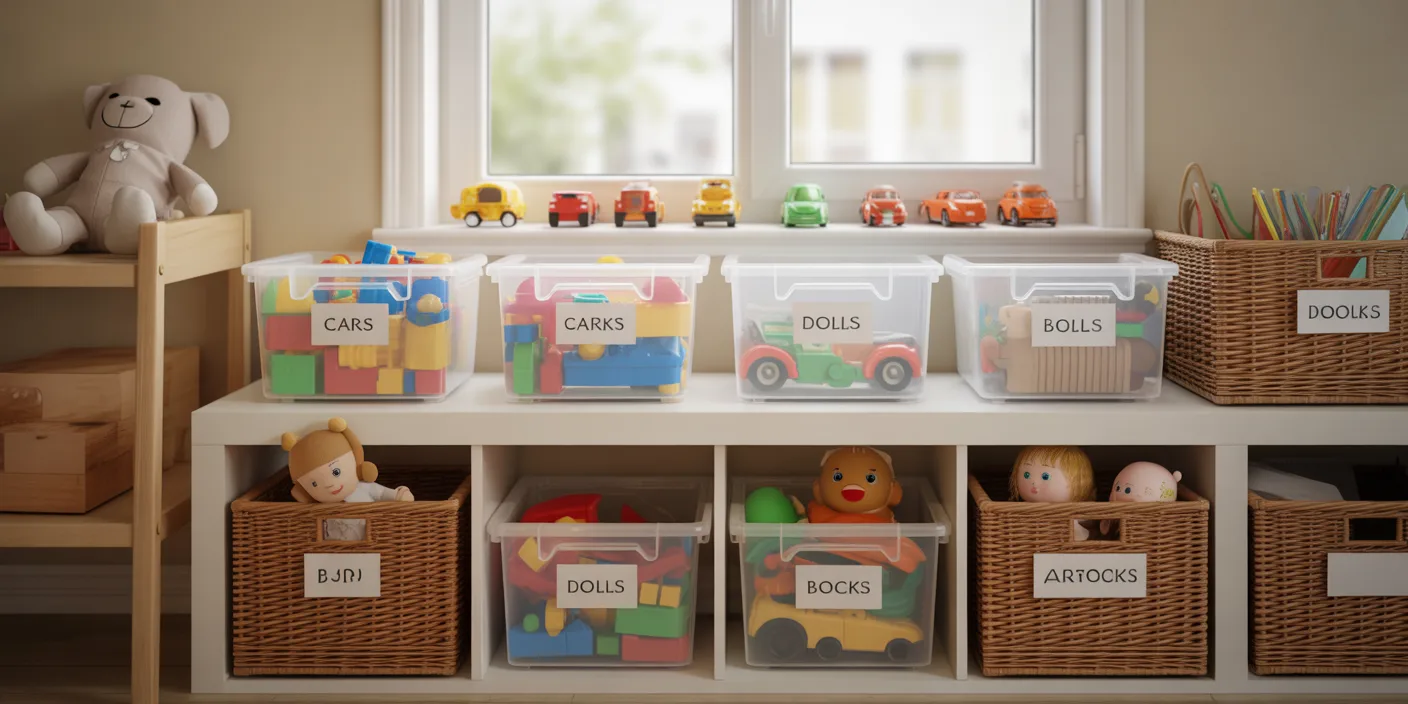
I’ve learned that a single toy box often creates more chaos than order because everything gets mixed together. When kids search for one toy, they end up pulling everything out, which leads to a bigger mess. Instead, I prefer assigning a specific place for each type of toy. This makes it easier to both find items and clean up afterward.
I usually start by grouping toys into categories like cars, puzzles, dolls, and blocks. Then I place each group into its own basket, bin, or shelf to keep things separated. When kids can clearly see where things belong, they’re more likely to return them after playing. This simple habit makes a noticeable difference in daily cleanup.
I also rely on space-saving options like wall shelves, under-bed bins, or multi-purpose furniture. These help keep toys organized without overcrowding the room. When every toy has a clear “home,” the entire space feels calmer and more manageable.
Pro Tip: Use picture labels for younger kids so they can easily identify where each toy belongs.
Open Shelves
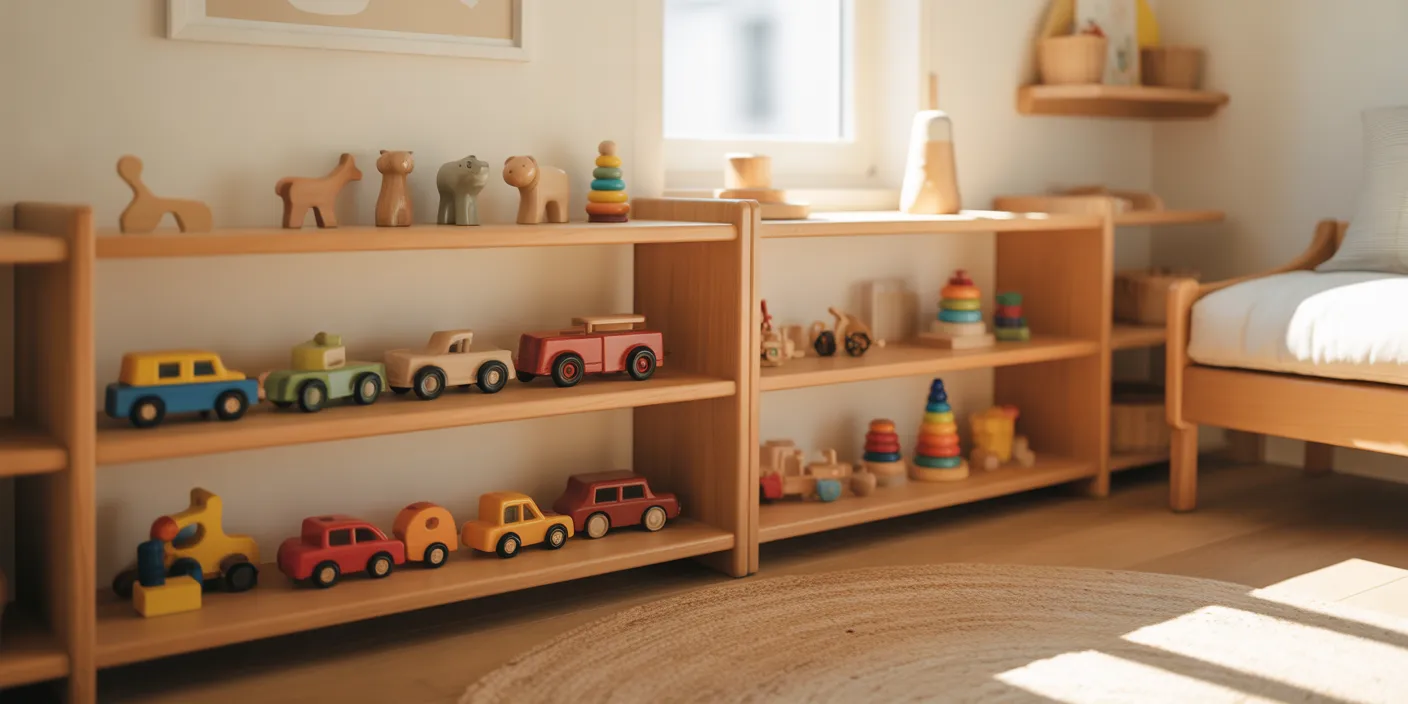
I’ve noticed that open shelves instantly make toy organization easier because everything is visible. Instead of digging through a bin, kids can quickly find what they need and put it back just as easily. This setup naturally reduces mess and saves time during cleanup. I like to group similar toys together on each shelf, such as animals, vehicles, or building sets. This makes playtime more structured and helps kids understand where things belong. It also encourages them to return items to the right spot without reminders.
Keeping shelves at a child-friendly height is key so they can access everything independently. A simple wooden shelf blends well with most décor while keeping toys neatly displayed instead of scattered across the floor.
Pro Tip: Limit the number of toys per shelf to avoid visual clutter and make cleanup faster.
Basket Storage
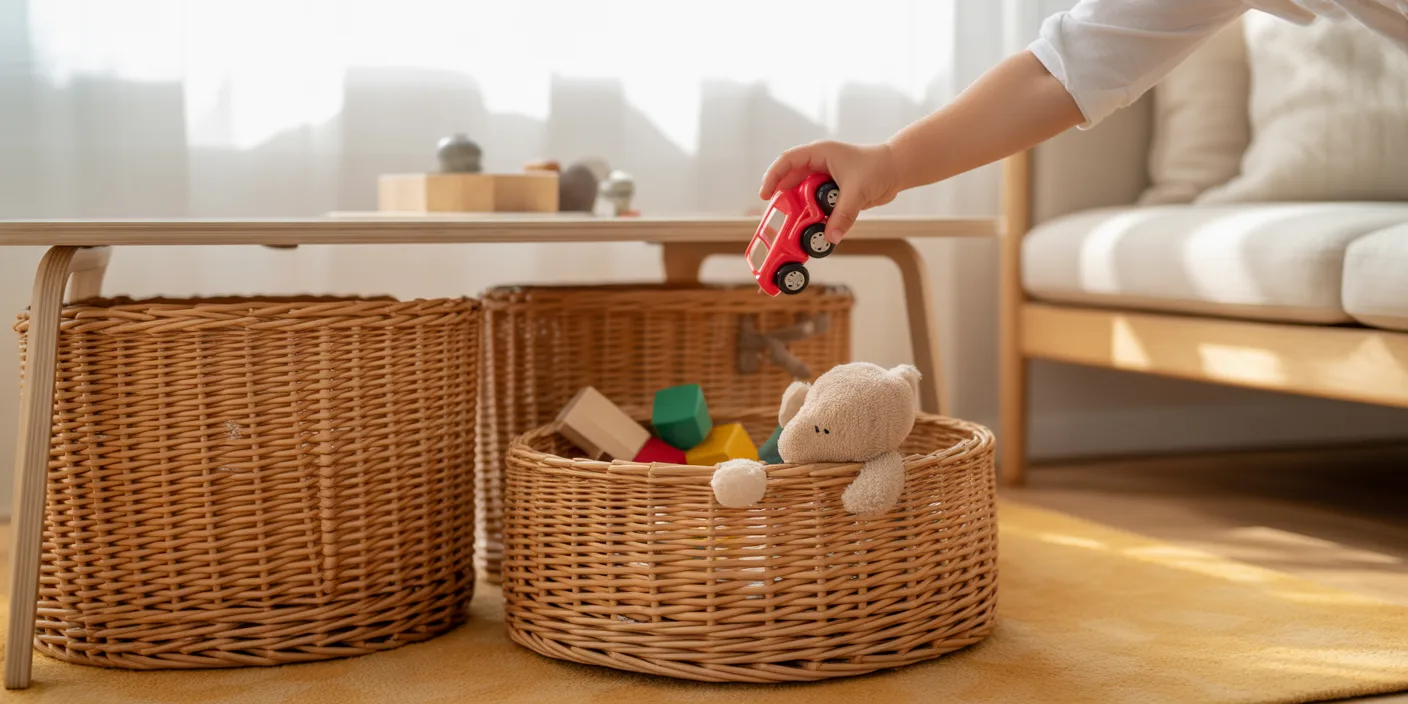
One of the easiest ways I manage toy clutter is by using baskets as quick drop zones. Kids don’t always want to sort toys after playing, so giving them a simple place to toss everything helps a lot. It keeps the floor clear without adding extra effort. I usually place baskets under a table or near the play area so toys are always within reach. Each basket can hold a different category, like building toys or pretend play items. This keeps things somewhat organized while still being convenient.
I prefer sturdy baskets with handles because kids can pull them out and put them back easily. They also look more like décor, which makes them perfect for shared spaces like living rooms.
Pro Tip: Assign one basket per activity type to avoid everything piling into a single container.
Stackable Bins
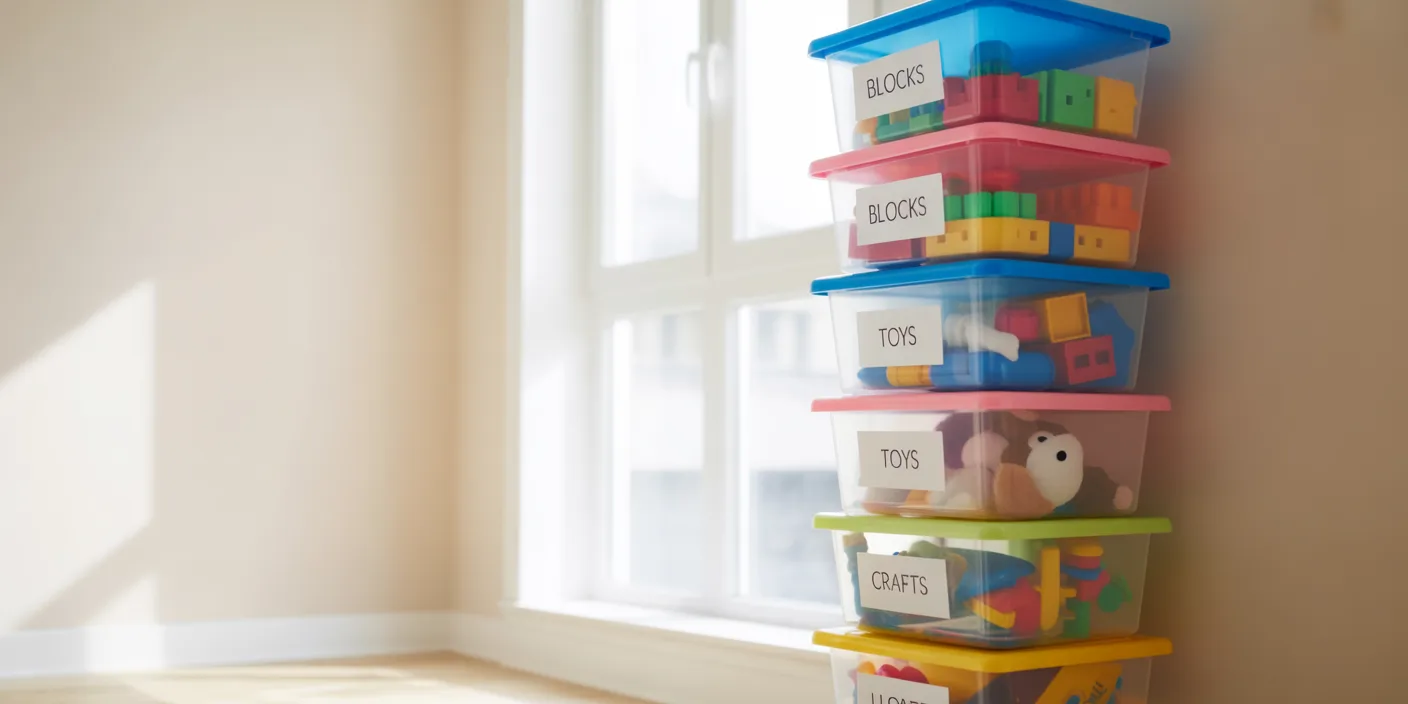
Stackable bins have been a game changer for managing multiple toy types in one area. They allow me to separate toys while still saving valuable floor space. This is especially helpful in smaller rooms or busy play areas. I assign one type of toy to each bin to keep things organized and easy to find. The vertical design keeps everything compact and prevents clutter from spreading. Lids also help maintain a clean and tidy look.
I always choose bins that are easy for kids to open and close on their own. This independence encourages them to take responsibility for putting toys away after use.
Pro Tip: Label each bin clearly so kids don’t mix categories over time.
Play Nook
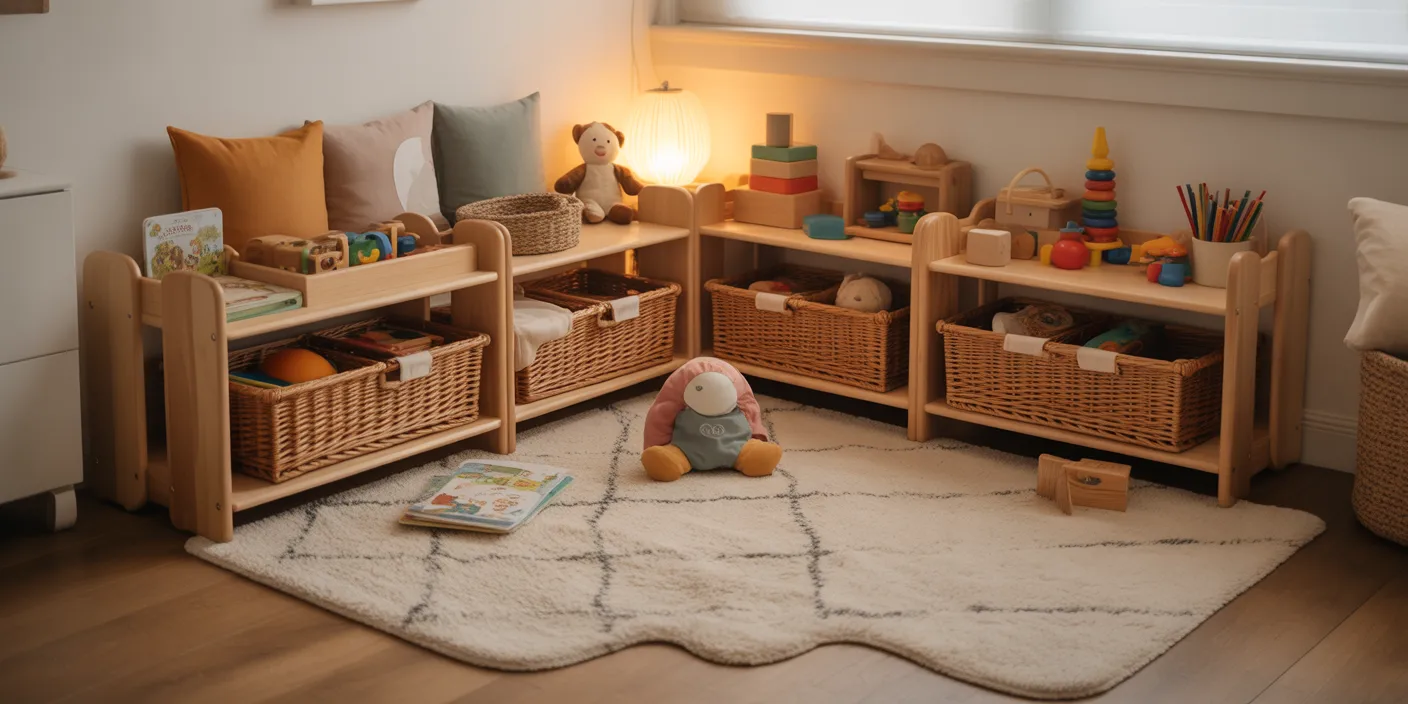
Creating a dedicated play nook has helped me keep toys from spreading all over the house. When kids have a defined space for playing, toys naturally stay within that area. It makes the entire home feel more organized.
I like using a small setup with shelves or storage built into the play area. Baskets or bins on lower shelves make it easy for kids to grab and return toys. Less-used items can go on higher shelves.
This approach works especially well in bedrooms or playrooms where space is limited. It creates a balance between accessibility and organization while keeping everything contained.
Pro Tip: Use a rug or mat to visually define the play nook and keep toys contained within that space.
Plush Tower
Stuffed animals tend to pile up quickly, and I’ve found that a vertical storage solution works best. A plush tower keeps everything visible while using upward space instead of the floor. This helps reduce clutter instantly.
Kids can easily grab their favorite toy and return it without dumping everything out. The design keeps soft toys organized while still making them feel part of the room. It almost turns storage into a display.
I like placing the tower against a wall so it blends into the space. It keeps things tidy while still making toys accessible and fun to interact with.
Pro Tip: Declutter stuffed animals regularly to prevent overflow and keep the tower manageable.
Display Shelf
For toys that are visually appealing, I prefer using display shelves instead of hiding them away. This makes it easier for kids to find what they need without creating a mess. It also adds a decorative element to the room.
I usually arrange toys by size, color, or type to keep everything visually organized. This makes it easier for kids to understand where items belong. It also eliminates the need to dig through piles.
Tall, narrow shelves are especially useful in smaller spaces. They provide storage without taking up too much room, making them a practical and stylish solution.
Pro Tip: Keep frequently used toys at eye level for easier access and quicker cleanup.
Cube Organizer
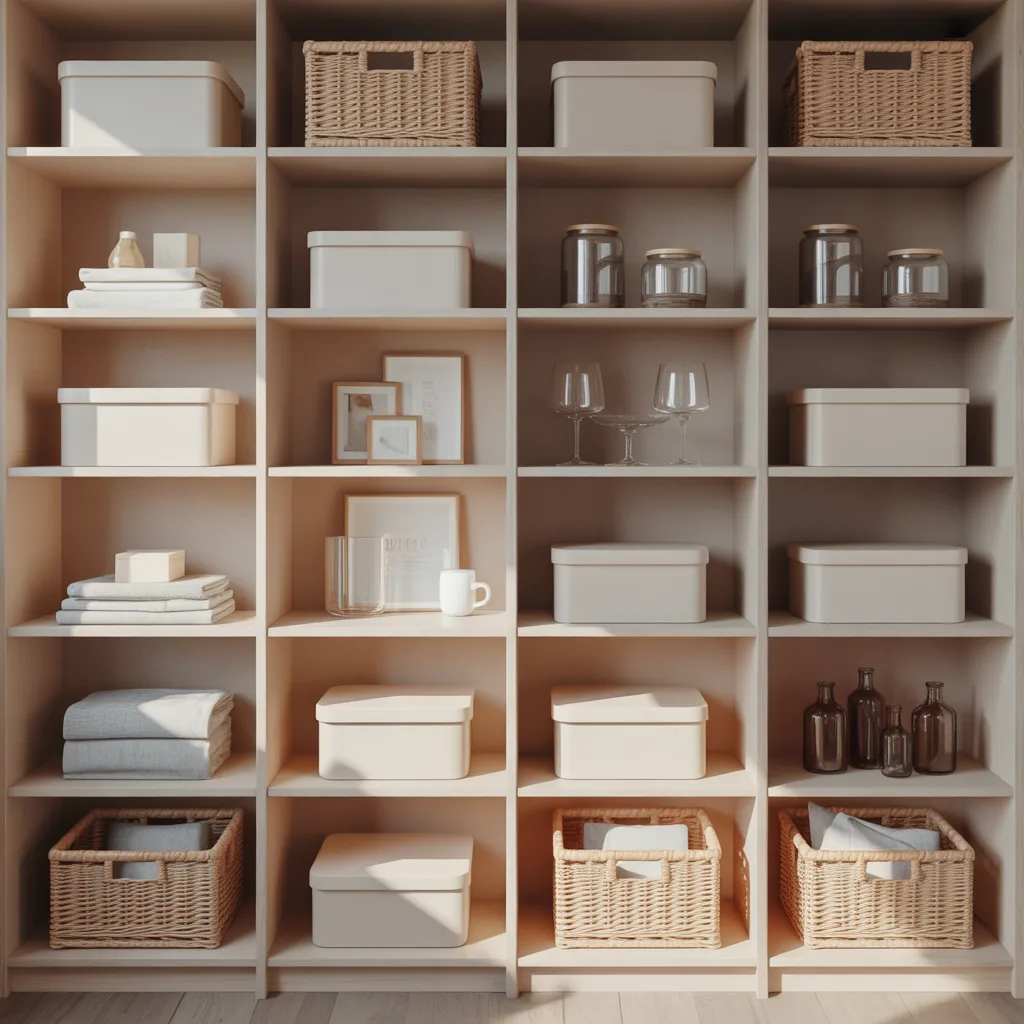
Cube organizers are one of my favorite ways to create structure in a play area. Each section acts like a small compartment for a specific type of toy. This makes sorting simple and easy to maintain.
I often mix open cubes with bins to balance visibility and hidden storage. Frequently used toys stay in open spaces, while messier items go into baskets. This keeps the area both functional and tidy.
Low cube units work best because kids can reach everything without help. This encourages independence and makes cleanup quicker and more consistent.
Pro Tip: Use color-coded bins to make organizing more intuitive for kids.
Bucket Stand
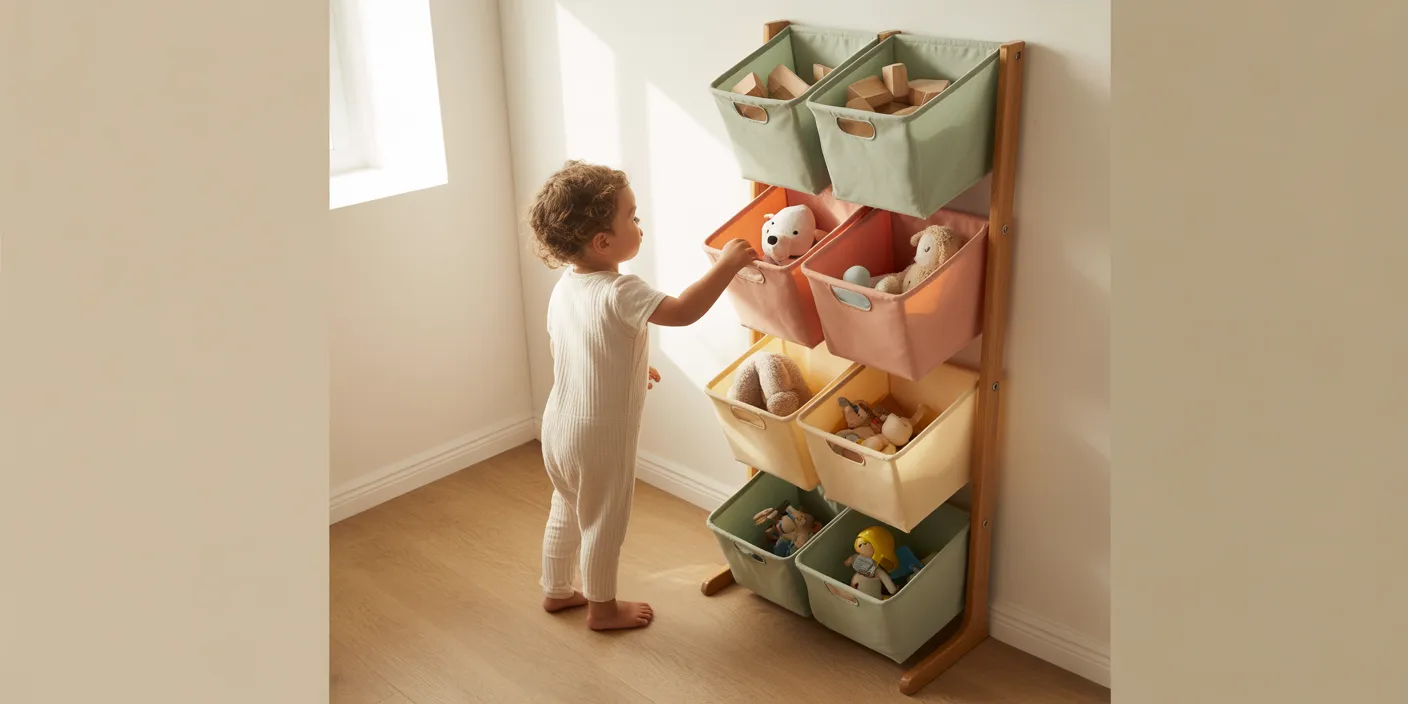
When floor space is limited, I like using vertical storage like a bucket stand. It keeps toys organized while taking up minimal room. This is especially useful in smaller bedrooms. Each hanging container can hold a different type of toy, making it easy to grab what’s needed. Kids don’t have to dump everything out to find one item. This reduces mess during playtime.
I prefer lightweight containers that are easy to lift and replace. This simple setup keeps toys sorted without requiring complicated systems.
Pro Tip: Rotate bucket contents occasionally to keep toys feeling fresh and engaging.
Book Display
I’ve found that forward-facing book displays make a big difference in how kids interact with books. When covers are visible, kids are more likely to pick them up and read. It also makes cleanup easier.
I arrange books so the covers face outward, making them easy to identify. This encourages kids to return them properly after use. It also keeps the reading area organized.
This setup works well in bedrooms or play areas where reading is part of daily routine. It combines storage with accessibility in a simple way.
Pro Tip: Keep a small, rotating selection of books on display to avoid overcrowding.
Crate Shelves
Crate shelves help keep toy categories separate while still being easy to access. Each crate acts like a pull-out drawer, which makes it simple for kids to use. This reduces the need to dig through piles.
I assign each crate to a specific category like blocks, cars, or art supplies. This makes it easier to maintain order over time. It also speeds up cleanup.
This setup works best along walls where there’s enough space for a longer unit. It keeps toys organized while still being practical for everyday use.
Pro Tip: Add labels or icons to each crate so kids can quickly identify what goes where.
Storage Bench
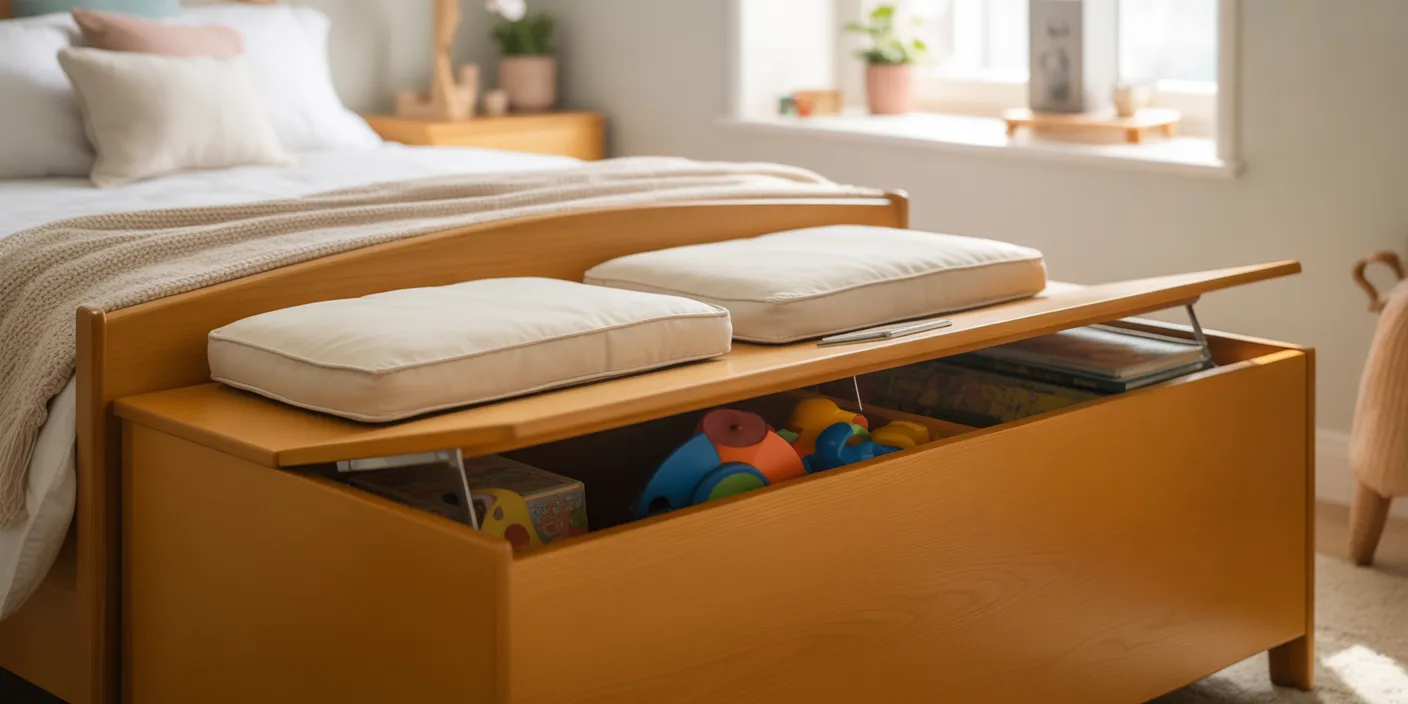
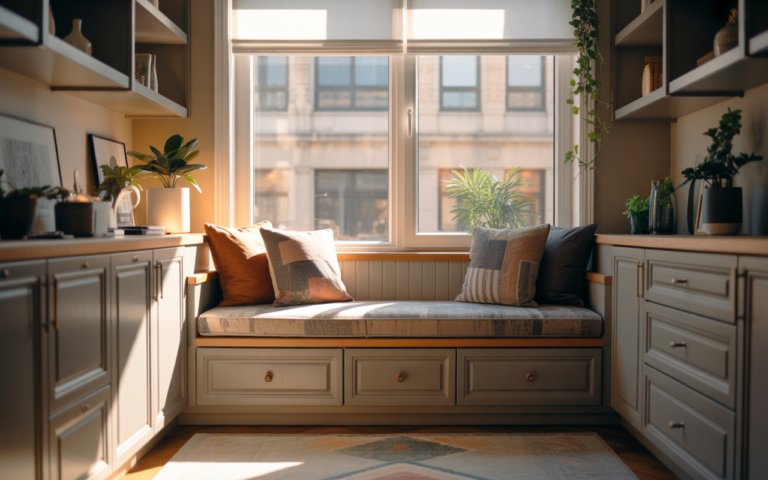
A storage bench is one of my go-to solutions for hiding clutter quickly. It provides a large space to store toys while also serving as extra seating. This makes it ideal for multi-purpose rooms. I use it to store bulkier toys that don’t fit neatly into smaller containers. When playtime ends, everything can be tucked away in seconds. This helps maintain a clean look.
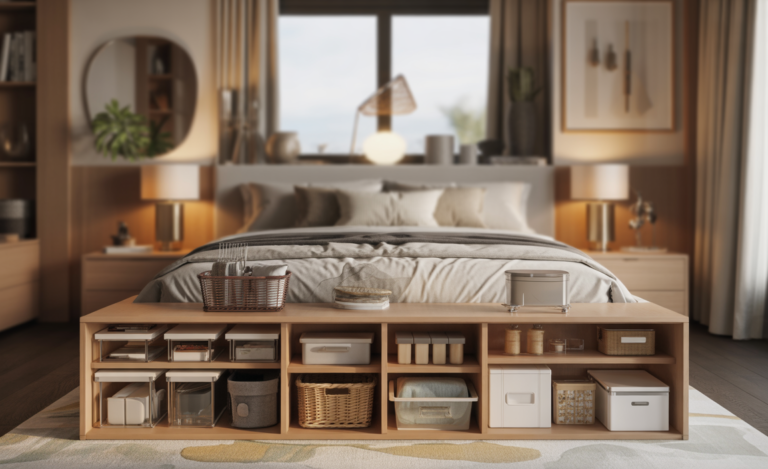
Placing the bench against a wall or at the end of a bed keeps it functional without taking up too much space. It’s a simple way to combine storage and usability.
Pro Tip: Use internal dividers inside the bench to prevent toys from becoming a jumbled mess.
Wall Shelves
Using wall shelves has helped me free up a lot of floor space. It turns empty walls into useful storage areas without overcrowding the room. This is especially helpful in smaller spaces.
I organize toys into categories on each shelf to keep things neat. Clear containers help maintain visibility while preventing mess. This makes it easier for kids to access what they need.
Installing shelves at different heights adds flexibility and keeps everything within reach. It also creates a visually appealing storage setup.
Pro Tip: Secure shelves properly to ensure safety, especially in kids’ rooms.
Play Mat
A play mat that doubles as storage is one of the most convenient solutions I’ve used. It allows kids to play freely without worrying about making a mess. Cleanup becomes quick and effortless.
Once playtime is over, the mat can be pulled together into a bag. This keeps all toys contained in one place without sorting. It’s especially useful for small pieces.
I usually place the mat in the center of the play area so it becomes the main play zone. This naturally keeps toys contained and easy to manage.
Pro Tip: Choose a durable, washable mat to handle frequent use and easy cleaning.
Toy Display
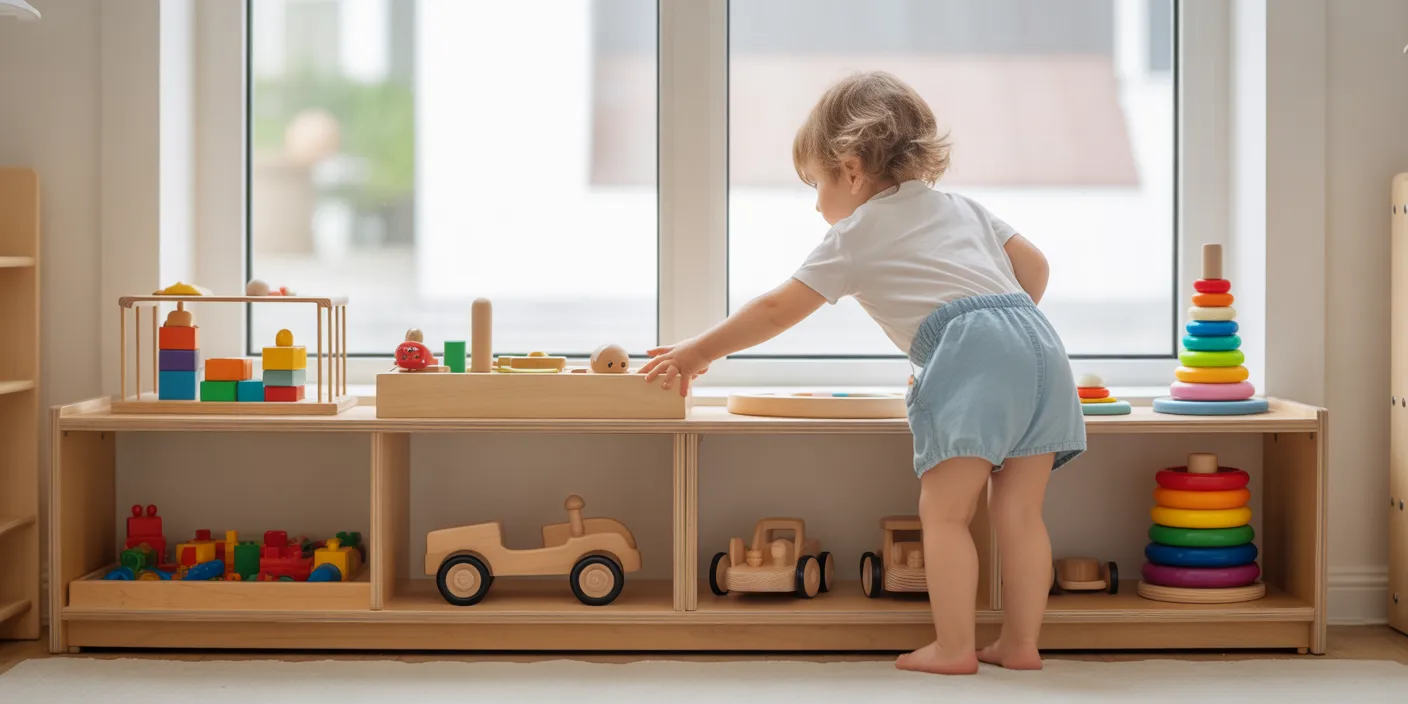
Keeping toys displayed instead of piled together makes playtime more organized. Kids can see all their options without creating a mess. This reduces the need to take everything out at once. I group similar toys into sections to keep things structured. This helps kids remember where items belong after playing. It also keeps the area visually clean.
Low display shelves work best because they are easy for kids to access. This encourages independence and consistent cleanup habits.
Pro Tip: Keep only a limited number of toys on display to avoid overwhelming kids.
Low Cubes
Low cube storage works well because everything stays within a child’s reach. Kids can easily take out and return toys without assistance. This makes organization more sustainable.
I use bins inside each cube to separate different toy types. This keeps everything organized while still being flexible. Open sections can be used for frequently used items.
Placing the unit against a wall keeps the room open for play. It’s a simple setup that balances accessibility and order.
Pro Tip: Label cubes with both words and images for younger children.
Drawer Sorting
Small toys can quickly become overwhelming without proper organization. I use drawer systems with internal dividers to keep everything in place. This prevents items from getting mixed up.
Clear containers inside drawers make it easy to see what’s inside. Kids don’t have to dig through piles to find what they need. This saves time and reduces mess.
This method works especially well for growing collections. It keeps everything organized while maintaining a clean appearance.
Pro Tip: Use adjustable dividers so the drawer setup can evolve as toy collections grow.
Toy Cubes
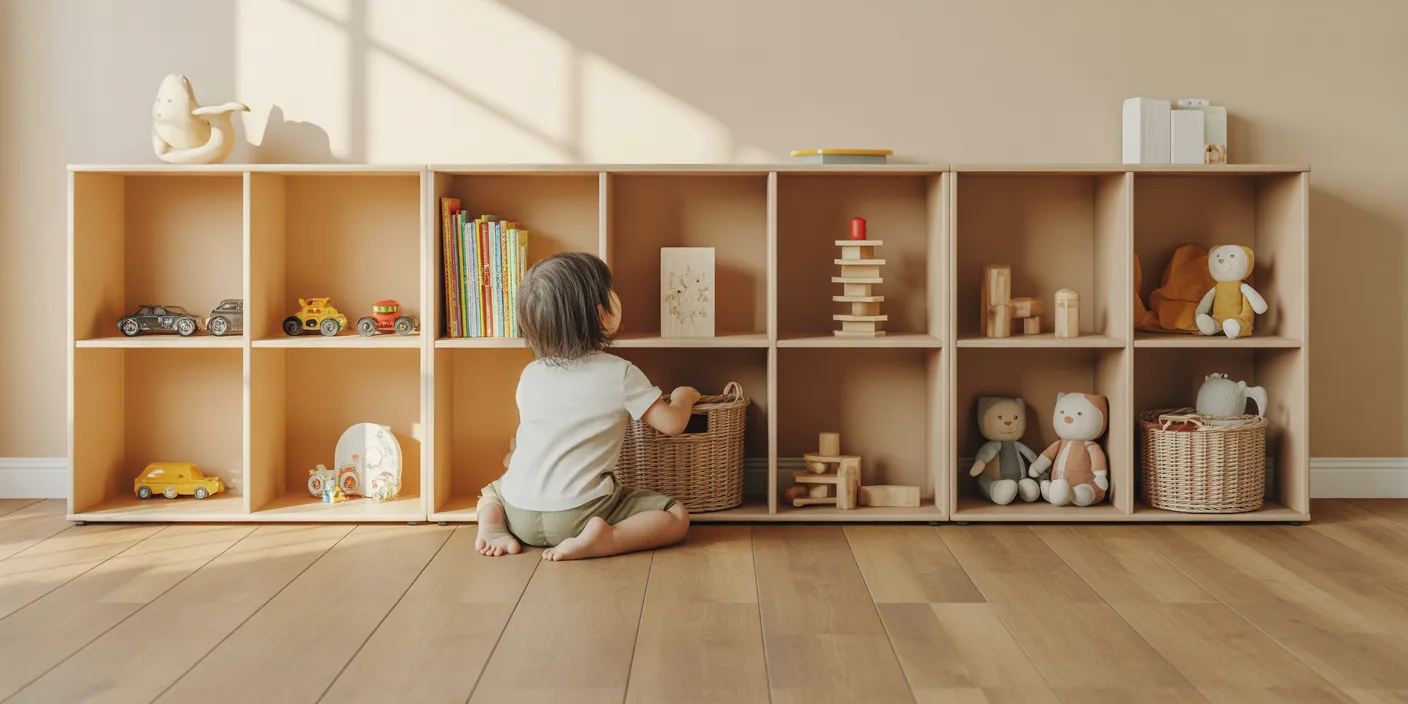
Toy cubes create clear sections that prevent items from getting mixed together. Each cube acts as a dedicated space for a specific type of toy. This simplifies both play and cleanup. I combine open cubes with baskets to manage different types of items. Visible toys stay accessible, while smaller pieces remain contained. This creates a balanced system.
Low units are ideal because kids can reach everything easily. This encourages them to stay organized without constant reminders.
Pro Tip: Assign each cube a single category and avoid mixing toys to maintain order.
Pegboard Wall
A pegboard wall is a flexible storage option that makes use of vertical space. It allows toys and accessories to be hung instead of stored in bins. This keeps everything visible and easy to access.
I use hooks and small containers to organize different items. Larger toys can hang, while smaller pieces stay contained. This prevents clutter from building up.
This solution works well in playrooms or activity areas with lots of gear. It keeps everything organized while adding a creative touch to the room.
Pro Tip: Rearrange hooks and baskets occasionally to adapt to changing toy collections.
Clear Bins
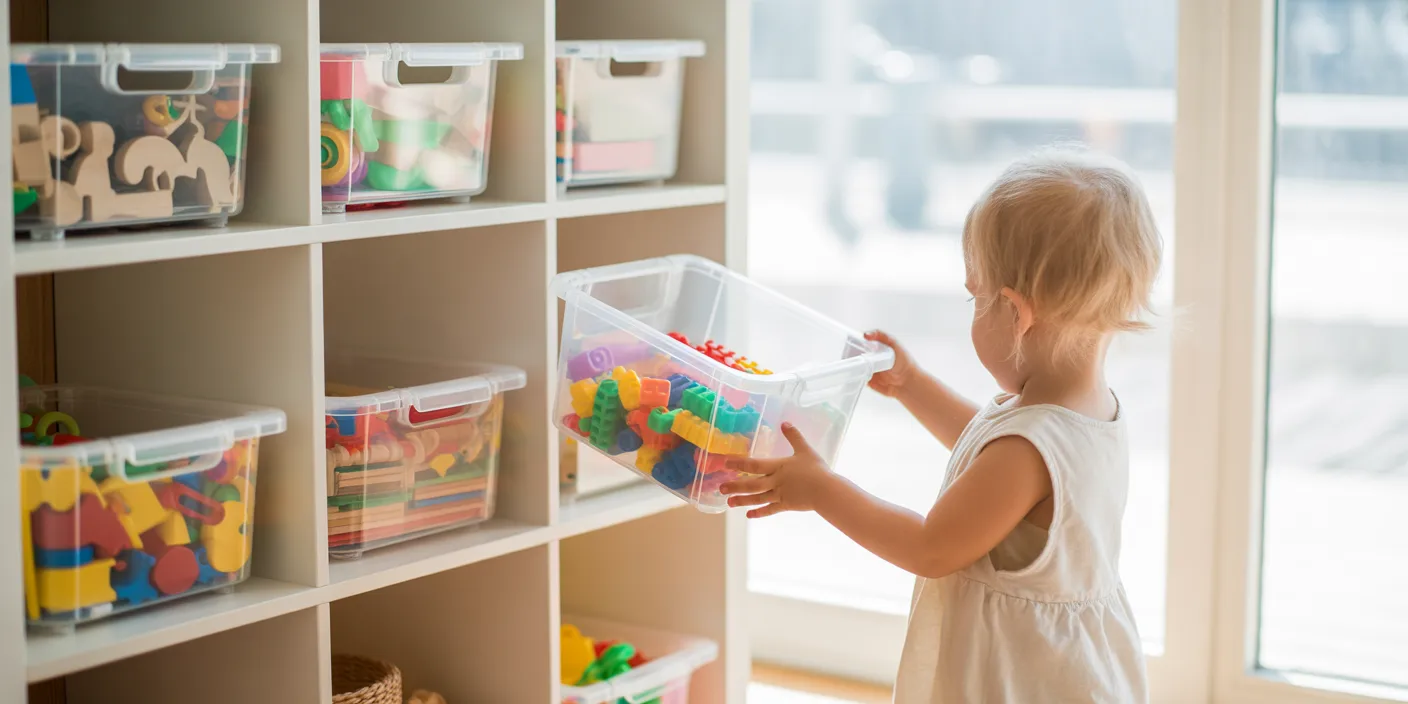
Clear bins are one of the simplest ways to keep toys organized. Because everything is visible, kids can quickly find what they need. This reduces the chances of creating a mess. I assign each bin to a specific category to keep things structured. This helps kids understand where items belong. It also makes cleanup more straightforward.
Placing bins inside shelves allows them to slide in and out easily. This keeps the space tidy while still being functional.
Pro Tip: Avoid overfilling bins so kids can easily see and access everything inside.
FAQs
1. How do you organize toys in a small room without adding bulky furniture?
I focus on using vertical space like wall shelves and pegboards to keep the floor clear. Hanging organizers and compact storage units also help maximize space. This approach keeps the room functional without feeling crowded.
2. What is the easiest way to get kids to put their toys away?
I make storage easy to access and clearly organized so kids know exactly where things go. When toys are grouped into categories, it becomes easier for them to remember where to put everything.
Conclusion
From my experience, toy organization doesn’t have to be complicated to be effective. The real difference comes from creating simple systems that both you and your kids can stick to every day. When every toy has a clear place and storage is easy to access, cleanup becomes a quick routine instead of a daily struggle.
I’ve found that mixing open storage, hidden compartments, and vertical solutions gives the best results. It keeps your home looking tidy while still making toys easy for kids to enjoy. Over time, these small changes build better habits and make your space feel calmer and more functional.
If you start with just a few of these ideas and adapt them to your space, you’ll notice a big improvement. The goal isn’t perfection, it’s creating a system that works for your family and makes daily life easier.