






I used to think musty jackets were just part of seasonal storage, but I realized the real issue was how I stored them. Even when I washed and folded everything properly, the smell kept coming back because moisture and airflow weren’t managed well. Once I fixed my storage setup, the difference was immediate—no odor, no damp feel, just fresh jackets every time. In this guide, I’ll show you exactly how I keep my jackets fresh and share 19 practical storage ideas that actually work.

Key Takeaways
Moisture and poor airflow are the main reasons jackets develop musty smells in storage.
Always store jackets clean and completely dry to prevent odor buildup.
Avoid overcrowding to allow proper air circulation between pieces.
Use breathable storage solutions instead of airtight plastic when possible.
Simple organization systems help maintain freshness and extend jacket lifespan.
How Can I Store Jackets Without Them Smelling Musty?
From my experience, keeping jackets fresh comes down to controlling moisture and allowing airflow. Even a small amount of dampness trapped in a closed space can lead to that unpleasant musty smell over time. I’ve learned that it’s not about how neatly you store jackets, but how well your setup allows them to breathe.
I always make sure every jacket is washed and fully dried before storing it. I also avoid sealing them in airtight containers unless I’m completely sure there’s zero moisture left. Using breathable storage and leaving space between items has made a huge difference in keeping everything fresh.
Pro tip: I place silica gel packs or cedar blocks near my jackets to absorb moisture and maintain a fresh environment.
Double Rod Layout
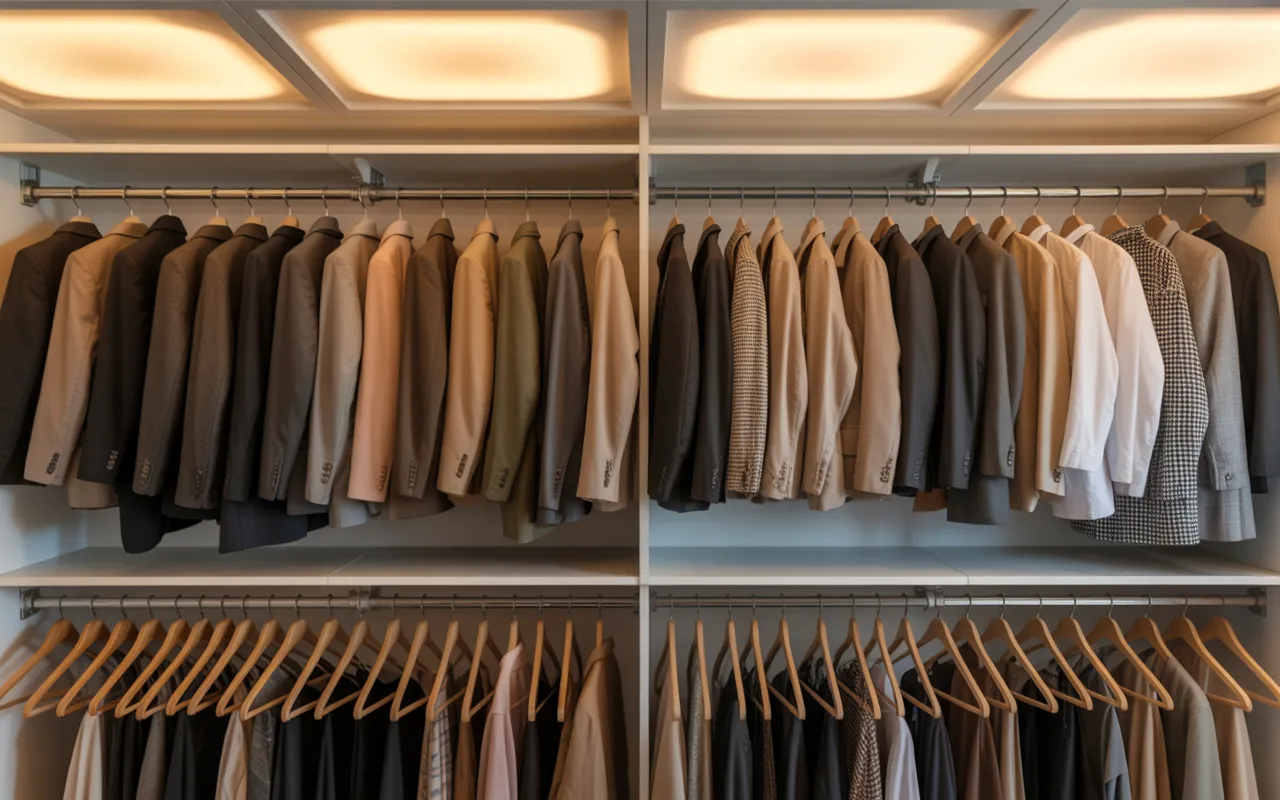
I noticed my closet instantly felt bigger once I stopped relying on a single rod. Adding a second rod helped me separate heavy jackets from lighter layers, which made everything easier to manage. It also reduced overcrowding, which is a major cause of trapped odors. I keep structured pieces like wool coats on the top rod and everyday jackets below for easy access. This setup not only improves organization but also allows better airflow between items. It’s a simple change that makes a noticeable impact.
Pro tip: Leave small gaps between hangers so air can circulate freely and prevent moisture buildup.
Industrial Pipe Rack
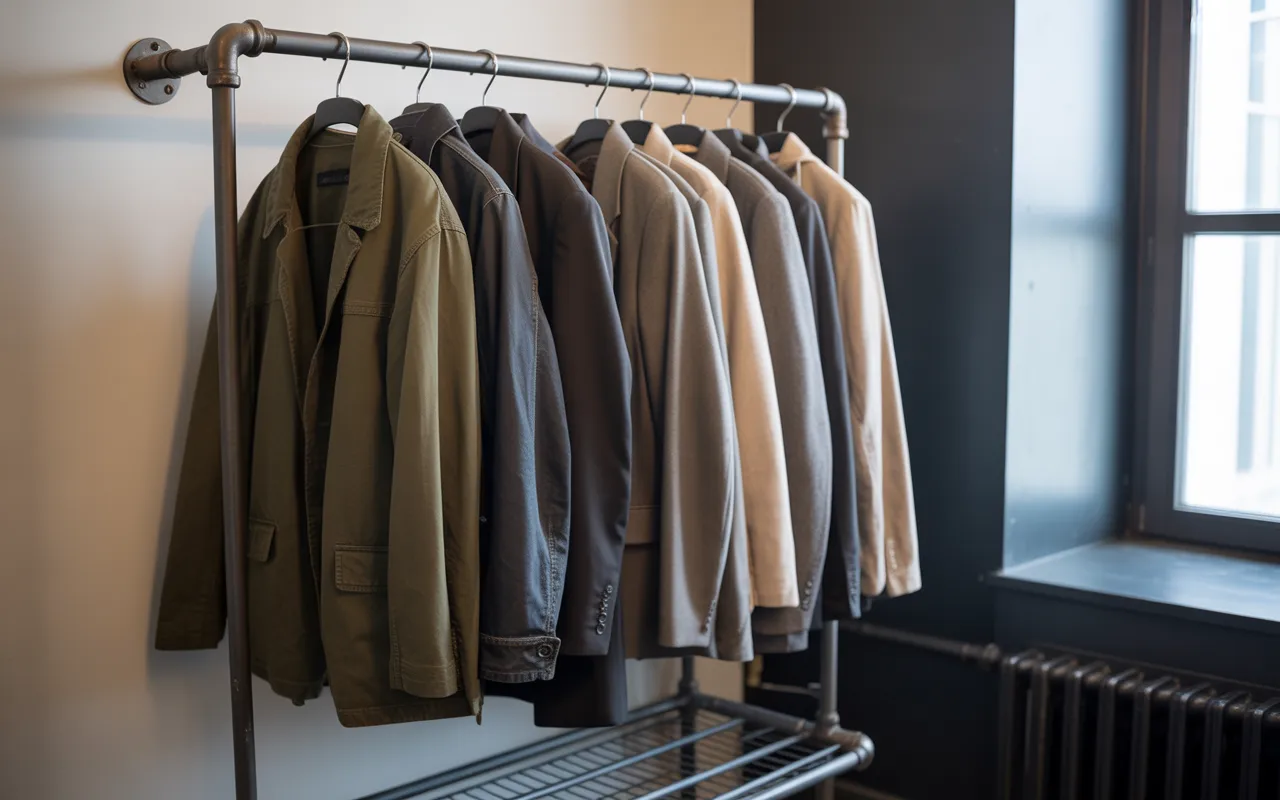
When I needed more space, I brought storage out into the room with a freestanding pipe rack. It turned my jackets into part of the decor while giving them plenty of breathing room. I found this especially useful for bulkier winter coats. I balance heavier pieces on the top bar and lighter ones below to avoid strain on the rack. The open design keeps air moving, which helps prevent musty smells from forming. It’s both practical and visually appealing.
Pro tip: Secure the rack firmly so it stays stable, especially when holding heavier coats.
Ladder Shelf Rack

I like using ladder racks because they combine style with functionality. They work well in bedrooms or entryways where I want jackets accessible but still organized. The open design naturally improves airflow. I hang my daily jackets on the middle hooks and use the lower shelf for shoes or storage boxes. Keeping everything spaced out helps maintain freshness and avoids that cramped feeling. It’s a great option for smaller spaces.
Pro tip: Avoid overcrowding the rack to maintain airflow and keep the setup looking clean.
Labeled Bin System
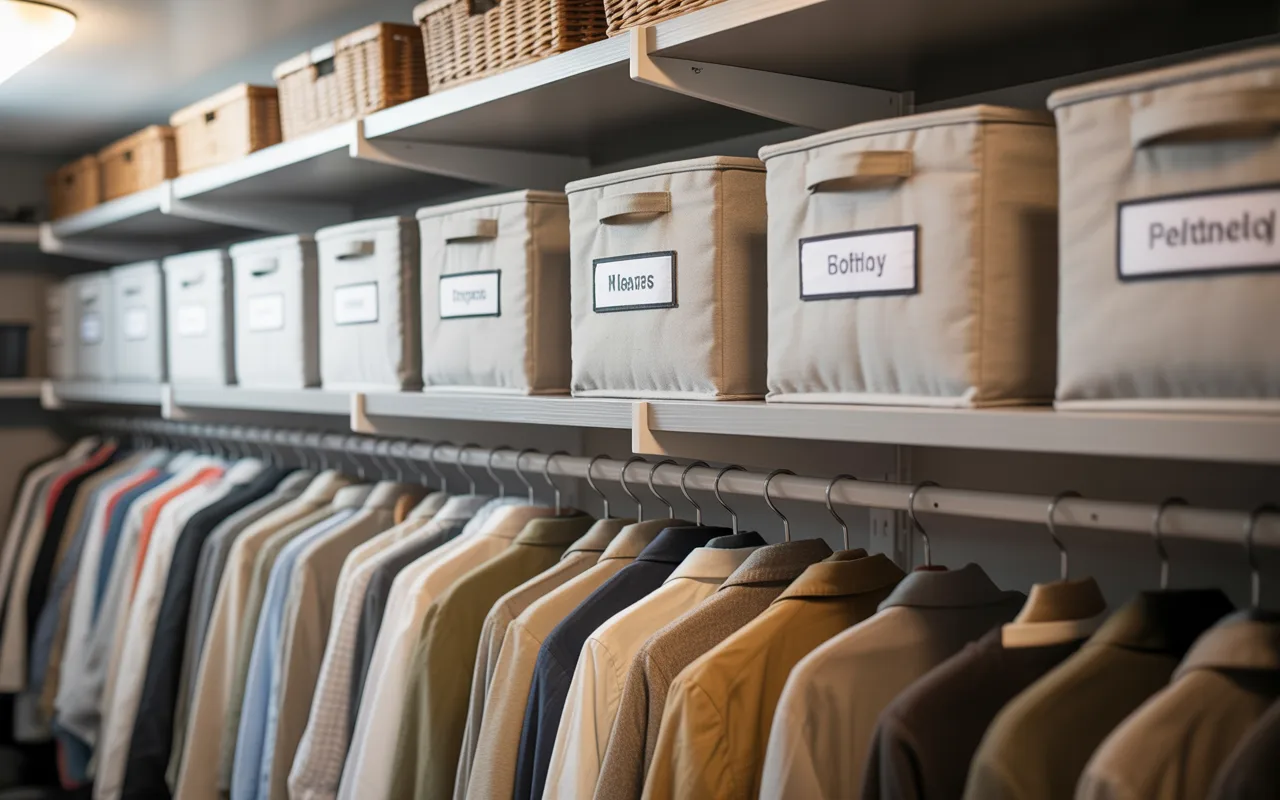
Seasonal storage became much easier once I started labeling bins. I store off-season items like gloves and scarves in clearly marked fabric bins above my hanging space. This keeps everything organized without needing to dig around. Using breathable bins instead of plastic helps reduce trapped moisture. I also keep jackets below with enough spacing so air can circulate properly. This method keeps everything fresh and easy to manage.
Pro tip: Use fabric bins instead of plastic for long-term storage to allow better airflow.
Maxed Closet Rail

I used to cram all my jackets onto one rod, thinking it saved space, but it actually caused more problems. Tight spacing traps air and creates wrinkles, which leads to that stale smell over time. Spacing things out made a big difference. Now I group heavier coats on one side and lighter ones on the other. Switching to sturdy hangers also helps maintain the shape of each piece. It’s a simple fix that improves both organization and freshness.
Pro tip: Declutter regularly so you’re not forcing too many jackets into one space.
Built-In Closet Zone
Creating dedicated zones in my closet completely changed how I store jackets. Instead of mixing everything together, I now have a specific section just for outerwear. This prevents clutter and improves airflow. I keep daily jackets at eye level and move seasonal ones higher or lower. Shelves around the area handle shoes and accessories, so nothing piles up. It’s a clean and efficient system.
Pro tip: Assign fixed zones so items always return to the same place and don’t pile up.
Hidden Mudroom Nook
I love having a small entry nook where I can hang jackets as soon as I walk in. It keeps my main closet from getting overcrowded and makes daily routines easier. The open hooks allow jackets to air out naturally. I also use nearby cabinets to store seasonal pieces out of sight. This combination keeps everything organized without sacrificing accessibility. It’s a practical solution for busy households.
Pro tip: Space hooks apart so jackets don’t overlap and trap moisture.
Wall Hook Grid
Before using a hook grid, my jackets ended up on chairs or random surfaces. Adding evenly spaced hooks gave each jacket its own place, which improved airflow and reduced clutter. It’s a simple but effective system. I like placing hooks at different heights for flexibility. Pairing them with a bench below keeps everything organized in one area. It works especially well in entryways.
Pro tip: Install hooks into wall studs to ensure they hold heavier coats securely.
Clear Bin Storage
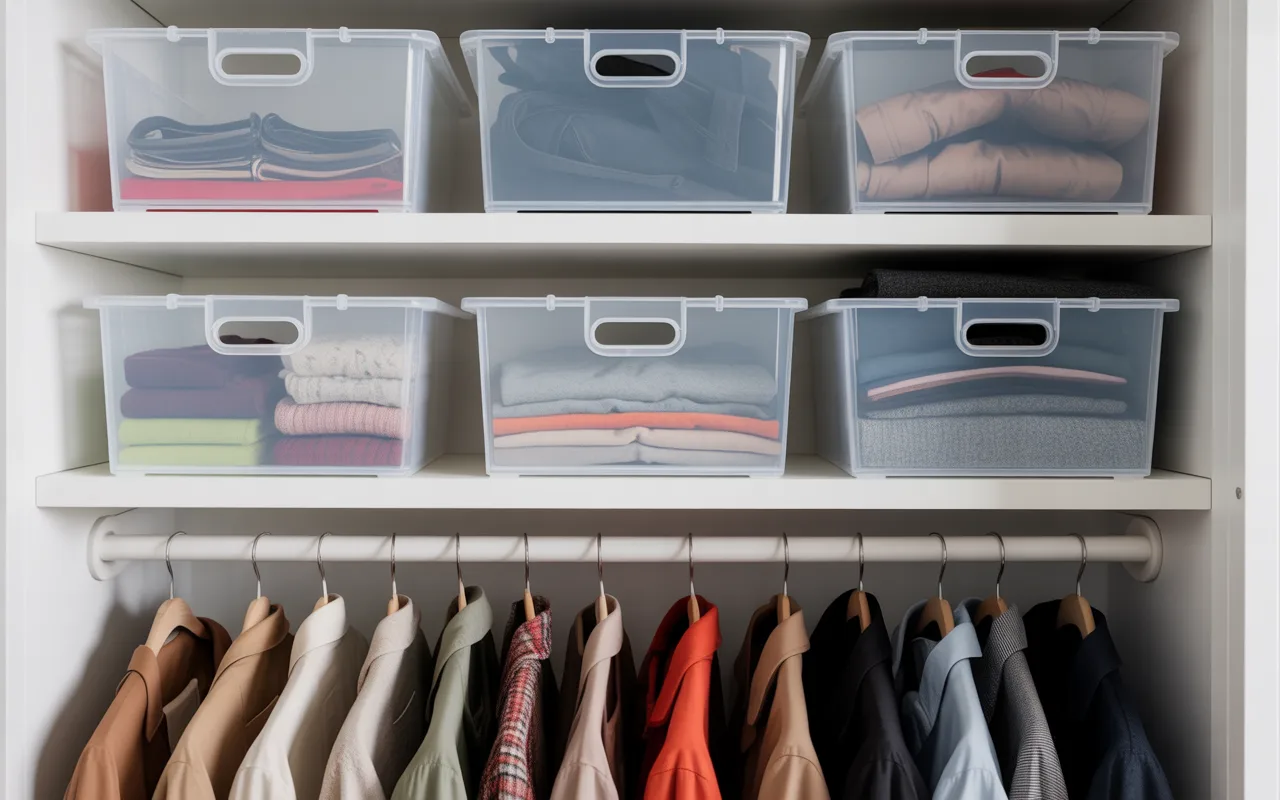
I used to waste time searching through storage boxes until I switched to clear bins. Being able to see what’s inside makes everything more efficient. It also helps me keep items organized by category. I store smaller accessories in bins above and keep jackets below with enough spacing. This setup improves airflow and prevents fabrics from pressing together. It’s both practical and easy to maintain.
Pro tip: Don’t overfill bins—leave some space so air can still circulate.
Panelled Entry Bench
Creating a dedicated entry area made my home feel more organized instantly. Jackets hang neatly on hooks while the bench below holds shoes and bags. This setup keeps everything in one place. Spacing between coats allows them to dry properly after use. Built-in storage underneath helps hide smaller items and reduce clutter. It’s both functional and visually appealing.
Pro tip: Use moisture-absorbing liners in drawers to keep stored items fresh.
Open Utility Shelving
For busy households, I’ve found open shelving to be one of the most practical solutions. It keeps jackets, shoes, and bags all in one accessible space. The open design prevents moisture from getting trapped. I hang longer coats on one side and use shelves for folded items. Adding bins helps keep smaller things organized. It’s flexible and easy to adjust as needs change.
Pro tip: Wipe shelves regularly to prevent dust buildup on jackets.
Closet Nook Setup
I like simple setups that don’t feel overwhelming, and a closet nook works perfectly for that. A single rod keeps jackets accessible while a shelf above holds baskets for accessories. It’s clean and efficient. Keeping the space open allows air to move freely, which helps prevent odors. I also make sure hangers are evenly spaced to avoid crowding. It’s ideal for smaller areas.
Pro tip: Use light-colored walls to reflect light and keep the space feeling fresh.
Freestanding Coat Stand

I often use a coat stand in unused corners to add quick storage. It’s easy to move and doesn’t require installation, which makes it perfect for flexible setups. It also keeps jackets off furniture. I spread jackets across different arms so they don’t pile up. This helps maintain airflow and prevents wrinkles. It’s a simple solution that works well in small spaces.
Pro tip: Keep heavier coats on lower hooks to maintain balance and stability.
Slim Wall Hooks
In narrow spaces, bulky storage just doesn’t work. Slim wall hooks provide a clean and minimal solution for hanging jackets. They keep everything accessible without taking up much room. I install them at a comfortable height and space them evenly. This prevents jackets from overlapping and helps them dry properly. It’s perfect for hallways.
Pro tip: Choose rust-resistant hooks for long-term durability.
Door Hook Solution
When closet space runs out, I use the back of the door for extra storage. Over-the-door hooks are quick to install and don’t require any tools. It’s an easy way to expand storage instantly. I make sure not to overcrowd the hooks so jackets can still breathe. This setup works well for temporary or small-space solutions. It’s simple but effective.
Pro tip: Use slim hooks so the door closes smoothly without damage.
Sectioned Closet System
Dividing my closet into sections made everything easier to manage. Instead of cramming items together, I now have dedicated areas for jackets, accessories, and folded items. It feels much more organized. Using multiple rods and shelves increases capacity without sacrificing airflow. Each item has its own space, which helps maintain freshness. It’s a long-term solution that works well.
Pro tip: Use uniform hangers to keep everything aligned and save space.
Mini Mudroom Closet
Even a small space can work like a full mudroom with the right setup. I added hooks, a bench, and a shelf to create a compact but functional storage area. It keeps daily jackets organized. Open storage allows air to circulate, which helps prevent odors. Keeping items spaced out ensures everything stays fresh. It’s a great option for tight spaces.
Pro tip: Keep the floor area clear to improve airflow and reduce clutter.
Compact Entry Closet
Small closets can feel cramped quickly, but proper organization makes a big difference. I use a single rod with evenly spaced hangers to avoid overcrowding. It keeps jackets in good condition. Adding a shelf above and a rack below maximizes storage without blocking airflow. This setup keeps everything neat and easy to access. It’s simple but effective.
Pro tip: Rotate seasonal jackets to avoid overloading the closet.
Divided Hanging Zones
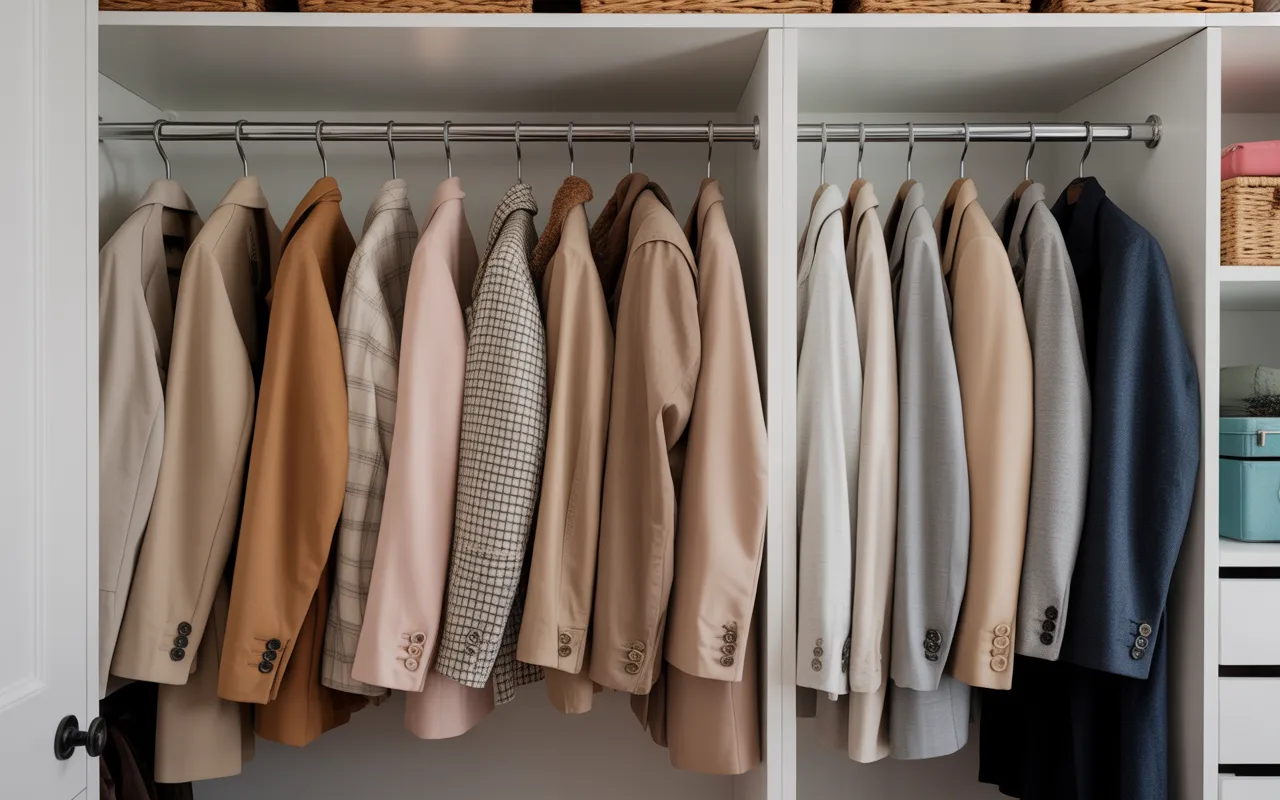
Separating jackets by length helped me use space more efficiently. Long coats go on one side, while shorter jackets stay on another. This prevents wasted space and overcrowding. Leaving gaps between hangers allows air to circulate, which keeps everything fresh. I also use upper shelves for storage to keep the floor clear. It’s a smart and organized approach.
Pro tip: Use a divider panel to clearly separate sections and maintain structure.
FAQs
1. Can I Store Jackets in Plastic Bins?
I’ve used plastic bins before, and they can work if you’re careful. The biggest mistake is storing jackets that aren’t completely dry, which traps moisture and creates odor. Proper preparation is key. I always add a moisture absorber and avoid overpacking the bin. Leaving a bit of space helps air circulate slightly. In humid areas, breathable containers may be a better option.
2. How Do I Store Winter Jackets Long-Term?
Long-term storage starts with proper cleaning. I make sure every jacket is washed and completely dry before storing it. This prevents odors from developing over time. I prefer hanging jackets in a cool, dry space with enough spacing between them. For bulky items, I avoid vacuum sealing because it can damage insulation. Regular checks also help keep everything fresh.
Conclusion
I’ve realized that keeping jackets fresh isn’t about doing more—it’s about doing things right. Once I focused on airflow and moisture control, the musty smell completely disappeared from my storage. Even small changes, like spacing hangers or switching to breathable bins, made a noticeable difference. The best system is the one that fits your space and routine, but the goal stays the same: keep jackets dry, spaced, and well-ventilated. When you get that right, your jackets stay fresh and ready to wear every time.