
When I deal with small bedrooms, I usually notice how fast clothes can take over every corner of the room, and in this guide I’m sharing practical storage ideas that help turn even tight spaces into organized, functional areas. These methods focus on using walls, vertical space, and smart layouts instead of relying on bigger rooms, and the goal is to help you organize smarter so your space works better every day.

What Are the Best Space-Saving Clothes Storage Ideas for Tiny Rooms?
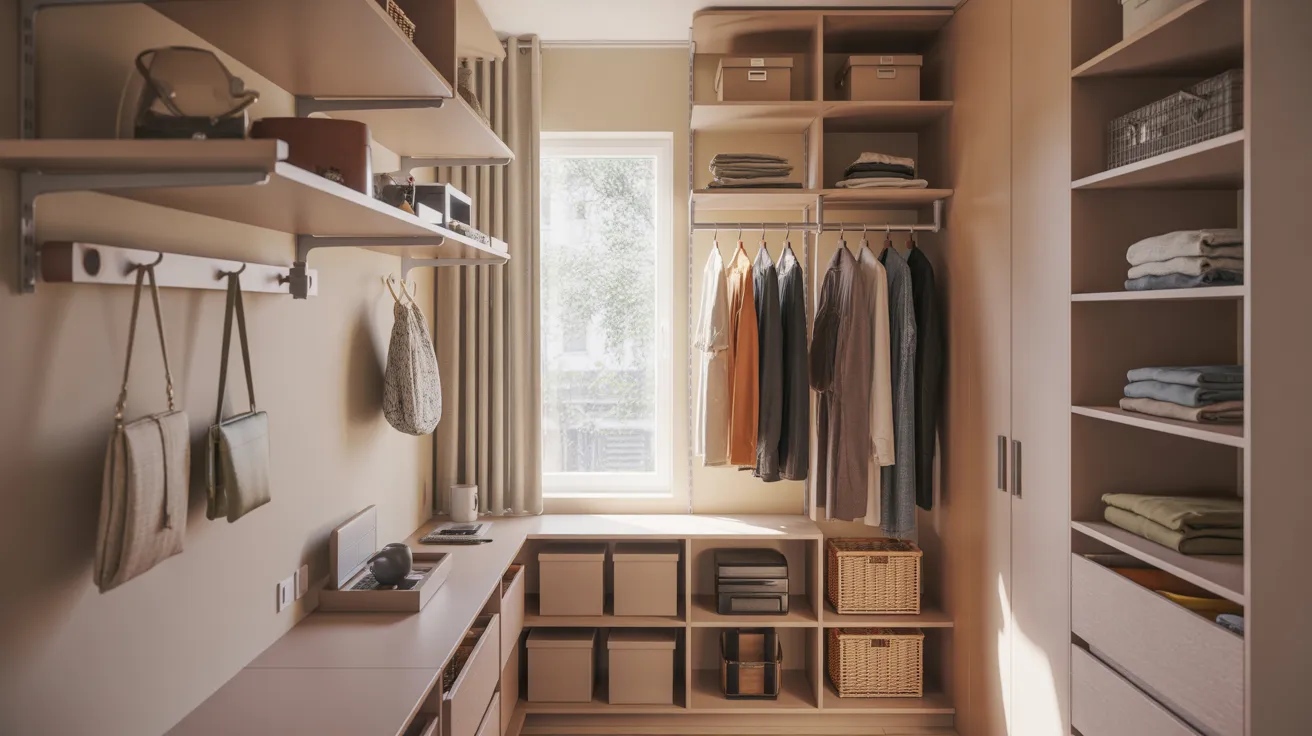
From my experience, small rooms become messy not because of lack of space but because storage isn’t planned well, and clothes end up everywhere like chairs, doors, and random corners until the room feels overcrowded. I’ve learned that using vertical space and dividing storage properly changes everything, and even the smallest room can feel spacious when every area has a clear purpose.
Pro tip: I always start by clearing the floor first because once the floor is open, it becomes much easier to plan smart storage.
Key Takeaways
Small spaces work best when every area has a clear and specific purpose.
Vertical storage instantly increases usable space without making the room feel crowded.
Dividing clothes into zones makes daily organization faster and easier.
Simple tools like rods, shelves, and boxes can significantly reduce clutter.
Consistency in putting things back in their place is what keeps the system working long-term.
Closet Zones
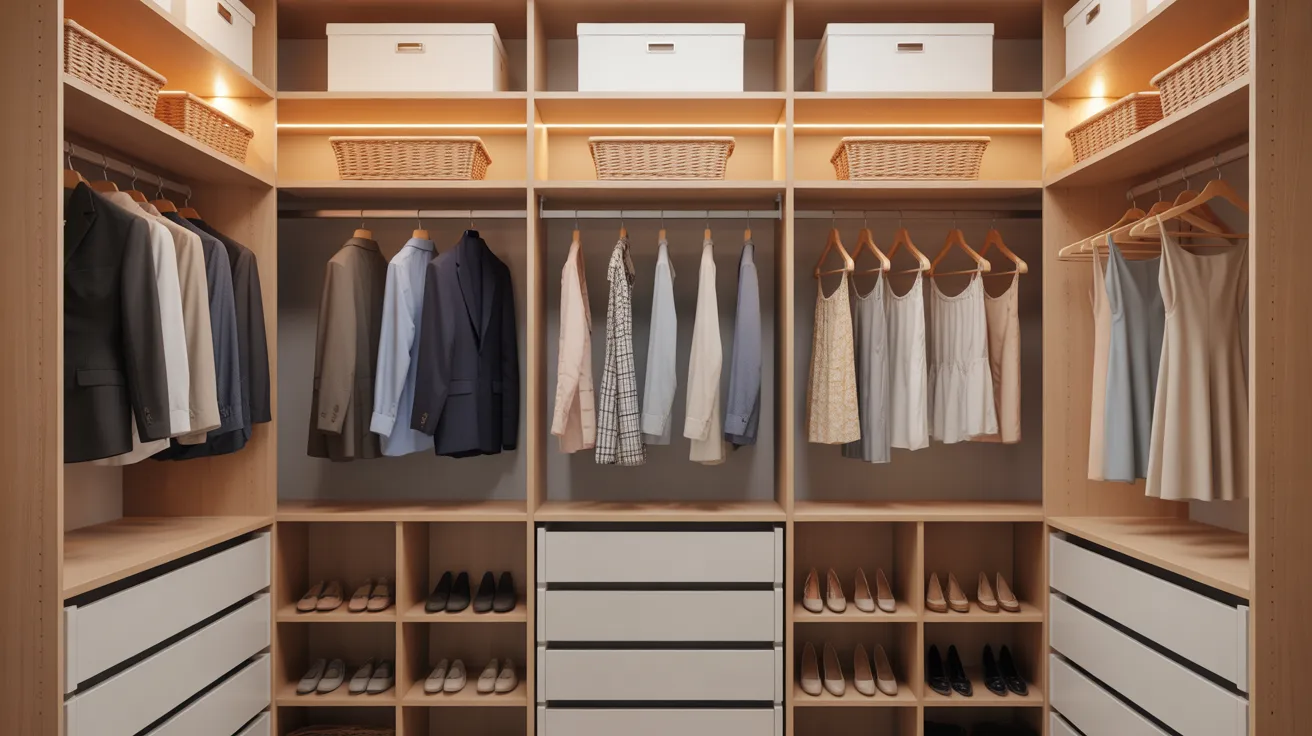
I like dividing closets into clear sections because it immediately makes everything easier to manage, with everyday clothes staying at eye level so I can reach them without thinking twice while less-used items go higher up and shoes or boxes stay neatly at the bottom. This simple structure helps me avoid clutter building up again and keeps everything more predictable in daily use.
Pro tip: I group clothes by frequency of use instead of type so getting dressed becomes faster.
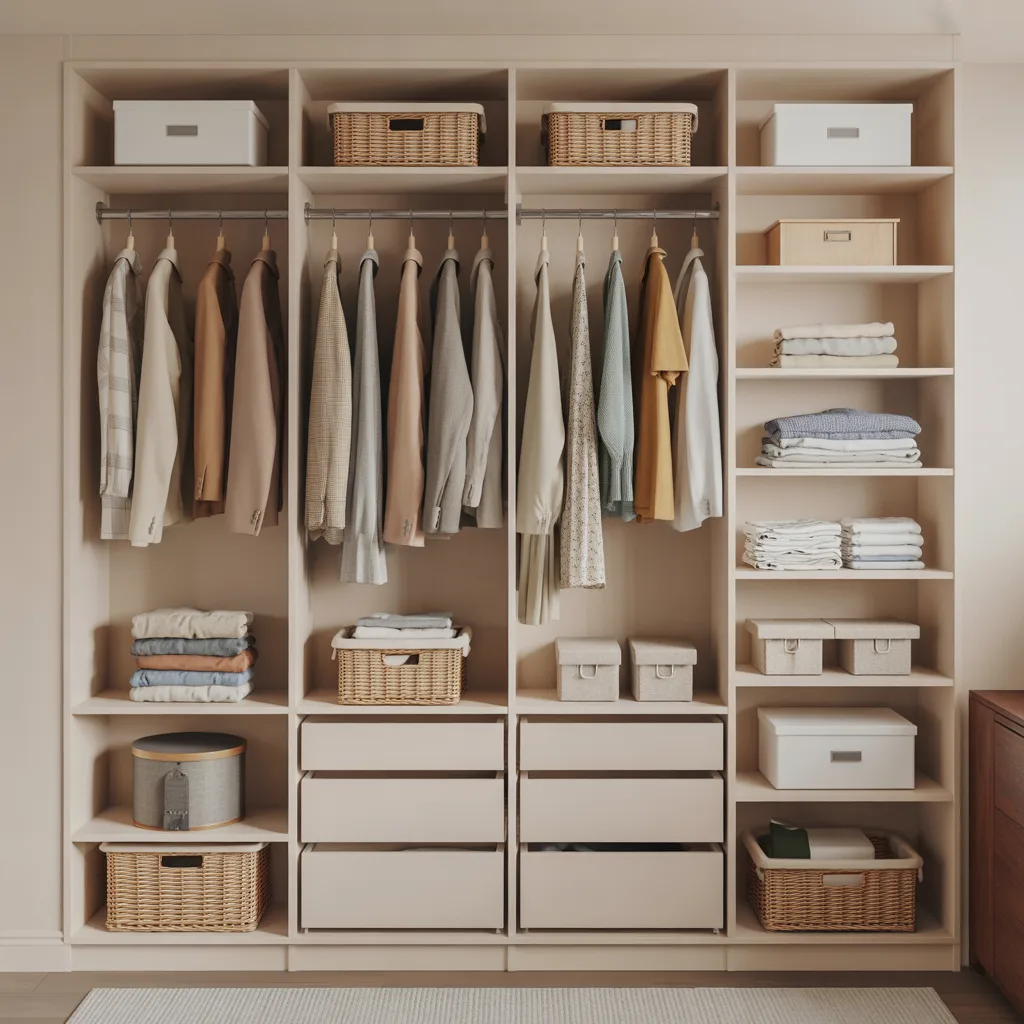
Split Storage
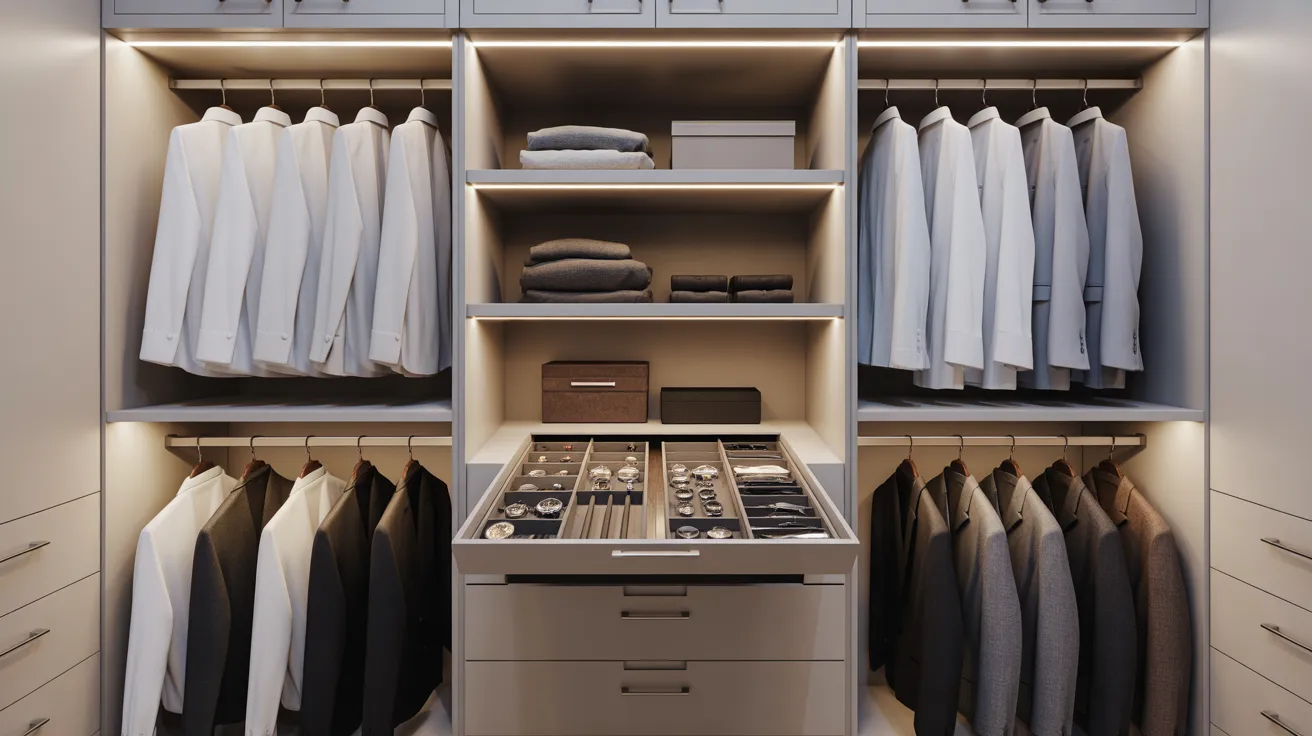
When I separate hanging and folded clothes, the closet feels much more balanced, especially when I add double rods so shorter clothes don’t waste vertical space while a drawer unit in the middle helps store smaller items that usually get lost. This setup keeps everything in its own place and makes the whole system easier to maintain.
Pro tip: I avoid overloading a single rod because balanced weight makes the system last longer.
Open Rack
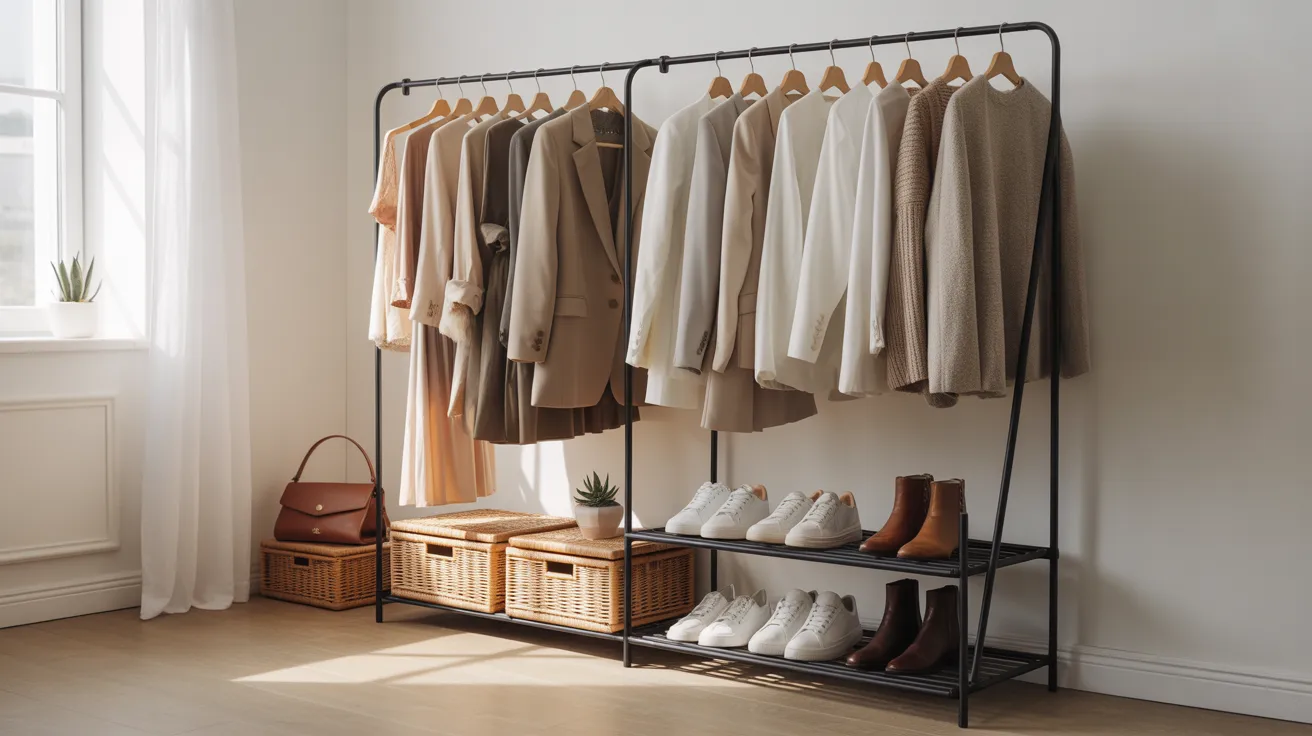
I often use open racks when there’s no built-in closet available because they let me keep clothes, shoes, and bags visible and easy to grab daily while baskets on lower shelves help control small items and reduce mess. This works especially well in studio apartments or compact rooms where flexibility matters more than heavy furniture.
Pro tip: I only keep weekly outfits on display so the rack doesn’t look cluttered.
Wardrobe System
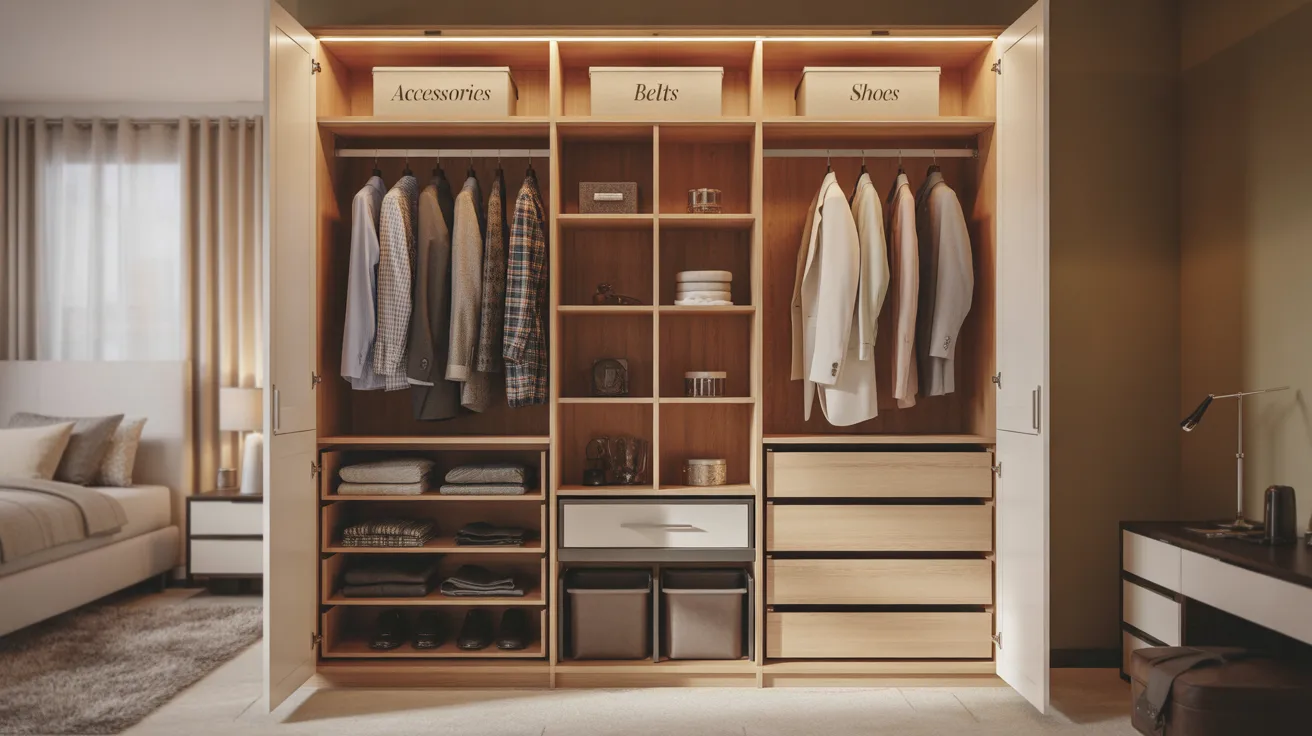
I’ve found that a single storage area quickly becomes messy without structure, so I prefer dividing space into hanging, folding, and accessory sections where each category gets its own dedicated area to prevent overcrowding. This makes maintaining order much easier in the long run and keeps everything more intentional.
Pro tip: I mentally assign zones so every item always returns to the same place.
Entry Closet
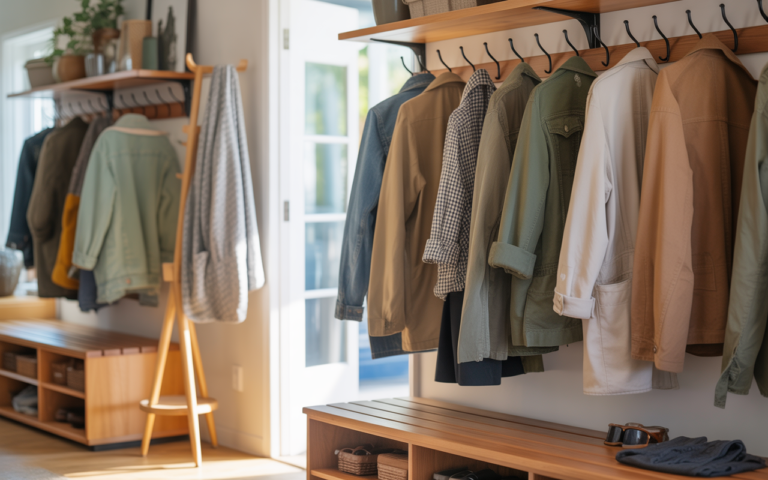
Entry spaces are often ignored, but I see them as valuable storage areas that work perfectly for coats, jackets, and daily essentials while shelves and hooks help keep shoes and bags organized near the entrance. This also frees up bedroom space for other clothing and reduces clutter in main storage.
Pro tip: I store seasonal coats here so bedroom closets stay lighter.
Compact Locker
When space is extremely limited, I rely on narrow locker-style storage where one side handles hanging clothes and the other side stores folded items while baskets inside help keep smaller accessories organized. It’s compact but surprisingly efficient for everyday use in tight rooms.
Pro tip: I prefer clear bins so I can see everything without opening each one.
Shelf Combo
I like combining shelves and hanging rods for a balanced storage system where folded clothes stay stacked neatly while hanging items remain easy to reach and top shelves hold seasonal items. This layout keeps everything visible without feeling cluttered and helps maintain structure.
Pro tip: I always place heavier items on lower shelves for stability.
Double Hanging
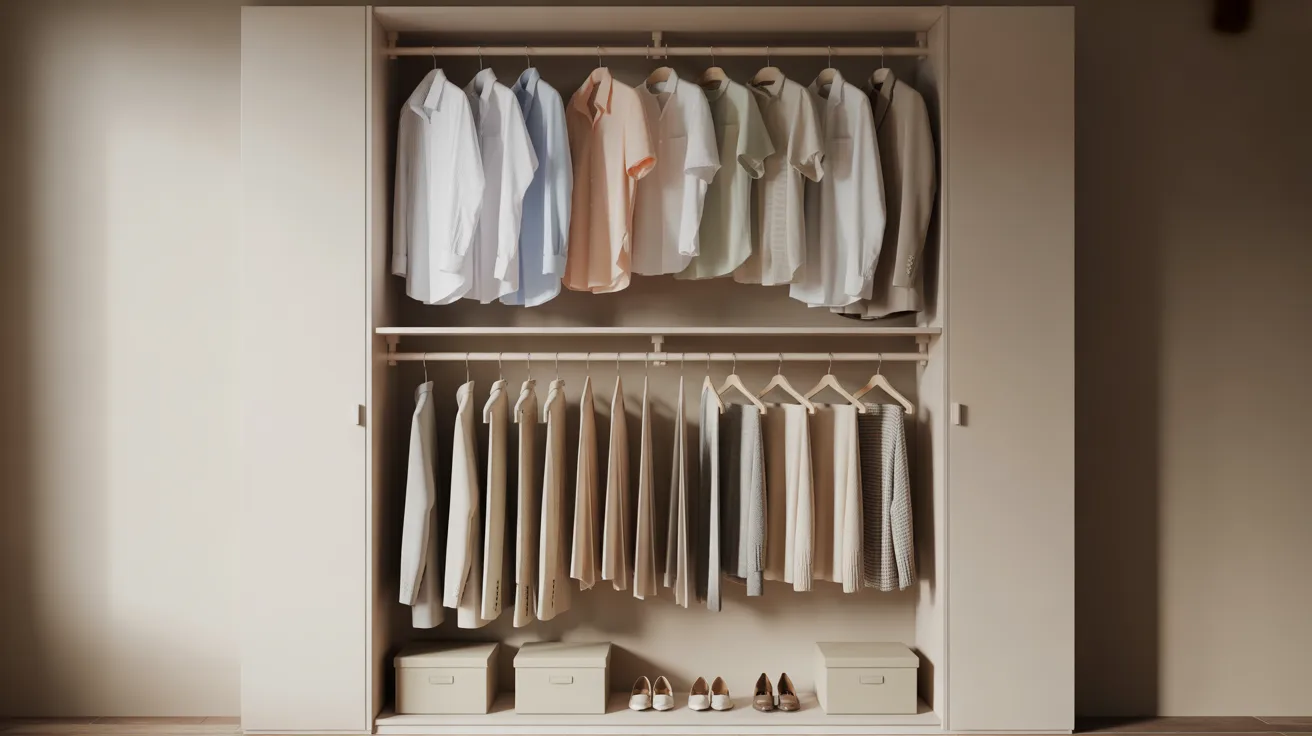
Adding a second rod is one of the easiest ways I increase closet space because it instantly doubles storage for shorter clothing like shirts and pants while grouping similar items together makes everything easier to find. This works best in taller closets with unused vertical space.
Pro tip: I leave enough gap between rods so clothes don’t wrinkle.
Mini Closet
Even without a full wardrobe, I can still create a functional mini setup using slim shelves and rods to organize daily essentials efficiently while top and bottom storage areas maximize every inch available. This works well in small bedrooms with limited space.
Pro tip: I rotate outfits weekly so storage never feels overloaded.
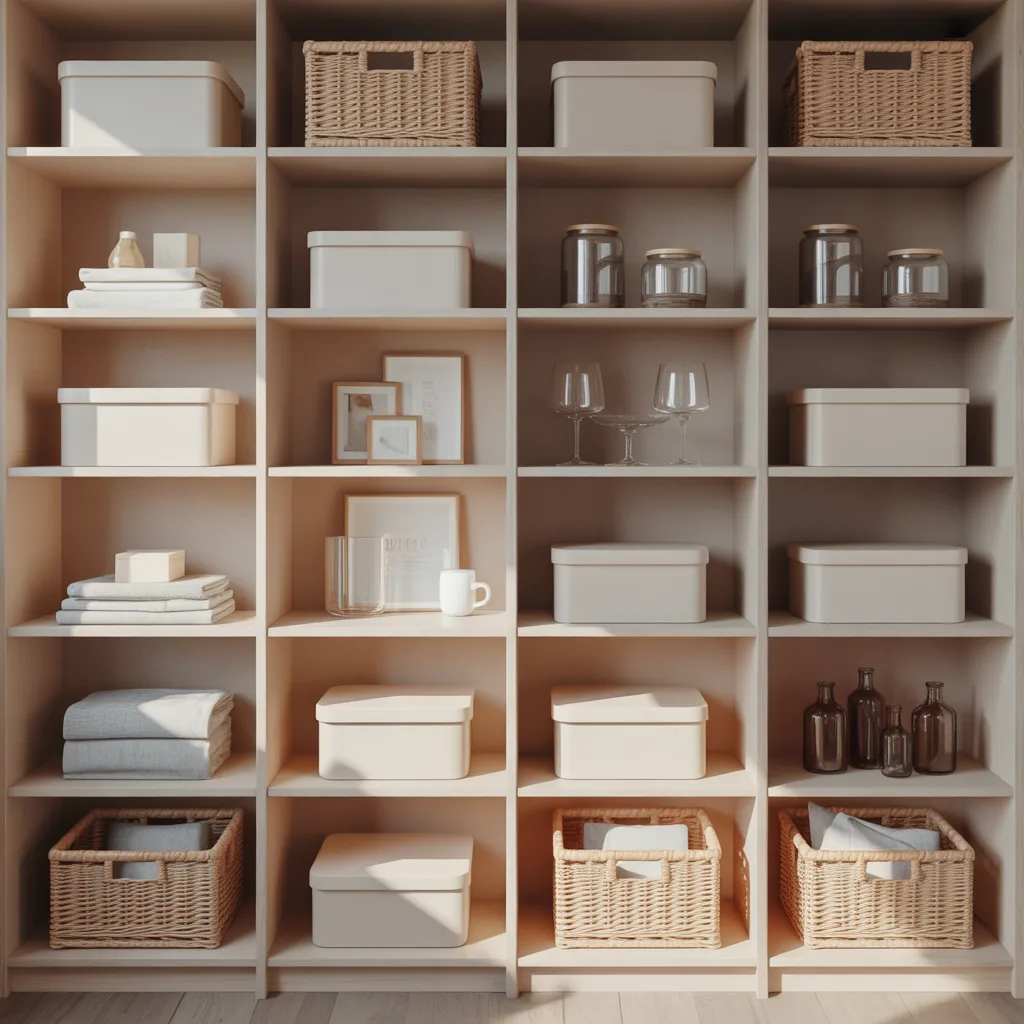
Box Storage
I prefer storage boxes because they instantly make shelves look cleaner while hiding clutter and still keeping items easy to access when needed, and labeling them helps me quickly find what I’m looking for. This is a simple way to maintain a tidy visual layout.
Pro tip: I stick to equal-size boxes for clean stacking and better stability.
Center Drawers
When closets feel unbalanced, I add drawers in the middle section to separate hanging clothes on both sides while upper shelves can hold bins or folded stacks for extra organization. This creates structure and prevents clutter from spreading.
Pro tip: I store daily-use items in the top drawer for quick access.
Rack Drawer
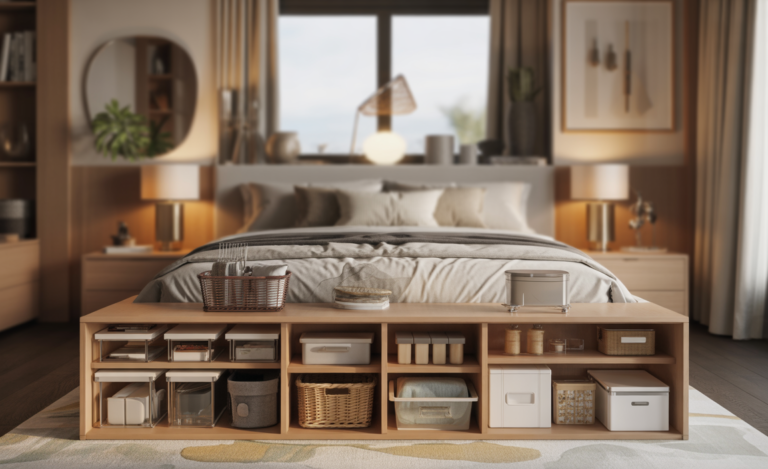
A slim rack with drawers works well beside beds or in tight corners because I use it for everyday clothes and essential items while keeping folded clothing hidden but still accessible. It’s a great alternative when a full wardrobe won’t fit.
Pro tip: I prepare tomorrow’s outfit on top to save morning time.
Wall Rod
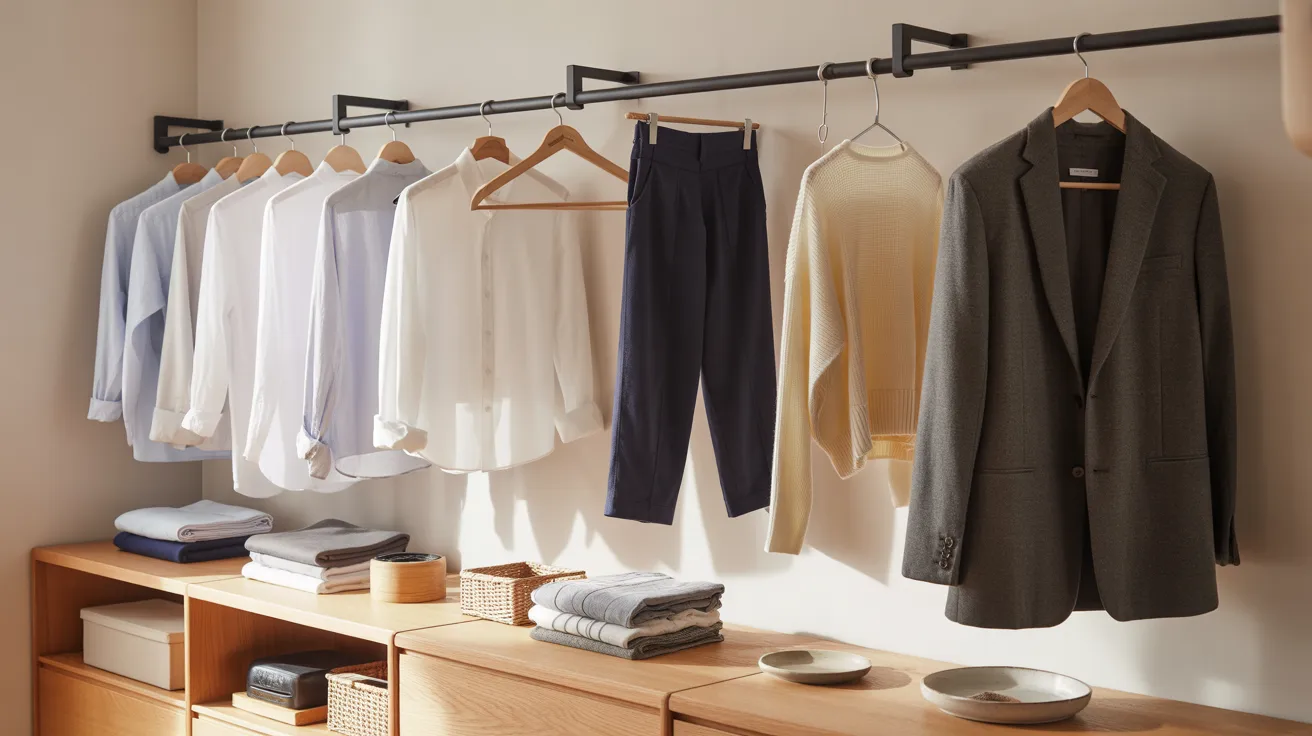
I often turn empty walls into storage areas using simple rods where clothes hang above and a dresser below stores folded items, which saves floor space and keeps everything accessible in one place. It’s perfect for rooms without built-in closets.
Pro tip: I mount rods higher to fully utilize vertical wall space.
Rolling Rack
When flexibility matters, I choose a rolling rack system that allows me to move clothes depending on room layout changes while shelves and rods store clothes, shoes, and bags together. This keeps the space adaptable and easy to manage.
Pro tip: I place it near natural light to make outfit selection easier.
Pipe Shelves
Pipe shelves create a strong vertical storage system on empty walls by combining hanging space with shelves for folded items and boxes while drawers below improve overall storage capacity. It works well for long walls that often go unused.
Pro tip: I distribute weight evenly to keep the structure stable.
Drawer Tower
A tall drawer unit helps me organize small clothing items easily while I keep hanging clothes on both sides for balance and use upper shelves for accessories or storage bins. This keeps everything structured in wider closet spaces.
Pro tip: I assign each drawer a category to avoid confusion.
Narrow Wardrobe
For tight spaces, I prefer tall and narrow wardrobes that store daily clothes without taking up too much room while top hanging sections and shelves balance storage efficiently. It fits perfectly into unused corners or wall gaps.
Pro tip: I keep it lightly filled so clothes stay wrinkle-free.
Folded Stacks
I like using open shelves for folded clothes instead of stuffing drawers because grouping similar items together keeps everything easy to manage while neat stacking prevents clothes from falling over.
Pro tip: I fold everything into equal sizes for stable stacking.
Corner Setup
Corners often go unused, so I turn them into storage zones by installing rods on both walls to create a full wardrobe corner while shoes stay at the bottom to reduce clutter. This uses forgotten space effectively.
Pro tip: I keep heavier or seasonal items in corner zones.
Shoe Shelves
I use angled shelves to keep shoes organized and visible so each pair stays easy to grab without digging through piles while also freeing up closet floor space for other items. This is especially useful for large shoe collections.
Pro tip: I rotate shoes seasonally to reduce daily clutter.
Wall Panels
Wall panels help me organize small accessories neatly because bags, sunglasses, and items stay visible and easy to reach while drawers below handle clothing storage. This maximizes vertical space without adding bulk.
Pro tip: I group accessories by category to avoid misplacement.
Door Storage
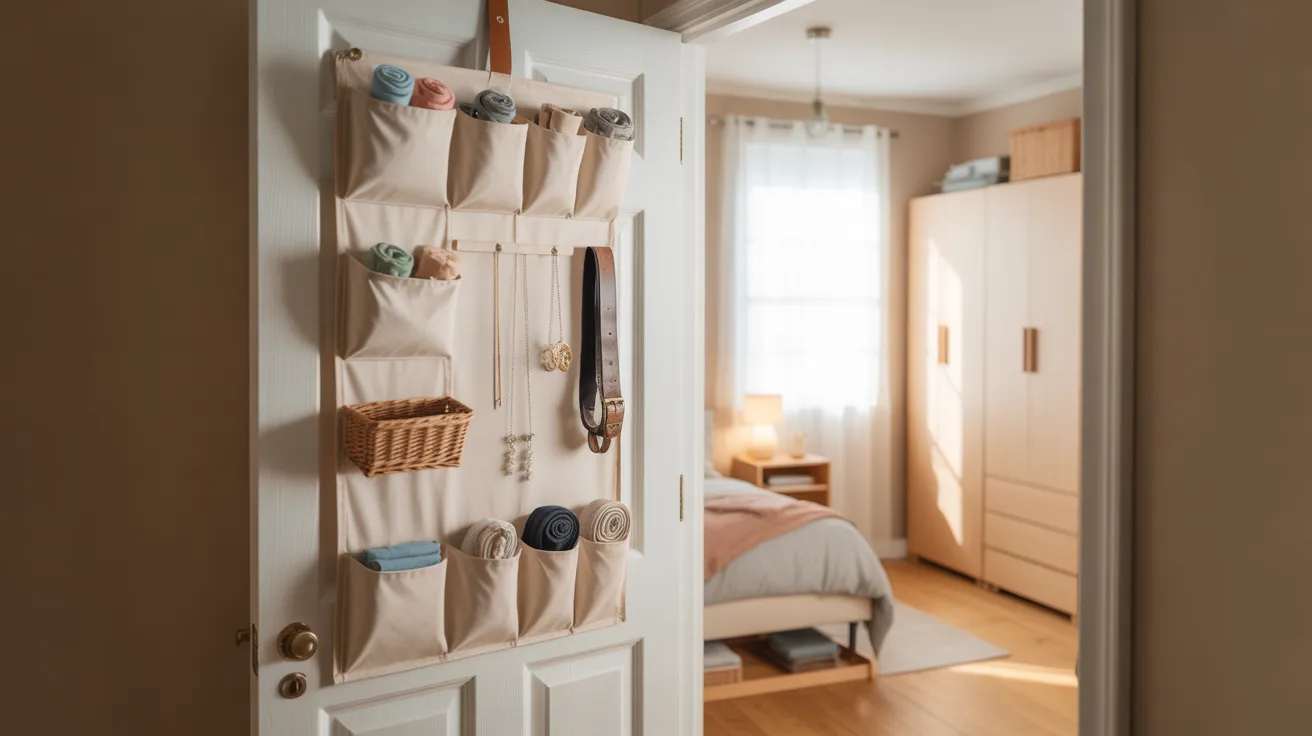
I always use the back of doors for extra storage where hanging organizers keep small items off the floor and reduce clutter inside main storage areas. It’s one of the simplest space-saving tricks I use.
Pro tip: I keep only lightweight items on doors to prevent strain.
FAQs
1. How can you store clothes in a tiny room without a closet?
I usually rely on wall rods, open racks, and compact storage units because combining hanging and folded storage in one setup saves a lot of space while boxes and baskets help keep smaller items organized and hidden. This creates a full wardrobe system even without a closet.
2. What is the best way to maximize space in a small closet?
From my experience, using vertical space is the most effective method because adding a second rod instantly increases storage capacity while top shelves store items not used daily and keep things clear below. Proper organization keeps the closet functional and clutter-free.
Conclusion
When I look at all these storage ideas together, the main lesson for me is that small spaces don’t need more room—they need smarter structure and consistency. Once I start using vertical space, clear zones, and multi-purpose storage, even the tightest bedroom becomes far more functional and easier to manage.
I’ve found that the real difference isn’t in the furniture itself but in how regularly I maintain the system and avoid letting clutter rebuild over time. If you stay intentional with where things go, your space naturally stays organized without feeling overwhelming.