30 Ice Breaker Games for Adults for 2026
When I run group sessions, I always notice one thing—people stay quiet at the start, even when they want to connect. Ice breaker games solve that problem quickly.
In this article, I share 30 ice breaker games for adults that I personally find effective for events, team meetings, workshops, and social gatherings. These games help people talk, laugh, and build trust without pressure.
Most of these activities focus on communication, creativity, teamwork, and storytelling. I’ve seen that even simple games can increase participation by a lot within the first 10–15 minutes of a session. Research in workplace psychology also shows that structured interaction improves group trust and engagement over time.
You’ll find games ranging from quick conversation starters to full team challenges. Some are low energy, some are competitive, and others are reflective. Together, they cover almost every type of group situation.
Key Takeaways
- Ice breaker games reduce awkwardness and help people open up faster
- They improve communication, teamwork, and social confidence
- Simple games often work better than complex ones in large groups
- Story-based activities build deeper connections between participants
- Competitive games improve engagement and energy in the room
- I’ve found mixing fun + reflection creates the best group balance
1. Two Truths and a Lie

I use this game when people are meeting for the first time because it removes awkward silence very quickly. Each person shares two true facts and one false statement about themselves, and others try to guess the lie. It creates curiosity because people naturally want to figure out what is real and what isn’t. I’ve noticed it works best when the truths are unusual instead of obvious daily-life facts.
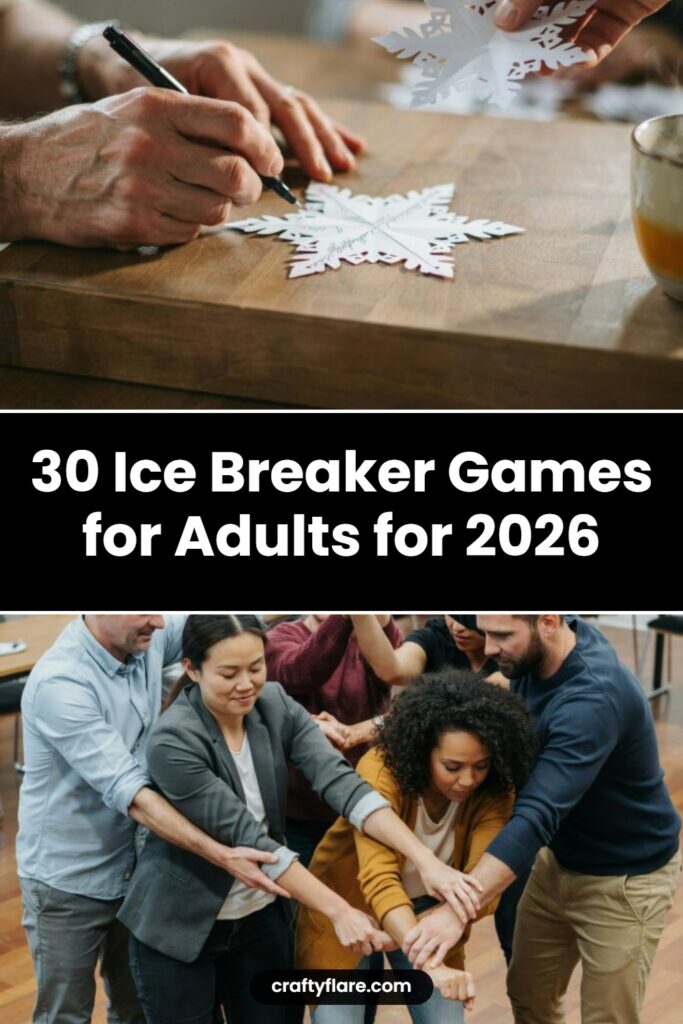
2. Human Knot

This is one of the most effective team activities I use because it forces real communication. Everyone stands in a circle, holds hands with two different people, and tries to untangle themselves without letting go. The group usually ends up laughing while trying to figure out the solution together. It also shows how coordination improves when people start talking clearly instead of guessing.
3. Would You Rather

I often use this as an easy warm-up because it gets people talking without pressure. Participants choose between two scenarios like “travel to the past or future” and explain their choice. It reveals thinking styles and personality differences in a natural way. Conversations usually expand beyond the question itself, which makes the group more comfortable.
4. Sweet Stories
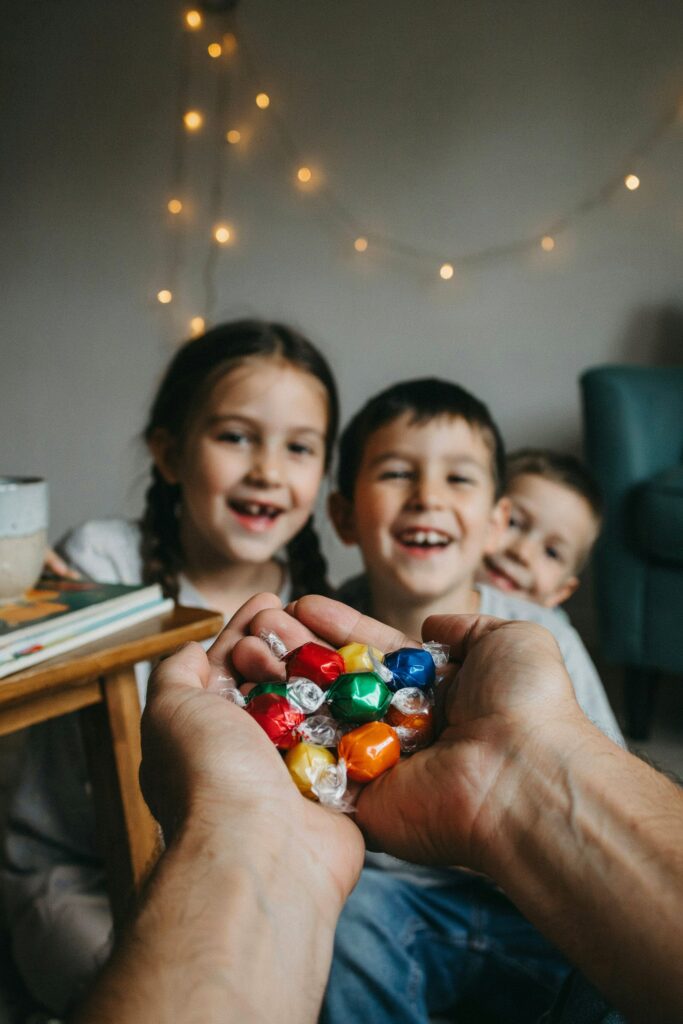
In this activity, I use colored candies where each color represents a different question or topic. Participants pick a candy and respond based on the prompt linked to it. It feels playful but still helps people open up and share real experiences. This works especially well in mixed groups where people are hesitant at first.
5. The Marshmallow Challenge
I recommend this game for teams because it shows how people handle planning under time pressure. Groups must build the tallest structure using spaghetti, tape, string, and a marshmallow on top. Most teams realize they spend too much time planning instead of testing ideas early. It clearly shows how quick experimentation often leads to better results than perfect planning.
6. Bucket List Bingo
This game connects people through long-term goals instead of surface-level conversation. Each participant gets a bingo sheet with life goals like travel, skills, or personal achievements. As they complete them over time, they mark progress and share updates with others. It keeps engagement going even after the event ends.
7. Gossip Time

I use this as a positive icebreaker in groups where people already know each other. Participants write kind or funny compliments about others anonymously, and the person later tries to guess who wrote them. It creates laughter and also strengthens trust within the group. People usually leave feeling more appreciated than expected.
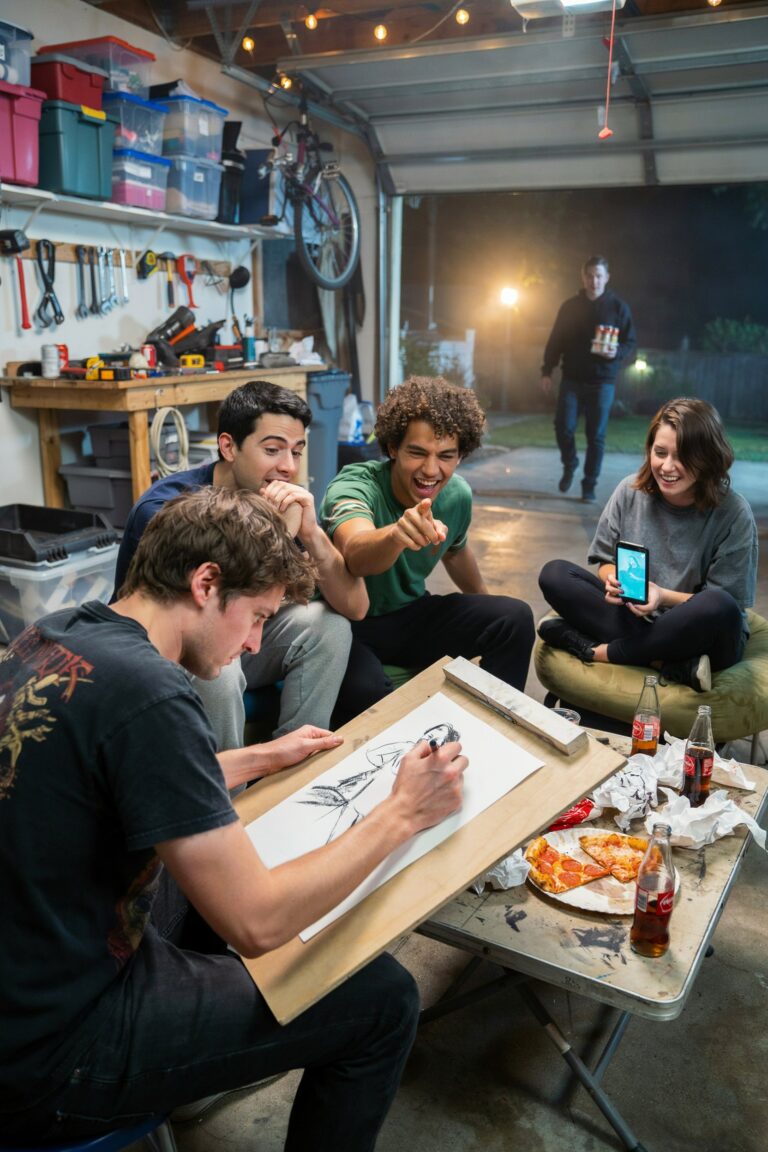
8. Pictionary Relay
This is a high-energy game I use when a group feels too quiet or tired. Players draw words or phrases while teammates guess within a time limit. The drawings are often funny, which makes the entire room more relaxed and active. It also naturally improves teamwork under pressure.
9. Common Ground
I use this game to help strangers connect quickly by focusing on shared interests. Small groups try to find as many similarities as possible within a limited time. People are often surprised by how much they have in common with others they just met. It builds comfort faster than normal small talk.
10. M&M Game

This is a simple but effective conversation starter where each candy color represents a question. Participants pick an M&M and answer based on its assigned topic. It removes pressure because people are simply reacting to a fun random choice. It works well in both small and large group settings.
11. Hometown Map
I like using a world map for this activity because it visually connects everyone in the room. Participants mark their hometown and share something about where they come from. It often leads to unexpected conversations between people from different regions. Visual tools like maps make introductions more engaging and memorable.
12. Memory Lane
This game encourages participants to share meaningful life stories that shaped them. I use it when I want deeper connection instead of just surface-level interaction. People usually listen more carefully because stories feel personal and real. It naturally builds empathy within the group.
13. Skill Share
In this activity, each participant teaches a small skill they know to others in the group. It can be anything from a hobby to a practical trick or work-related knowledge. I’ve seen this increase respect among participants because everyone brings something valuable. It also makes the session more interactive instead of passive listening.
14. Snapshot Throwback

I use childhood photos in this game to create curiosity and nostalgia. Photos are shared randomly, and participants try to match them with their owners. Once identified, the person shares the story behind the picture. It often brings out emotional and funny memories that people enjoy reliving.
15. Emoji Story
In this game, participants create a story using only emojis while others try to guess it. I like it because it forces creative thinking in a very simple format. It often leads to different interpretations, which makes the activity fun and unpredictable. It works especially well in younger or digital-friendly groups.
16. Act and React
I use this game when I want people to loosen up quickly in a group setting. Participants act out simple or funny scenarios without speaking while others guess what is happening. It usually creates laughter because body language interpretations are often exaggerated or unexpected. This game helps people become more expressive and less self-conscious in front of others.
17. Psychology Masks
This is a more reflective activity where participants decorate masks to show their outer personality and inner self. I like using it because it encourages honest self-expression in a creative way. People often realize differences between how they appear and how they feel inside. It leads to deeper conversations and understanding within the group.
18. Ha, Ha Game

I use this game when I want to create instant laughter in the group. Participants sit in a circle and say “ha” without laughing, which becomes harder as it continues. The simplicity of the rule makes it surprisingly difficult to stay serious. It quickly breaks tension and helps people relax together.
19. Beach Ball Toss
In this game, I write questions on a beach ball and toss it around the group. Whoever catches it answers the question under their thumb before throwing it again. It keeps everyone engaged because no one knows which question they will get next. It works well for mixing fun with light personal sharing.
20. Three-Question Mingle
I often use this game in networking or workshop settings. Each participant writes three questions and moves around asking them to others. It encourages active conversation instead of passive listening. People usually discover interesting facts they wouldn’t learn in normal introductions.
21. Mystery Sound
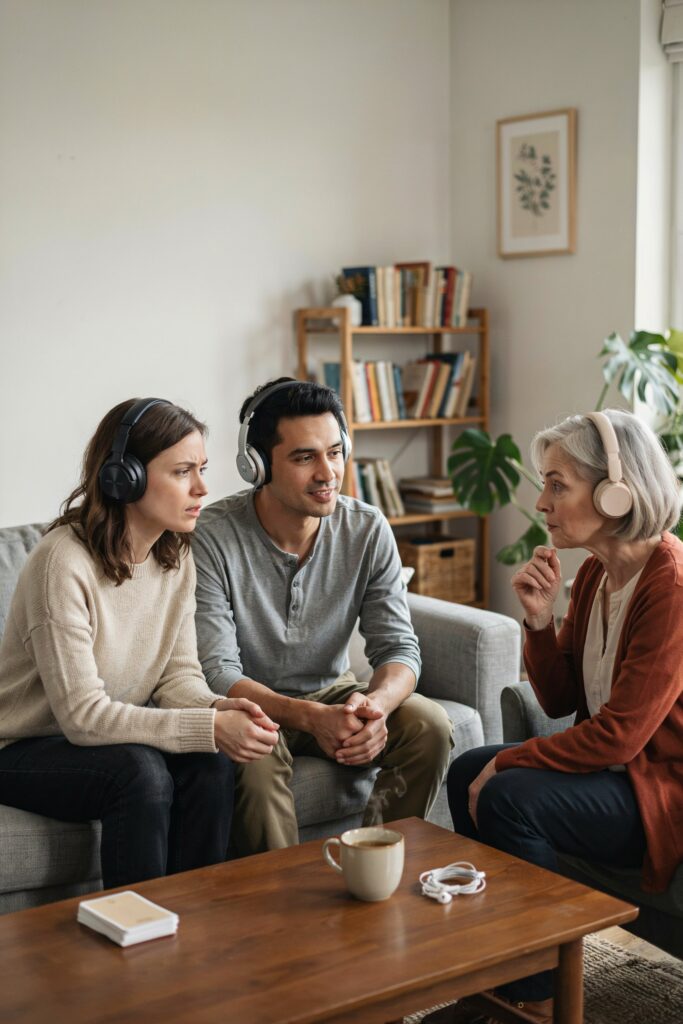
This is an audio-based game where participants guess different sound clips. I’ve seen it work well because it sharpens attention and listening skills. Sounds can be anything from everyday objects to nature or machines. It becomes competitive and fun when people try to identify them quickly.
22. Zoom In, Zoom Out
In this game, I show an image that is either zoomed in or slowly zoomed out. Participants try to guess what the object is before it is fully revealed. It creates excitement because small visual clues can be misleading. This game works especially well in digital or presentation-based sessions.
23. Simply Fun Icebreaker Games
I like this rhythm-based group game where participants build a sentence one word at a time. Each person adds a word in sequence while maintaining a steady rhythm. It often leads to funny and unexpected sentences as the group tries to stay coordinated. This activity improves focus, timing, and group cooperation.
24. Similarities and Differences
I use this game to help people connect more deeply in structured conversations. Participants move around and list similarities and differences with others they meet. It helps break social barriers quickly because people start noticing shared interests. The mix of similarity and uniqueness makes conversations more meaningful.
25. Cultural Share

This activity allows participants to share something from their culture like food, traditions, or habits. I find it very effective in diverse groups because it builds awareness and respect. People learn new perspectives that they might not experience otherwise. It naturally opens discussions about backgrounds and experiences.
26. 10 Things in Common
In this game, I pair participants and ask them to find ten things they share. It pushes people to talk beyond surface-level topics and explore interests and experiences. Most pairs discover surprising similarities in a short time. It’s a strong way to build quick connection and comfort.
27. Who Did It?
I use this guessing game to create curiosity and laughter in the group. Participants write something unique they have done, and others try to guess who it belongs to. It often reveals unexpected stories and experiences. This game encourages openness and helps people learn interesting facts about each other.
28. Special Snowflakes

This is a positive group activity where participants write compliments on paper snowflakes for each other. I like using it at the end of sessions because it leaves people with good feelings. Everyone reads the positive messages they received, which boosts confidence. It helps create a supportive and friendly environment.
29. Group Playlist
In this activity, participants contribute their favorite songs to a shared playlist. I use it because music naturally connects people emotionally. Later, the playlist becomes a conversation starter outside the session. It helps maintain connection even after the group activity ends.
30. Telephone Game

I often use this classic game to end sessions on a fun note. A message is whispered from one person to another until it reaches the end. The final version is usually very different from the original, which creates laughter. It shows how easily messages can change when passed through many people.