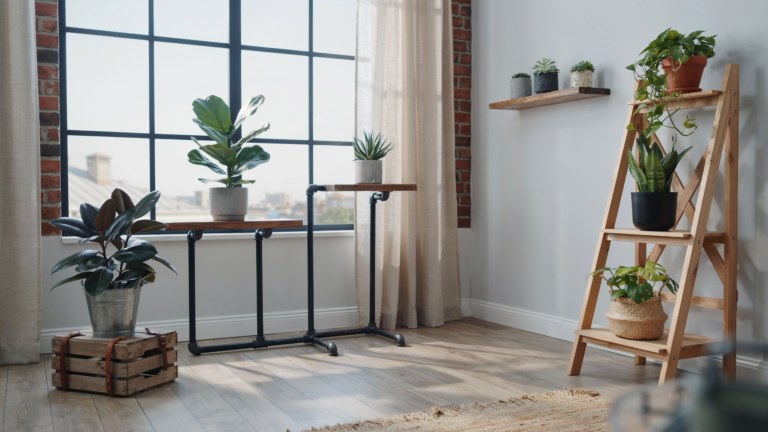
How to Make a DIY Coat Rack: 20 Creative Ideas for 2026
A homemade coat rack can help keep jackets, bags, scarves, and everyday accessories organized without taking up too much space. With simple materials such as wood, metal pipes, branches, and sturdy hooks, you can create a design that suits your home’s layout and décor.
These DIY coat rack ideas include wall-mounted options for narrow hallways, freestanding racks for larger rooms, and creative designs that combine hanging space with shelves. Choosing the right style depends on how much storage you need, what materials you have, and how securely the rack can support your belongings.
Key Takeaways
- Wall-mounted coat racks are useful for small entryways and narrow hallways.
- Freestanding designs need a wide, stable base to prevent tipping.
- Shelves and lower rails provide extra space for shoes, hats, and bags.
- Wood, metal pipes, and natural branches offer different looks and levels of durability.
- Secure mounting and balanced weight distribution help keep a coat rack safe to use.
How to Make a Freestanding Coat Rack More Stable
A freestanding coat rack can tip over if its base is too narrow, its frame is weak, or too much weight hangs from one side. Start with a broad, sturdy base and make sure all joints are firmly connected before adding coats and bags.
Keep heavier jackets on lower hooks and spread belongings evenly around the rack. Rubber feet can help prevent sliding on smooth floors, while a wall brace provides extra support if the design still moves when loaded.
Pro Tip: Test the empty rack for wobbling before using it, and check that the base stays steady when you gently pull on each side.
1. Corner Weight Balance
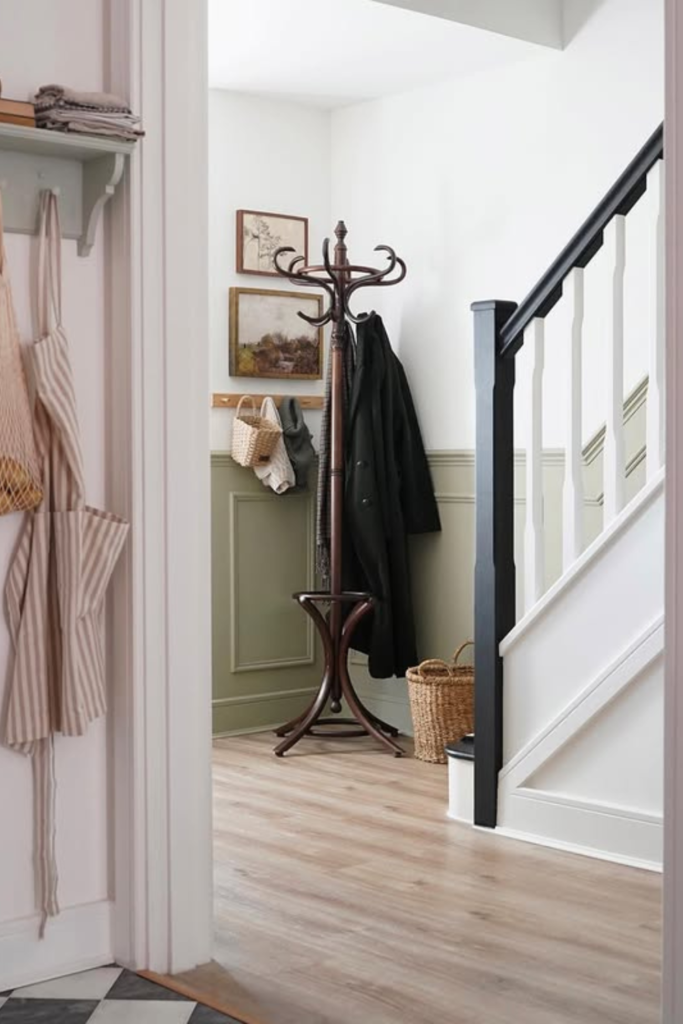
A coat rack placed in a corner can make better use of an area that might otherwise sit empty. Choose a wooden design with a broad base and position it where the surrounding walls help keep the walkway clear. Natural wood works well with neutral walls, woven baskets, and simple entryway furniture.
Pro Tip: Leave enough room to reach the hooks comfortably, and do not rely on the walls to stop a rack from tipping unless it is properly secured.
2. Modular Wood Slats
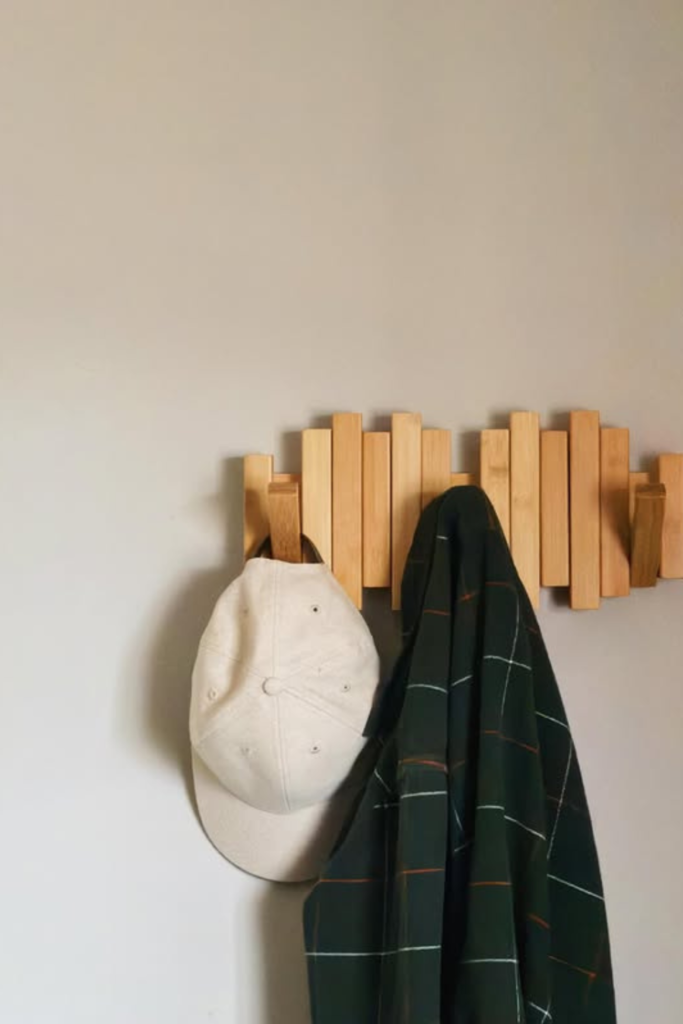
Create a simple coat rack using wooden slats or individual wooden blocks attached to a solid backing board. Arrange the pieces in a straight line or stagger them at different heights for a more creative look. This style suits bedrooms, hallways, and small apartments where a slim storage solution is useful.
Pro Tip: Sand every edge smoothly and leave enough space between the hooks so hanging bags and jackets do not overlap.
3. Slim Vertical Hooks
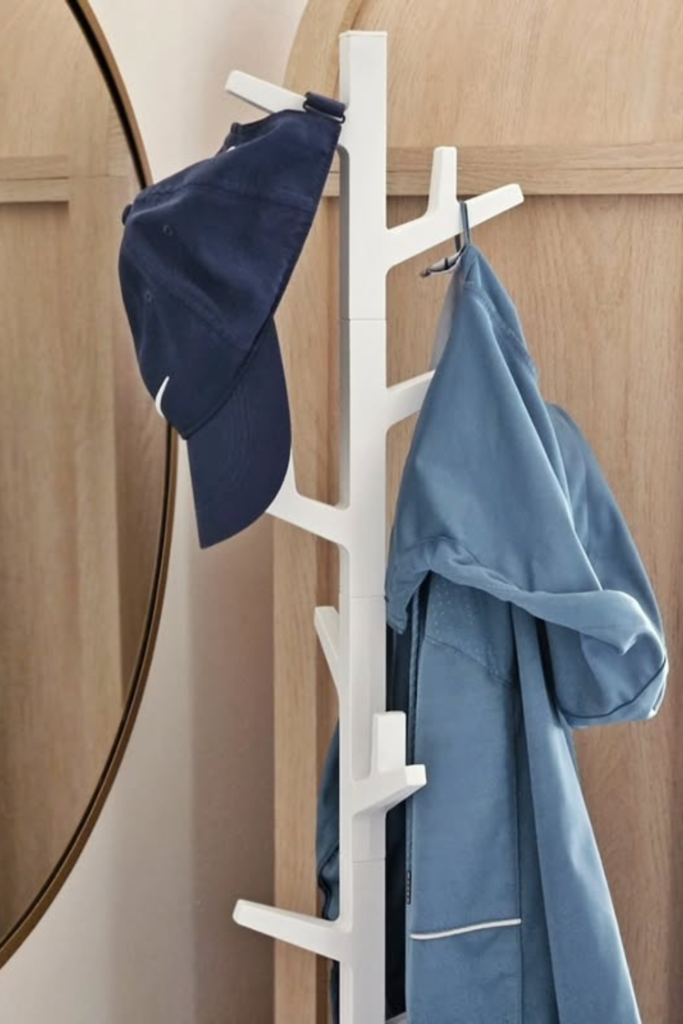
A narrow wooden board fitted with hooks at different heights can provide useful storage without taking up floor space. Use the upper hooks for hats and lightweight bags, and place heavier coats lower down. A painted board can blend into the wall, while natural wood adds warmth to a plain hallway.
Pro Tip: Secure the board to suitable wall supports, and choose hooks that extend far enough to hold coat loops without slipping off.
4. Branch Shelf Hybrid
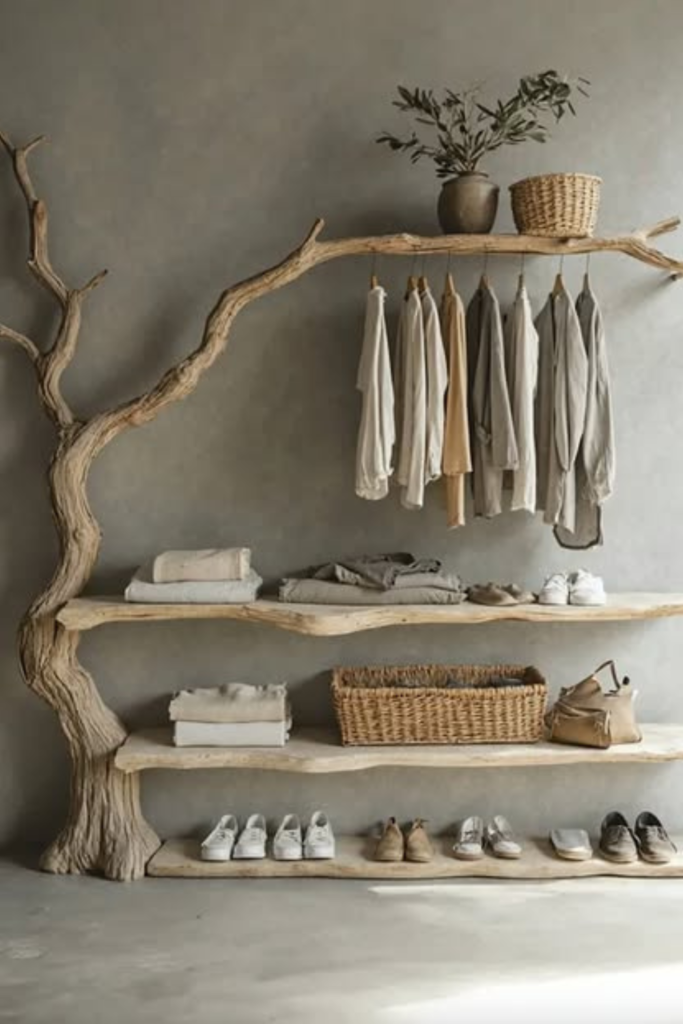
A sturdy, well-dried branch can become the main feature of a rustic coat rack. Attach it securely to a strong frame or wall support, then add a small shelf below for folded scarves, gloves, or other accessories. This design works especially well with natural wood furniture, woven baskets, and earthy colors.
Pro Tip: Remove loose bark, check the branch for cracks, and test its strength before hanging anything from it.
5. Wall Rail Hooks
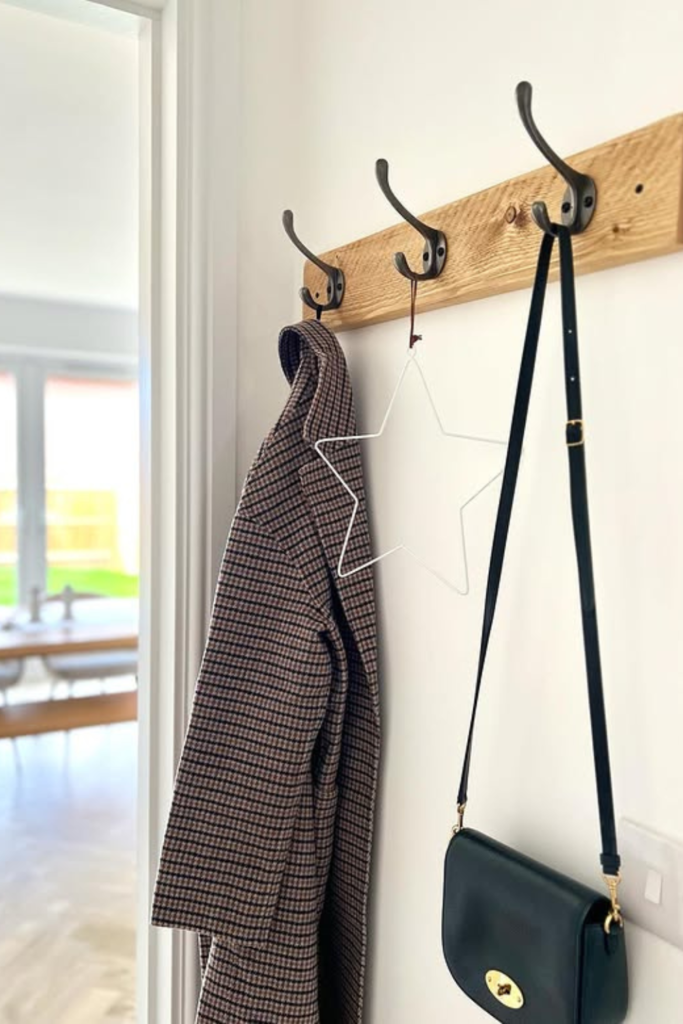
A wooden rail fitted with evenly spaced metal hooks is a straightforward option for a busy household. Choose a board length that fits your wall and select hooks that suit the weight of your usual coats and bags. Black metal creates contrast against pale wood, while brass-colored hooks pair well with warmer finishes.
Pro Tip: Attach the rail to wall studs or use appropriate anchors rated for the expected load rather than relying on ordinary screws in drywall.
6. Shelf and Hook Combination
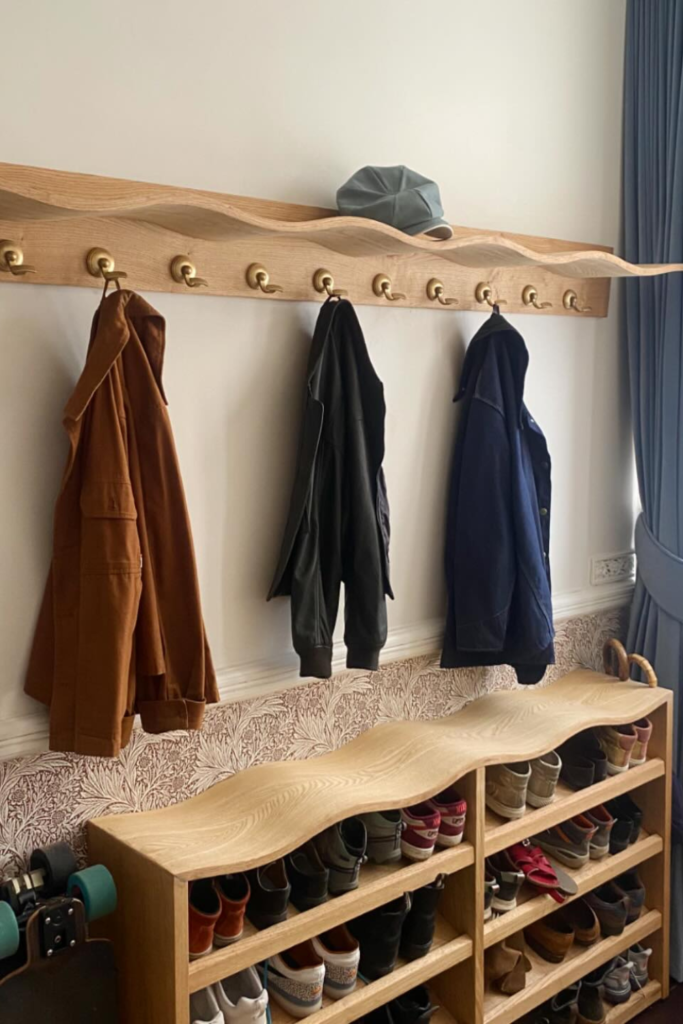
Combine a wooden coat rail with a shallow shelf above it to create storage for hats, sunglasses, small baskets, and everyday essentials. The hooks keep jackets off chairs, while the shelf gives frequently used items a dedicated place. This arrangement is especially useful near the front door or in a family mudroom.
Pro Tip: Keep the shelf shallow enough that it does not interfere with opening doors or walking through the entryway.
7. Weighted Ladder Stand
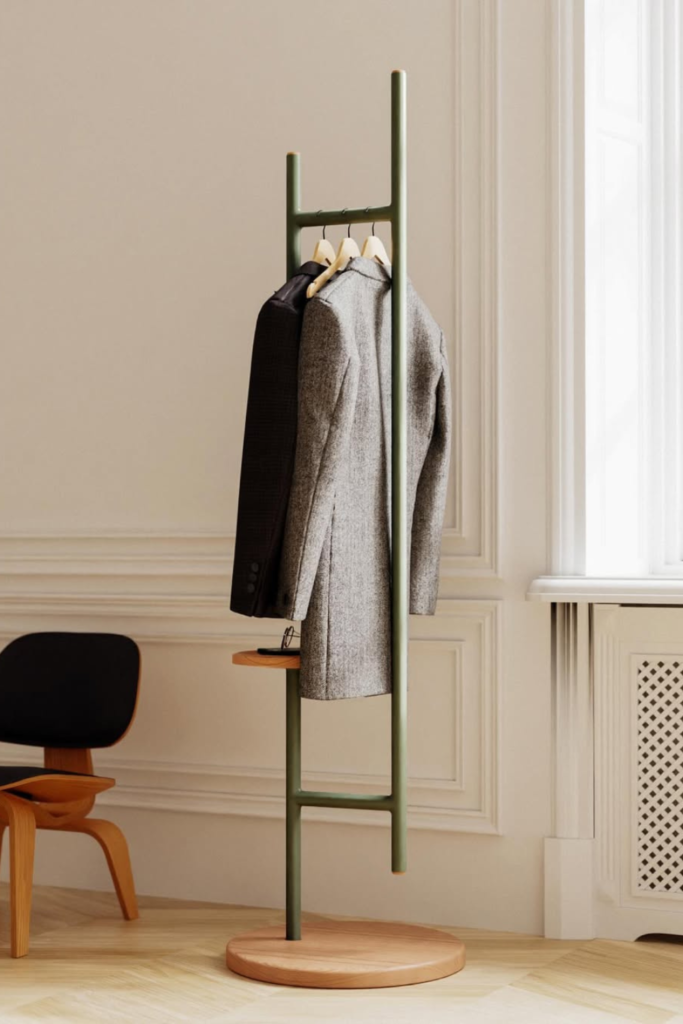
A ladder-style coat rack offers a different look from a traditional pole with projecting hooks. Build or repurpose a sturdy frame with securely joined sides and strong rungs, then hang lightweight jackets, scarves, or clothes on hangers. Its simple shape works with modern, rustic, and minimalist interiors.
Pro Tip: A leaning ladder is not automatically stable enough for coats; secure it according to its design and avoid loading the upper rungs with heavy bags.
8. A-Frame Coat Rack
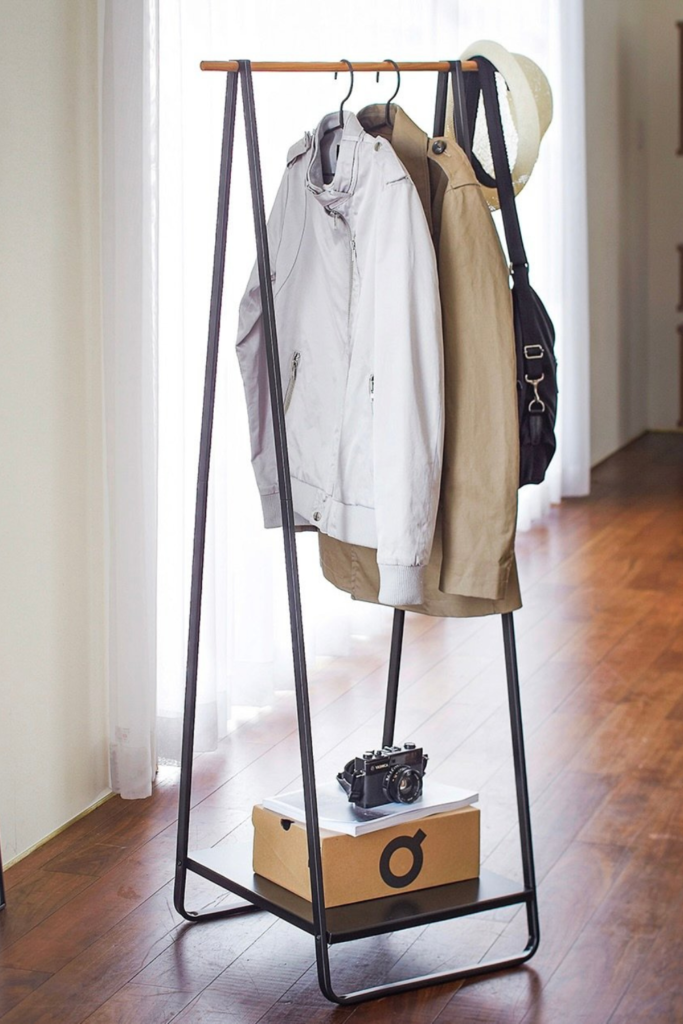
An A-frame rack has two angled sides connected by horizontal bars, creating a simple structure that can stand independently when properly built. Add hooks or use the bars for hangers, and consider a low shelf for shoes or baskets if the frame can support the extra weight. Natural wood suits relaxed interiors, while a painted finish gives the rack a cleaner appearance.
Pro Tip: Use secure joints and a stable footprint, and check that the legs cannot spread apart under the weight of hanging clothes.
9. Corner Ladder Rack
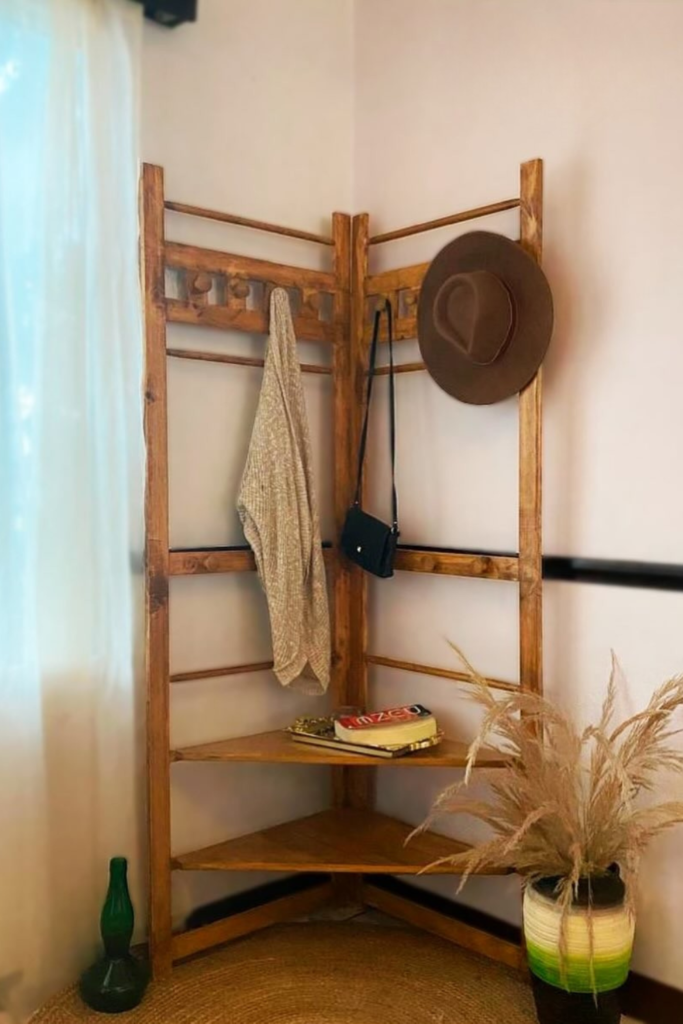
Two ladder-style frames joined with sturdy shelves can create a useful storage unit for an unused corner. Keep lighter coats on the upper rungs and use the lower shelves for shoes, bags, or storage baskets. A natural finish works well in rustic rooms, while white or black paint can suit a more modern space.
Pro Tip: Fasten the shelves firmly to both sides and secure the unit against tipping, especially if children may pull on the rungs.
10. Heavy-Duty Rail
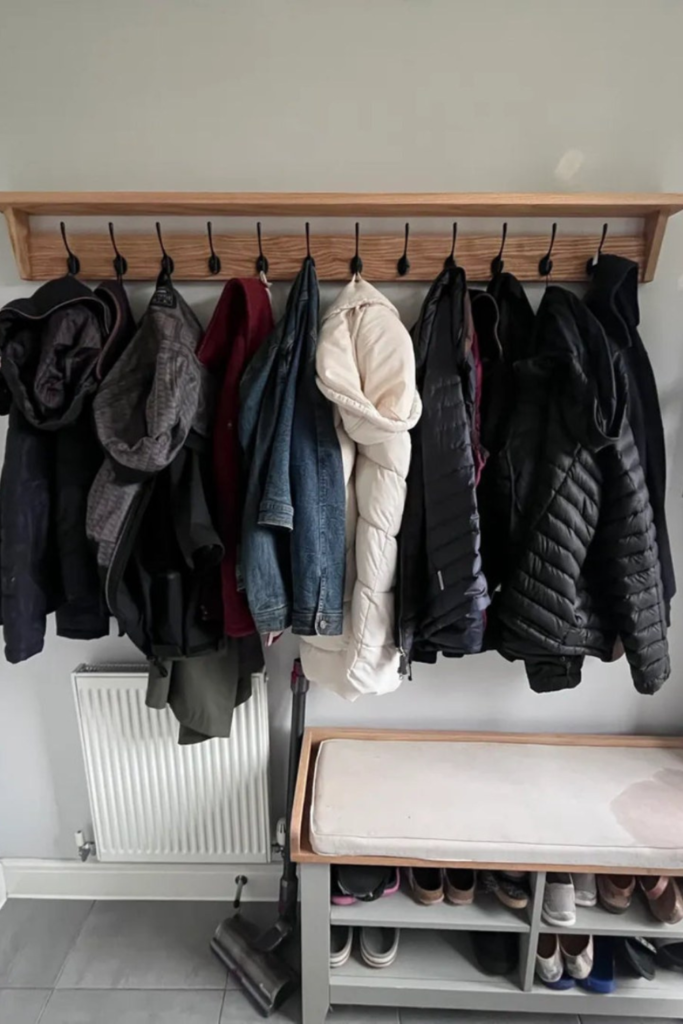
A thick wooden board with durable metal hooks is a good choice for households that regularly hang several coats at once. Pick a board long enough to give each item room, and use hooks designed for the weight of jackets, backpacks, and work bags. A dark-stained board adds contrast, while light wood keeps the design simple and understated.
Pro Tip: Check the load rating of the hooks and mounting hardware together, because a strong hook cannot compensate for a poorly secured rail.
11. Floating Peg Rail
A floating peg rail gives a hallway or bedroom a clean appearance without the look of bulky hardware. Use a wooden strip with sturdy pegs or recessed hooks, leaving enough space for coats to hang freely. This design works well in smaller homes, particularly when paired with a narrow console table or a simple wall mirror.
Pro Tip: Make sure the pegs project far enough to hold coat loops securely, and check that the rail’s mounting system can handle the combined weight.
12. Sculptural Iron Stand
Bent metal rods arranged around a stable base can create a coat rack that doubles as a decorative feature. Choose a design with several hooks at different heights for scarves, hats, and jackets. Black iron gives the rack an industrial look, while a lighter metal finish can work with contemporary furniture and simple décor.
Pro Tip: Choose a stand with a broad, heavy base and smooth hook ends to reduce the risk of tipping or snagging delicate fabrics.
13. Fold-Out Panels
Fold-out coat hooks are useful in small apartments, narrow hallways, and rooms where permanent projections get in the way. Mount a sturdy wooden panel with folding pegs that sit close to the wall when not in use. When opened, the hooks provide hanging space for everyday jackets, light bags, and scarves.
Pro Tip: Check that every folding hook locks into its open position and stays securely attached before hanging clothing on it.
14. Peg Bar Lineup
A long wooden bar fitted with evenly spaced pegs makes use of wall space that might be too narrow for a larger storage unit. Install it near the front door or above a shoe bench, and use the pegs for coats, hats, reusable shopping bags, and scarves. A matching shoe rail underneath can help keep the entire area organized.
Pro Tip: Measure the width of your bulkiest winter coat before setting the peg spacing so sleeves and hoods have room to hang.
15. Concrete Base Pole
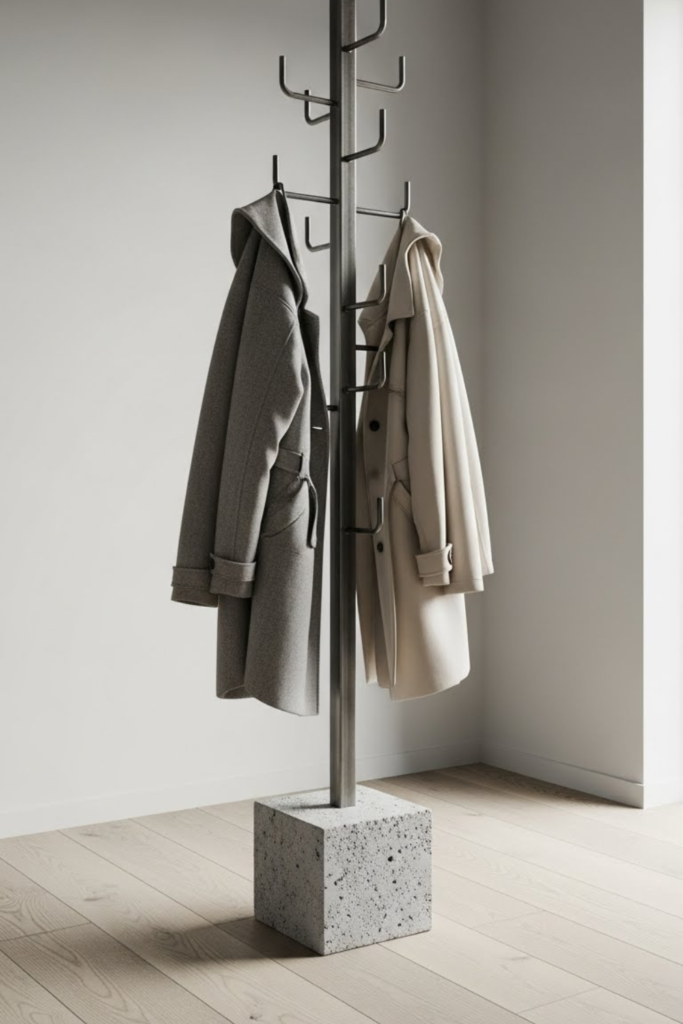
A vertical wooden or metal pole set into a properly designed concrete base can provide a sturdy alternative to a wall-mounted rack. The base adds weight at the bottom, while the upright pole provides several places to hang jackets and bags. This style suits utility rooms, workshops, and entryways with an industrial or minimalist look.
Pro Tip: Use a suitable container or purpose-built base, allow concrete to cure fully according to its instructions, and confirm that the pole remains upright before loading the hooks.
16. Pipe Floor Rack
Metal pipes and fittings can be assembled into a rectangular coat rack with an industrial appearance. Create a broad base, add a horizontal hanging bar, and include a lower rail for shoes or small bags if the frame allows. The dark metal pairs well with wood shelves, neutral walls, and practical storage baskets.
Pro Tip: Tighten all fittings and check the frame for movement before use; add a properly secured base rather than assuming metal construction alone will prevent tipping.
17. Wall-Braced Stand
If you prefer a floor-standing coat rack but want to reduce sideways movement, a wall brace can add useful support. A small bracket or connector secures the frame to a suitable wall fixing while leaving most of the rack freestanding. This arrangement can work in entryways and utility rooms where a full wall-mounted rail is not practical.
Pro Tip: Use a brace and wall fixing suited to the rack’s construction, and get permission before drilling if you live in a rental property.
18. Crate Stack Rack
Wooden crates can provide lower storage for shoes, gloves, or baskets, while a securely attached upright section holds the coat hooks. Arrange the crates in a stable formation and fasten them together instead of relying on their weight alone. This design suits mudrooms and casual entryways where extra storage is just as important as hanging space.
Pro Tip: Inspect used crates for loose boards, splinters, and damaged joints, and secure the upright post to a frame designed to carry the weight of the coats.
19. Rolling Coat Stand
A coat rack fitted with wheels can be useful in a home office, craft room, laundry area, or shared space where storage needs change. Choose a wide base, a strong hanging bar, and locking casters so the rack can be moved when necessary and kept in place afterward. Keep the heaviest garments near the bottom to help maintain balance.
Pro Tip: Lock all the wheels before hanging coats, and check that the casters are rated for the total weight of the rack and its contents.
20. Ceiling Rod Drop
A ceiling-mounted rod can free up valuable floor space in a laundry room, dressing area, or utility space. Fit a strong rod with suitable hanging hooks or hangers, leaving enough room for garments to hang without touching furniture or the floor. This option can also work as a temporary drying or staging area when the structure is designed for that purpose.
Pro Tip: Ceiling-mounted racks require secure attachment to suitable structural supports, and their load capacity must be checked before use; do not attach a loaded rod to plasterboard alone.