

DIY Plant Stand Ideas for Easy, Budget-Friendly
In this article, I explore 21 DIY plant stand ideas that help me organize plants in a simple and budget-friendly way. I focus on wooden, metal, hanging, and recycled designs that improve space usage and make plants look more structured and healthy.
Above the Fold Summary (What I Learned From This Article)
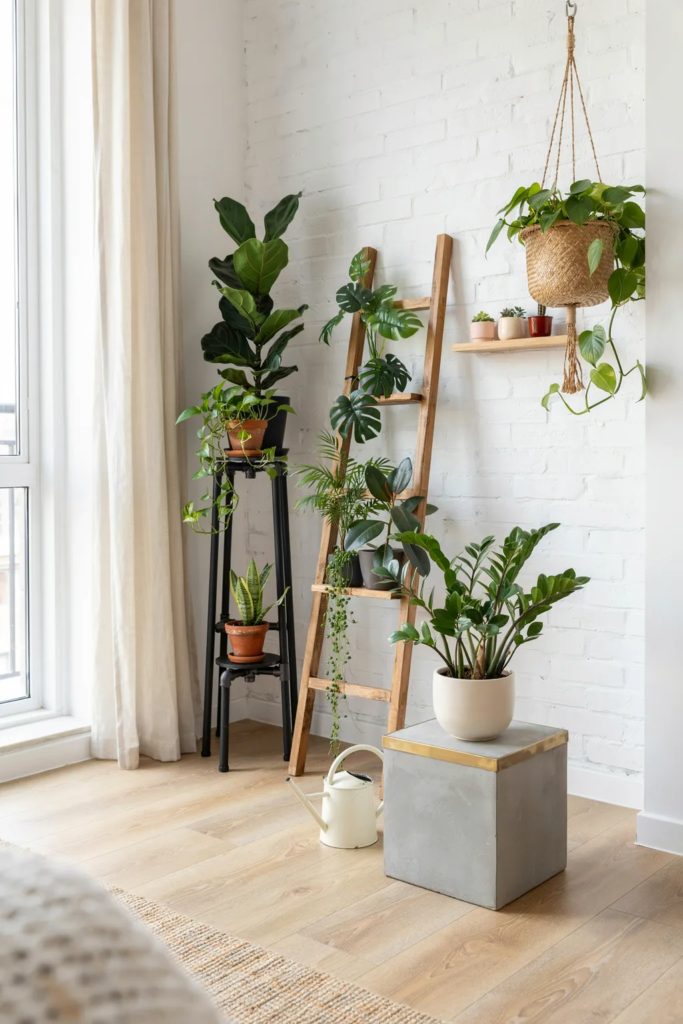
From my experience, plant stands are not just decorative items. They improve airflow, bring plants closer to sunlight, and help me use small spaces more efficiently. I also include ideas for indoor rooms, balconies, patios, and garden areas so anyone can apply them easily at home.
Key Takeaways
DIY plant stands help me save space and reduce clutter
Elevating plants improves sunlight exposure and growth
Most stands can be made using wood, crates, or recycled items
Vertical and hanging designs work best for small spaces
Simple DIY setups can replace expensive store-bought stands
Why Use a Plant Stand?
From my point of view, plant stands make any space feel more organized and intentional. When I place pots directly on the floor, everything looks messy and uneven. Once I lift them, the space immediately feels cleaner.
I also notice better plant growth because raised positions improve light exposure. In some cases, plants placed near windows grow faster. A stand also helps me separate different plant sizes and keeps them safe from pets and foot traffic.
Clean Wooden Stands
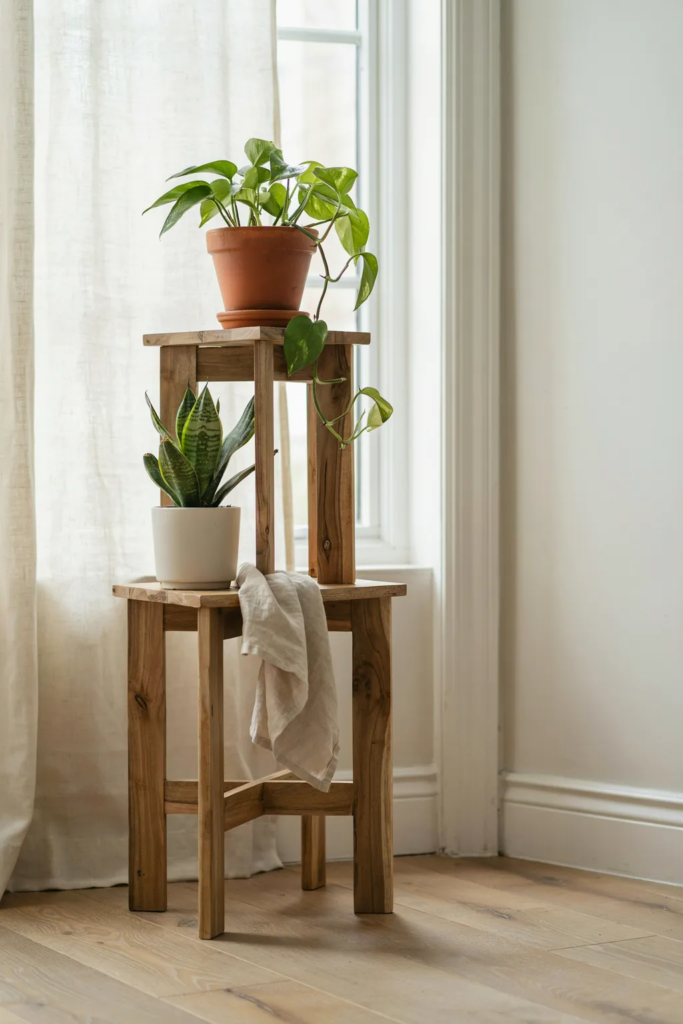
I often use simple wooden stands because they are easy to build and fit almost anywhere. I make them with four equal legs and a flat top surface.
This design works well in empty corners, balconies, or near windows with natural light.
A Hanging Corner
I turned one unused corner into a hanging plant area. I hang small pots using ropes or macramé holders from a rod.
This setup saves floor space and makes the room feel taller.
Full Garden Station
I built a larger frame that allows me to grow hanging plants, herbs, and pots together. It includes shelves and side sections for balance.
It works best outdoors with consistent sunlight.
Long Bench Plant Display
I use a long wooden bench to arrange multiple plants in one line. It keeps everything organized and clean.
I mix different plant heights for balance.
Slim Metal Stand
This thin metal stand is perfect when I want a minimal setup. It holds one pot without taking space.
I place it near windows or sofas.
Sofa-Back Plant Stand
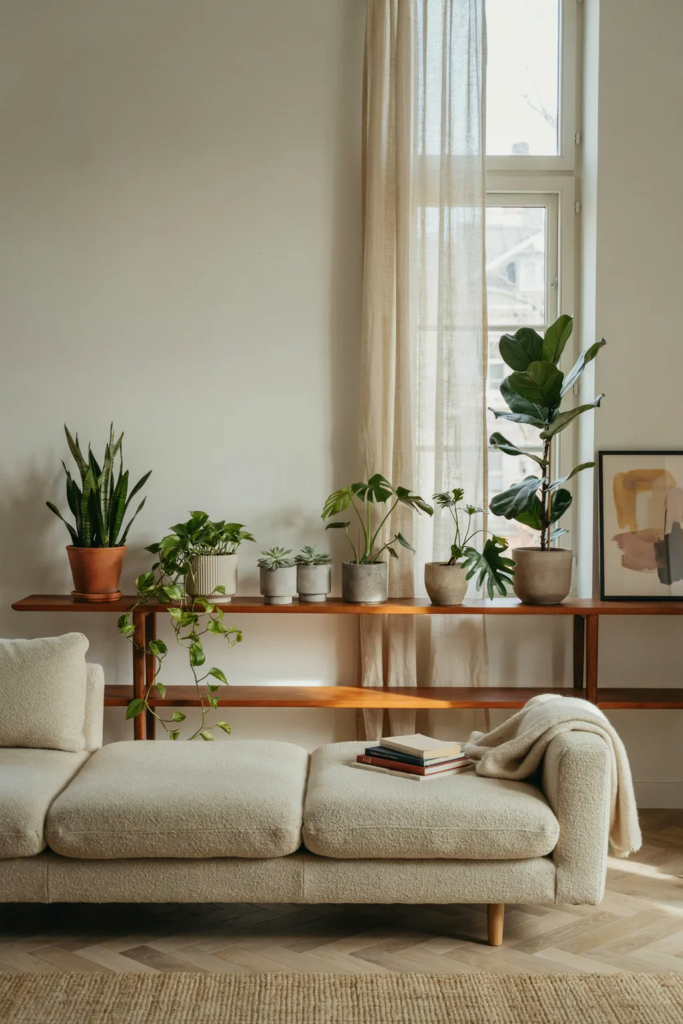
I use the space behind my sofa to place a narrow plant table. It helps me use hidden space effectively.
It keeps plants organized without blocking movement.
Playful Log Stand
I like using natural logs for a rustic look. I stack wood slices and place pots on them.
It adds a creative natural feel.
Wicker Planter Stand
This design gives a soft indoor look. I use a woven basket base with wooden legs.
It works best in living rooms.
Modern Tiered Stand
I built a three-level stand to display multiple plants vertically. Each shelf holds different sizes.
It saves floor space and looks organized.
Hexagon Shelf Stack
This geometric design gives a modern touch. I stack hexagon shelves vertically.
It works well in small corners.
Spiral Staircase Stand
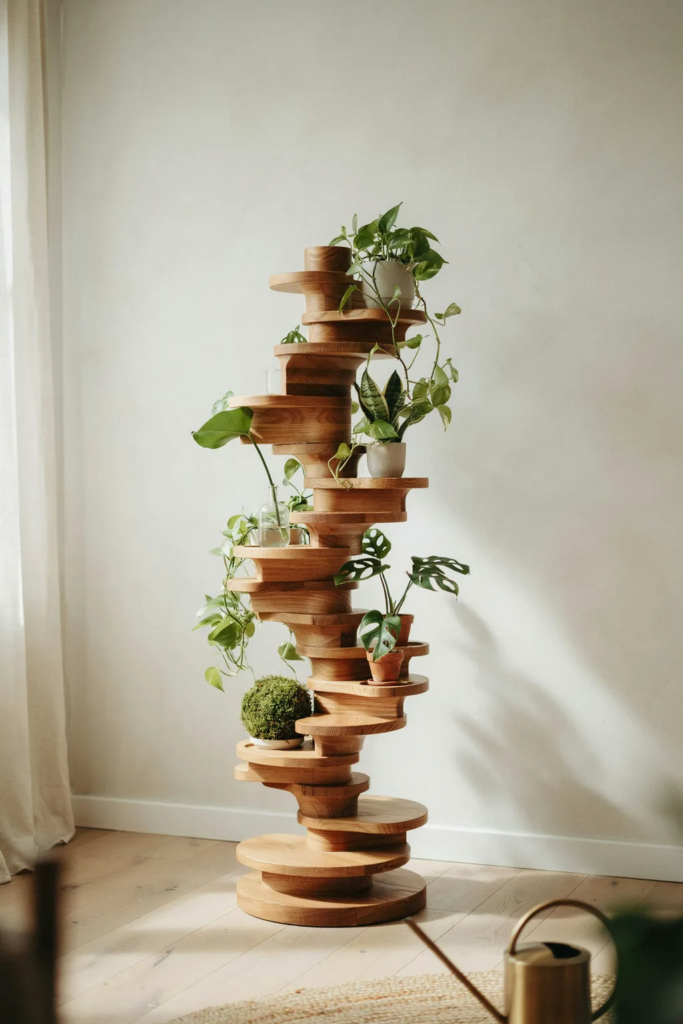
I created a spiral wooden frame for a decorative plant display. Each level holds a pot.
It becomes a focal point in any room.
Lightweight Metal Stands
I use thin metal stands for outdoor areas. They are easy to move.
They work well in patios and entrances.
Small Wooden Table
Sometimes I use a simple table instead of building anything. It holds a few plants neatly.
I place it near windows for light.
Garden Potting Table
This setup helps me organize tools and plants together. It includes storage shelves.
It is useful for outdoor gardening.
Tall Porch Stand
I use this stand to lift plants to eye level on my porch. It improves visibility.
It works best in bright outdoor light.
Colorful Bottle Planters
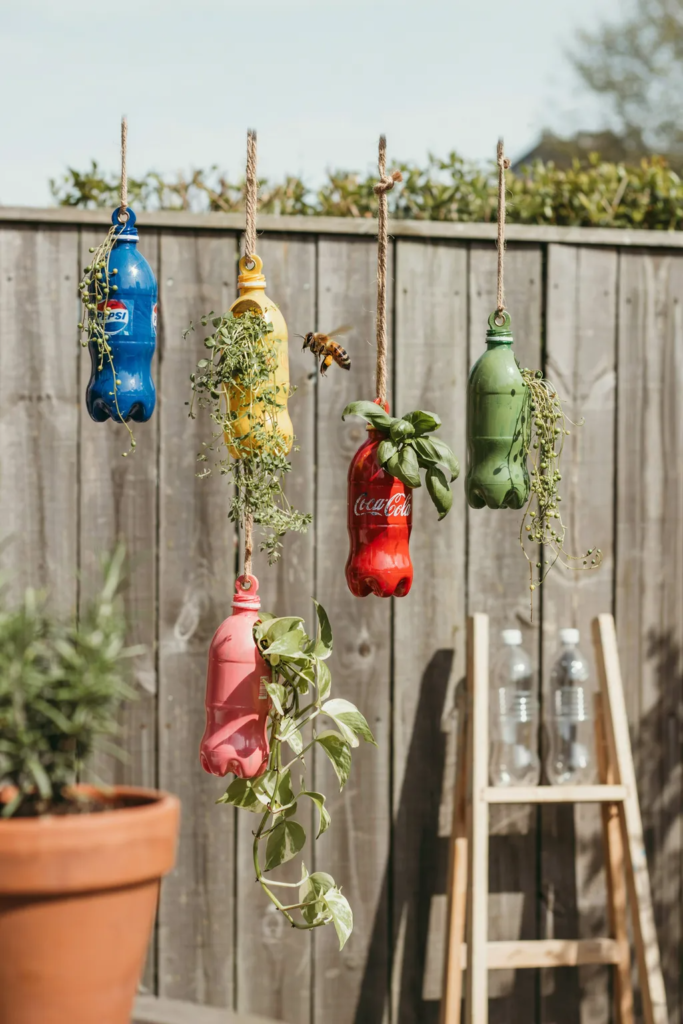
I reuse plastic bottles and paint them. Then I use them as planters.
It is cheap and eco-friendly.
A Simple Tiered Setup
I built a multi-level stand for outdoor plants. It organizes pots vertically.
It keeps the space neat.
A Hanging Shelf Set
I use rope shelves to save floor space. They hang from hooks.
They are perfect for trailing plants.
A Simple Hanging Frame
I built a wooden frame for hanging baskets outdoors. It keeps plants off the ground.
It works well in gardens.
A Vertical Crate Wall
I stacked wooden crates vertically. Each holds a plant.
It saves a lot of space.
A Painted Pallet Stand
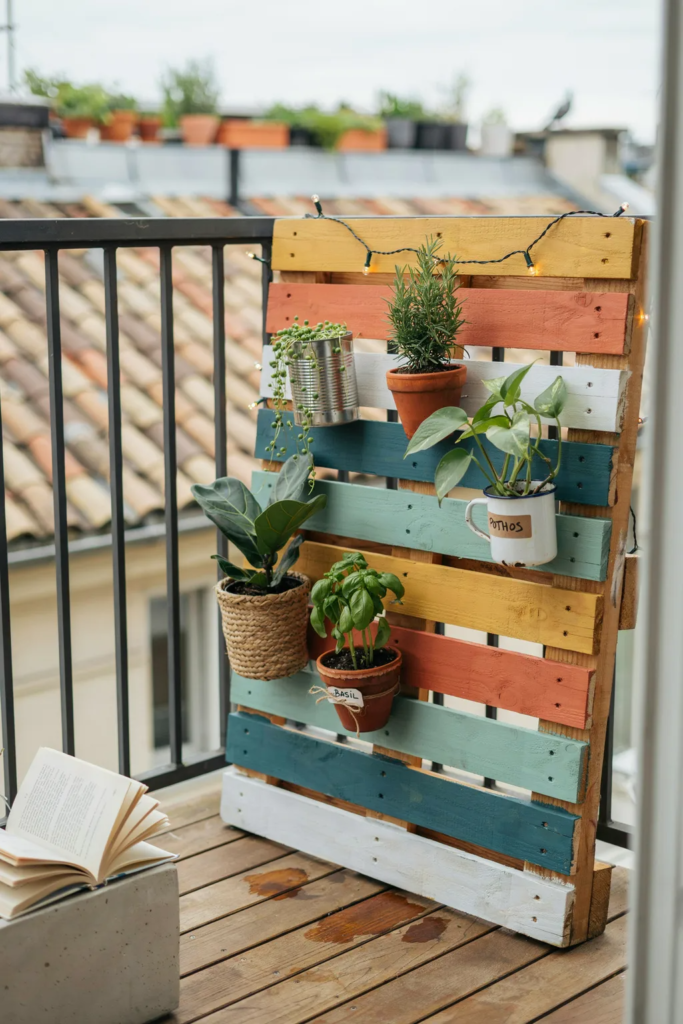
I reused a pallet and painted it. Each level holds small pots.
It adds color to my balcony.
FAQs About DIY Plant Stands for 2026
What is the best material for a DIY plant stand?
From my experience, wood is the most reliable material because it is strong, easy to cut, and affordable. I also use metal for outdoor stands since it lasts longer in weather conditions.
How do I make a plant stand stronger at home?
I always focus on using thick legs, proper joints, and screws instead of nails. Adding a cross-support at the base also improves stability and prevents wobbling.
Can I make a plant stand without tools?
Yes, I often use crates, stacked boxes, or ready-made stools. These require no cutting and still work well for small indoor plants.
What height is best for a plant stand?
I usually keep indoor plant stands between 12 to 36 inches depending on window height. The goal is to bring plants closer to natural light.
How do I protect wooden plant stands?
I apply a simple wood polish or waterproof sealant. This helps prevent moisture damage from watering and keeps the stand durable longer.
Are DIY plant stands cheaper than store-bought ones?
Yes, in most cases I save 40% to 70% by building my own stands using recycled wood, crates, or leftover materials.
Can plant stands improve plant growth?
From what I’ve observed, lifting plants improves airflow and light exposure, which can noticeably boost growth, especially for indoor plants.
What plants work best on stands?
I usually place pothos, snake plants, succulents, and small flowering plants on stands because they don’t need deep pots or heavy soil.
How do I decorate plant stands for modern homes?
I keep the design minimal with neutral colors, clean lines, and matching pots. I avoid overcrowding to maintain a modern look.
Can I use plant stands outdoors safely?
Yes, I use weather-resistant wood or metal for outdoor stands. I also elevate them slightly to avoid direct ground moisture damage.
Conclusion
From my experience, DIY plant stands are one of the easiest ways to completely improve how a space looks and feels. I don’t need expensive furniture or complex tools to create a clean plant setup. Simple materials like wood, crates, metal frames, or even recycled items are enough to build something useful and stylish.
What I learned from these 21 ideas is that plant stands do more than just hold pots. They help me save space, improve natural light exposure, and make plant care more organized. Whether I’m working with a small balcony or a large garden, the right stand always makes the area feel more balanced and calm.
If I had to choose one takeaway, it’s this: even a small DIY plant stand can change the whole look of a corner without much effort or cost.