21 DIY Dog Bed Ideas for 2026
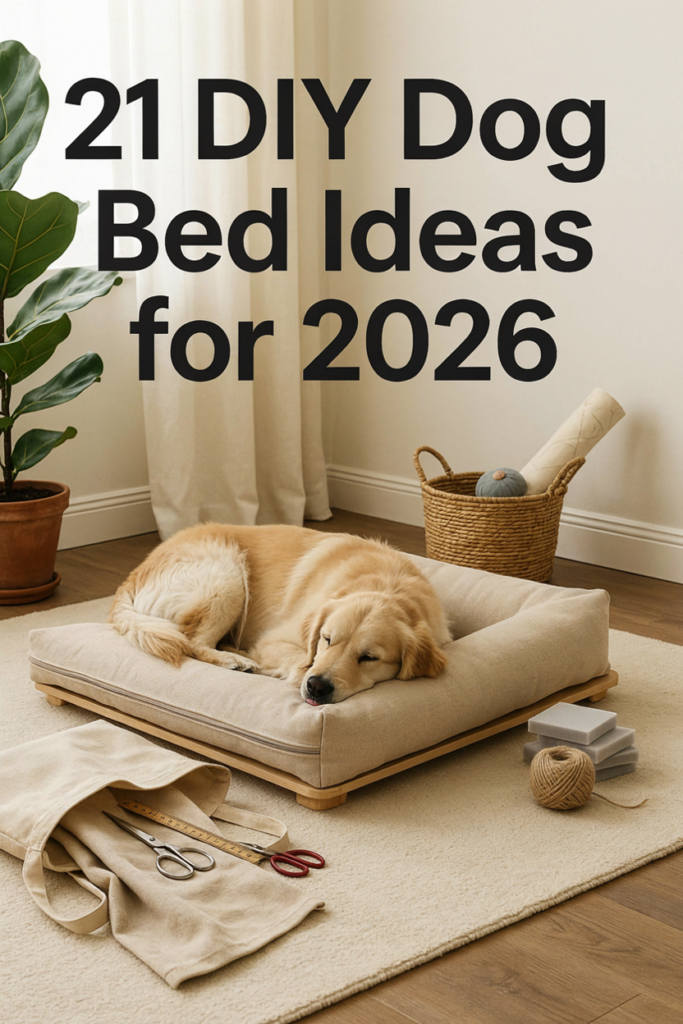
I’ve found that making a DIY dog bed can be a practical option when a ready-made bed does not suit your dog’s size, sleeping habits, or the way they use their bed. Some dogs curl into a small ball, while others stretch out, lean against a side, chew fabric, or prefer a cooler surface. A homemade bed lets me choose the size, filling, fabric, height, and overall shape around those needs.
Above the Fold
In this guide, I’m sharing 21 DIY dog bed ideas ranging from simple flat cushions and upcycled sweater beds to raised outdoor beds, crate mattresses, cooling beds, and travel-friendly designs. I’ll also explain which styles make more sense for different dogs, what materials I would choose, and what I would check before letting my dog use a homemade bed. The original source also organizes the ideas around different sleeping styles and practical uses.
Key Takeaways
How to Choose the Right Bed Size for Your Dog?
I start by watching how my dog normally sleeps. If my dog curls up most of the time, I still leave enough room for stretching because sleeping positions can change throughout the night. I measure the dog in a relaxed position and allow extra space around the body instead of making the bed fit too tightly.
For a crate bed, I measure the inside of the crate rather than relying only on my dog’s measurements. I want the mattress to sit flat without bunching around the edges.
I also make sure my dog can lie down, turn around, and stretch without constantly reaching the edge. A slightly generous fit is usually more useful than a bed that looks neat but restricts movement.
(Pro Tip): I make a temporary outline with cardboard or folded blankets before cutting expensive foam. It gives me a quick way to check the size before I commit to the final materials.
What Is the Best Material for a Dog Bed?
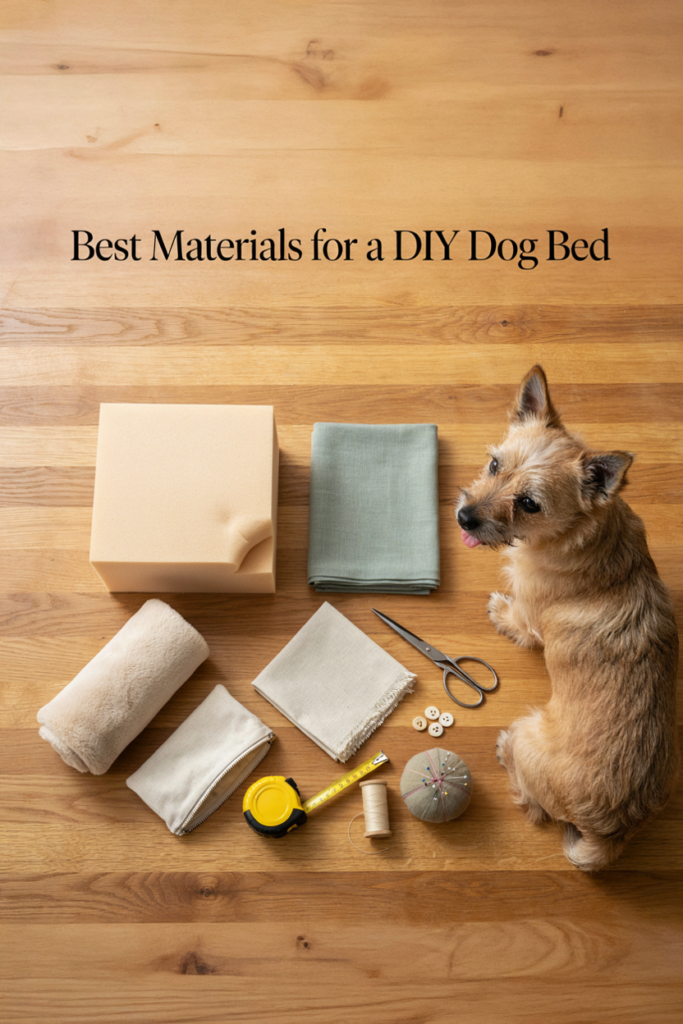
I choose materials according to how the dog behaves. A soft, fluffy bed may look comfortable, but it is not necessarily the best choice for a dog that digs, chews, or pulls at fabric.
For the base, I like firm foam when I need structure and support. For dogs that get warm easily, I look for breathable fabric or an elevated design that allows air to move below the bed.
I also pay close attention to the cover. A removable cover that can be washed is one of the most useful features I can add because dog beds collect hair, dirt, and everyday odors quickly.
Luxury Comfort
I like a bolstered bed when a small dog enjoys curling up against something while sleeping. The raised sides can create a cozy border without taking up too much floor space.
For this design, I would use a firm foam base with padded side sections and a removable outer cover. I prefer making the cover removable because washing the entire bed every time would be inconvenient.
If I want a personal touch, I can add a simple name detail to the cover rather than changing the basic structure of the bed.
Cozy Cave
A cave-style bed is a good idea for dogs that enjoy hiding beneath blankets or sleeping in enclosed spaces. Instead of making the top completely closed, I would leave a comfortable opening so the dog can enter and exit without squeezing through a narrow space.
I can build the base from foam and create the cover or hood from fleece or another soft fabric. The important part for me is keeping the opening large enough for easy movement.
(Pro Tip): I would watch how my dog uses enclosed spaces before making a permanent cave bed. If they prefer open sleeping areas, a hooded design may simply go unused.
Chunky Knits
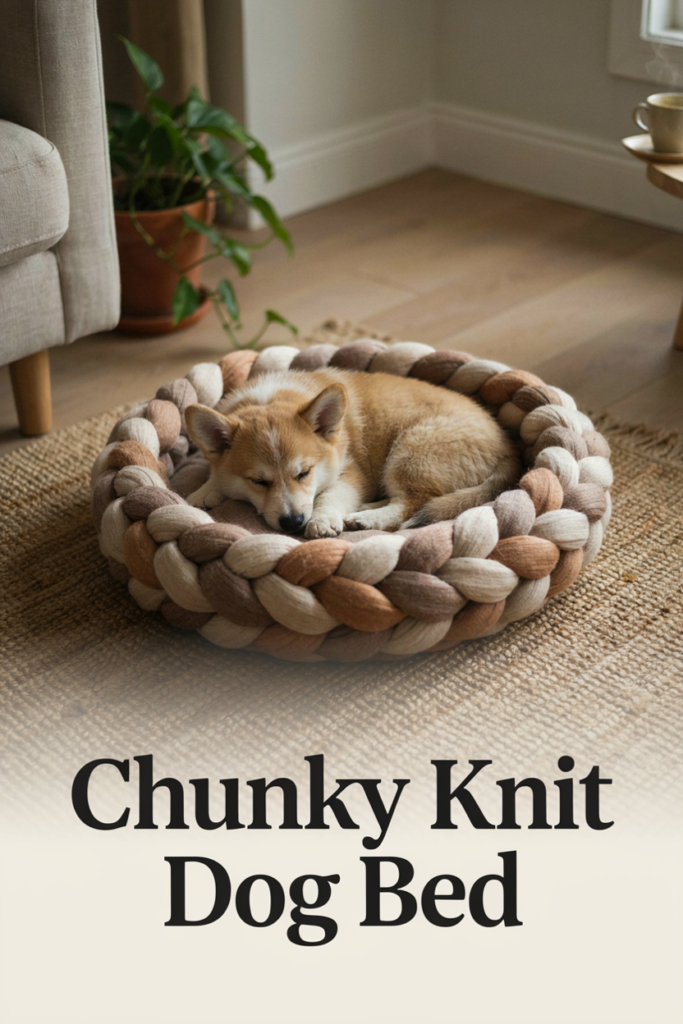
For a small dog that likes curling tightly into a soft nest, a chunky braided bed can be a simple project. I can make the material from thick yarn, fleece strips, or clean old blankets.
I would braid the material into a long rope and shape it into a circle or oval. The center can stay slightly lower than the outer ring so the dog has a natural place to settle.
This design also gives me a useful way to reuse blankets or fabric that I already have instead of buying everything new.
Clean Lines
I like this style when I want the dog bed to look neat in a modern room. A rectangular foam base with structured side bolsters gives the bed a defined shape without making it look overly soft or bulky.
Canvas or upholstery fabric can help the outside maintain its shape. I would still make the cover removable whenever possible because a structured bed should not become difficult to clean.
This design works especially well for dogs that enjoy resting their head against a firm edge.
Sweater Upcycle
An old sweater can become the starting point for a small donut-style dog bed. I like this idea because the material already has softness and stretch, and it gives an unused piece of clothing a second purpose.
I would place a firm cushion inside the main body and use the sleeves to form the raised outer ring. The sleeves need even filling so one side does not become much higher than the other.
I would secure every opening carefully and inspect the finished bed for loose threads before giving it to my dog.
Wooden Frame
A wooden frame gives me more structure when I am making a bed for a larger or heavier dog. I would keep the frame relatively low so the dog does not have to climb onto a high platform.
A thick cushion or mattress can sit inside the frame, while the cushion cover can be removed for washing. This also means I can replace the soft part later without rebuilding the entire frame.
(Pro Tip): I would sand every wooden edge thoroughly and make sure there are no exposed screws, splinters, or sharp corners where the dog could catch their skin or paws.
Plush Nest
Some dogs like sinking into a deep, soft border. For that sleeping style, I would make a cushioned ring around a softer center so the dog can settle into the middle.
Plush or faux-fur fabric can make the bed feel warm and soft, but I would avoid it for a dog that constantly pulls or chews at fabric.
I also like keeping the center slightly lower than the outer edge because it gives the dog a defined sleeping area without needing an excessive amount of stuffing.
Warm Corner
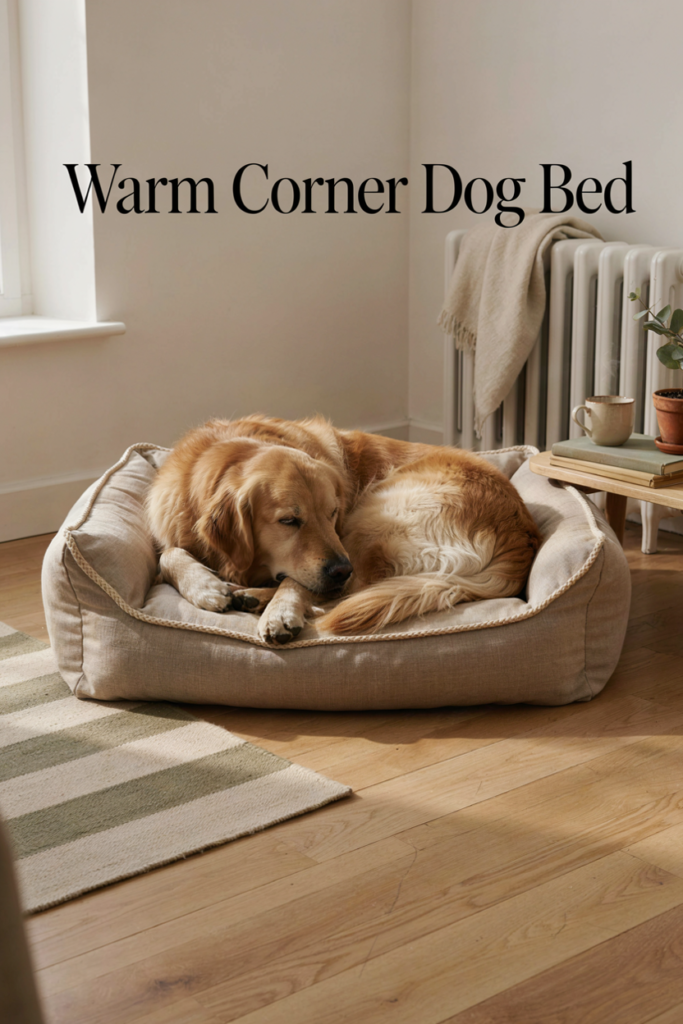
When the floor feels cold, a deeper-sided bed can create a more sheltered sleeping area. I would use a firm base, padded sides, and a removable inner cushion.
I would be careful about placing any dog bed directly beside a heater, stove, or other hot surface. A warm bed should not become an overheating or fire risk.
A comfortable location away from drafts can often make the design more useful than simply adding thicker padding.
Statement Piece
I like this option when the dog bed is going to stay in a visible part of the home. Instead of making it look like a basic cushion, I can build a shallow furniture-style frame with a padded back.
A removable cushion makes maintenance easier, while upholstery fabric can help the finished bed fit with the surrounding furniture.
I would keep the entrance open and low enough for the dog to enter without difficulty. The decorative details should never make the bed harder or less safe to use.
Woven Basket
A sturdy basket can work as the outer structure for a small dog bed. I would choose one that is strong, stable, and free from loose or sharp pieces.
A fitted foam cushion can be placed inside, with a washable cover around it. The basket gives the bed a defined shape while the soft insert provides the actual sleeping surface.
I would not choose this option for a dog that likes chewing furniture because woven materials can be damaged quickly and may create pieces the dog should not swallow.
Soft Curves
A curved, low-profile bed works well when I want something simple that does not have tall walls. It can suit dogs that like stretching out rather than curling into a tight position.
I can layer firm foam, shape the edges, and cover the finished piece with fleece, boucle, or another durable fabric.
The low entry is also practical for dogs that do not enjoy stepping over raised edges.
Flat Base
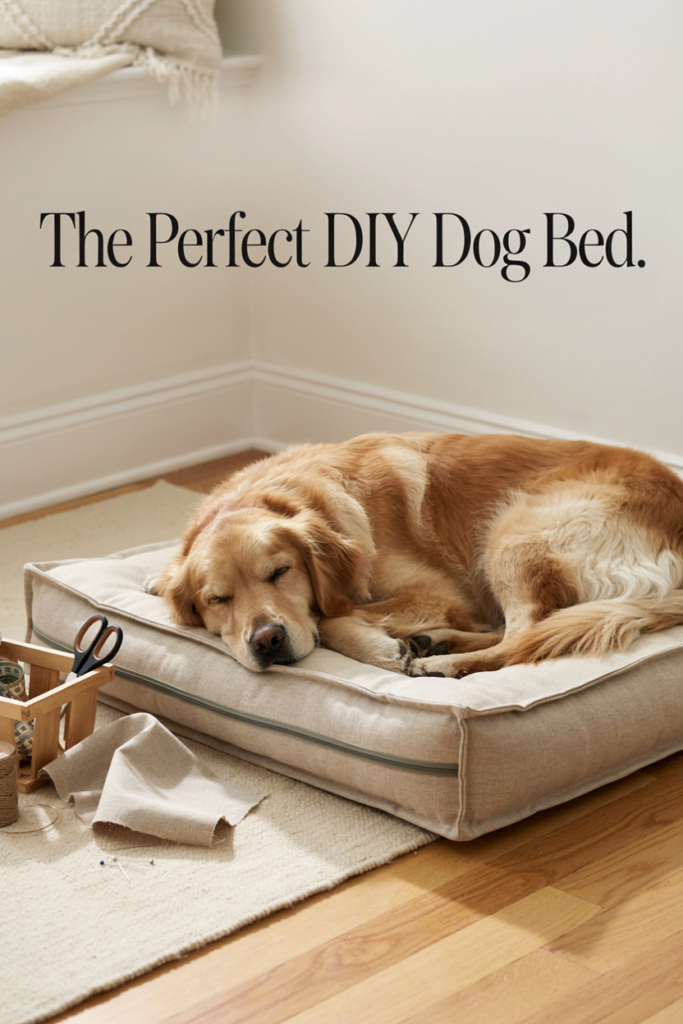
Sometimes a dog simply wants a flat place to sleep. A mattress-style bed is one of the easiest DIY options because it does not require complicated sides or a large amount of stuffing.
I would cut dense foam to the desired size and cover it with strong fabric. A zipper or another secure closure lets me remove the cover when it needs washing.
I particularly like this style when a dog changes sleeping positions frequently because there are no raised edges getting in the way.
Family Spot
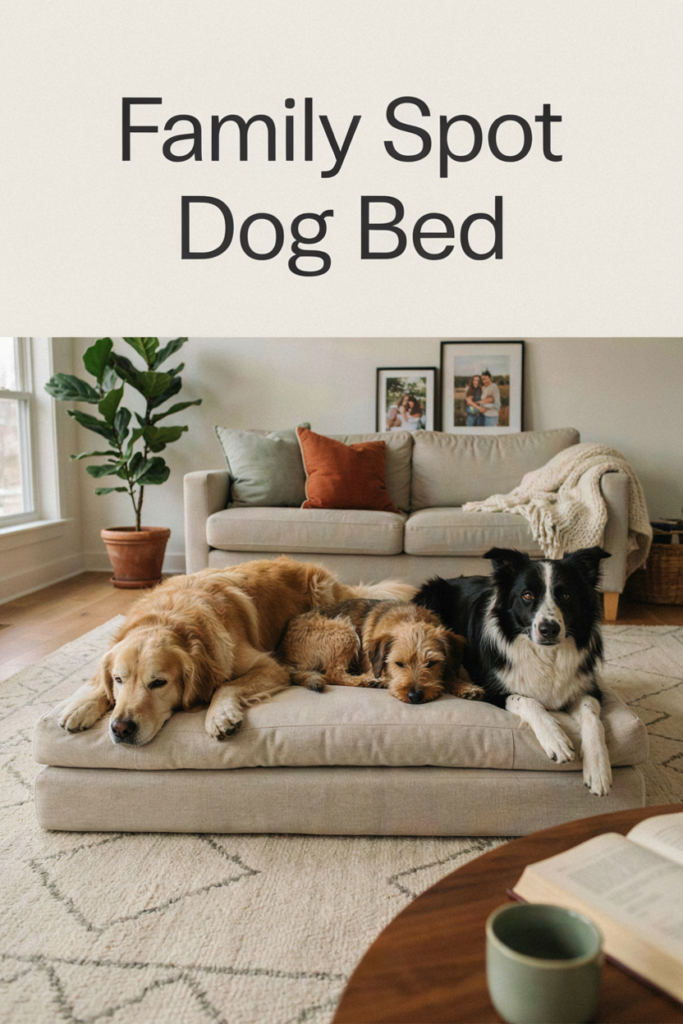
If more than one dog likes sleeping together, I would make the sleeping surface wider rather than simply making the sides higher.
I can build the base from several layers of foam or neatly folded blankets and then add a durable outer cover. The goal is to give the dogs enough room to settle without constantly pushing each other off the bed.
For a shared family area, I would also choose a location where the bed does not block walking paths or become a tripping hazard.
Bed Frame
A headboard-style dog bed can work nicely for dogs that use their bed like a small couch. The raised back gives them something to lean against while the open front keeps entry easy.
I would attach a padded back section to a low base and add a thick cushion or folded blankets on top.
The structure should stay stable when the dog climbs in, turns around, or leans against the back. I would test the frame myself before putting the finished bed into regular use.
Curved Lounge
For dogs that like sprawling out, I prefer an open design rather than a deep nest. A curved wooden base can give the bed a furniture-like appearance while keeping the cushion slightly raised.
I can create the curved shape with prepared panels or suitable plywood, then add a properly fitted cushion.
The entrance should remain low and easy to access. I would avoid making the frame unnecessarily tall because the purpose of this style is more about structure than elevation.
Crate Fit
A crate bed needs to fit properly because a loose mattress can bunch, slide, or fold when the dog moves around.
I would measure the usable floor area of the crate and cut the foam to match it closely. A firm, moderate-thickness mattress is often more practical than an oversized cushion that reduces the available space.
(Pro Tip): Before finishing the cover, I place the bare foam inside the crate and check the corners. If the foam is being squeezed or folded, I adjust it before sewing the final cover.
Elevated Airflow
An elevated sling bed is useful when I want more airflow around the sleeping surface. Instead of placing the cushion directly on the floor, the fabric sits above a frame.
I can build the base with PVC pipes or a low wooden frame and attach strong fabric tightly across the top.
The fabric should be secure and properly supported. I would test the frame for stability before allowing the dog to climb onto it.
Outdoor Tough
For an outdoor dog bed, I focus more on moisture resistance and durability than decorative fabric. A pallet-style base can provide a simple foundation when it has been properly prepared.
I would sand and seal the wood, then use outdoor-rated fabric and a cushion that can dry reasonably quickly.
I also prefer keeping an outdoor bed relatively low and stable so the dog can step on and off without slipping.
(Pro Tip): I would never assume that an outdoor fabric is automatically waterproof. I check the material specifications and still place the bed somewhere protected from heavy rain whenever possible.
Cooling Layer
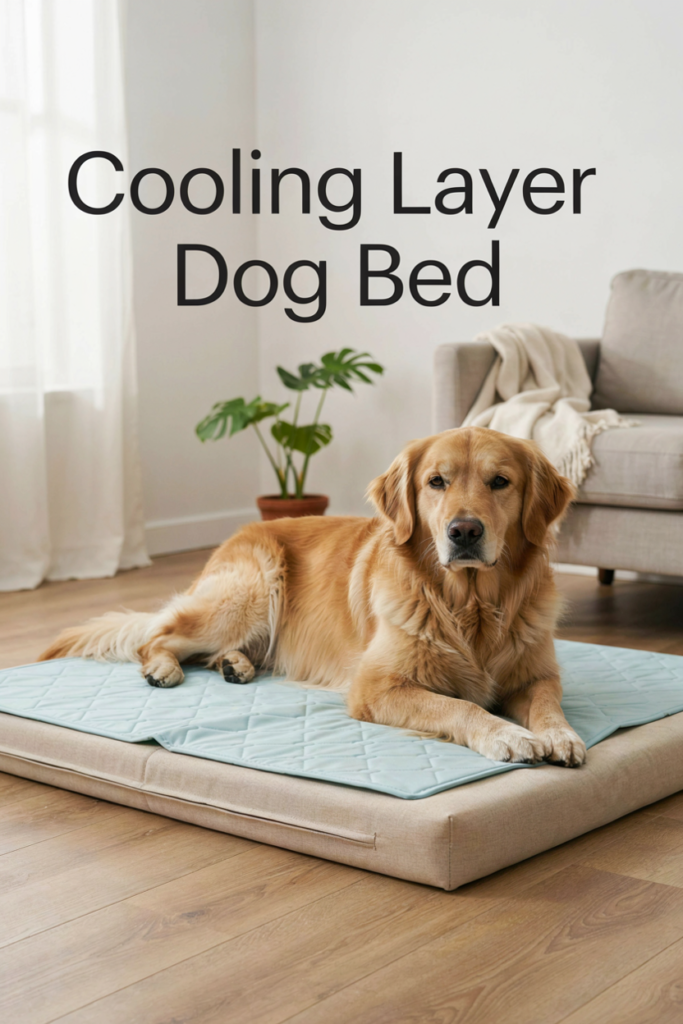
For hot weather, I like the idea of using a removable cooling layer rather than building an entirely different bed for summer.
I can start with a flat foam base and place a suitable cooling mat or pad on top. The top layer can then be removed when the weather becomes cooler.
This setup gives me more flexibility because the same base can be used across different seasons.
I would always follow the cooling-pad manufacturer’s instructions and inspect the pad regularly for damage.
Under Desk
Some dogs want to stay close to their person while they rest. An under-desk bed gives them their own space without taking up another area of the room.
I would use moderately thin foam and a durable cover so the bed can slide beneath the desk easily. A darker fabric can also make everyday hair less noticeable, although it will still need regular cleaning.
I would leave enough clearance around the bed so the dog can enter and leave without hitting the desk or getting trapped.
Travel Ready
For road trips and overnight stays, I prefer a bed that folds or rolls into a compact shape. A layered blanket design can be divided into sections and stitched so it folds more easily.
When I arrive at a new place, I can simply unfold the bed and give my dog a familiar sleeping surface.
For travel, I would prioritize portability, durability, and familiarity over making the bed extremely thick. A bed that is easy to carry but still feels familiar can be more useful than a bulky design that stays at home.
FAQ,s
Can I make a DIY dog bed if my dog chews everything?
Yes, but I would change the design to match the chewing behavior. I would avoid loose stuffing, fluffy materials, exposed threads, and decorative pieces that can easily be pulled away.
A simple foam mattress, crate-fitting bed, or properly constructed elevated sling can be easier to monitor than a heavily padded design.
I would supervise my dog when introducing any homemade bed and remove it if they start tearing or swallowing pieces of the material.
How long does a DIY dog bed usually last?
There is no single lifespan because the dog makes a major difference. A calm dog that simply sleeps on the bed may use it for a long time, while a dog that digs, chews, or repeatedly drags the bed around can wear it out much faster.
One advantage I see with DIY construction is that I can repair individual parts. If the cover becomes worn, I can replace the cover without throwing away the entire foam base.
I check the bed regularly for torn fabric, exposed foam, loose threads, broken frame parts, or damaged stitching. If I find a safety problem, I repair or replace the affected part before letting my dog use it again.
Conclusion
I think the best DIY dog bed is not necessarily the most complicated or expensive one. I would choose the design by starting with my dog’s sleeping position, size, behavior, temperature needs, and the space where the bed will actually sit.
A flat foam mattress may be perfect for one dog, while another may prefer raised sides, a cave, an elevated frame, or a travel-friendly blanket bed. The 21 ideas above give me plenty of ways to adapt the project instead of forcing every dog into the same style.
Most importantly, I would make safety and easy cleaning part of the design from the beginning. A bed that looks good but cannot be cleaned, shifts around, or gets destroyed after a few days is not a successful DIY project. I would rather make something simple that my dog actually uses and that I can maintain easily.