
A plain wall behind the bed can make even a nicely decorated room feel unfinished. I’ve noticed this in my own bedroom before—everything looked fine, but something was missing. A headboard changed that instantly, adding structure, comfort, and personality without a full room makeover.
The good part is you don’t need an expensive store-bought piece. Most DIY headboard ideas can be built with basic tools, leftover materials, or even simple paint techniques. In this guide, I’m sharing practical ideas I’ve tried, tested, or seen work well in real homes, especially when working with small budgets or rental spaces.
Quick Summary
DIY headboards are an affordable way to upgrade bedroom style without major renovations. From wood slats to painted designs, there are options for every skill level and budget.
Key Takeaways
What is A Floating Headboard?
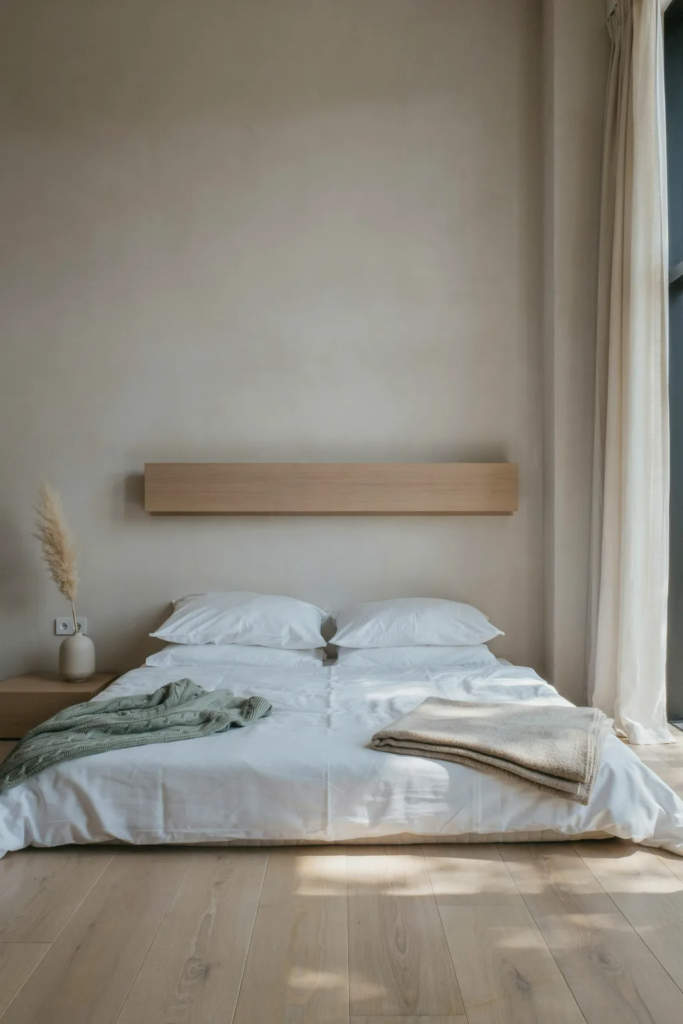
In my experience, this type of headboard is especially helpful in small bedrooms because it frees up floor space and makes cleaning easier. It also lets you adjust placement depending on mattress height or design preference.
Most floating headboards are made from plywood, upholstered panels, or lightweight decorative materials. I’ve even seen simple painted shapes used effectively when someone wanted a no-build solution that still looked intentional.
One practical tip I always suggest: measure your bed height first before mounting anything. A few inches too high or too low can make the entire setup feel unbalanced.
Unique Headboard Ideas You Can Try
I’ve learned that a headboard doesn’t need to be complicated to look good. The key is choosing a style that fits your room’s mood and your comfort level with DIY work. Below are ideas I’ve seen work well in real spaces and even tested in different setups.
Use Vertical Panels for Height
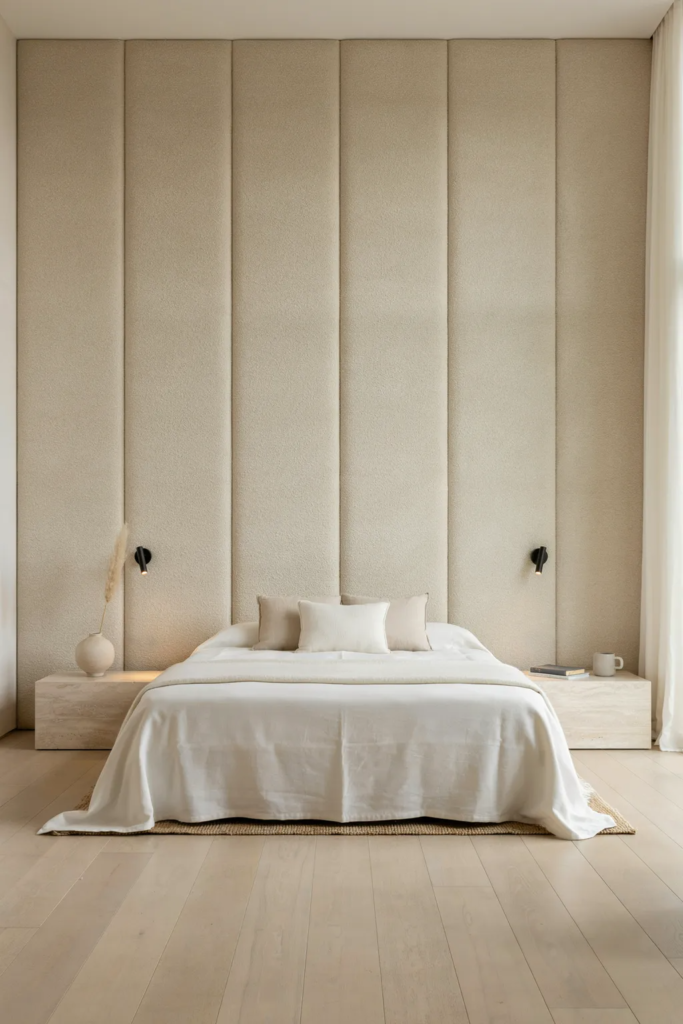
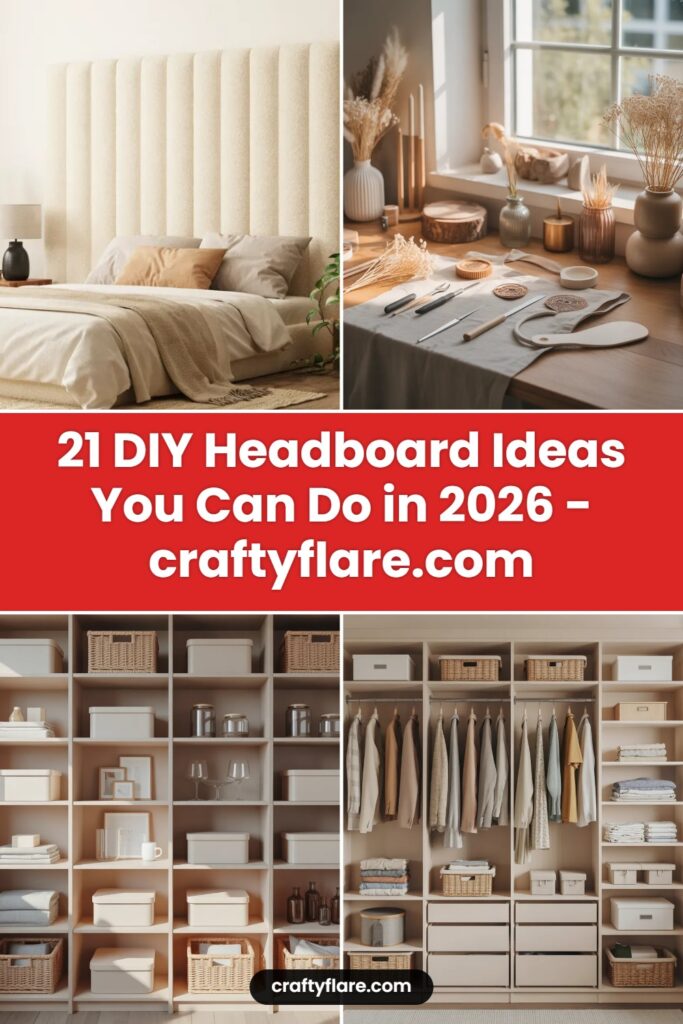
Vertical upholstered panels are one of the simplest ways to make a bedroom feel taller. I used this trick in a low-ceiling room once, and it completely changed the proportions.
The trick is spacing the panels evenly and keeping colors neutral. It creates a calm, structured look that works especially well in minimalist bedrooms. Adding wall-mounted lighting instead of table lamps also keeps the setup clean.
Frame It for Luxury
Adding a dark wooden frame around padded panels creates a hotel-style finish. I like this approach because it instantly makes the bed feel more “finished” without being overly decorative.
Stick to soft fabrics like linen or suede tones. One mistake I made early on was choosing a fabric that clashed with my bedding, which made the whole setup feel disconnected.
Add Bold Stripes for Playfulness
This idea works especially well in kids’ or teen rooms. Vertical stripes made from fabric or felt bring instant energy to the space.
From experience, the key is keeping the color palette consistent with the bedding. If you overmix colors, the room starts to feel visually noisy.
Use Wood Slats for Texture
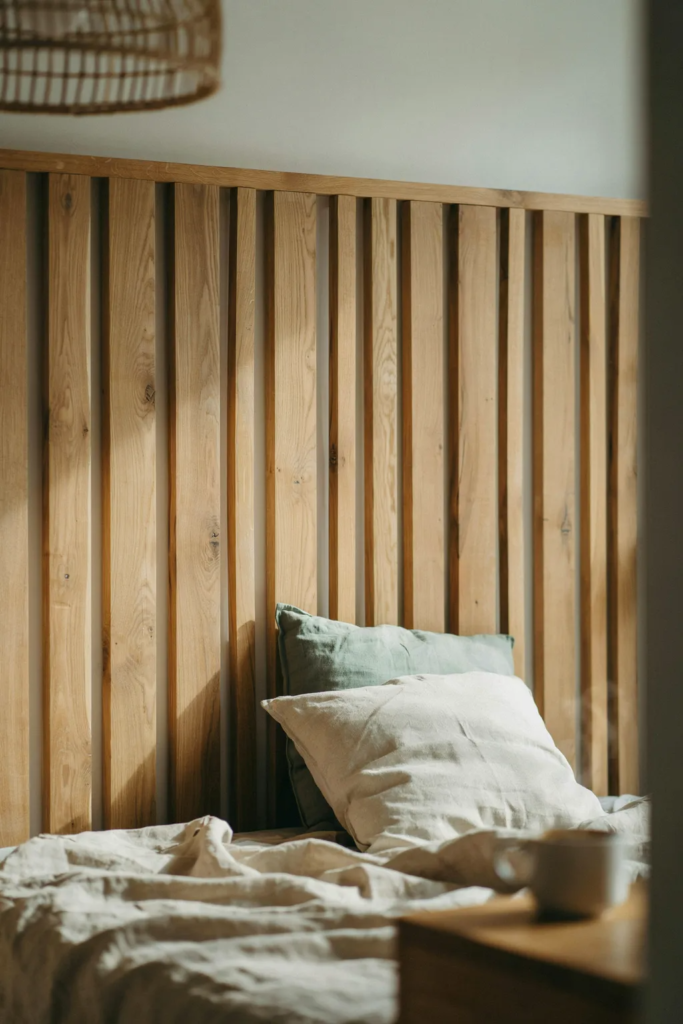
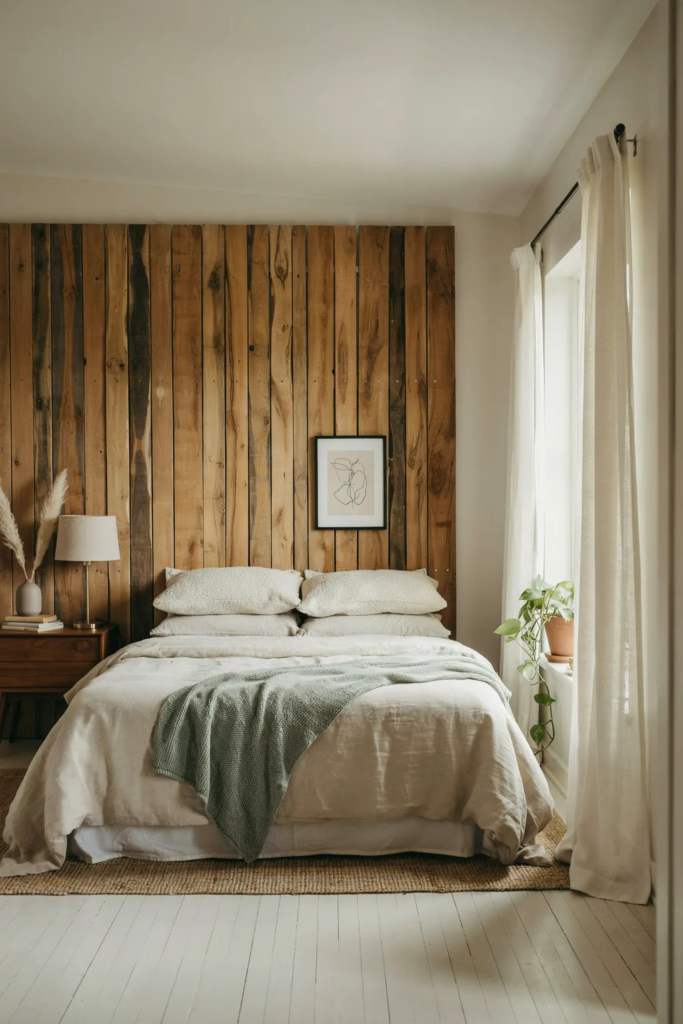
Wood slat headboards are one of my personal favorites because they bring natural warmth into the room. They work in both modern rustic and boho spaces.
I usually recommend 1×2 pine boards spaced evenly on a plywood base. A warm wood stain makes a big difference—unfinished wood often looks incomplete unless styled carefully.
Go Horizontal for a Breezy Look
Horizontal slats create a wider, more relaxed visual effect. I’ve used this in smaller bedrooms where the goal was to make the wall feel less heavy.
Light-colored paint or whitewashed wood works best here. Pairing it with textured bedding helps balance the simplicity.
Use Trim Panels for Bold Impact
This is a more structured DIY option. I once built a version using simple molding squares, and it ended up looking more expensive than expected.
Bright paint can make it playful, but neutral tones give a more refined finish. Alignment is critical here—uneven spacing is the most common mistake.
Hang a Cushion for Soft Support
If drilling into walls isn’t an option, a hanging cushion headboard is a smart solution. I’ve used leather straps to hang padded fabric panels, and it works surprisingly well.
It’s also flexible—you can remove or change it without damaging the wall, which is perfect for renters.
Use Cane Webbing for an Earthy Touch
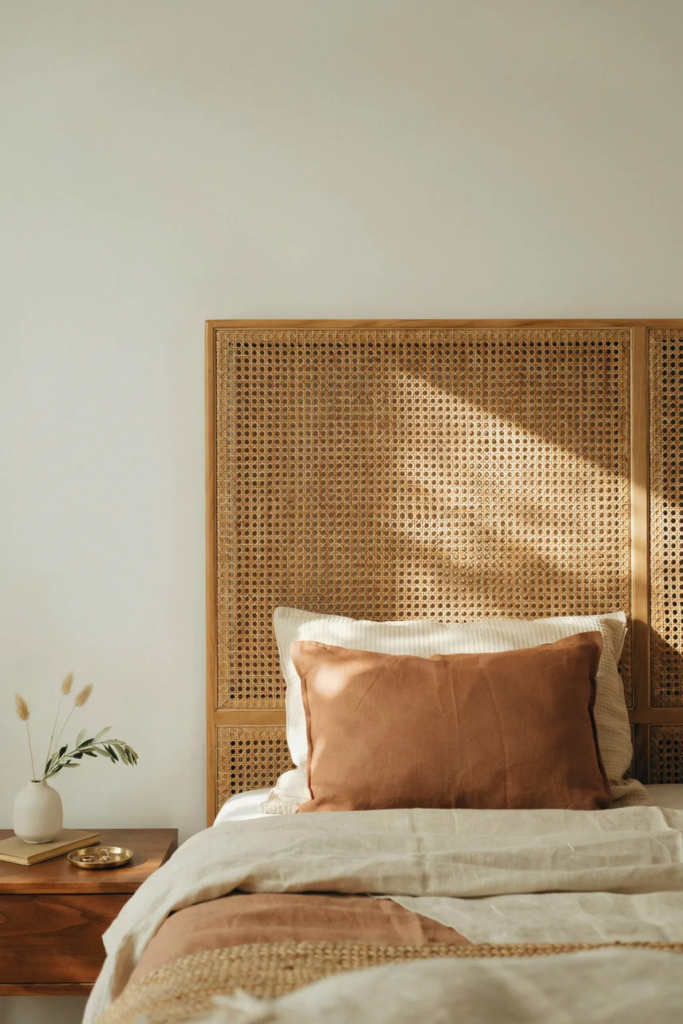
Cane webbing adds texture without overpowering the space. I find it works best in neutral or Japandi-style rooms.
A lightweight wooden frame with stapled cane creates a soft handmade feel. Avoid over-dark frames, as they can make the look too heavy.
Repurpose Old Windows for Charm
Old window frames bring a rustic, lived-in character to a bedroom. I once saw this done in a cottage-style room, and it became the focal point instantly.
Just make sure the frame is secure and smooth—splinters or loose joints can become a safety issue.
Try Tufted Velvet for a Retro Vibe
Tufted velvet headboards add warmth and a slightly vintage feel. I like using deeper colors like rust or emerald because they add richness to the room.
Foam thickness matters here—too thin and it looks flat, too thick and it becomes bulky.
Use Thin Slats for a Clean Boho Look
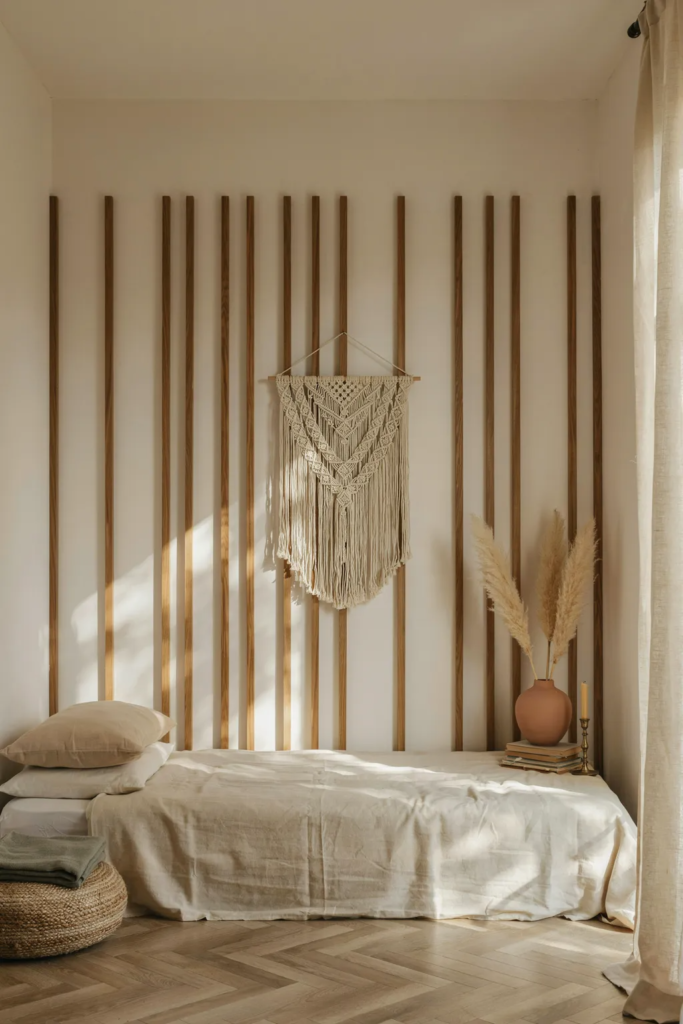
Thin slats paired with soft décor create a balanced boho aesthetic. I’ve noticed macramé wall art works especially well above this style.
It’s a simple build but looks highly polished when stained evenly.
Paint It On for a No-Build Option
For renters or tight budgets, painted headboards are a practical solution. I’ve used painter’s tape to create arch shapes and frames, and the results were surprisingly strong visually.
The biggest tip here is clean edges. Even small smudges can ruin the illusion of a real headboard.
Go Maximal with a Statement Shape
This is for bold personalities. I once tried a scalloped fabric headboard, and it immediately became the room’s focal point.
Use strong foam backing and patterned fabric, but avoid mixing too many prints in the same room.
Keep It Minimal with Winged Panels
Winged panels add structure without feeling heavy. I like this style in Scandinavian-inspired rooms because it keeps everything visually balanced.
Stick to soft colors and simple bedding to maintain harmony.
Build a Ledge Headboard for Display
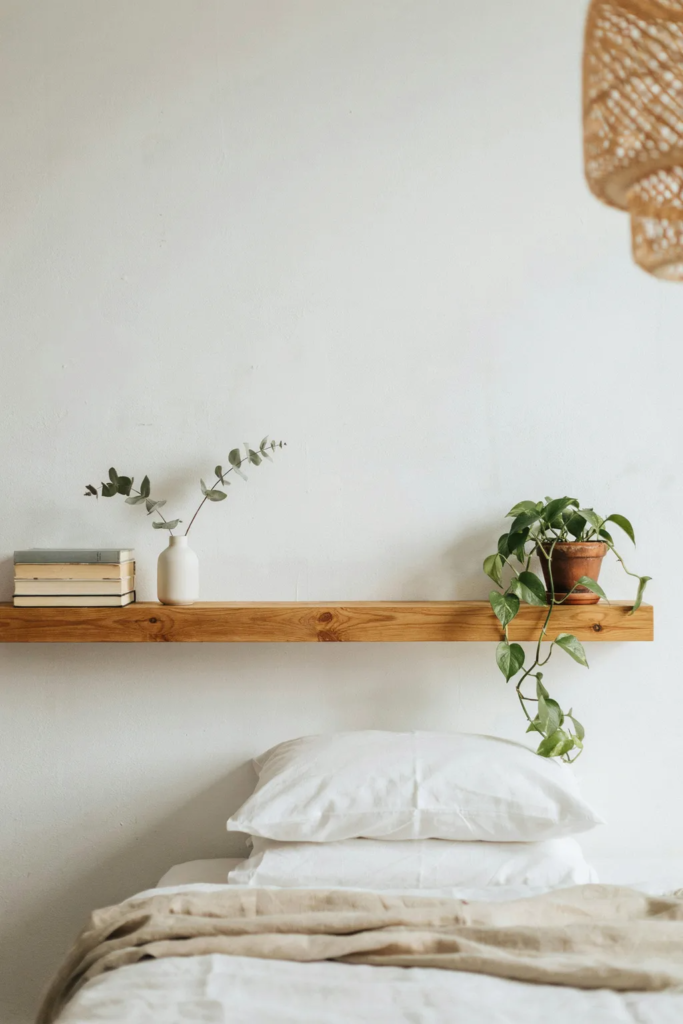
This is one of the most functional ideas I’ve used. A ledge headboard doubles as a shelf for books, plants, or small lights.
It’s perfect for small spaces where nightstand space is limited. Just make sure the ledge is securely anchored.
Layer Arches for a Retro Statement
Stacked arch designs bring a soft retro feel. I’ve seen this work beautifully in velvet materials, especially in deep green tones.
It adds depth to the wall without needing extra décor.
Go Bold with Printed Fabric
If your room feels dull, printed fabric can completely change the mood. I once used a bold print in a neutral room, and it instantly added personality.
The key is balance—keep other décor simple so the headboard stands out.
Create a Chevron Pattern with Wood Planks
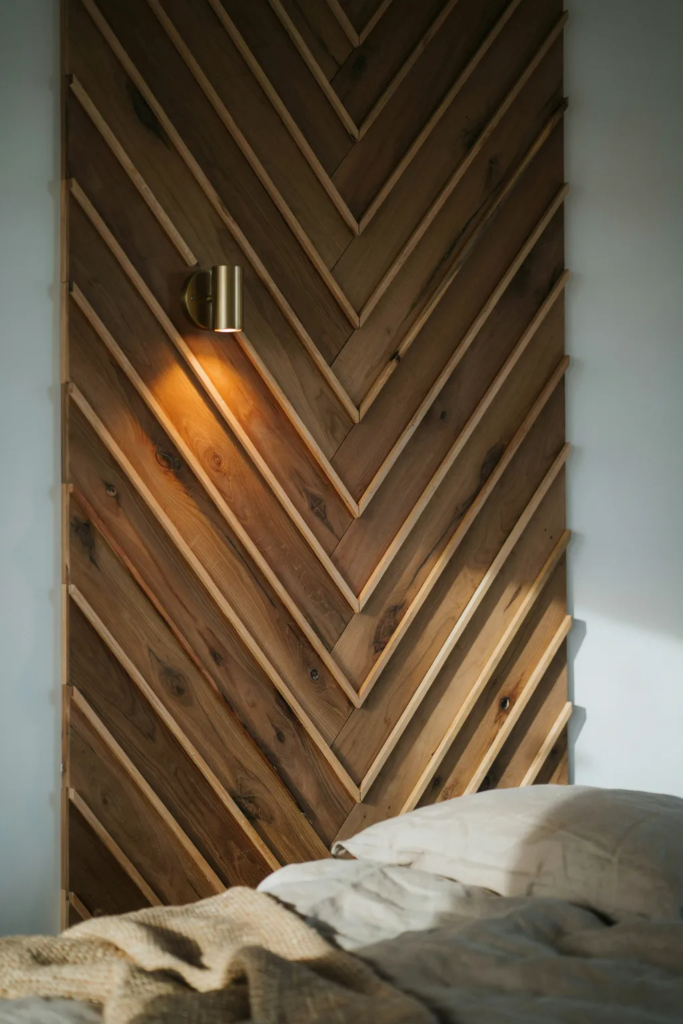
Chevron patterns require more precision but give a high-end look. I learned that cutting angles accurately is the hardest part of this project.
Sealing the wood helps maintain durability and highlights the grain.
Paint Abstract Lines on a Padded Arch
This is a creative option that allows full personalization. I’ve experimented with abstract brush strokes, and each design ended up unique.
Use fabric-safe paint for longer durability and avoid overloading the design.
Use Fluted Wood Panels for Subtle Texture
Fluted panels create soft vertical shadows that add depth without overwhelming the room. I find this works especially well in modern interiors.
Pre-cut panels make this project easier and more consistent.
Blend Cane with Clean Frames
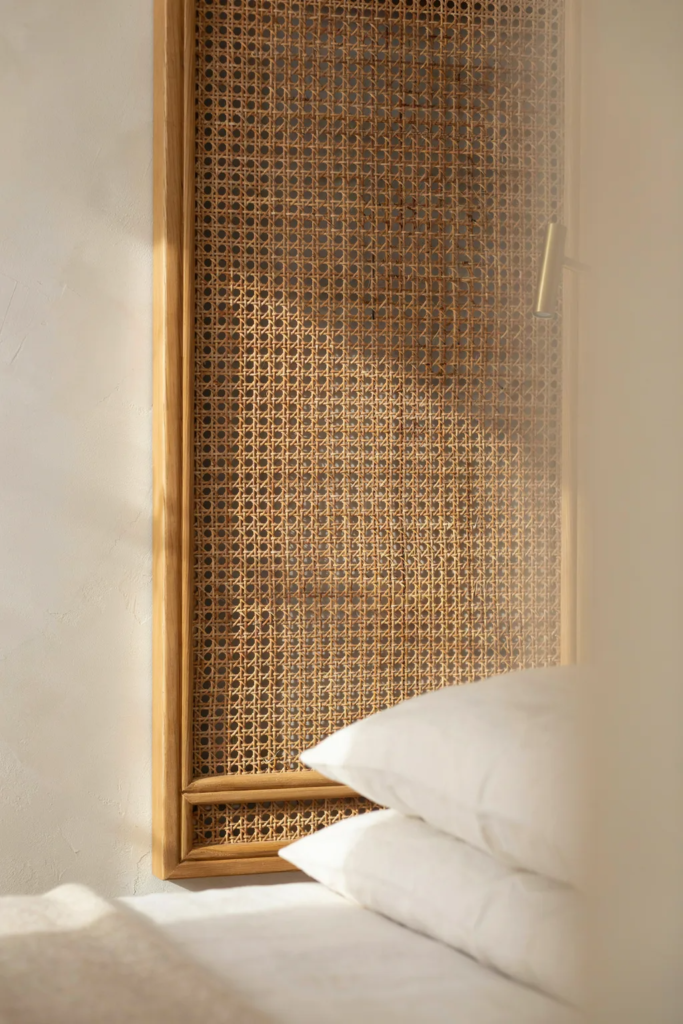
Combining cane webbing with clean wooden frames creates a balanced, airy look. I’ve used this in minimalist setups where clutter needed to be reduced visually.
Adding wall-mounted lighting above can enhance the clean structure even more.
FAQs
What can I use instead of a traditional headboard?
I’ve seen many creative alternatives work well. Curtains, tapestries, framed art, or even painted wall shapes can replace a headboard effectively.
For renters, removable options like peel-and-stick panels or lightweight fabric pieces are the safest choice.
How do I attach a DIY headboard without drilling into the wall?
From experience, the easiest method is attaching the headboard directly to the bed frame using brackets or strong ties.
Freestanding designs also work well if the piece is lightweight. Velcro strips can support smaller headboards, but always check weight stability first.