

When I first started looking into DIY camping trailer builds, I honestly had no clue where to begin. Everything online looked either too expensive or way too complicated. But after working on a few small builds and testing ideas on weekend trips, I realized most setups are just smart use of space and materials.
In this guide, I’m sharing practical DIY camping trailer ideas based on real-world inspiration and hands-on thinking. These are not fantasy builds—they’re realistic, adjustable, and suitable even if you’re starting small.
Quick Summary
This article breaks down 16 practical DIY camping trailer setups you can build or adapt in 2026. From compact sleeping pods to full outdoor kitchens, each idea focuses on function, storage, and comfort without overcomplicating the build.
Key Takeaways
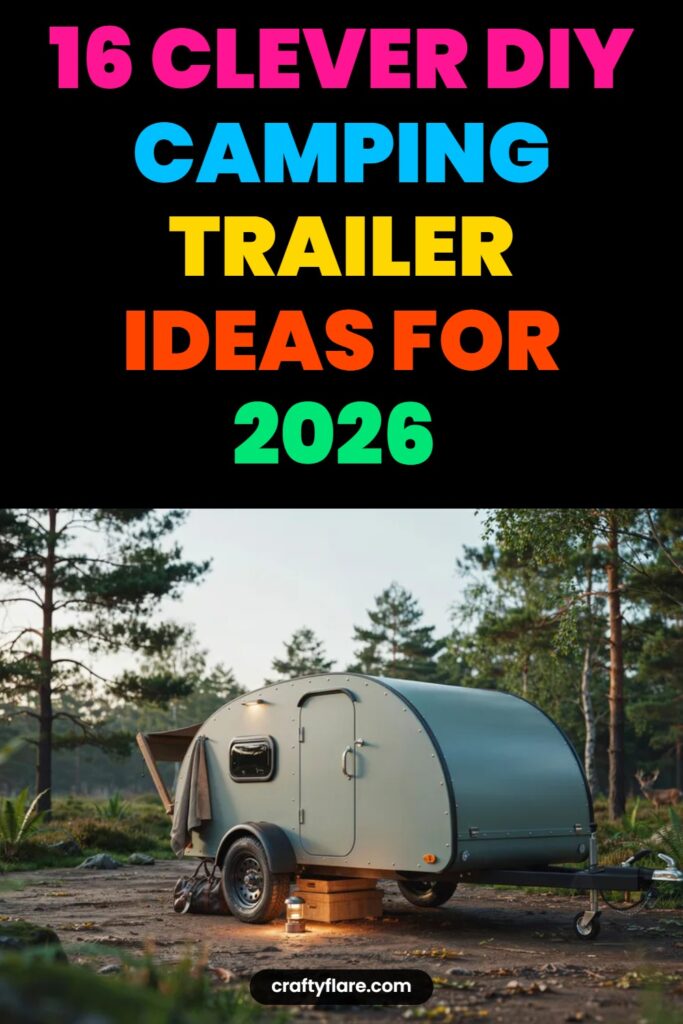
Compact Teardrop Setup
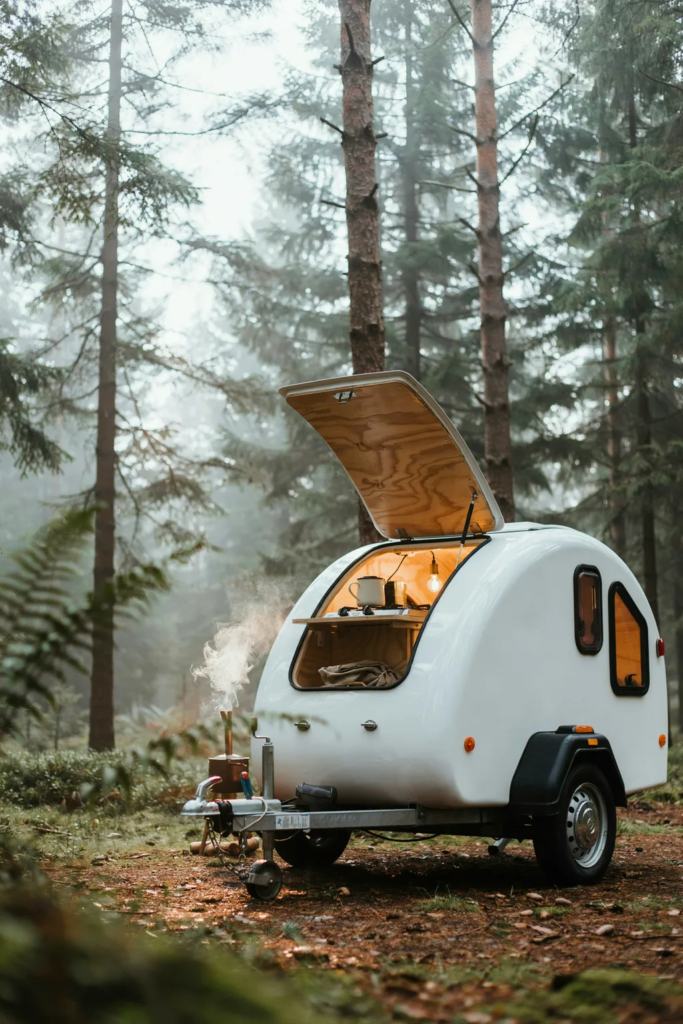
From my experience, the teardrop layout is the easiest starting point. I like it because it forces simplicity—just a bed, storage, and maybe a small rear kitchen hatch.
When I helped a friend build one, we used lightweight plywood and sealed aluminum panels. The biggest mistake beginners make is overbuilding the interior and adding unnecessary weight.
Keep it minimal. If you can sleep and store essentials comfortably, it’s already a win.
DIY Fire Pit Cooking
I’ve used this setup more times than I can count during roadside stops. A simple fire pit setup outside your trailer becomes your cooking zone and heat source.
One thing I learned quickly is that wind direction matters more than people expect. Always set your cooking space slightly downwind from your trailer.
Never skip safety basics—water bucket, shovel, and clear ground space are non-negotiable.
Convertible Dinette Seating
A convertible seating area is one of the smartest interior upgrades I’ve seen. I once tested a foldable bench setup that turned into a sleeping space in under 30 seconds.
The key here is using strong hinges and lightweight cushions. Cheap materials will break fast under repeated use.
Avoid making the seating too wide—it reduces walking space inside the trailer.
Roof-Top Tent Expansion
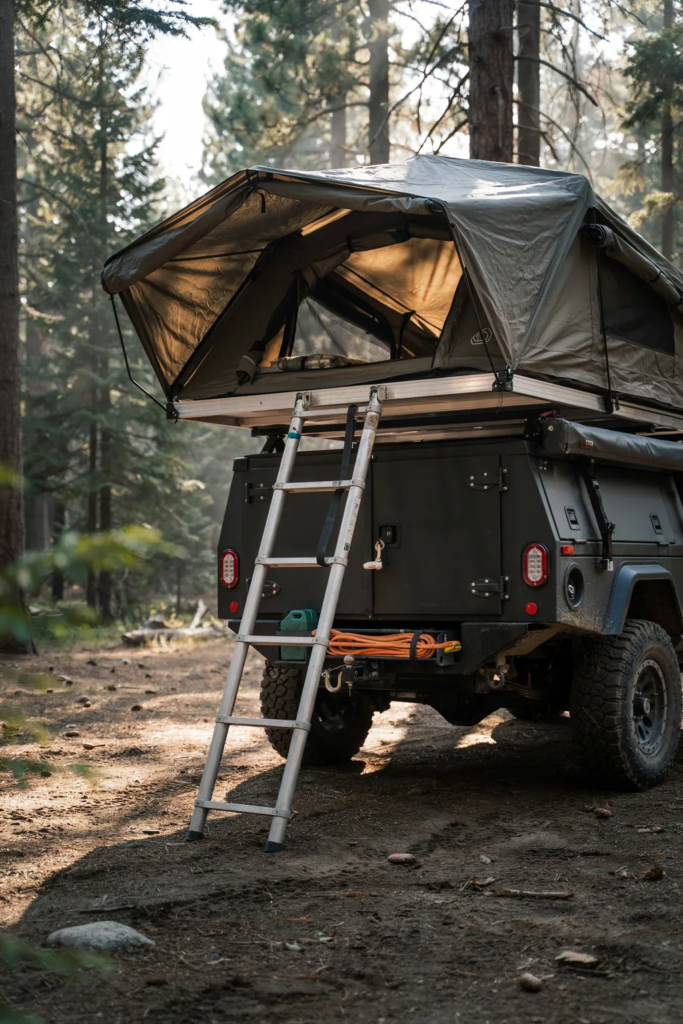
When I traveled with a group last summer, roof-top tents solved our space problem instantly. They give you extra sleeping capacity without touching your trailer interior.
They also perform better in wet ground conditions, which I noticed during rainy camping nights.
Just make sure your trailer roof rack is reinforced properly. This is where most failures happen.
Retro Color Upgrade
A paint refresh completely changes the feel of an old trailer. I’ve seen dull, worn-out campers look almost brand new with just two-tone paint.
I personally prefer neutral tones like white, grey, or navy because they age better and hide dirt.
The mistake I made once was skipping proper sanding—paint started peeling within weeks.
Cozy Curtain Divider
Curtains might sound simple, but they make a huge difference inside a small trailer. I added them to my first build, and it instantly felt more private and organized.
Lightweight fabric works best because it doesn’t add bulk. You can also layer them for insulation during colder nights.
Avoid dark-heavy fabrics—they make the space feel smaller than it is.
Multi-Use Micro Trailer
This design is all about stacking function vertically. I like setups where storage sits underneath and a sleeping tent or fold-out bed sits on top.
I’ve found that labeled storage boxes save a lot of time when you’re tired after a long drive.
The only downside is ladder access—make sure it’s stable and wide enough.
Adventure-Ready Setup
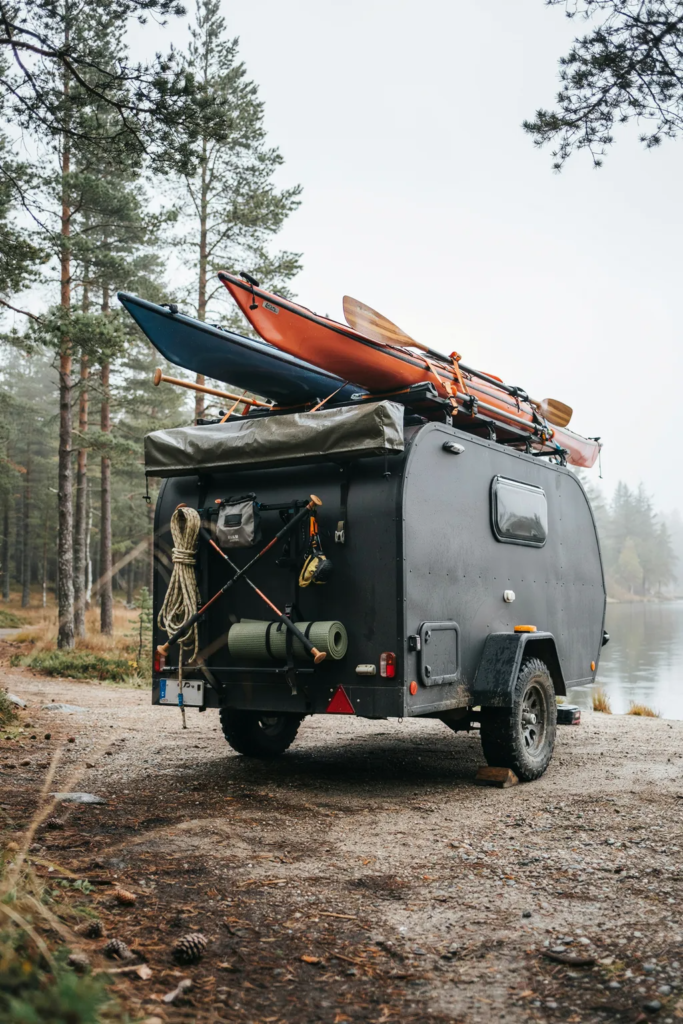
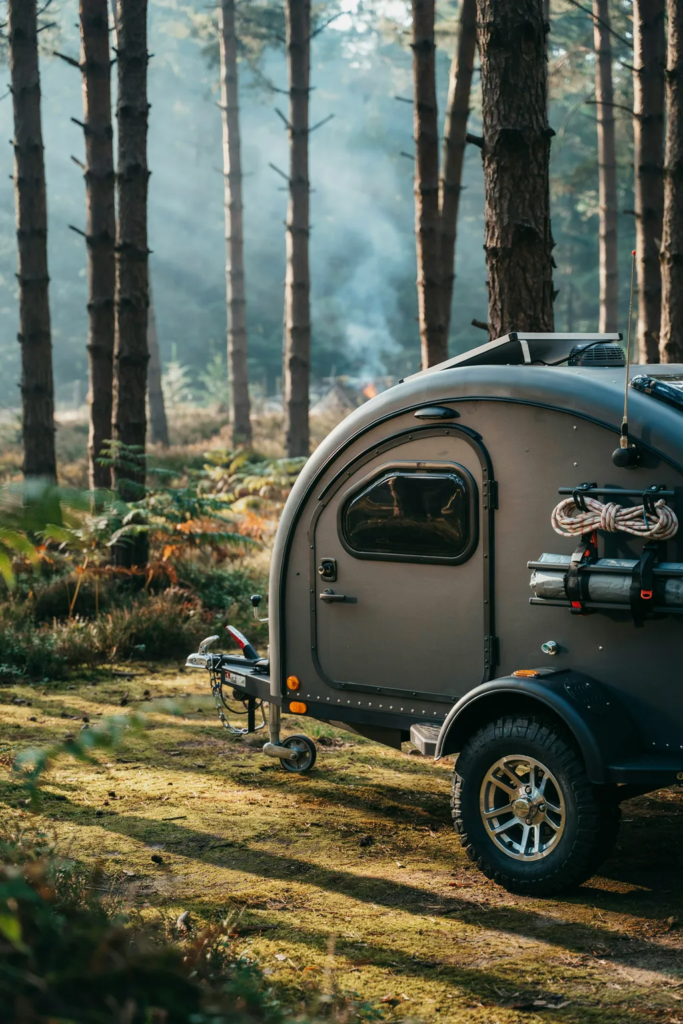
If you’re into kayaking, biking, or climbing, this setup is ideal. I’ve used similar layouts where gear mounts sit on the exterior while sleeping space stays compact.
One tip: distribute weight evenly. Uneven gear placement affects towing stability more than most beginners realize.
Always test drive before long trips.
Compact Kitchen Trailer
I prefer external kitchens because they keep grease and heat outside the sleeping area. A fold-out kitchen box is surprisingly efficient when designed well.
In one of my builds, I added a simple water jug system with a manual pump—it worked better than expected.
Avoid overloading drawers; vibrations on the road loosen fittings over time.
Pop-Top Trailer Design
Pop-top designs are great if you want extra headroom without increasing trailer size. I’ve worked with gas strut systems before, and they make setup surprisingly easy.
The biggest learning curve is sealing. If the roof isn’t sealed properly, leaks become a problem fast.
Use rubber seals designed for RVs, not generic foam strips.
Tiny Home Interior
This is where comfort meets practicality. I once stayed in a tiny trailer that had a mini fridge, bed, and compact kitchen—all within a tight space but still comfortable.
White interiors help a lot with making the space feel larger.
The mistake I often see is ignoring under-bed storage, which wastes valuable space.
Elevated Tent Hauler
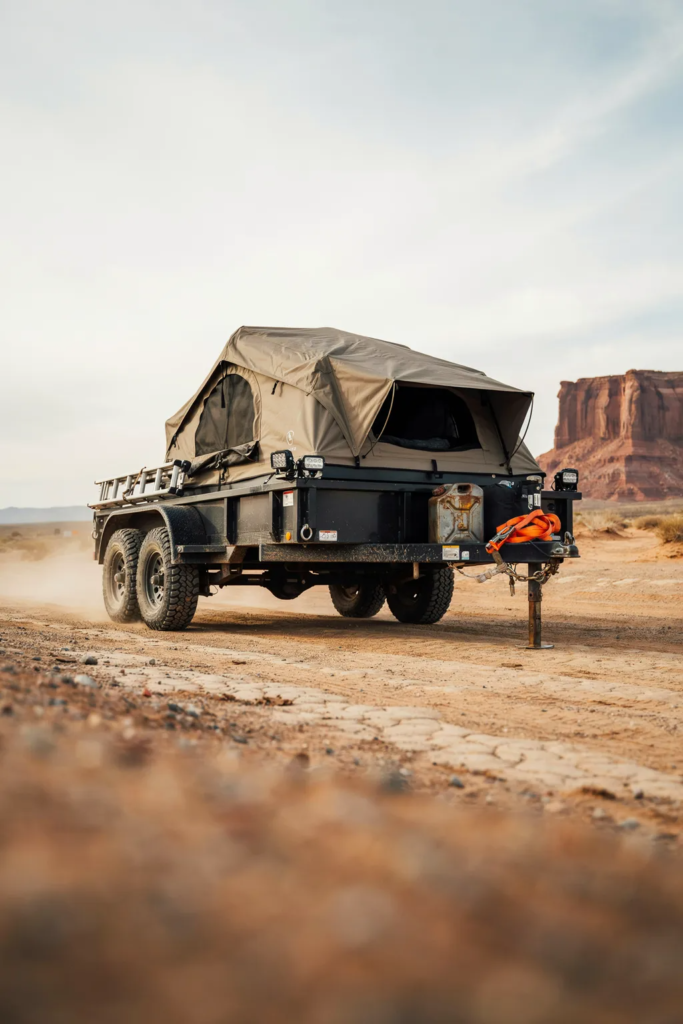
This is one of the most rugged setups I’ve come across. It’s basically a utility trailer upgraded for off-road travel with a raised tent frame.
I like this setup for longer trips where terrain is unpredictable.
Just make sure the frame is steel-reinforced. Anything lighter can flex under load.
Modern Exterior Refresh
Sometimes you don’t need a rebuild—just a visual upgrade. I’ve seen simple navy-and-white paint jobs completely transform old trailers.
Adding outdoor rugs and folding chairs creates a campsite feel instantly.
Avoid glossy finishes if you plan to camp in dusty areas—they show dirt quickly.
Full Outdoor Kitchen Setup
This is for people who love cooking outdoors. I once tested a setup with a full sink, stove, and prep space—it felt like a mini restaurant station.
Water management is the biggest challenge here. You need proper drainage or things get messy fast.
Keep everything lockable to avoid damage during travel.
Custom Utility Trailer
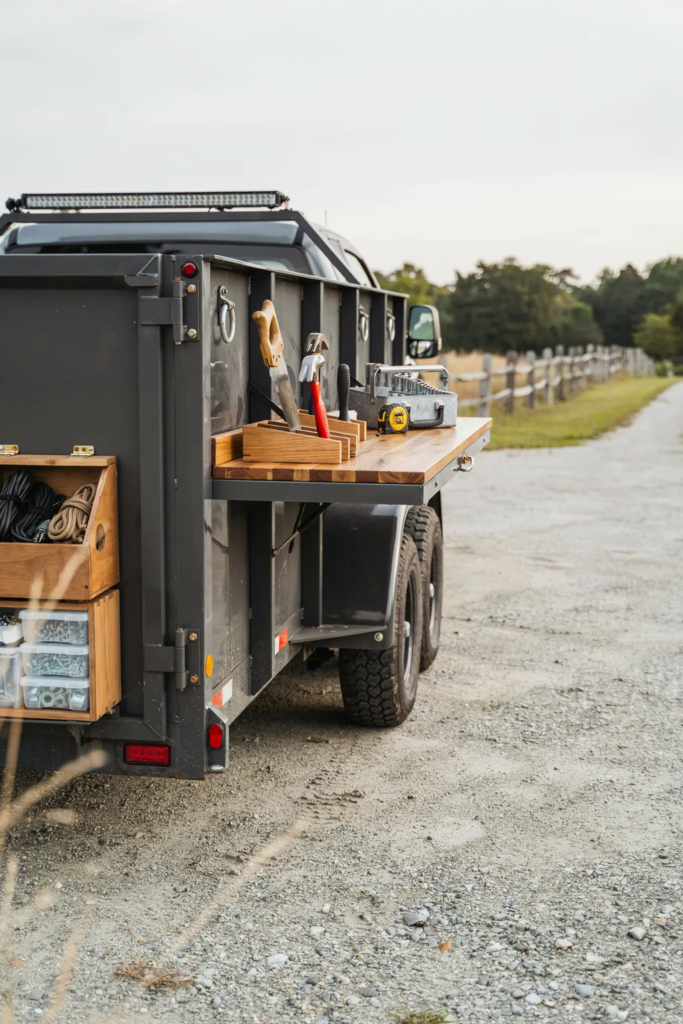
A utility trailer can be one of the most flexible builds. I like fold-down side panels because they turn into instant workspaces.
When I built a similar setup, I learned that waterproof storage matters more than looks.
Avoid leaving gaps in compartments—dust gets everywhere on long trips.
Space-Saving Bunk Beds
For family travel, bunk beds are a game changer. I’ve seen setups where two adults and a child fit comfortably without feeling cramped.
Vertical space is often wasted in trailers, and this solves that problem.
Just make sure the top bunk has proper safety rails—this is not optional.
FAQS
How much does it really cost to build a DIY camping trailer?
From what I’ve seen and worked on, costs vary a lot depending on features.
A basic setup usually starts around $3,000–$5,000. Mid-range builds with insulation and small kitchens go up to $10,000. Advanced off-grid builds with solar, water systems, and heating can exceed $12,000.
Material choice is the biggest factor in cost.
Can I legally tow a DIY camping trailer on public roads?
Yes, but rules vary by location. In most cases, you’ll need registration, lights, reflectors, and a proper hitch system.
Weight limits are important too—some regions require electric brakes above certain weights.
From experience, safety equipment like chains and fire extinguishers is just as important for compliance as it is for real-world protection.