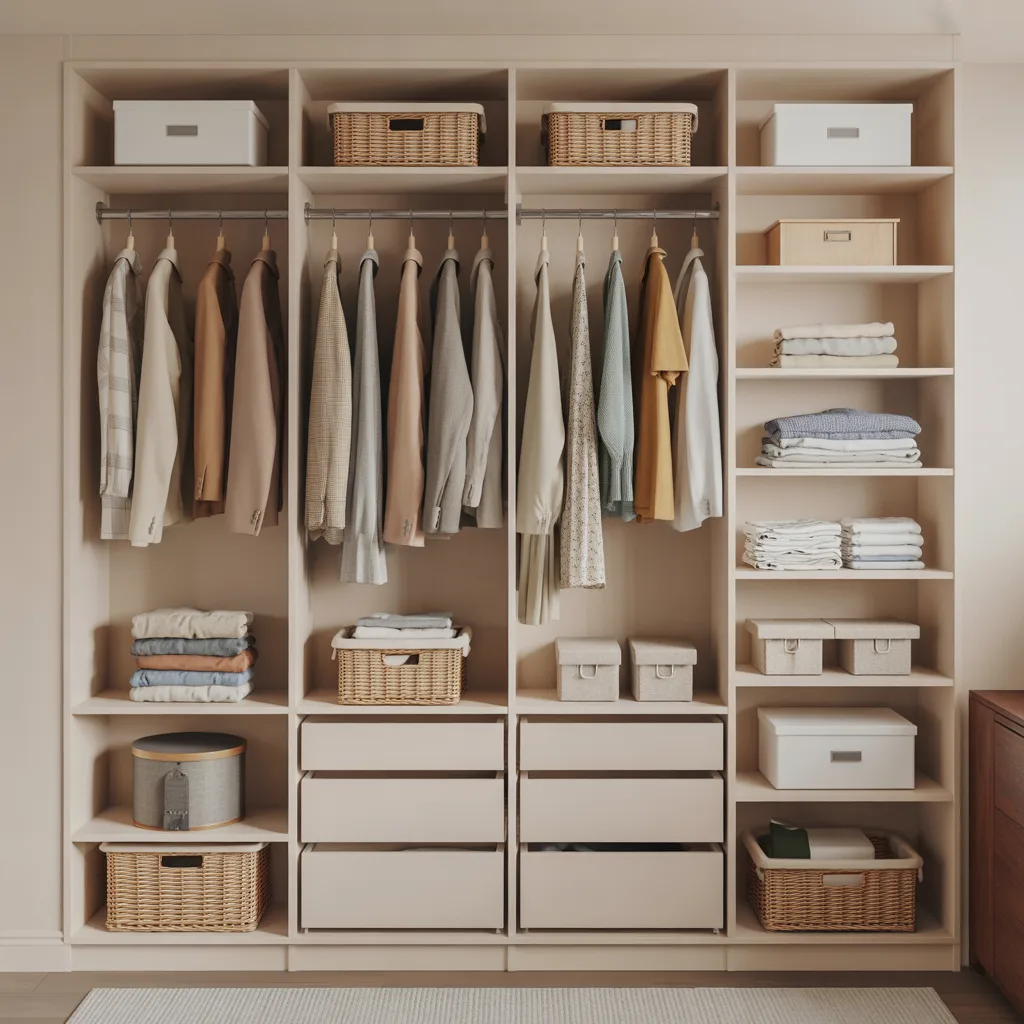

Small rooms can feel cluttered fast when everything stays on the floor or inside overcrowded cabinets. I’ve noticed that most homes actually have plenty of unused storage space, but it’s hidden higher up on walls, doors, and empty vertical areas that people rarely use properly.
The good news is that vertical storage can completely transform how a room functions without requiring extra square footage. In this article, I’m sharing smart vertical storage ideas that help maximize small spaces while keeping rooms clean, organized, and easy to maintain in 2026.
The easiest way to create more storage in a small room is by using vertical wall space instead of relying only on floors and cabinets. Tall shelves, hanging organizers, stacked storage, and wall-mounted systems help free up valuable walking space while making rooms feel larger and less cluttered.
Key Takeaways
- Vertical storage maximizes unused wall height
- Tall shelving helps free up floor space
- Door storage creates hidden organization areas
- Adjustable shelving systems improve flexibility
- Lighting makes vertical storage easier to use
- Clear bins and labels reduce visual clutter
- Wall-mounted systems work well in small rooms
How do i maximize vertical storage in a small room?
Whenever I organize a small room, I stop thinking only about floor space and start focusing on wall height instead. Most rooms feel cramped because storage stays low while large vertical areas remain completely unused.
I like using tall shelves, hanging organizers, over-the-door systems, and stacked storage to free up valuable walking space. Once items move upward, the room instantly feels more open and functional.
Pro Tip: Store rarely used items on higher shelves and keep everyday essentials within comfortable arm’s reach.
Full-Height Pantry
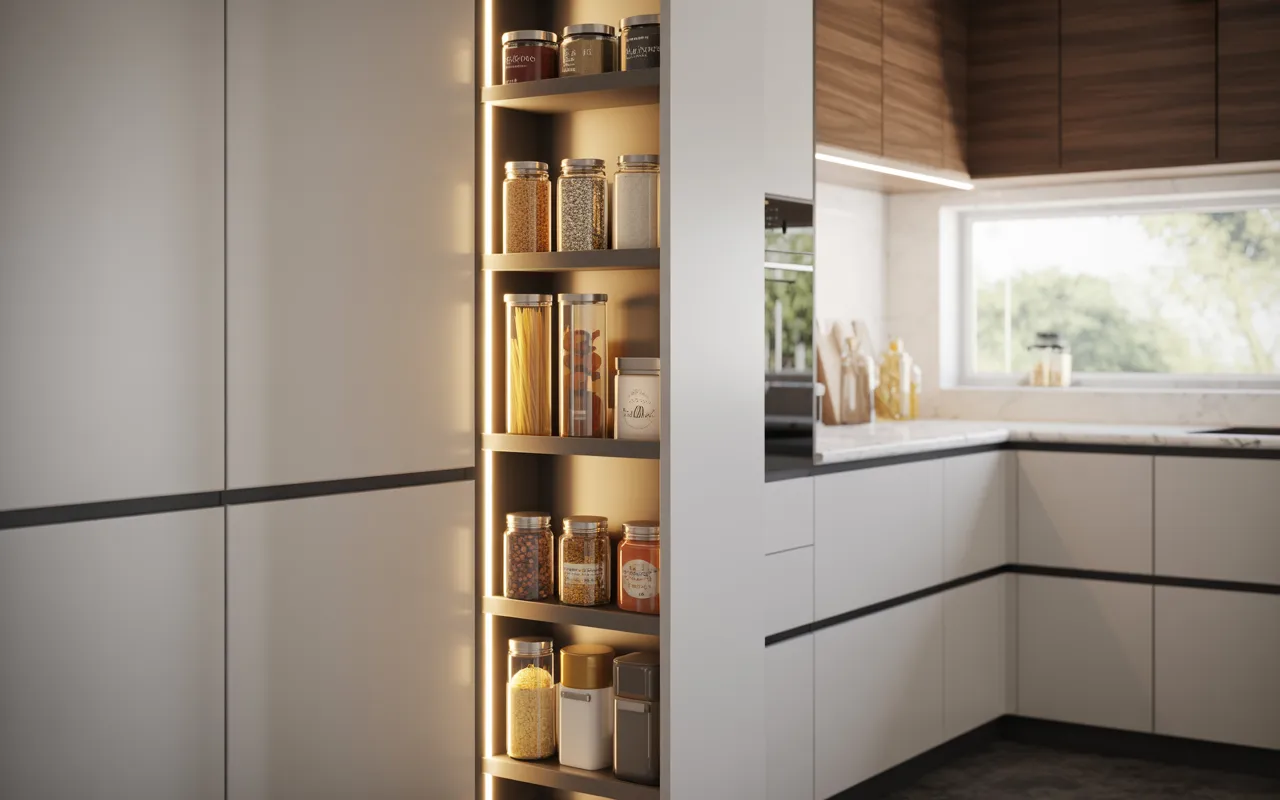
Tall pantry systems make kitchens feel far more organized because every inch of vertical space gets used properly. I love pull-out pantry cabinets because they keep items visible and easy to reach, even in narrow spaces. Slim pantry towers also work beautifully in smaller kitchens where floor space is limited. Interior lighting helps upper shelves stay practical instead of becoming forgotten storage zones.
Pro Tip: Use matching storage jars and labels inside pantry shelves to make the entire setup feel cleaner and easier to maintain.
Open Vertical Wall
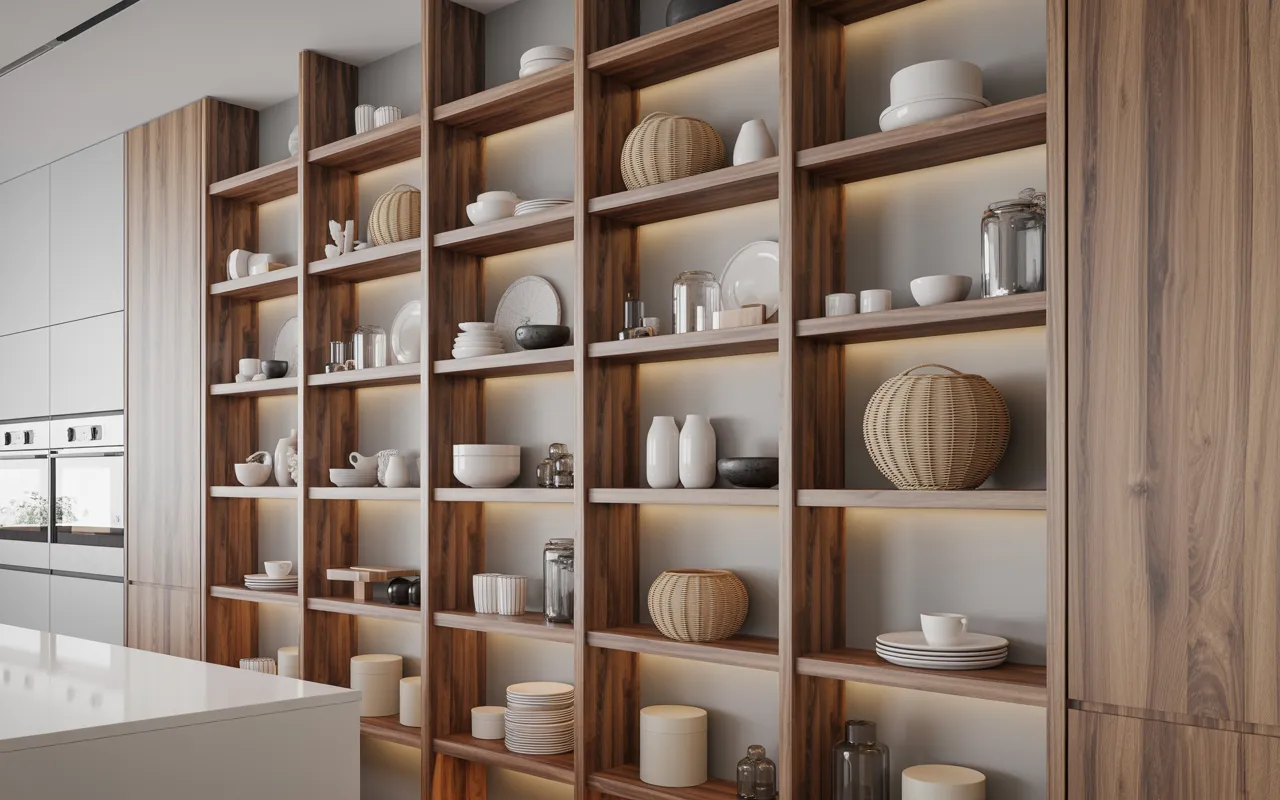
Large empty walls can become highly functional storage areas when open shelving replaces bulky cabinets. I like using vertical shelf sections to organize dishes, baskets, decor, and kitchen essentials while still keeping the room visually open. Open storage works especially well in dining and kitchen spaces where quick access matters more than hiding everything away.
Pro Tip: Leave some empty shelf space between objects so the wall feels styled instead of overcrowded.
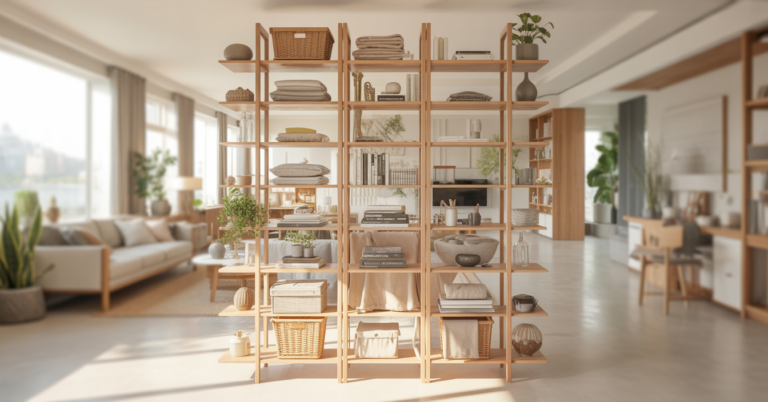
Tall Open Shelving
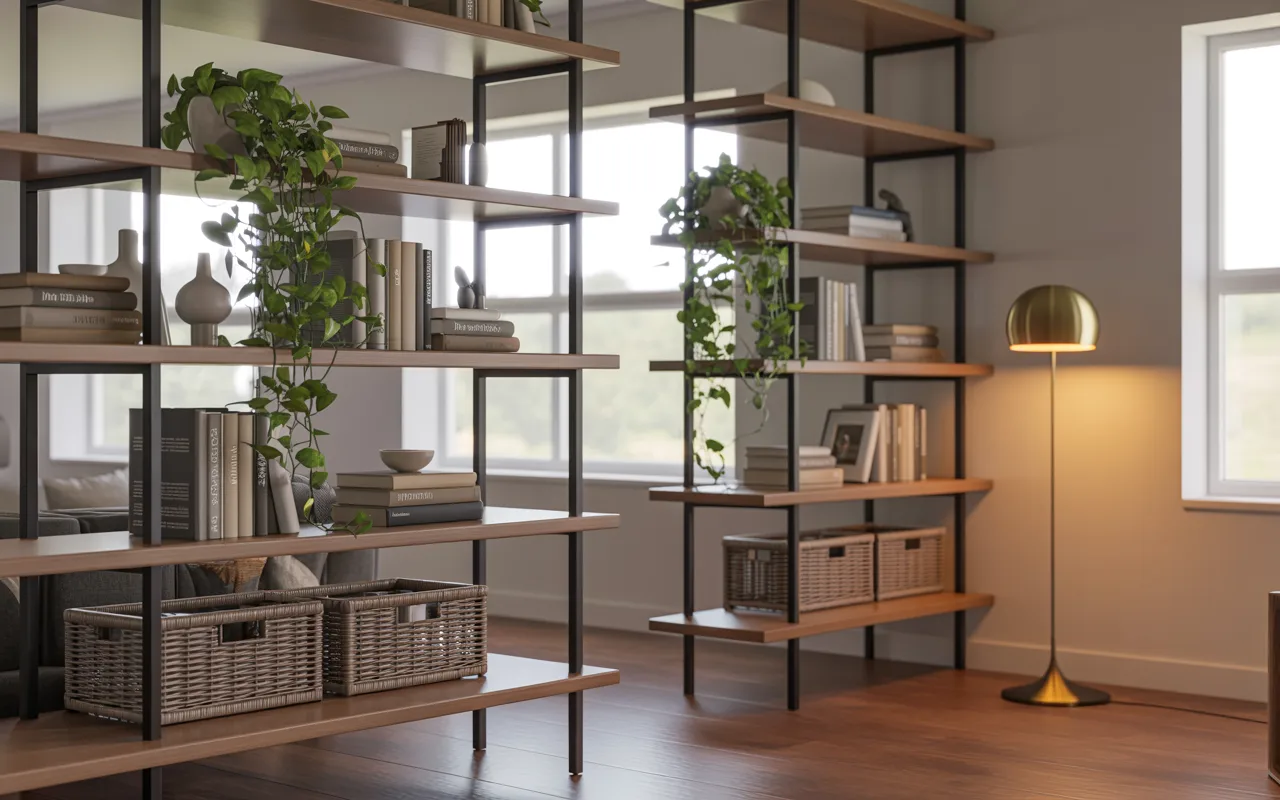
Floor-to-ceiling shelving is one of my favorite ways to maximize storage in small homes. Tall shelves create room for books, baskets, decor, and daily essentials without taking over valuable floor space. I usually mix closed baskets with open decorative items to create balance. Natural light also helps tall shelving feel lighter and less bulky.
Pro Tip: Anchor tall shelves securely to the wall for added safety and stability.
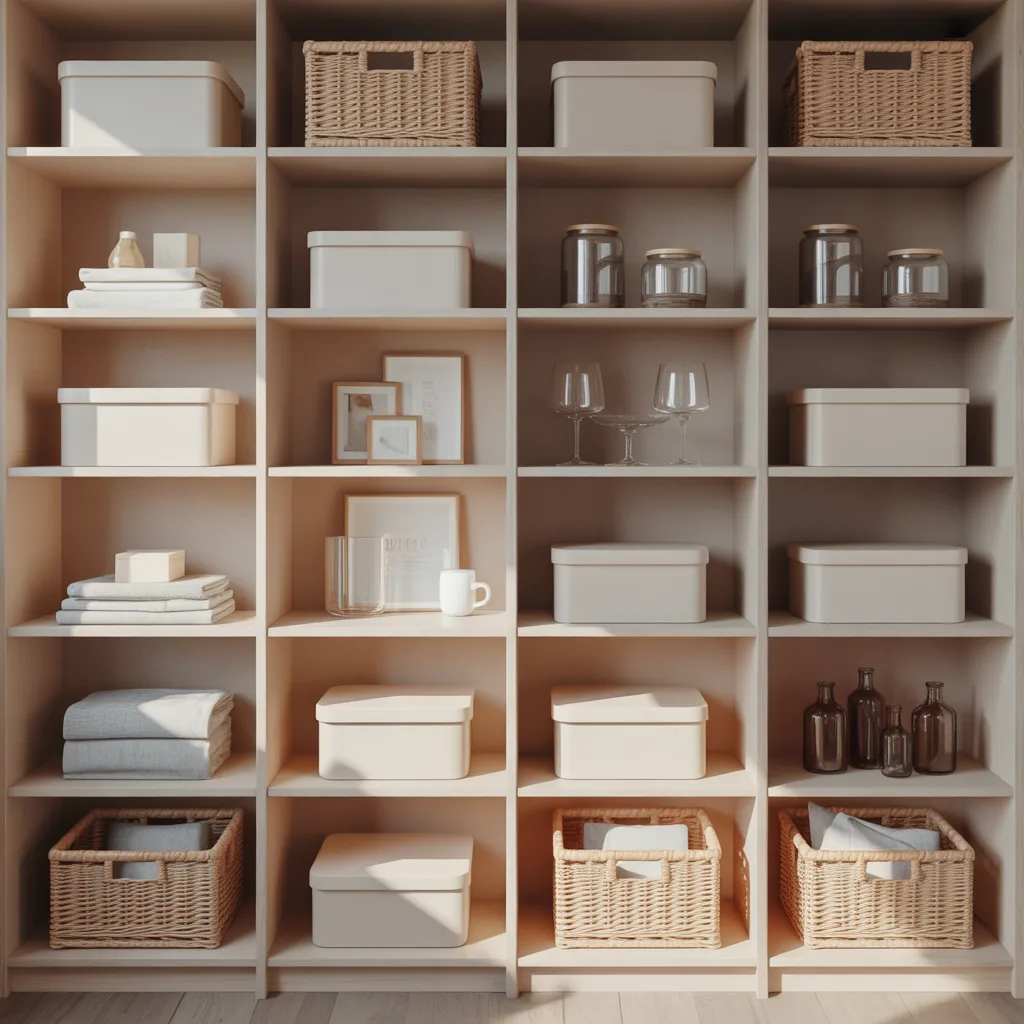
Closet Shelf Stacks
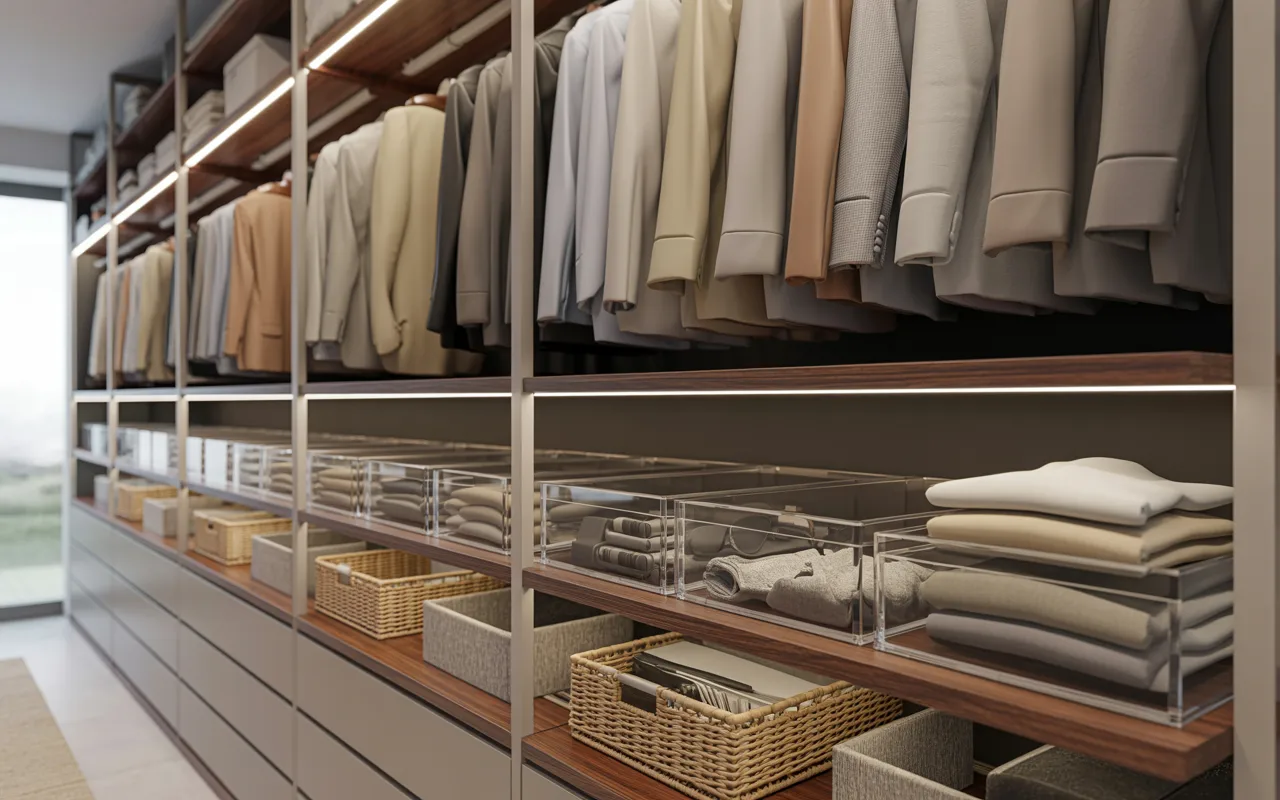
Closets become much more functional when shelves run from top to bottom instead of stopping halfway up the wall. I use stacked shelving for seasonal clothes, storage bins, linens, and household supplies. Adjustable shelving makes it easier to customize the setup over time. Proper closet lighting also improves visibility on higher shelves.
Pro Tip: Store items in clear labeled bins so you can quickly identify what’s on upper shelves.
Upright Dish Storage
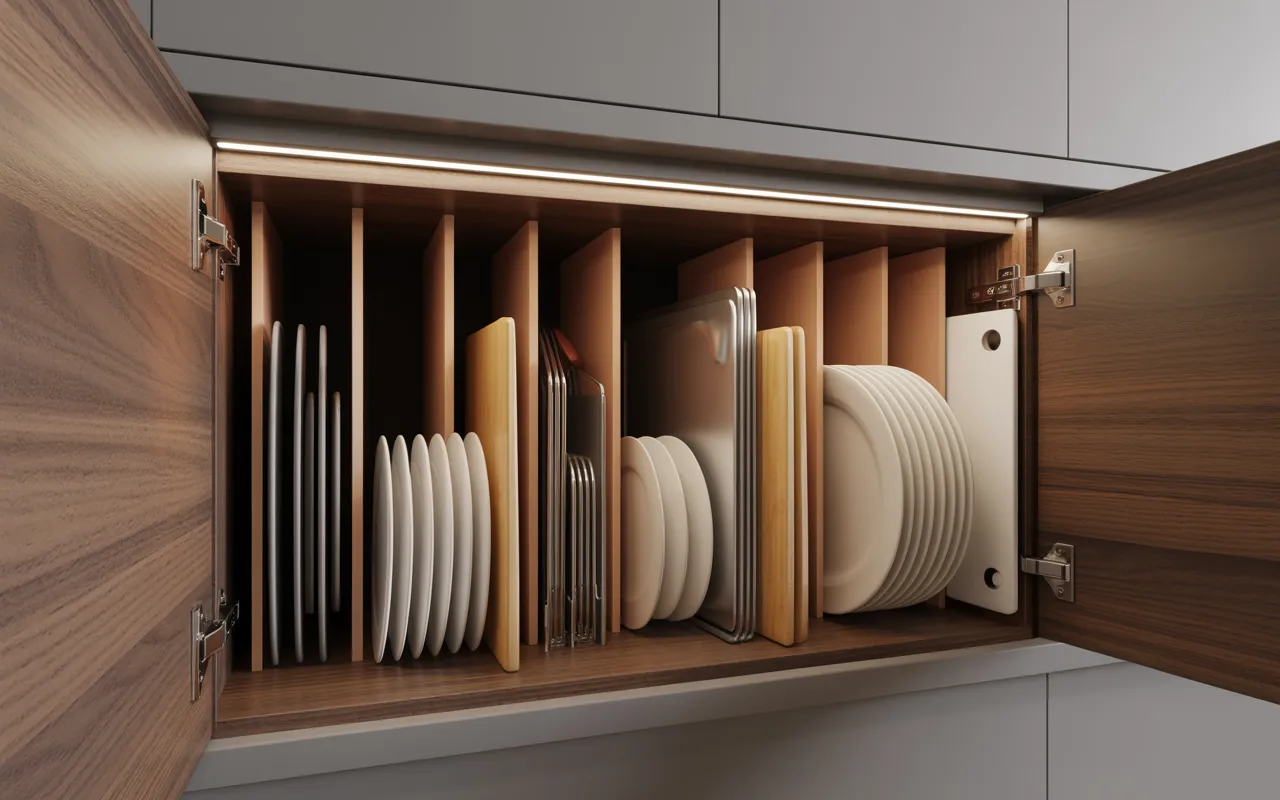
Kitchen cabinets become easier to organize when dishes and trays stand vertically instead of stacking flat. I’ve found that vertical dividers make lids, cutting boards, and baking trays much easier to grab. This setup also prevents heavy piles from becoming messy over time. Slim organizers work especially well in lower cabinets.
Pro Tip: Use adjustable dividers so cabinet storage can adapt to different cookware sizes.
Slim Laundry Wall
Laundry rooms feel far less crowded when storage moves upward instead of outward. I like using vertical rail systems with stacked shelves and bins to keep supplies organized. Wall-mounted storage clears floor space instantly and makes even tiny laundry areas feel more open.
Pro Tip: Use open baskets for detergents and cleaning supplies so everything stays visible and accessible.
Hanging Closet Cubes
Hanging fabric cubes are a simple way to add instant storage without remodeling a closet. I often use them for folded clothes, shoes, bags, and smaller accessories. These organizers work especially well in shallow closets where dresser space is limited. They also make items easier to see at a glance.
Pro Tip: Choose reinforced hanging organizers that won’t sag under heavier clothing items.
Stackable Laundry Drawers
Stackable drawers help narrow laundry spaces feel more organized because they use height instead of width. I like using rolling drawer towers beside washers and dryers for supplies and cleaning products. Mesh or clear drawers improve visibility and airflow, which helps prevent moisture buildup in laundry rooms.
Pro Tip: Use slim rolling drawer systems so they can slide out easily for cleaning behind appliances.
Door Spice Racks
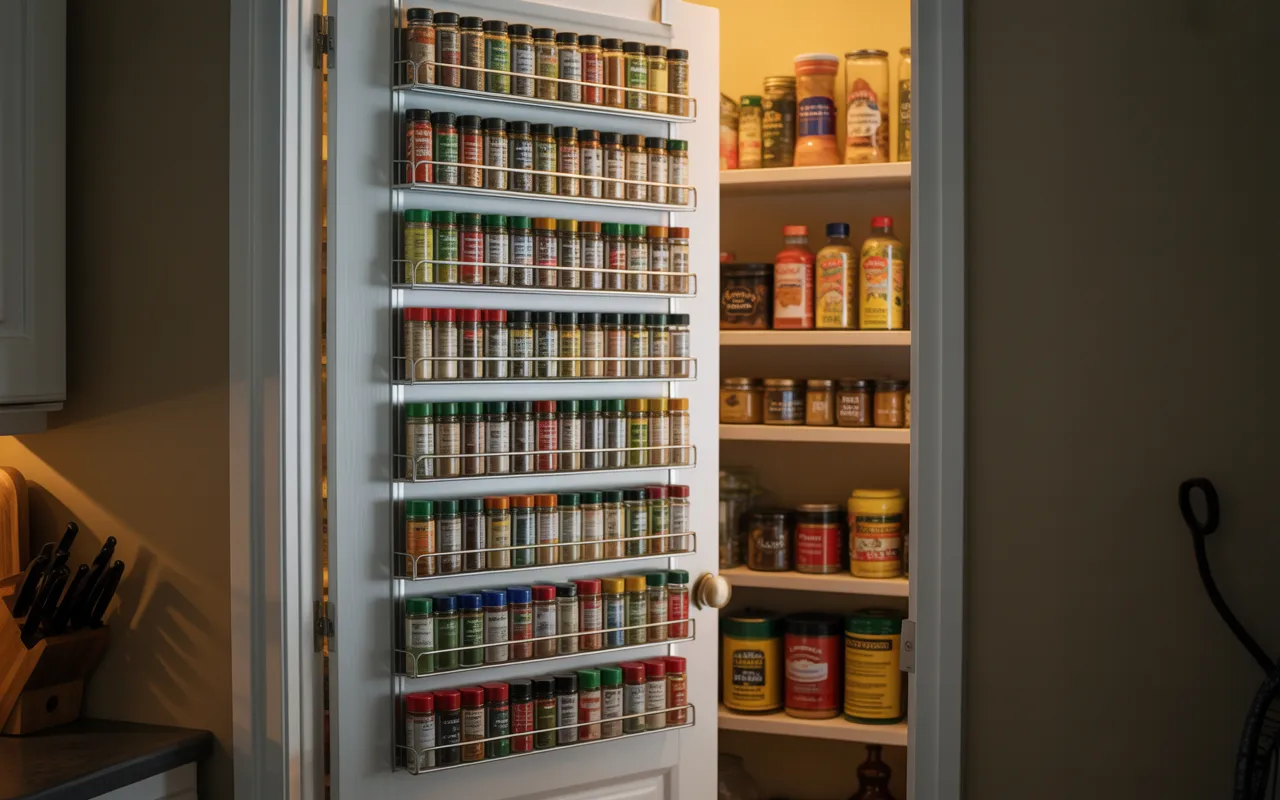
Pantry doors offer surprisingly useful vertical storage space. I love using adjustable spice racks inside pantry doors because they free up valuable shelf room instantly. This setup keeps labels visible and makes cooking much faster because everything stays organized and easy to reach.
Pro Tip: Arrange spices alphabetically or by category so finding ingredients becomes easier while cooking.
Vertical Towel Ladder
Bathrooms instantly feel tidier when towels are stored vertically instead of piled on counters. Towel ladders work especially well beside sinks or behind doors in smaller bathrooms. Rolled towels also create a cleaner and more spa-like appearance compared to traditional towel stacks.
Pro Tip: Use moisture-resistant wood or metal towel ladders for better durability in humid bathrooms.
Floating Spice Shelves
Floating shelves are perfect for narrow kitchen walls that usually go unused. I like mounting slim spice shelves near prep areas so ingredients stay easy to grab while cooking. Clear jars and matching containers help the shelves look neat instead of cluttered. Under-shelf lighting also improves visibility beautifully.
Pro Tip: Keep frequently used spices at eye level for quicker meal preparation.
Bathroom Wall Shelves
Empty bathroom walls can hold much more storage than most people realize. I often install floating shelves above sinks or toilets for towels, baskets, and toiletries. Open shelving helps smaller bathrooms feel less crowded compared to bulky cabinets. Decorative baskets also keep essentials organized.
Pro Tip: Use waterproof shelf finishes to protect storage from humidity and water damage.
Ladder Cabinet Access
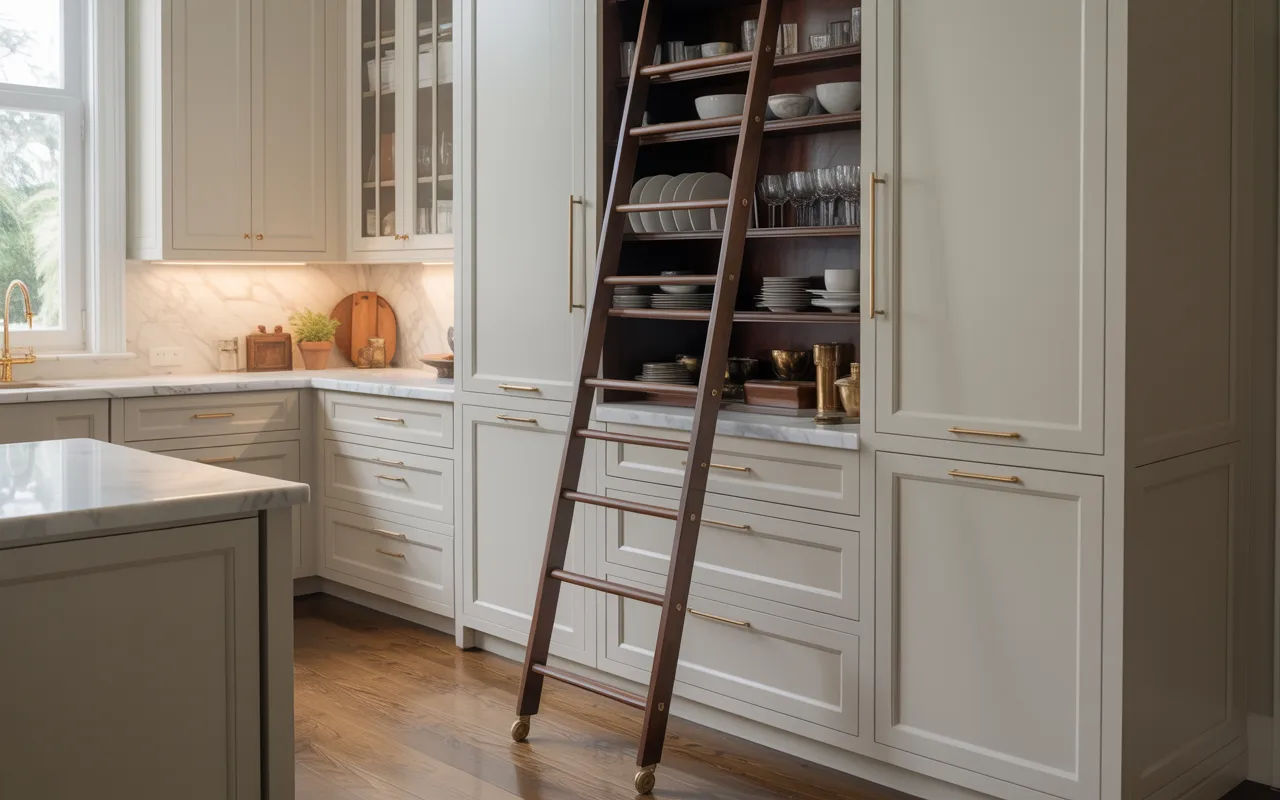
Tall cabinets often waste upper storage because reaching them feels difficult. A slim rolling ladder instantly makes ceiling-height cabinets practical and accessible. I especially like this setup in kitchens and libraries where vertical storage matters most. It also adds a beautiful custom look to the room.
Pro Tip: Install soft-close ladder tracks for smoother and quieter movement.
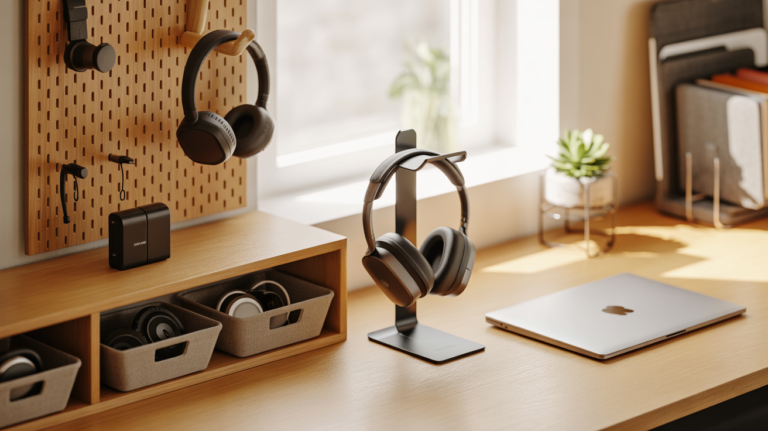
Vertical Desk Shelving
Home office spaces stay cleaner when supplies move upward instead of spreading across the desk. I use tall shelving around desks for papers, boxes, books, and office tools. This setup works especially well in apartments and compact workspaces where every inch matters.
Pro Tip: Combine open shelves with closed storage boxes to reduce visual clutter around workspaces.
Modular Wall System
Modular wall systems are incredibly flexible because shelves, bins, and hooks can move as storage needs change. I like using them in closets, garages, and utility spaces. The adjustable design makes organizing much easier long term. Wall-mounted systems also help maximize awkward vertical spaces.
Pro Tip: Plan shelf spacing carefully before installation so larger bins fit comfortably.
Pantry Shelf Zones
Pantry shelves function much better when items are grouped into organized vertical sections. I usually separate snacks, canned goods, baking items, and cooking ingredients into dedicated zones. Clear containers and bins also improve visibility while preventing shelves from looking chaotic.
Pro Tip: Place frequently used foods at eye level and reserve higher shelves for backup supplies.
Pull-Out Pantry Tower
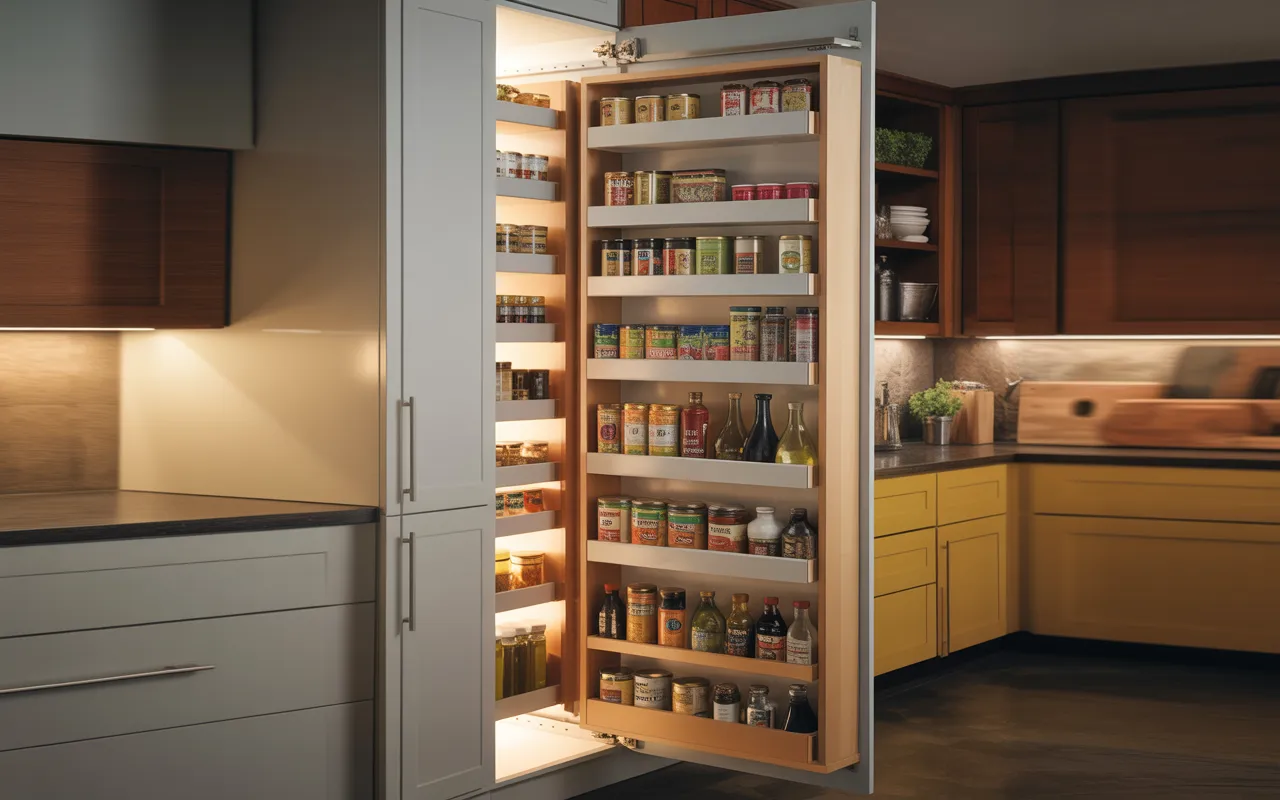
Narrow gaps beside cabinets can become highly functional pull-out pantry towers. These slim storage units are perfect for canned goods, spices, oils, and dry ingredients. I love how pull-out systems make every shelf visible instead of burying items in the back.
Pro Tip: Choose full-extension pull-out hardware so the entire pantry tower slides out smoothly.
Vertical Cleaning Drawers
Under-sink areas become far more organized with stacked cleaning drawers. I use clear vertical organizers to separate sprays, sponges, brushes, and cleaning products neatly. This setup prevents cabinets from becoming messy piles of random supplies.
Pro Tip: Add waterproof liners inside cleaning drawers to protect cabinets from spills.
Vertical Cabinet Dividers
Vertical dividers make cookware storage much easier because pans, trays, and lids stay separated instead of stacked. I’ve found this system especially useful in lower cabinets where heavy cookware can quickly become difficult to manage.
Pro Tip: Use non-slip cabinet liners so upright cookware stays stable and organized.
Cabinet Shelf Risers
Shelf risers instantly create more usable cabinet space by stacking dishes upward instead of piling everything together. I often use them for mugs, bowls, and pantry items. This setup improves visibility and keeps cabinets far more organized over time.
Pro Tip: Measure cabinet height carefully before buying risers to ensure everything still fits comfortably.
Double Closet Rods
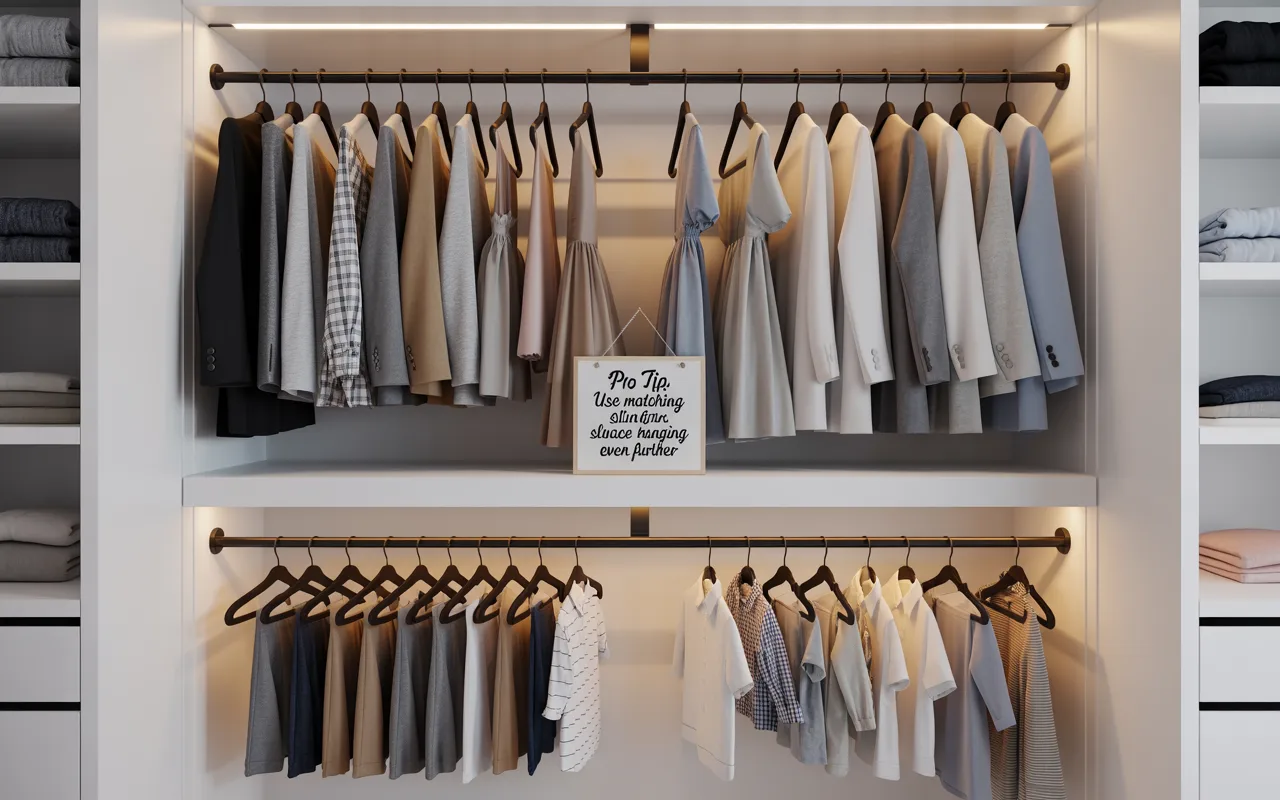
Adding a second closet rod is one of the easiest ways to double hanging storage instantly. I usually install lower rods for shirts, pants, and kids’ clothing. This setup works especially well in smaller closets where shelf space is limited.
Pro Tip: Use matching slim hangers to maximize hanging space even further.
Vanity Shelf Stacking
Bathroom and beauty products become easier to manage when shelves are organized vertically instead of crowded together. I like using trays, stacked organizers, and adjustable shelves so products stay visible and easy to reach daily.
Pro Tip: Group skincare, makeup, and hair products separately to make routines faster and more organized.
Above-Toilet Shelves
The wall above the toilet is one of the most underused storage spots in bathrooms. Floating shelves here can hold towels, baskets, candles, and toiletries beautifully. This setup adds storage without taking up any additional floor space.
Pro Tip: Use decorative baskets on shelves to hide smaller bathroom essentials neatly.
Craft Supply Columns
Craft rooms stay manageable when supplies are sorted vertically instead of spread across tables. I love cube shelving systems with labeled bins for organizing tools, paper, and materials. Tall storage systems also make small creative spaces feel far more functional.
Pro Tip: Use transparent bins so craft supplies stay visible without opening every container.
Door Shelf Stack
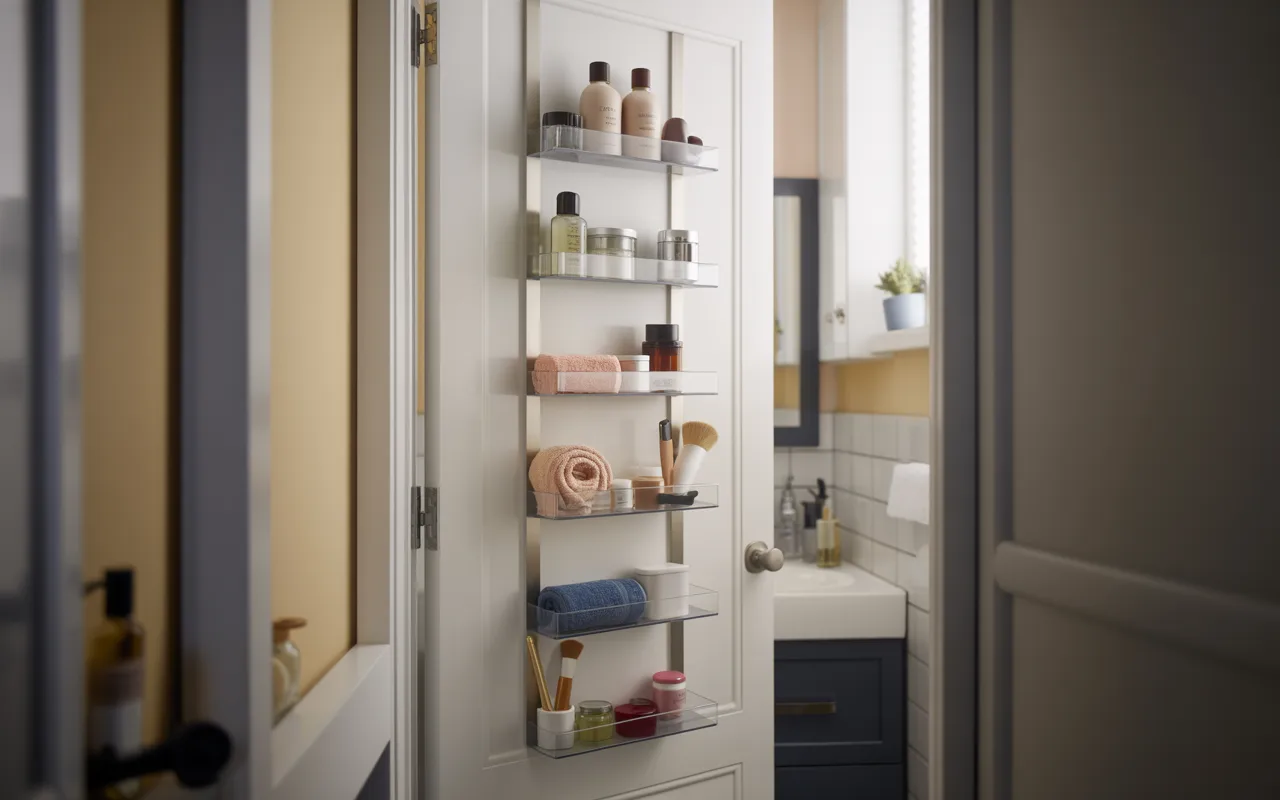
Doors can hold surprisingly useful storage when slim shelves are added vertically. I like using door shelves in bathrooms and closets for skincare, accessories, and smaller essentials. This idea works especially well in tiny spaces where wall storage is limited.
Pro Tip: Avoid overloading door shelves to prevent stress on hinges over time.
Vertical Paper Files
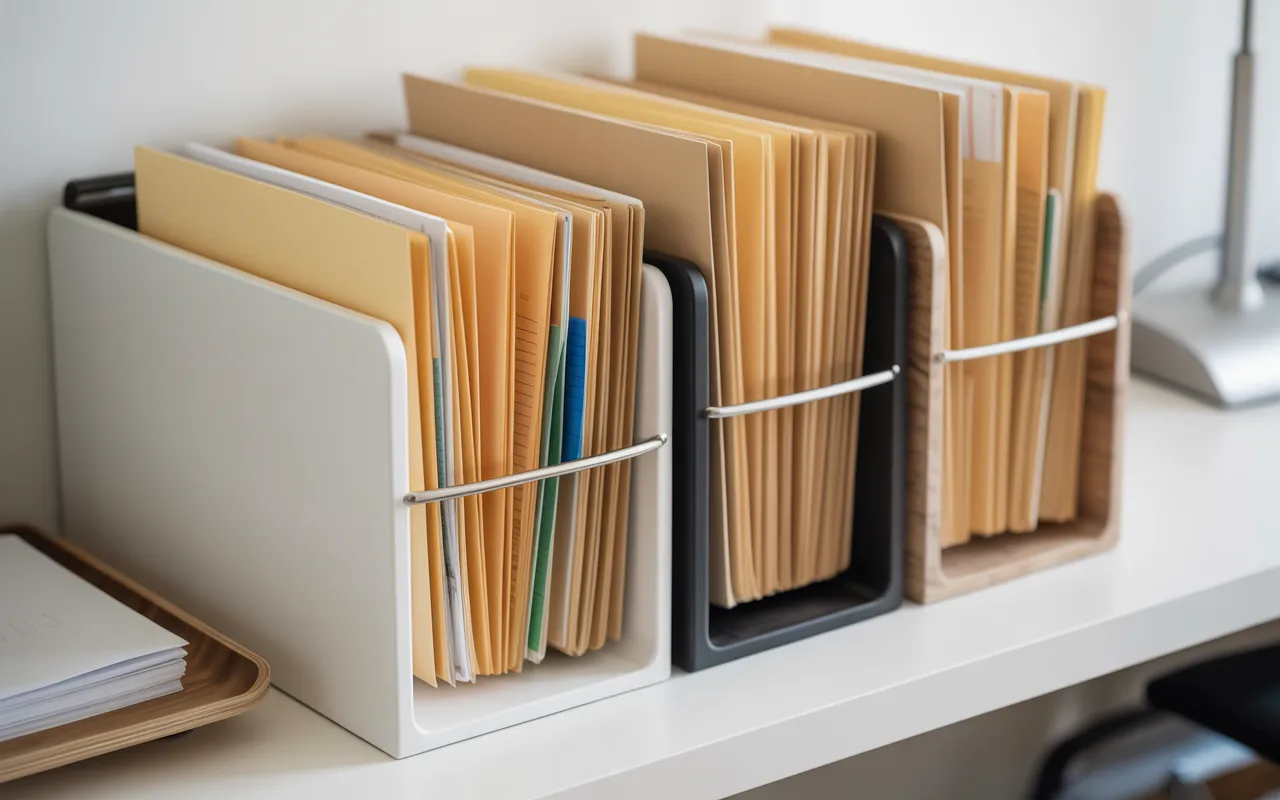
Paper clutter becomes much easier to manage when folders stand upright instead of stacking flat on desks. I usually organize files inside magazine holders or narrow vertical bins so categories stay visible and easy to access quickly.
Pro Tip: Label each file holder clearly to avoid creating messy paper piles again later.
FAQs
1. Can renters add vertical storage safely?
Yes, renters can absolutely use vertical storage without damaging walls permanently. I often recommend tension poles, over-the-door organizers, adhesive hooks, and freestanding shelves because they don’t require major drilling.
For heavier storage, floor-based shelving units are usually the safest option. Battery-powered lighting can also brighten storage areas without electrical work.
2. How do I stop vertical storage from looking messy?
The easiest way is to group similar items together and avoid placing loose objects directly on shelves. I prefer using baskets, matching bins, and clear containers because they create a cleaner appearance instantly.
It also helps to leave some open space between items so shelves don’t feel overcrowded visually.
Conclusion
Vertical storage can completely transform a small room without requiring expensive renovations or extra square footage. I’ve found that using walls, doors, tall shelves, and stacked organization systems makes spaces feel cleaner, larger, and easier to maintain every day.
The key is creating storage that feels intentional instead of overwhelming. With the right vertical storage ideas, even the smallest rooms can become functional, organized, and visually calm.