
The Bowl Game: How to Play, Rules, Variations & 50+ Fun Questions
Some of the best party games don’t need fancy supplies, complicated instructions, or hours of preparation. The Bowl Game is a great example. All you need is a bowl, a few pieces of paper, and a group of people ready to share a few laughs.
I love this game because it gives everyone a chance to share something unexpected about themselves. You might find out that your quietest friend once did something completely silly or that a family member has a hidden talent nobody knew about. Those little surprises are what make the game so entertaining.
Whether you’re planning a family night, birthday celebration, girls’ night, holiday party, or casual get-together, this guessing game is easy to organize and suitable for different age groups.
Key Takeaways
- Players: Works for small and large groups.
- Supplies: A bowl, paper slips, and pens.
- Preparation: Around 5–10 minutes, depending on the group size.
- Main objective: Guess which player wrote each anonymous fact.
- Scoring: Award points for correct guesses or play without scores.
- Best occasions: Family reunions, birthday parties, Christmas gatherings, and girls’ nights.
- Age groups: Suitable for kids, teens, and adults with age-appropriate prompts.
What’s The Bowl Game?
The Bowl Game is a social guessing game that gives people a fun way to learn things they might never have discovered through an ordinary conversation.
To play, everyone writes a few true facts about themselves on separate pieces of paper. These can be funny childhood memories, unusual experiences, hidden talents, unexpected achievements, or little secrets. All the papers are folded and placed inside one bowl.
Players then take turns picking a paper, reading its contents aloud, and guessing which person the statement belongs to.
What makes this game interesting is that even people who have known each other for years can still surprise one another. I especially like that the stories don’t have to be impressive or dramatic. Sometimes an ordinary experience becomes the funniest part of the evening when everyone starts guessing.
The Bowl Game vs. The Fishbowl Game (Not the Same Thing!)
The Bowl Game and Fishbowl Game have similar names, but their gameplay is quite different. If you’re organizing a party, it’s worth knowing which version you want to play before explaining the rules.
The Bowl Game
The Bowl Game focuses on personal experiences and interesting facts about the people playing. Everyone contributes anonymous statements, and the rest of the group tries to identify the person behind each one.
It’s more about:
- Getting to know friends and family members.
- Discovering unexpected personal stories.
- Sharing funny memories and experiences.
- Starting conversations between people.
- Creating a relaxed atmosphere without too much competition.
I would choose this version for family gatherings, birthday celebrations, or parties where guests have different personalities and backgrounds.
The Fishbowl Game
The Fishbowl Game is a team-based guessing activity that combines elements of charades, word descriptions, and guessing games.
Players write names, characters, or words on slips of paper. The group divides into teams, and players take turns helping their teammates guess the answers through different rounds. Depending on the version, they might describe a word, use only one word, or act it out without speaking.
It’s more about:
- Quick thinking and teamwork.
- Acting and describing words.
- Guessing under time pressure.
- Friendly competition between teams.
- Keeping everyone active and involved.
Both games are entertaining, but the traditional Bowl Game is a better choice when you want people to share personal stories rather than compete in guessing challenges.
What You’ll Need for the Bowl Game

One reason I recommend this game is that you probably won’t need to buy anything. Most of the supplies are everyday household items.
Here’s what to prepare:
- A large bowl: Choose something big enough to hold all the folded papers. A basket, hat, or small bucket works too.
- Paper strips: Cut ordinary paper into small pieces so everyone has enough room to write.
- Pens or pencils: Give each player something to write with.
- A timer or watch: Optional, but useful if you want to keep the game moving.
- A comfortable seating area: Arrange chairs around a table or sit together in a circle.
You don’t need a special game board, printed cards, or expensive accessories. The focus should stay on the people and their stories.
Setting Up the Game
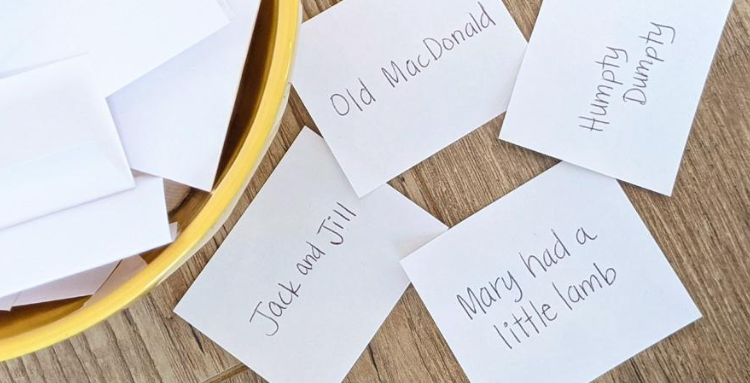
Once you’ve gathered the supplies, the setup is very straightforward. I recommend explaining the activity before handing out the paper so everyone understands what kind of facts to write.
1. Hand out paper strips: Give each player two or three small slips of paper. Two is enough for a shorter game, while three or four will give you more rounds.
2. Write your facts: Ask everyone to write true statements about themselves. Encourage specific experiences instead of general information. Nobody should write their name on the paper.
3. Fold and toss: Fold each slip so the writing cannot be seen and place everything inside the bowl.
4. Mix the papers: Give the bowl a gentle shake or stir the slips with your hand so they are properly mixed.
5. Choose the first player: Decide who will begin. You can start with the youngest person, birthday guest, or simply choose someone at random.
Now everyone is ready to play!
How to Play The Bowl Game
The basic rules are easy enough for first-time players to understand. You don’t need a host with special experience, although having one person explain the turns can help keep a larger group organized.
Round One, Read & Guess
Start by choosing someone to draw the first paper from the bowl.
- The player picks one folded slip and reads the statement aloud.
- Everyone listens and thinks about which person might have written it.
- Go around the group and let players share their guesses.
- Once everyone has answered, the writer reveals themselves.
- If the group wants, the writer can explain the experience behind the statement.
For example, someone might read, “I once entered a school competition without telling my parents and ended up winning.”
Everyone can start guessing whether it belongs to a sibling, cousin, friend, or another person in the room.
For scoring, award one point to each player who guesses correctly. You can also give a bonus point to the person whose fact nobody identifies.
Pass the bowl to the next player and continue until all the papers have been read.
How to Keep Score
You can enjoy the Bowl Game without keeping track of points, but a simple scoring system adds a little excitement for groups that enjoy friendly competition.
Here is an easy approach:
- One point: Award one point for every correct guess.
- Writer bonus: Give the person who wrote the fact one bonus point if nobody guesses correctly.
- Score tracking: Use a notebook, whiteboard, or small pieces of paper to record everyone’s points.
- Final winner: Add up the points after all the slips have been read.
You can also use small candies or tokens instead of writing down scores. Each correct guess earns one token, and the person with the most at the end wins.
If you’re playing with younger children, I would keep the scoring simple so nobody feels left out. The stories and laughter should remain more important than winning.
Variations to Try
The traditional version is already entertaining, but you can make the activity feel different by changing the prompts or introducing a few new rules.
Theme It Up
A themed version makes the game fit the occasion and gives everyone a clearer idea of what to write.
Here are a few ideas:
- Holiday Edition: Write about funny Christmas memories, unusual Easter traditions, or Halloween experiences.
- Birthday Party: Share childhood birthday memories, surprising gifts, or celebrations that didn’t go as planned.
- Family Reunion: Focus on childhood stories, family traditions, and memories involving relatives.
- Girls’ Night: Use funny dating experiences, fashion mistakes, friendship stories, and unexpected adventures.
I find themed prompts especially useful when guests don’t know one another very well. They give everyone a starting point without making the activity feel too structured.
Team Play
If you’re hosting a larger gathering, divide everyone into two or more teams.
Each team can discuss the anonymous facts and agree on one answer before revealing its guess. Award points for correct answers and add up the totals at the end.
This version is particularly useful when children and adults are playing together because people can work as a group rather than feeling pressured to answer individually.
Speed Round
For a faster version, introduce a 30-second guessing limit.
Read a statement aloud and give everyone half a minute to decide who wrote it. Players must share their guesses before the timer runs out.
You can use a phone timer or an ordinary stopwatch. Just make sure the time limit isn’t too short for younger players or larger groups.
Bowl Game Rules and Scoring Options
There isn’t just one correct way to organize the Bowl Game. I would choose the scoring method based on the people attending and whether the gathering is meant to be relaxed or competitive.
Here are three options to consider:
Casual version (no score):
Nobody earns points, and there is no winner. Players simply read the statements, guess the writers, and enjoy the stories. This is my preferred option for relaxed family nights and gatherings with different age groups.
Standard scoring:
Every correct guess earns one point. At the end, the player with the highest score wins. If two people correctly identify the same fact, both receive a point.
Competitive scoring:
Award two points for every correct guess. If nobody identifies the writer, that person receives one point for keeping the fact a mystery. This version makes the game more challenging.
Writer bonus rule:
You can also add a separate bonus point whenever a statement surprises the entire group. This gives players an extra reason to think carefully about which facts they share.
One important detail: Decide on the scoring rules before starting. That way, everyone knows how points work and there won’t be confusion halfway through the game.
Tips for Maximum Fun
A little preparation can make a noticeable difference in how enjoyable the game becomes. These are some simple suggestions I would follow when organizing it.
1. Encourage wild, funny facts
Ask everyone to think beyond everyday preferences. A statement such as “I once wore two different shoes to school” gives people much more to guess about than “I enjoy watching movies.”
2. No names on slips!
Keep every paper anonymous. Even a small name or personal clue can make the answer too easy to identify.
3. Be a sneaky guesser
If you recognize your own statement, try not to give away the answer through your facial expression. Listen to everyone’s guesses and enjoy seeing how they interpret your story.
4. Have prizes ready
Small prizes can make the final results more exciting. Consider a candy bag, funny certificate, homemade trophy, or the chance to choose the next party game.
What to Write on Your Slips: 50+ Prompt Ideas
Coming up with interesting statements is sometimes harder than playing the game itself. If everyone writes something too ordinary, the guessing can become predictable.
I recommend choosing facts that are true, specific, and interesting enough to start a conversation. A small personal experience can be just as entertaining as a big adventure.
For example:
- Ordinary: I enjoy hiking.
- More interesting: I once took the wrong hiking trail and ended up spending hours trying to find my way back.
The second statement gives everyone something to think about and creates an opportunity for a funny story.
Use these prompts to help players come up with their own answers.
Childhood and Growing Up
- Something you believed as a child that turned out to be completely wrong.
- The biggest trouble you ever got into when you were young.
- A childhood fear you still remember.
- An embarrassing school memory you haven’t forgotten.
- The strangest food combination you enjoyed as a child.
- An unusual rule your family followed when you were growing up.
- What you wanted to become when you were older.
- The funniest reason you cried as a child.
- A television show or movie you watched repeatedly growing up.
- Something your parents told you that you believed for years.
Embarrassing Moments
- The most embarrassing experience you’ve had in public.
- A time you accidentally entered the wrong room, house, or vehicle.
- Something silly you did when you thought nobody was watching.
- A time you accidentally called a teacher by the wrong name.
- A message you sent to the wrong person.
- A moment when your microphone or camera was accidentally turned on.
- An awkward experience at a workplace or social gathering.
- A time you laughed when everyone else was being serious.
- An outfit you wore that you would never choose today.
- A moment when you confidently gave someone completely incorrect information.
Surprising Skills and Achievements
- Something you’re unusually good at that people wouldn’t expect.
- A hidden talent you rarely show anyone.
- An unusual course, qualification, or certificate you’ve earned.
- Something you learned to do without taking a formal class.
- An achievement you’ve never really talked about.
- A skill you picked up in an unexpected situation.
- Something that took you much longer to learn than it should have.
- A physical activity or trick you can do that surprises people.
- An unusual hobby or sport you’ve tried.
- Something creative you’ve made that you’re proud of.
Surprising Facts and Confessions
- A famous person you’ve met or unexpectedly seen in person.
- Something you’ve never tried that most people have experienced.
- A popular food you’ve never tasted.
- A famous movie or television show you’ve never watched.
- Something you’ve done that people would find difficult to believe.
- A place you’ve visited that would surprise your friends.
- An unusual daily habit you have.
- An opinion you hold that most people around you disagree with.
- Something you’re surprisingly bad at despite appearing confident.
- A strange fear that doesn’t make much sense.
Adventures and Misadventures
- The most spontaneous decision you’ve ever made.
- A travel experience that didn’t go according to plan.
- Something you agreed to do on a dare.
- A situation that went wrong but eventually worked out.
- The scariest experience you’ve ever had.
- Something you attempted that turned into a complete failure.
- A time you found yourself in an unexpected situation.
- An adventure most people in your current friend group don’t know about.
- Something you promised never to do again but eventually repeated.
- The most unusual thing you’ve done outside your normal routine.
Themed Bowl Game Prompt Ideas
If you’re organizing the game for a particular celebration, themed questions can make the activity more personal. Instead of asking everyone to write random facts, choose prompts that connect with the occasion.
Here are some ideas for different gatherings.
Christmas and Holiday Bowl Game
These prompts work well for Christmas parties, family dinners, and other festive celebrations.
- The most unusual Christmas gift you’ve ever received.
- A holiday opinion that nobody in your family agrees with.
- The most chaotic Christmas celebration you’ve experienced.
- A family Christmas tradition that surprises other people.
- An excuse you’ve used to avoid a holiday gathering.
- Something you did as a child to catch Santa.
- The most memorable holiday gift you’ve ever given someone.
- A festive food you eat only because everyone else enjoys it.
Birthday Party Bowl Game
For an adult birthday party or milestone celebration, use prompts that bring back funny memories and special moments.
- Your most memorable birthday celebration and why you remember it.
- The funniest thing that happened at one of your birthday parties.
- A birthday present you wanted but never received.
- A surprise birthday plan that went completely wrong.
- The first birthday when you genuinely felt older.
- A birthday tradition you follow every year.
- The most unexpected place where you’ve celebrated your birthday.
- An embarrassing moment from a birthday celebration.
Family Reunion Edition
Family reunions are a wonderful opportunity to share memories and learn things about relatives you might not know very well.
- An unexpected connection you have with someone in the family.
- A family story you remember differently from everyone else.
- Something interesting you inherited from a relative.
- A family characteristic you’re happy to have.
- A memory involving relatives that only a few people remember.
- Something a family member taught you that you still use today.
- An interesting career or life experience in your family.
- A family tradition that other people might find unusual.
Girls Night Bowl Game
For a girls’ night, hen party, or evening with close friends, choose lighthearted prompts that encourage funny conversations.
- Your most embarrassing dating experience.
- Something you’ve only shared with your closest friends.
- A fashion trend you followed and now regret.
- The funniest thing you’ve done over a crush.
- A time you laughed at the worst possible moment.
- Something you bought even though you knew you didn’t need it.
- An unexpected decision that turned out to be a good one.
- A friendship memory that most people don’t know about.
Work Party Edition
The Bowl Game can also work at office parties and team celebrations. Just keep the questions friendly and avoid anything that could make coworkers uncomfortable.
- Something funny you’ve accidentally done at work.
- A hidden skill your coworkers probably don’t know about.
- The most unusual job you’ve had before your current one.
- Something you’ve thought during a meeting but never said aloud.
- A workplace mistake that eventually worked out well.
- An unexpected interest you share with a coworker.
- The strangest question you’ve been asked in a job interview.
- Something funny that happened during your first week at work.
Tips for the Best Bowl Game Night
If you want the game to run smoothly, a few small details can make the experience more enjoyable for everyone. These are the things I would keep in mind when hosting.
Set expectations before you start.
Explain the rules and give everyone a few examples of interesting statements. Encourage specific memories rather than simple facts about favorite foods or hobbies. This helps players understand what makes a good guessing question.
Give people enough time to think.
Don’t rush the writing stage. Around five minutes is a reasonable starting point, although some people may need longer to remember a good story. Let everyone write at their own pace.
Make the reveal part of the game.
After the correct person is identified, give them a chance to explain the story. A statement about an unusual childhood experience can easily turn into the funniest conversation of the evening.
Play in a circle.
Arrange the chairs so everyone can see one another. This makes it easier to hear the statements, notice reactions, and take turns without interrupting.
Have the writer confirm or deny at the end of each round.
Let everyone finish guessing before the writer reveals themselves. This keeps the answer hidden until the right moment and makes each reveal more exciting.
Keep the slips after the game.
You can collect the papers once the game ends and save them for another gathering. Reading old statements at a future family party can bring back some wonderful memories.
Run it annually.
If your family enjoys the activity, make it part of a yearly celebration. People can contribute new experiences every time, making the game different from one year to the next.
Bowl Game Variations Worth Trying
Once everyone understands the basic rules, you can introduce different versions to keep the activity interesting. Some work better with close friends, while others are ideal for family celebrations or larger groups.
The Couple Edition:
For this version, couples write facts about themselves or their relationship. Some statements can describe shared experiences, while others can reveal something about just one partner.
The group then guesses which couple the statement belongs to and, when necessary, which partner is responsible.
This is a fun choice for engagement parties, anniversary dinners, and gatherings where several couples are attending.
The Childhood Edition:
In this version, every statement must be about something that happened during childhood or the teenage years.
Players can share school memories, childhood adventures, funny mistakes, or unusual things they believed when they were young.
I especially like this idea for family reunions because different generations can compare their experiences and discover stories they haven’t heard before.
The Bucket List Edition:
Instead of writing about something that has already happened, everyone shares one item from their personal bucket list.
It could be visiting a particular country, learning a new language, trying an adventurous activity, or starting a creative project.
The group guesses who wrote each goal. After the reveal, the writer can explain why that experience is important to them.
The Confession Edition:
This variation is best suited to close friends who are comfortable sharing personal stories.
Each person writes something true that most people in the room probably don’t know. It can be a funny mistake, an unusual habit, or a surprising experience.
Keep the prompts lighthearted and let everyone skip anything they don’t want to share. The idea is to have fun, not make anyone uncomfortable.
The Speed Round:
After all the papers have been read, challenge everyone to remember the statements and identify their writers without looking at the slips.
Go around the room and let each person name one fact and the person it belonged to. You can award a point for every correct answer.
The player who remembers the most facts wins. This is a nice way to finish the activity and see who was paying the closest attention.
The Holiday Edition:
Give the entire game a festive theme by asking everyone to write facts connected to a particular celebration.
You can choose Christmas memories, birthday experiences, Halloween traditions, or family holiday stories.
This version works especially well when the game is part of a larger celebration because the prompts naturally connect with the occasion.
Final Thoughts
The Bowl Game is a simple activity, but it can bring a lot of personality to an ordinary gathering. I love that it doesn’t require expensive supplies, complicated instructions, or special planning. Everyone gets an opportunity to share something, make a guess, and enjoy the stories that come out along the way.
You can keep it relaxed with no scoring, introduce teams for a little competition, or choose themed questions to match your celebration. It’s also easy to adjust the prompts for children, teenagers, adults, and grandparents.
So grab a bowl, prepare a few paper slips, and invite everyone to join in. You might be surprised by how many funny, unexpected, and memorable stories come out of one simple party game!