
25 Fun and Easy DIY Activities for Kids to Try at Home
Keeping toddlers busy at home does not have to mean buying new toys or planning complicated activities every day. Some of the best ways to keep little ones entertained start with things already sitting in your kitchen, craft drawer, or recycling bin. A cardboard box, a little paint, some playdough, or a few natural objects can turn an ordinary afternoon into something fun also engage your kids in group games, so they grow with fun and become more social.
I love the idea of choosing activities that let toddlers touch, move, explore, and make things at their own pace. At this age, children are curious about almost everything around them. They enjoy pouring, stacking, mixing colors, and figuring out how everyday objects work. These simple experiences also give parents a chance to spend quality time with their children without needing a complicated setup.
Key Takeaways
- Affordable materials: Most activities use household supplies, cardboard, paper, fabric, or items collected outdoors.
- Different types of play: The ideas include sensory exploration, creative art, pretend play, simple building, and movement.
- Room for creativity: Toddlers can choose colors, arrange materials, and make their own designs instead of following one fixed result.
- Easy preparation: Many projects need only a few minutes of adult preparation.
- Safety comes first: Choose age-appropriate materials, supervise closely, and keep small objects, craft chemicals, and choking hazards away from young children.
Ideas for Messy & Sensory Play
Sensory activities give toddlers plenty of opportunities to explore different textures, colors, and materials. I like these ideas because they can be adjusted to suit a child’s interests. Some involve squeezing and mixing, while others encourage scooping, pouring, and searching. Set up a washable surface or a large tray before starting, especially if your little one enjoys making a mess.
1. Organic Playdough Made at Home
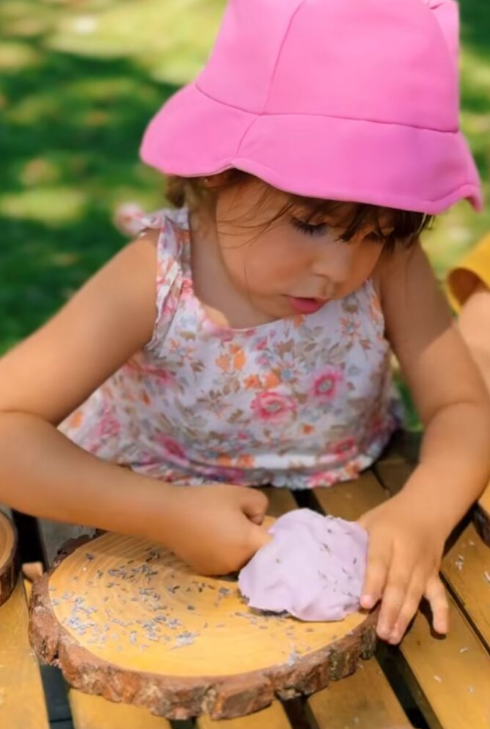
Homemade playdough is a simple activity that can keep little hands busy for quite a while. You can make a basic batch using flour, salt, warm water, vegetable oil, and cream of tartar. Mix the ingredients until they form a soft dough, adding a little more water or flour if the texture needs adjusting.
For natural-looking colors, you can experiment with small amounts of beetroot or spinach juice. Divide the dough into separate portions so your toddler can try different colors. Give them child-safe rolling tools, large cookie cutters, and plastic dough tools to make shapes, pretend food, or little animals.
A useful idea: Store the finished dough in an airtight container between play sessions. Homemade playdough is not edible, so keep it away from children who still put materials in their mouths. Check for flour allergies and supervise throughout the activity.
2. Cloud Slime That is Fluffy
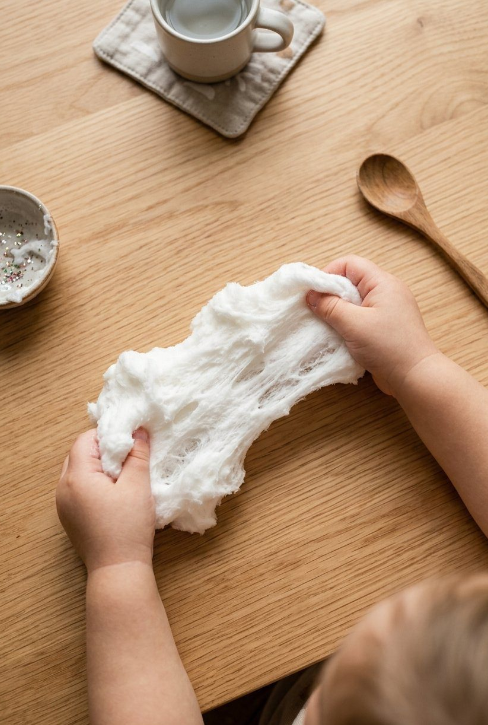
Fluffy cloud slime is often popular with older children because of its soft, stretchy texture. It is made using materials such as white school glue, shaving cream, and an appropriate slime activator, which can create a light, fluffy mixture.
However, I would not make conventional slime a go-to activity for babies or young toddlers. Glue, shaving cream, and contact lens solutions are not suitable for tasting, and some slime ingredients can irritate sensitive skin. Young children who still explore objects with their mouths are better off using a safer alternative.
For a similar sensory experience, try soft homemade playdough or a supervised water-and-foam activity using a small amount of age-appropriate, tear-free soap. Your child can press, squeeze, and explore the texture without handling conventional slime ingredients.
3. Lavender Scented Sensory Bin
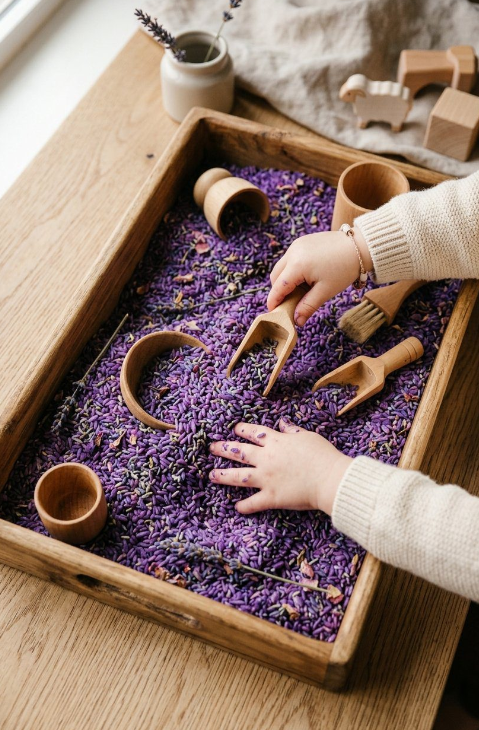
A sensory bin filled with different textures can turn a simple play session into an interesting activity. For this idea, use a shallow plastic container and fill it with large, age-appropriate sensory materials, such as fabric pieces in different shades of purple, large wooden scoops, and empty plastic cups.
You can create a lavender-inspired theme by using purple-colored materials rather than adding dried lavender buds or essential oils. Let your toddler scoop the materials into cups, move them between containers, and sort them by color.
This is also an easy activity to change each time. Try adding large purple pom-poms for older toddlers who no longer mouth objects, or use soft fabric squares for younger children.
My suggestion: Keep the sensory bin simple and supervise closely. Avoid loose dried flowers, tiny decorations, and scented oils around toddlers who may put materials in their mouths.
4. Treasure Hunt with Rainbow Rice
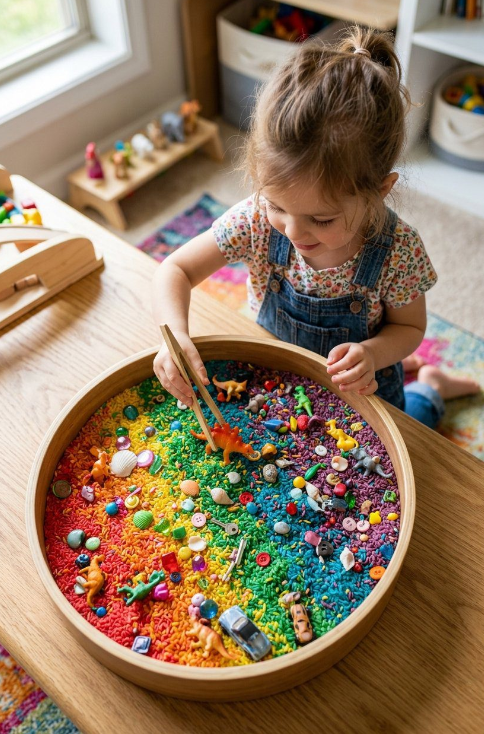
Rainbow rice makes a colorful sensory activity for children who enjoy searching and sorting. To prepare it, divide uncooked white rice into separate containers and color each portion using a small amount of food coloring. Allow the rice to dry completely before combining the colors in a shallow tray.
You can hide large, age-appropriate toys in the rice and ask your toddler to find them. Give them a scoop or a small cup to move the rice around. Older toddlers may also enjoy sorting the colors into separate bowls or filling containers.
It is an easy way to introduce simple activities such as matching, counting, and color recognition. You can change the challenge by asking your child to find all the red or yellow toys first.
Important: Dry rice is a choking hazard for children who still put objects in their mouths. For younger toddlers, use large fabric pieces or other safe, oversized materials instead. Keep the rice away from the mouth and clean up any scattered grains after play.
5. Water Play with Safe Soap Foam
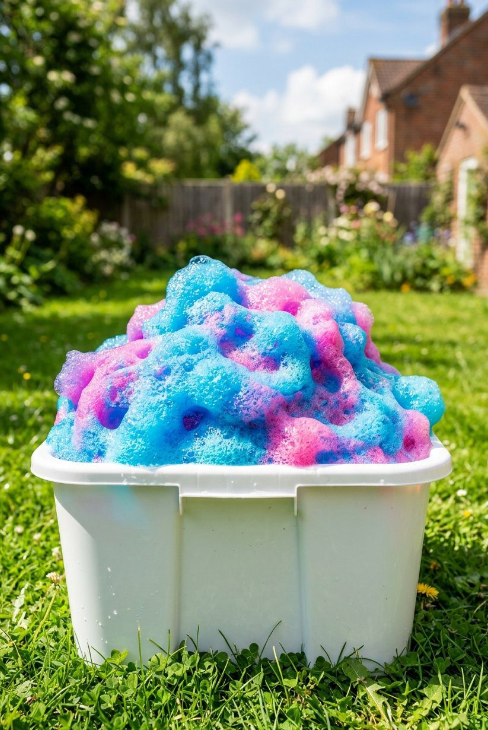
If your toddler enjoys splashing and playing with bubbles, a soap foam activity is worth trying. Add a little tear-free baby wash to water and whisk it until you have a light layer of foam. You can use a hand whisk or an adult-operated mixer to prepare it.
Place the foam in a wide, shallow plastic tub and set it on a washable outdoor surface. Add a few drops of food coloring if the product and setup are suitable, or keep the foam white and provide colorful plastic cups and large scoops.
Children can scoop the foam, transfer it between containers, and watch how the bubbles change as they move their hands through it. You can also set up a simple washing station with large plastic toys.
This activity is especially handy on warm days when children want something different to do outside. Keep the tub shallow, prevent children from tasting the foam, and never leave a toddler alone around water.
Outdoor and Natural Crafts
Outdoor activities give toddlers a chance to notice the things around them while getting some fresh air. Leaves, stones, twigs, and flowers can all become part of a simple craft project. I recommend collecting materials together before starting so you can check that everything is clean, safe, and suitable for little hands.
6. Botanical Pressed Leaf Prints
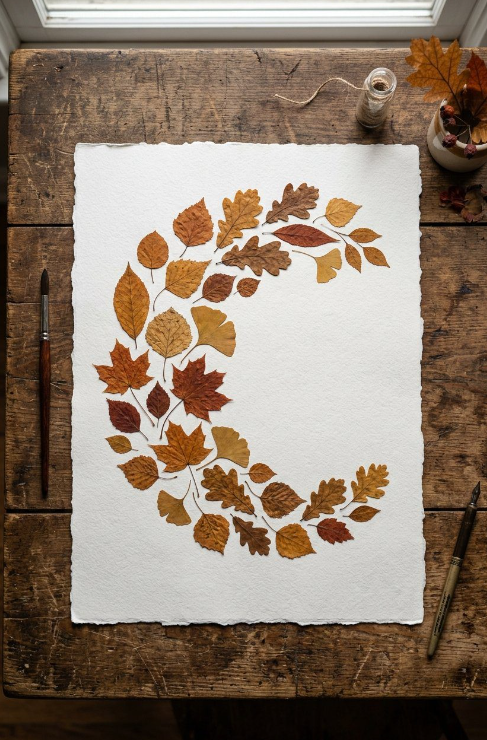
Pressed leaf prints are a lovely way to turn a nature walk into a small art project. Start by collecting a few fallen leaves in different shapes and sizes. Look for interesting patterns, such as long narrow leaves, rounded edges, or leaves with visible veins.
Place the leaves between sheets of plain paper and put them inside a heavy book. Leave them for several days until they become flatter and drier. Once ready, arrange them on cardstock and attach them with child-safe glue.
Your toddler can choose where each leaf goes and help create a pattern or a little nature picture. You can also write the date on the back and keep the artwork as a seasonal keepsake.
For a more interesting activity, compare leaves from different plants and talk about their shapes and colors. Avoid collecting unknown or potentially irritating plants, and wash hands after the activity.
If your kids enjoy playing and making things together, you can add a few group games to their day too. 👉 45 Team Building Games for Kids has plenty of fun ideas for playdates, family time, and keeping a group of children entertained.
7. Garden Rock Markers with Paint
If you have a small garden or a few outdoor pots, painted rock markers are a fun craft to make together. Look for smooth, flat stones that are large enough not to be a choking hazard. Wash them and allow them to dry before setting up the painting area.
Give your toddler washable, child-safe paint and a few thick brushes. They can paint simple flowers, colorful dots, vegetable shapes, or patterns on the stones. Once the paint has dried, an adult can write the names of plants on the markers.
Place the finished stones beside the matching plants in your garden. They can be used to mark herbs, flowers, or vegetables while adding a little color to the space.
I would keep the designs simple for younger children. They do not need to paint perfect pictures; choosing colors and making their own marks is part of the fun.
8. Sticky Bracelets for the Nature Hunt

A sticky nature bracelet is a simple way to give an ordinary outdoor walk a creative purpose. To prepare it, wrap a strip of wide masking tape around your child’s wrist with the sticky side facing outward. Make sure it is comfortable and not too tight.
As you walk around the garden or yard, encourage your toddler to find large fallen leaves and other safe natural materials to stick onto the tape. They can choose their favorite colors, compare leaf shapes, and create their own little collection.
When the walk is finished, remove the bracelet gently and look at everything your child has collected. You can talk about which leaves were big, small, smooth, or rough.
Avoid flowers or plants you cannot identify, as well as thorny or irritating materials. Stay away from tiny pieces and never let a child put collected objects in their mouth.
9. Make Your Own Pinecone Bird Feeder

Making a bird feeder is a nice way to introduce children to the birds that visit their surroundings. If pinecones are available in your area, choose a large, clean one and attach a piece of string securely. An adult can spread a thin layer of bird-safe seed butter over the surface and roll it in suitable birdseed.
Hang the finished feeder from a sturdy branch where you can watch visiting birds from a safe distance. Your toddler can help choose where to hang it and observe which birds come to feed.
You can turn this into a simple observation activity by talking about the birds’ colors, sizes, and movements. Keep a small notebook nearby and draw the birds you see together.
One thing to consider: Check for peanut or seed allergies before choosing ingredients. Use a suitable bird-safe alternative if needed, and let an adult handle the food, string, and hanging process. Keep the feeder out of children’s reach.
10. Chalk Obstacle Course Outside
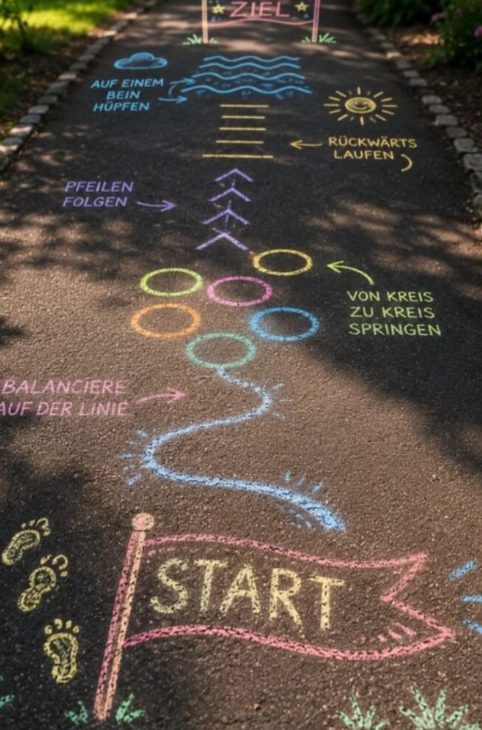
Sidewalk chalk can turn an empty driveway or patio into a fun movement game. Draw a series of large circles, straight lines, arrows, and simple shapes on the ground. Leave enough space between each section so your toddler can move around comfortably.
Instead of creating complicated instructions, give your child one easy action at a time. Ask them to walk along a line, step into a circle, jump over a drawn line, or turn around when they reach an arrow.
You can also add color-based instructions. For example, step on the yellow circle, walk to the blue line, or find all the red shapes.
This activity is easy to change depending on your child’s age and energy level. Keep the course on a flat, dry surface away from moving vehicles, and stay close while your toddler moves between the shapes.
Exploration of Paint and Colour
Painting activities are a great way for toddlers to experiment with colors without worrying about making perfect pictures. I prefer setting up a small painting station with washable supplies, old clothes, and paper that is easy to replace. The following ideas offer different ways to explore paint, patterns, and simple cause-and-effect experiences.
11. Painting Zip Bags Without Mess
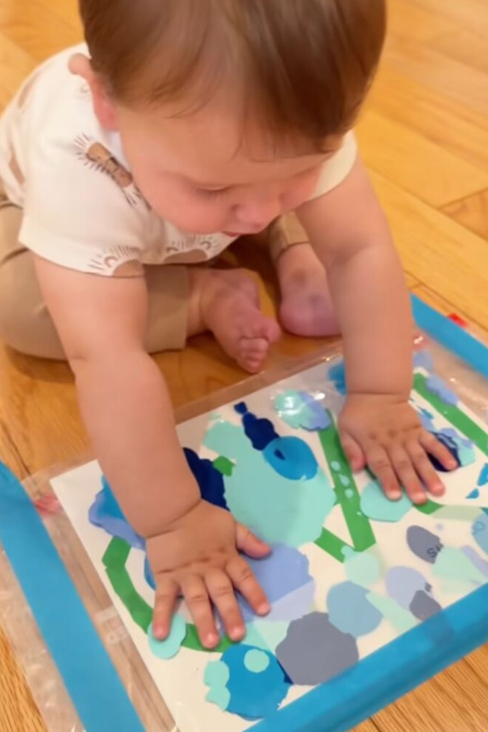
If your toddler likes playing with paint but you want to avoid a messy table, try painting inside a sealed plastic bag. Place a sheet of thick white paper inside a clear, strong zip bag and add a few small drops of washable paint between the paper and the plastic.
Close the bag securely and seal the opening with strong tape. Place it flat on a table or another stable surface. Your child can press the bag with their fingers and move the paint around to create colorful patterns.
Try placing two different paint colors apart and letting your toddler push them together. They can watch as the colors mix and form new shades.
This is a useful option for a short indoor activity, particularly when you do not want paint directly on little hands. Check the bag for leaks before use, supervise throughout, and remove it immediately if it gets damaged.
12. Excavation of Colourful Ice Blocks
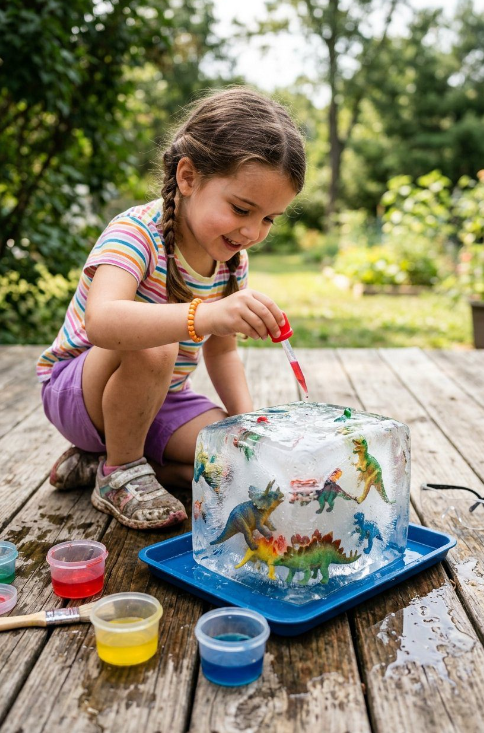
Ice excavation is a simple activity that lets toddlers explore melting and temperature. Before playtime, place a few large, age-appropriate waterproof toys inside a suitable container filled with water. Freeze the container until the water becomes a solid block.
Once frozen, remove the ice block and place it in a shallow tray. Give your child a small squeeze bottle filled with cool or slightly warm water so they can pour it over the ice and watch it slowly melt.
You can also provide a large plastic spoon for gentle tapping, with an adult handling any tools that could break or damage the ice. As the ice melts, your toddler will gradually see the toys appear.
This is a nice opportunity to talk about how water turns into ice in the freezer and changes back into water as it warms up. Keep the activity on a non-slip surface, avoid hot water, and supervise closely to prevent mouthing or slipping.
13. The Magic Milk Swirl Test
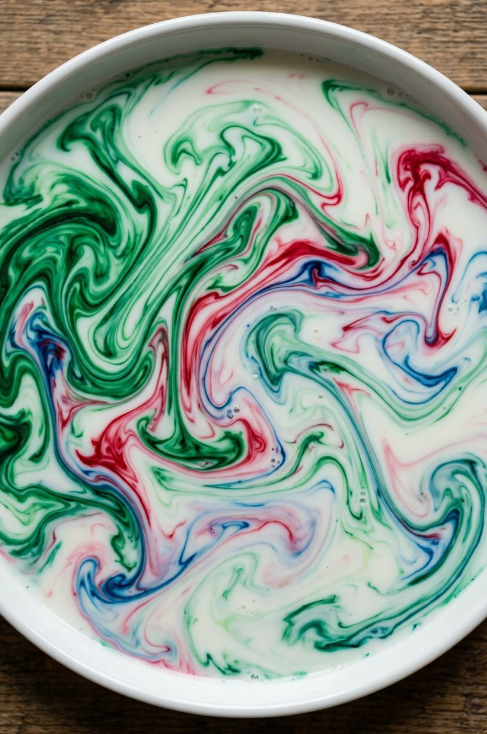
The magic milk experiment creates colorful patterns that toddlers often enjoy watching. Pour a shallow layer of milk into a wide dish and add a few drops of different food colors. Keep the colors slightly apart so your child can see each one clearly.
An adult can dip a cotton swab into a little dish soap and gently touch the surface of the milk. The colors will begin moving away from the contact point and form interesting swirling patterns.
Let your toddler watch the changes and guess what might happen when you touch a different part of the dish. You can repeat the experiment with new colors or use a fresh batch of milk.
The movement happens because dish soap interacts with the fats in milk and changes the surface tension. It is a simple way to introduce an early science concept through observation.
Keep the milk and soap mixture away from your child’s mouth, and let an adult handle the dish soap.
14. Rainbow Marbling Shaving Cream
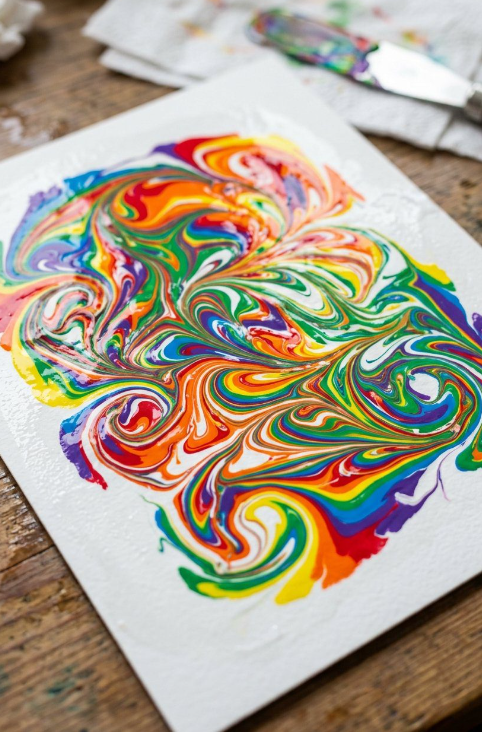
Shaving cream marbling creates interesting patterns that can be transferred onto paper. However, regular shaving cream is not a good choice for toddlers who may touch their faces or put materials in their mouths. It is better suited to older children with close adult supervision.
For a toddler-friendly version, use a shallow tray of washable, child-safe paint mixed with a little water. Add a few drops of different colors and gently swirl them with a large craft stick handled by an adult.
Press a sheet of thick paper lightly onto the surface and lift it to see the pattern. Allow the artwork to dry before displaying it.
Each print will look a little different because the colors move and overlap in their own way. Your child can choose the colors and watch the process rather than worrying about making a particular design.
If you choose to use traditional shaving cream for an older child, check the product label and keep it away from younger toddlers.
15. Stomp Painting with Bubble Wrap
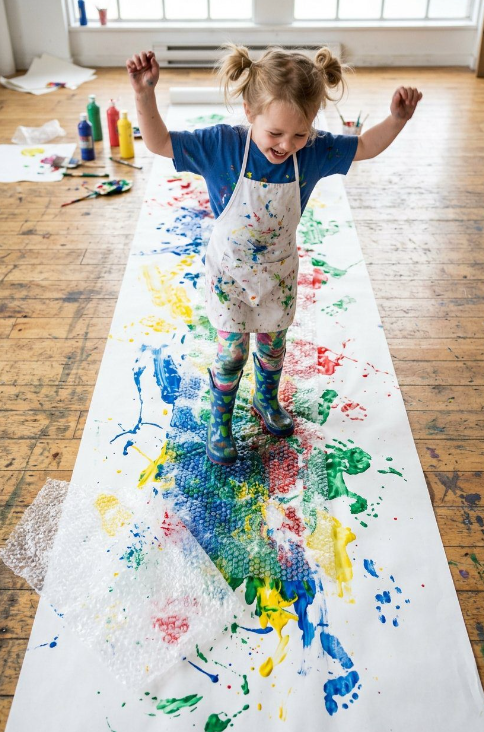
Stomp painting is a playful art activity for children who enjoy moving around instead of sitting at a table. Roll out a large sheet of paper on a flat outdoor surface and secure the edges with tape. Add a few small patches of washable paint to the paper.
Place bubble wrap over the painted sections and secure it so it cannot slide. Your toddler can walk or gently step across the covered areas while wearing suitable non-slip footwear.
As they move, the paint spreads into interesting shapes and patterns. Once the activity is finished, carefully lift the bubble wrap to reveal the artwork.
You can use different paint colors to create a colorful picture or let your child make a large abstract design. It is a fun way to combine movement and creativity.
Safety note: Bubble wrap can be slippery and may create a choking hazard if pieces are pulled off. Use a securely fixed setup, stay beside your child, and remove the plastic immediately if it tears.
Cardboard and Construction Projects
Before throwing away large boxes, cardboard tubes, or empty egg cartons, consider saving them for a craft afternoon. These materials can become simple toys, pretend-play spaces, and little building projects. I like cardboard activities because children can use their imagination rather than having to follow a complicated set of instructions.
16. A Pretend Play Castle Made of Cardboard Boxes
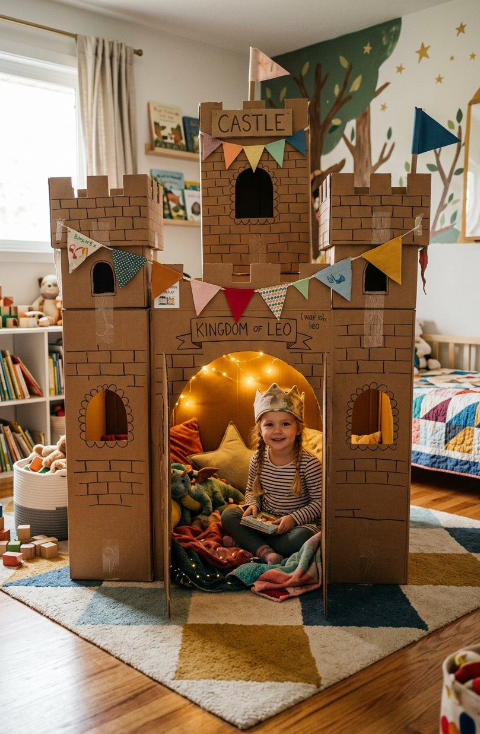
A large cardboard box can become a castle, a house, or even a little shop. Choose a sturdy box with enough space for your toddler to sit or play beside it. An adult should cut out the door and windows, making sure there are no sharp edges or loose staples.
Once the basic structure is ready, give your child washable crayons, large stickers, and child-safe decorations. They can draw bricks, add colorful shapes, or decorate the outside of their castle.
You can also place a blanket inside to make a cozy reading or pretend-play corner. If you have more than one box, connect them to create separate rooms or a little tunnel.
Let your toddler decide what the castle will become. One day it might be a home for stuffed animals, and the next day it could be a shop or a pretend spaceship.
17. Roll Binoculars for Toilet Paper
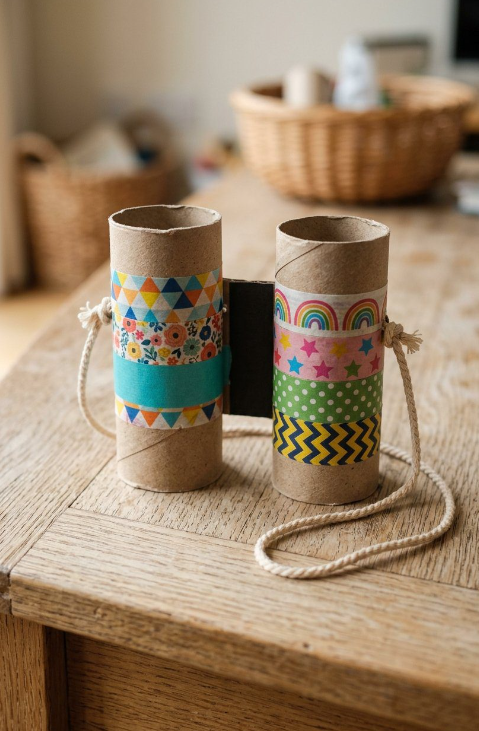
Cardboard tubes are useful for making simple pretend-play toys. Save two clean toilet paper rolls and place them side by side. An adult can attach them securely with child-safe craft adhesive or tape.
Once they are joined, your toddler can decorate the outside with washable markers, large stickers, or colored paper. Keep the decoration simple so the cardboard tubes remain easy to hold.
After the craft is ready, take your homemade binoculars outside and look for birds, trees, clouds, and other interesting things. You can also use them for a pretend safari around the house.
Ask your child what they can see through their binoculars and encourage them to describe the objects they find. Avoid adding yarn neck straps, small decorations, or loose parts that could create a choking or strangulation hazard.
18. Ramp Car Racing with Cardboard
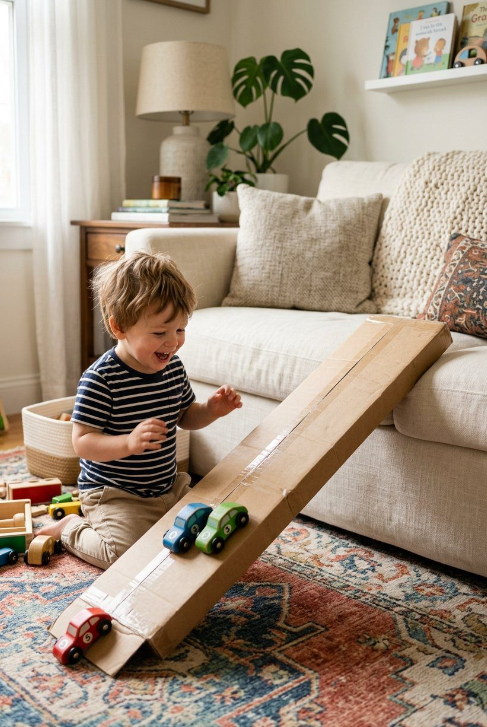
A cardboard car ramp is an easy project for toddlers who enjoy playing with toy vehicles. Take a long, sturdy piece of cardboard and rest one end on a low, stable support. Make sure the ramp cannot slide or tip over during play.
Place a few large toy cars at the top and let your toddler release them one at a time. They can watch the cars travel down the ramp and see which one reaches the bottom first.
You can change the height slightly or adjust the ramp’s angle with adult help. Ask your child whether the car moves faster or slower when the ramp is higher.
This is a simple way to introduce ideas about movement, speed, and gravity through play. Use a gentle slope, keep the racing area clear, and choose toys that are too large to swallow.
19. Picture Frames Made Using Popsicle Sticks
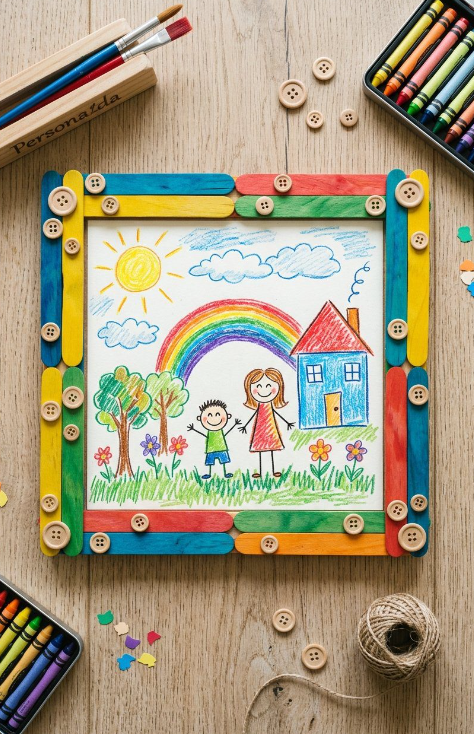
A homemade picture frame is a nice way to display your toddler’s artwork. For this activity, an adult can arrange four large craft sticks into a square and attach them with suitable glue.
Once the frame is dry, let your child decorate it with washable paint, large stickers, or colorful paper shapes. They can choose their favorite colors and decide how the frame should look.
Place a small drawing or printed photograph behind the frame and secure it with adult help. You can display the finished project on a shelf or attach it to a magnetic surface using an appropriately secured magnet.
These frames also make thoughtful gifts for grandparents or other family members. Keep loose buttons, small beads, and glitter away from young toddlers, as they can easily become choking hazards.
20. Flowers Made from Recycled Egg Cartons
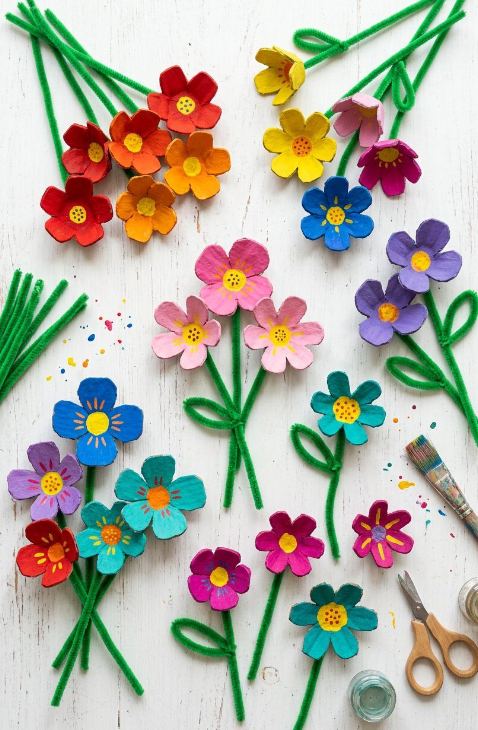
Egg cartons can be turned into colorful pretend flowers with a little adult preparation. Start with a clean cardboard egg carton and cut out individual cups. Trim the edges into simple petal shapes before giving them to your child.
Let your toddler paint the flower shapes using washable, child-safe paint. They can choose one color for each flower or mix several shades to create their own designs.
Once the paint has dried, an adult can attach the flowers to large paper stems or a cardboard background. This creates a bright display for a bedroom, playroom, or craft wall.
You can also make a whole paper garden using different colors and flower shapes. It is a good way to reuse everyday packaging instead of throwing it away.
Play with Yarn, Felt, and Fabric
Soft materials offer another way for toddlers to explore colors, shapes, and textures. Fabric and felt can be used for pretend food, simple decorations, and dress-up activities. For younger children, I recommend choosing larger pieces and avoiding loose threads, long strings, and small attachments.
21. Easy Finger Knitting with Yarn
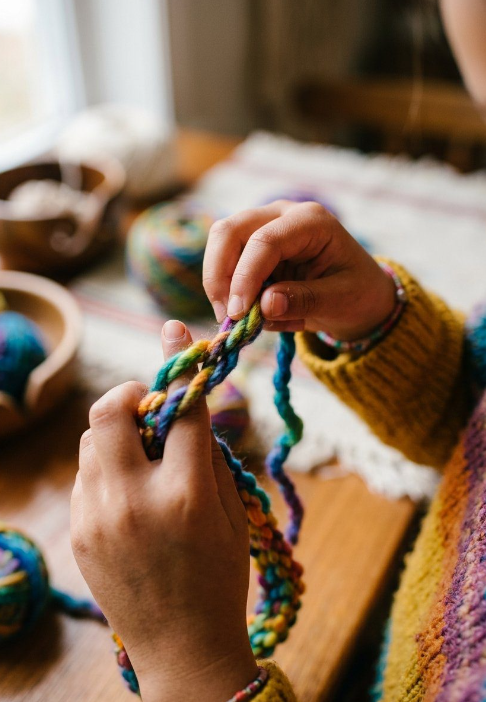
Finger knitting is a simple craft for children who are ready to follow a few basic steps. Choose thick, soft yarn that is easy to see and handle. Show your child how to loop the yarn around their fingers and gently move the loops to create a chain.
You may need to demonstrate the process several times before your child understands how it works. That is perfectly fine. Let them try at their own pace instead of expecting a finished project straight away.
Older preschoolers may enjoy turning their knitted chains into pretend bracelets, decorative pieces, or simple craft decorations with adult help.
For younger toddlers, try a safer alternative such as placing short, large fabric strips into a container and taking them out again. Never leave a child unattended with yarn, as loose or long strands can create a strangulation hazard.
22. Pretend Play Kit with Felt Pizza
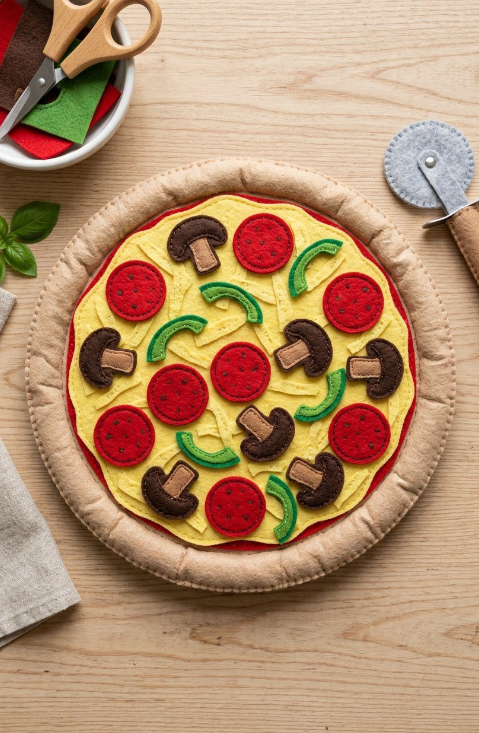
A felt pizza set is a fun way to introduce pretend cooking. Use thick felt sheets in different colors to create a large pizza base, cheese, tomato slices, mushrooms, and green pepper shapes. An adult should prepare the pieces, making sure they are large enough for the child’s age.
Place the felt pizza base on a flat surface and let your toddler choose which toppings to add. They can make a different pizza each time by changing the colors and arranging the pieces in new ways.
You can also use the activity to introduce simple counting. Ask your child to add two tomato slices or three pieces of cheese, depending on their age and ability.
Felt is useful for this type of pretend play because the pieces are soft and easy to rearrange. Avoid small toppings, loose decorations, and any pieces that could be swallowed.
23. Handmade Animals on Paper Plates

Paper plate animals are an easy craft for a rainy afternoon. Start with large paper plates and choose an animal your toddler likes, such as a lion, panda, bear, or rabbit.
An adult can prepare the basic shapes by cutting out large ears, noses, and other details from construction paper. Your child can paint the plate, choose the colors, and help arrange the pieces before an adult attaches them.
For a lion, add a yellow or orange face and a large paper mane. For a panda, use black patches around the eyes and simple round ears. You can make several animals and use them for a small pretend-play session afterward.
This activity does not need many supplies, and the finished animals can be displayed on a bedroom wall or used as decorations for a play area.
24. Handmade Dreamcatcher with Twig and Yarn

A simple twig-and-yarn decoration can be a nice craft for older toddlers who enjoy watching patterns develop. An adult should prepare the frame using two large, smooth twigs securely tied together or use a sturdy cardboard ring as a safer alternative.
Choose thick, short lengths of colorful yarn and show your child how to wrap them around the frame. They can help choose the colors and decide where each section should go.
The finished decoration can be displayed on a wall or placed on a high shelf. You can also add large paper shapes as decorations, provided they are firmly attached by an adult.
I would avoid loose feathers, beads, long hanging strings, and small ornaments around toddlers. The goal is to create a colorful weaving project without introducing unnecessary hazards.
25. Super Cape Made of Easy No-Sew Fabric
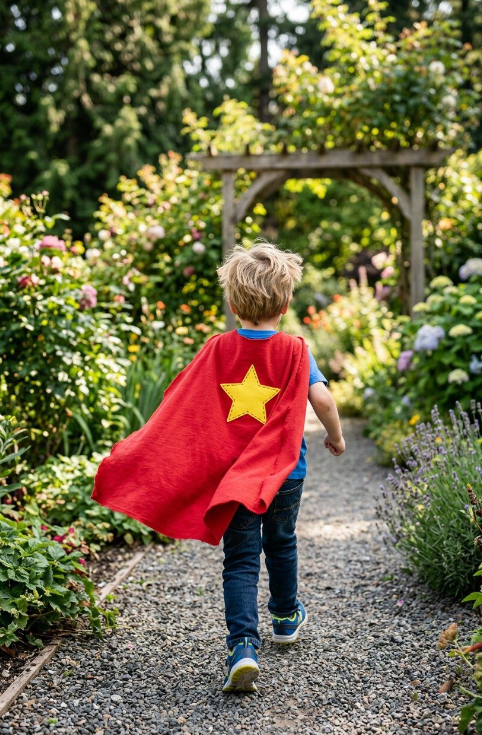
A superhero cape is a fun addition to a toddler’s dress-up collection. Choose a soft, lightweight piece of fabric and let your child pick a favorite color. An adult can cut the fabric into a simple cape shape and finish the edges if needed.
For decoration, use large felt shapes or fabric patches attached securely by an adult. A star, lightning bolt, or the first letter of your child’s name can make the cape feel more personal.
Once the cape is ready, your toddler can use it for pretend superhero games around the house or in the garden. You can also make up a little story together about the character they want to play.
For safety, avoid neck ties, elastic loops, and tight fasteners. A toddler’s cape should fit comfortably, stay away from the neck, and never be worn while climbing or playing near stairs.
Conclusion
Finding enjoyable things to do at home with toddlers does not require a big budget or a cupboard full of craft supplies. These 25 DIY toddler activities show how simple materials like cardboard, paper, paint, fabric, and natural objects can create plenty of opportunities for play.
I would start with one or two activities that match your child’s current interests rather than setting up several projects at once. Some days, they may enjoy painting and making things, while other days they may prefer water play, building, or exploring outdoors. Keep the activities flexible, supervise closely, and let your toddler make choices along the way. Often, the simplest activities are the ones children want to repeat.
Related Post: 👉 27 Indoor Games for Kids in 2026